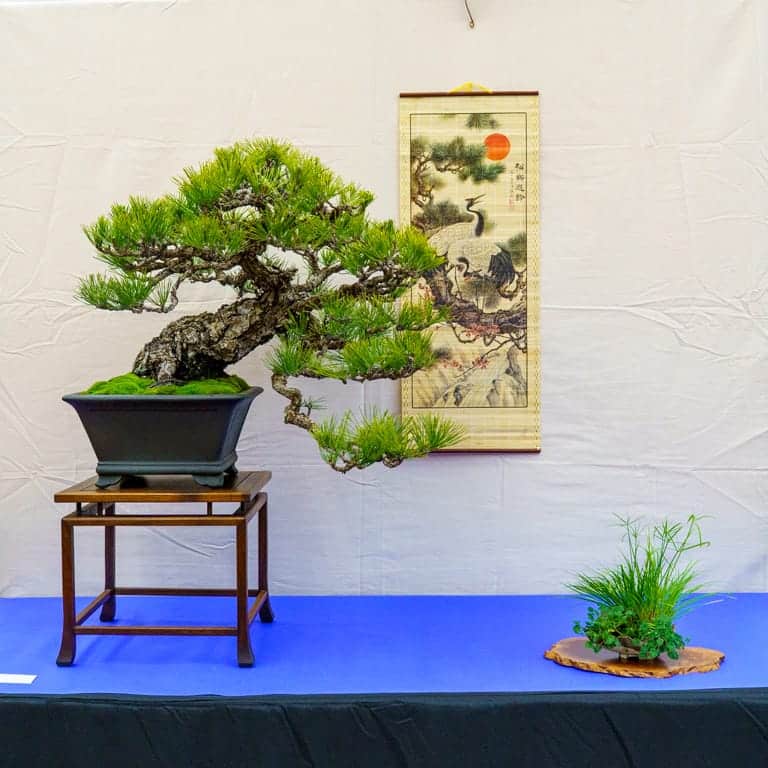
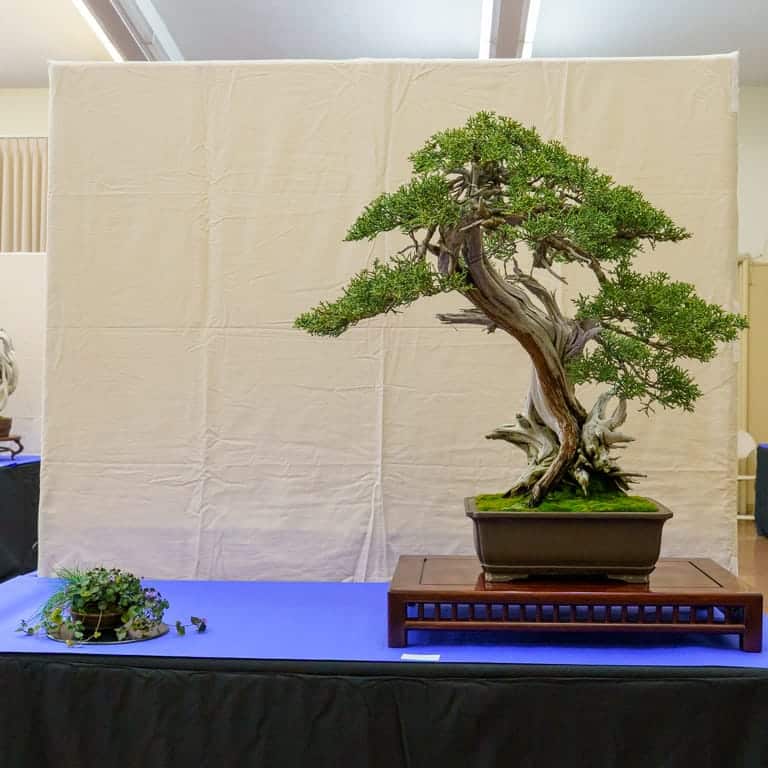
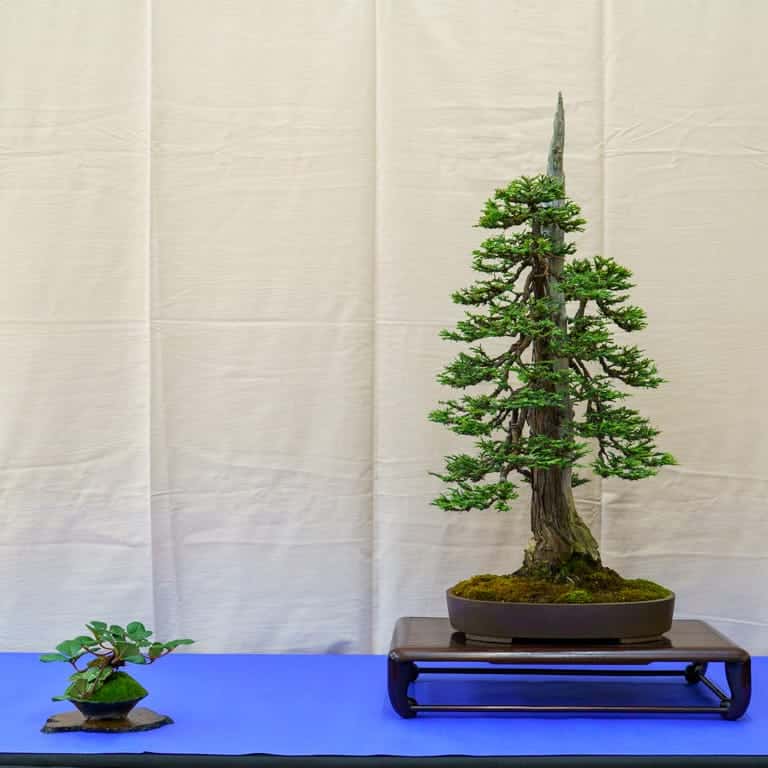
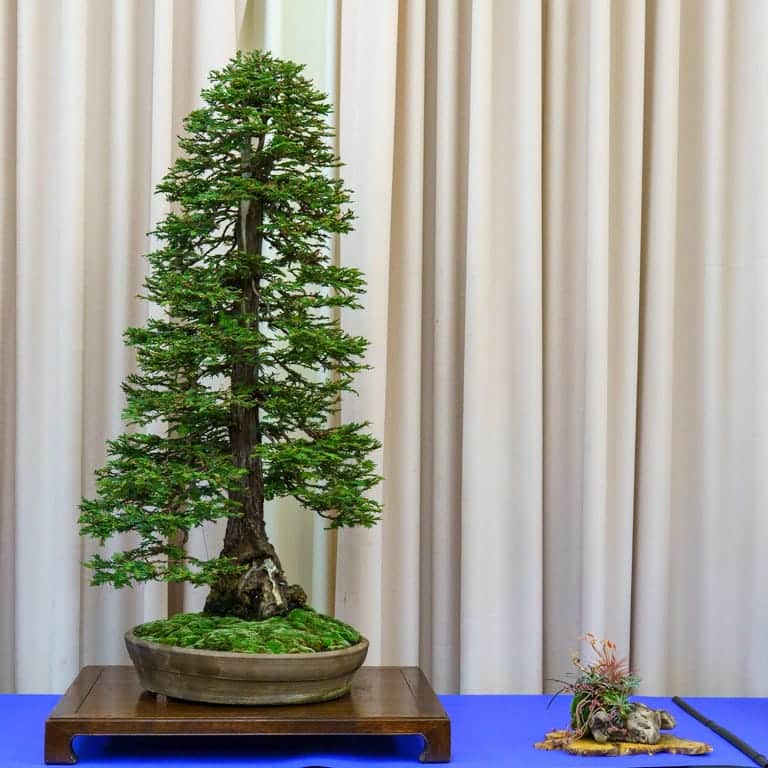
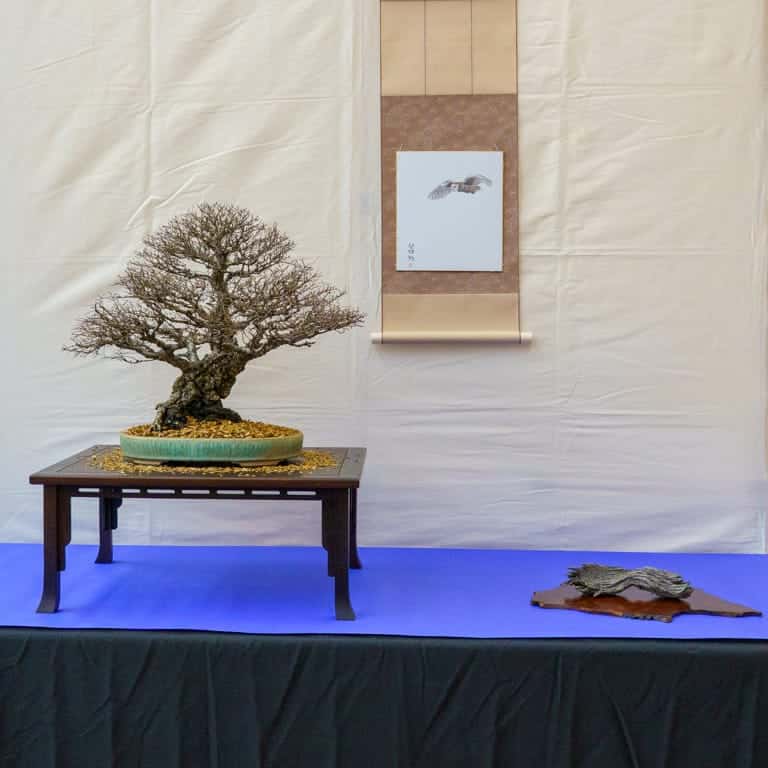
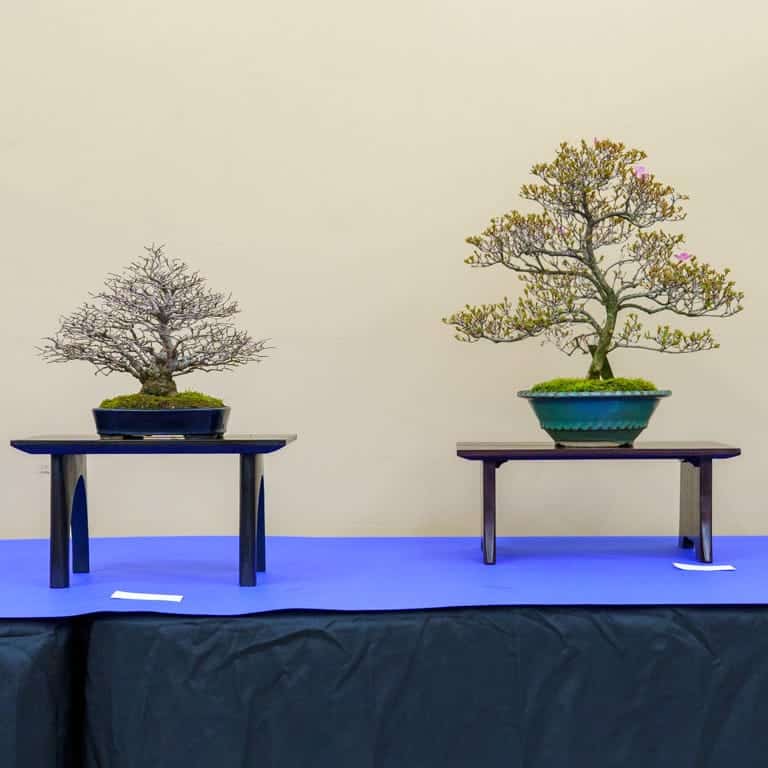
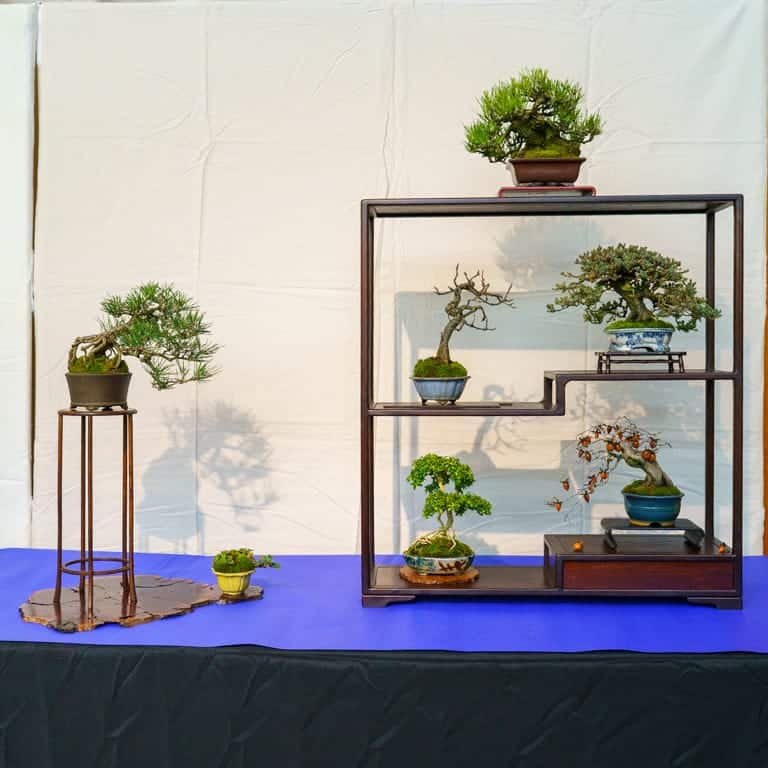
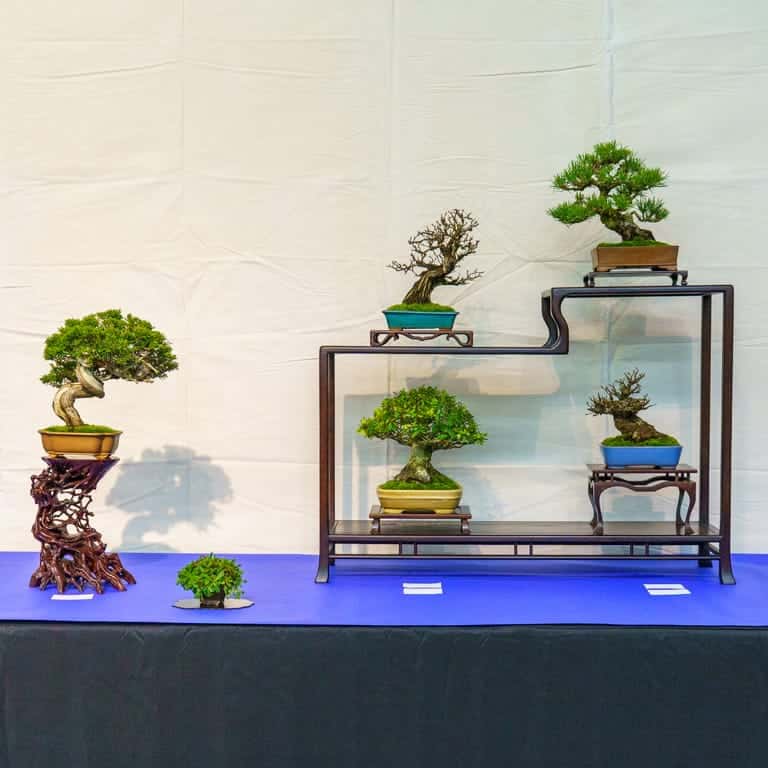
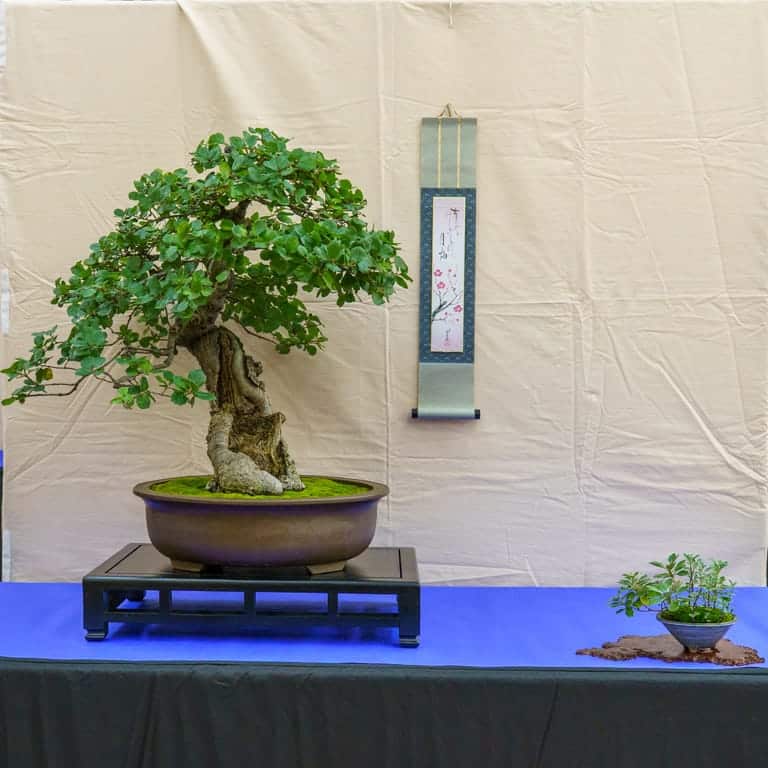
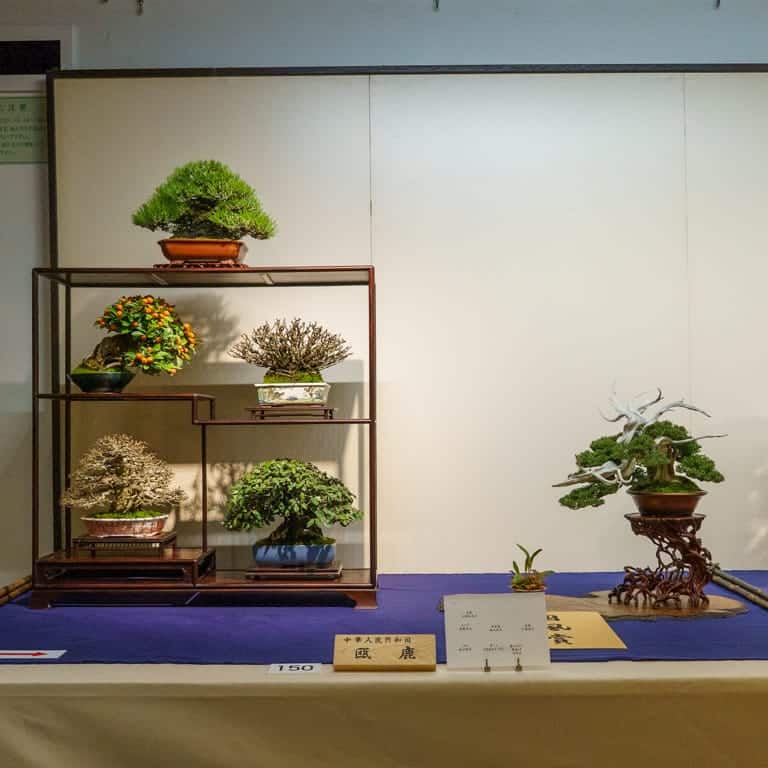
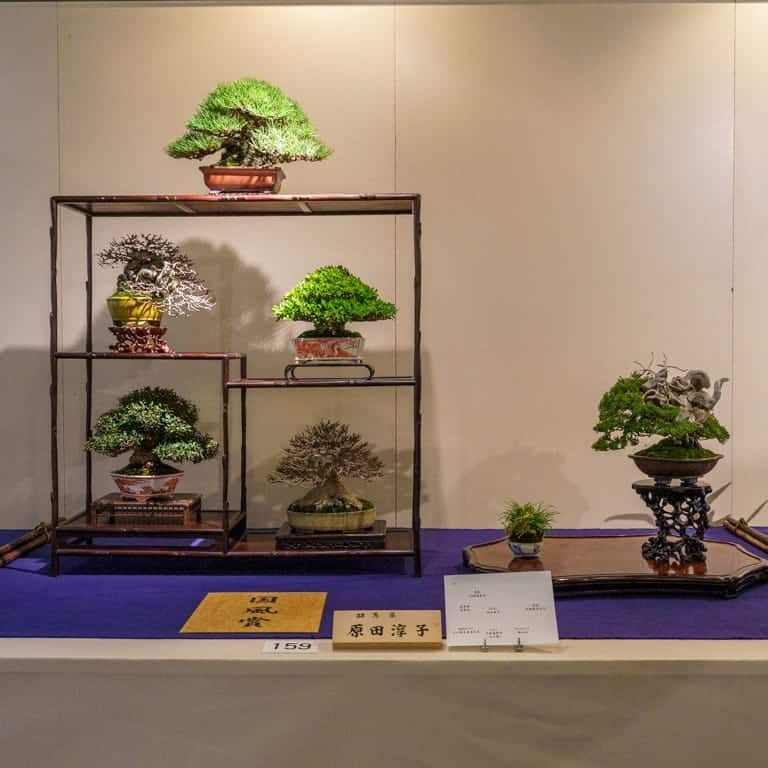
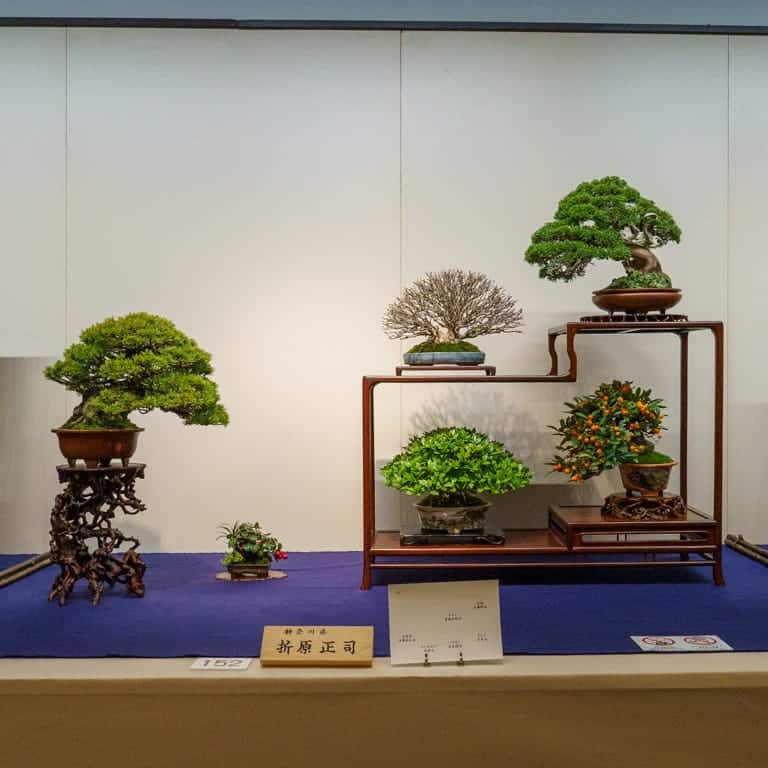
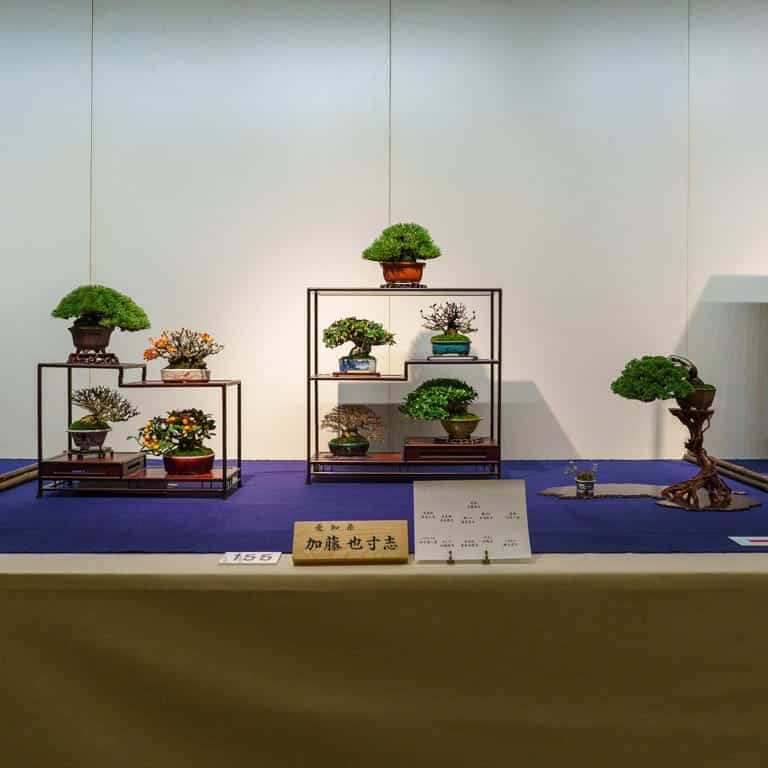
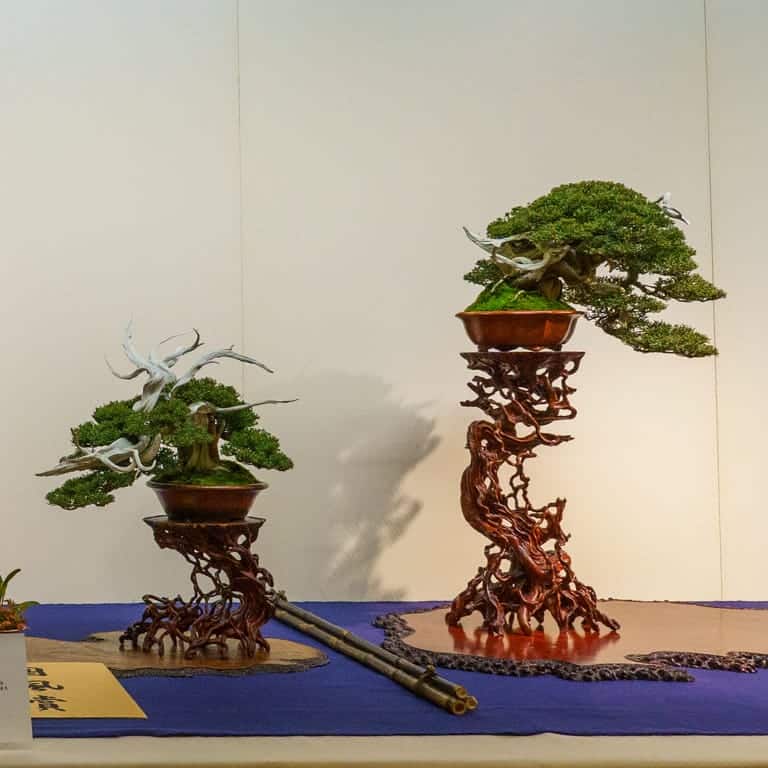
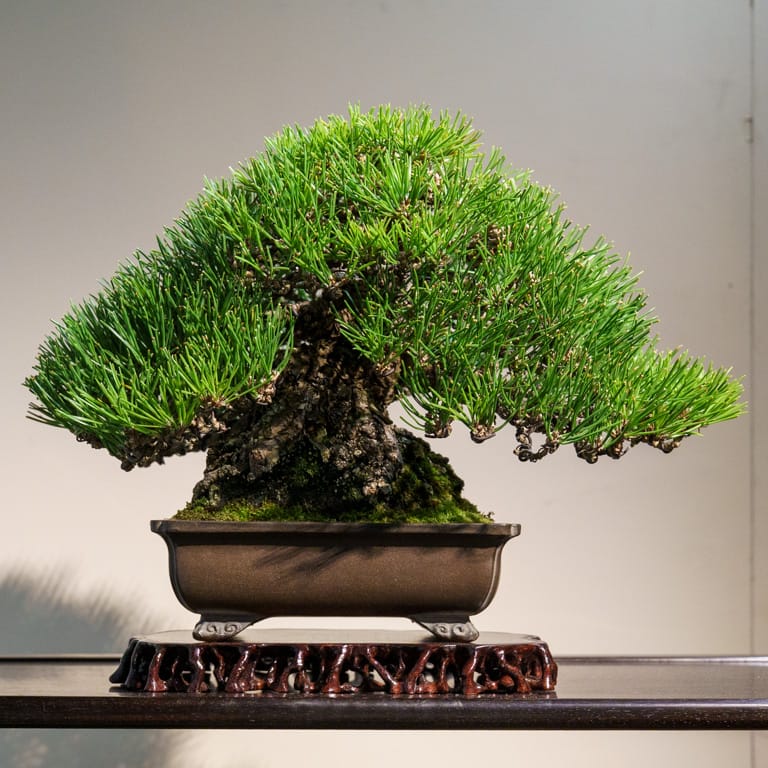
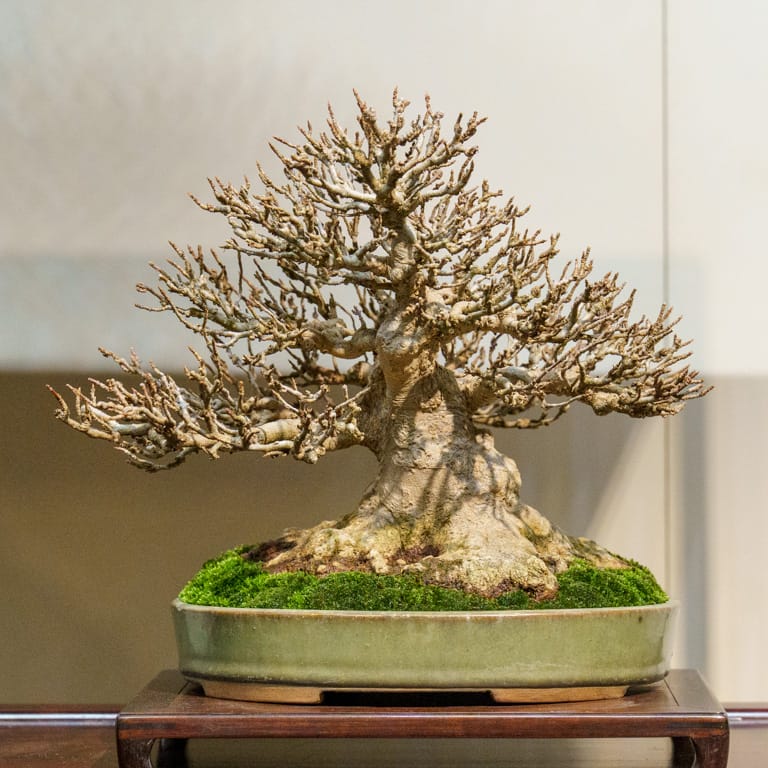
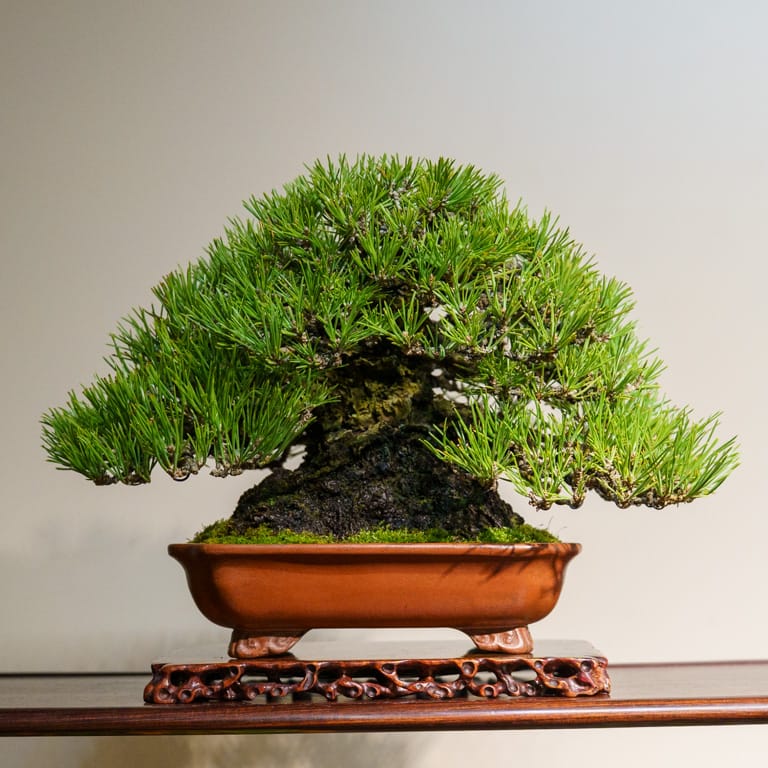
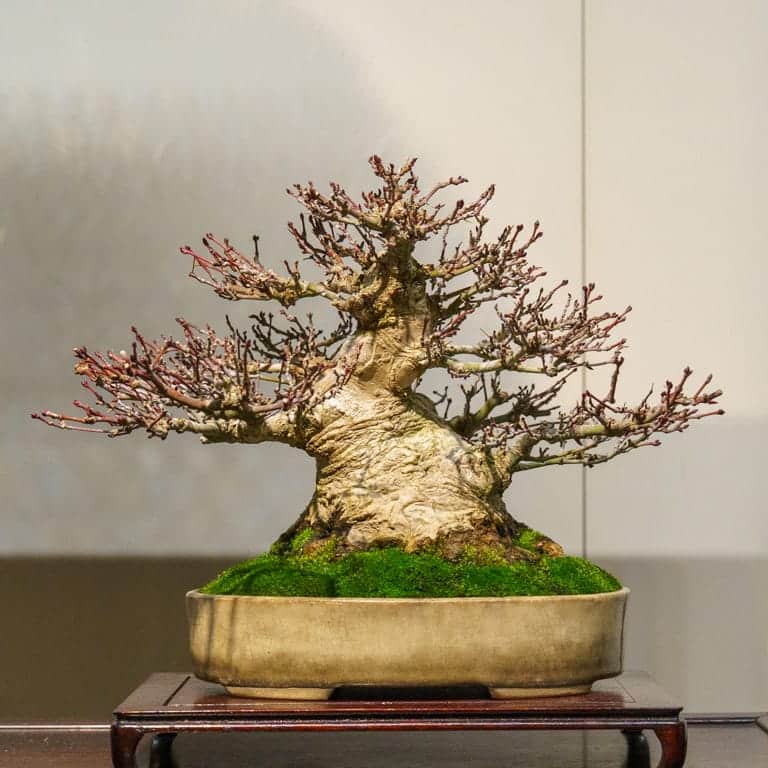
Last month the Japanese Bonsai Association hosted the 100th national exhibit, the Kokufu, at the Tokyo Metropolitan Art Museum in Ueno Park, Tokyo.
The event was busier than it has been in recent years, and a larger percentage of the visitors were foreign. As for the bonsai, there was a good number of special trees that are always a treat to see.
Rose
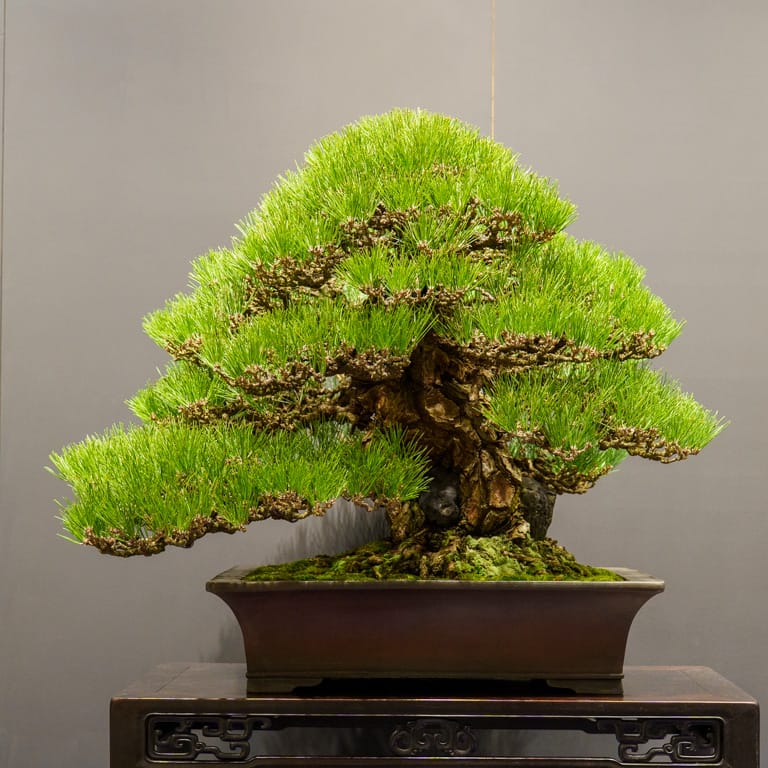
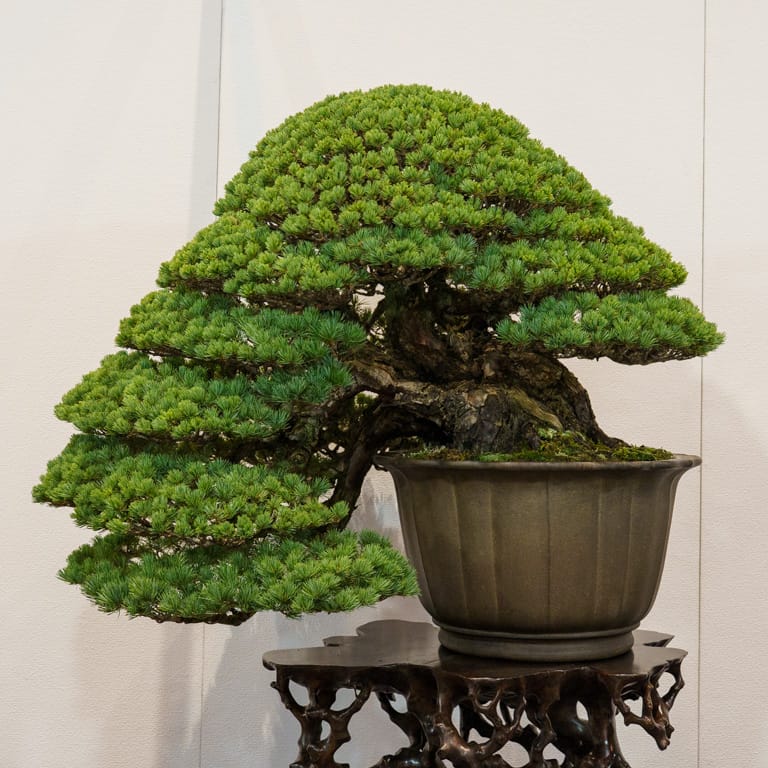
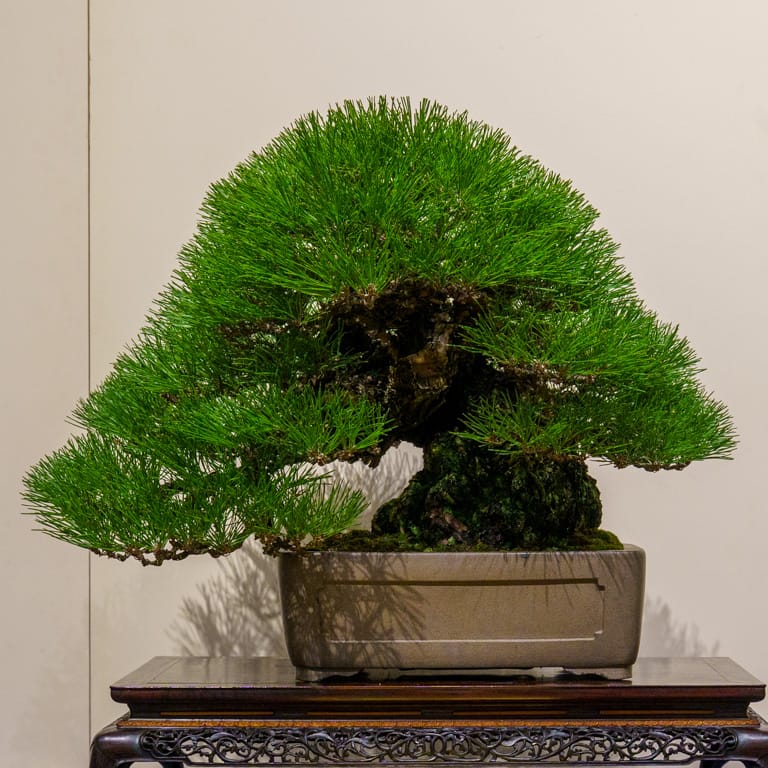
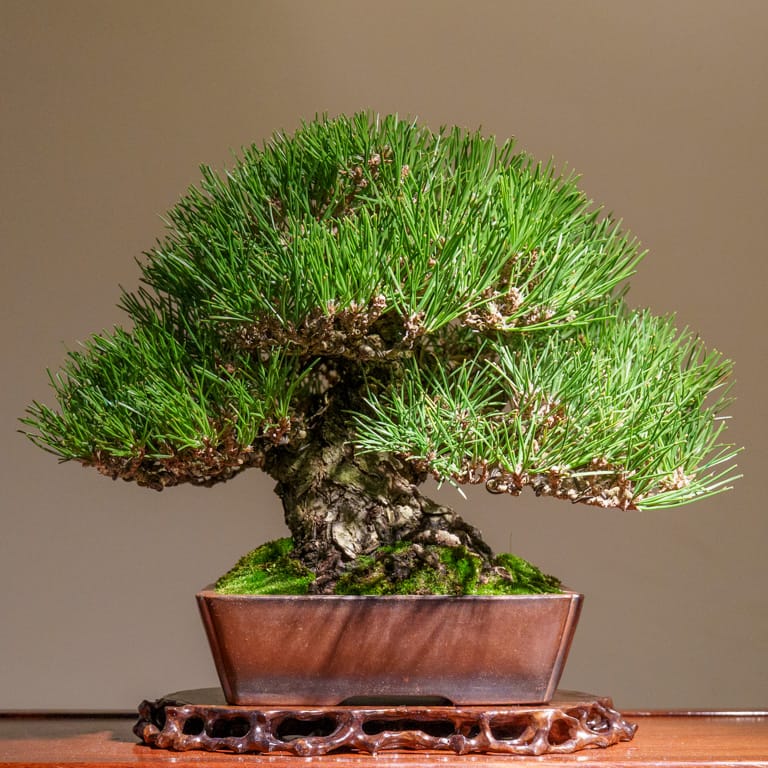
Black pine
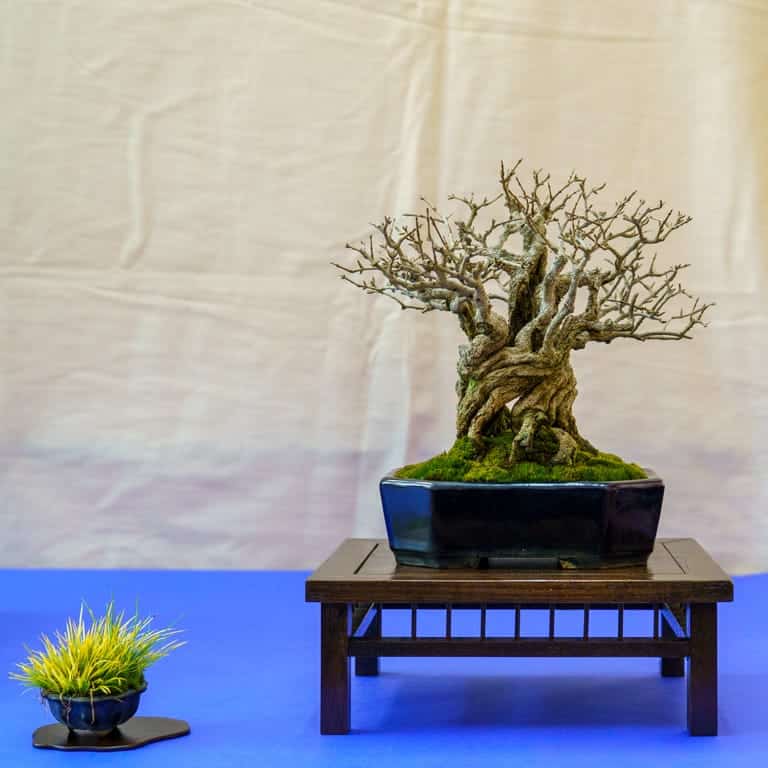
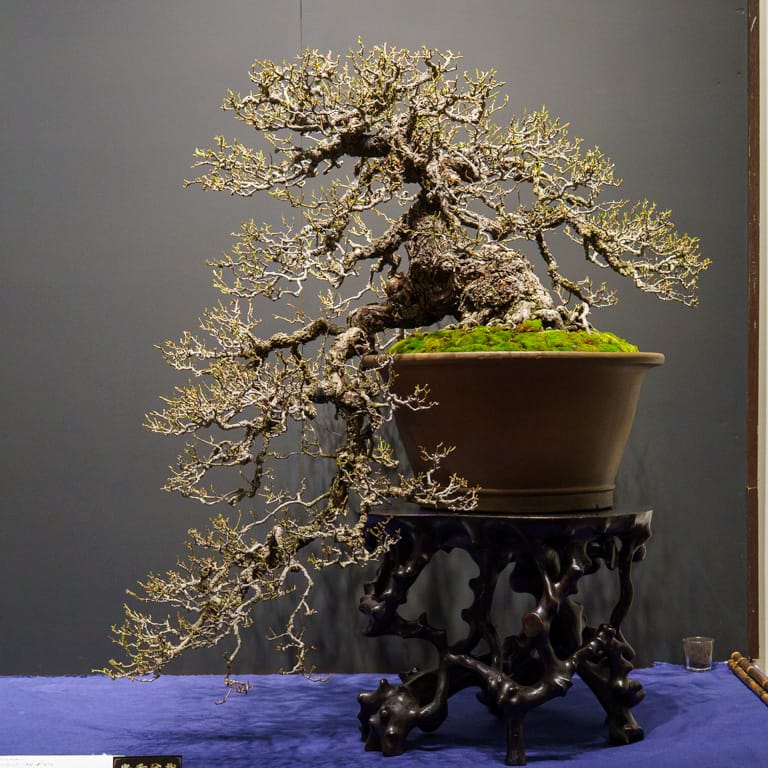
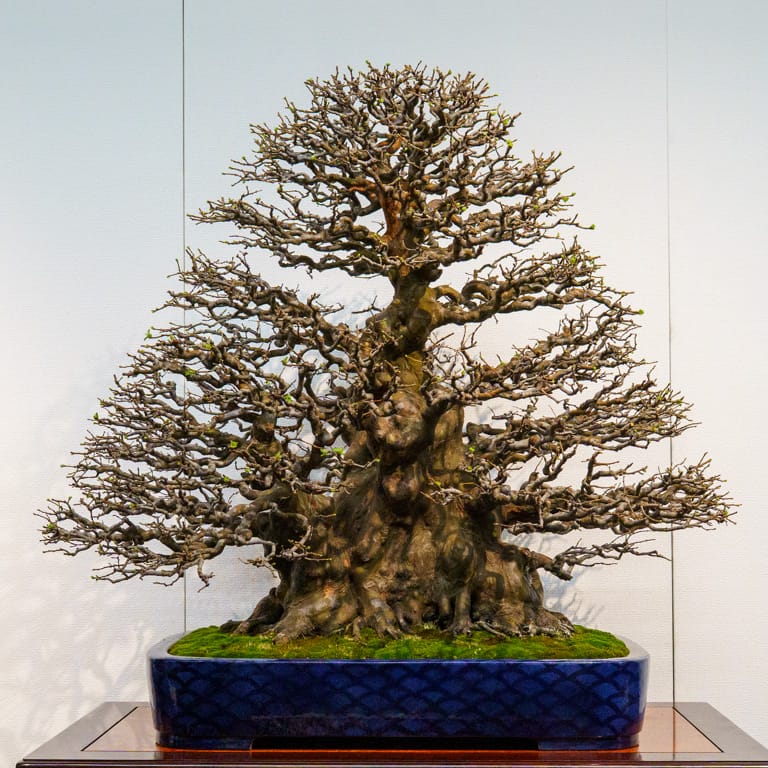
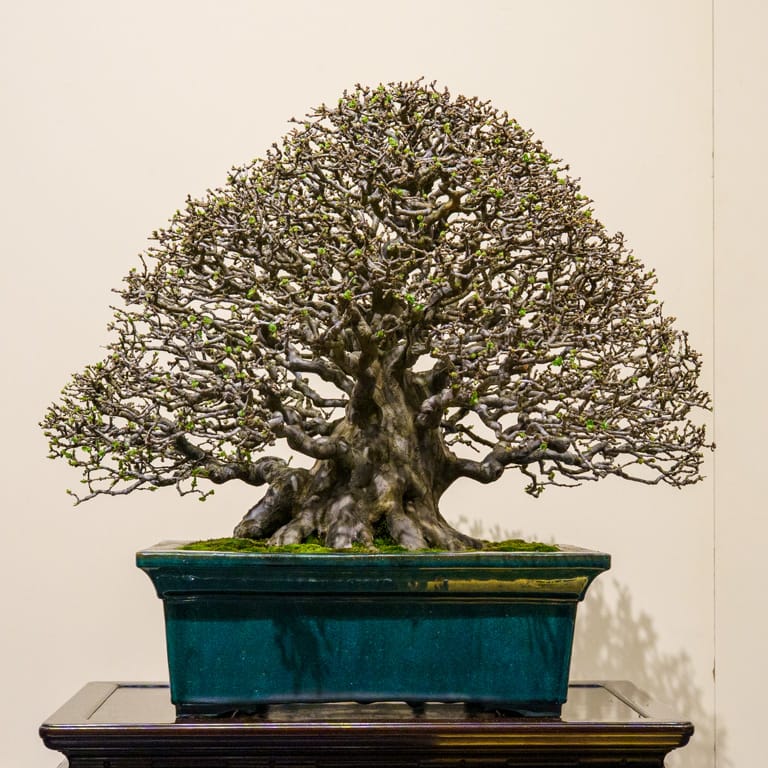
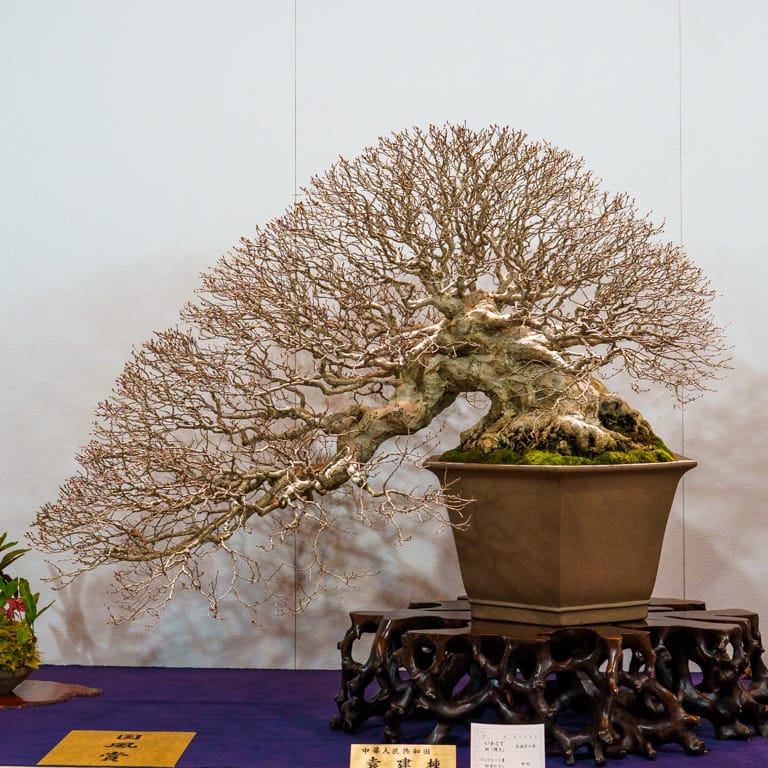
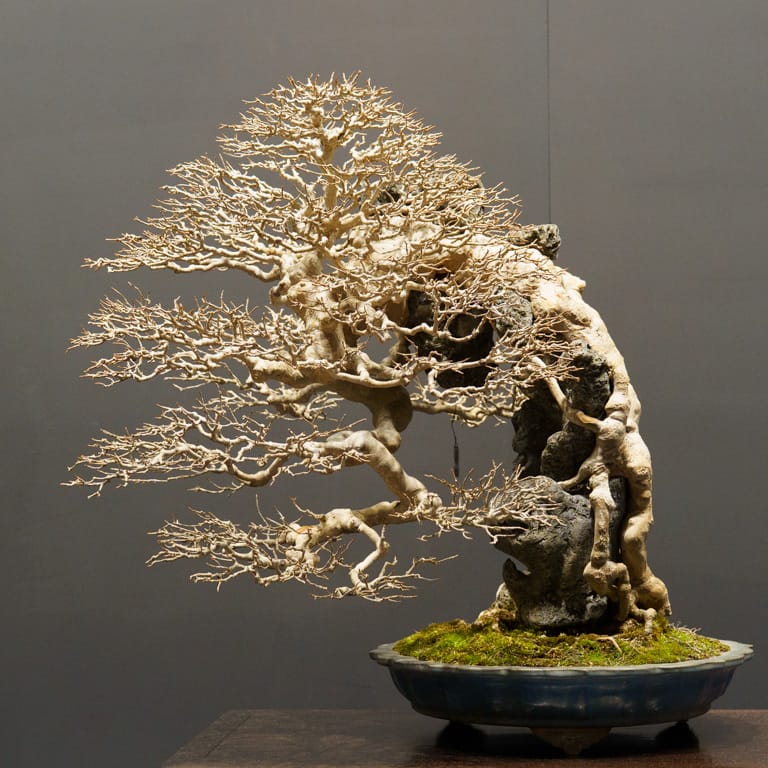
Some of my favorites won awards, others simply made the room look great. Some, like the Chinese quince below, were so twiggy that I had to reset my thinking about what’s possible with the species.
Chinese quince
Chinese quince
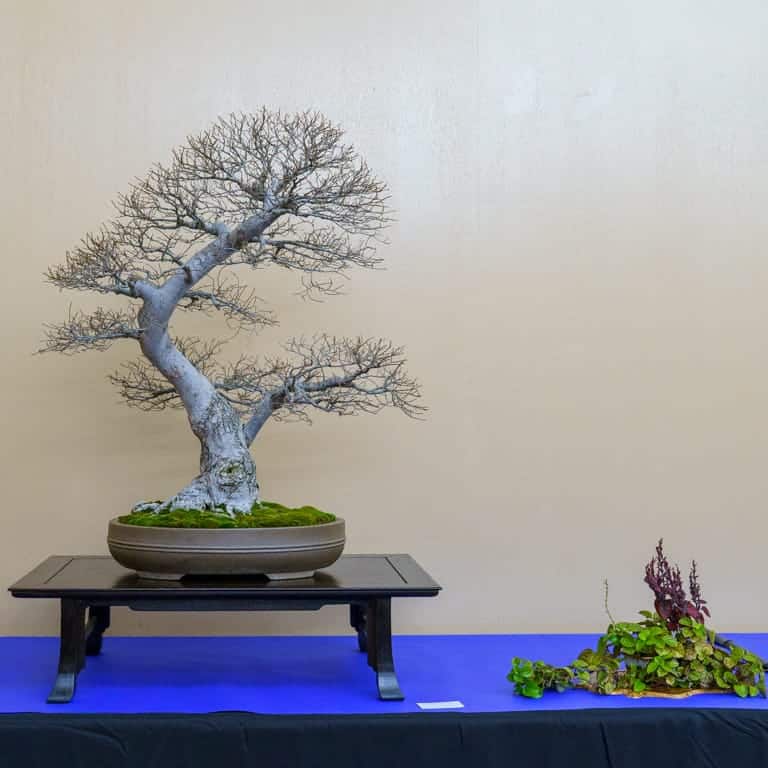
A lot of the trees that stood out to me this year were deciduous.
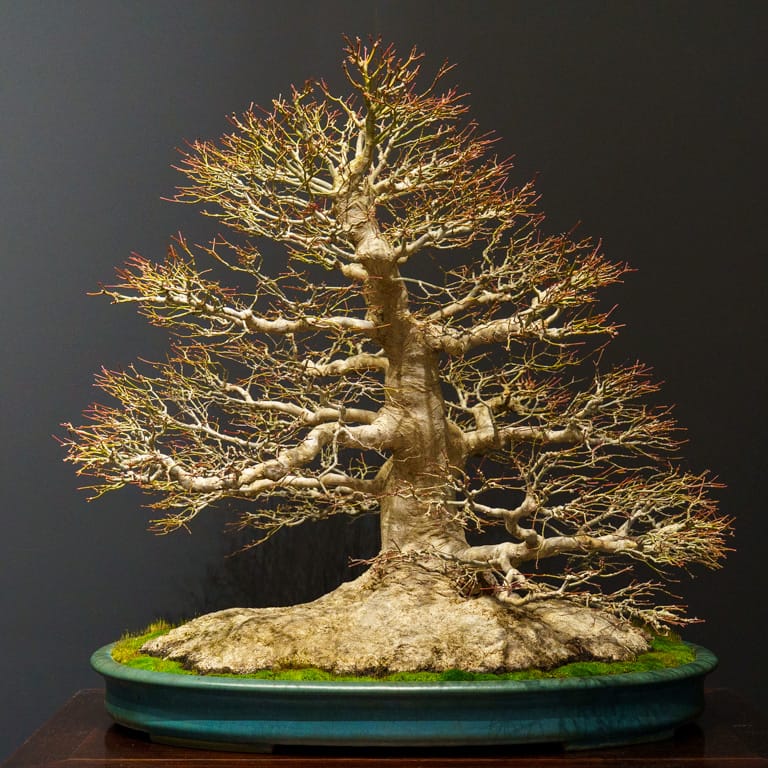
Japanese maple
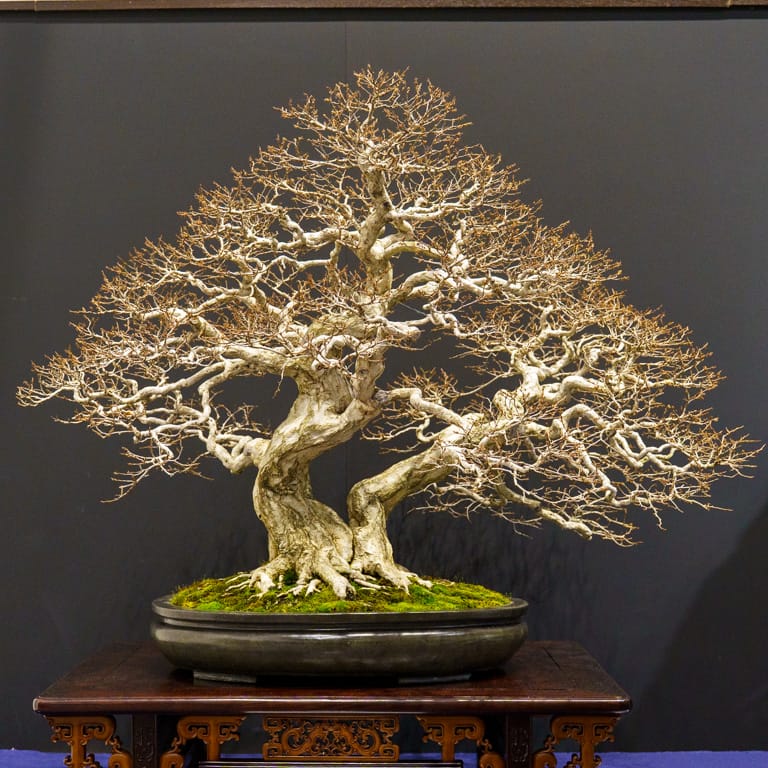
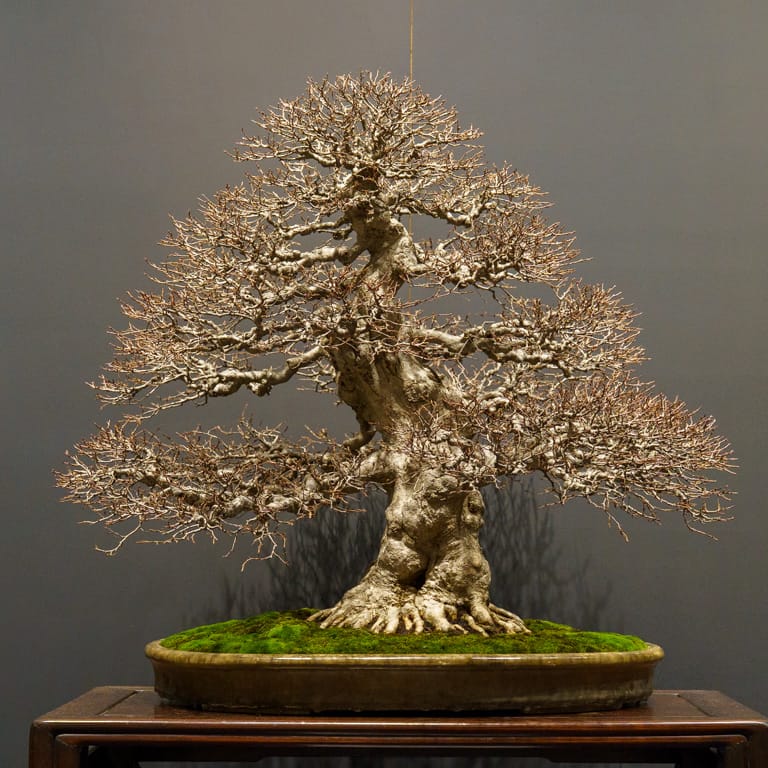
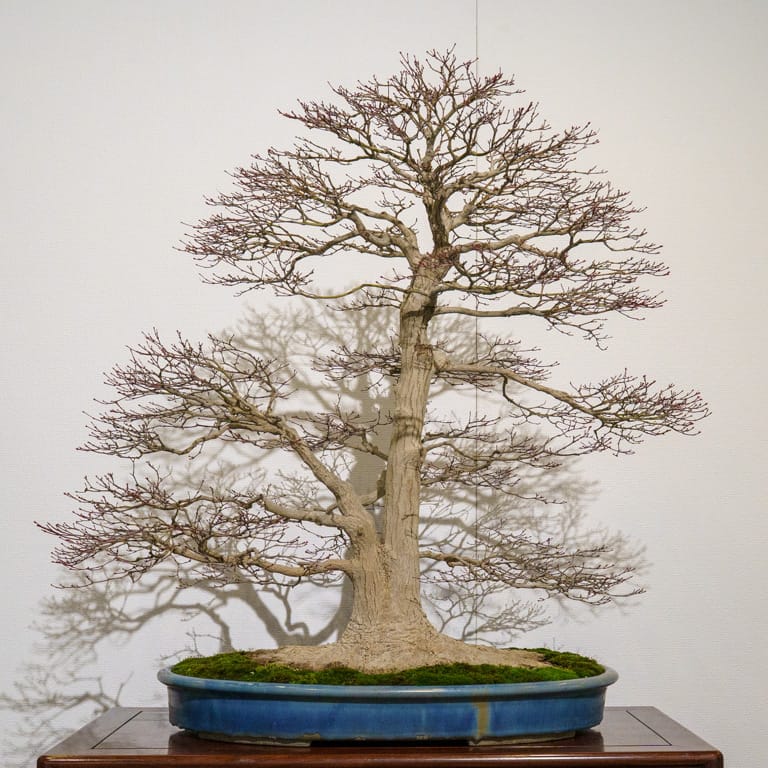
When standing in front of these trees, it was easy to get lost following the branches as they meandered from the trunk out towards the edges of the canopy. Trees like these had been skillfully worked on for decades – and it showed.
Korean hornbeam
Korean hornbeam
Trident maple
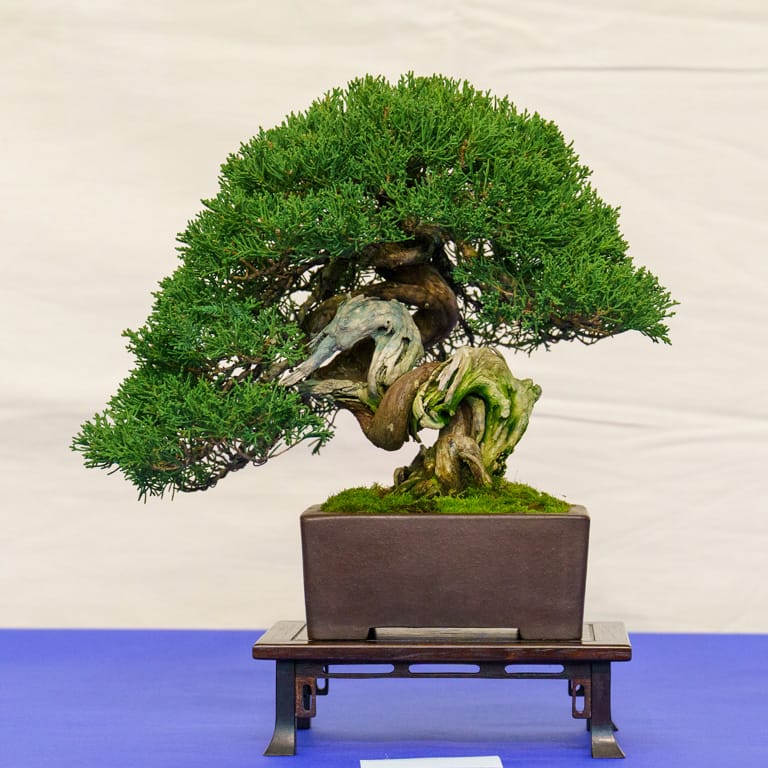
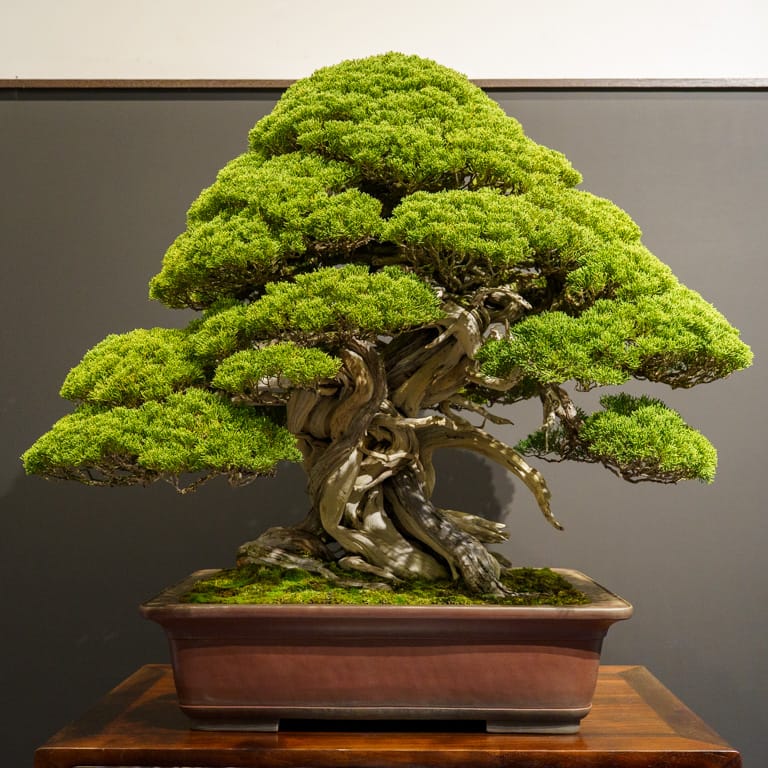
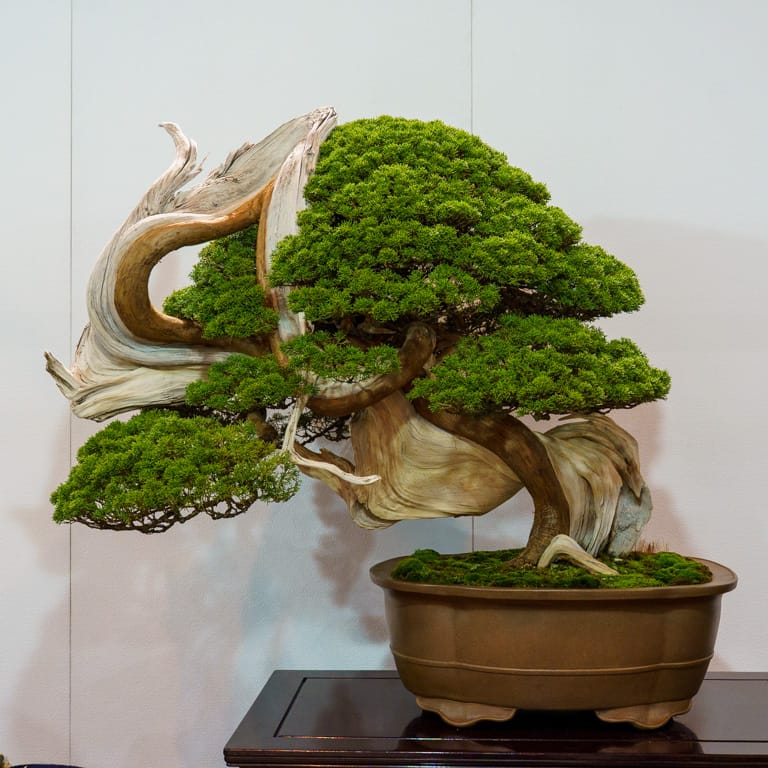
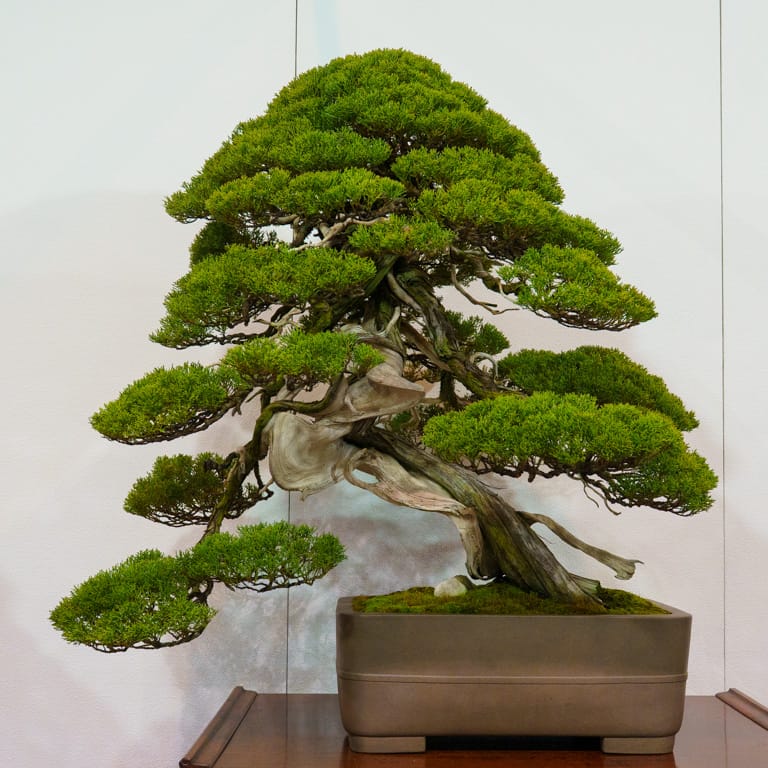
Of course there were spectacular conifers in the exhibit as well. Here are some of the remarkable junipers on display.
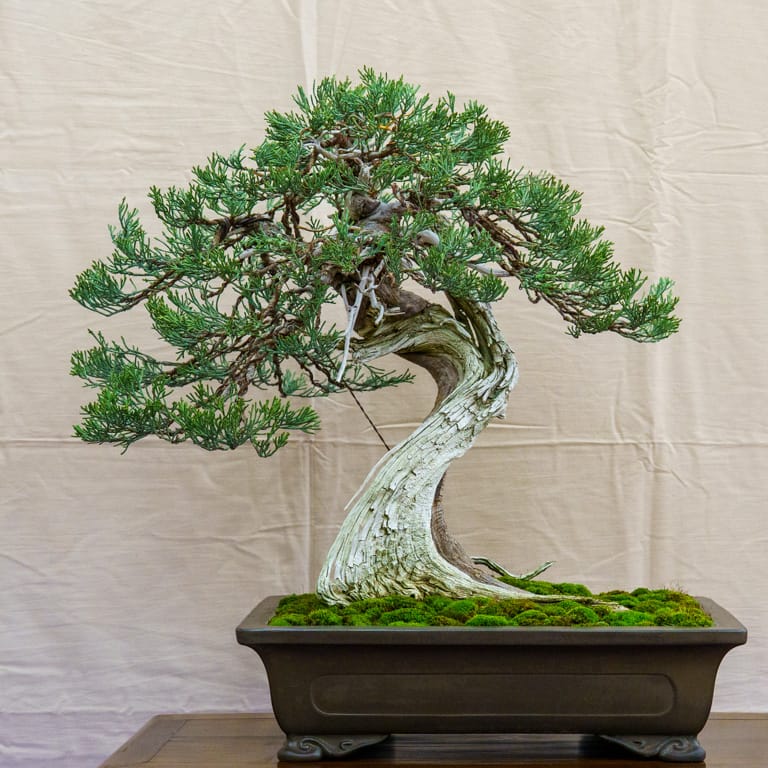
Shimpaku juniper
Shimpaku juniper
Shimpaku juniper
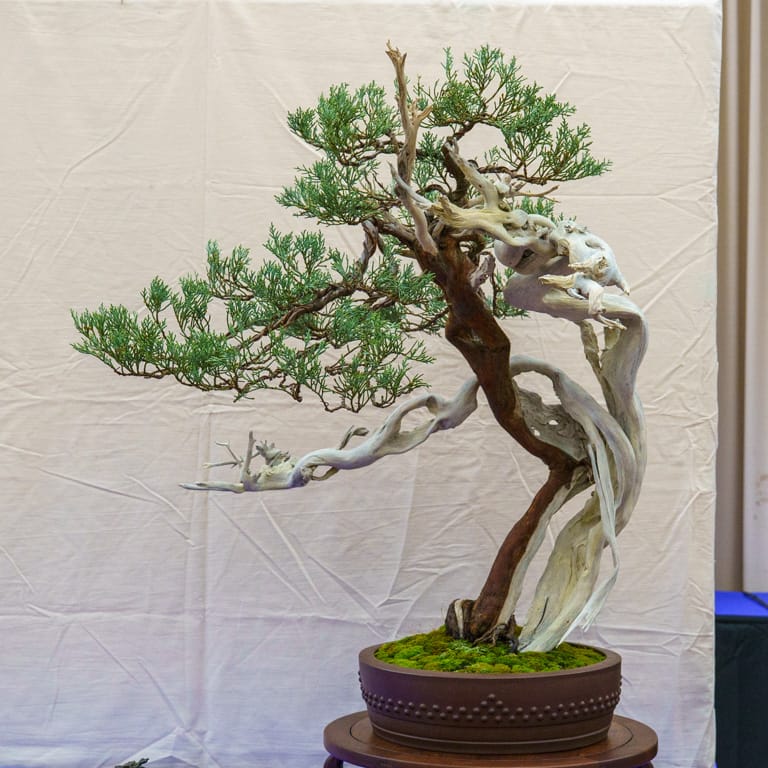
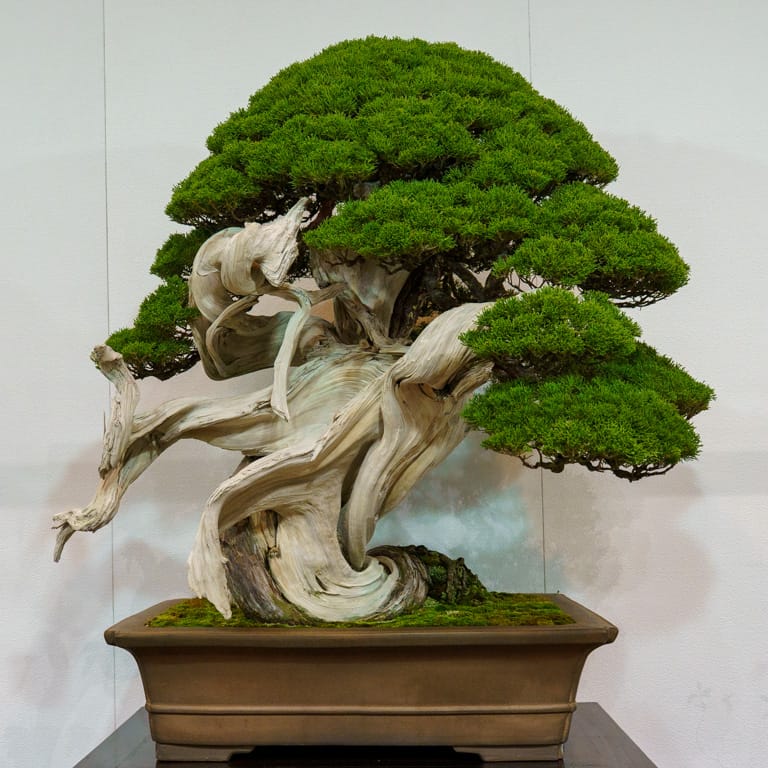
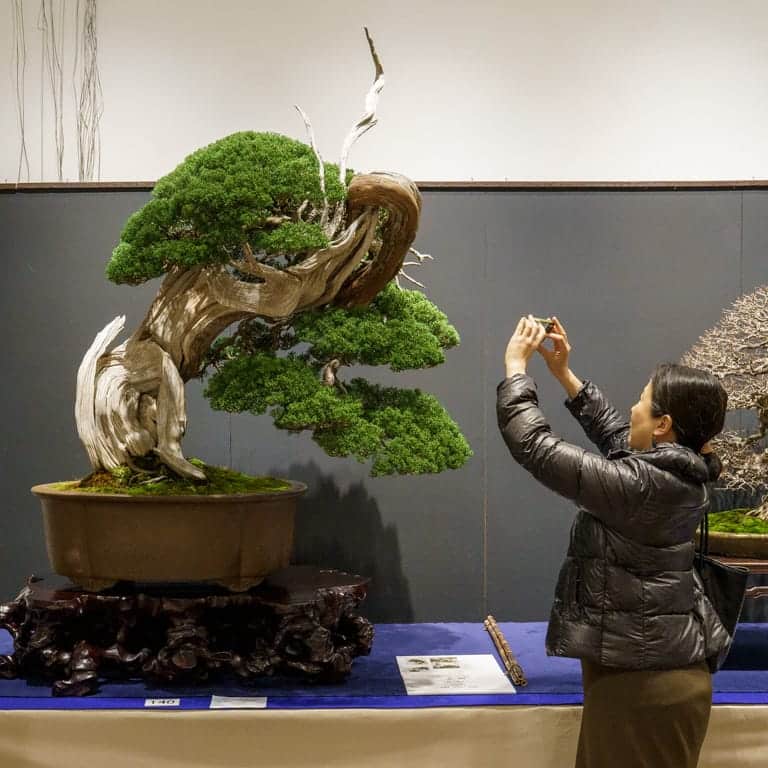
Although in recent years it’s become common to see large junipers with massive trunks, it’s the exceptions that stand out the most to me. The juniper below has fantastic character along the trunk. Slender lifelines supported by undulating deadwood feature more delicate movement with give this old tree – and its viewers – a very different feeling.
Shimpaku juniper
Up next, highlights from the second half of this year’s two-part exhibit.
News & Updates
[Northern California Event]
- The Bonsai Garden at Lake Merritt’s annual fundraiser, the Mammoth Auction and Sale, will be held this Saturday and Sunday in Oakland, California. On Saturday the main event is the largest auction in Northern California. On Sunday, it’s a plant sale and vendor area. Learn more at the Mammoth Auction & Sale website.
[Auction Tips]
In preparation for this weekend’s auction, here are some tips to help you get the most out of the event.
- If you’re interested in taking home an item but want to feel good about the purchase, set limits ahead of time for how much you’d like to spend (and how much above this limit you’re willing to actually bid).
- Check the health of the tree before setting your buy price. For deciduous trees, check the health of the buds and look out for dead branches or dead areas along the trunk. For conifers, check the number and size of visible buds as well as the color and character of the foliage.
- Don’t let inside information influence your bids. A long time ago, I stopped bidding on a tree because I knew how much the owner had originally paid for it. It didn’t feel right to pay twice as much as my friend had paid for the tree. This was foolish as the second the bidding ended I remembered that the tree was worth almost double the amount it went for.
- Take note of who you’re bidding against, but stick to your plan. Once I stopped bidding on a tree because I didn’t think I could keep up with the other bidder. When the bidding ended, the other bidder ran over with a big smile to let me know how relieved he was I stopped bidding as he’d reached the limit he was willing to pay for the tree. Another lost opportunity!
- Above all, remember that the event is a fundraiser. Bonsai auctions are typically organized by volunteers who work hard to provide us with the opportunity to build our collections and have fun while doing it. Keeping the spirits (and the bids) high can make the event a pleasant experience for everyone.

 Login
Login