Reading view

A visit to Walter Pall’s garden

One of this year’s highlights was getting to spend time with Walter Pall in his garden. After joining his master class for a few days in Zorneding, Germany, I headed to Walter’s garden to record him talking about his trees. The result was a series of nine videos in which Walter shares stories of how he acquired his trees, how he approaches styling, and what he gets out of growing bonsai.
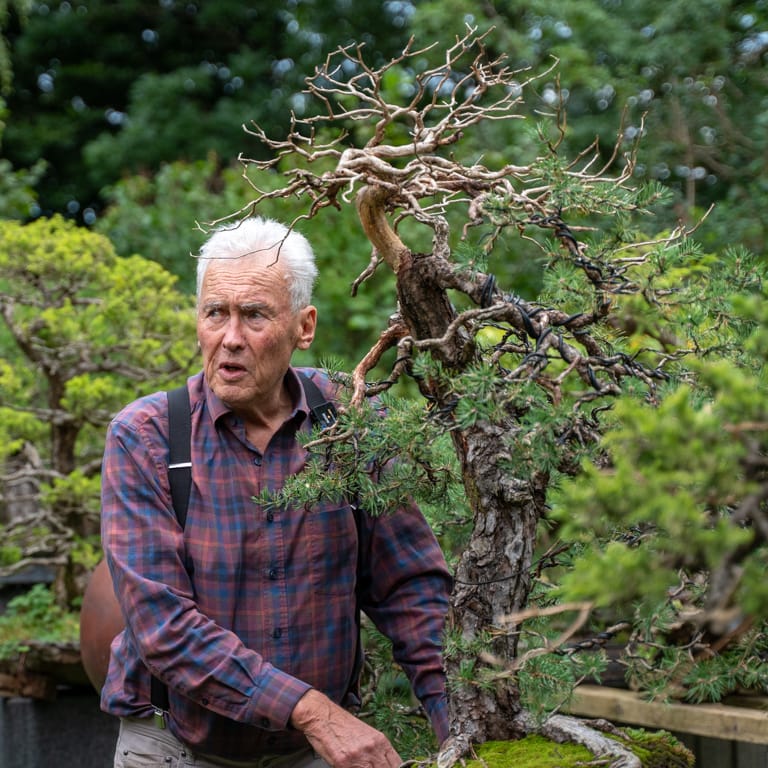
Walter Pall

Walter Pall sharing the story of Scots pine

For years I’d been wanting to get a better understanding about the work Walter does. Although seeing photos of bonsai does a good job of expressing the basic idea of one’s work, I’ve found that meeting artists and experiencing their trees in person offers a more complete picture.
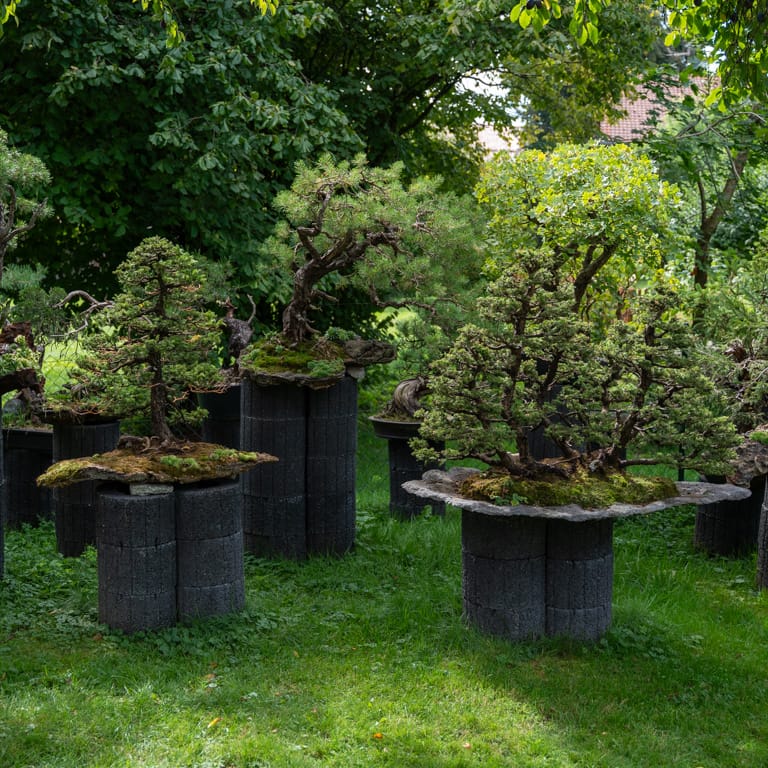
Walter's garden

Walter’s garden

This was definitely the case in Walter’s garden. Through his naturalistic approach to styling trees, Walter conveys stories about the hardships trees face in harsh alpine environments. A good example of this his “candelabra” European spruce – a tree that has taken on the candelabra form after losing its central leader.
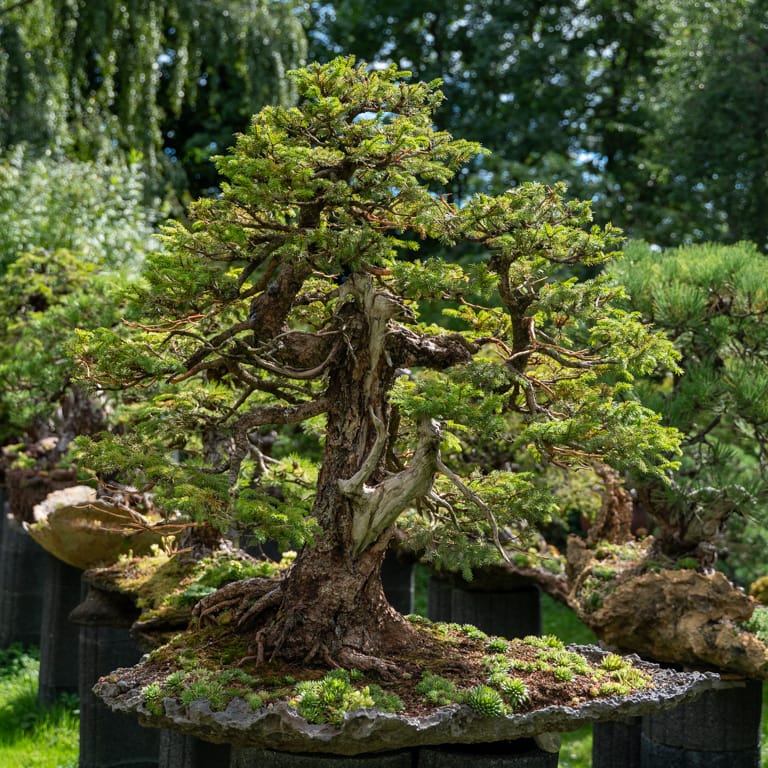
Candelabra European spruce

Candelabra European spruce

His work with deciduous bonsai allows viewers to enjoy the trees year round. Were he to create a fuller silhouette, it would be harder to see the trunk and branch structure when the tree is in leaf.
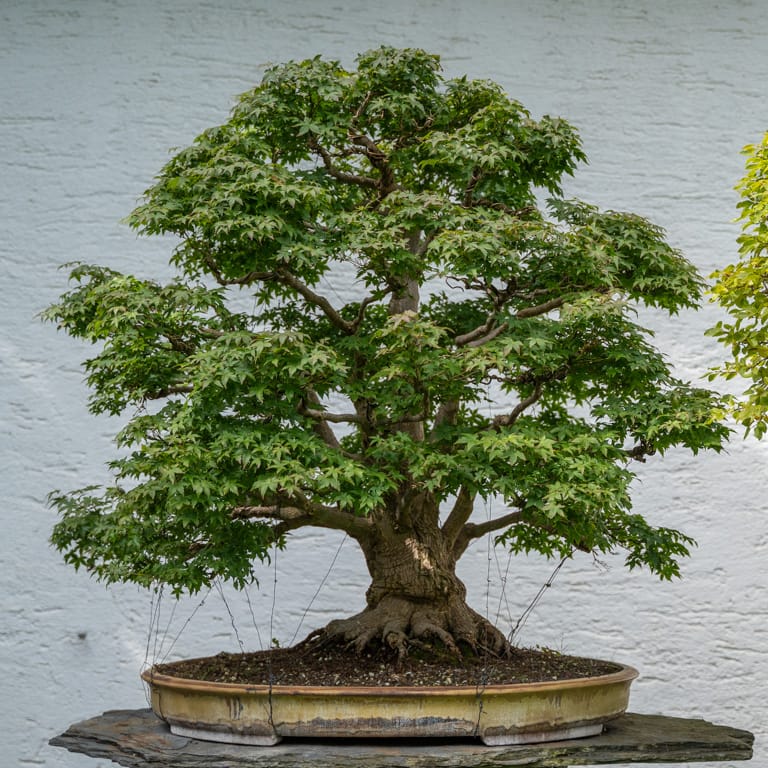
Japanese maple
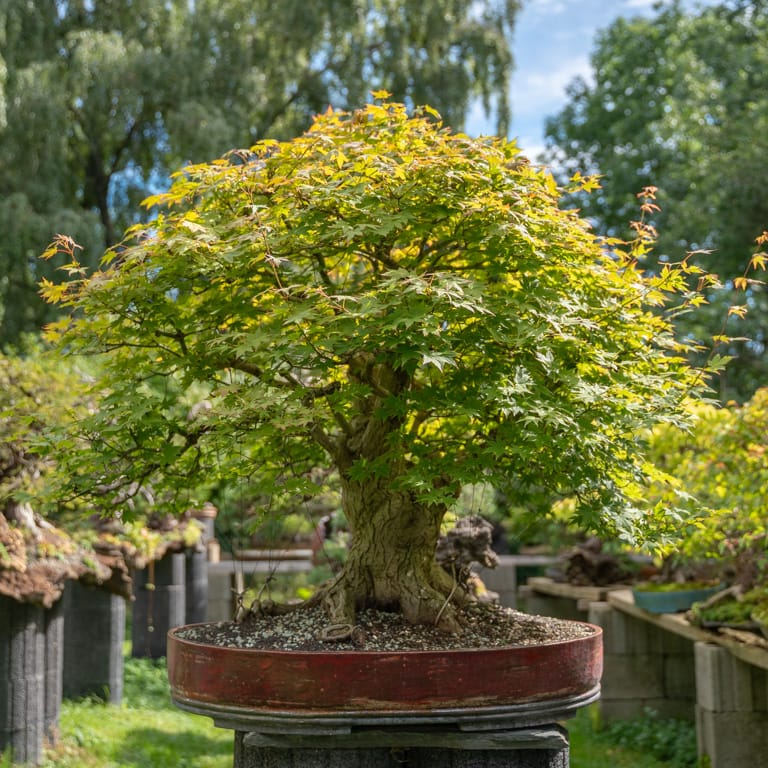
Japanese maple
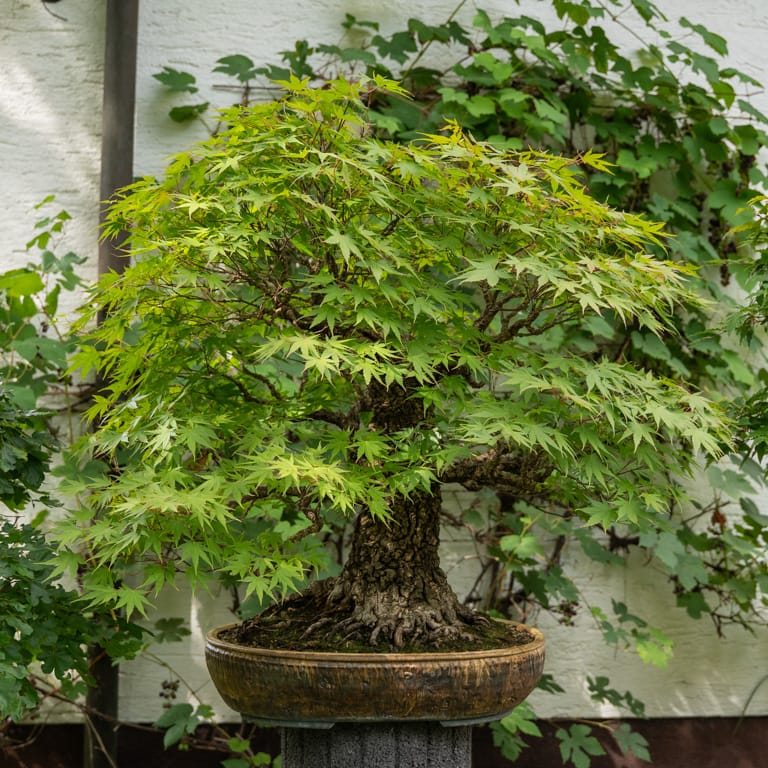
Japanese maple

Japanese maple

Arakawa maple

Arakawa maple

Throughout the garden were stone slabs, some natural and some artificial, which made compelling containers for the trees.
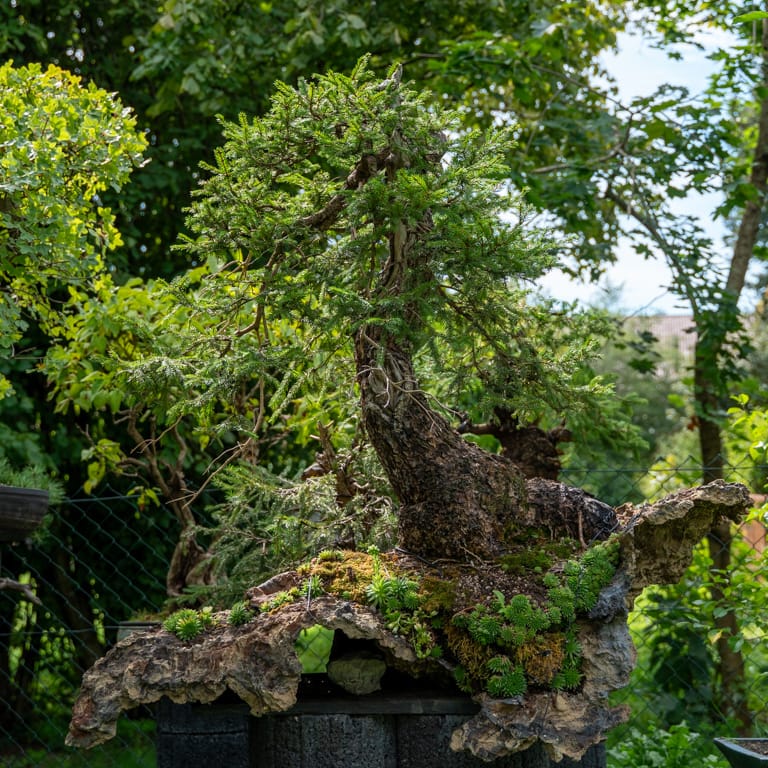
European spruce
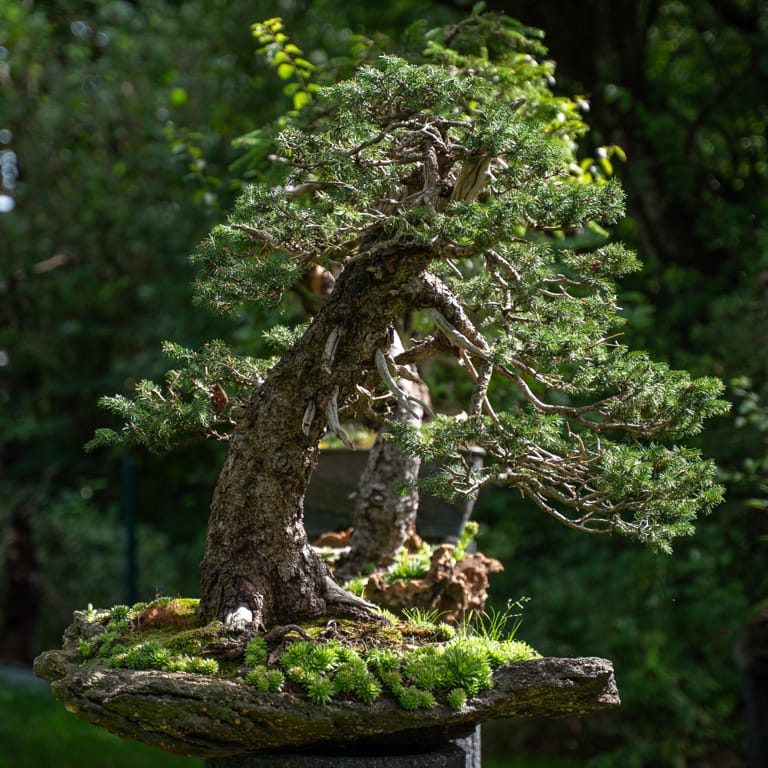
European spruce
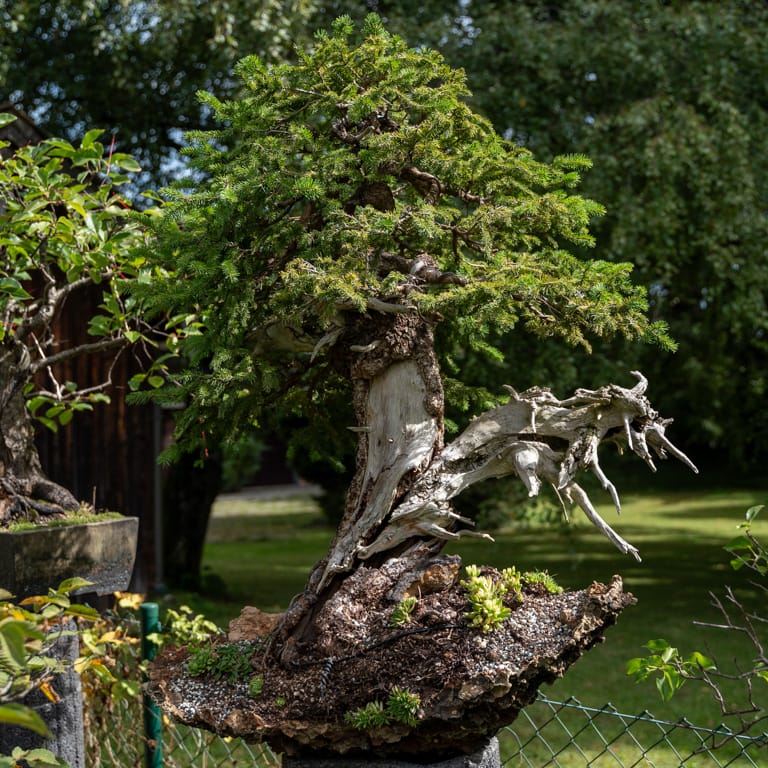
European spruce
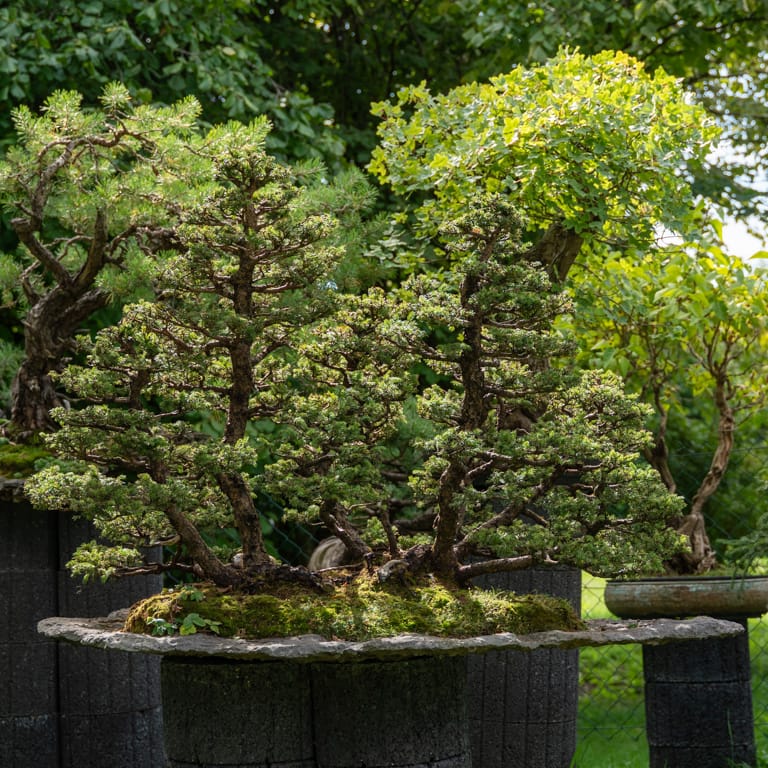
European spruce

European spruce

European spruce

Ezo spruce

Ezo spruce

You can learn more about Walter’s trees and hear the stories behind them in the series “Nine Trees with Walter Pall” on YouTube.

News & Updates

[Winter Shohin School]

  • Spaces are filling up fast for the 2026 Winter Shohin School. This year’s event will be held in Alameda, California. Headliner Daisaku Nomoto will lead the two-day event focusing on shohin display and development. Learn more and register online.

[WBFF Photo Contest]

  • Submit a photo of your tree to the World Bonsai Friendship Federation’s Photo Contest for a chance to win a trip to the 10th World Bonsai Convention in Malaysia! Accepted photographs will be registered in the WBFF 2026 ebook and will be displayed during the convention.

    Entries will be judged by Masahiko Kimura. The submission period is open now but will be closing on March 26, 2026. Learn more and submit your photos at the WBFF Photo Contest Website.
  •  

Cutback on field-grown dawn redwood

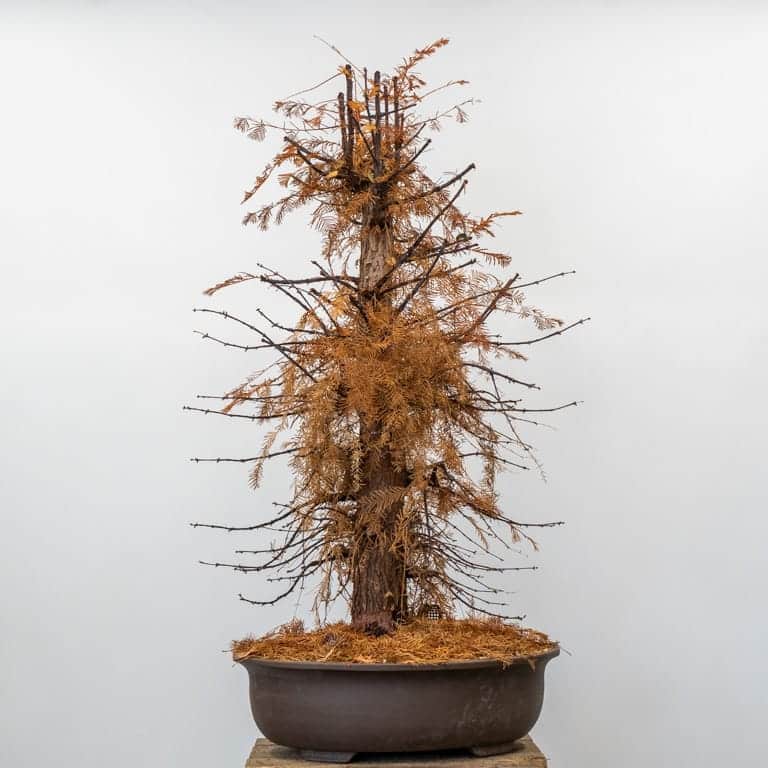
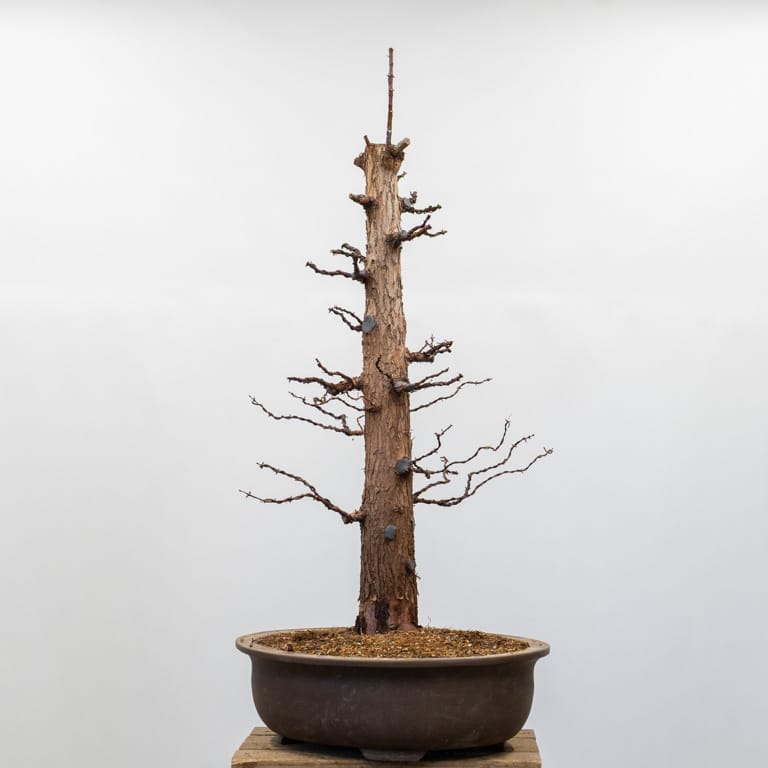
For the first time in years, I have a dawn redwood in the garden. It was a favorite species of mine growing up but I’ve only worked on them as bonsai here and there over the years. After working on one last week, I’m not sure why I don’t see more of them trained as bonsai.

I picked up the tree from Cedar Rose Nursery in Placerville, California. The tree was still growing in the ground when I stopped by, so we dug it up and cut off most of the roots, the top half of the trunk, and all of the branches. That didn’t seem to slow the tree down as it produced lots of new growth over the course of the growing season.

Dawn redwood

Dawn redwood at Cedar Rose Nursery

After one growing season in a pot

After one year in a pot

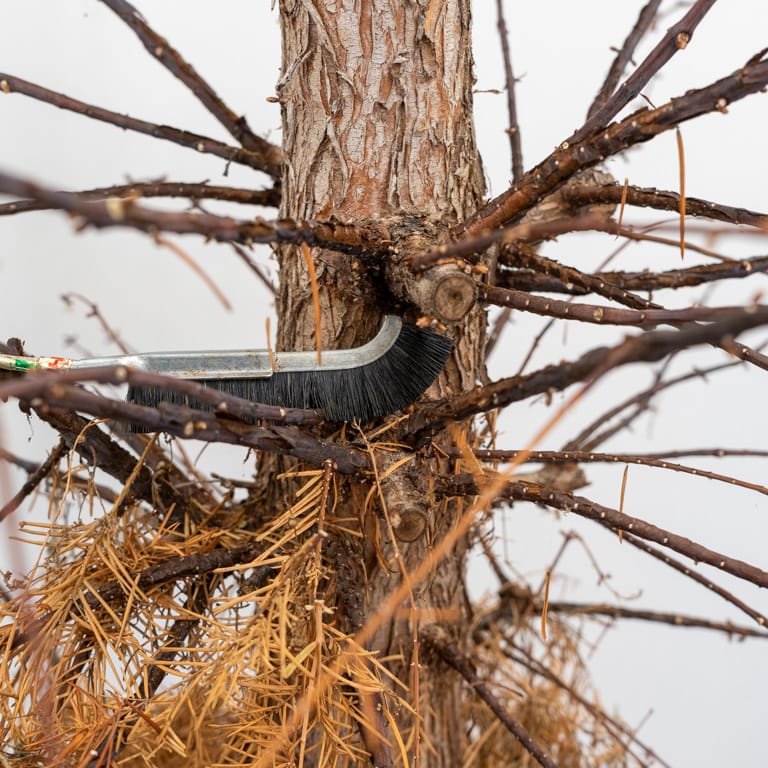
I started work by removing the old leaves but found that small leaflets kept getting stuck between the branches. A small brush made the clean-up easy.

Removing leaflets between branches

Brushing away old leaves

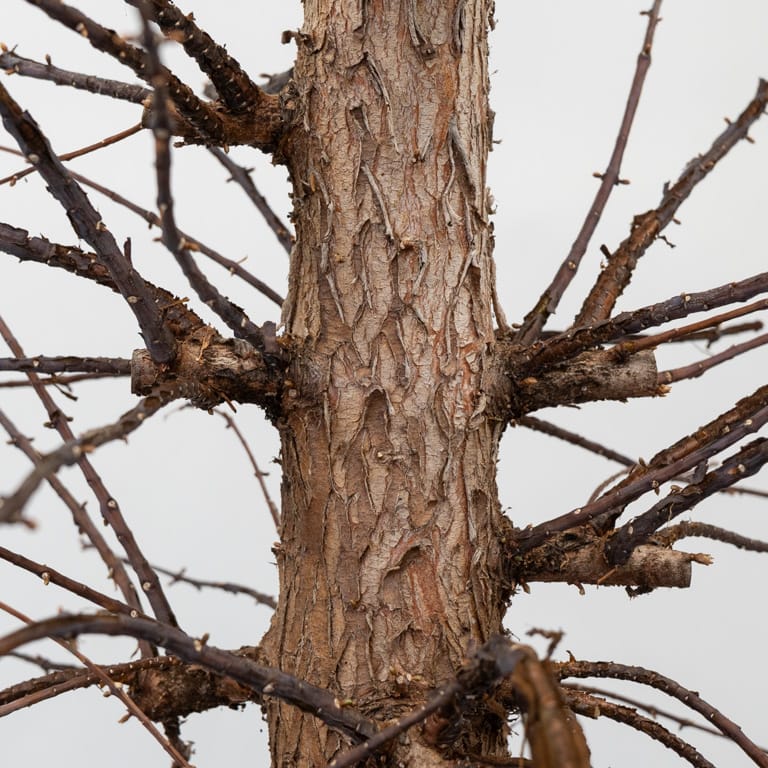
After removing the leaves it was easy to see some of the flawed branching.

After removing the leaves

Lots of opportunities to prune!

Some of the more unsightly flawed branches were “bar branches,” branches that emerge at the same level on opposite sides of the trunk.

Bar branches

Bar branches

Although there are good reasons to keep bar branches on occasion, there was no great benefit to maintaining them on this tree as there were plenty of nearby branches that I could use to create the primary scaffold branches.

After removing the branch on the right

After removing the branch on the right

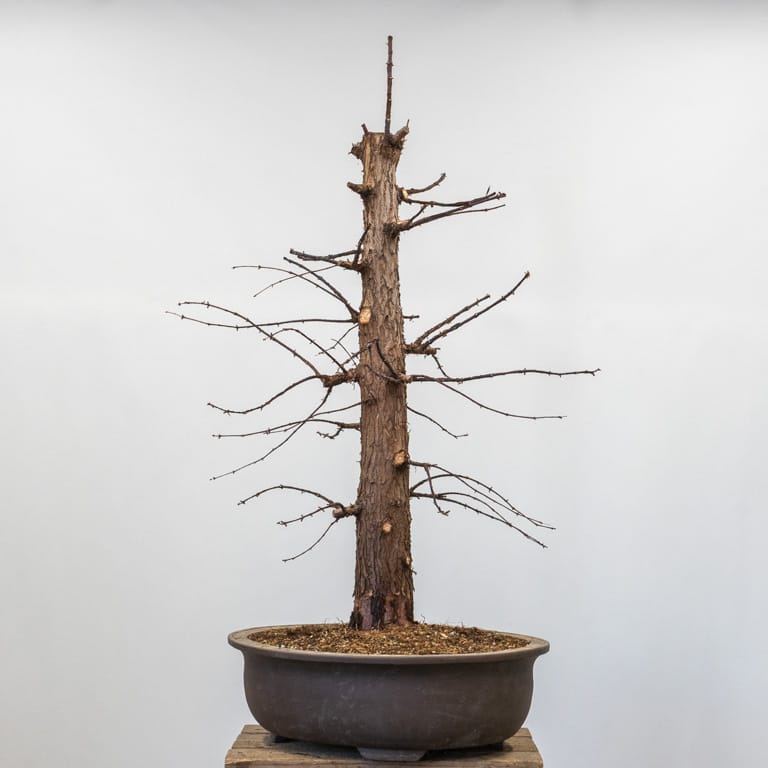
The tree looked different after removing several bar branches and thinning branch clusters where more than two or three shoots emerged from the same spot.

After thinning

After thinning

I also selected a single leader at the top of the tree. I don’t yet know what my plan is for developing the apex (a single leader? multiple leaders that branch out?), but I do know that I’d like at least part of the upper trunk to thicken.

From here the work was straightforward. I shortened the upper branches and wired the remaining branches to give them shape (thanks Mark and Nicole!).

After pruning

After pruning

After wiring

After wiring

I plan to prune the top of the tree several times during the growing season next year to give the lower branches time to get stronger. I’ll revisit the structural decisions when I look at the tree next fall.

News & Updates

[Winter Shohin School]

  • There are a few spaces left for the 2026 Winter Shohin School (and lots of workshop material available!). This year’s event will be held in Alameda, California. Headliner Daisaku Nomoto will lead the two-day event focusing on shohin display and development. Learn more and register online.

[New Bonsai Book from Japan]

  • Last year the Japanese Bonsai Association published a catalog with award winning trees from all 50 years of the Sakufu-ten. The Sakufu bonsai exhibit is an annual event featuring the work of professionals. Each member of the Japanese Bonsai Association can submit a single entry for the exhibit. Many Japanese professionals consider the show’s top award as the most prestigious in Japan.

    I’m a big fan of the event and of the book so I was thrilled when I found out I could make them available in the US. Learn more or pick up a copy at the Bonsai Tonight Online Store.
  •