Reading view

Introducing the Pacific Bonsai Expo

In just under twelve months from today, the doors will open for the first Pacific Bonsai Expo, "An Exhibition of Extraordinary Bonsai". We are proud and excited to be co-creators and sponsors of this event with Jonas Dupuich of Bonsai Tonight. The Pacific Bonsai Expo is a juried exhibition featuring outstanding bonsai displays and a selection of the community's top vendors. 

We wanted to give you a sneak peek into what the event venue looks like. The Pacific Bonsai Expo will be held in the San Francisco Bay Area at the Bridge Yard, an East Bay Regional Park District Facility in the Judge John Sutter Regional Shoreline Park. 
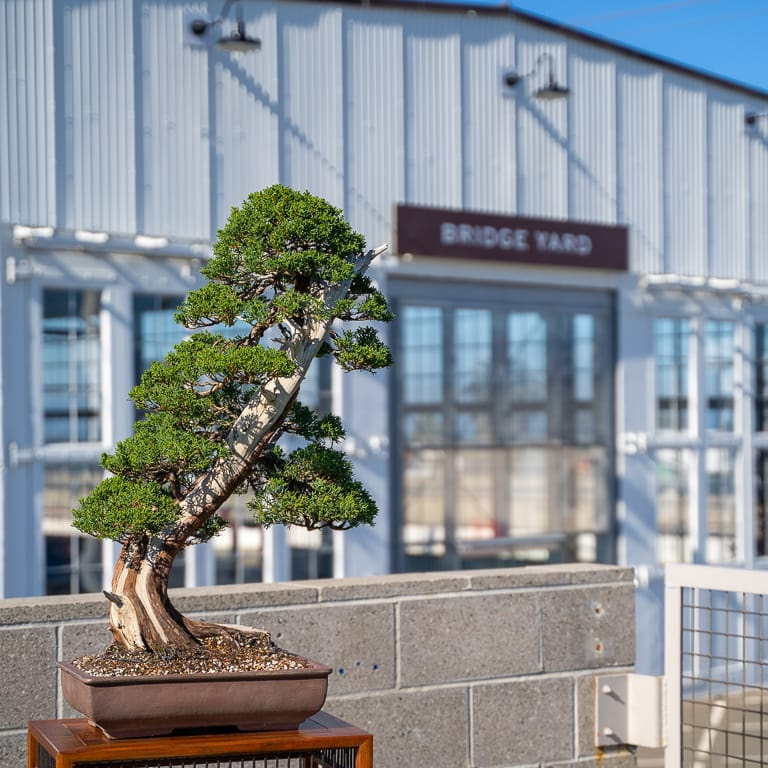
Juniper

Eric's Shimpaku juniper in front of the Bridge Yard
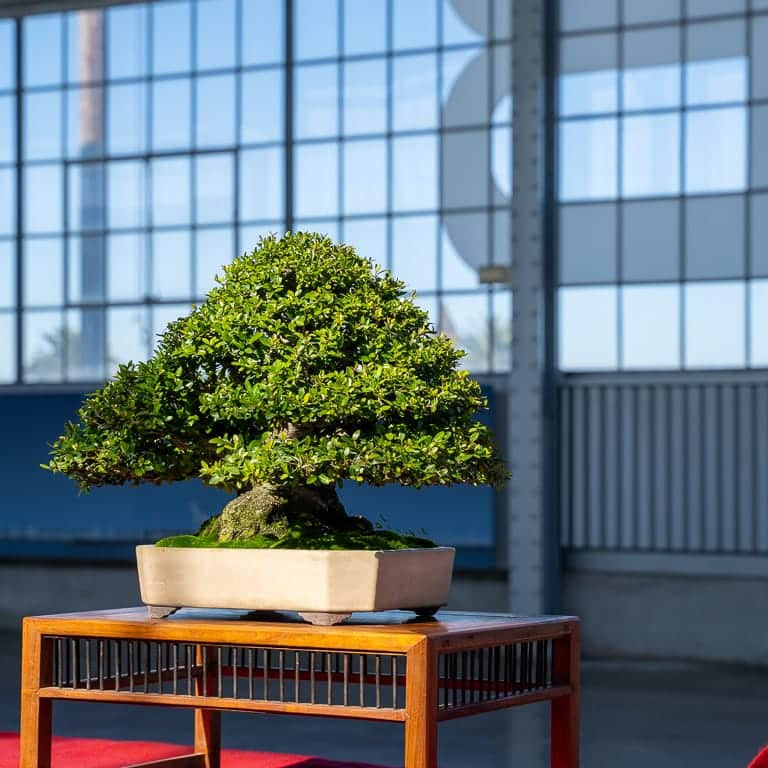
Holly

Yaupon holly inside the Bridge Yard

Thinking ahead of to November 12-13, 2022 makes today a great day to look at your garden and see what your trees look like at this time of year. Why? Because preparing bonsai for exhibits often starts one or more years ahead of the event. Checking your trees twelve months (or more) out can give you a good idea of what a tree will look like at the time of the event. If you're considering entering a tree to be considered for the Pacific Bonsai Expo, check out this have basic information on the event website. The submission period opens in February and runs through April 2022. Bookmark the site and check back periodically, as we'll be updating it with more information ahead of the submission period. 

In the meantime, watch Eric and Jonas introduce the Pacific Bonsai Expo and discuss the basics of the jurying process. Please leave us any questions you have in the video's comments!

  •  

Four Ways to Get Closer to Nature Every Day

If you live in an urban environment, maintaining a connection to the natural world may not be as simple as walking out your front door. While city apartments and lofts are a great place to live, giving ready access to numerous urban amenities, they can also leave you short of space to satisfy your aspirations for a green thumb. Ingenious Instagramer's have taken to the task and excelled in the creation of indoor greenery that rivals or even beats the best-tended suburban gardens. Here are four simple ways you can stay connected to nature on the daily.

Use scents to evoke memories

Smell, whether indoors or outdoors can really bring you back to places, or improve your mood. When you're home, take off your mask and breath in the aromas from items like lavender- or botanical-scented candles to remind you of a visit to a lavender farm. 

Taking a friend for a Sunday morning hike

Hiking is a great way to experience nature, and whether you're on a back-alley mural tour or a forest hike, getting outdoors will bring you closer to nature. Bring along a friend for conversation and to help you spot things you may have missed otherwise, make it a regular day of the week to keep each other accountable and get high-quality personal interaction. 

Cultivate your relationship with plants - like Bonsai!

In a London study researchers found that proximity to trees was associated with reduced rates of anti-depressant prescriptions; in other words, more trees = less depression. Bonsai are small and easier to control than street trees; think about how to create a relationship with trees through a few small potted specimens in your yard, on your balcony, or near a bright window indoors. 

Create a space full of greenery

Who doesn't like those photos of apartments filled with plants? Or maybe you already have a space filled with greenery and just need some more variety in size and shapes. 

  •  

When a Bonsai Tree Dies

It’s an emotional blow to lose a bonsai. Even seasoned growers will experience tree death. It's reality; everyone loses bonsai trees. I've had rough experiences, and the thing that helps me recover whenever I lose a tree is trying to analyze the cause so that I can learn and not repeat the conditions that lead to the trees' untimely demise.

In "The Tipping Point", author Malcolm Gladwell discusses the circumstances that normally surround airplane accidents. He summarized from numerous investigations into accidents that in almost all cases there was no single factor that lead to the accident. Instead it was a series of mis-steps, each unto themselves relatively harmless, that when combined lead to airplanes hitting runways and plunging into oceans.

This is a good analogy for the cause of bonsai death. While it’s possible that you can go on vacation and your tree dies because your neighbor forgot to water it, it’s also possible that your tree can die after a series of decisions to either do something or do nothing in an attempt to help the tree. There are numerous factors that can lead to the death of a tree - watering, fertilizer, pest control, and sun protection are among the things that if not executed properly will lead to problems.


Lesson learned from this Douglas Fir – don’t do work before a tree has shown you it is ready. This collected tree should have been left alone for another couple years before work.

A few years ago I experienced one of my most painful series of tree deaths. I surmised that the following series of steps, events, and mis-steps lead to the trees' demise:

  1. Summer application of a strong dilution of chemical fertilizer caused some damage to the root structure and needles. This was apparent on the foliage where some browned tips showed. (definitely a mistake!)
  2. During repotting the trees appeared to be weak, so light repotting was done to refresh the soil and allow for new room for growth (seems like the right step…but maybe not, maybe would have been better to leave them alone!)
  3. Trees budded out weakly – perhaps due to repotting or due to burn in prior summer or both (cautious optimism…)
  4. Light fertilizer and careful watering to try to nurse the trees back to health (continued optimism…)
  5. Heat wave in September – no protection provided for the all-time record temperature in San Francisco (Uh oh!)
  6. Tree is unable to cope in weakened condition and browns a few weeks later (😭)

I've learned a lot since this experience, and from many other tree-death and near-tree-death experiences. These learnings and many others have been incorporated into our mindful bonsai practice, which we've documented in our Establishing a Mindful Bonsai Practice series. Give it a read. And give yourself grace next time a tree dies; analyze what went wrong; and commit to doing things differently going forward.

  •