Reading view

Bonsai Empire Intermediate Course 2: a review

A few months ago, I got an email from Oscar Jonker, from Bonsai Empire , asking me to give an honest review of his newest online class. I’ve collaborated with Oscar in the past, providing some media, hosting livestreams, etc, so I said “sure”. Little did I know that the class was so in-depth and full of information that it would take me days to finish!

So, my friends, here is The Review…..well, after the mandatory legal statement: according to the US FTC, I have to disclose whether I’ve received any compensation from Oscar or Bonsai Empire. I have not. This is not a paid review, simply a service provided to my friend and to let the Bonsai World know about a valuable resource. I was provided access to the class though, which you see by the above pic, costs a mere $59.99.

Some of you might wonder why I, as a possible competitor, might want to promote Bonsai empire (always ask why!). Easy answer, I don’t see myself as a competitor nor do I think any Art is a competition. Down that road is where we find division and strife. My business model has me providing in-person bonsai instruction. I have done online classes and courses, and you can find those easily, but my blog (Da’ Blog) is free to anyone. Besides, the business of bonsai is not a zero-sum game. It’s not a pie to be cut up and the only way your piece gets bigger is to take from someone else’s piece. By supporting and promoting bonsai, the pie gets bigger.

Ok, with all that said, THE REVIEW!

The course is laid out with 21 video lectures, starring Bjorn Bjorholm and Michael Hagedorn, two of my favorite bonsai artists from the USA. Both trained in Japan, both with amazing content (I subscribe to Michael’s blog). And both very knowledgable.

The video quality is top notch, as expected from a Bonsai Empire production. The knowledge imparted is in plain English, and presented in a humble way. You don’t need to know what a “moyogi momji with a melting nebari in a nanban pot with an understated namako glaze” is. Very accessible. By the way, who would put a moyogi in a nanban?

One refreshing thing, Bjorn isn’t averse to trunk chopping:

The information: both artists describe what they are doing and, most importantly, why. The chop above is for taper and movement. And after care is discussed, the how and why and when. There’s one spot where Michael explains that if you do this, at this time, you’ll see this result. But if it’s at another time of the year, you’ll see this.

It’s also set out in terms of the trees various stages of development.
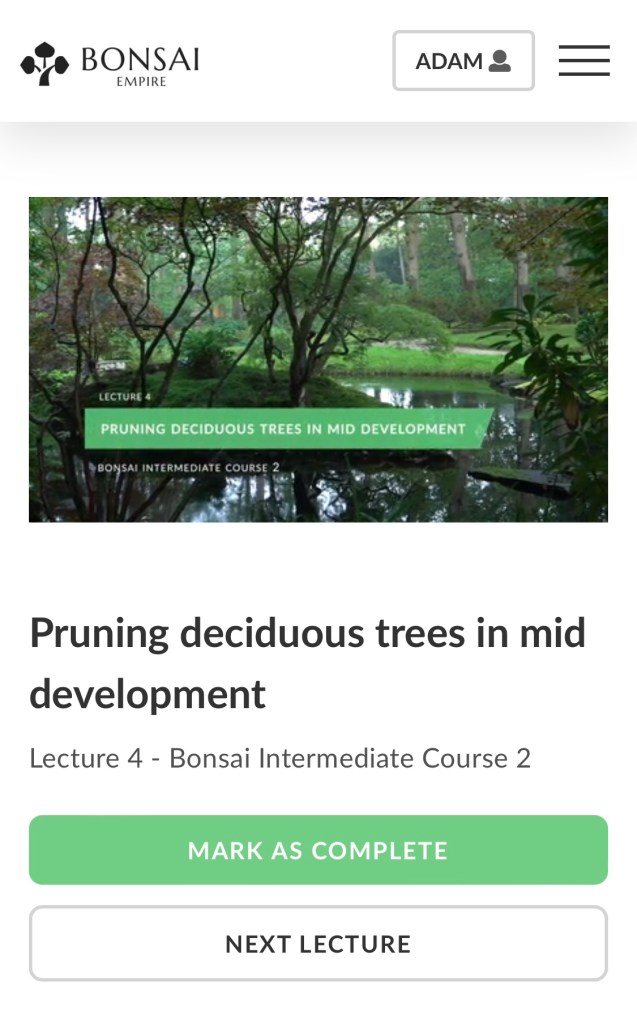
I followed the courses on my iPhone, and the video transitions from the different views was flawless.

You can watch like this:

With the video in the text.

Or with just the video (here in portrait mode).

Or in landscape, full screen mode (turning your phone horizontally).

There is also a closed captioned mode, for when you’re with company and don’t want the sound to bug those near you.
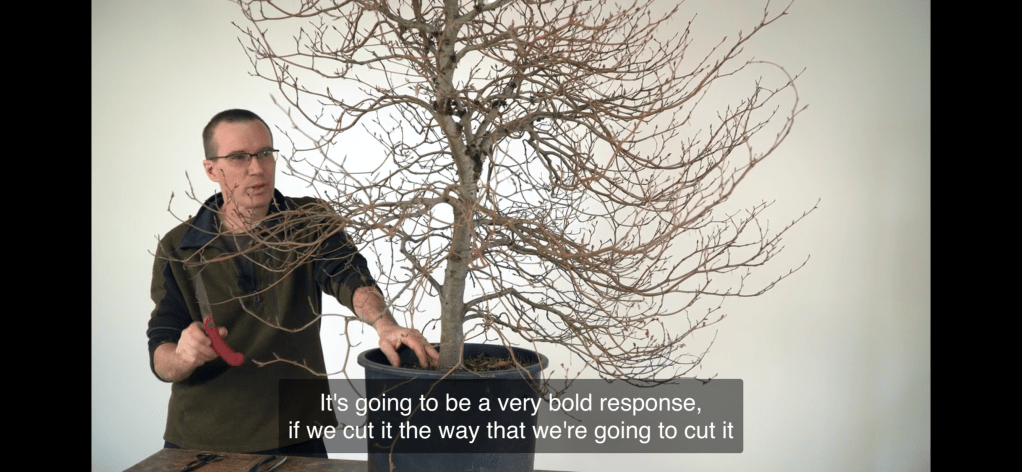
Above, Michael is tackling a huge beech.

The course covers both deciduous and coniferous trees. And styles.

The pruning strategies between the two are covered, and contrasted.

If there are any drawbacks, I might have added some still photos that one could zoom in upon. You can zoom in on the video, but you have to pause it, and it’s not a full zoom (where you can see the dirt under the fingernails). I’m not sure how you could structure the addition of still shots, that’s above my skill level, but it would be cool.

You can also ask questions and comment, and they are answered pretty well.

At the end, you get a certificate of completion, which you can print out for framing

All in all, I’d say this course (after taking the previous courses, of course) would be a good addition to your digital library (did I mention you have lifetime access to the courses you’ve taken? Meaning you can go back and review what you’ve watched any time).

Well done Bjorn, Michael, and Oscar, and all the people at Bonsai Empire.

If you’re inclined to increase your bonsai knowledge (and I recommend you learn from as many artists as you can) take a look at Bonsai Empire’s courses (the full curriculum can be found here )

Now, I just might take this course:

Love me some Kimura!

  •  

Seven levels of a tree

Here’s a challenge.

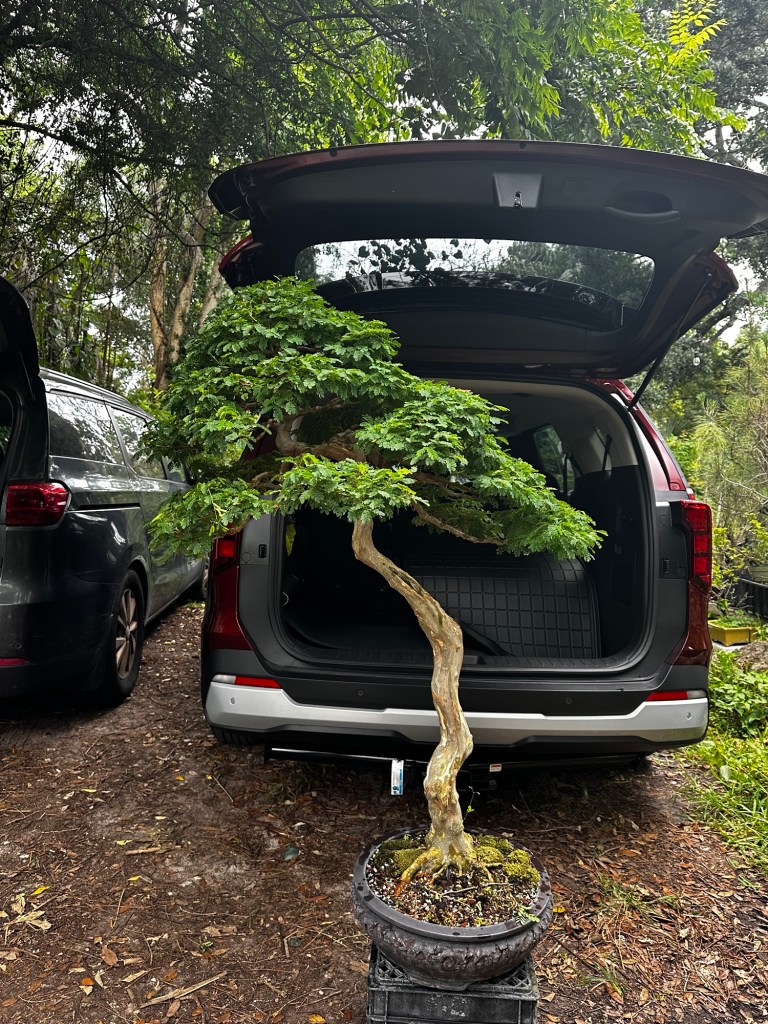
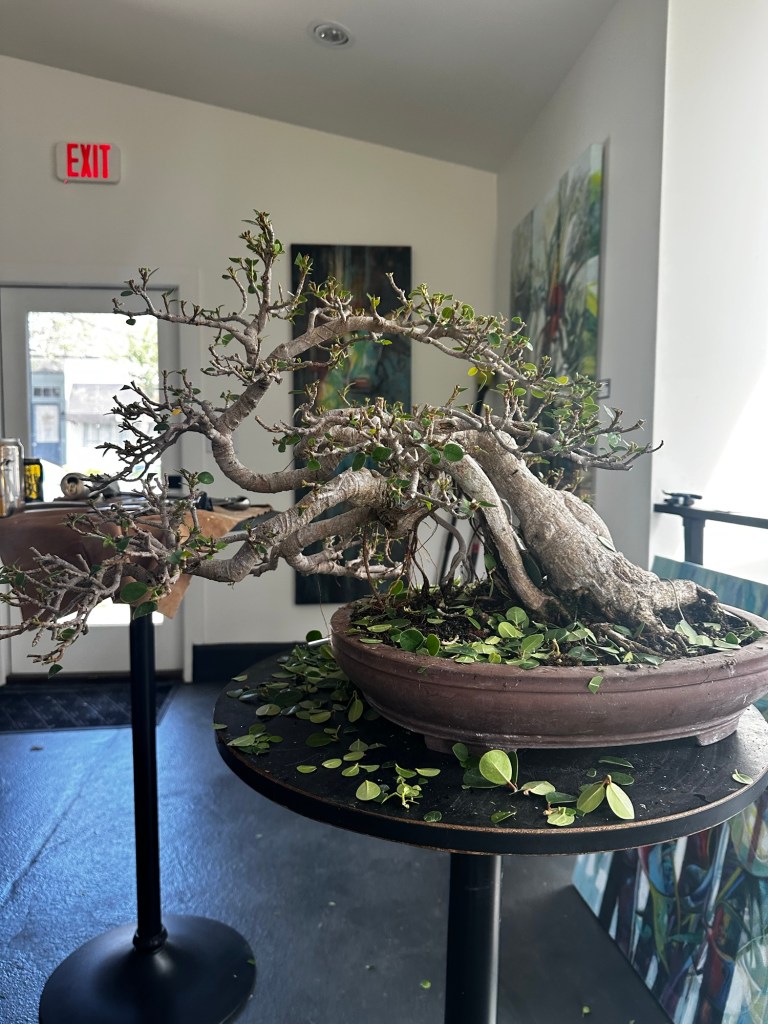
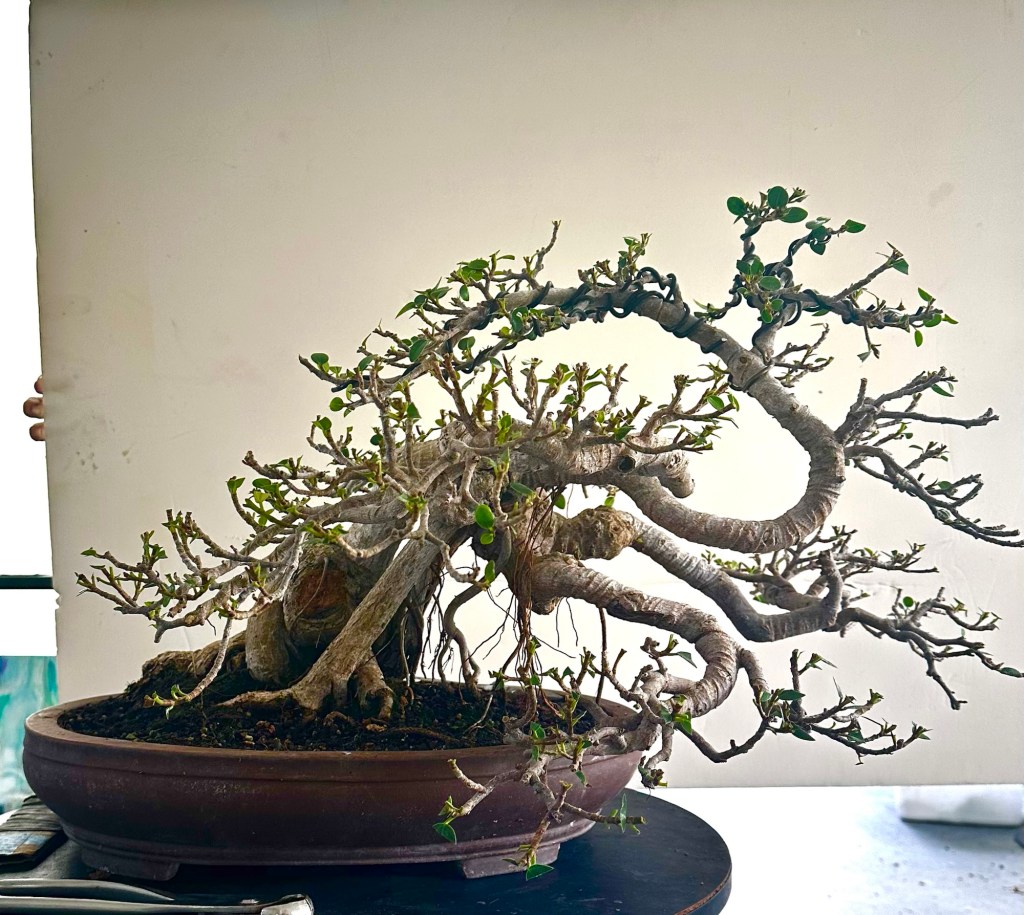
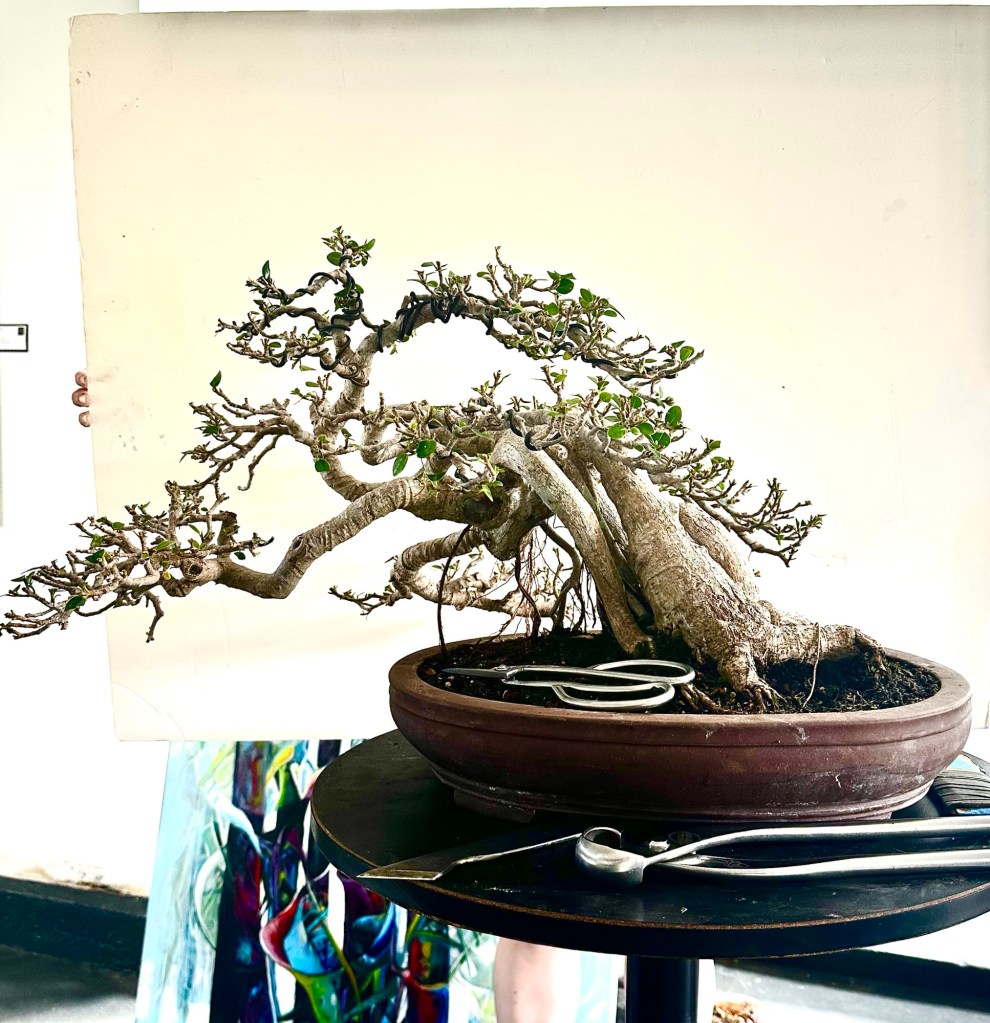
Julie Trigg has been developing this tree (Ficus microcarpa “green mound” or “green island” for many years. Her goal was to create seven levels, or pads, or clouds, on the tree, to represent a personal symbolic idea.

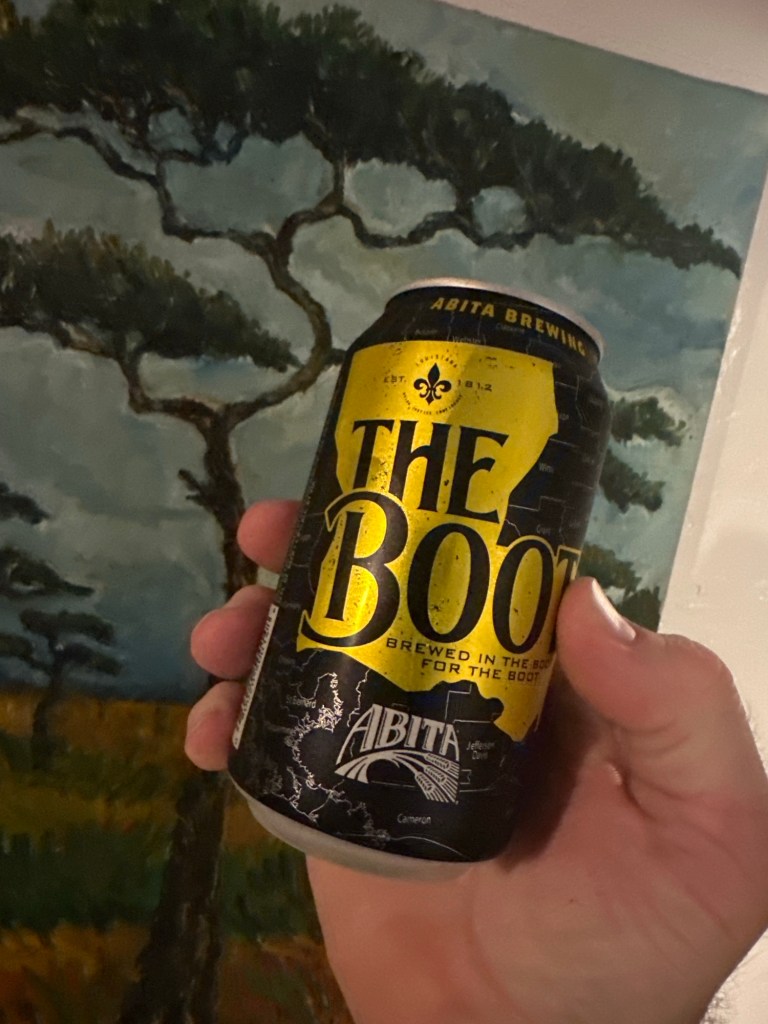
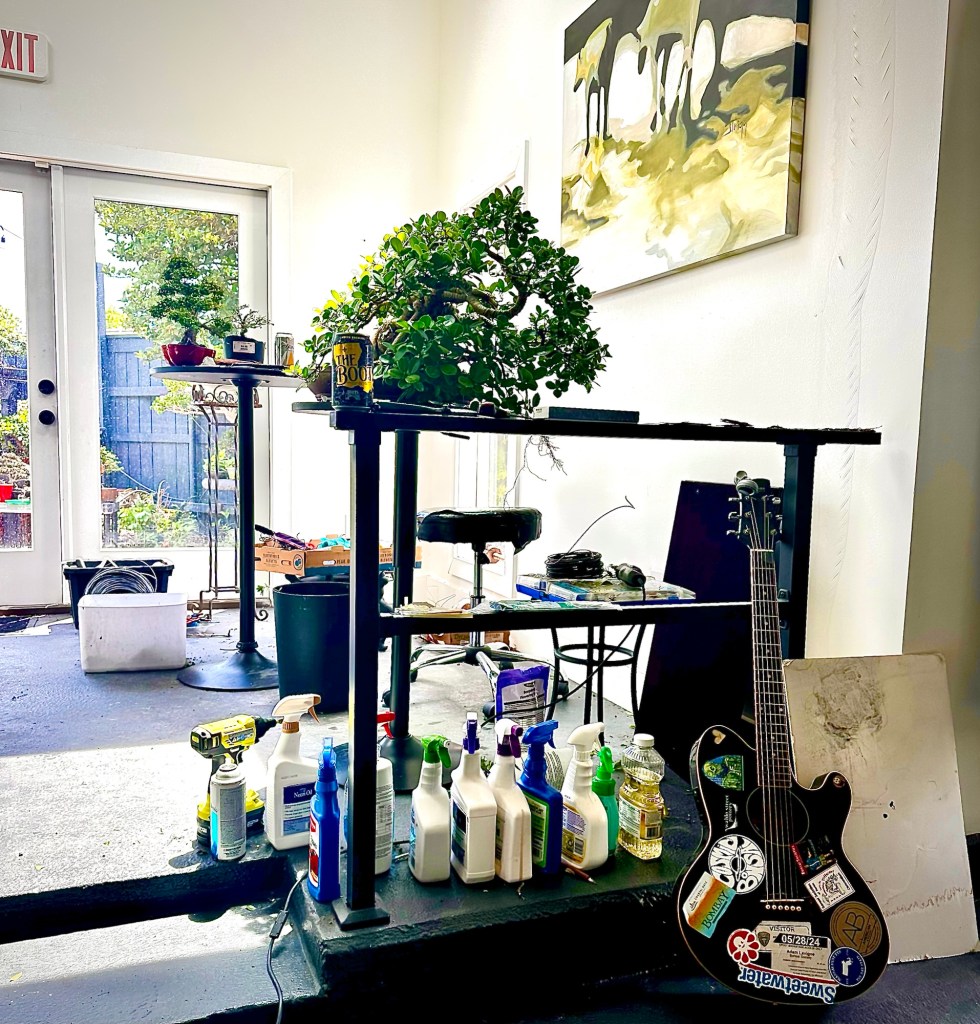
The tree in question is the one next to the beer (of course I’d show scale by beer can. I learned from the old timers of bonsai. All the old magazines showed scale by beer). And if you know anything about beer, you’ll also know that Abita Brewery’s “The Boot” beer is only sold in Louisiana.

And it is a mild felony to smuggle it out of the state. Good thing I’m not there anymore (did you know that Louisiana is still governed by napoleonic law? Meaning you are guilty until proven innocent. Well, not really, but my 7th grade civics teacher insisted it was still in effect. Good story but, you know, don’t believe everything your teachers tell you. If you can only recite the words, you haven’t learned the lessons.)

But I was there this last weekend. In New Orleans. Proof:

Better proof:

Damn these meat pies are fine cuisine. To get them shipped to Orlando I have to buy 45 individual pies (well, 45 in a box) for $129.99.

But they’re available at the Walmarts in New Orleans, in the hot food section, for like a buck fifty.

Yes, I am jealous.

Makes my mouth water.

Anyway, back to Julie’s tree. Here’s a close up.

Julie is a real artist. She is one of the finest painters I know (follow this link: https://mustseesarasota.com/julie-trigg-artist/)

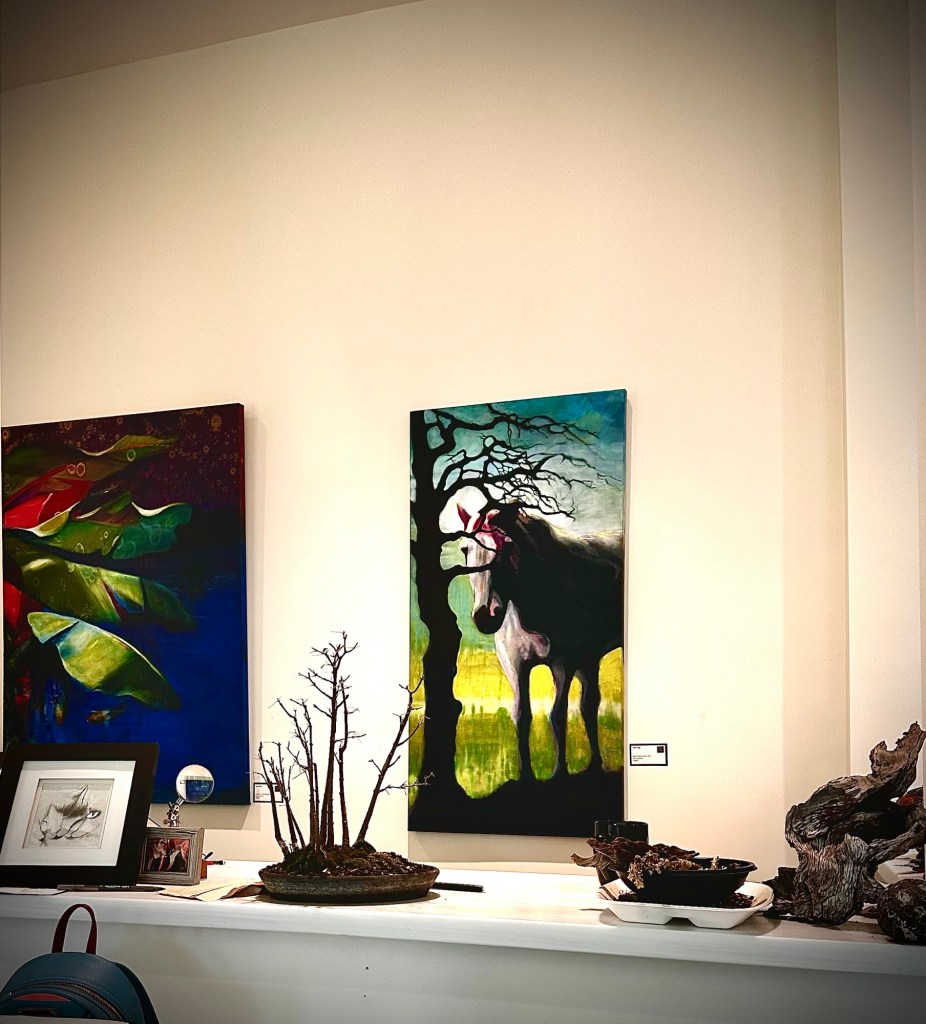
All the paintings in the backgrounds of these pics are Julie Trigg’s

In oil, acrylic, mixed media, watercolor, whatever medium you can think of, she’s one of the best. And in Bonsai too. She’s shown trees multiple times at the BSF Exhibit at Epcot’s Flower and Garden show…..

One of her trees, a Brazilian Raintree, that was on display at Epcot in 2026

…at the BSF Convention exhibit, at Bill Valavanis’ National Bonsai Exhibit, at both Komorebi shows David Camargo and I put on several years ago in Miami, and at many Shofu Bonsai Society shows, her home club when she lived in Sarasota Fl.

But why seven levels? It’s not a question I asked her. I’m a very personal person, and I feel very uncomfortable asking others personal questions. But if we do some research: seven levels could be religious (7 days of creation in Judeo-Christian religions or seven heavens/hells) spiritual (7 levels of awakening in Buddhism or the 7 energy chakras). In medieval learning, there is the sum of the trivium (grammar, rhetoric, and logic) and the quadrivium (astronomy, arithmetic, geometry, music) adding up to seven as well.

Seven colors in a prism or rainbow, seven principal notes in music. if you take any three things or entities, say A B C, you can only express them seven times (A, B, C, AB, BC, AC, ABC

Like it or not, going as far back possibly the caveman times, who were, believe it or not, more capable than we were intellectually (technology often dumbs us down), the number seven is significant.

Julie’s challenge to herself was to make a tree with seven pads, or levels. It was a challenge she conveyed to me when I worked on it.

Here we go:

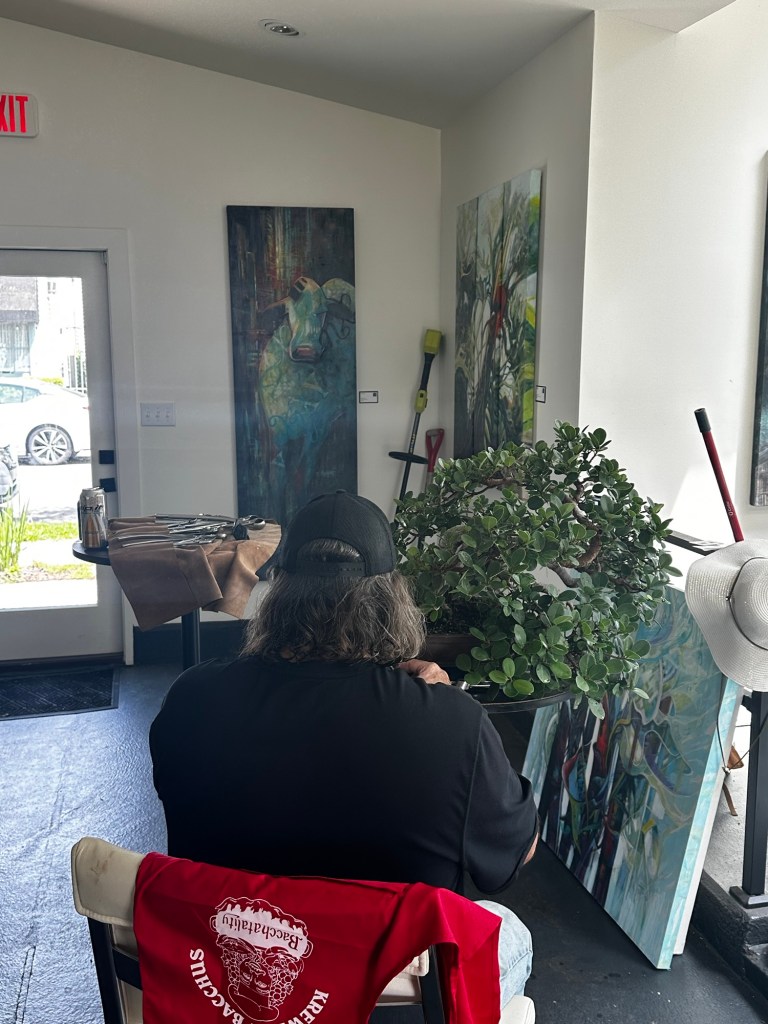
First step with me is usually defoliation. Hey look, it’s me!

Why is it always defoliation? Thats a whole other article. (This one, by the way: I use some fancy words to justify my defoliation habit, go figure )

All defoliated and who do I find? Awww, look at that little dude!

Now for some wire:

But which side is the front I wonder?

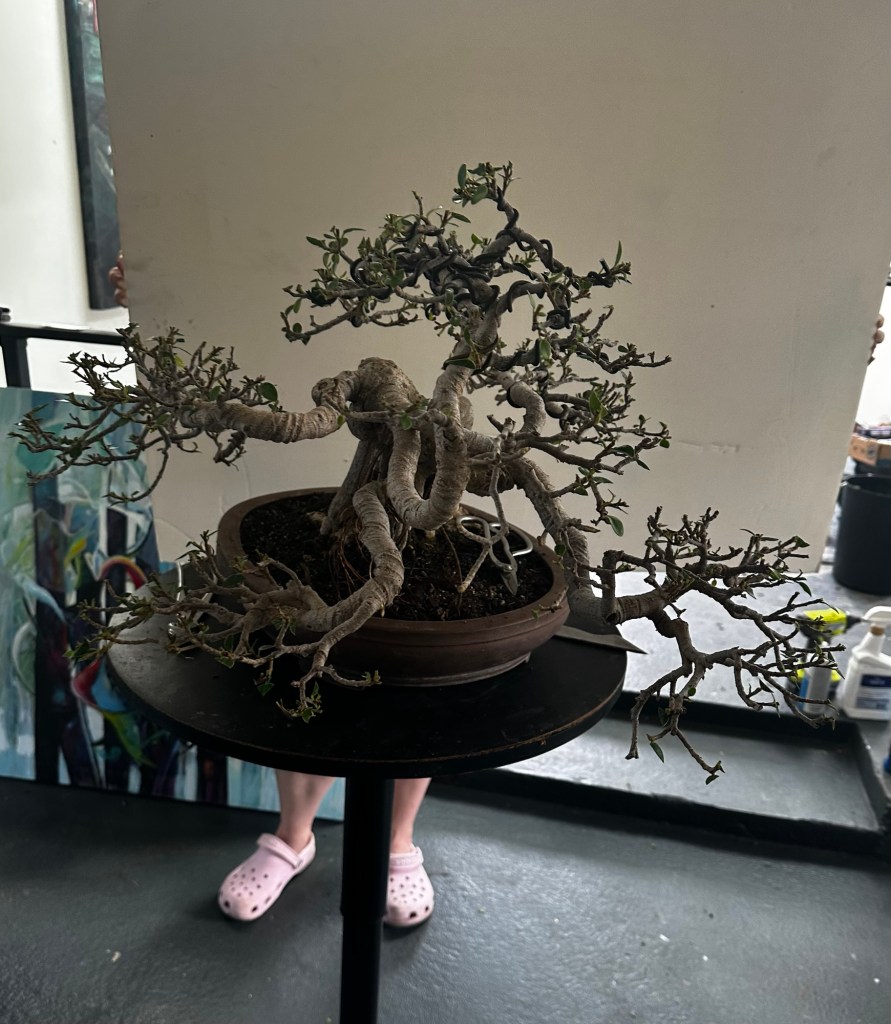
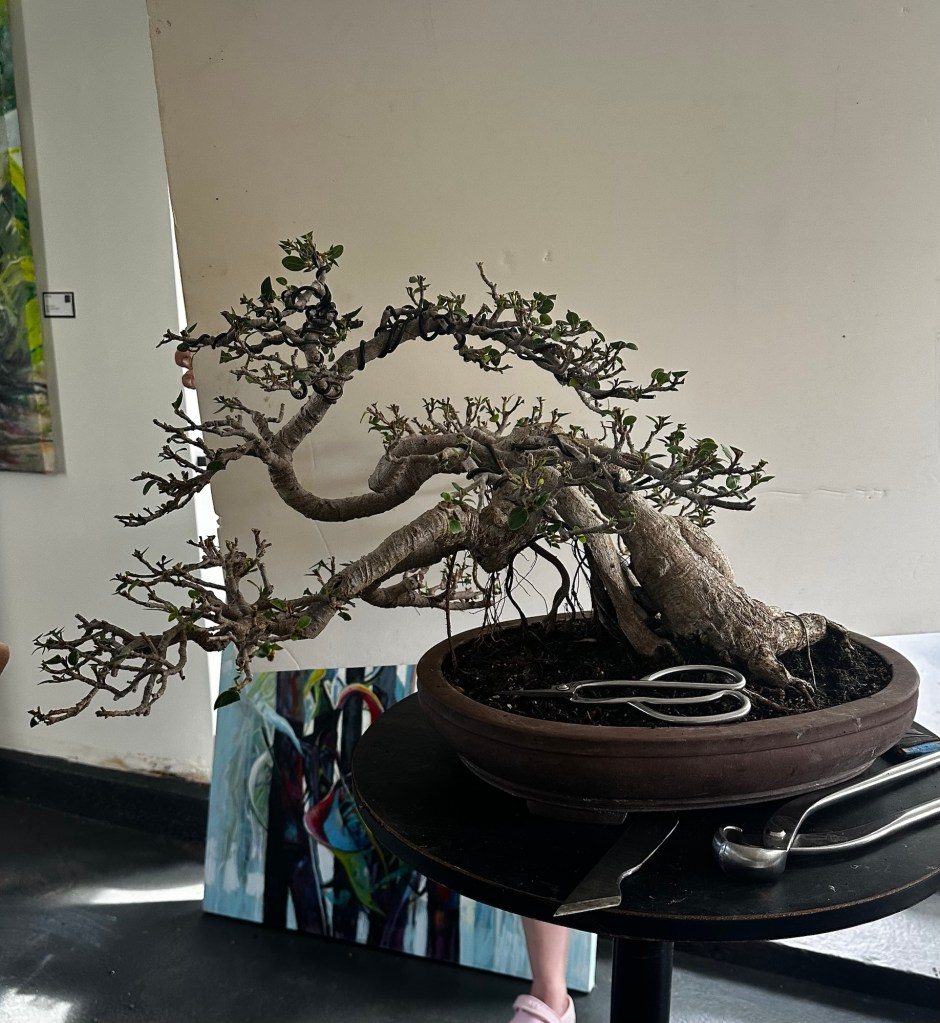
Some more views. Then a video or two.

You can see how much work was needed to create the levels.

And if you say something silly like “You done ruint yer tree, you got wire scars”, then your slip is showing.

If your tree doesn’t have wire scars, you’re just not trying hard enough. Don’t want wire scars? Go buy a topiary.

We, as bonsai artists, use wire to shape our trees. Speaking of shaping….

One trend I’d like y’all to think about in modern bonsai is the concept of a growing a fully encompassing canopy over the tree. I’m pretty sure there is a Japanese name for it.

Is it a valid? Sure. Do I like it? Count up seven lines. That’s my answer.

I like to see the tree.

The story of a tree begins at the trunk, and (get this) branches off into ancillary chapters that tell their own stories. We may have scars (shari) or broken, dead branches (jin) that create drama, or climax.

What story does a full mushroom top tell?

How about we leave that discussion to the bonsai professionals.

Did we maintain the seven levels that Julie was going for? How about we just do some counting, sound up!

Another detail video. No sound this time. Copyright is a bitch.

Now, to go back to the question of “Which view is the front?”

Is it this one?

Or this?

They both tell different stories. They almost look like different trees. One is more massive looking, the other has more movement.

One is almost closed up, one is open.

I won’t tell you which I prefer. If I even have a preference. Julie likes the last one.

How about you?

  •