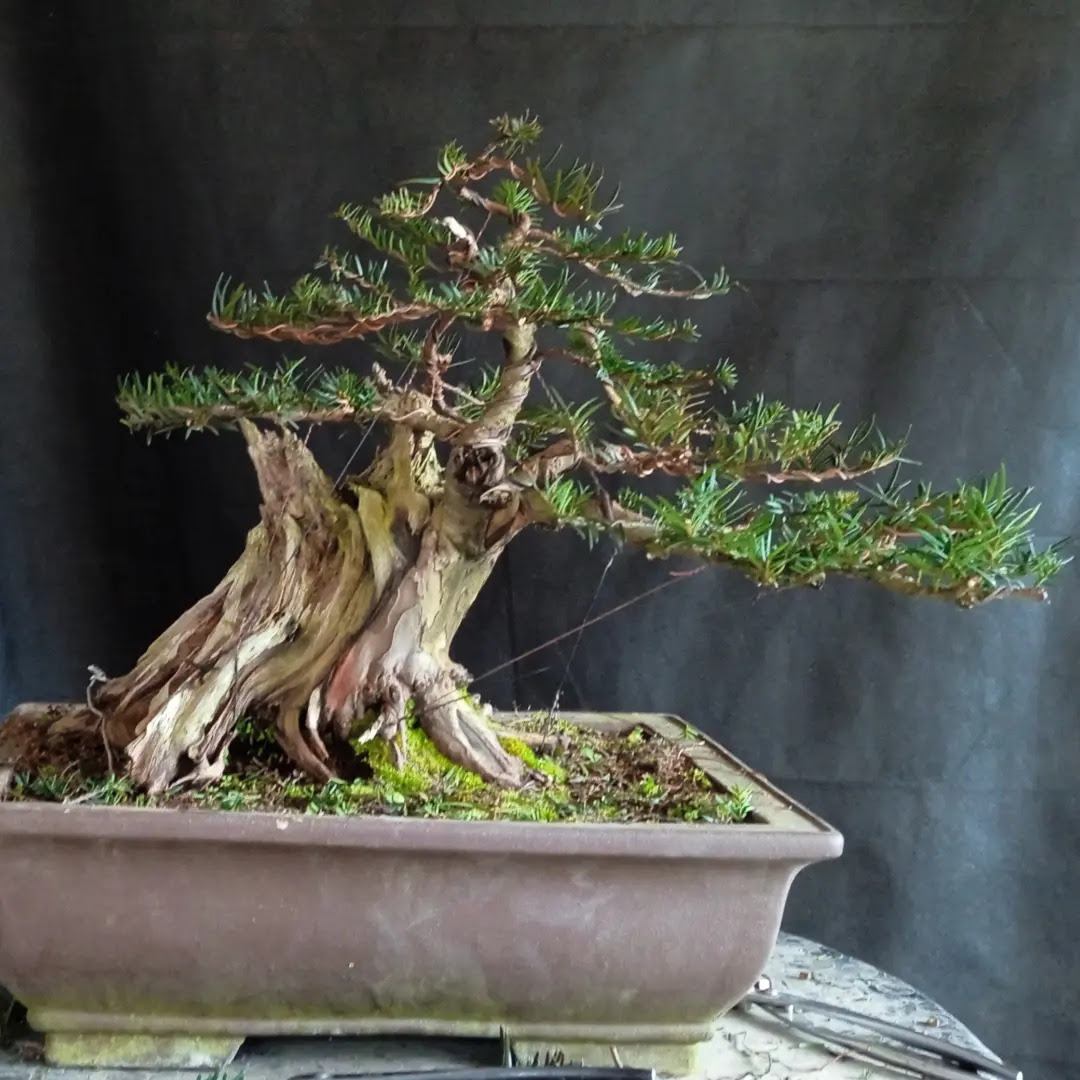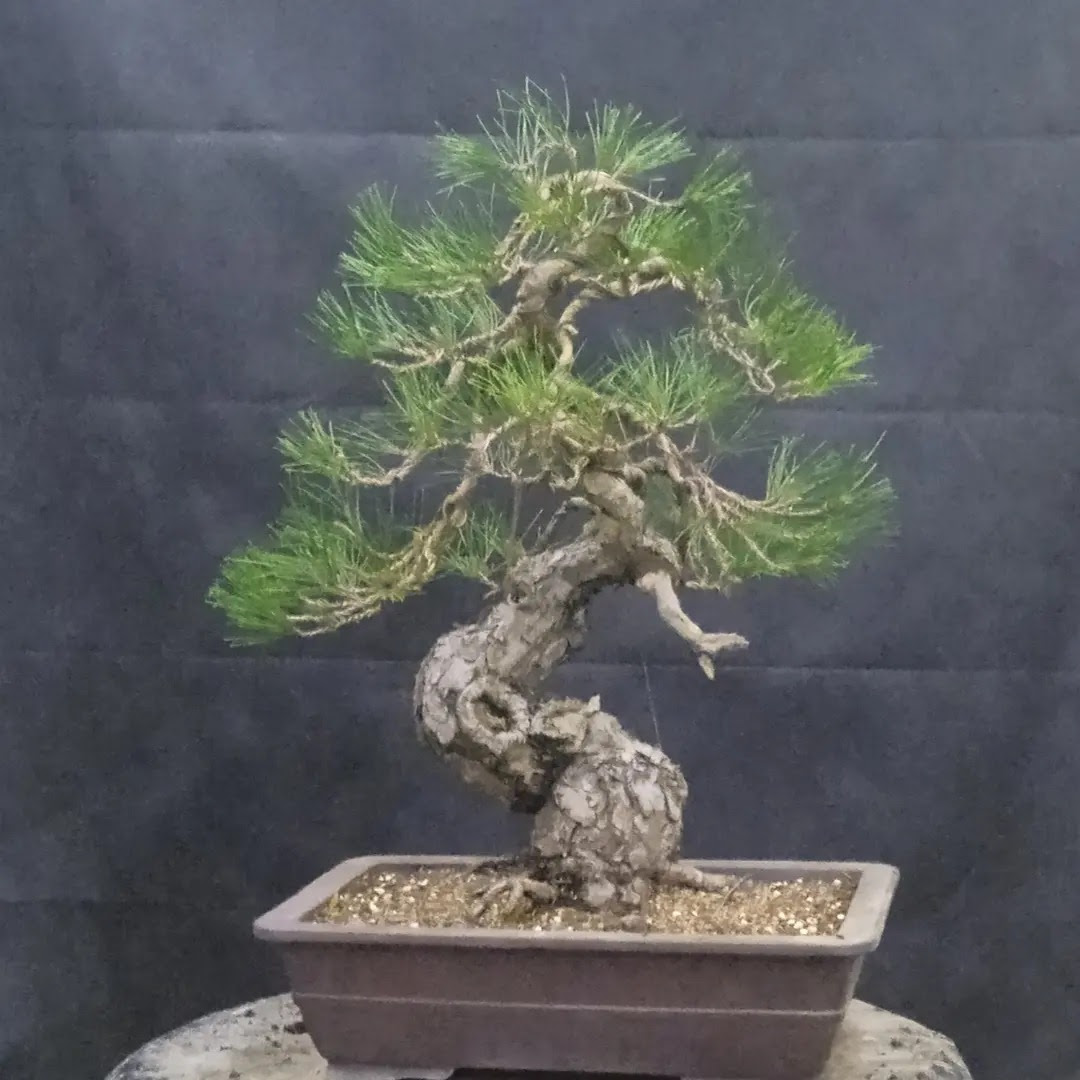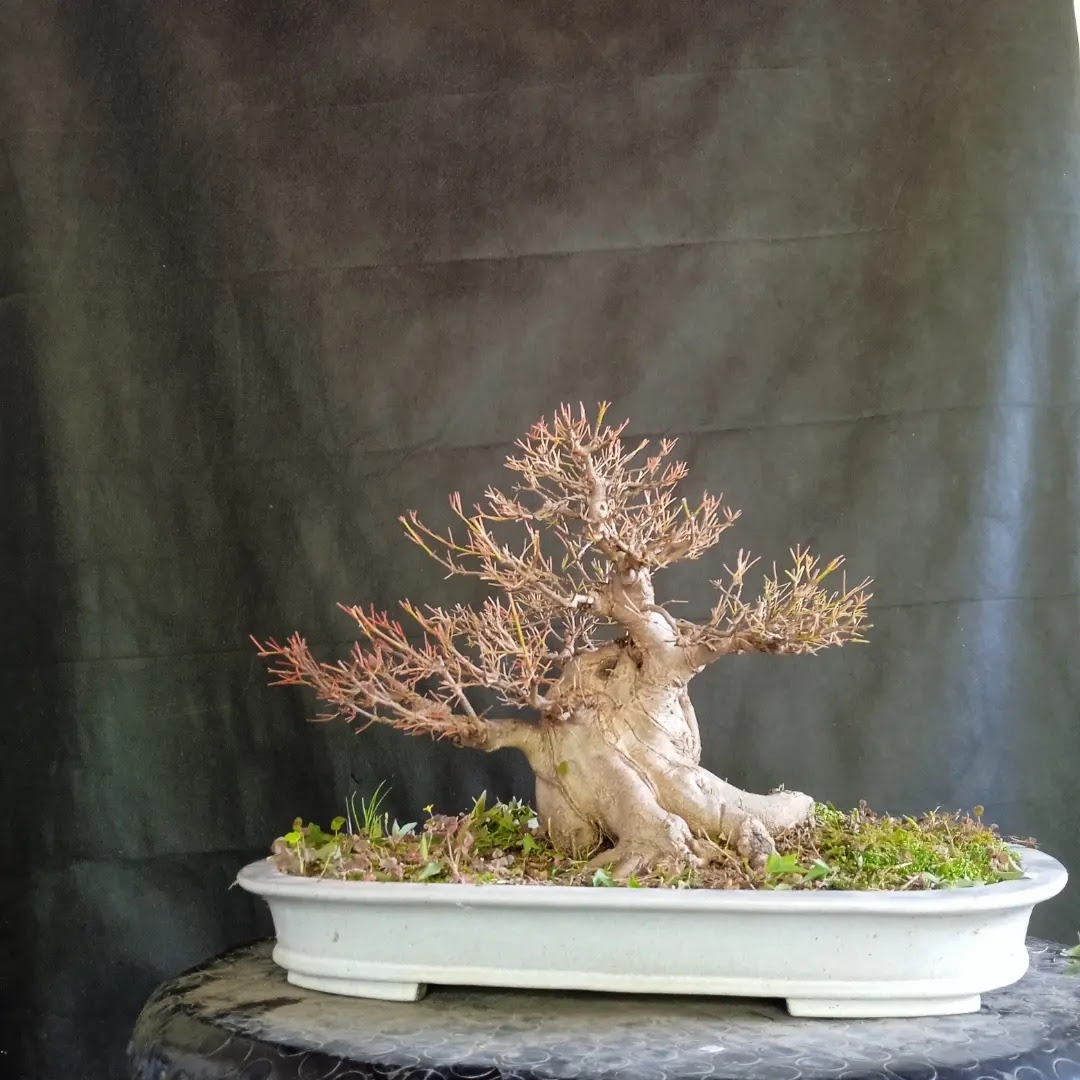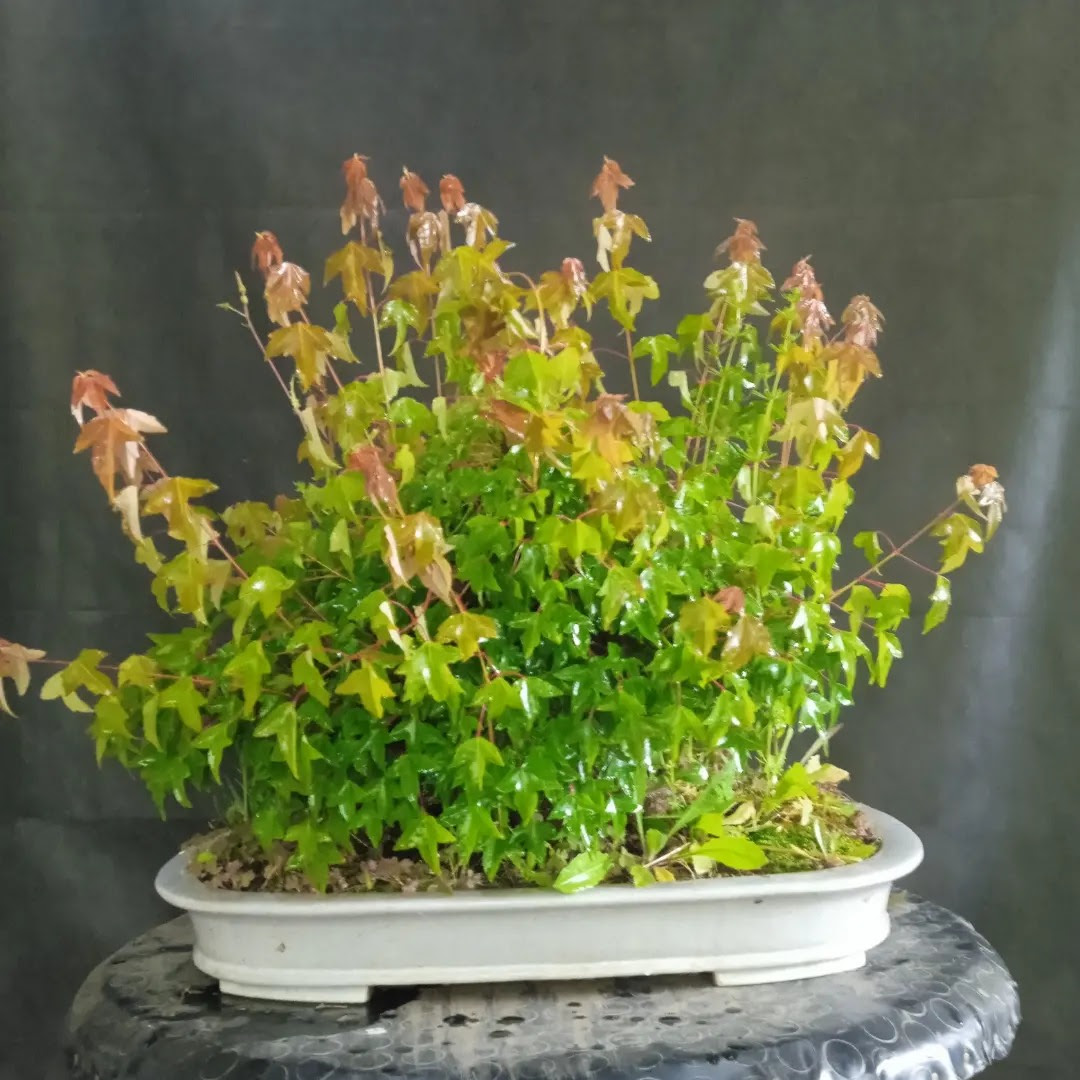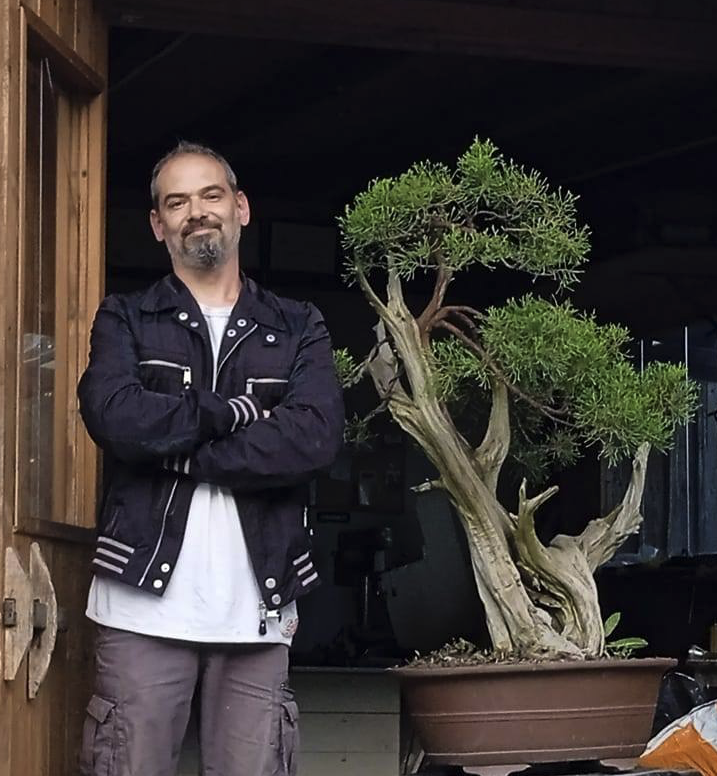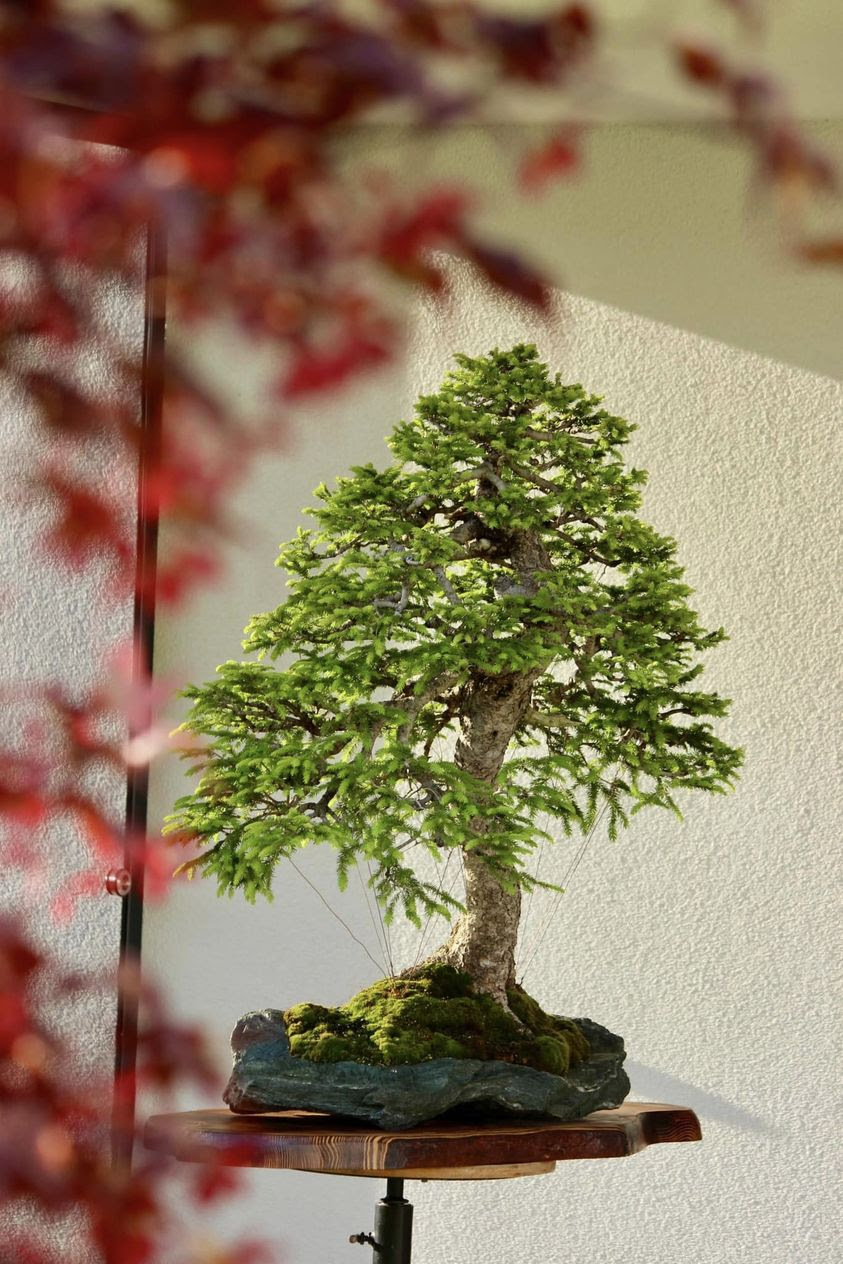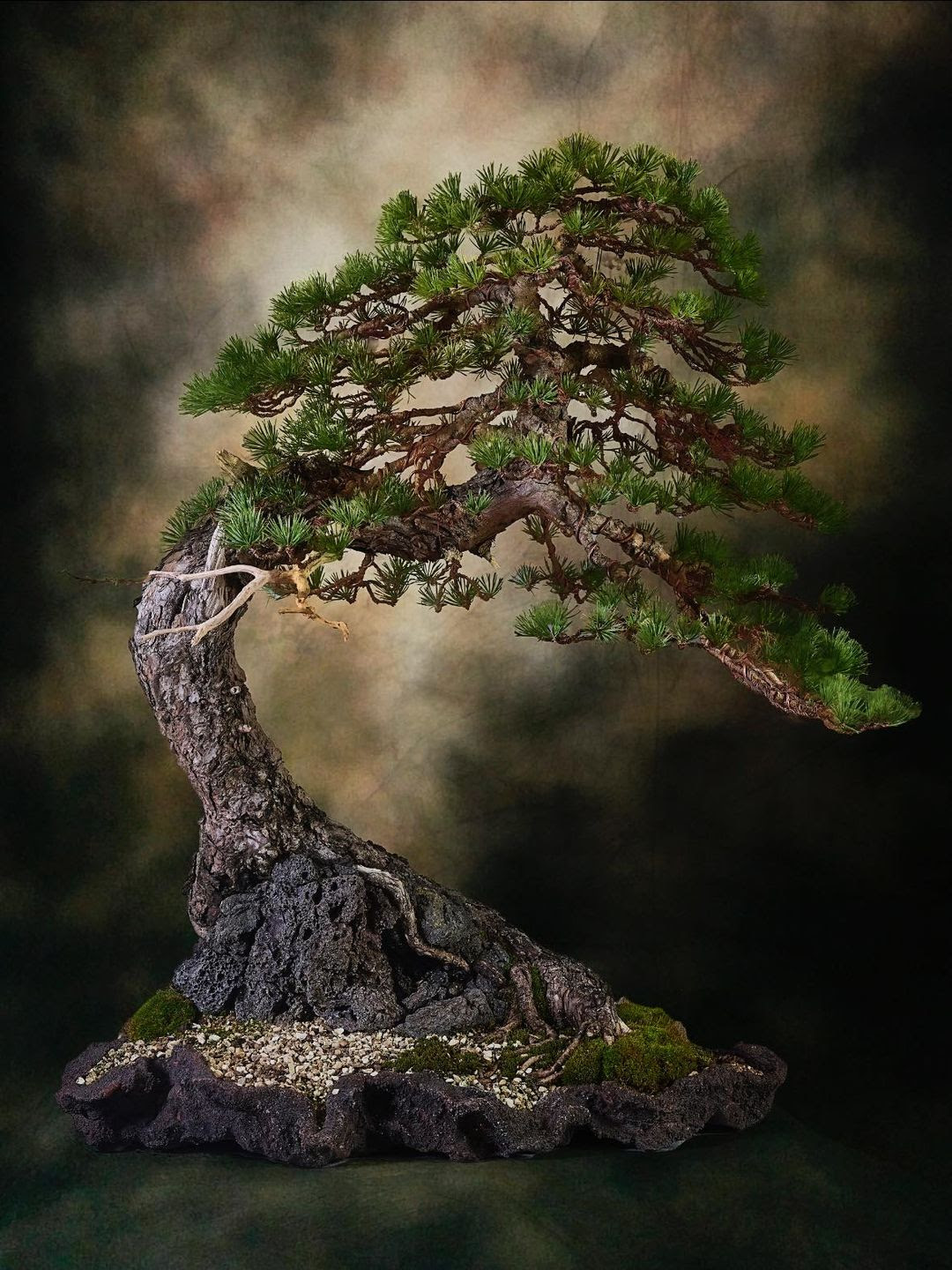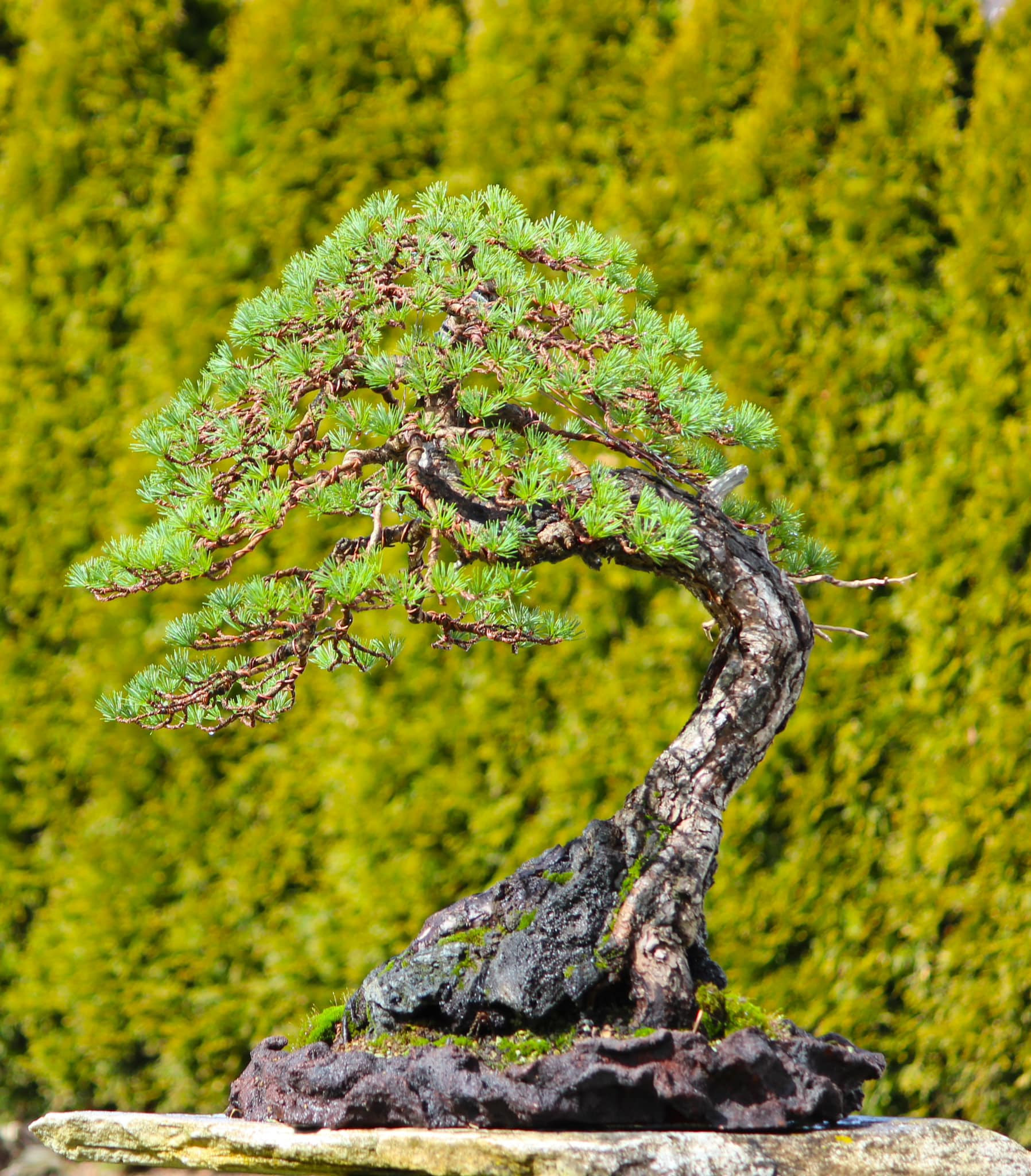
Got a few photos today from our friend Dave De Groot. He's the author of Principles of Bonsai Design and much more, including a long stint as the previous curator of the Pacific Bonsai Museum. So you might say he's a big deal in our bonsai world (though I don't think he would say that).
One of the many things I enjoy about Dave De Groot's posting are his commentaries. I think we can learn a lot from accomplished bonsai artists that take the time to explain what their thinking is as they work with their bonsai.
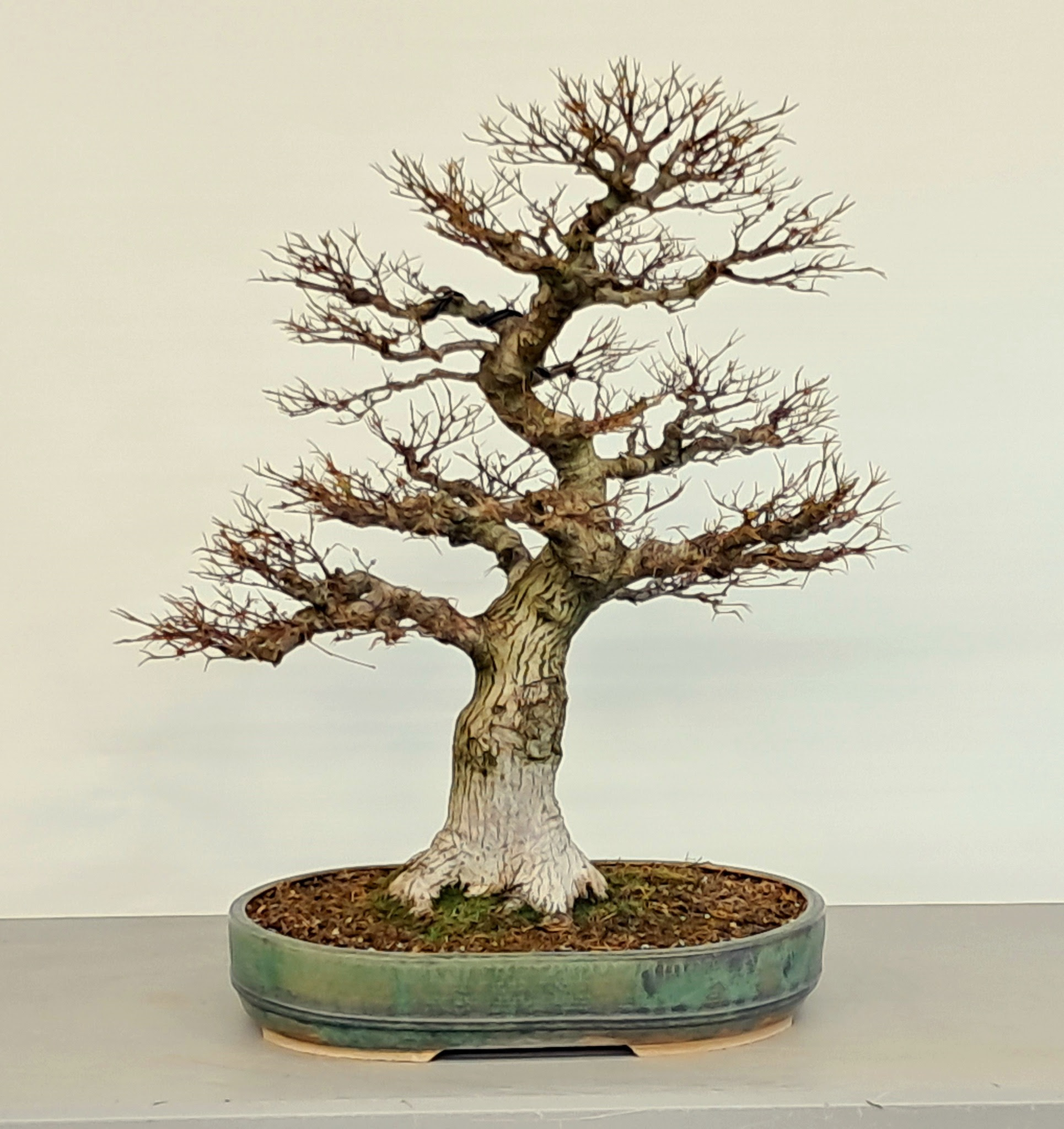
"I had to hurry to get my Japanese maple thinning done before it gets too late. Here are two examples: First is a grafted green leaf maple (in need of cleaning) that is very robust and has a coarse growth habit. Because of that, it has been completely defoliated with the dual aim of encouraging interior budding and shorter internodes on second growth.
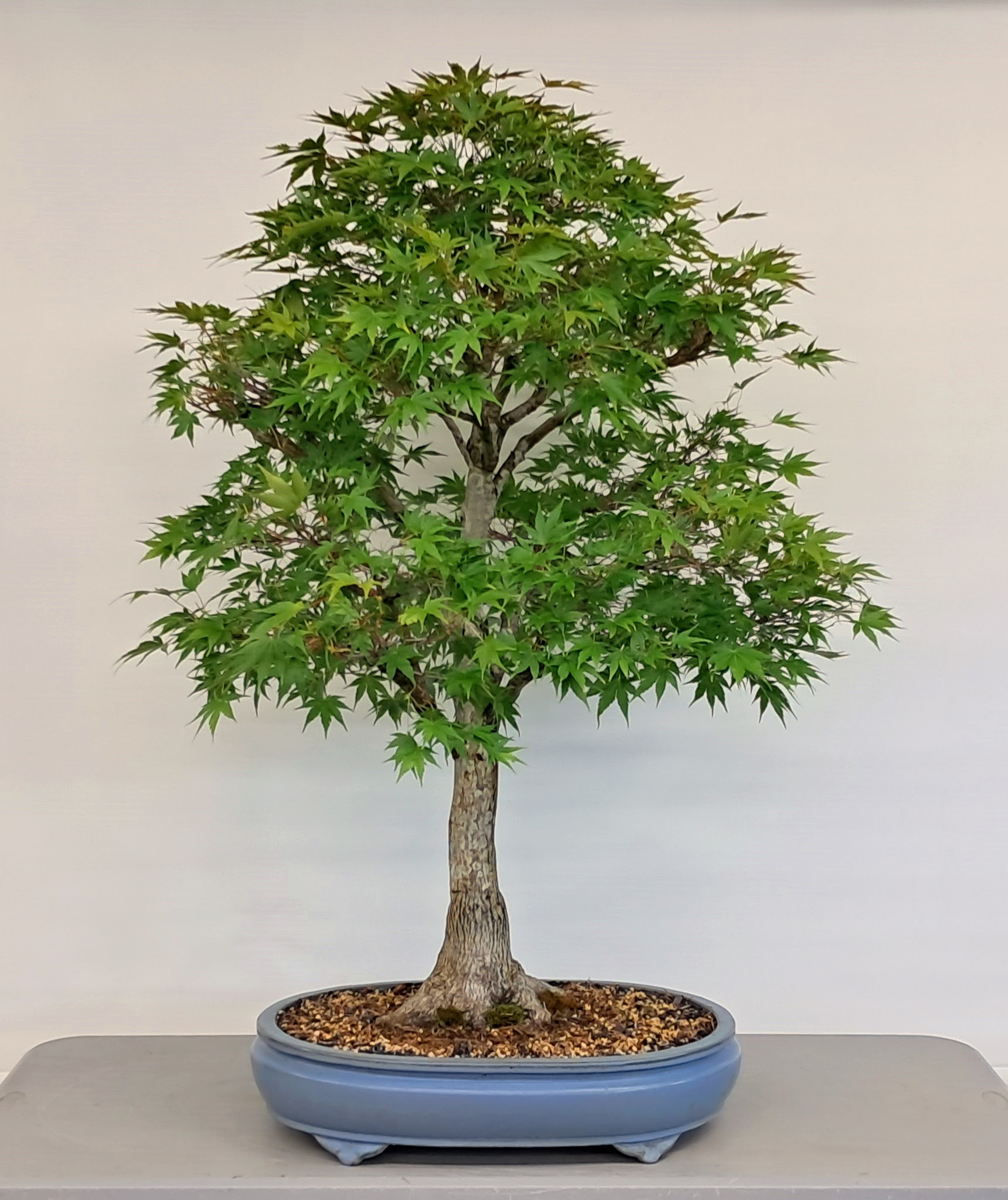
"The second example is a coral bark ('Sango Kaku'). This is not as robust, but I still want to encourage interior budding and branch ramification. In this case, only alternate leaves were removed.
"I recommend a bud shears... rather than a standard thinning shears... for leaf thinning. Its slim design allows it to get between and into branches easily, and the short blades help avoid cutting more than the leaf intended."
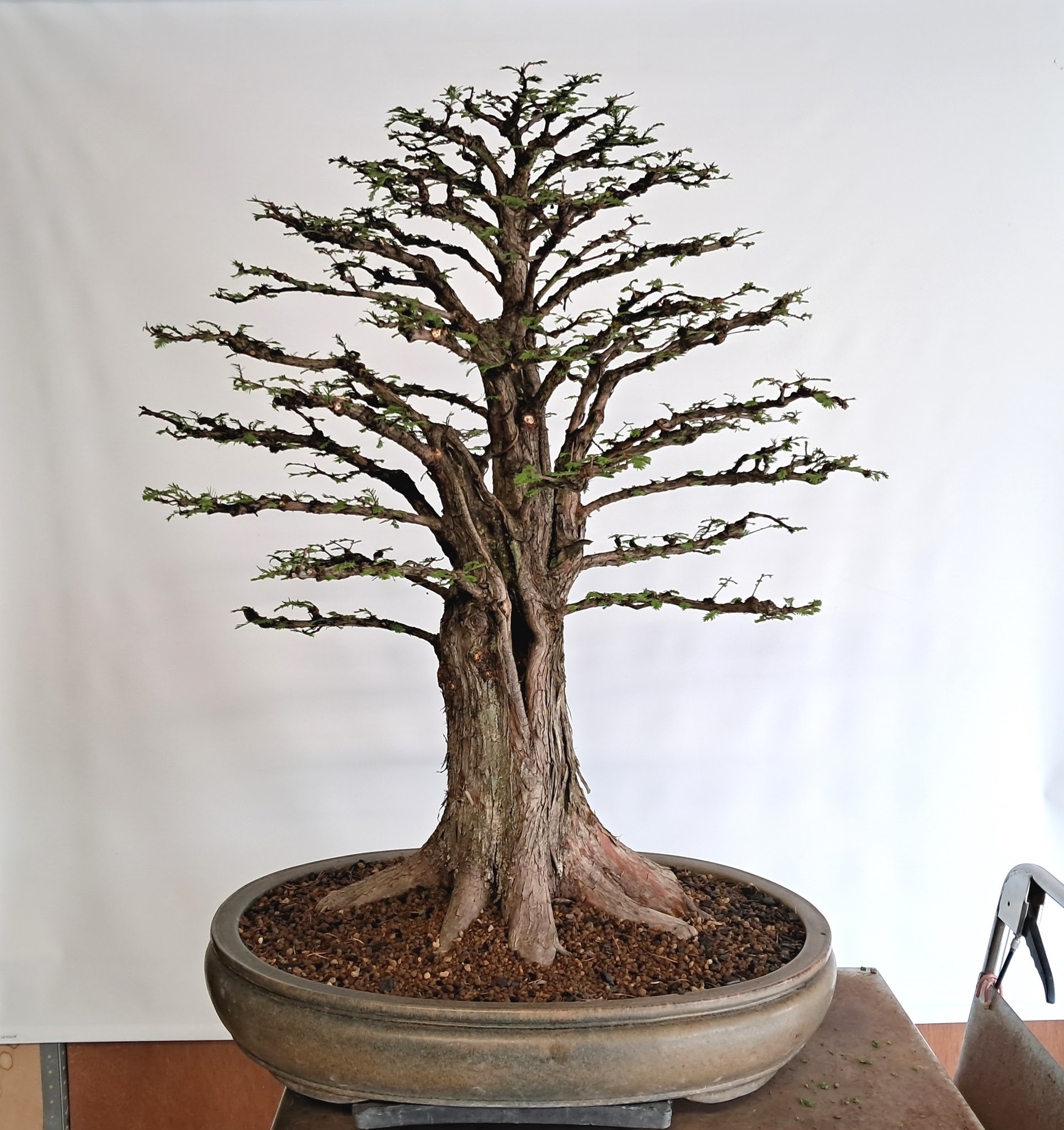
"One of my bald cypress bonsai was originally topped by beavers, and the resulting re-growth inspired me to design it in a typical deciduous tree form with ascending branches. This is actually a form bald cypress often take in urban landscapes where they are mature and not shaded by neighboring trees.
We are near the northern limit of growth for bald cypress, due to our relatively short growing season and cool summer nights. As a result, I have started thinning new growth very early in the season, before the tree has invested a lot of energy. Unsightly lumps form on branches very quickly where clusters of new shoots emerge, so thinning early is important. Also, thinning later in the season after the tee has invested a lot of energy in new growth seems to set the tree back, and recovery can be quite slow. Photos are the tree last week after thinning, and then closeups of a branch before and after the thinning process."
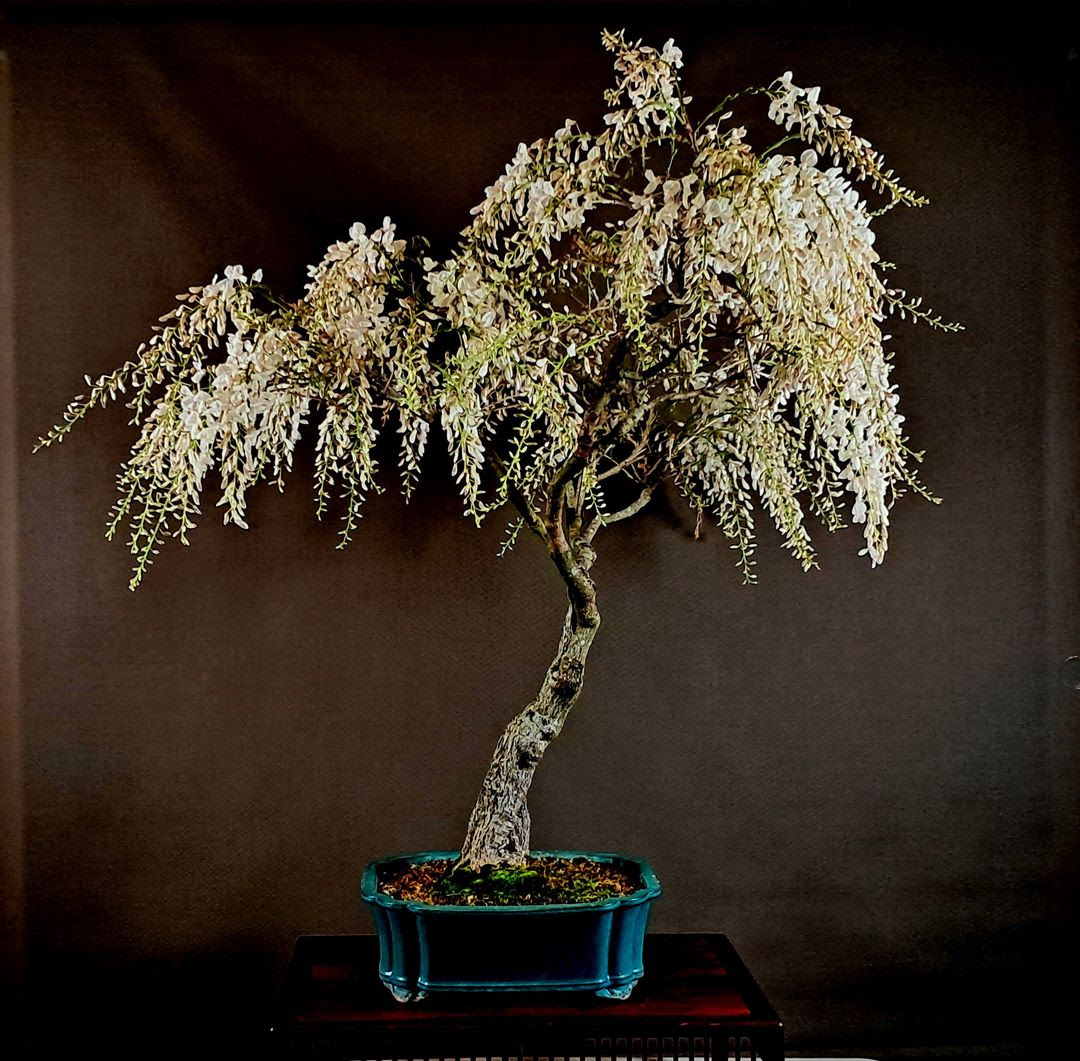
"My white wisteria is still very much in development - I'm letting it go a bit wild to increase the size of the trunk - but for one week a year, it deserves to be seen (and smelled)."
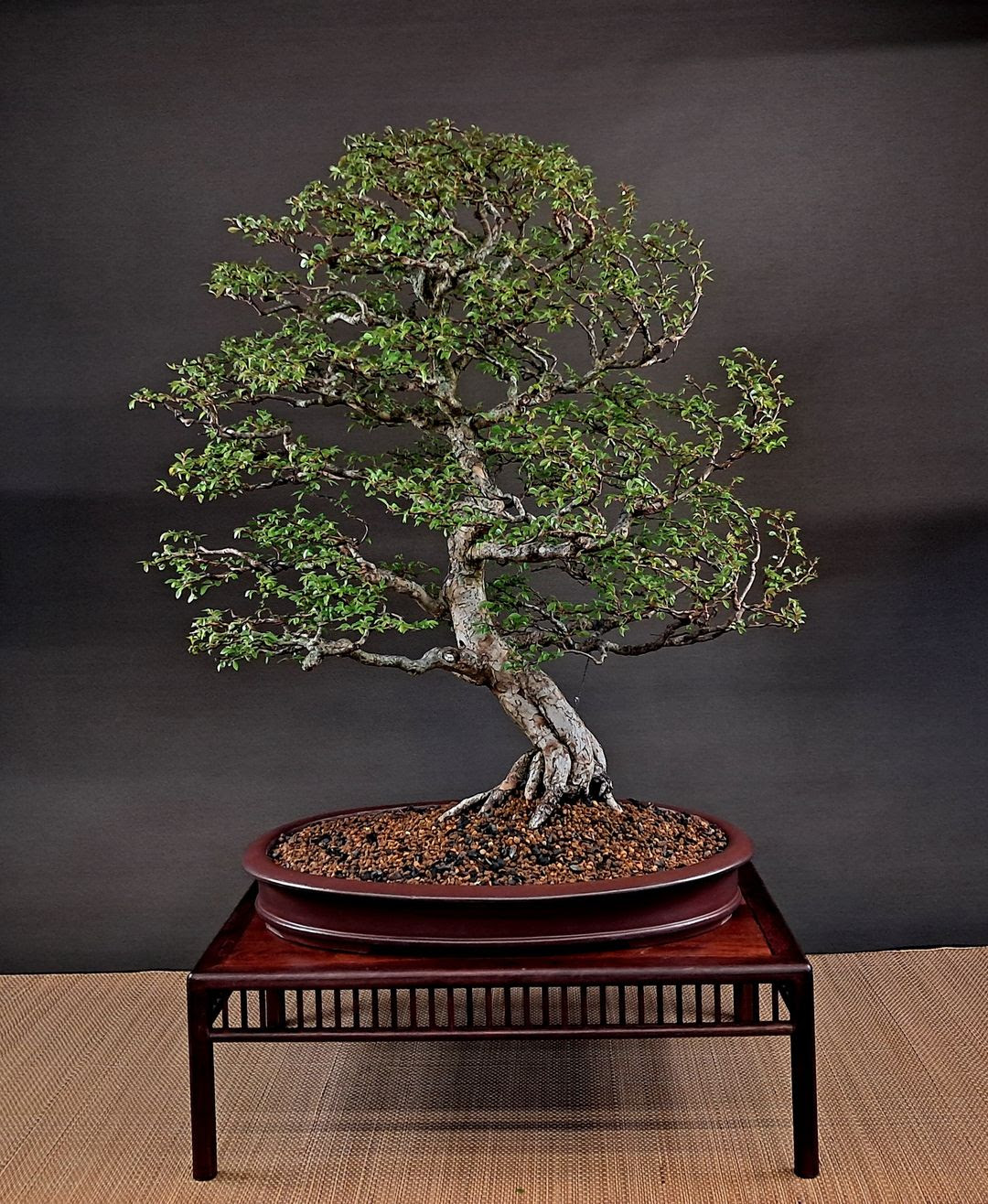
"My Windblown Chinese elm with Spring foliage."

 Login
Login
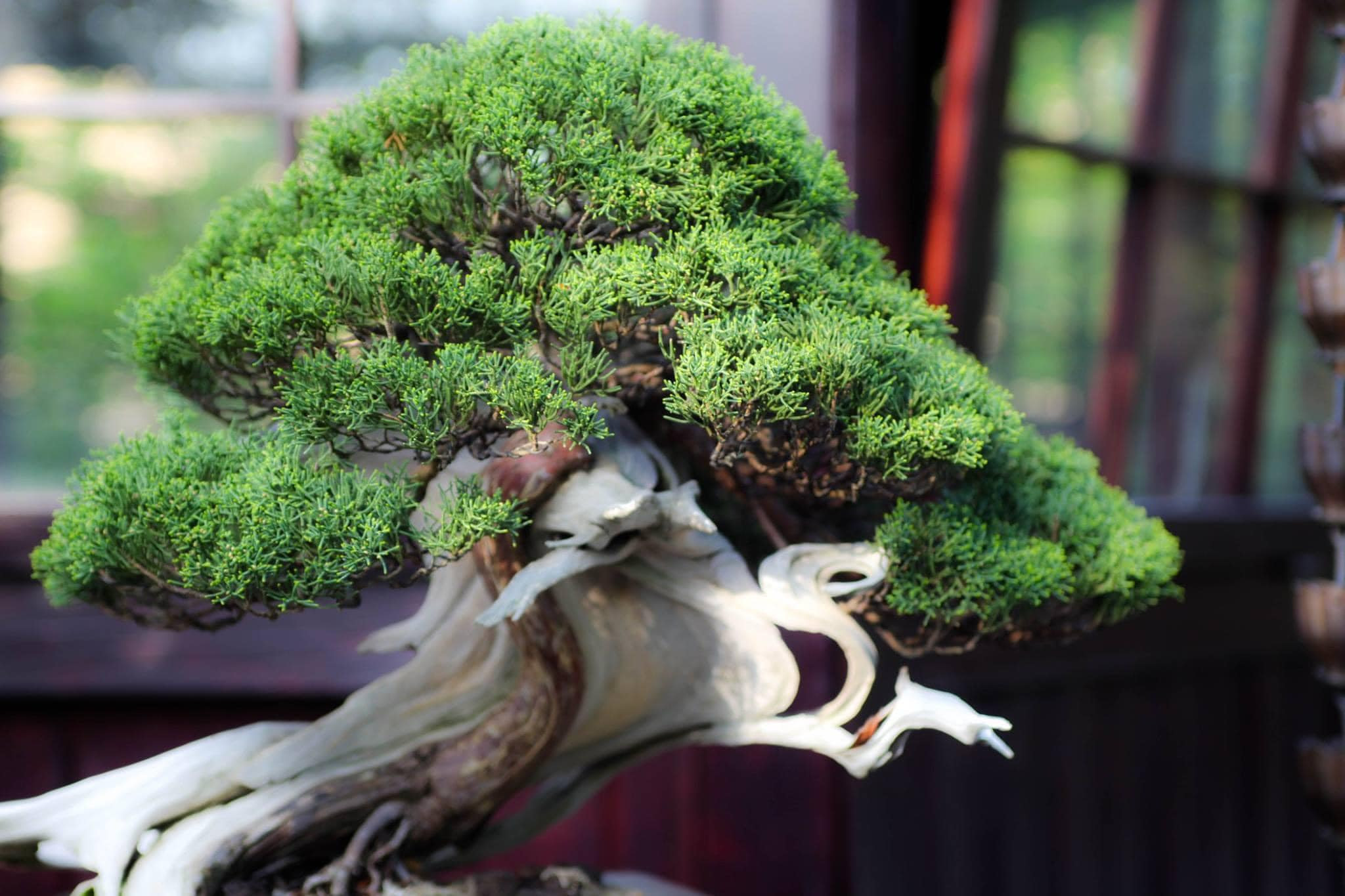
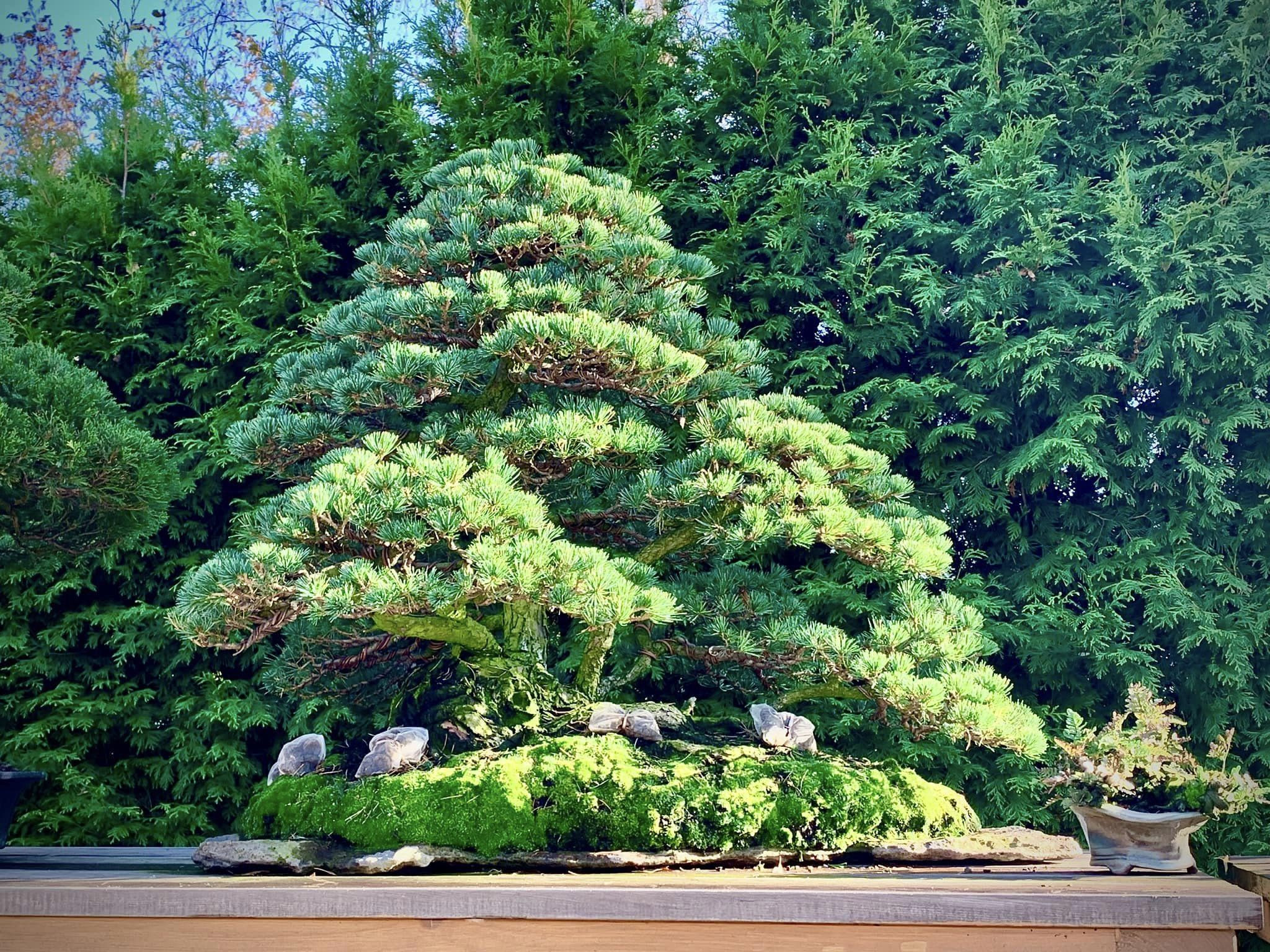 This impressive monster looks like it might be a Japanese white pine. Mariusz and plenty of other bonsai artists don't always identify their trees on FB, but some like this one are fairly obvious.
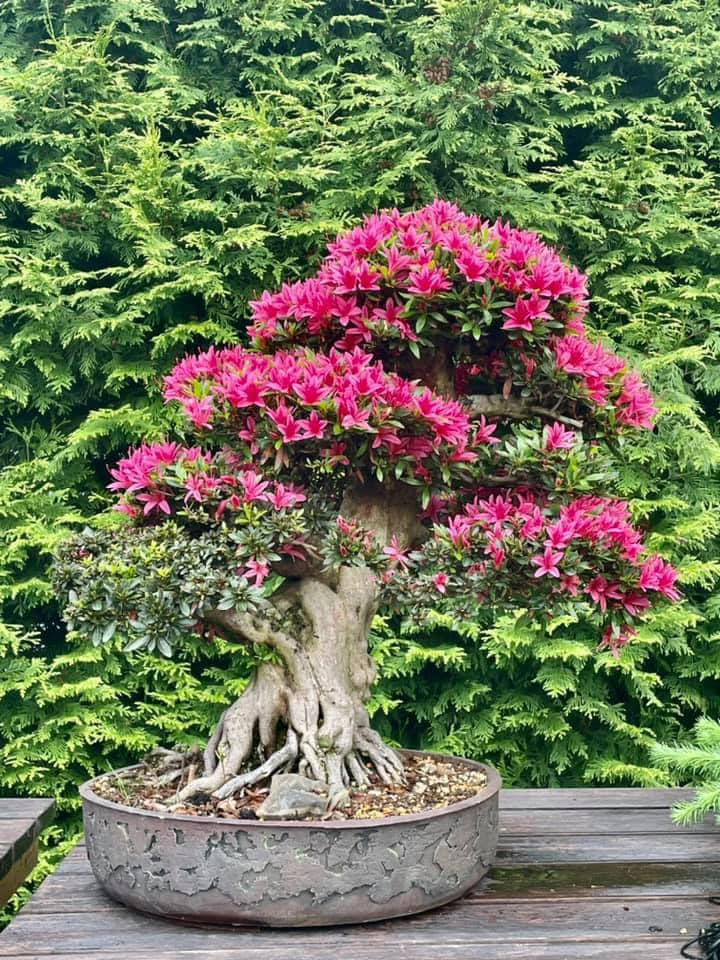 A little taste of late spring color, This azalea (most likely a Satsuki variety) would be a powerful bonsai with or without its flowers. Nice pot too. Mariusz is also a potter so perhaps this one is his.
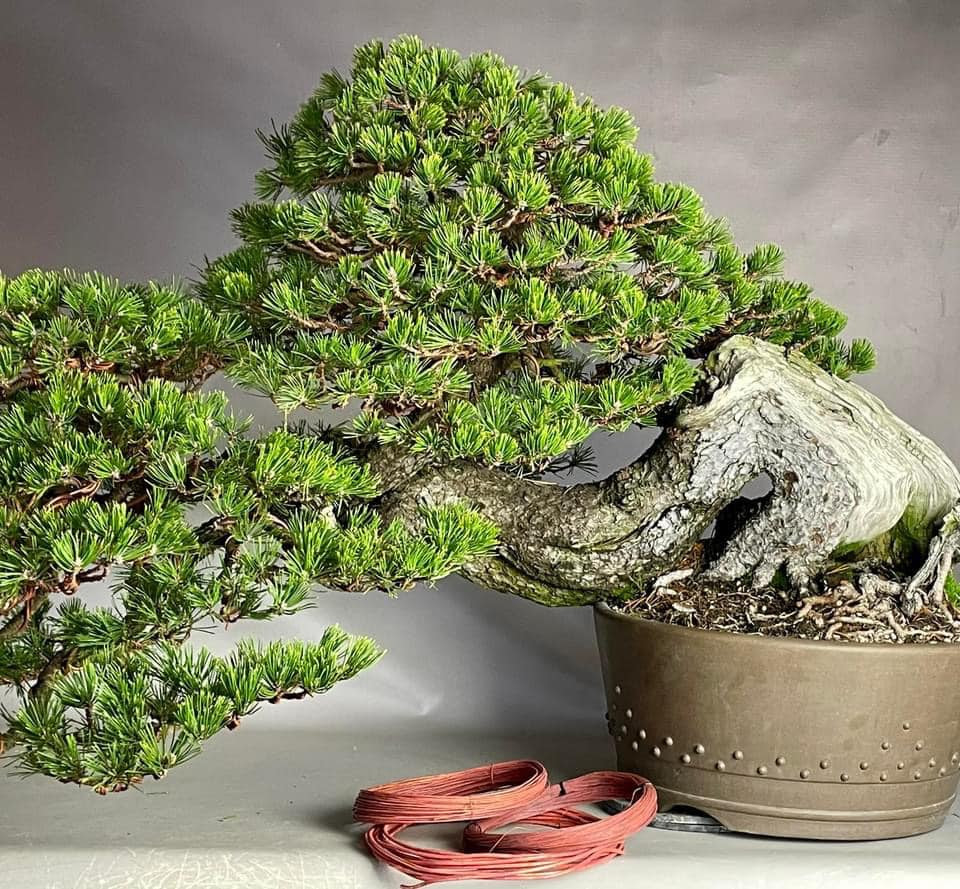 I'm pretty sure I've seen this pine before. The clusters look like five needles, so Japanese white pine might be a good guess.
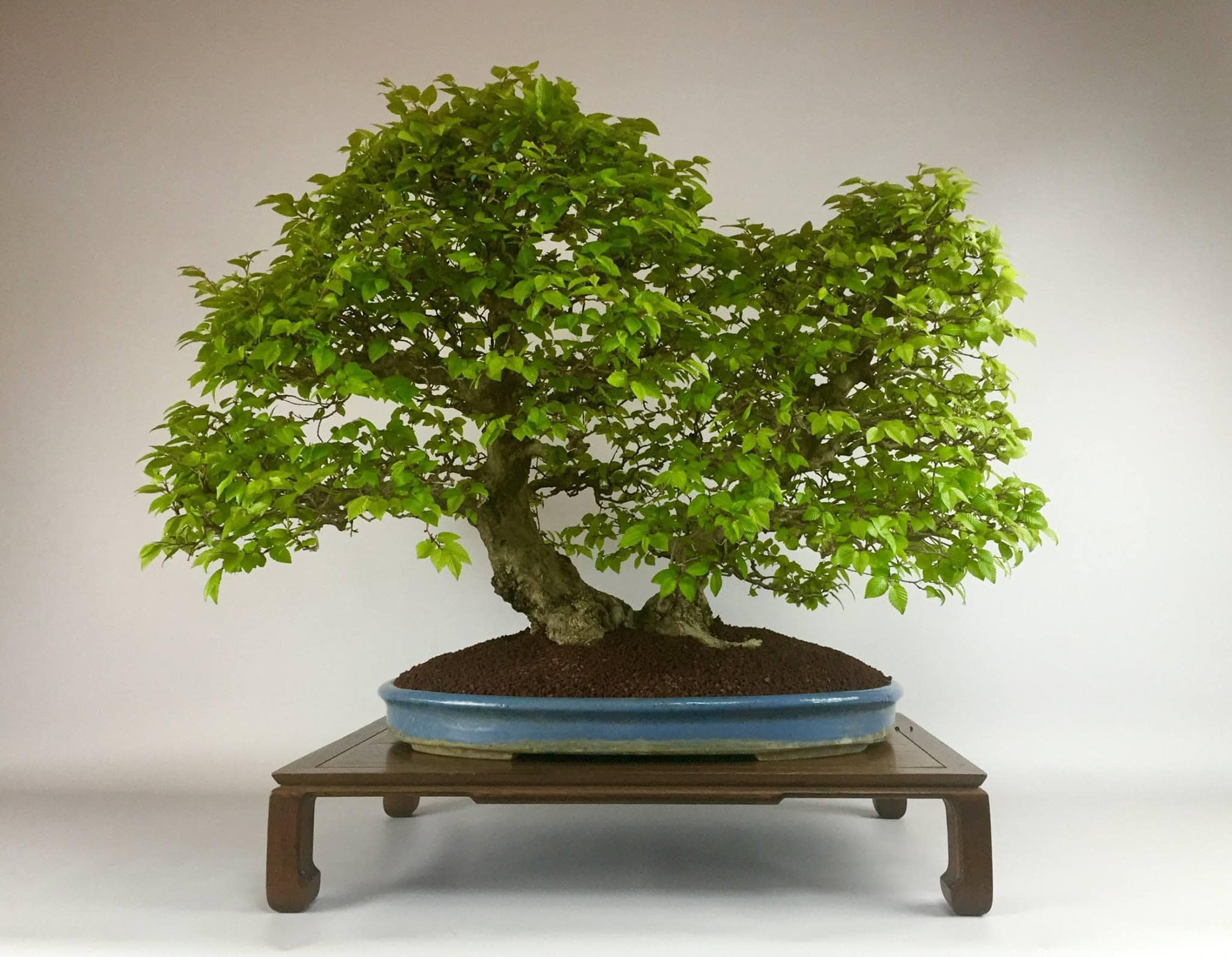 Here a lovely twin trunk deciduous tree with familiar looking leaves. We'll leave it at that (your guess is as good as mine).
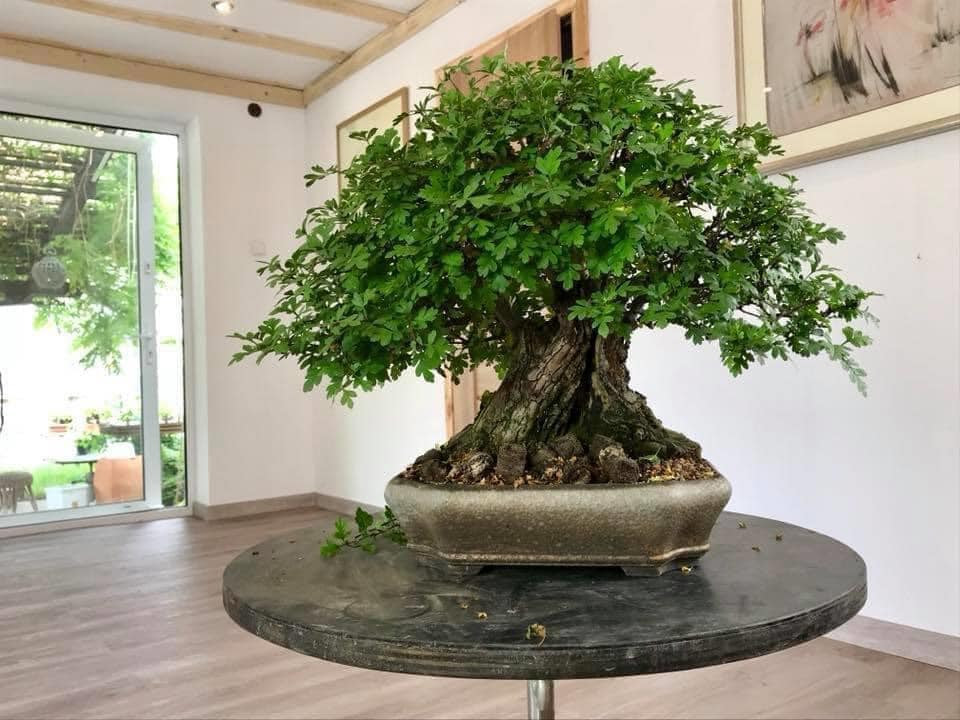 Another deciduos tree. This time with compound leaves.
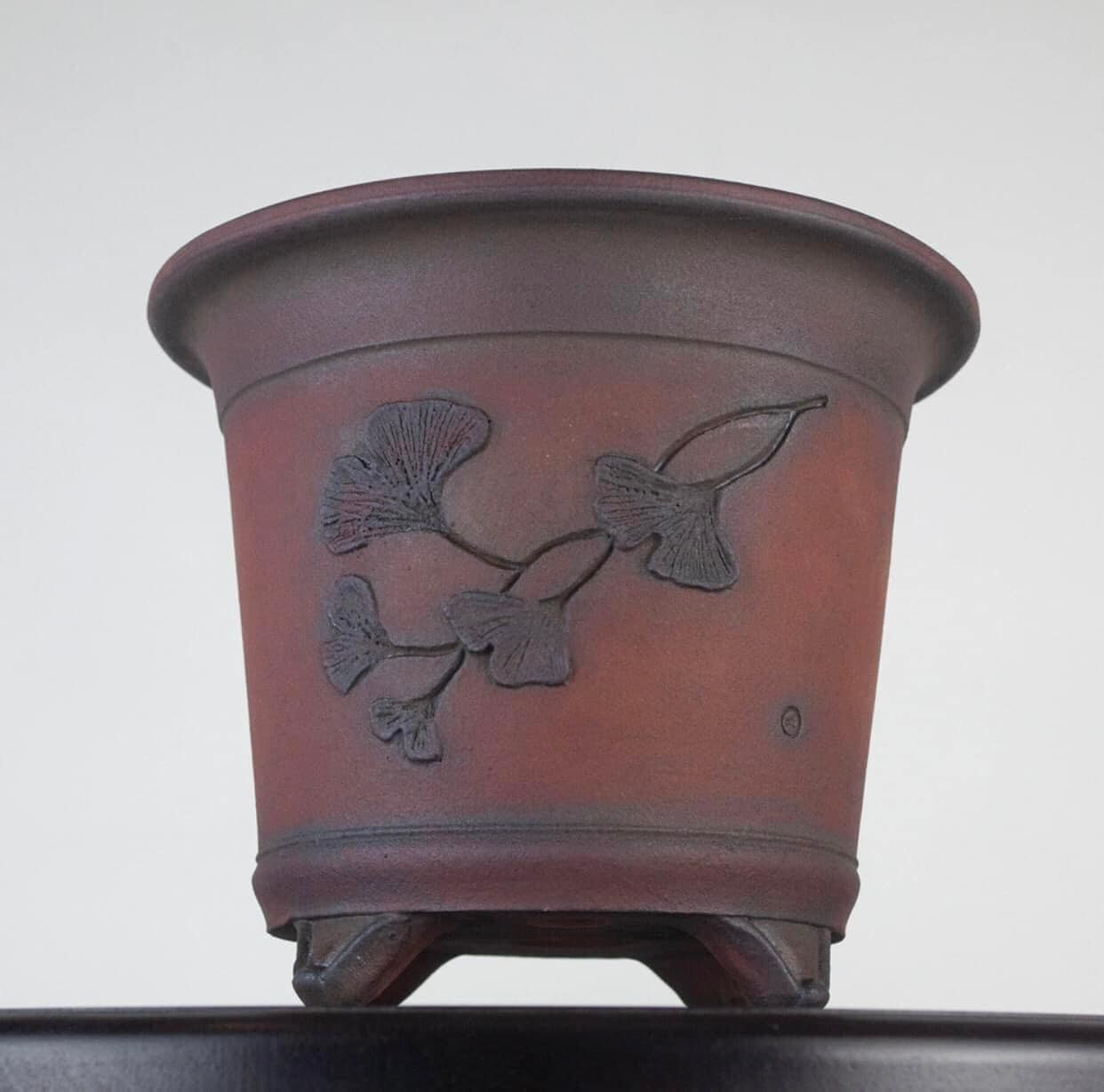 One of many excellent pots by Mariusz from his FB photos.
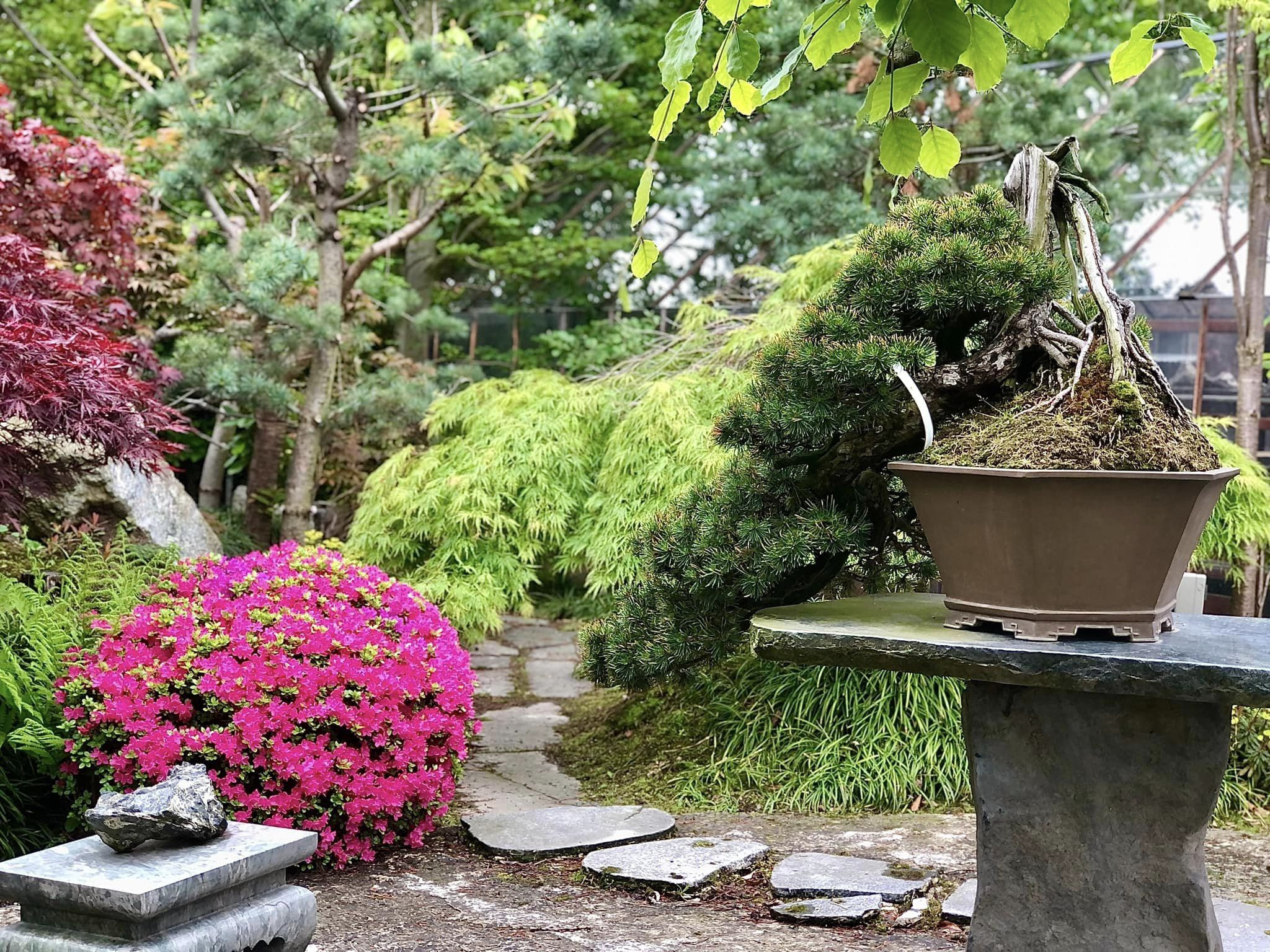 And a little piece of his garden. Scroll down for a link to more by Mariusz Folda.