❌

Reading view

Kevin’s Satsuki Azalea

This Satsuki Azalea was brought to a recent open workshop. As you can see the tree has suffered in the past. It has lost its original dense foliage areas and the branches that remain are very β€˜leggy’.
Since Kevin acquired the tree he has managed to restore its vigour and you can see that new vibrant growth is emerging all over the tree.
This tree is typical of many azaleas from Japan in that it has an impressive trunk with good taper and a substantial base. An ideal bonsai subject.
Usually when students bring a β€˜leggy’ azalea to class with lots of dead inner fine branches it is often too risky to do the drastic pruning required because you are worried the tree is too weak and not strong enough to recover. On this occasion the new growth was so strong and extensive that I could confidently take the tree back to a basic structure from which we can now rebuild and restore the tree to its former glory.
  •  

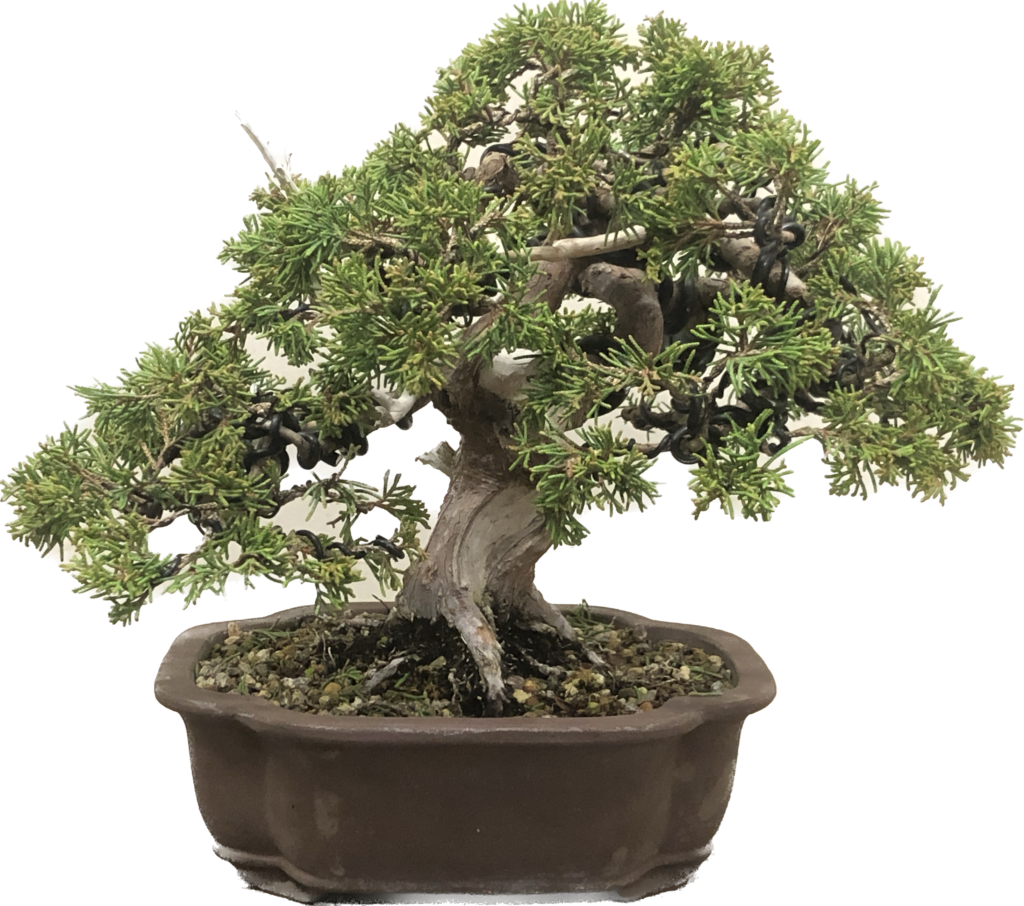
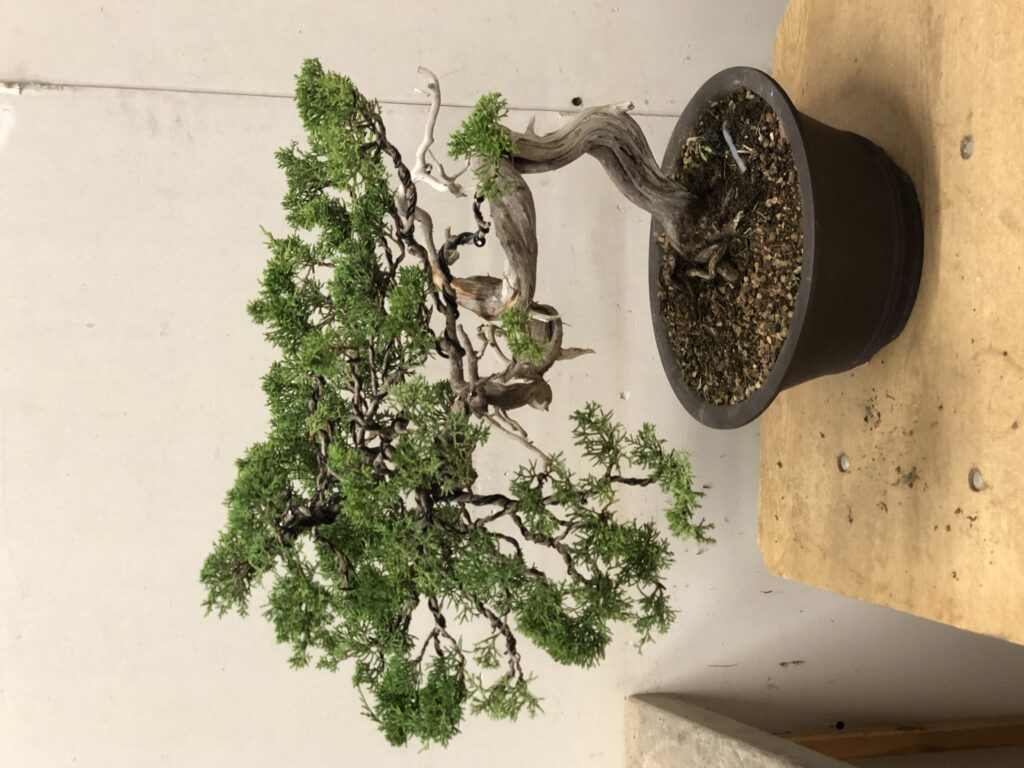
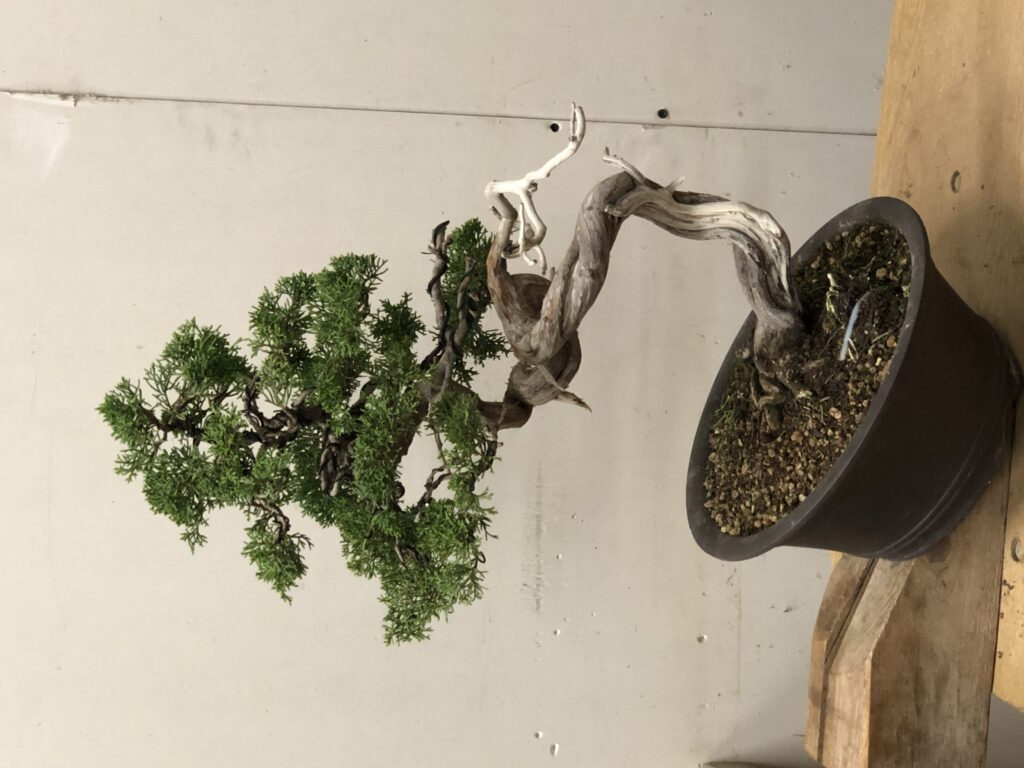
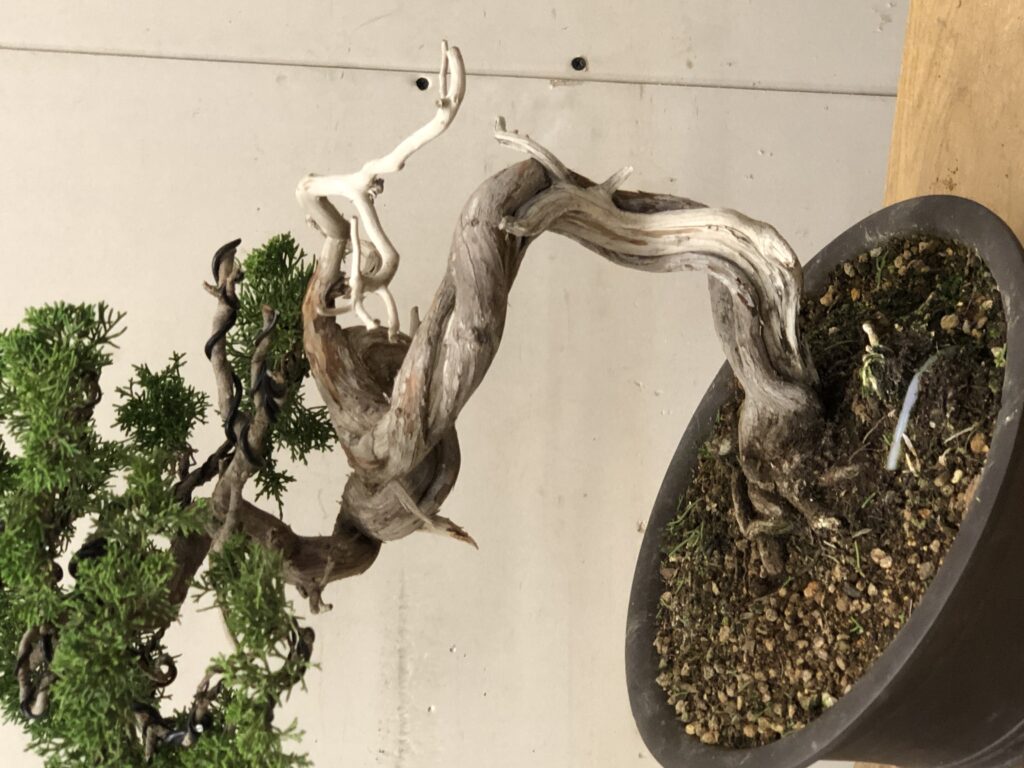
John’s Juniper – Now we can see the tree!
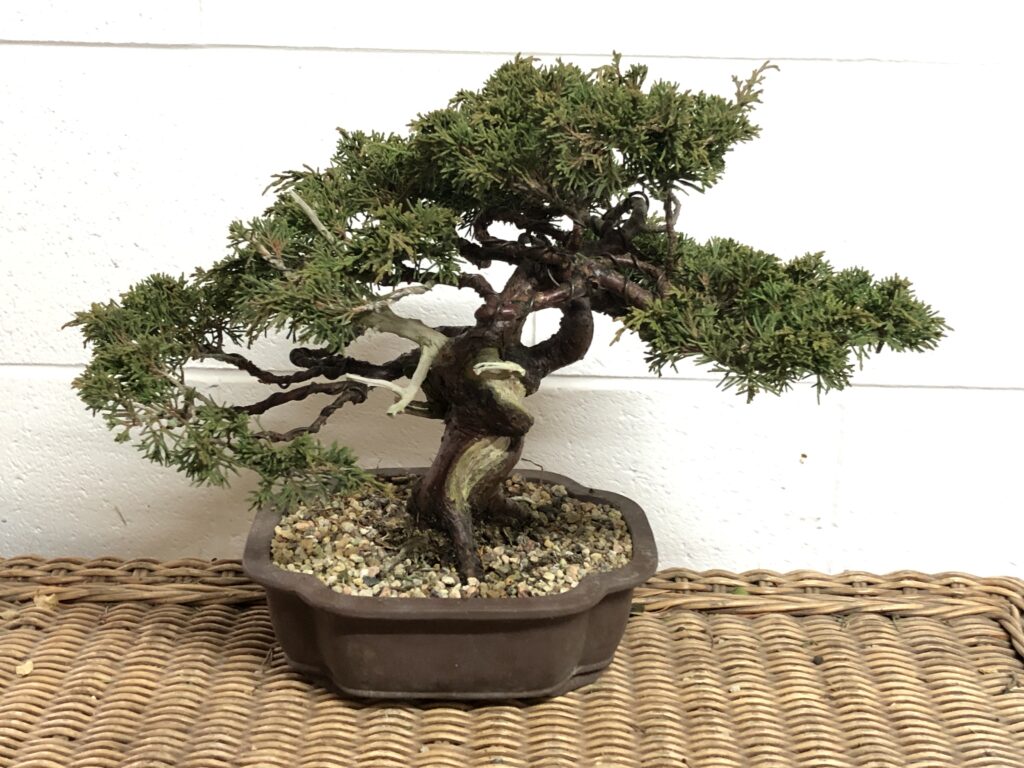
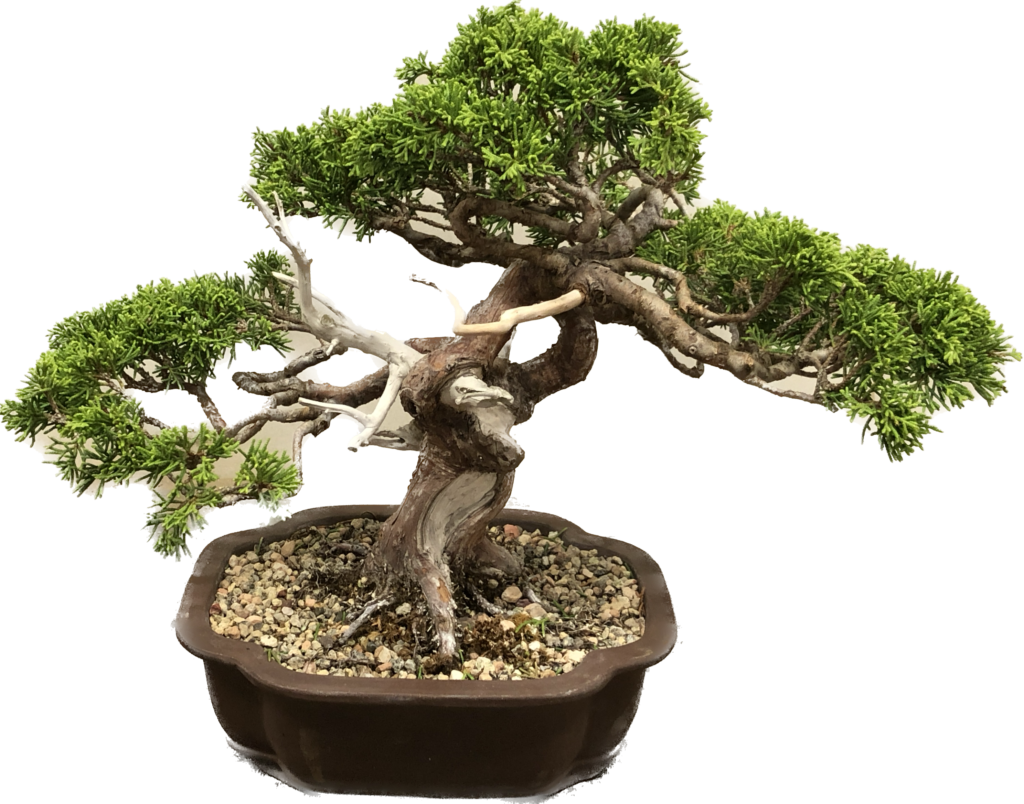
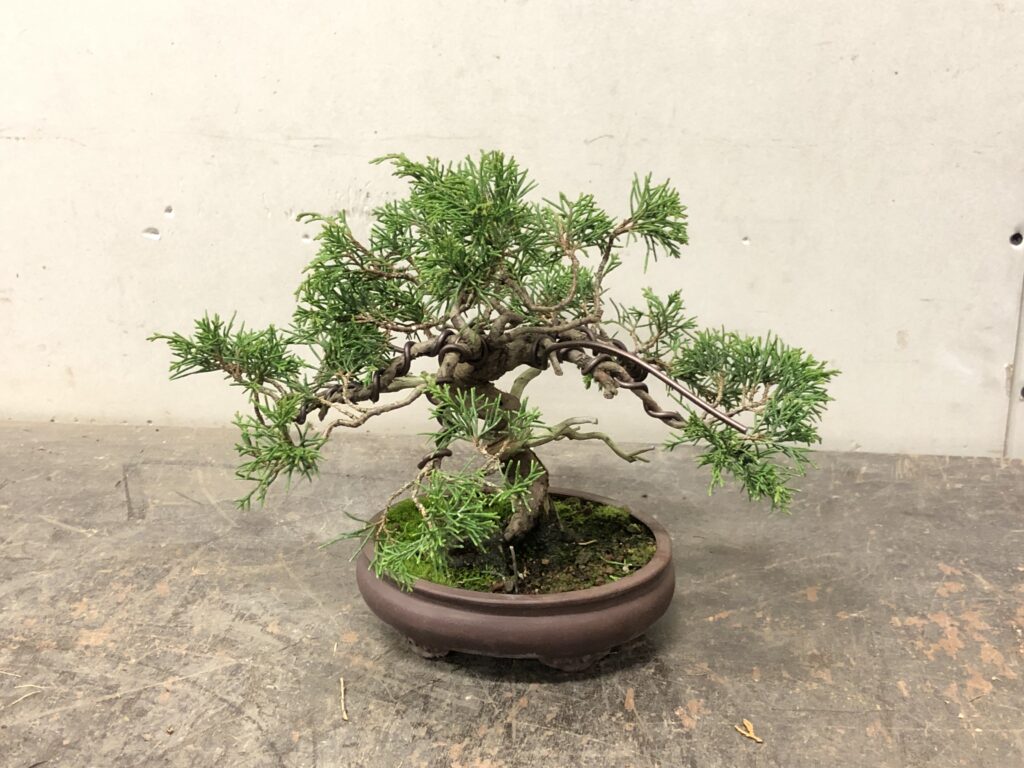
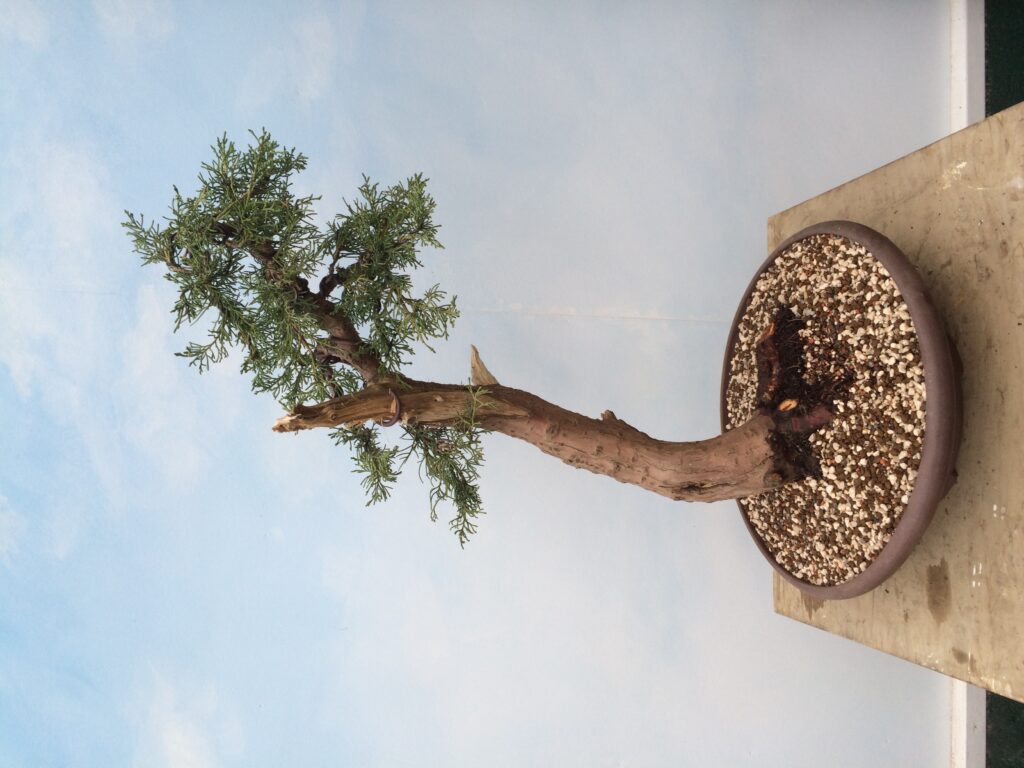
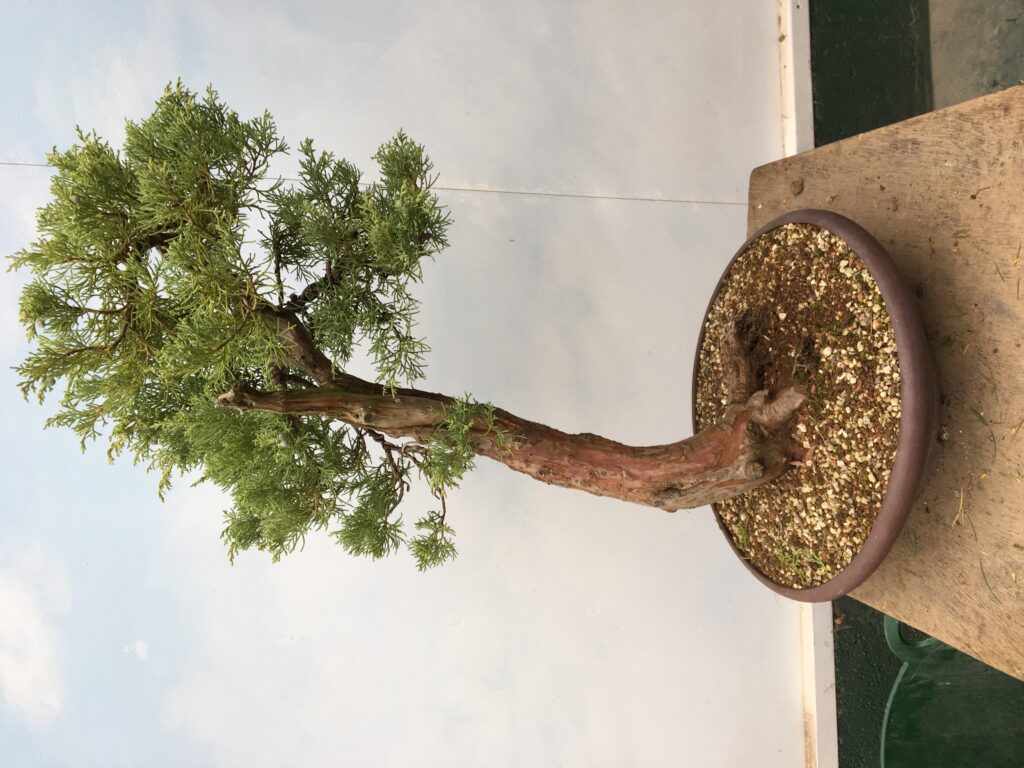
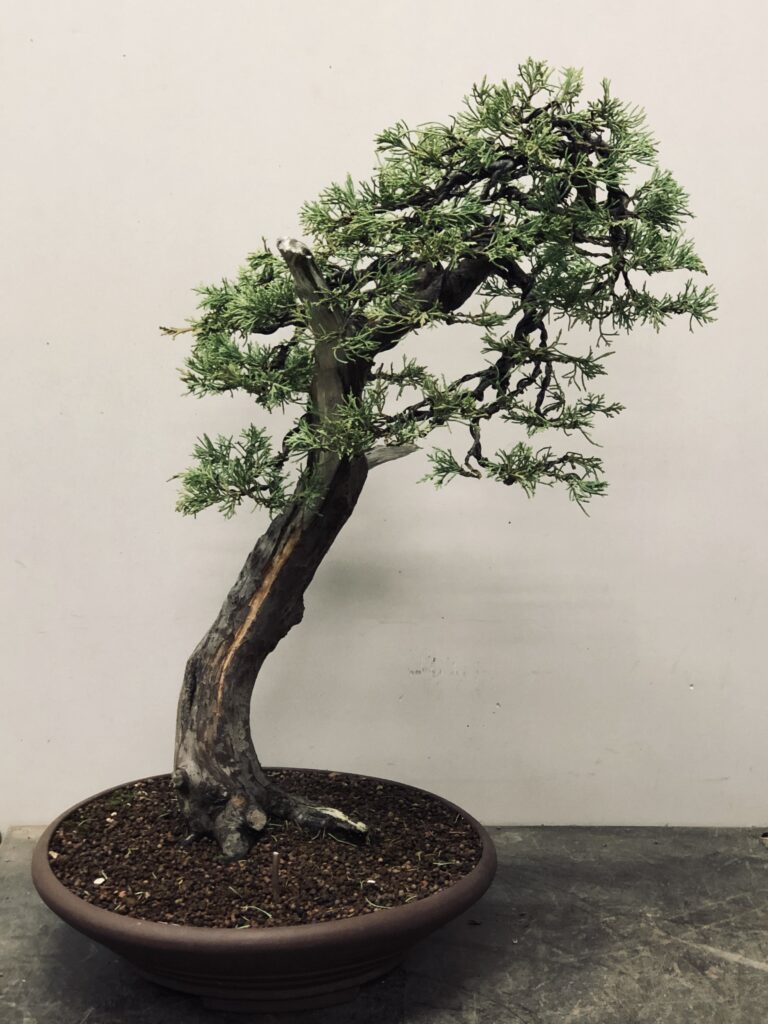
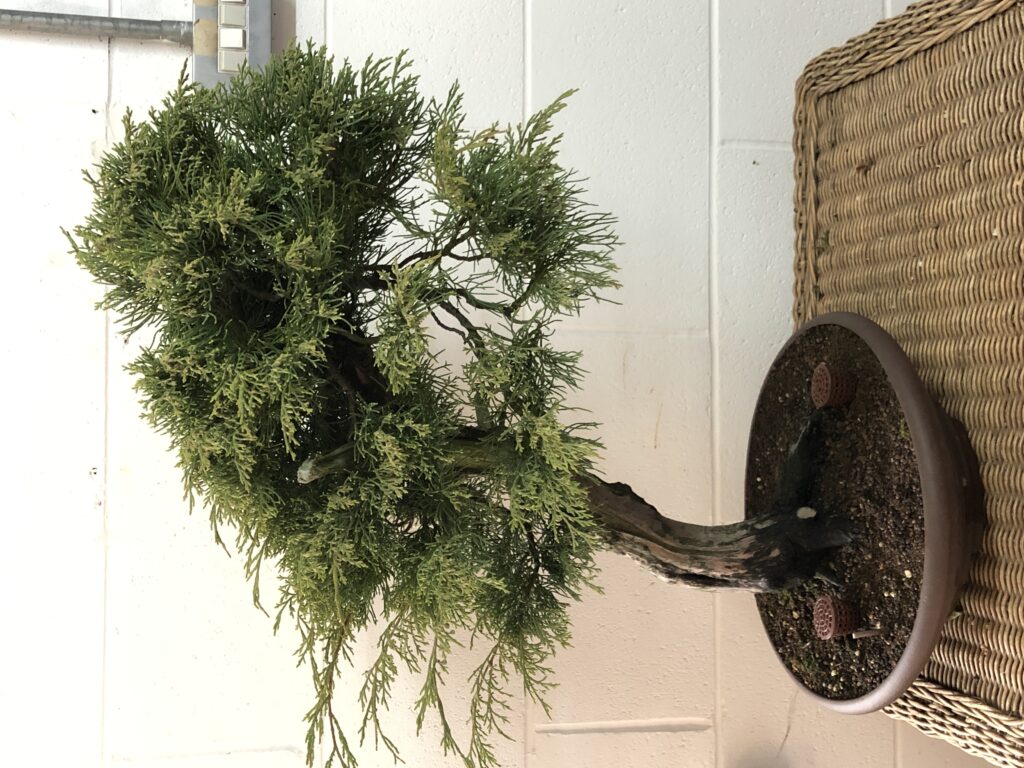
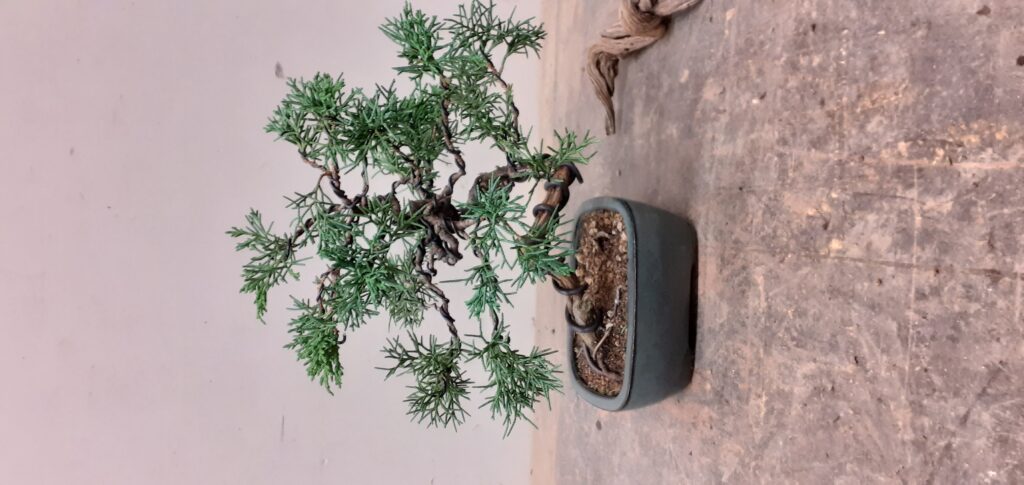
December 2021 – The existing wiring is inadequate and needs to be removed. For a shohin size tree the branches are too long in their present format.
September 2022 – Looking a good colour and ready for rewiring.
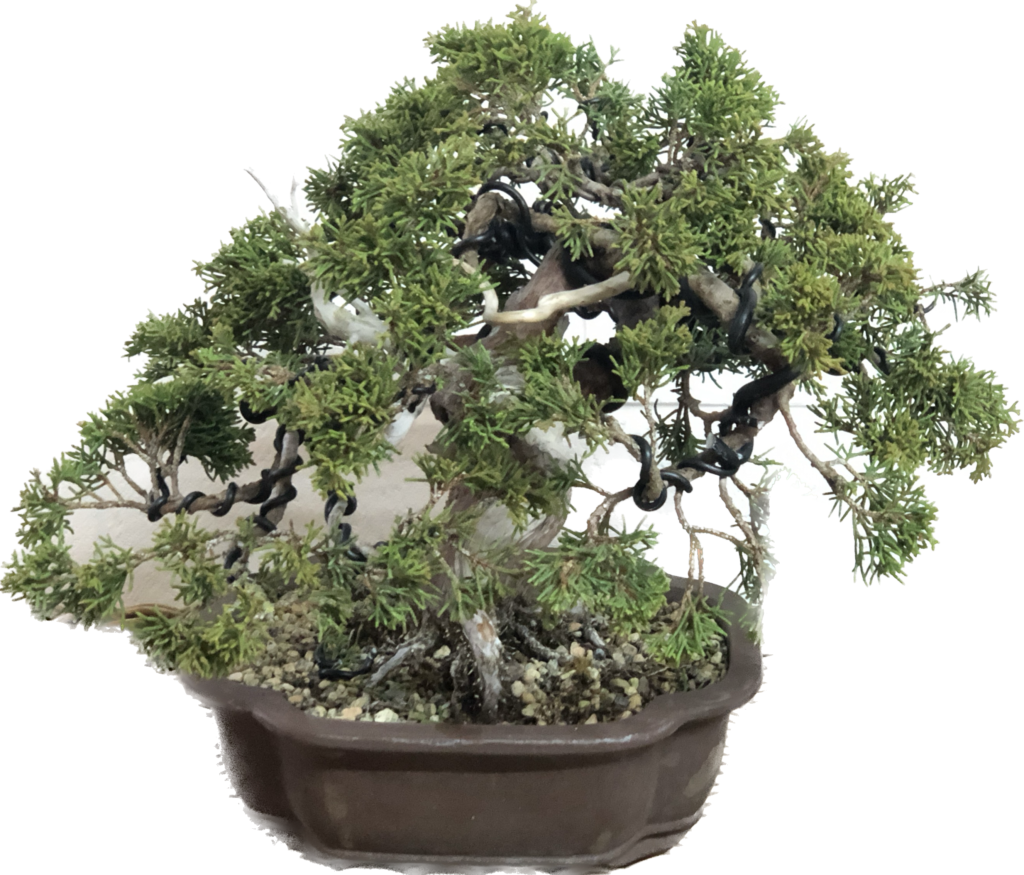
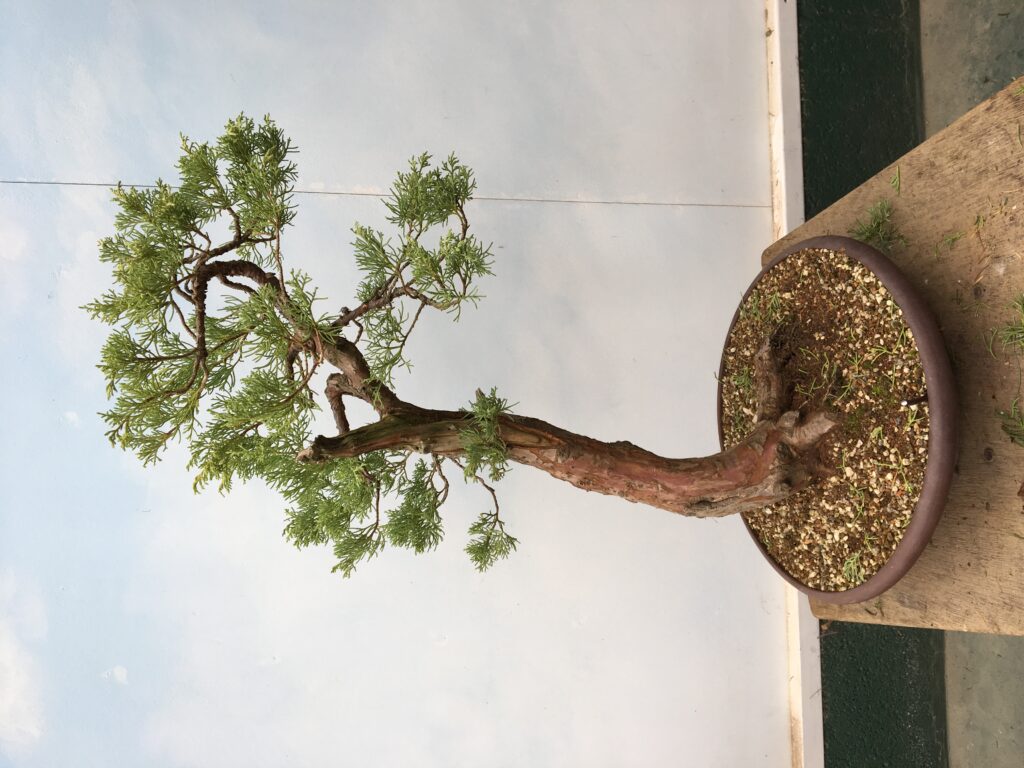
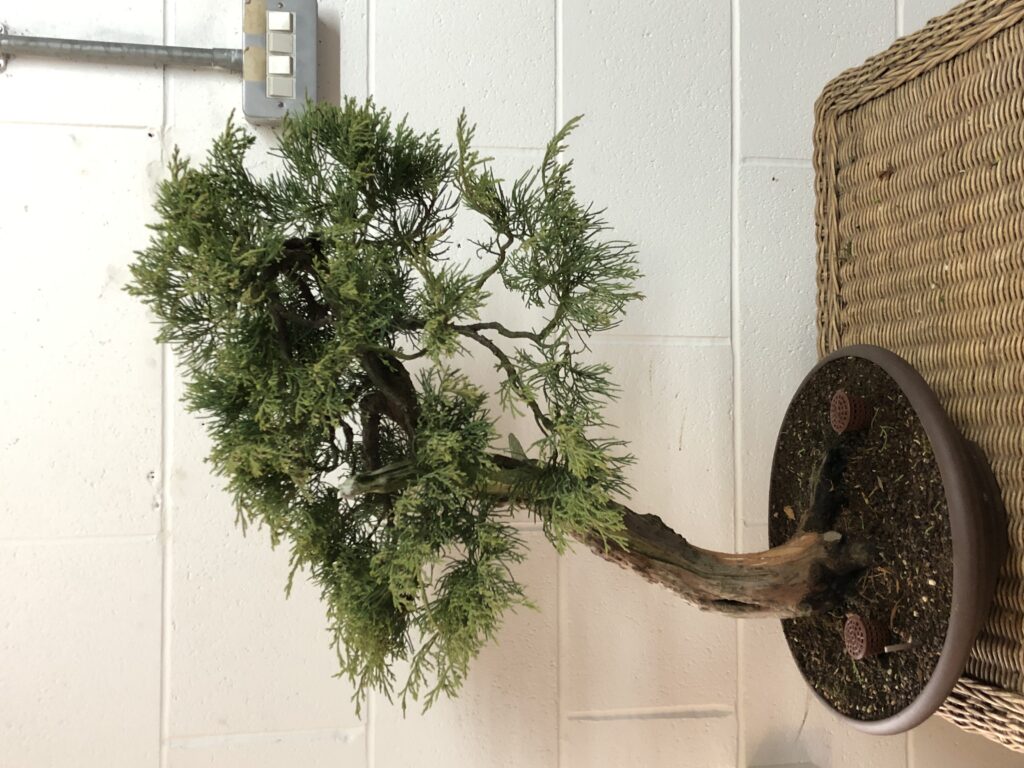
The tree viewed from the rear. You can see how strong it is but also how leggy the branches are.
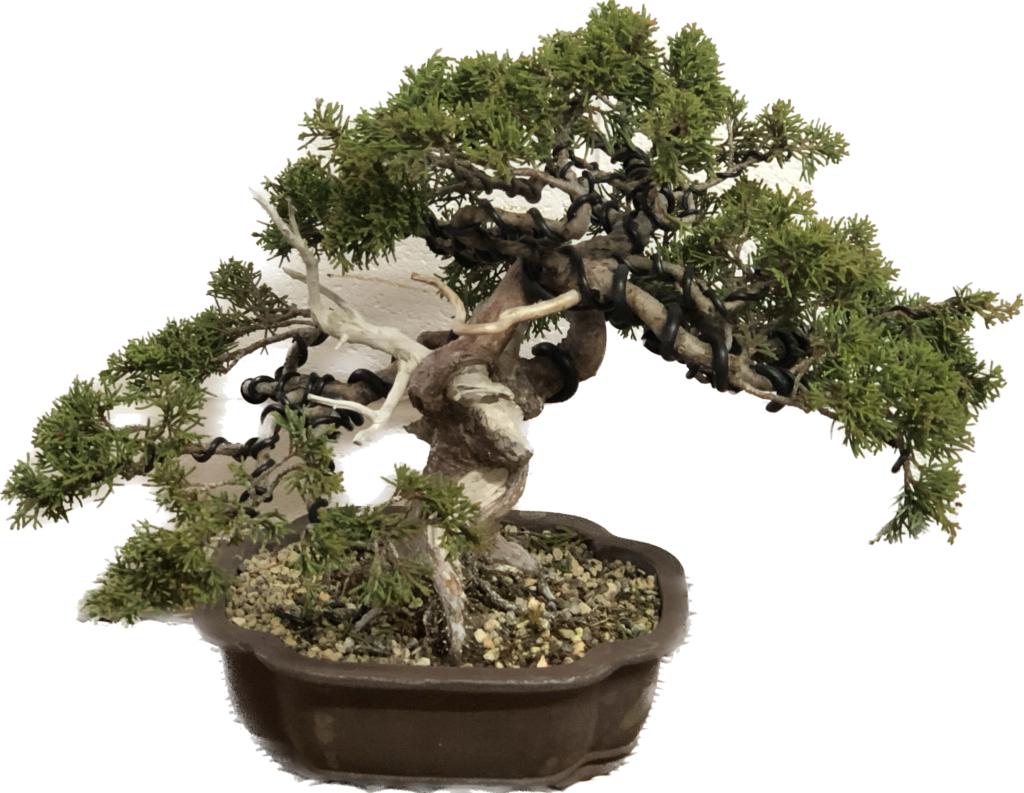
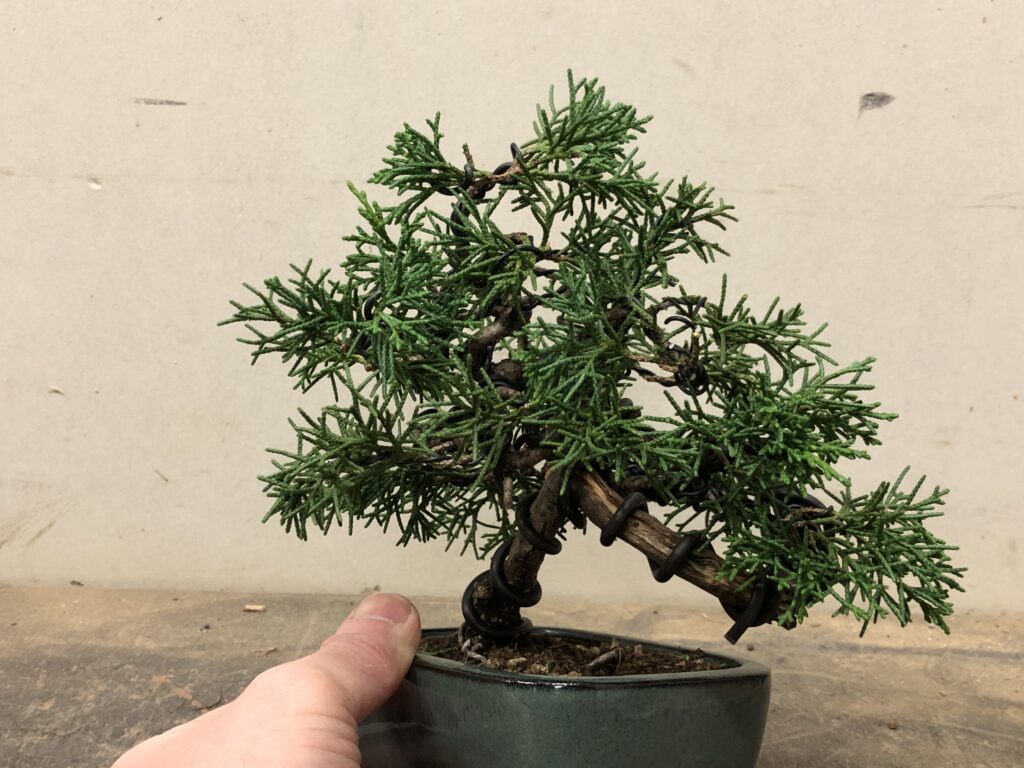
November 2022 – The main branches are wired.
Just a bit of manipulation to the main branches and the tree is already looking more compact. Now for the wiring to the thinner branches.
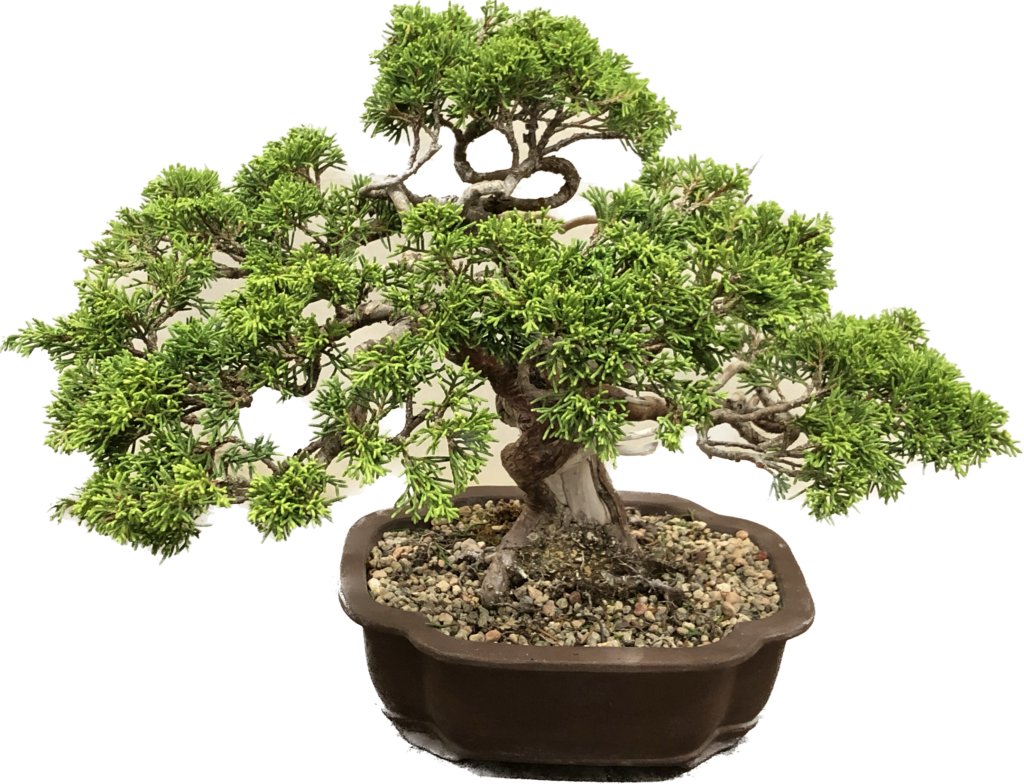
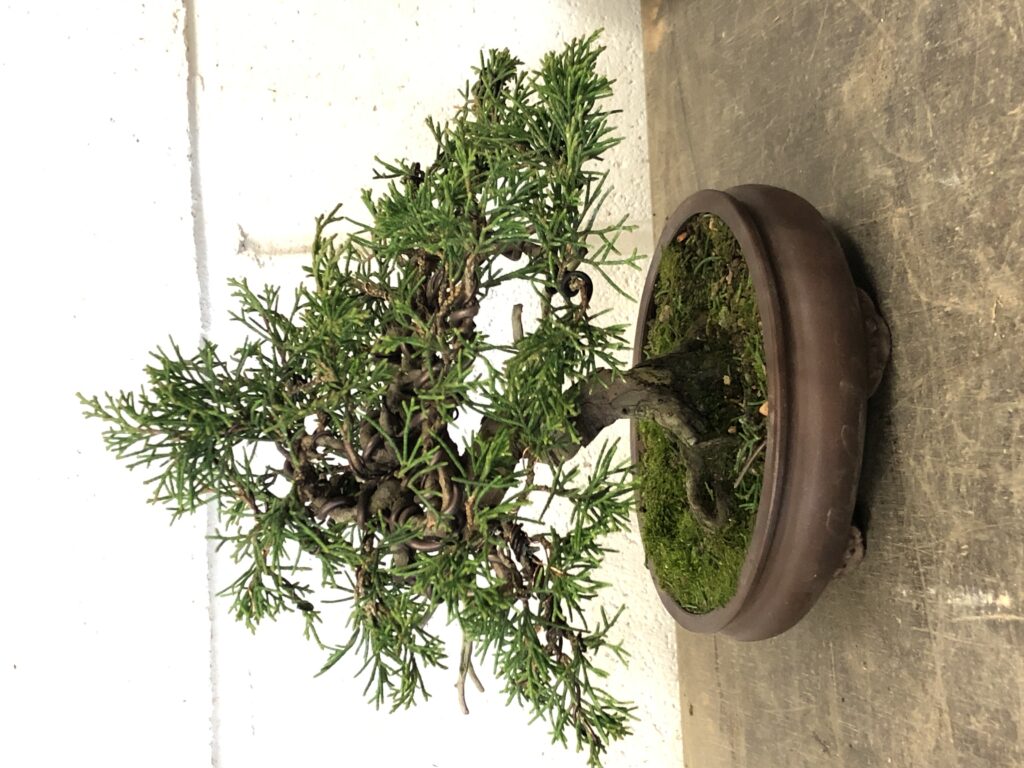
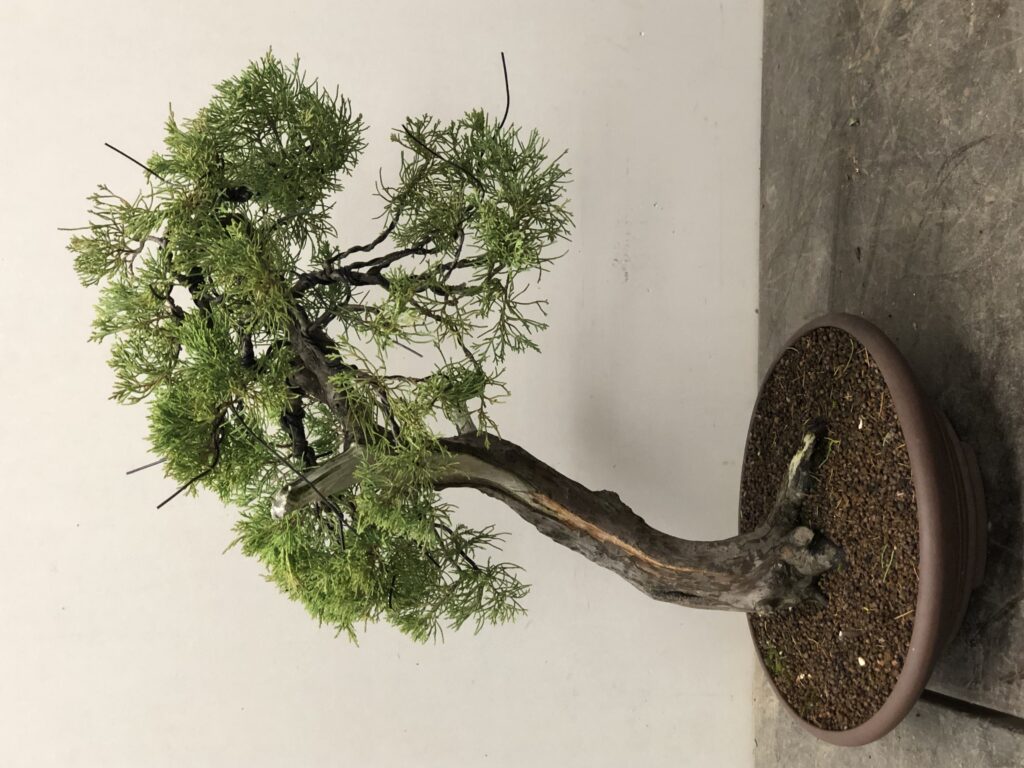
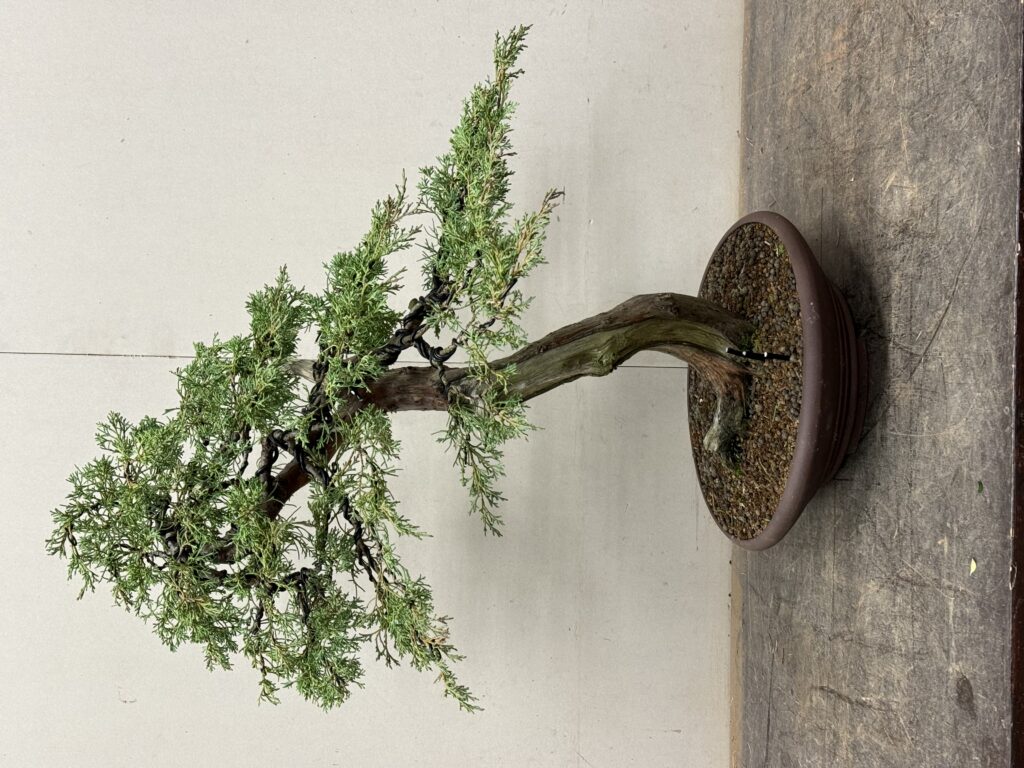
What a difference! The foliage at last looks in proportion to the trunk and we now have the image of a very powerful shohin juniper bonsai.

We now just need to let the tree grow and recover from the work we have undertaken. Once we have strong extended growth then we can start to prune the canopy and make the foliage mass even more compact. My student John is doing a good job with this tree and hopefully is now beginning to see the reward for all his hard work.
  •  

Junipers recently brought to classes for styling

This Juniper is an air layer but the trunk and branches are just so long and spindly.
Now with a much more compact design in scale with the trunk and giving the impression of a tree of greater age.
The existing canopy is too wide for the thickness of the trunk and the orientation needs changing.
The canopy is now in much greater harmony with the thickness and character of the trunk.
The twisting shari and live veins are really impressive.
Another small juniper that has lost its way with untidy elongated foliage.
A much more pleasing compact silhouette.
  •  

Some recent visitors to classes……

Before – an octopus like leggy juniper
After – now much more compact and organised.
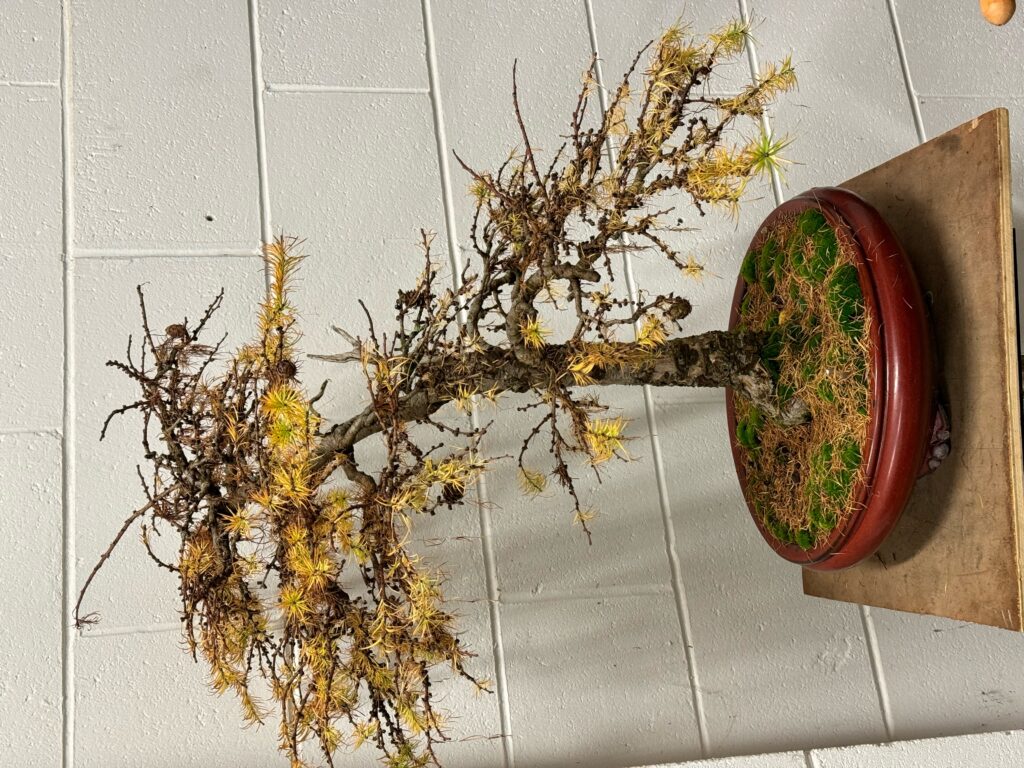
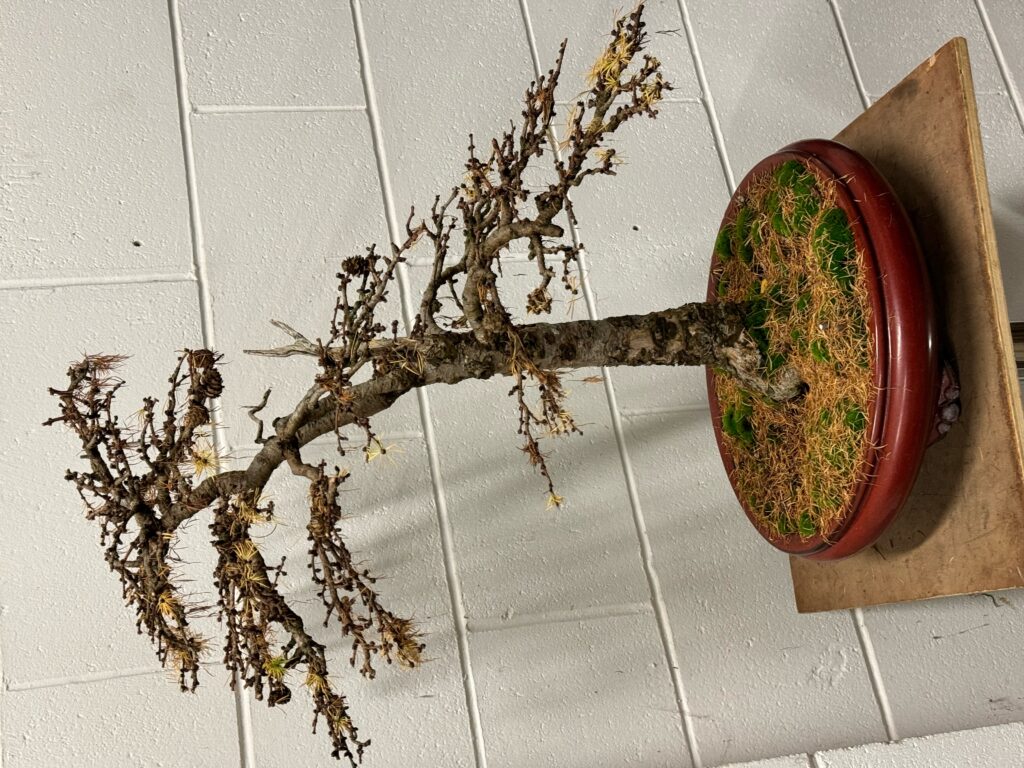
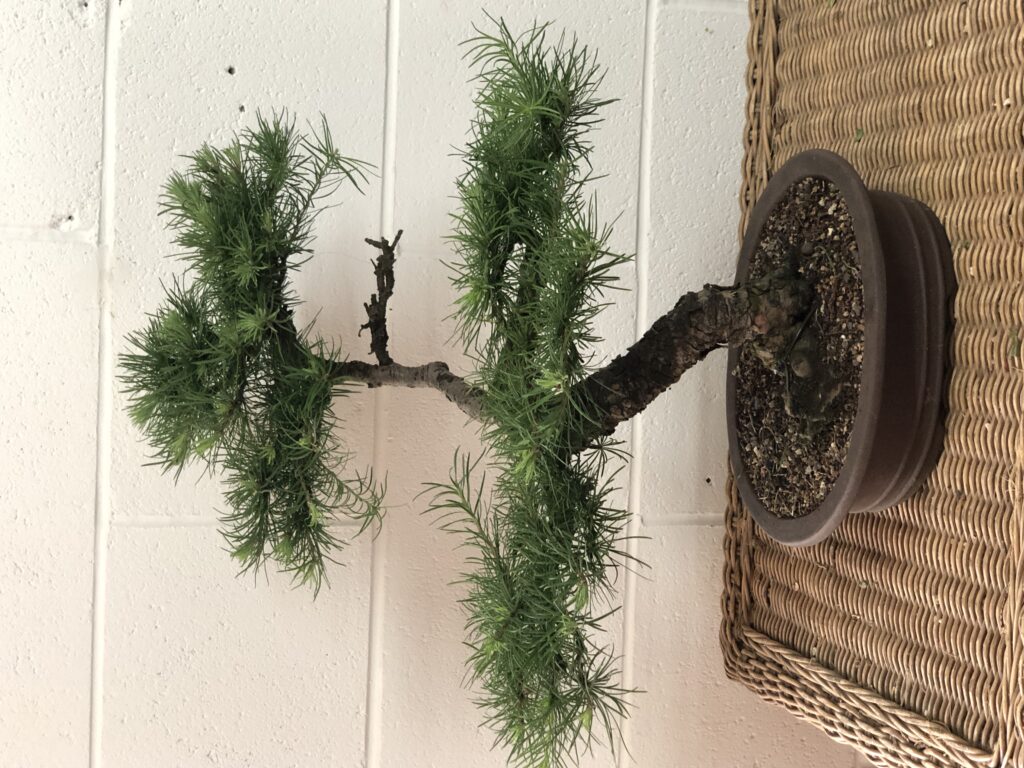
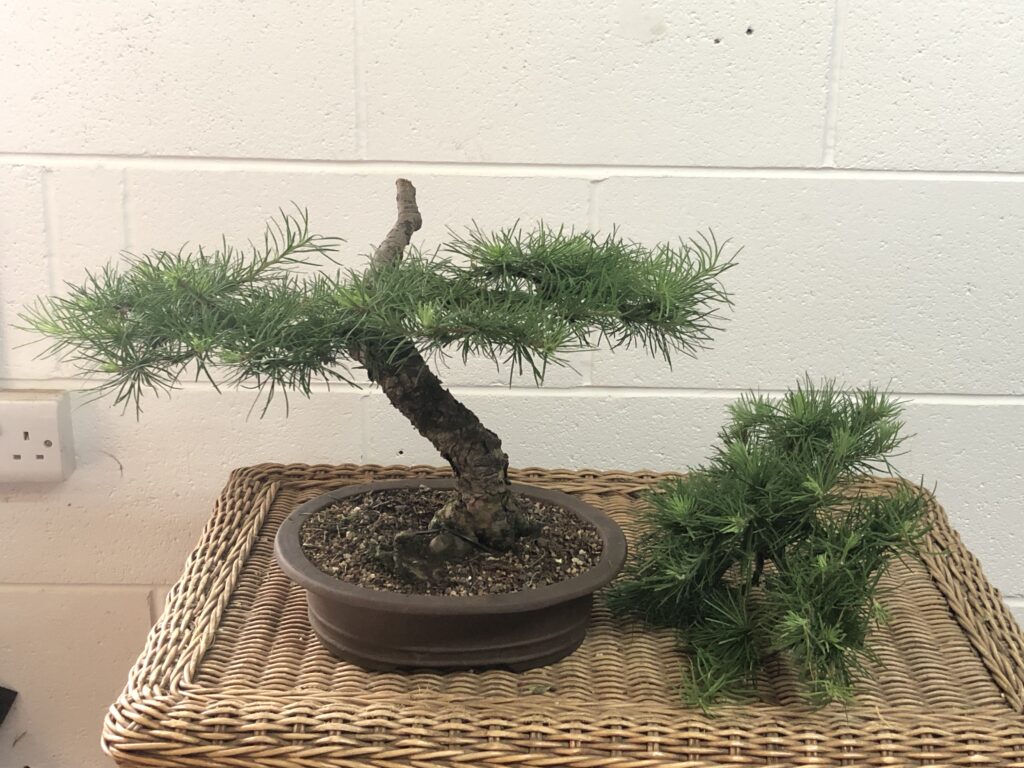
Before – This larch is just losing its needles and retains the seasons new growth.
After – Just a little bit of pruning to restore order and refine the image.
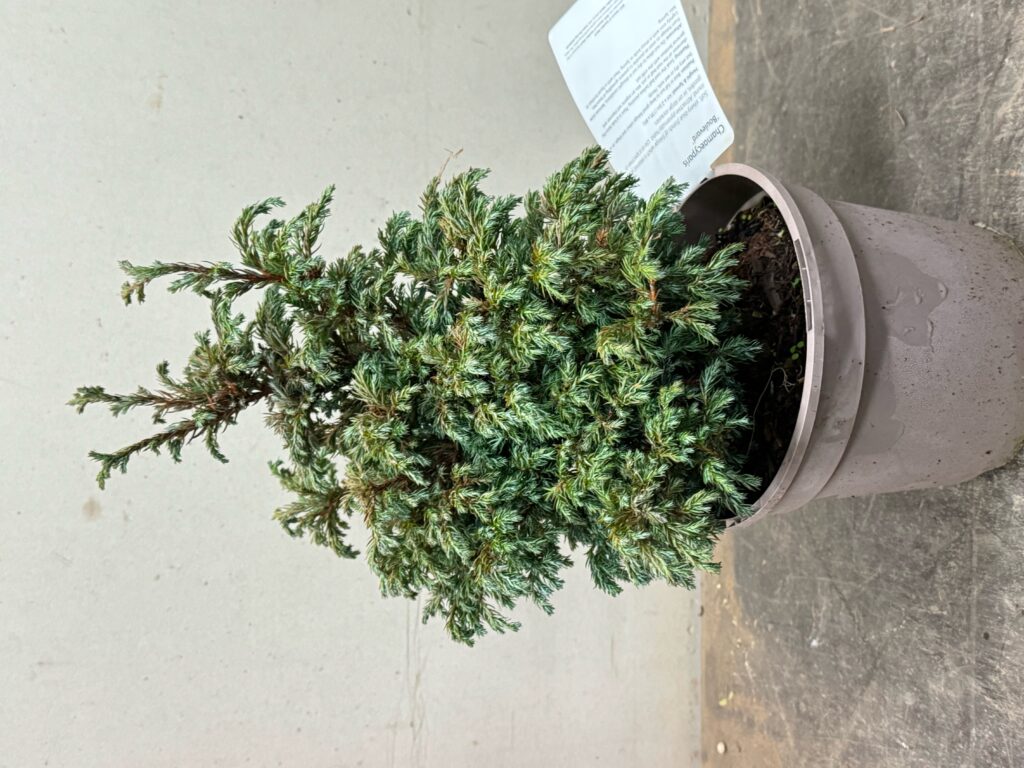
Before – Chamaecyparis Boulevard nursery stock.
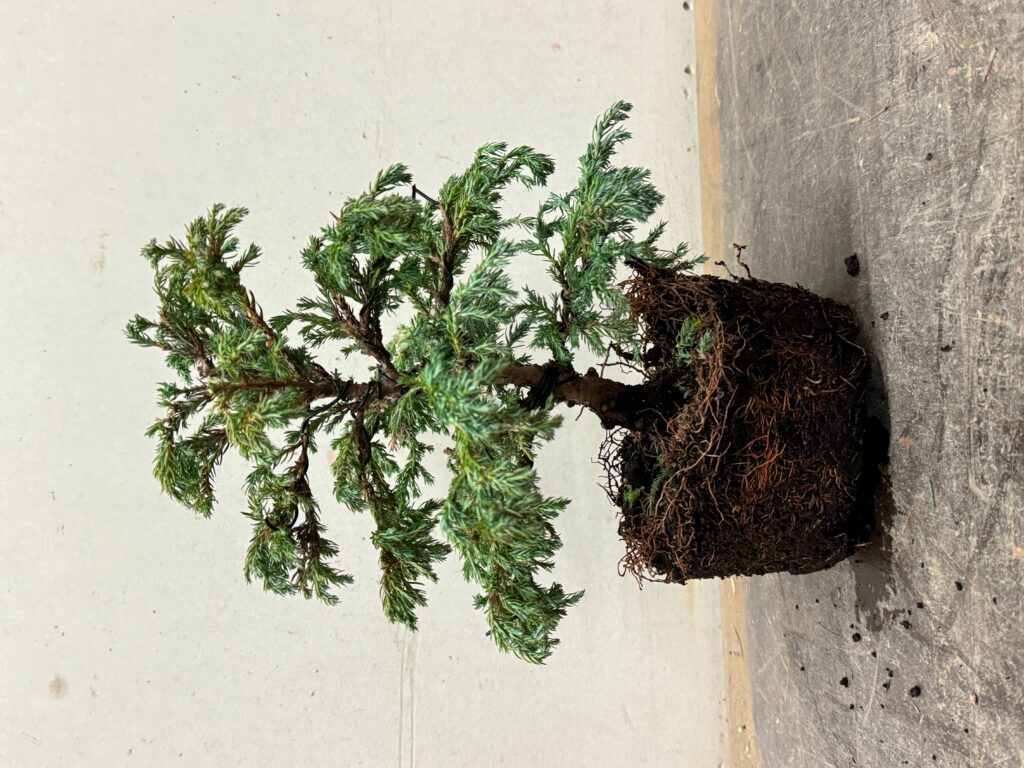
After – Pruned to form the basic structure of a tree with scope now for some wiring.
Before – Juniper Ittogawa wired and ready for tweaking.
After – a more compact mature image.
Before – This small shohin juniper is becoming too large
After – Removing the lower branch brings the tree back into scale and in tune with the pot.
  •  

Paul’s Grey Owl Juniper

March 2016 – A compact styling based on the branches available.
August 2017 – The tree has grown well and has lost its shape.
August 2017 – The wire has been removed and the dense foliage has been cleaned out.
November 2019 – The tree is in the process of being rewired.
November 2019 – Wiring completed the tree has been cleaned out and styled.
May 2022 – The tree has been allowed to grow freely and now looks much stronger and healthier. Much larger and more impressive now than in the original picture.
May 2022 – The tree after some pruning and cleaning out.
December 2023 – The tree after wiring and its recent styling with a change of front. A garden centre plant now looking more like an imported Japanese tree.

Sometimes it pays to just let your trees grow for a period. They not only become stronger and healthier but often provide you with a much better piece of raw material from which you can style a really good tree.

  •  

Richard’s Larch

The transformation of a small Larch bonsai.

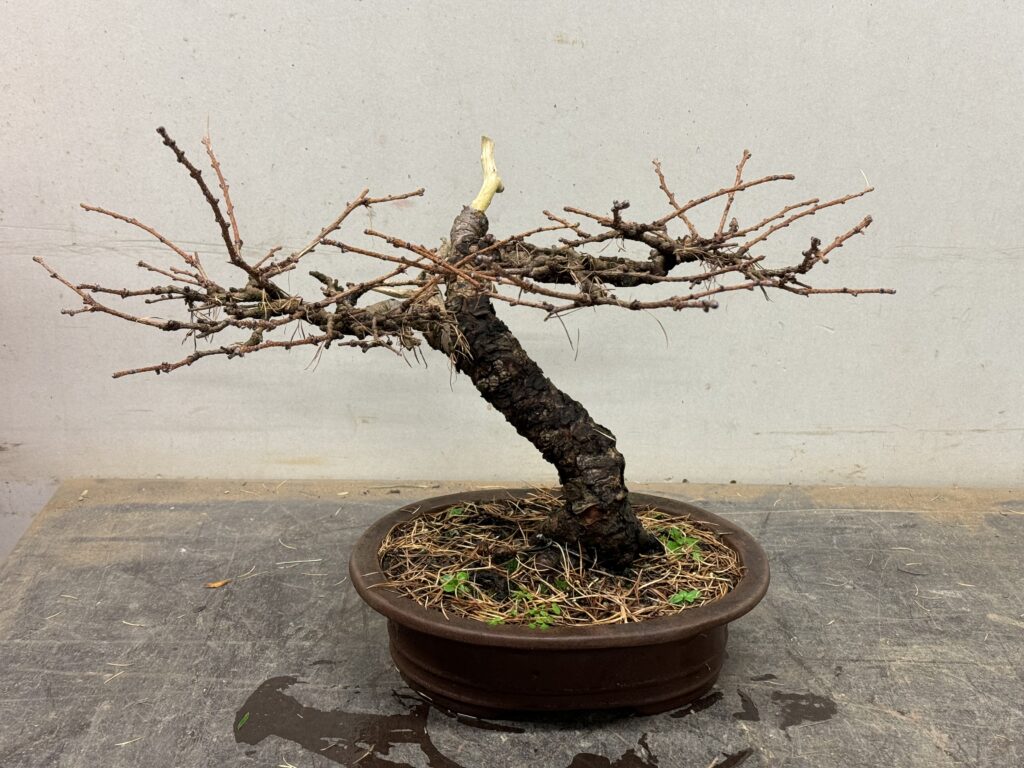
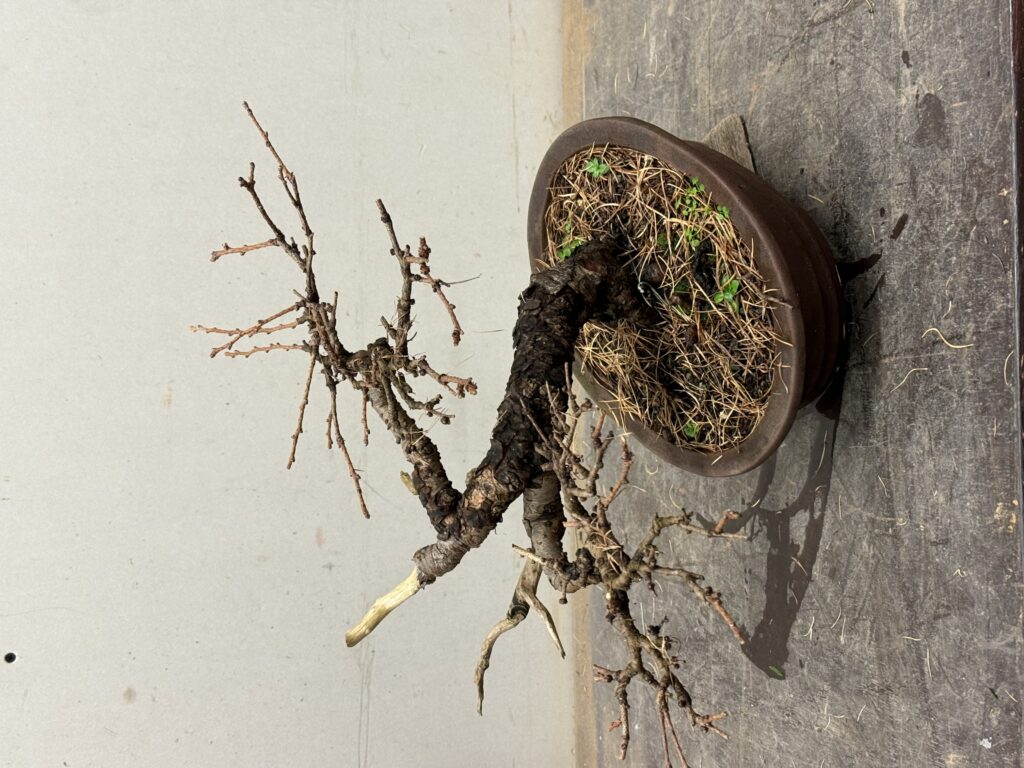
July 2023 – The tree had suffered in the past and lost some branches leaving a large gap between the lower branches and the apex.
Problem solved! ? – well to some degree yes. So now we can just let the tree grow freely for the remainder of the season
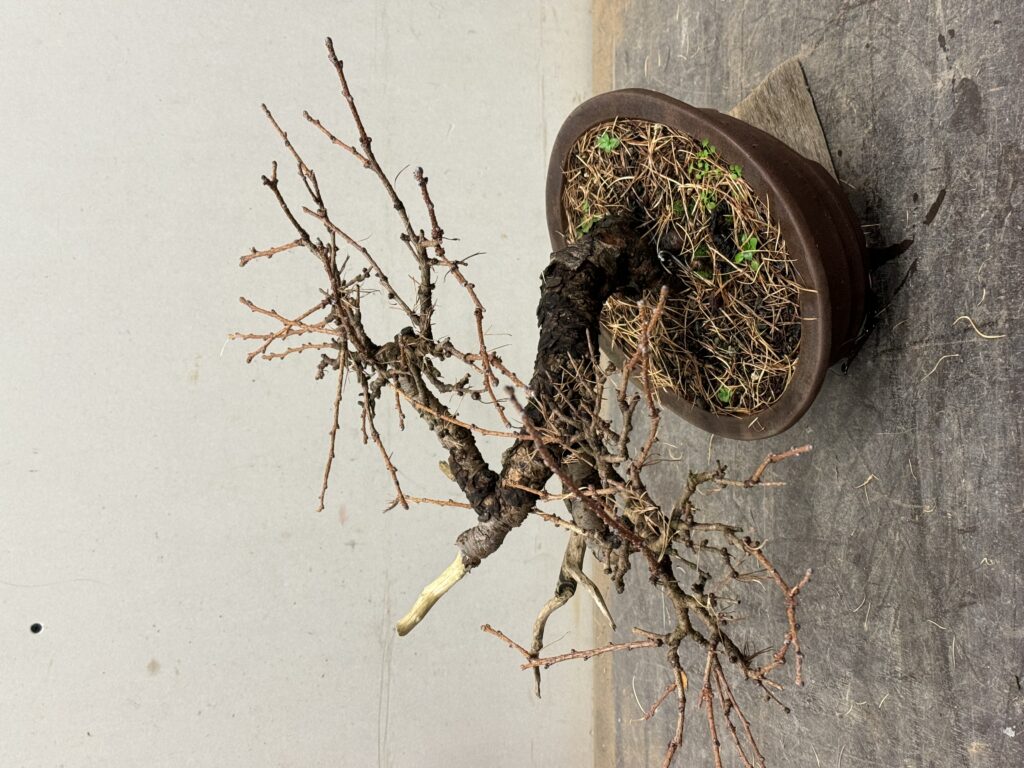
December 2023 – The needles have dropped and you can now see the growth the tree has put on in the past few months.
The tree was too flat so now we have to consider changing the angle to give a much more plausible dynamic design.
The tree after pruning and now ready for wiring.
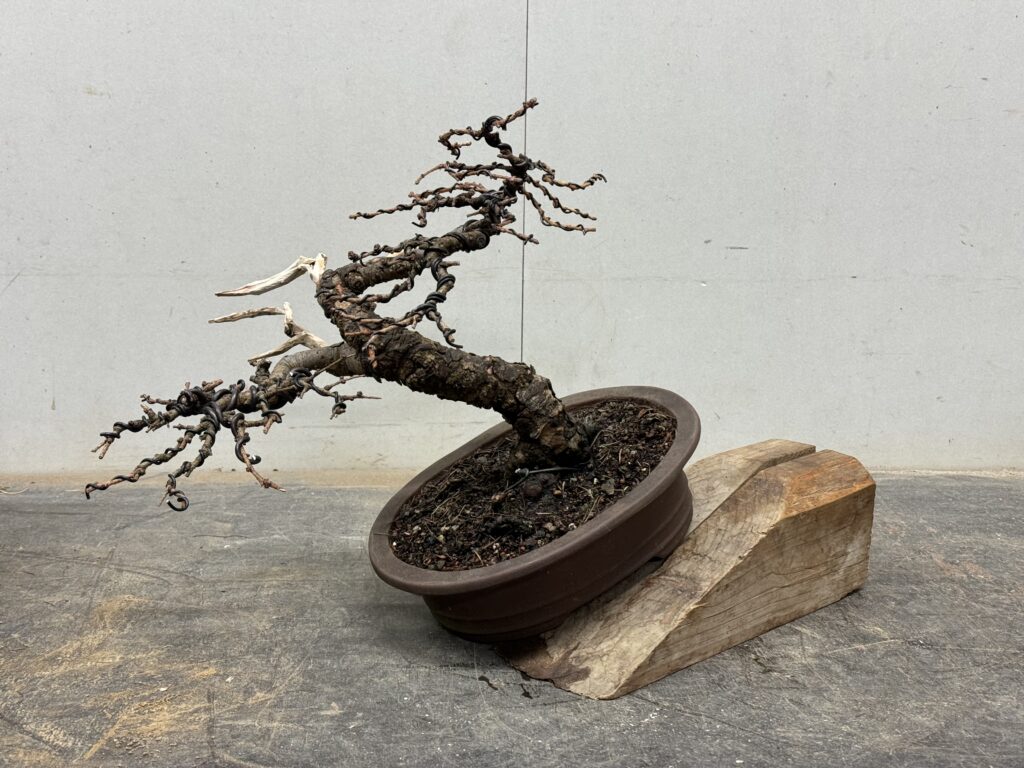
January 2024 – The tree now wired and styled
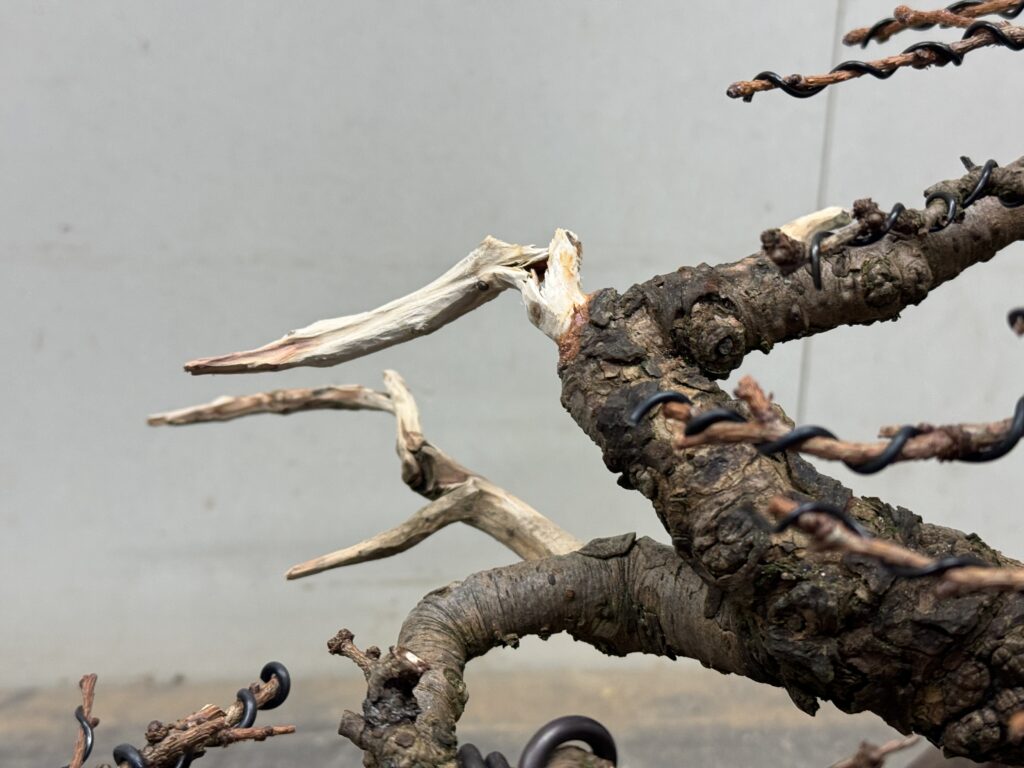
Notice how the old jins have been broken and bent to create better lines in sympathy and harmony with the new design.

We had a tree that was uninspiring and looking as though it may have no future as a credible bonsai. With drastic pruning, a change of angle and some wiring we now have a dynamic shohin bonsai giving the appearance of a much older tree. The two trunks have taper, movement and character which work well together at this new angle.

A relatively simple change producing a substantial transformation and one that was well worth doing.

  •  

Michelle’s Lilac Tree – A New Base!

April 2019 – A nice tree to have on your bench with its annual abundant showing of sweet scented flowers. Unfortunately this tree has a really poor base with multiple small roots extending several inches up the trunk and above soil level. It would need a very deep pot to hide these exposed roots which aesthetically would not look good.
November 2021 – In its winter image the problem with the base becomes more obvious.
July 2024 – Twelve months previously we made some small windows around the multiple trunks and treated them with rooting hormone powder. We then formed the shape of a pot around the base of the tree with plastic potting mesh and filled it with a mix of equal parts akadama and chopped sphagnum moss.
In the picture above having removed the mesh we have now taken the tree out of its pot. There is now a solid mass of roots and compost around the base of the tree covering the original offending multiple roots.
The original rootball is now β€œsomewhat” carefully removed!
The deed is done.
The Lilac tree with its new root system.
The tree repotted into a training pot to allow the new roots to develop further so that in the future we can get the tree into a shallower pot. The foliage was trimmed back to take pressure off the roots following this work.

A simple technique but the change in the tree is quite dramatic. What was a major fault spoiling the appearance of the tree has now been replaced with a nice solid base which greatly improves its stature and credibility.

  •  

Some recent visitors to class for ongoing care work

Before – This privet raft style bonsai will require a thoughtful landscape project when it is eventually transferred to its final pot.
After – For now it can benefit from a simple good pruning back.
Before – A buxus garden plant allowed to grow well.
After – Its actually beginning to shape up well after some thinning out.
Before – This Arrakawa or β€˜Cork Bark” maple had already been extensively pruned back earlier in the season.
After – Some shoots have been deliberately left long to extend and thicken.
Before – An old cedar with amazing rough bark.
After – The tree will be wired, pruned again and repotted before it starts growing in the spring.
Before – An old juniper chinensis with excellent shari and twisting veins.
Pruning in progress! My students call this evidence or exhibit β€œA”!!
After – This lighter canopy will take a lot of pressure off the tree whilst at the same time preparing for an autumn wiring.
Before – Here the canopy is too big for the size and nature of the trunk.
After – Some initial preparation work ready for a wiring and styling over the winter.
Before – A juniper Sabina in the half cascade style.
After – A little pruning of the tree and the overall appearance of the canopy is restored.

These trees were brought along to a couple of recent classes and clearly illustrate the diversity of material I am presented with on a regular basis. it certainly makes life interesting for both me and the other students.

  •  

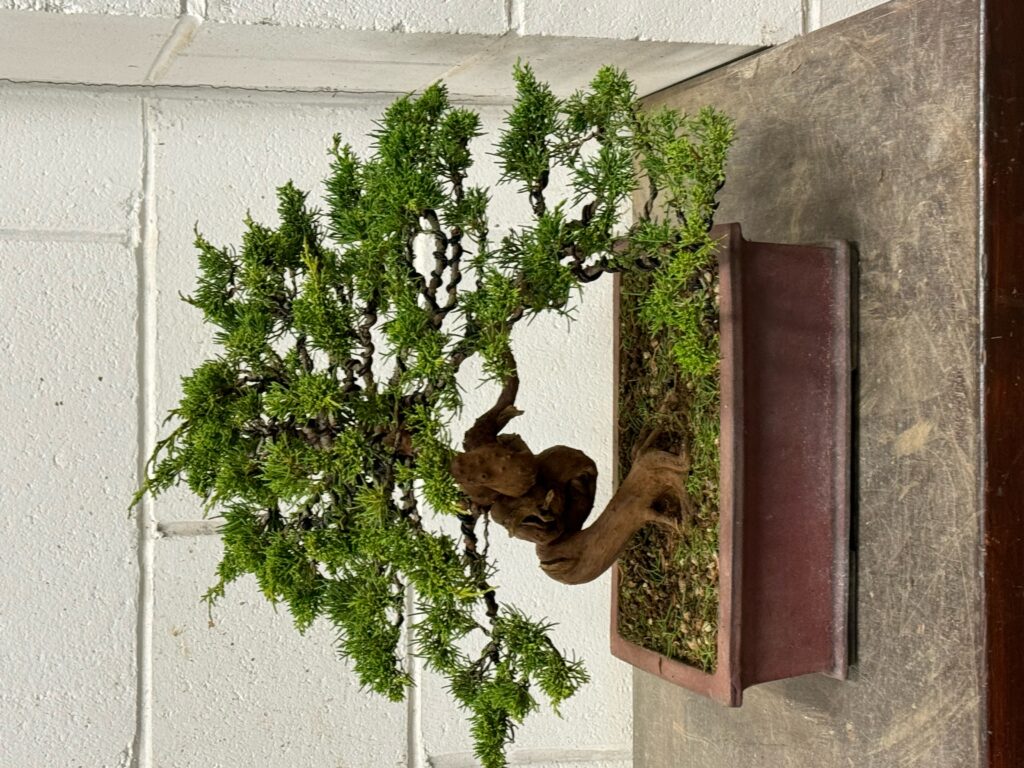
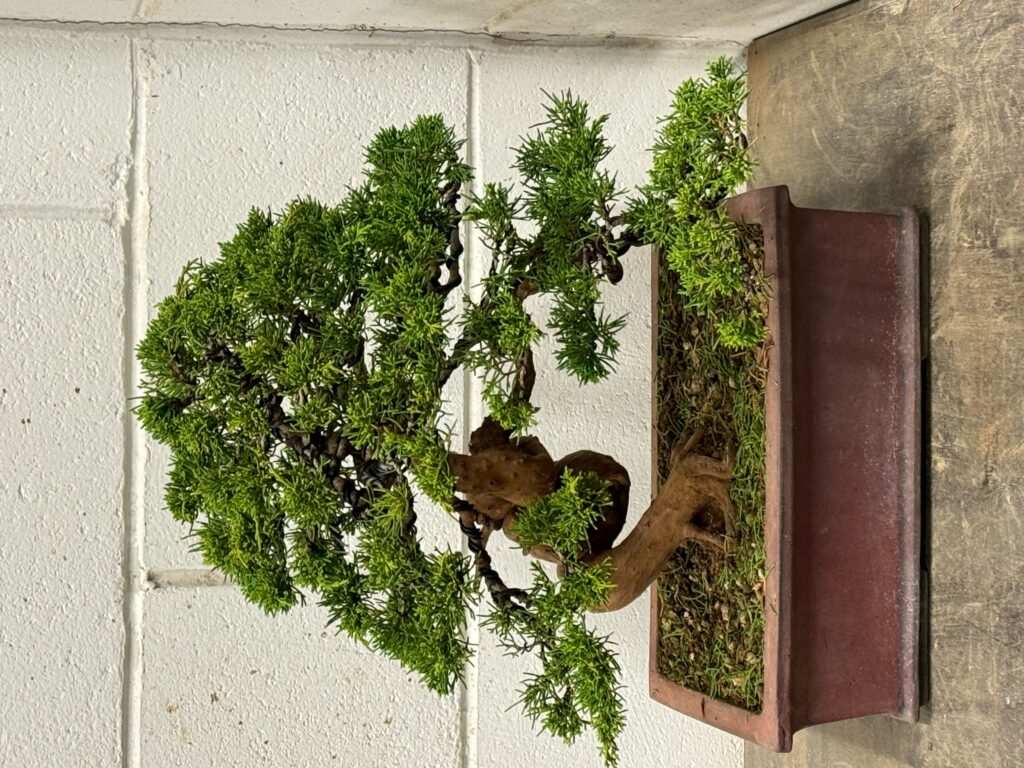
Paul’s Juniper – An initial styling

This Juniper Ittogawa turned up at a recent class ready for styling.
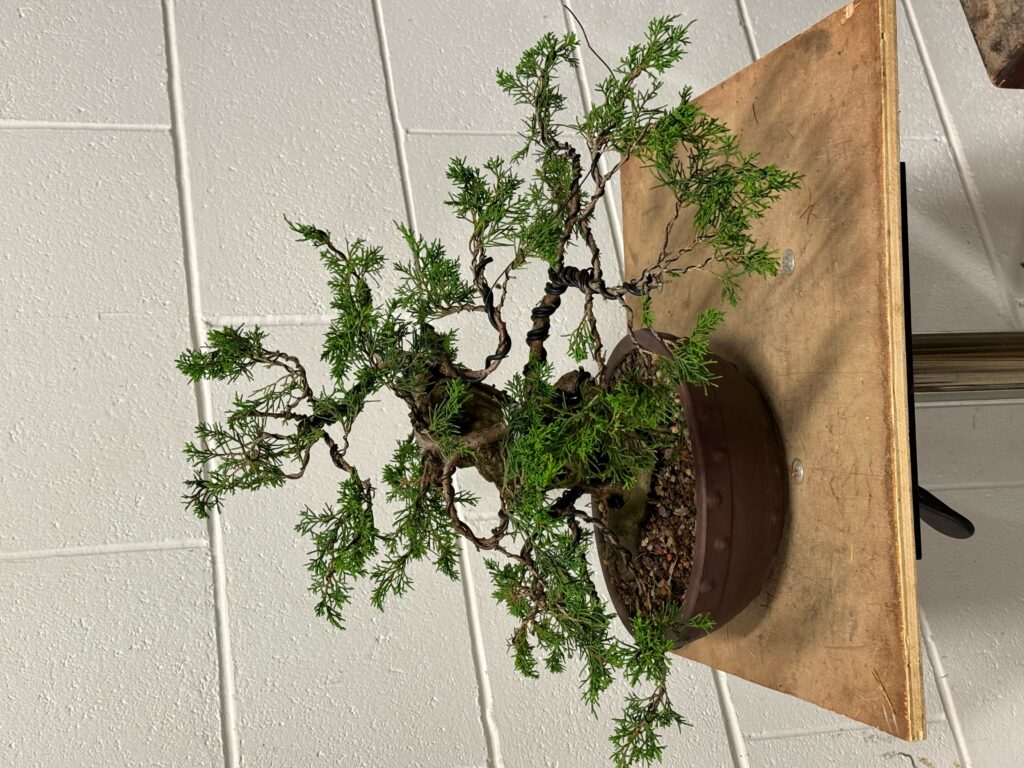
The tree has been growing strongly and was viewed from different angles.
The tree was thinned out and branches selected ready for wiring.
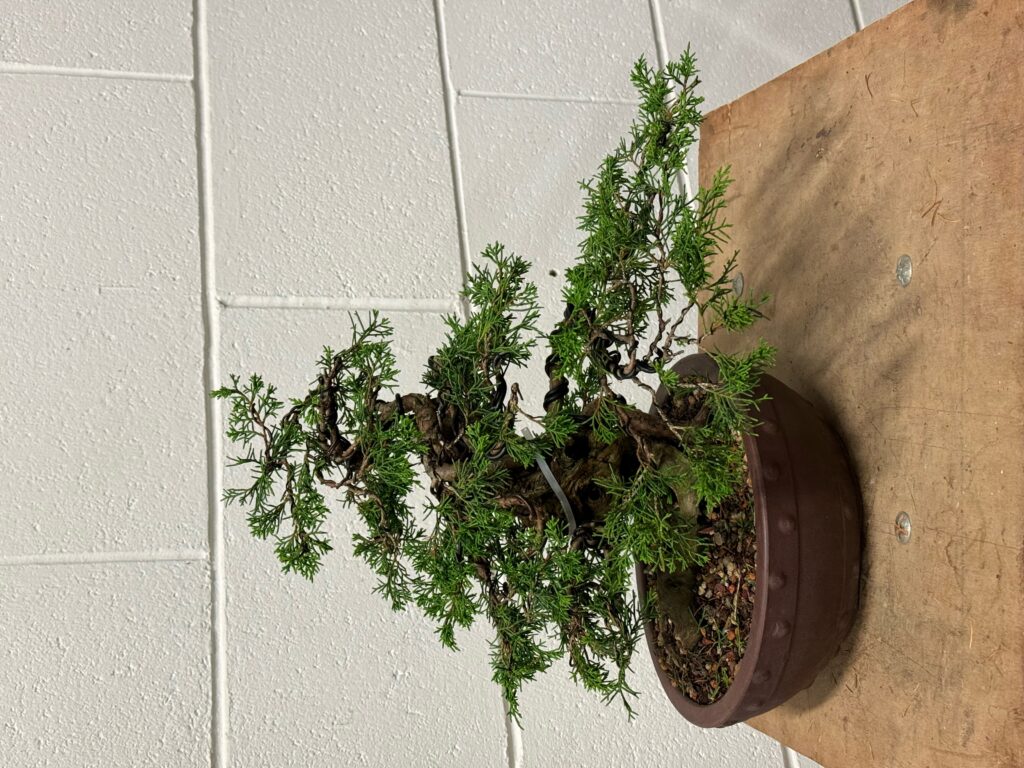
After wiring and styling the tree has made a pleasant traditional outline. The remaining growing tips have been left unpruned.

Potentially a really nice Juniper with a strong healthy framework from which we can develop and refine the image.

  •  

Procumbens Juniper – The natural cascading bonsai

Juniper Procumbens – a ground hugging conifer often used in the garden rockery.
March 2021 – With its natural hanging growth habit the tree just lends itself to create bonsai in the cascade style.
The tree transferred into a tall cascade pot allowing scope for further downward growth in the future.
April 2022 – Already the foliage clouds are much more clearly defined leading towards the image of a mature bonsai.
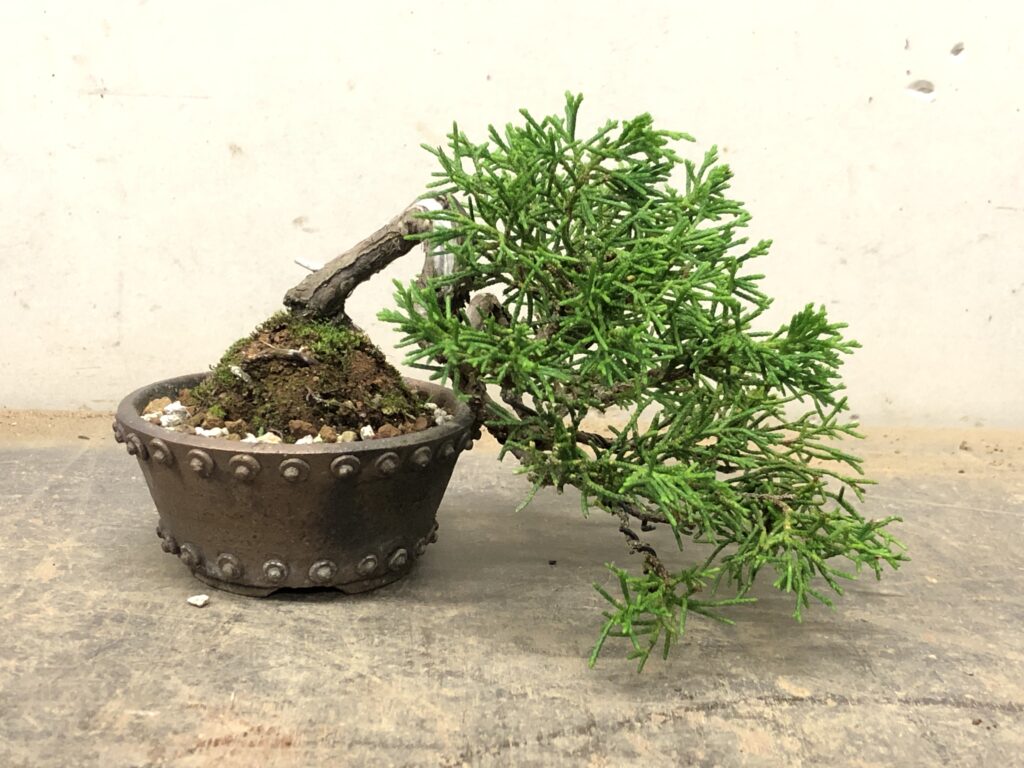
September 2024 – Another example of a small Procumbens Juniper
After some cleaning out to define the foliage clouds.
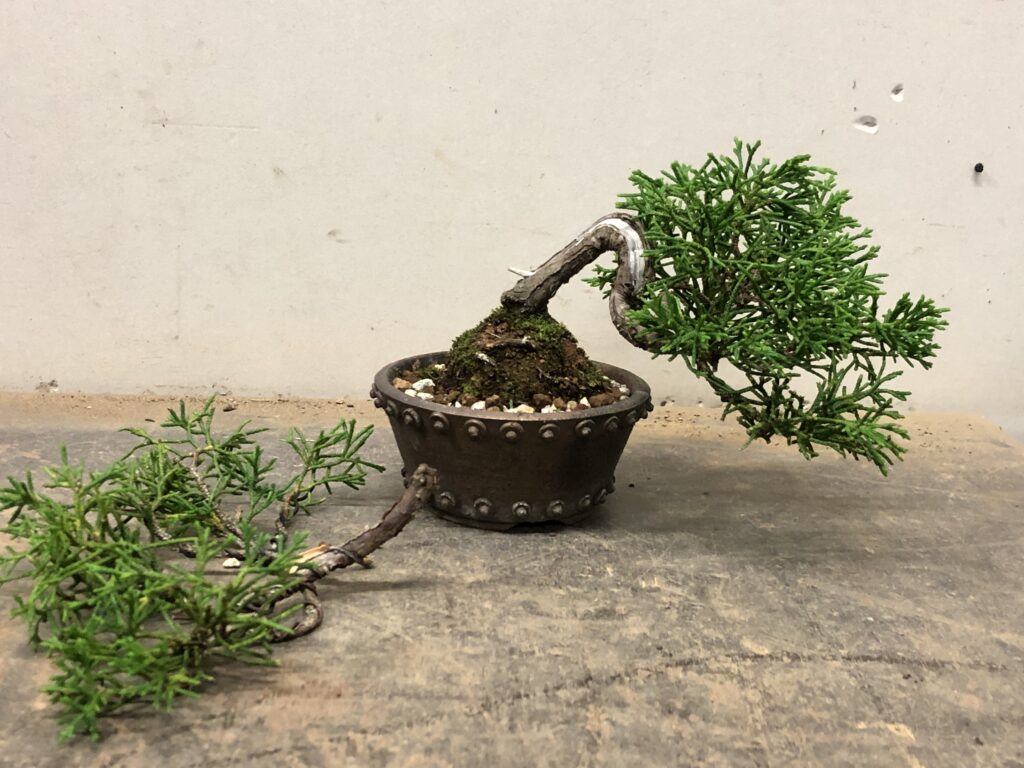
August 2025 – The tree has again filled out well in less than 12 months but the lower branches are too dominant pulling towards the front and also to the rear.
A view from the other side again highlighting the congestion.
After some branch selection and cleaning out the tree now presents us with two possible fronts. This one is viewed from the front corner of the pot.
This possible new front from the rear of the tree is a little more dynamic and emphasises the downward movement.

Juniper Procumbens can be easily found in garden centres and lends itself admirably to the cascade style. It is relatively easy to style and can quickly produce mature looking foliage clouds.

  •