Reading view

A Week In Okinawa

Here is an interlude post about my trip to Okinawa. Next week, back to bonsai, where I hope to share some wonderful old bonsai on Honshu.
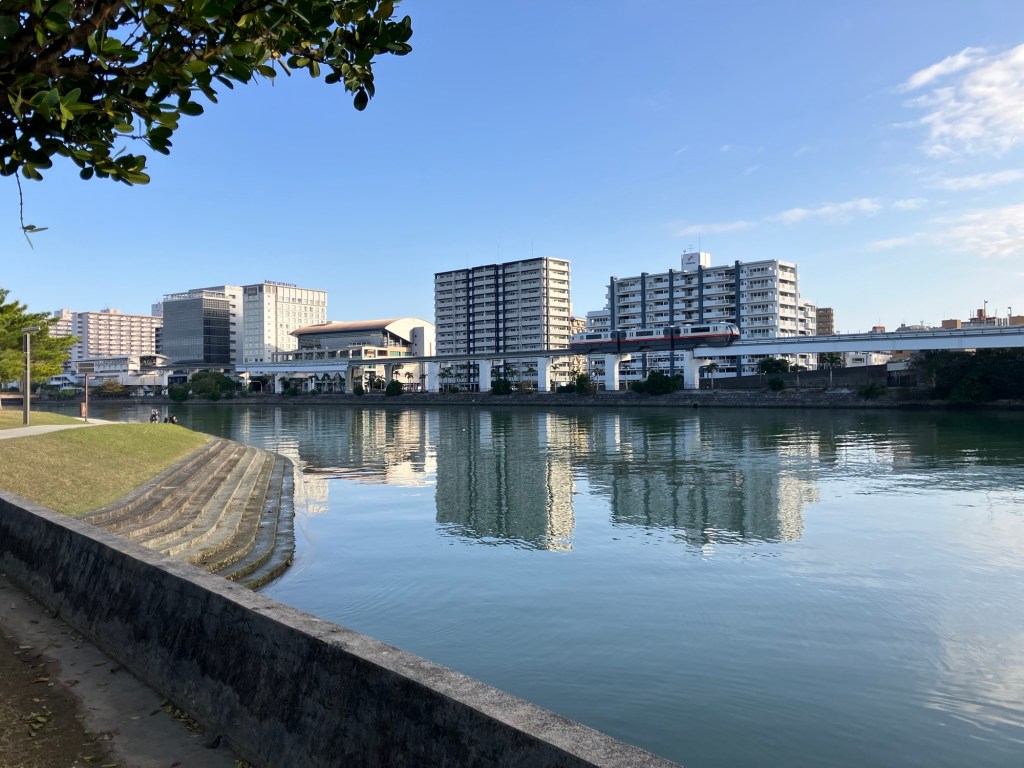
The city of Naha, at the southern end of Okinawa.

At the top of the main island is a large laurel forest. I went up there for a few days.

At the guest house I misunderstood the food situation. Thought there would be dinner, as we were miles from town. The owner was busy and said he’d take me in the next day so I could shop. So I didn’t eat for 24 hours. I survived off a drink vending machine on property. An inadvertent juice fast.

These vending machines are everywhere. They’re even nowhere. A little delivery truck trundles up the barren road once every couple weeks to supply the mistaken. 
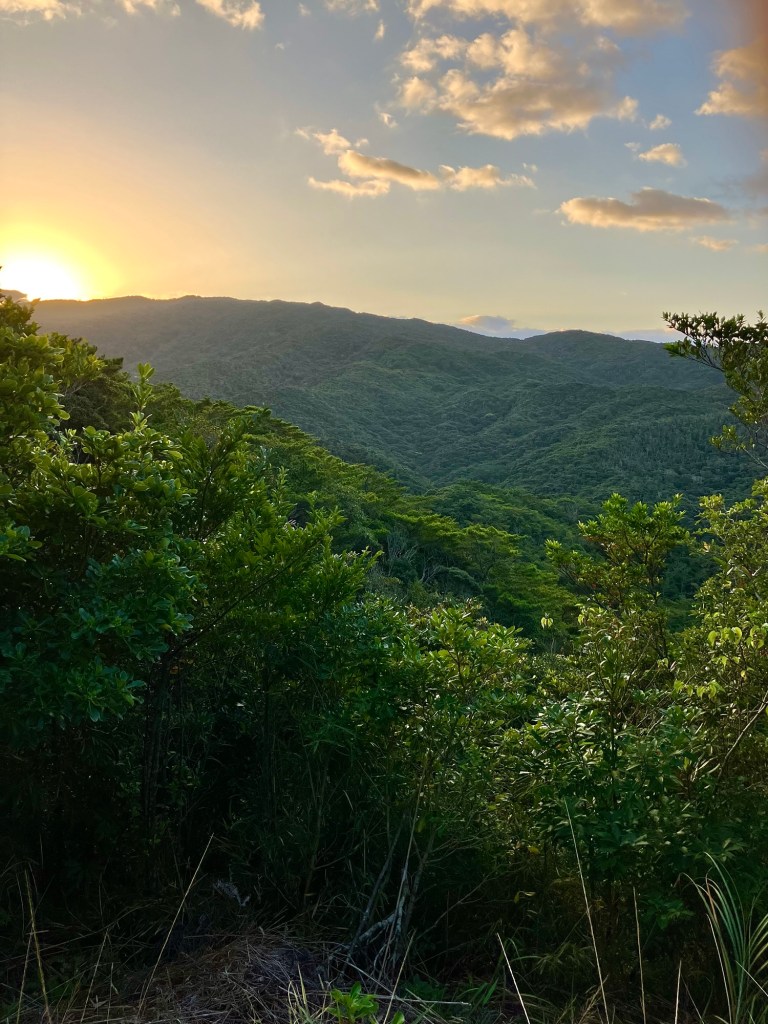
Site of my starvation
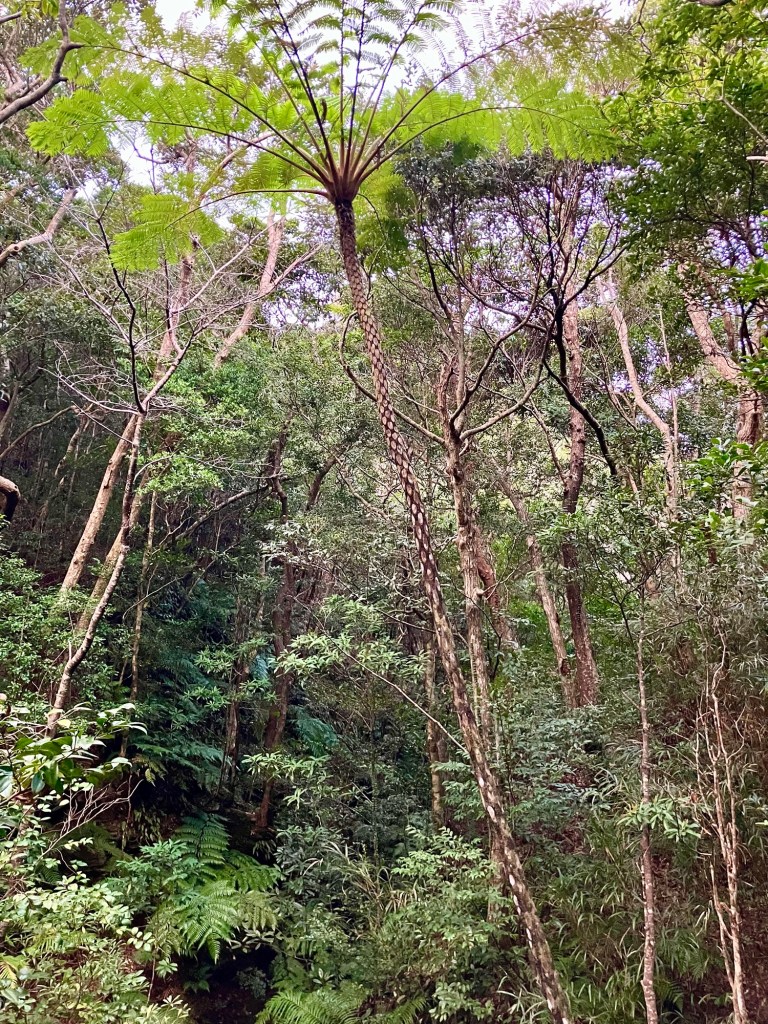
Laurels and tree fern. Okinawa is subtropical, around 60 F this time of year. This is the dry season.
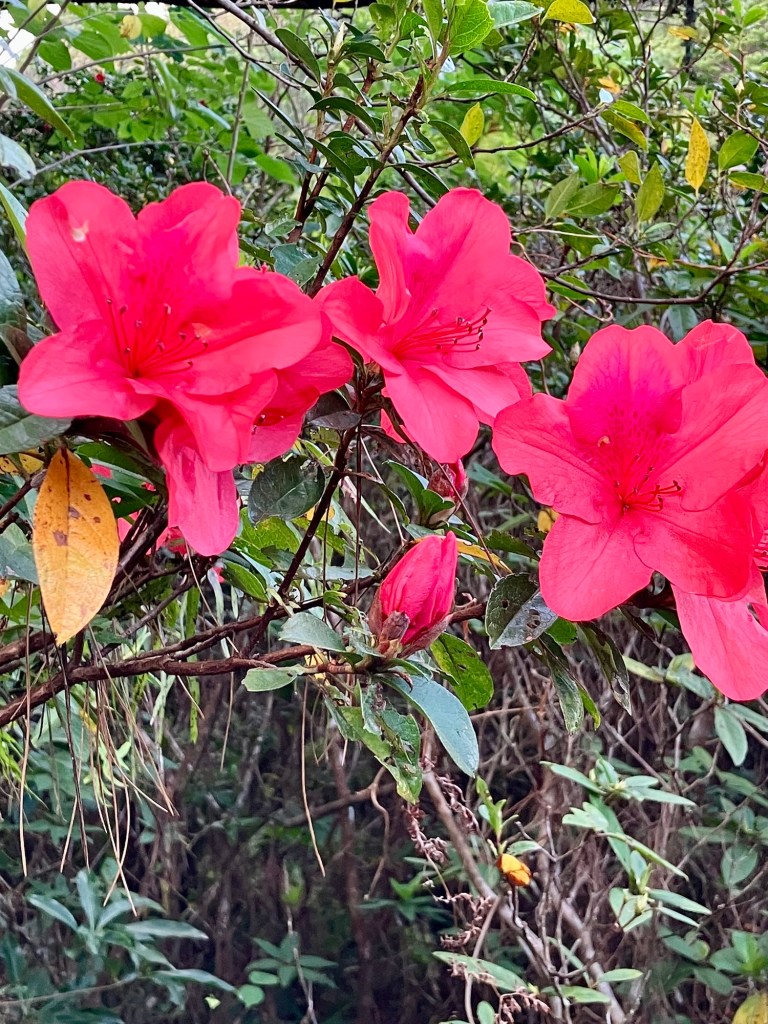
Azalea
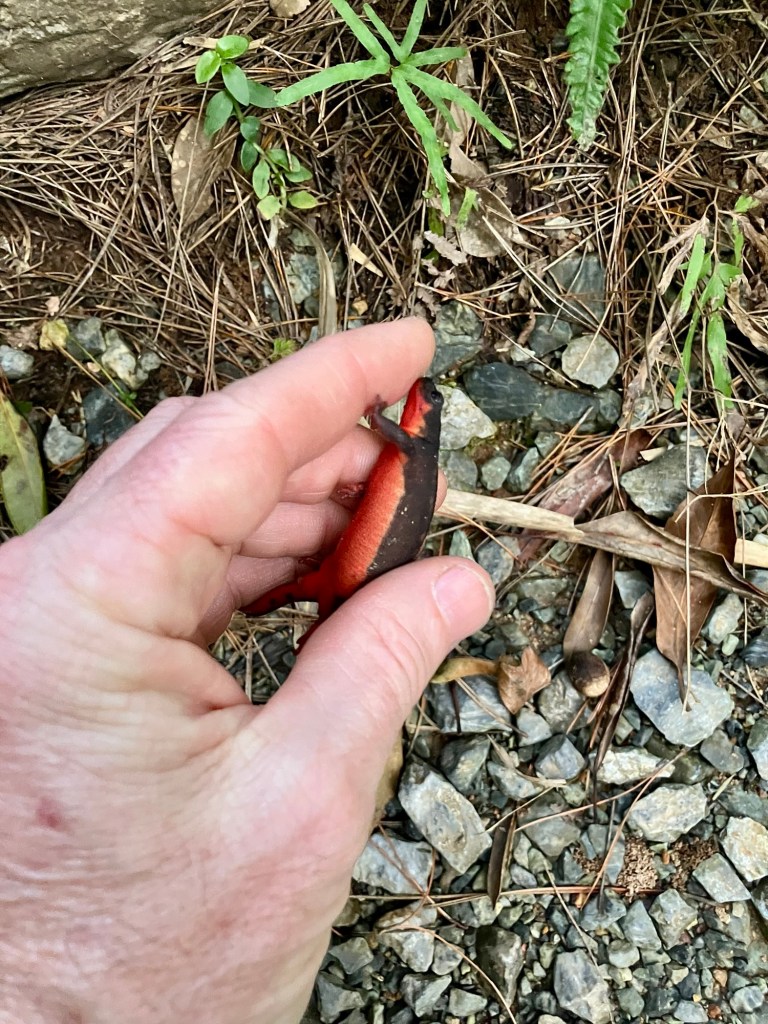
Fire-bellied Newt. I shouldn’t have picked this up, as a friend later told me. The newt’s skin has toxins.
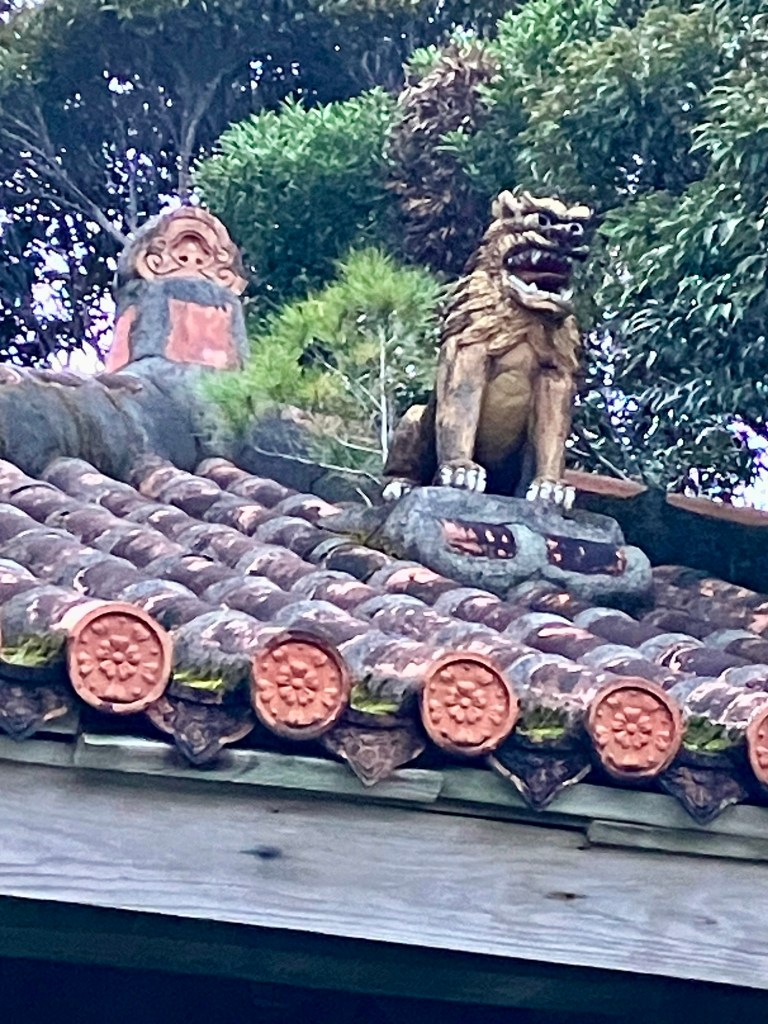
A protector deity on a roof. Behind the lion grows a sapling pine, I think a Ryukyu Pine. “Ryukyu” is the name of the sea-trading Okinawan culture that dates back thousands of years.
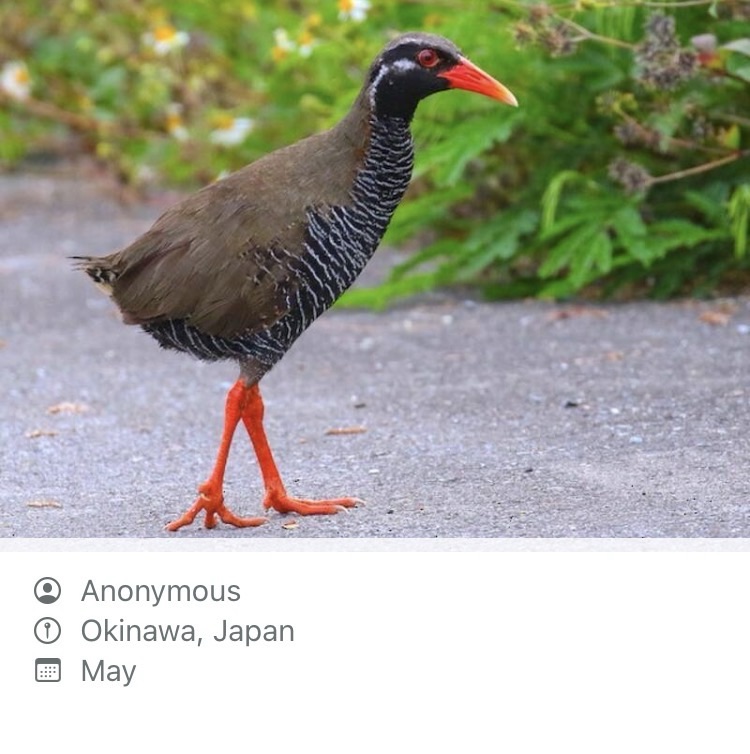
Photo courtesy Merlin app

I did some birding, including trying to find this bird, the Okinawa Rail. It’s a sneaky shorebird that lives in the lush laurel woods and it eluded me for several days. I heard many of them in the deep ravines but had no intention of slithering to my demise over a bird so intent on not being seen. That they were only described to science in 1981 is no mystery to me.
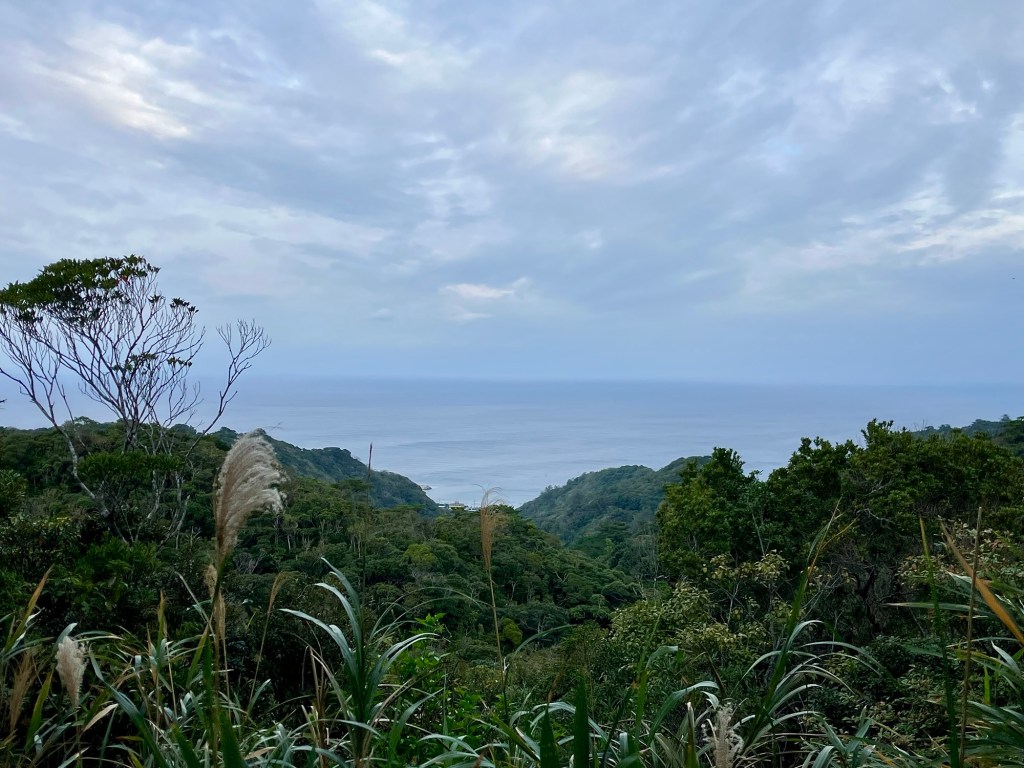
It’s rural and quiet in the north. Or so I thought on the first day.

Right at 6 pm a loudspeaker blared out over the sparsely inhabited forest: It’s time to go home to your children, the day is done, good night.

This was LOUD. And it made me jump—

What?! A fire, an earthquake, a liquid beverage delivery?!

Then, my feathers smoothed out again, a huge shape swooped in to hang on a branch. Another few flew by. Bats, flying foxes with 3-foot wingspans.

Another evening shock. Would they quietly munch on fruit as advertised, or skip that amuse-bouche and go for the main course?

This place wasn’t good for my health.
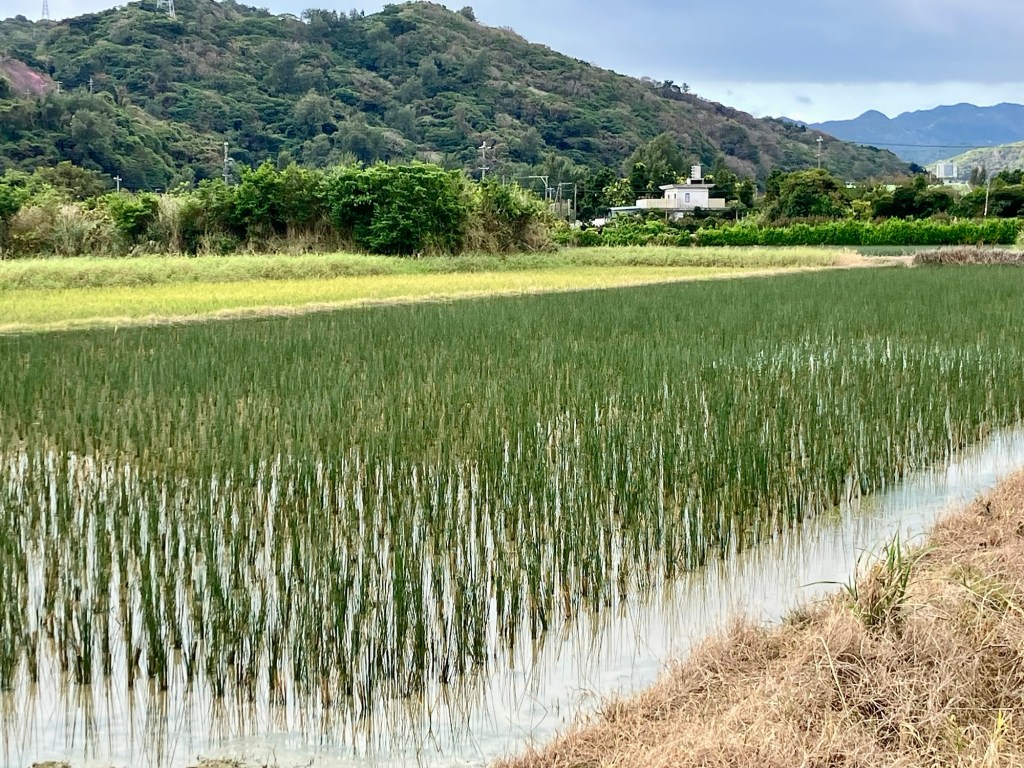
Back in the south in a rice paddy. Many crops grew there, including taro.
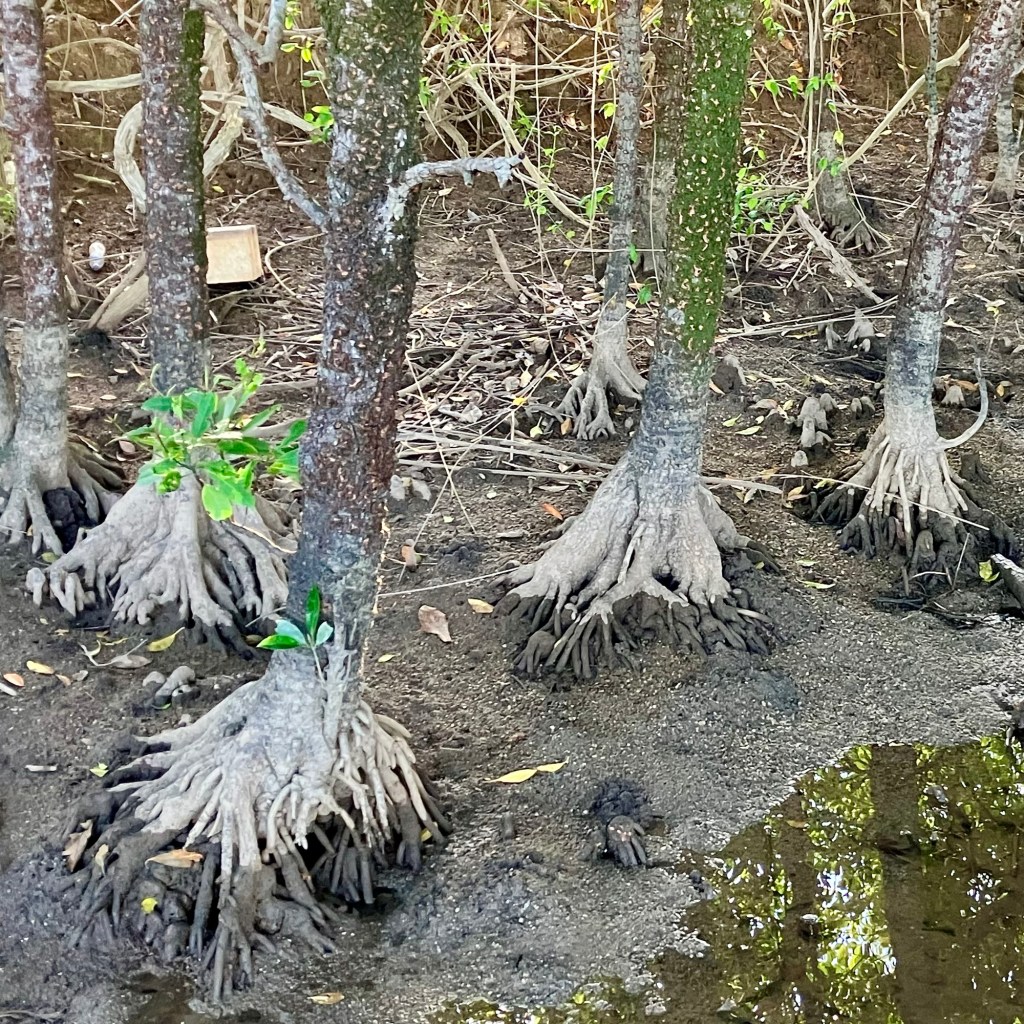
Impressive root flares help stabilize these tree mangroves in the mud.
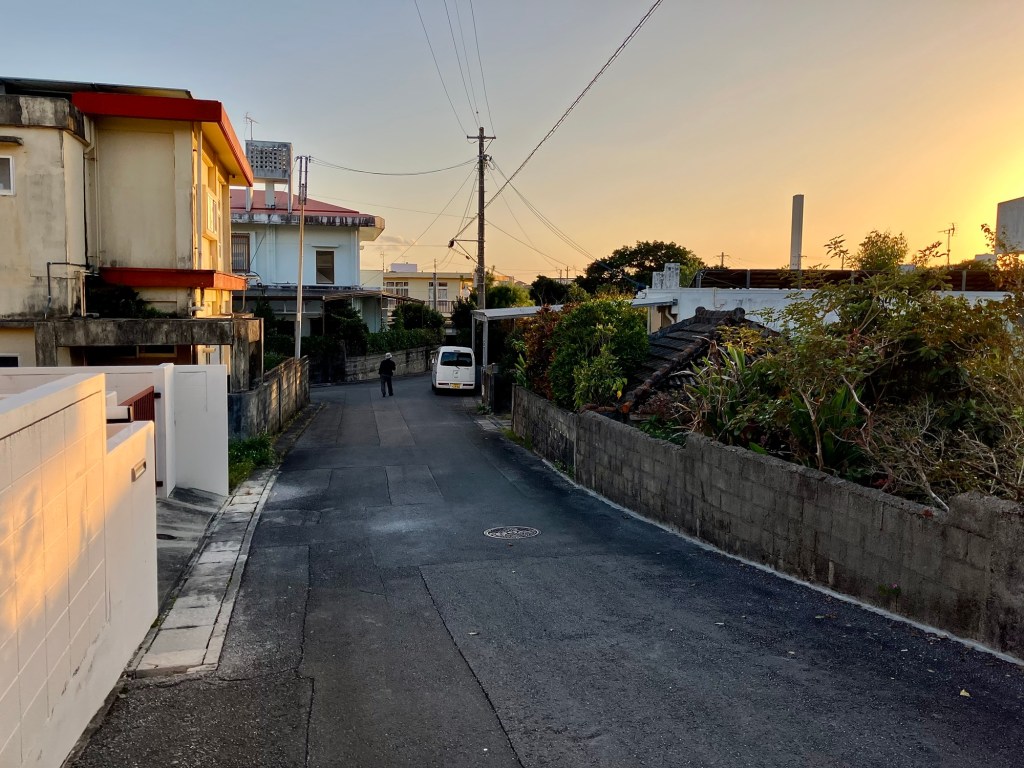
A quiet street in a small coastal town.
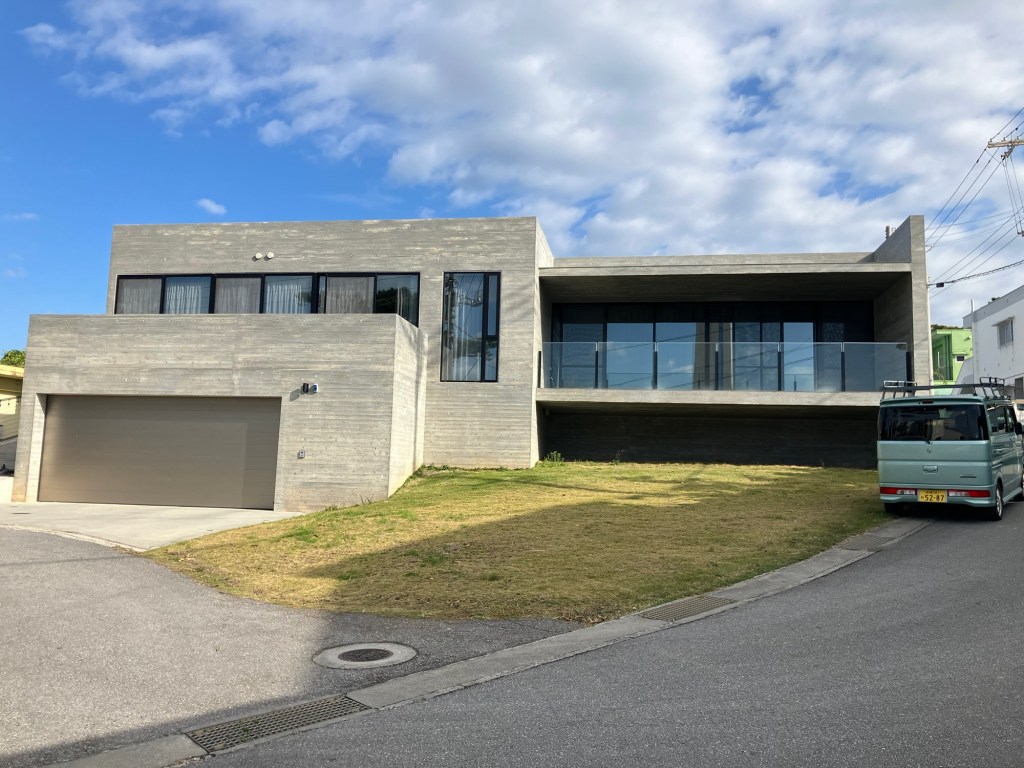
The current trend in Okinawan homes is concrete, with a brutalist flare.
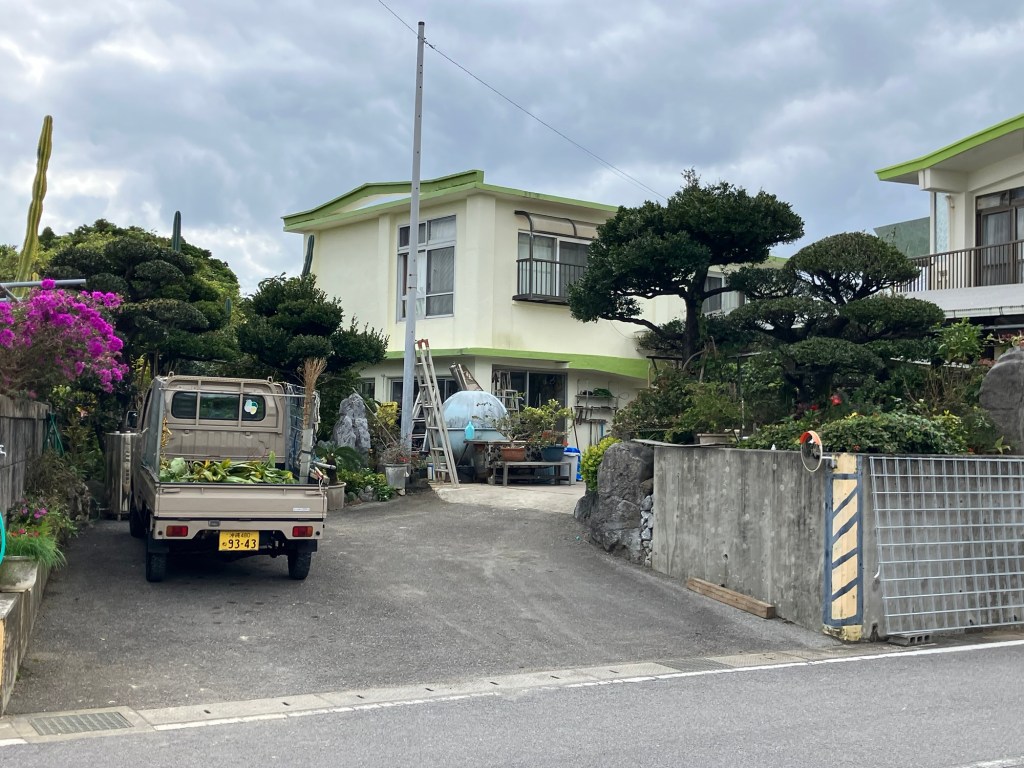
A more typical older home.
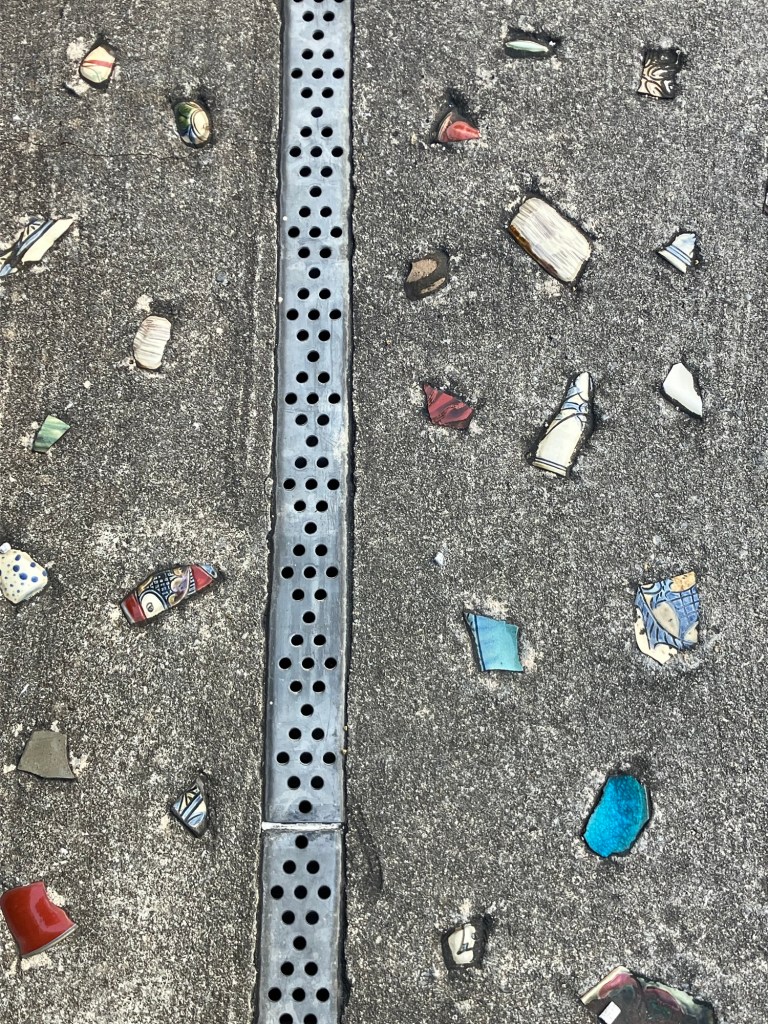
Back in Naha for the flight to Tokyo, I found this sidewalk with embedded broken pottery shards.
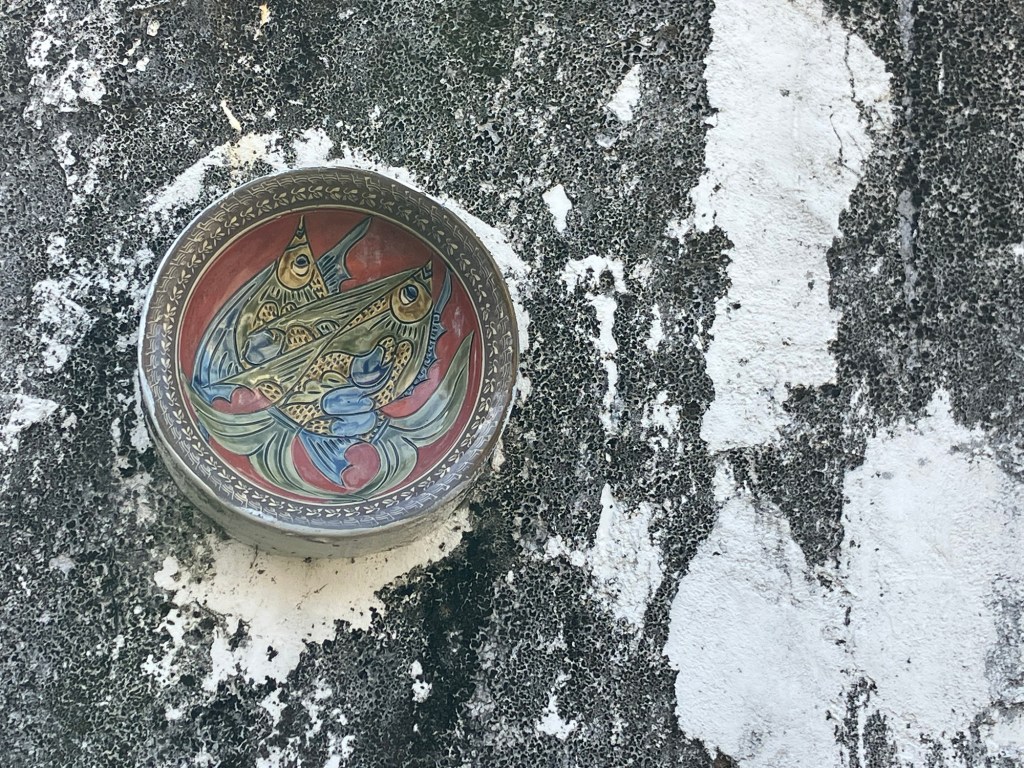
Naha is proud of its past potters. Here the masonry wall of a building holds a platter.

Next week, Obuse, Japan—where I studied under Mr. Suzuki.
  •  

2026 Kokufu-ten: Part I

A few of the ridiculous trees in Part I of the Kokufu-ten. Wednesday was the take-down and switch-out to new trees. And now it’s open again for Part II. 

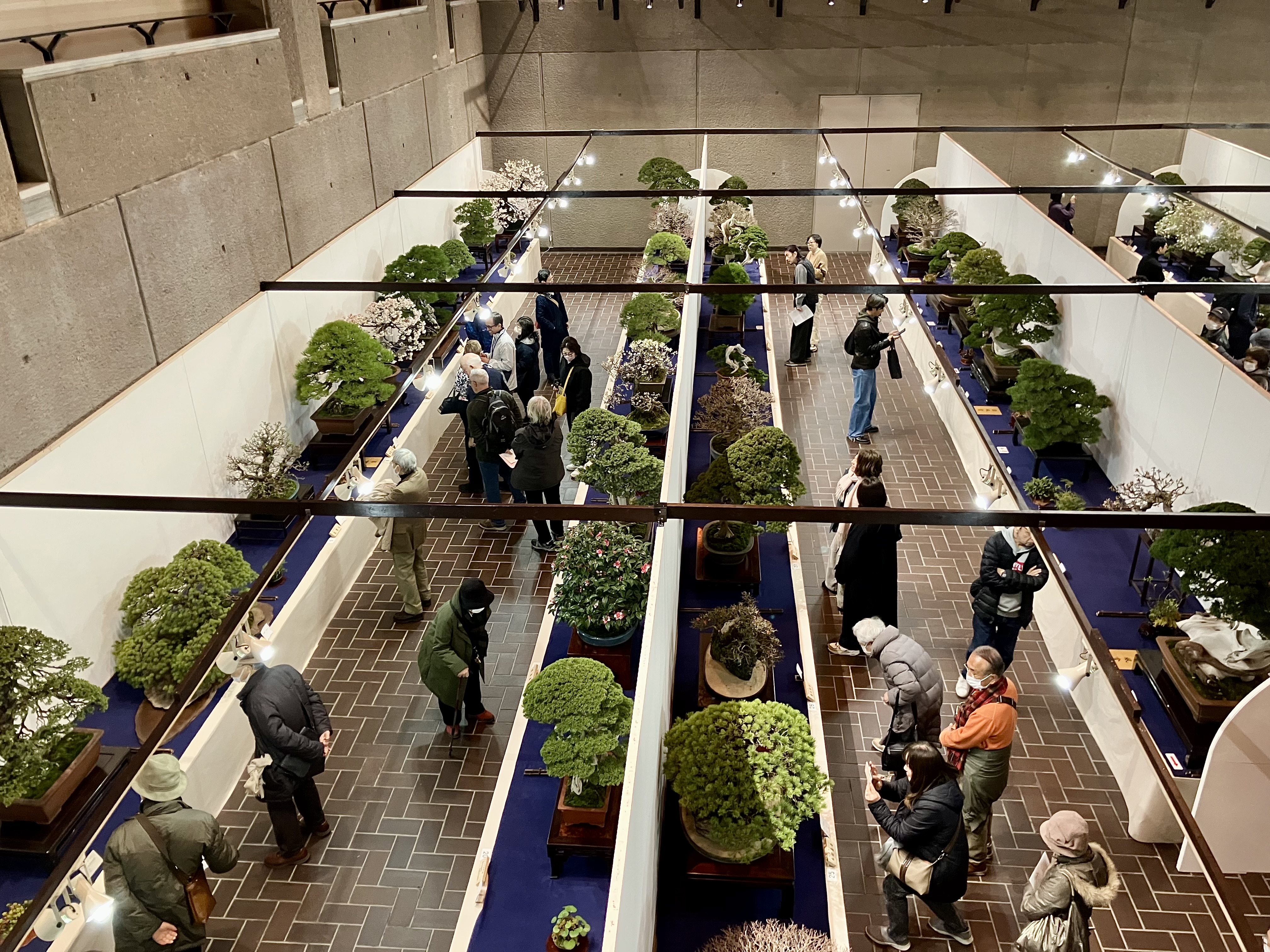
The entrance to the show looks down on the large displays. This is in the Tokyo Metropolitan Art Museum in Ueno. This view gives a sense of the scale and impact these huge trees might have only a few feet away.

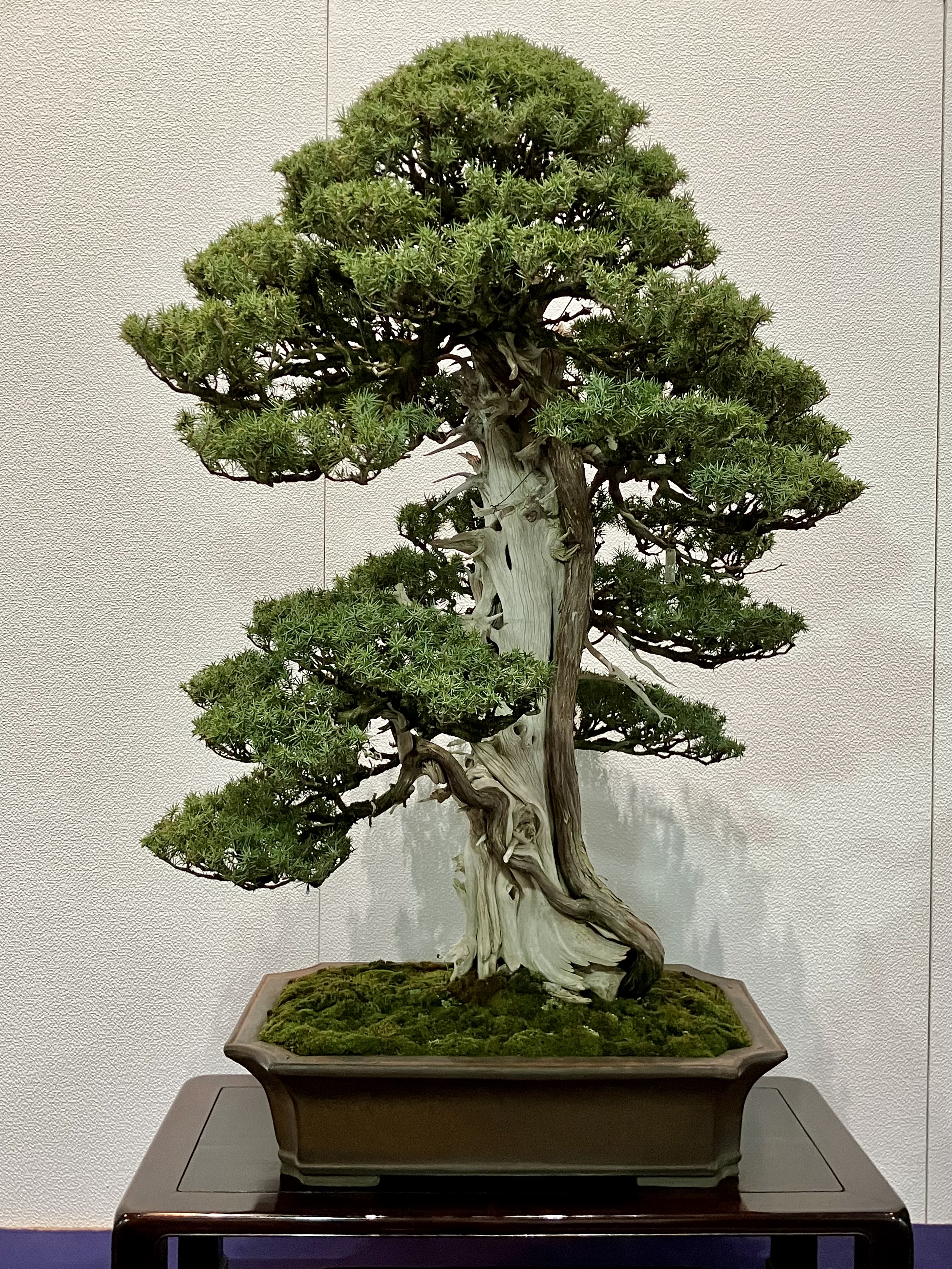
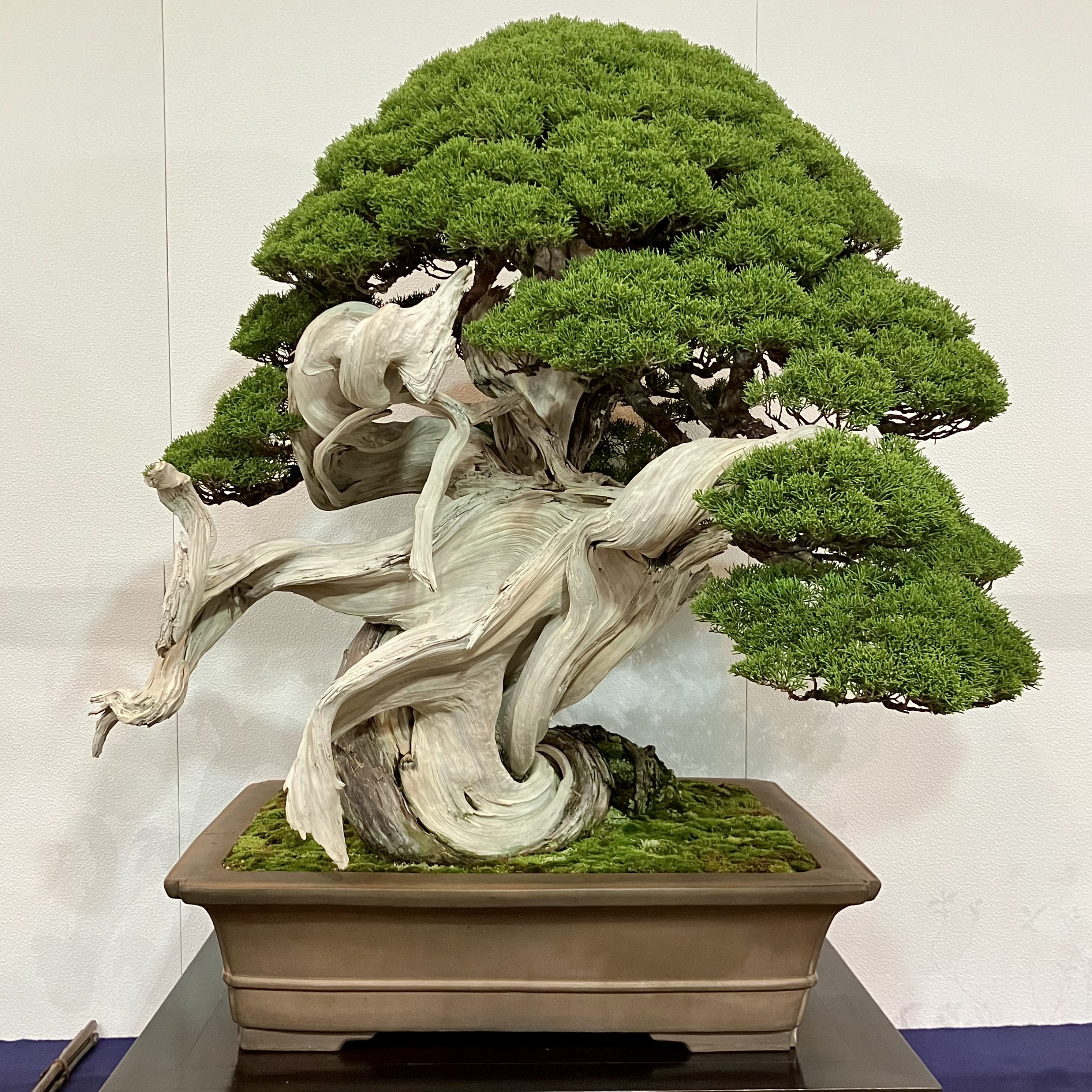
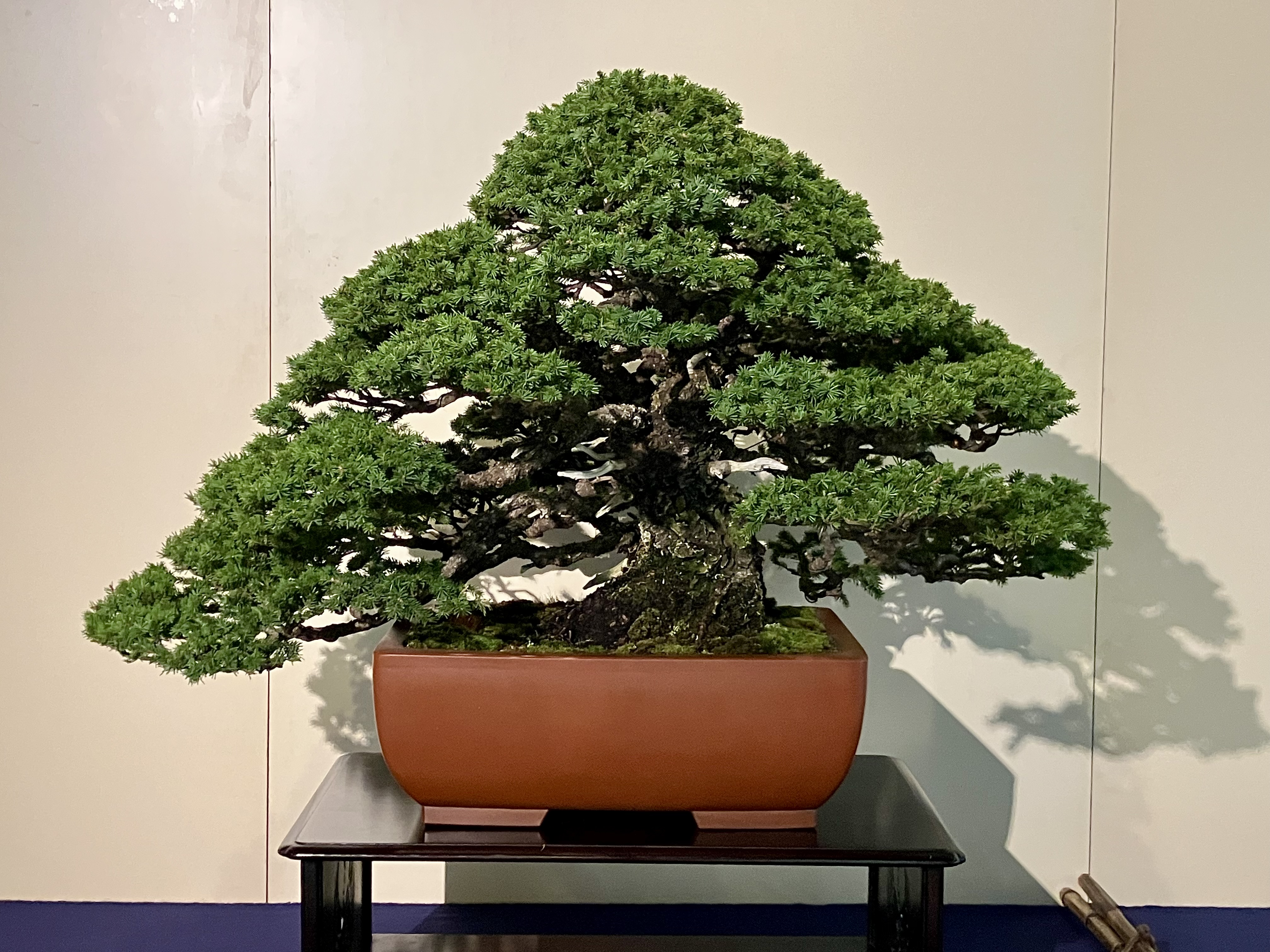
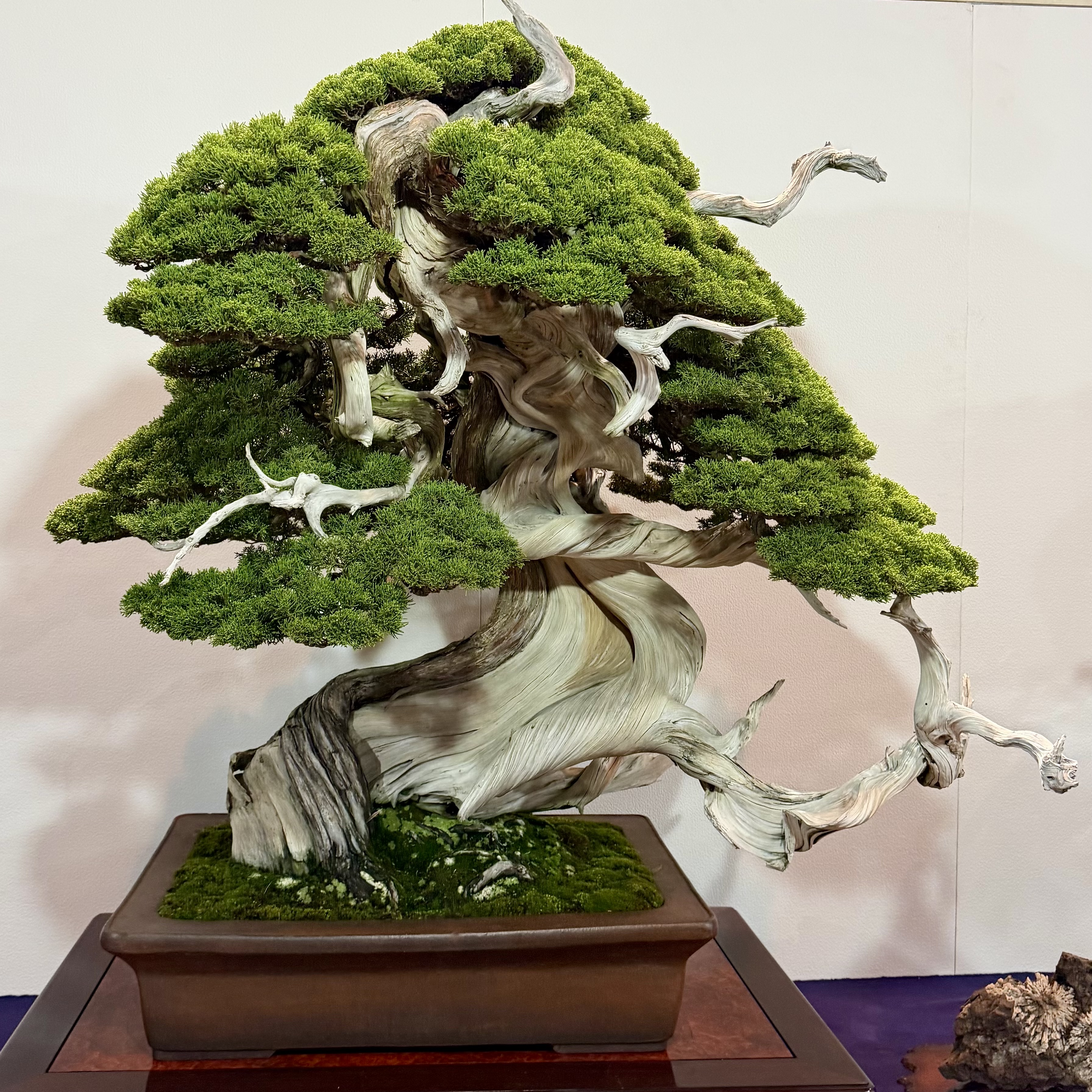
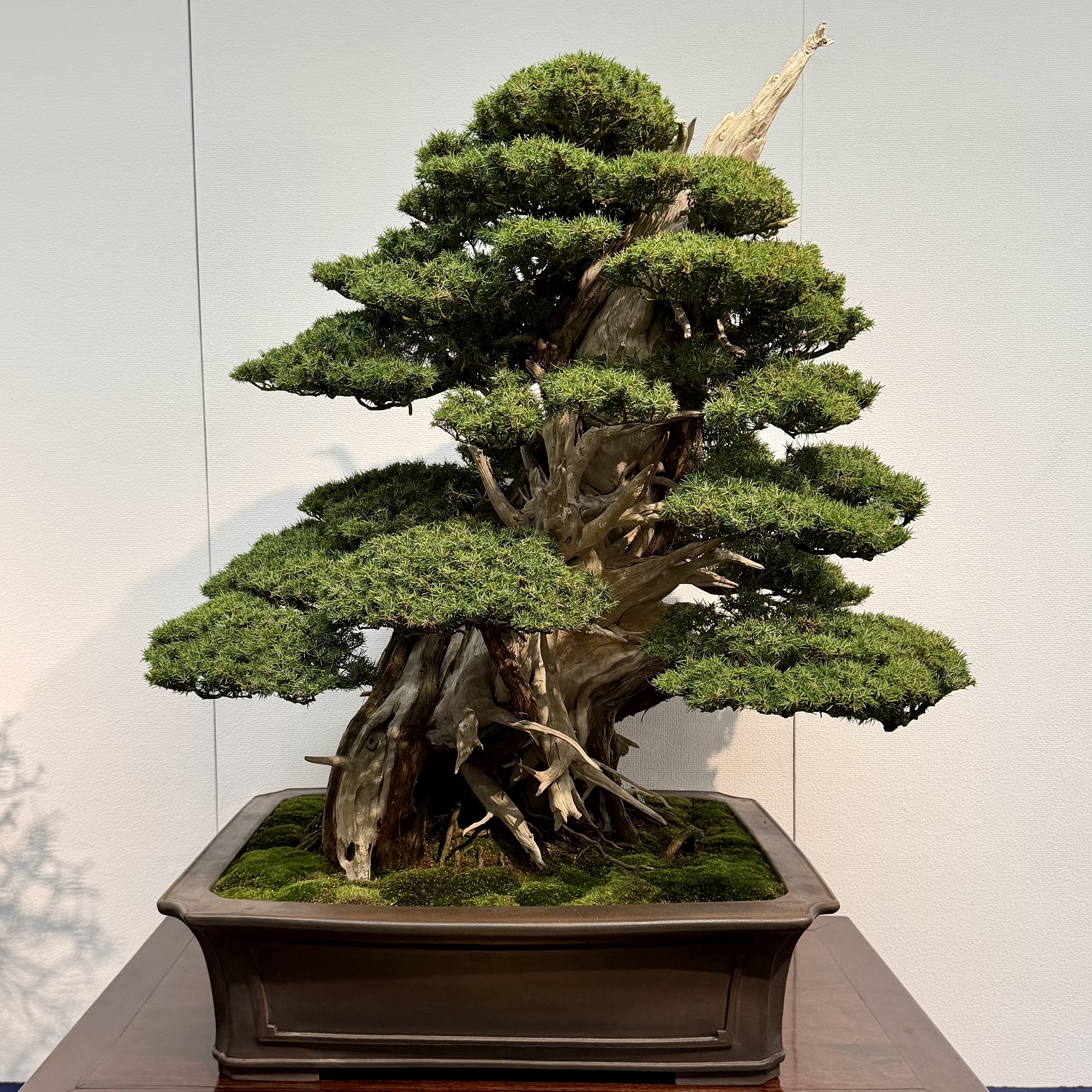
Needle Juniper. A well-known juniper making an appearance in the 100th Kokufu. 

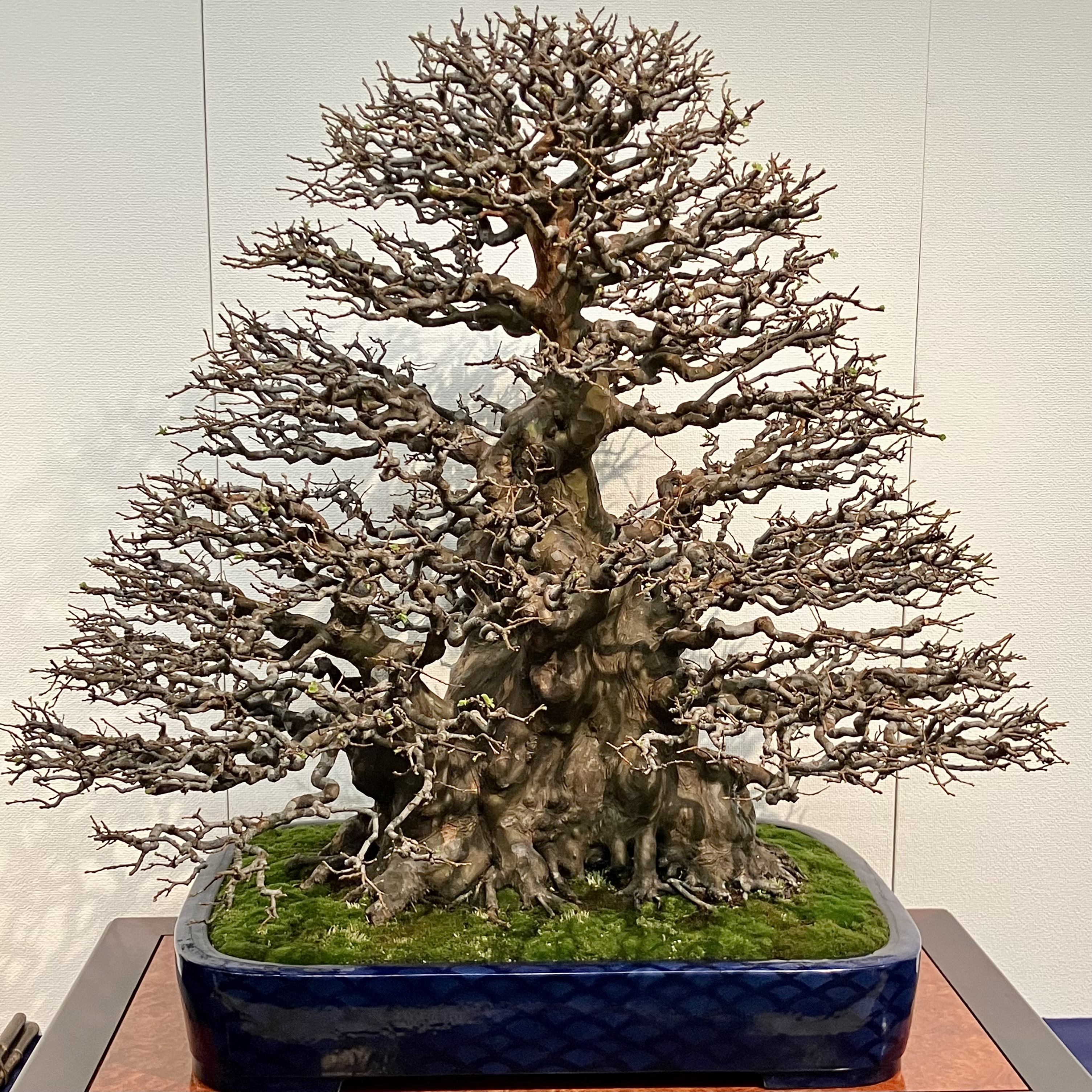
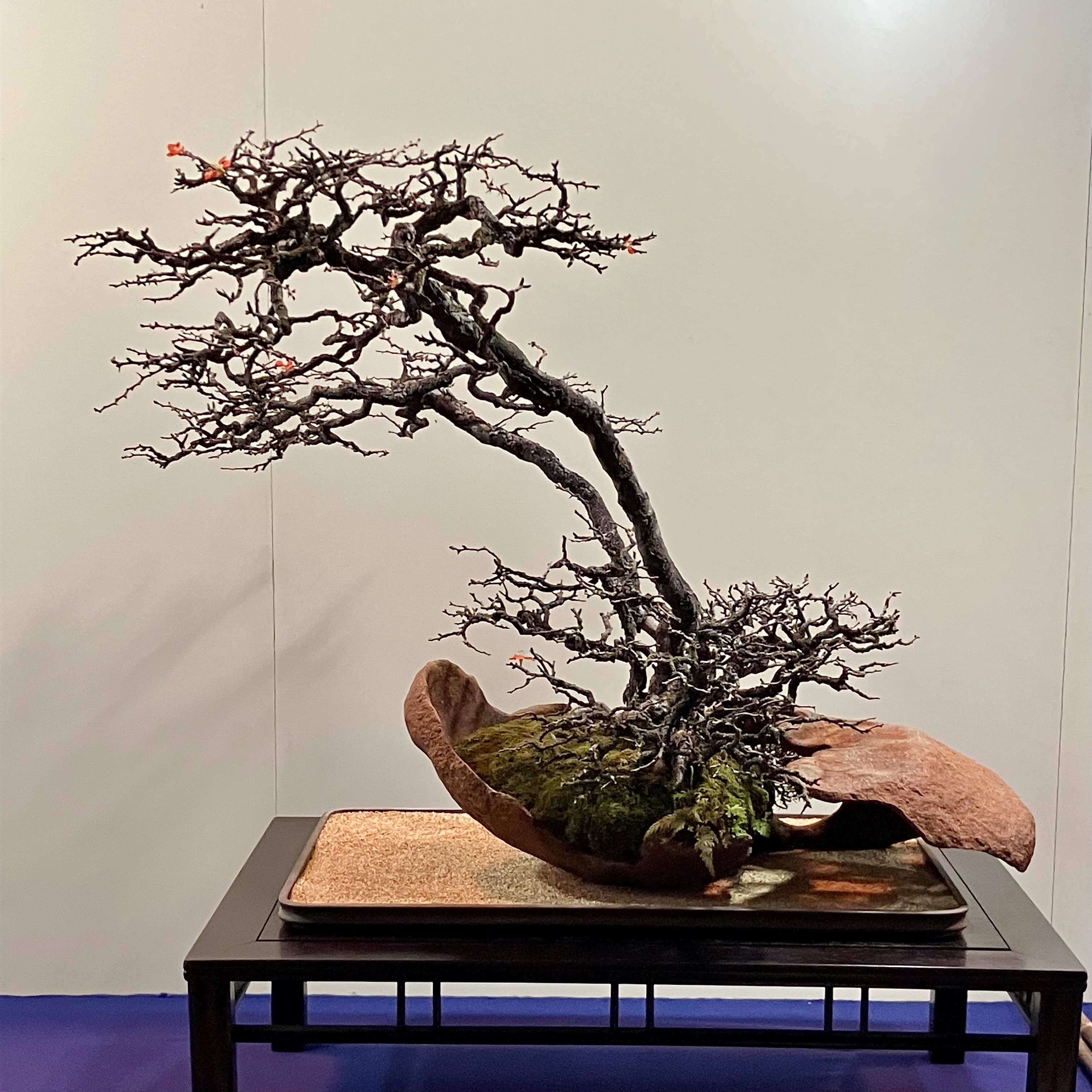
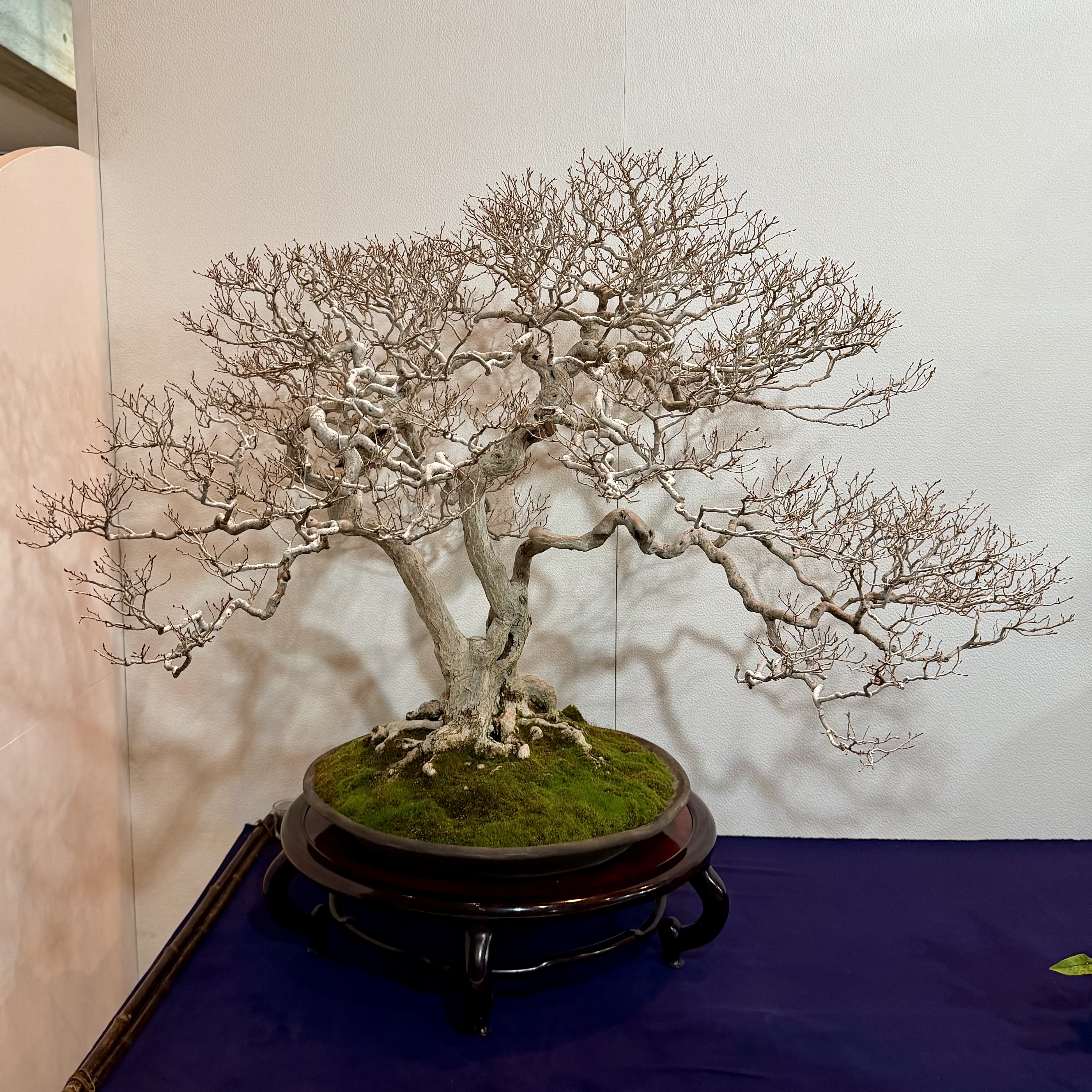
Chinese Quince. Every last twig had once been wired on this massive specimen.

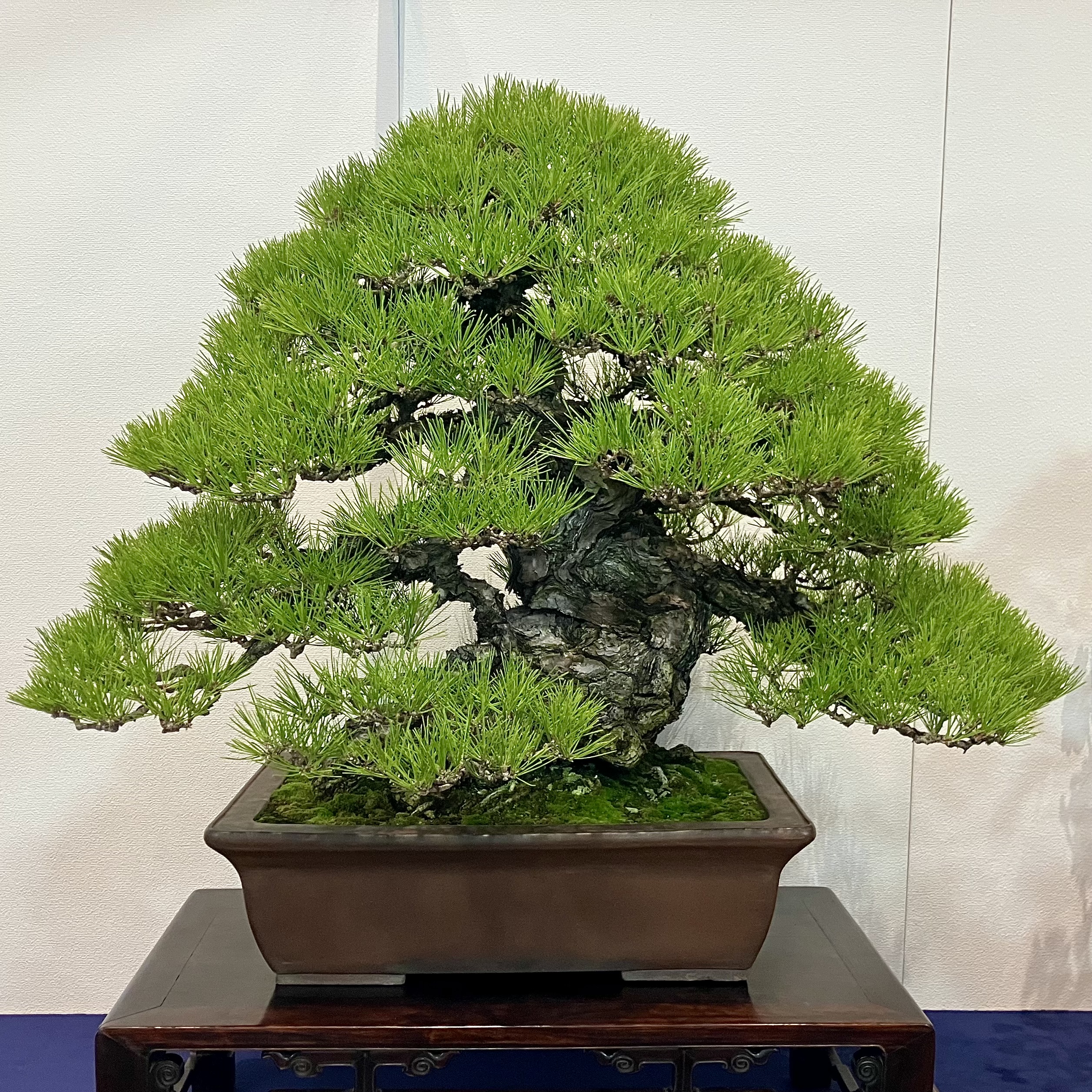
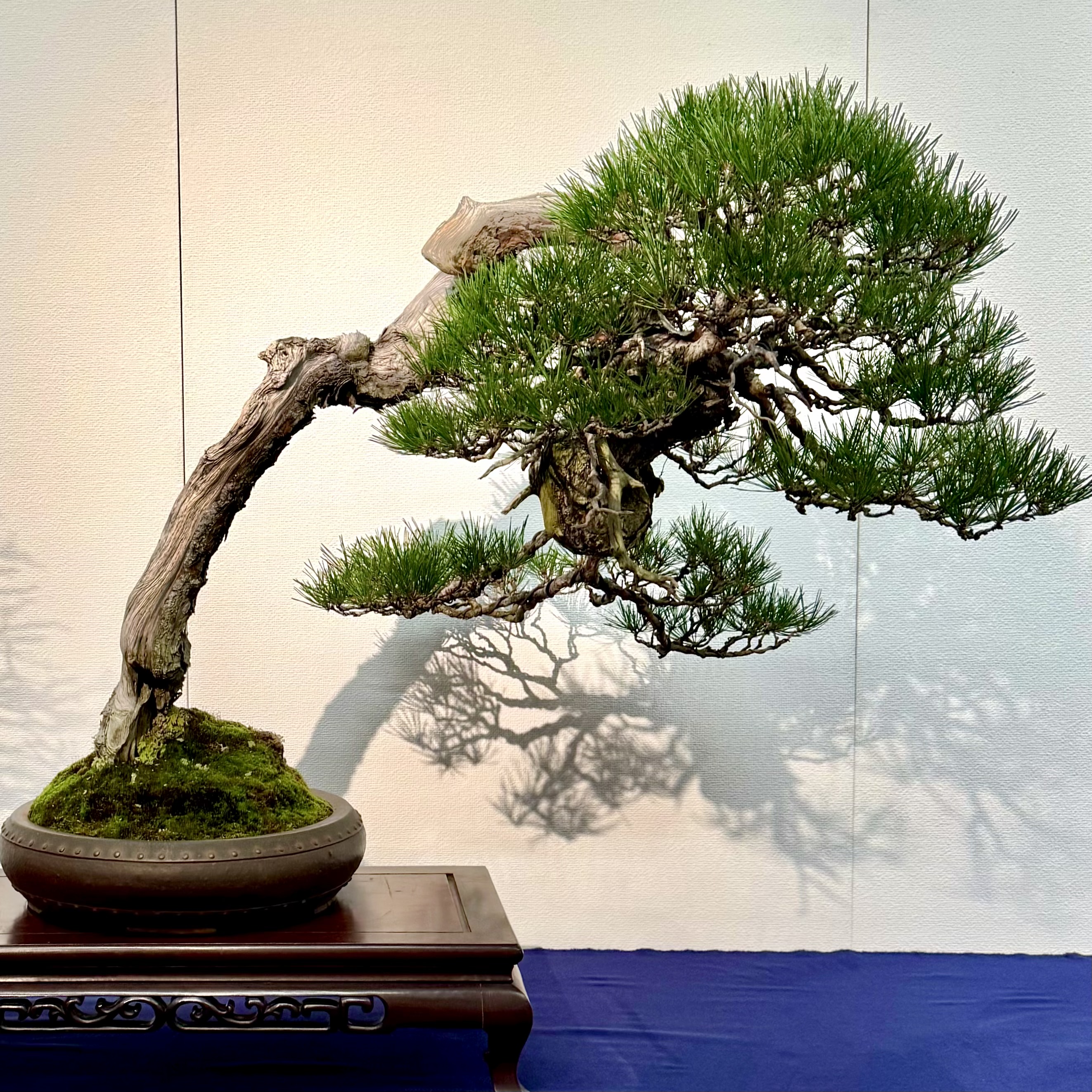
Japanese Black Pine; Kokufu Prize. Huge tree.

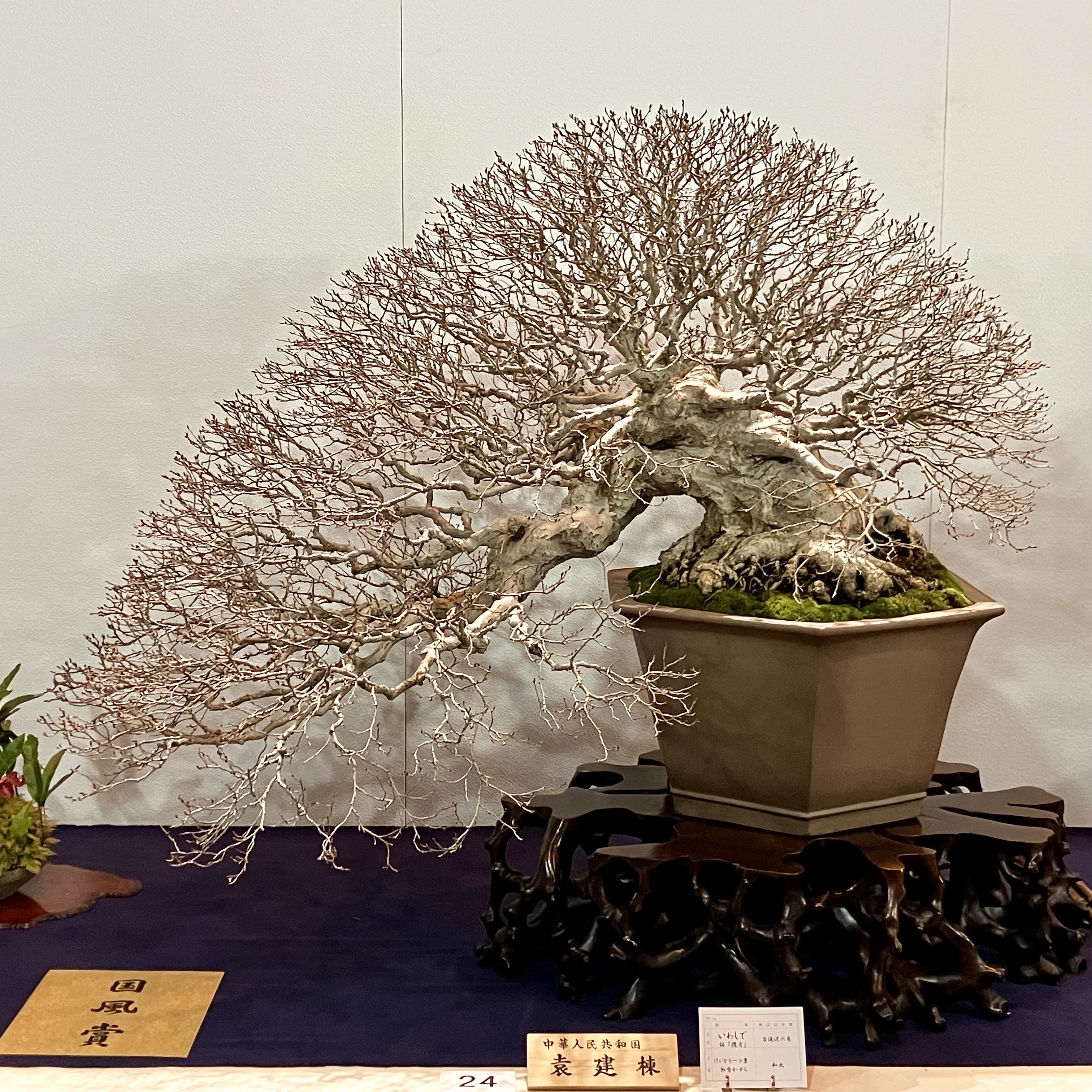
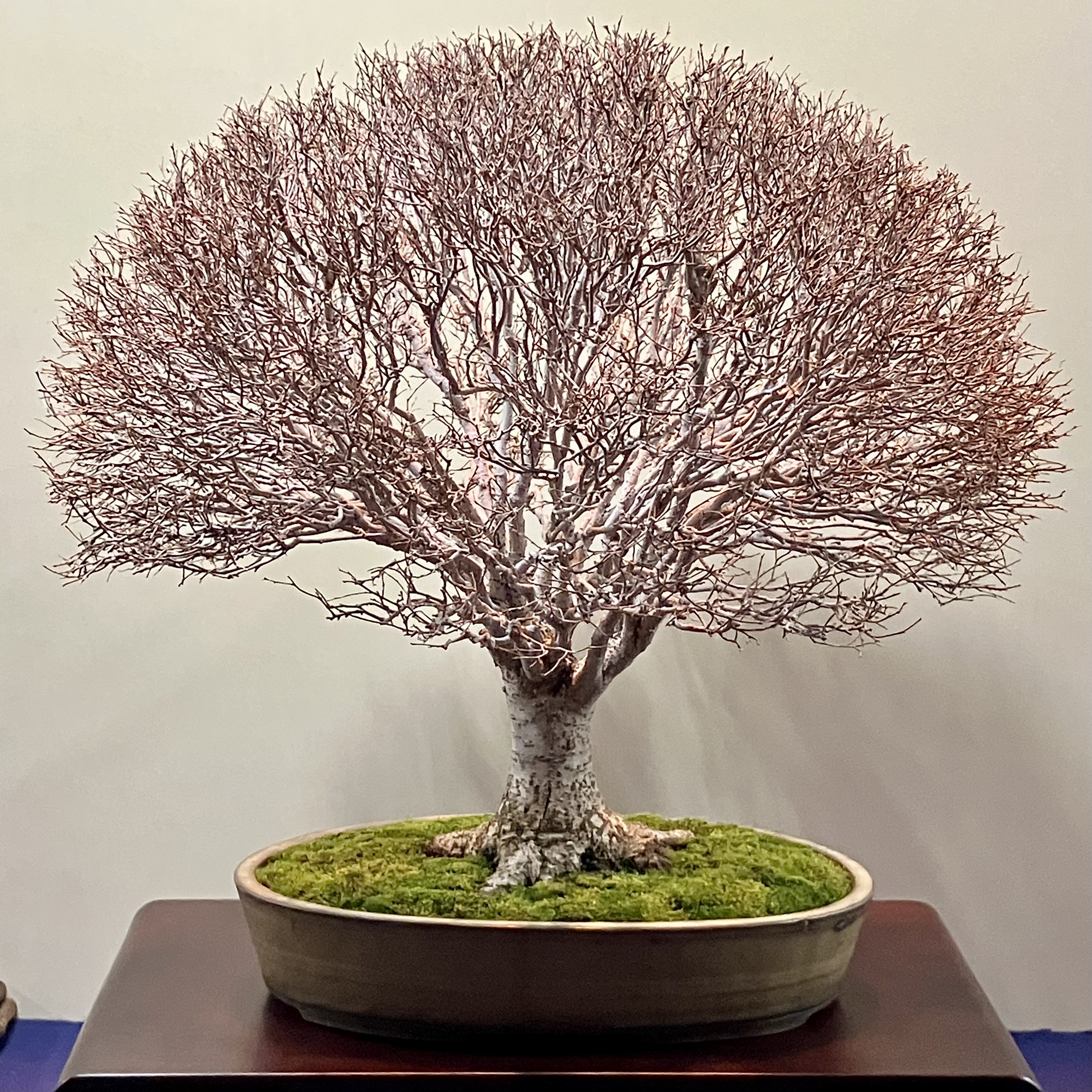
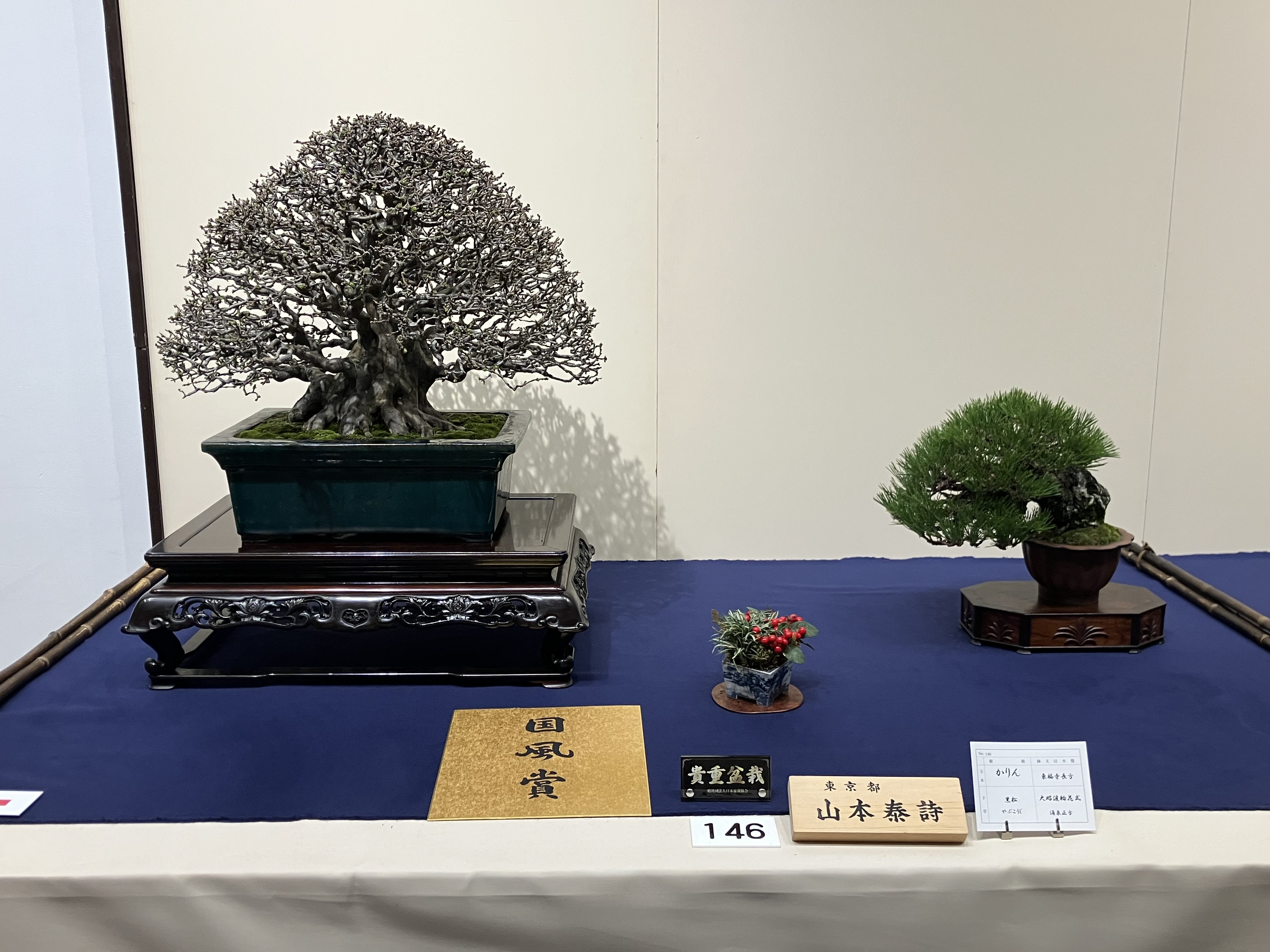
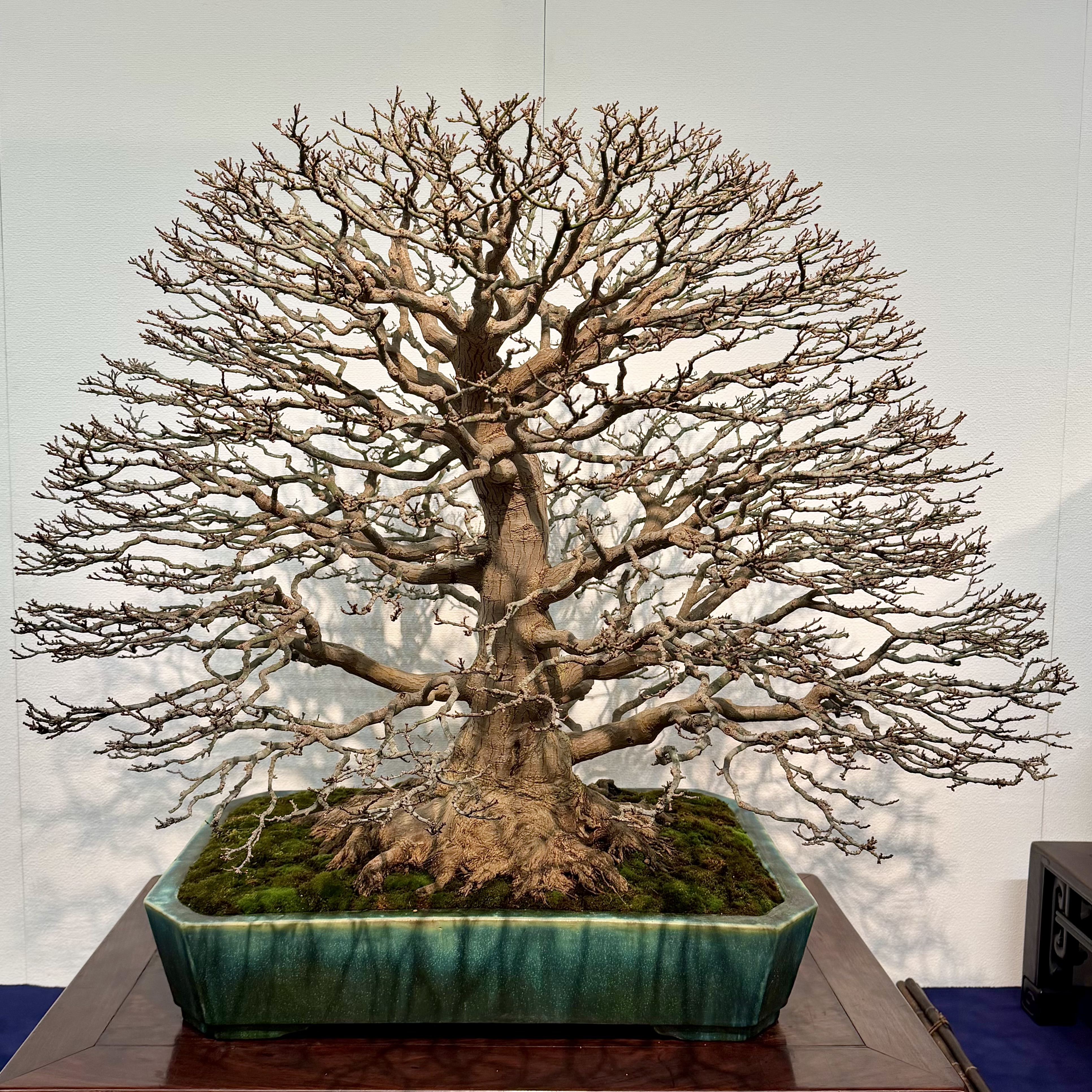
Korean Hornbeam; Kokufu Prize.

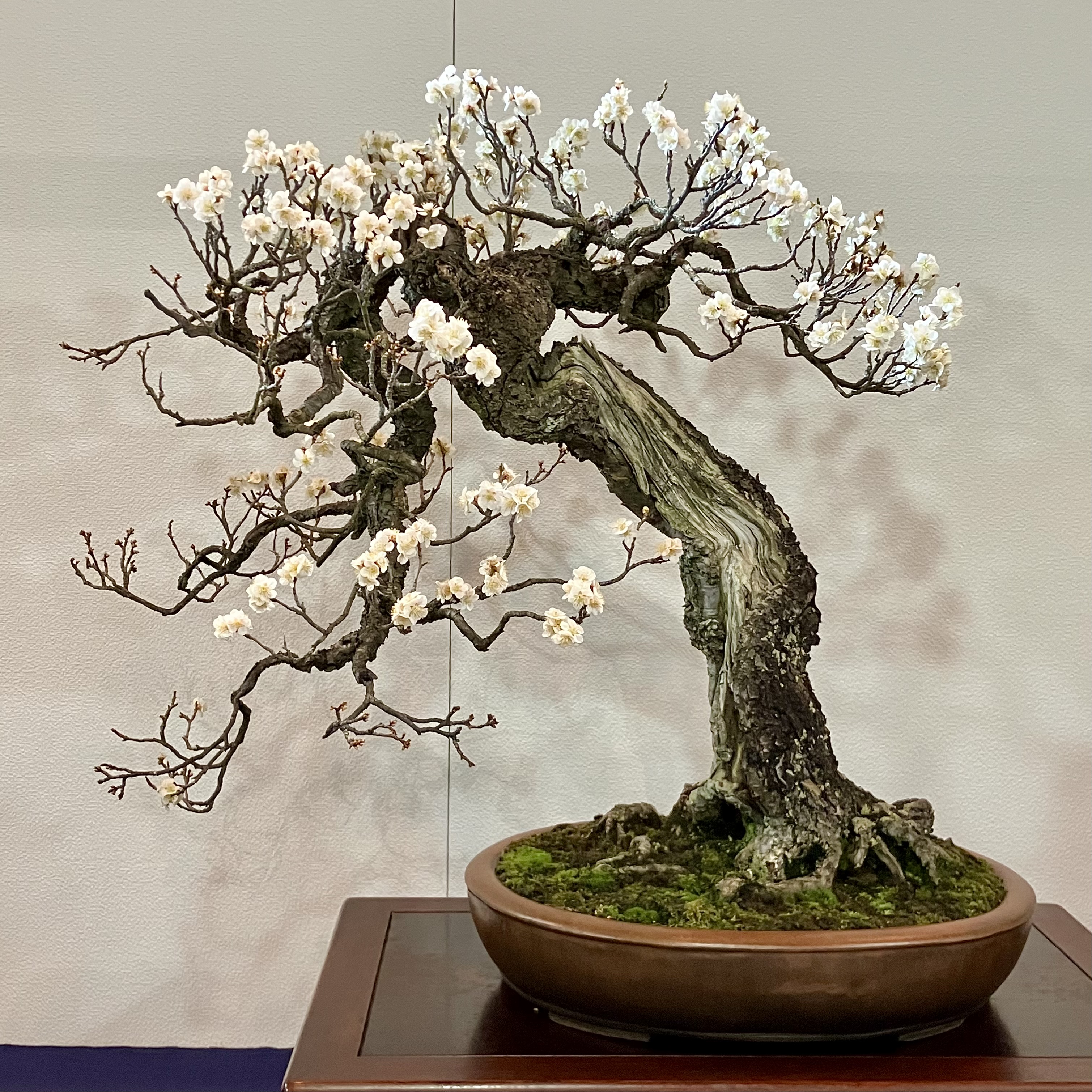
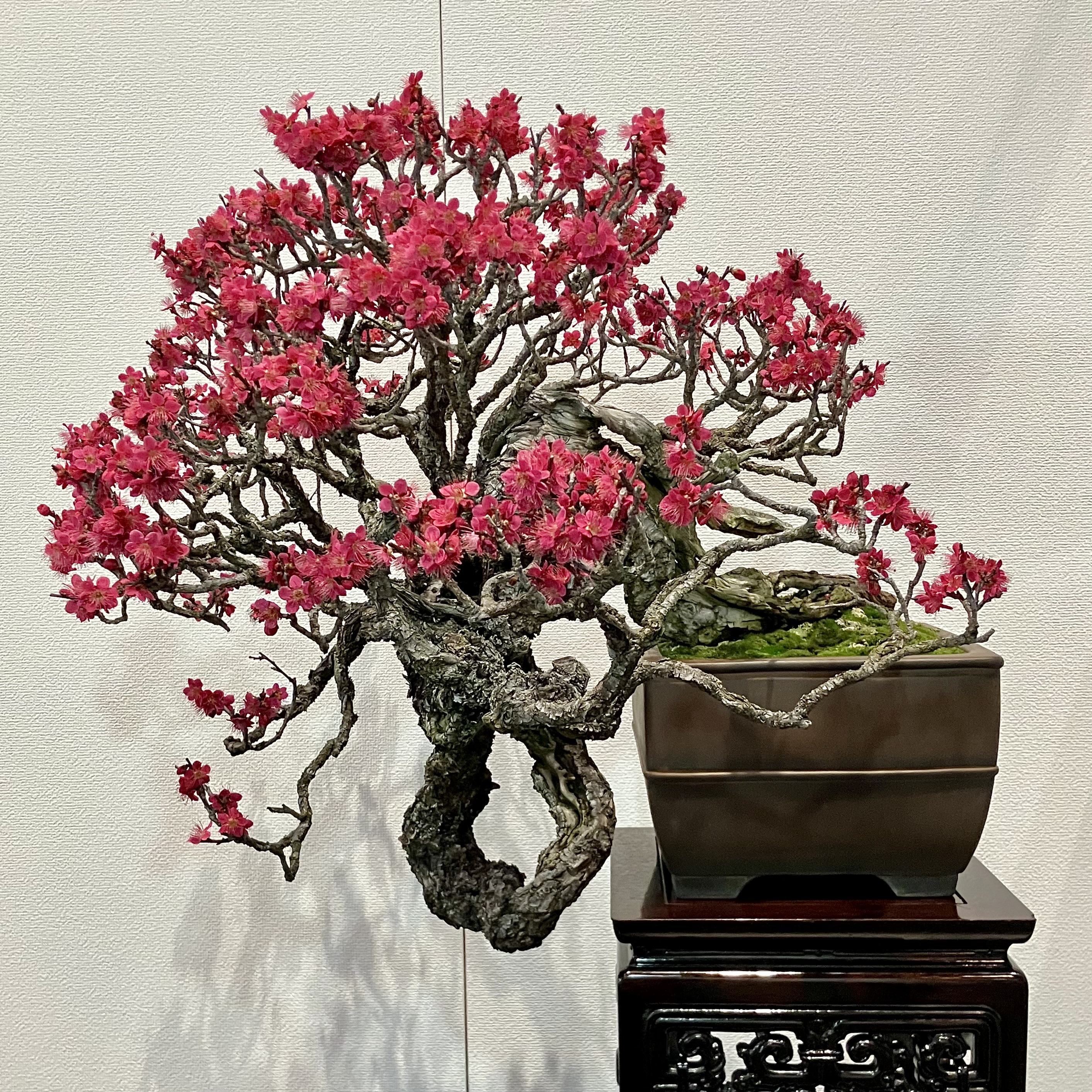
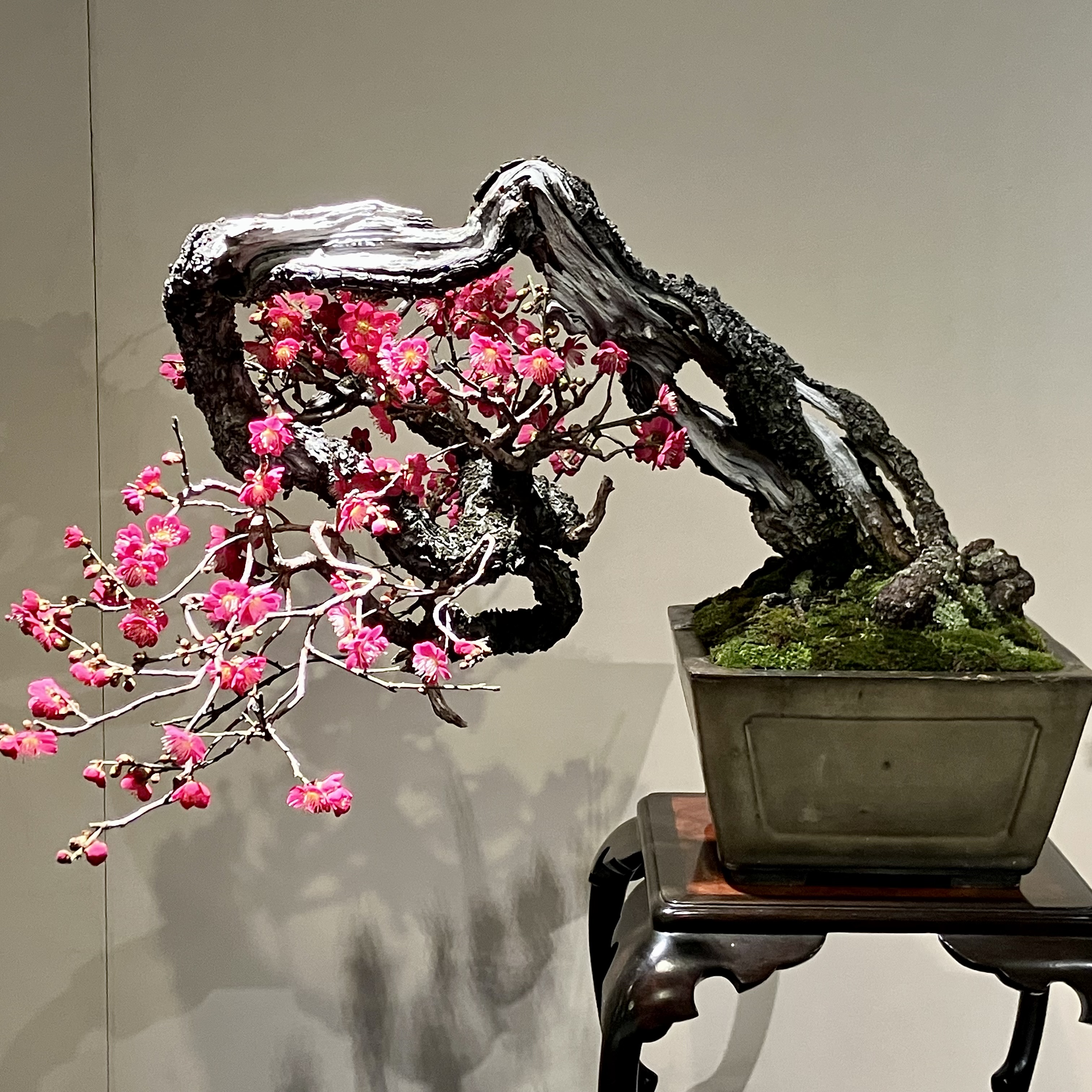
Ume. Excellent Ume in this year’s show.

Satsuki Azalea.

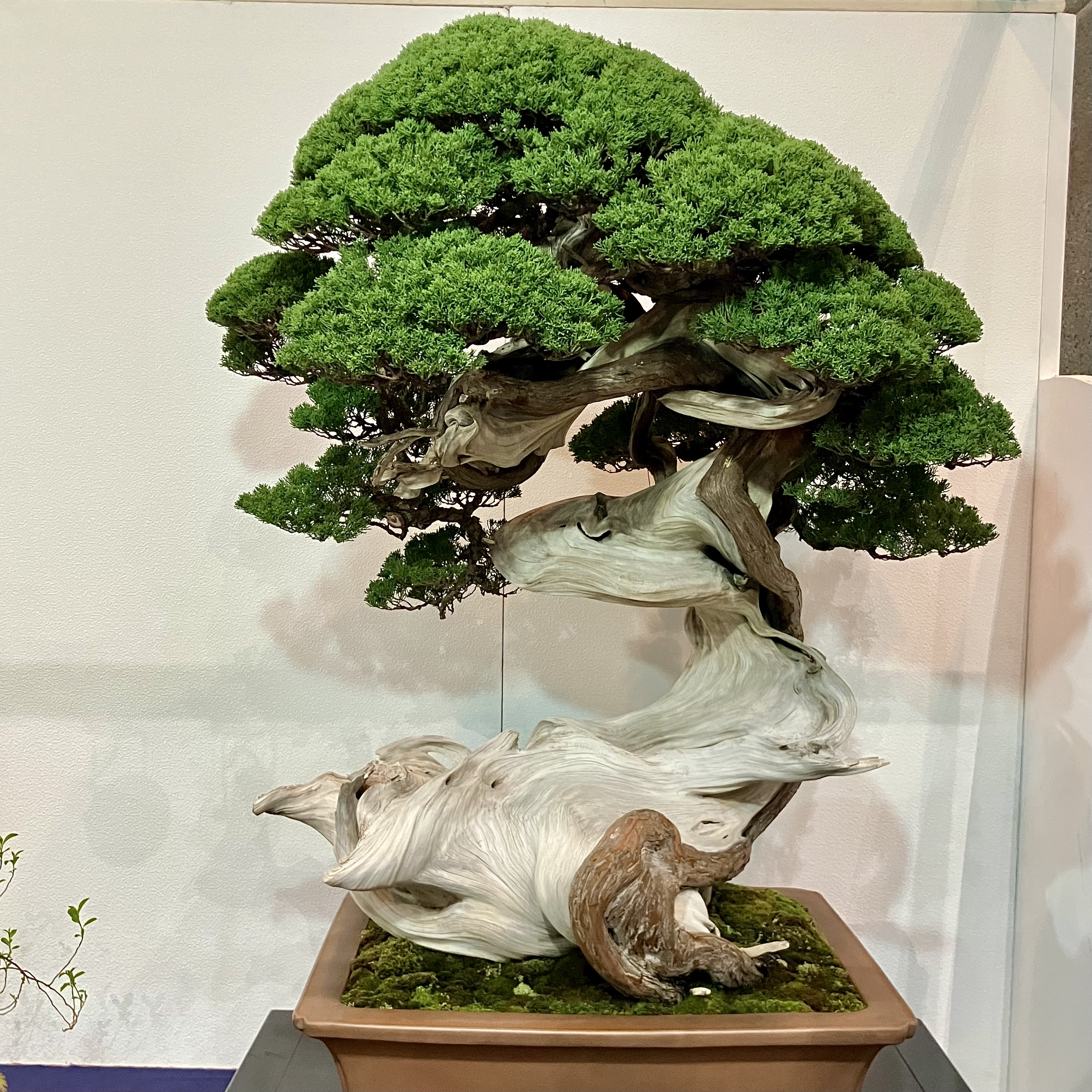
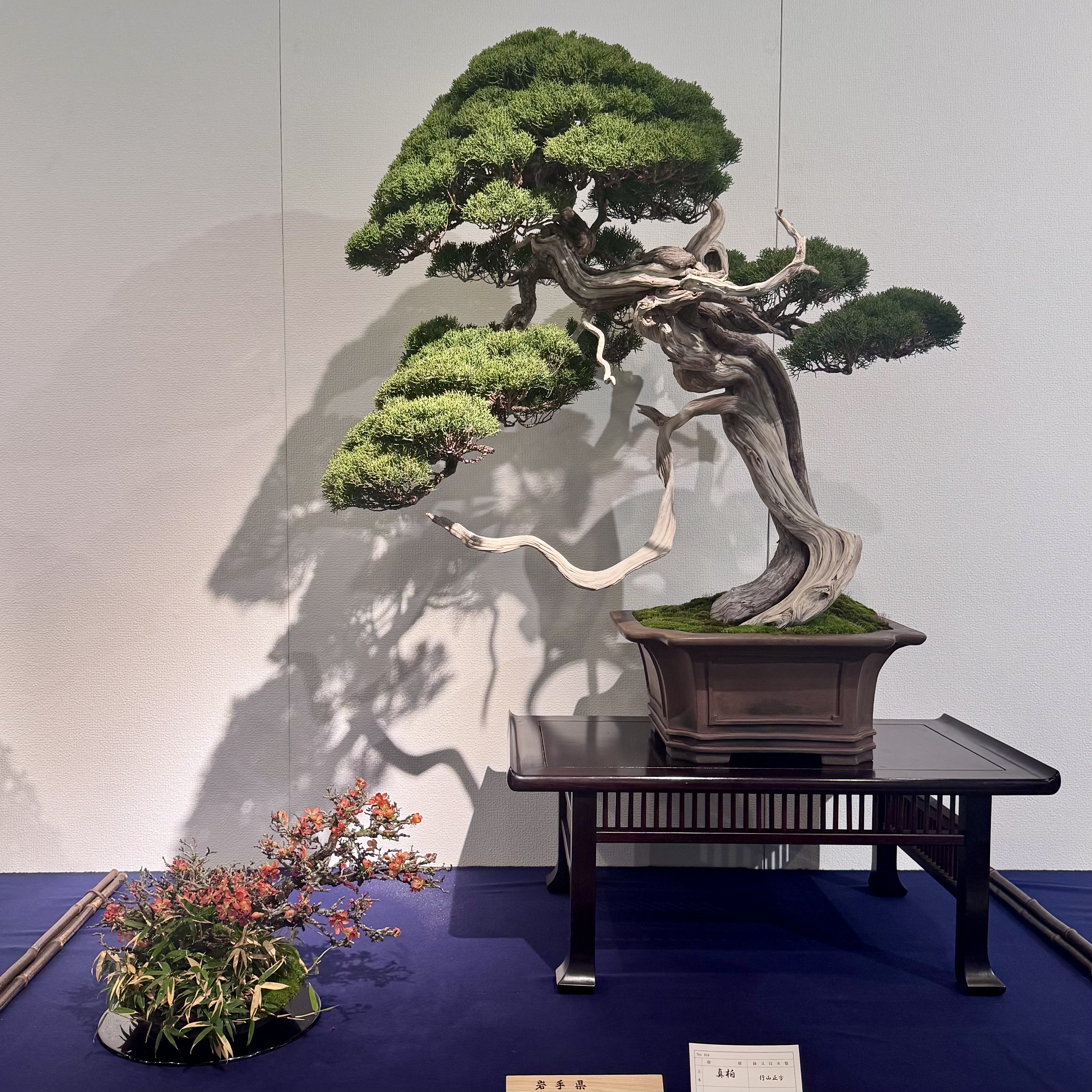
Shinpaku Juniper; Kokufu Prize.

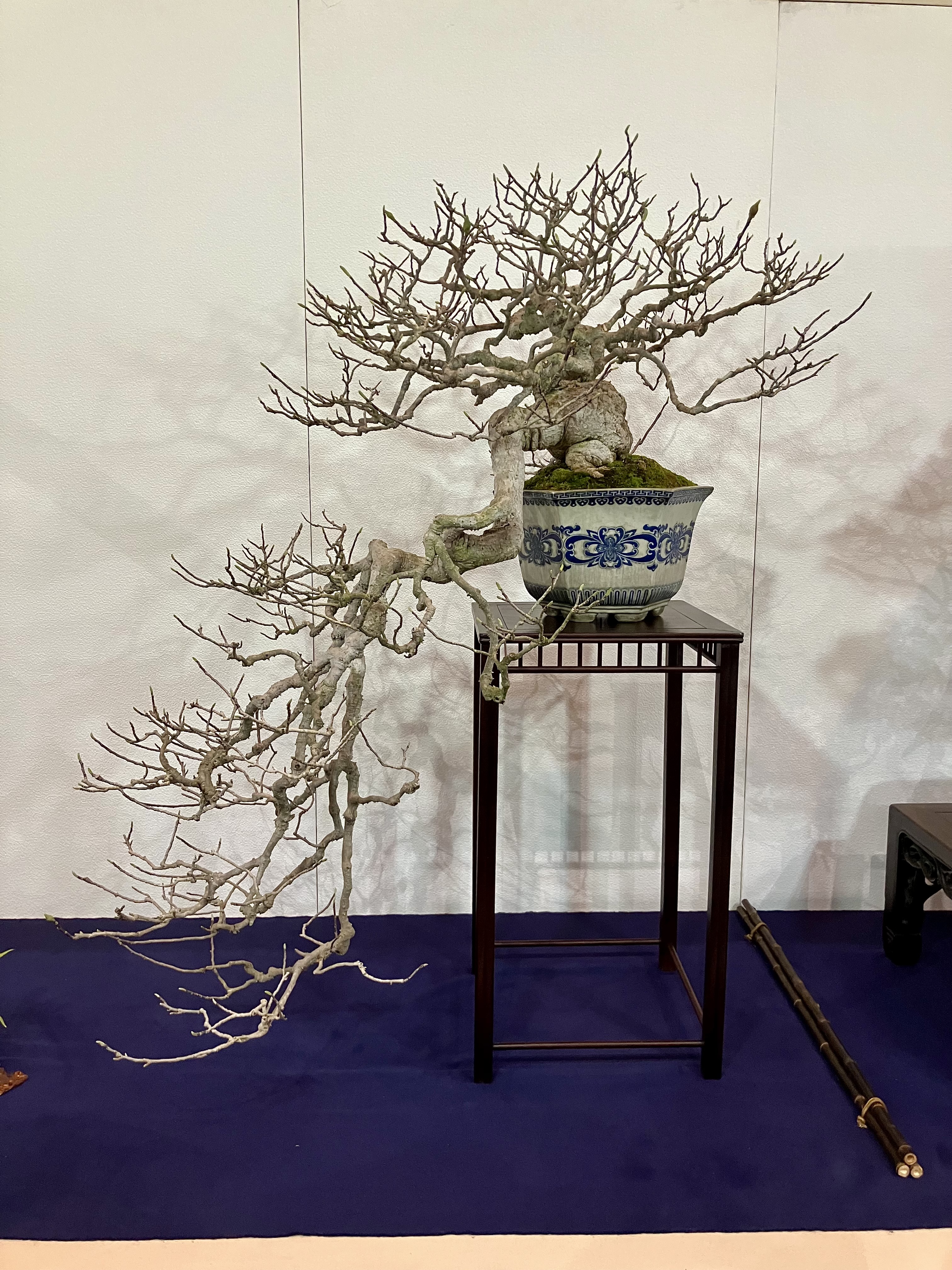
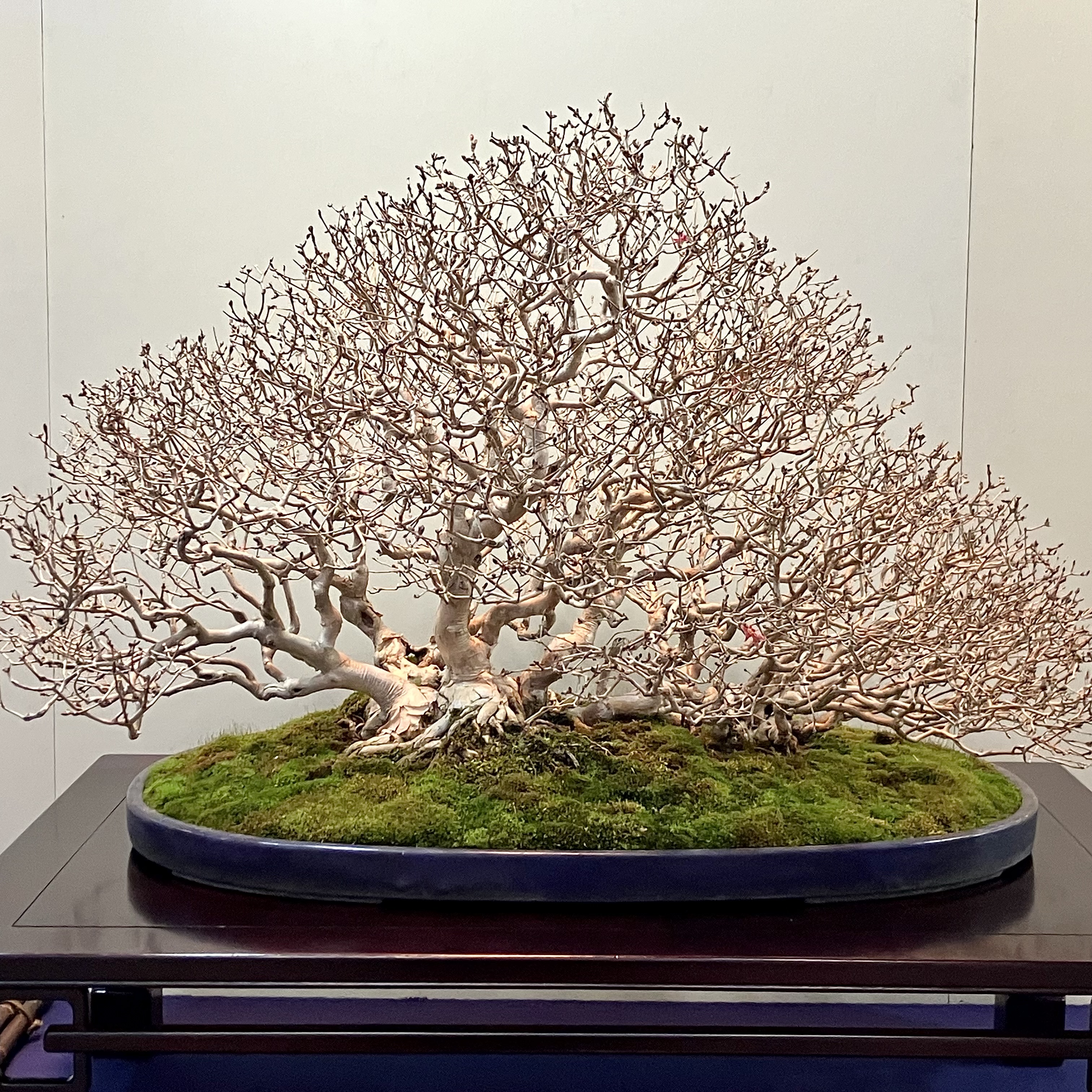
Magnolia. Resets the tone with an airy whimsicality.

Shinpaku Juniper; Kokufu Prize.

Selaginella, or club moss (light green plant).

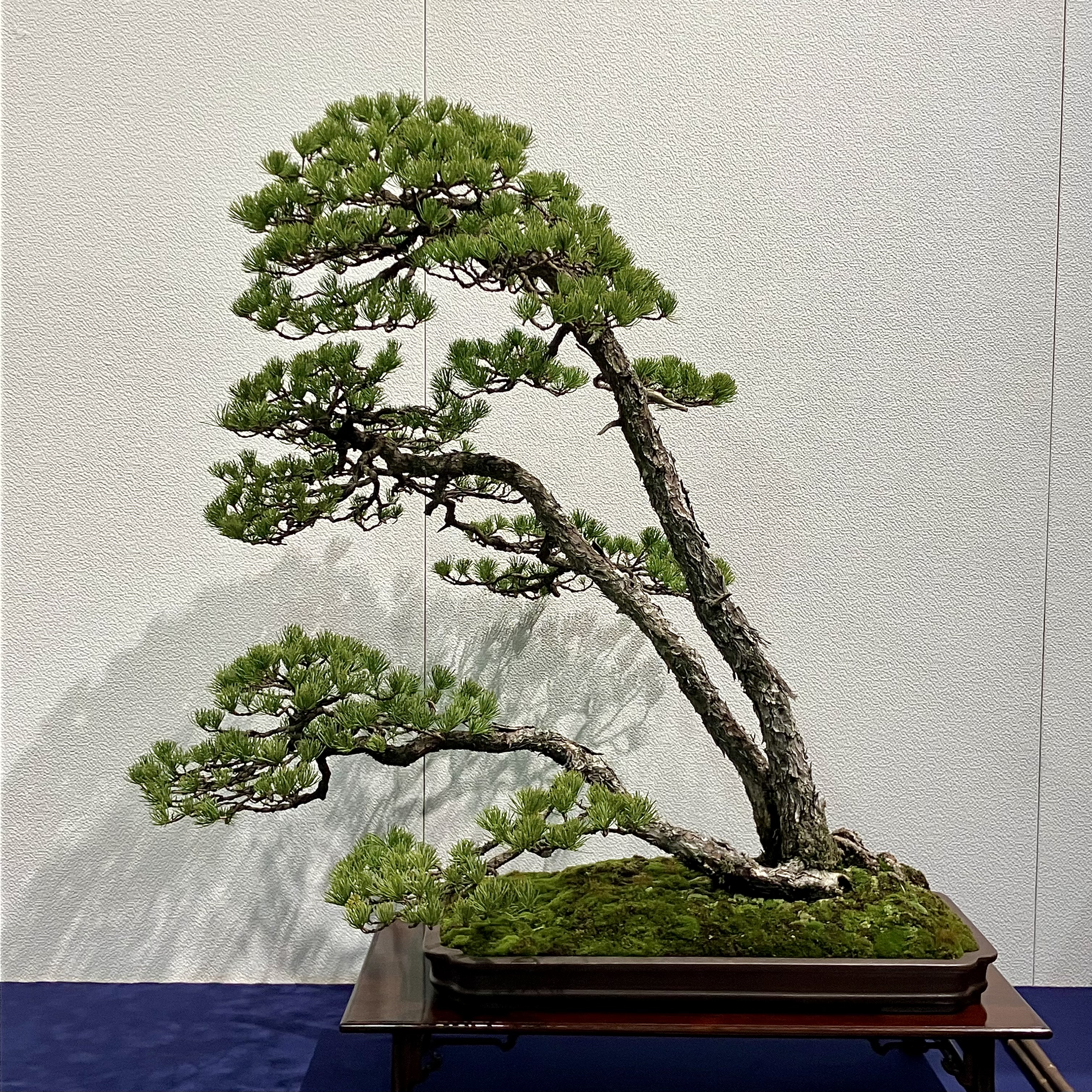
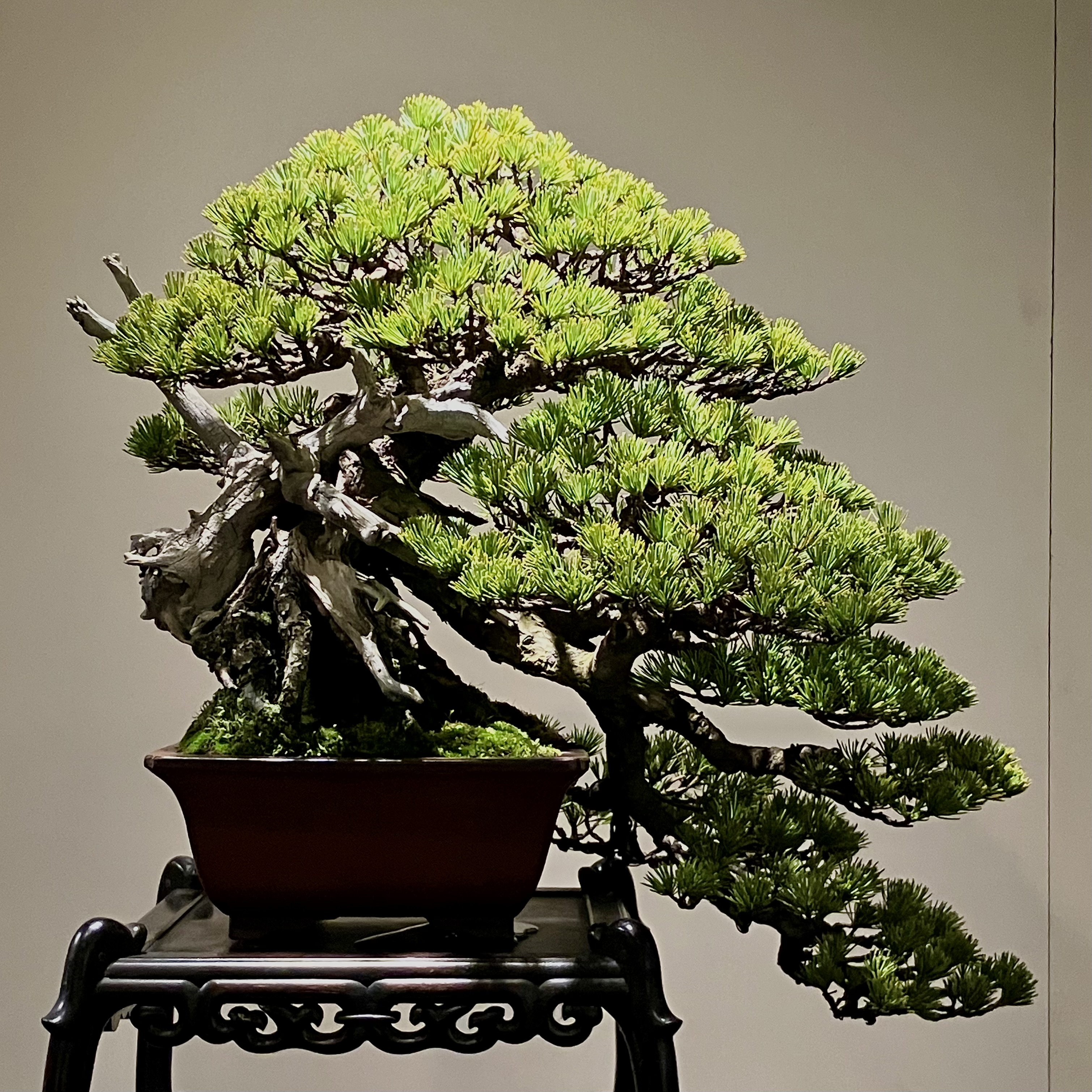
Japanese White Pine. A quiet multiple-trunk bunjin. The Kokufu highlights thicker-trunked trees.

Trident Maple. Grown in a small pot it’s whole life, maybe 75 years.

Ume.

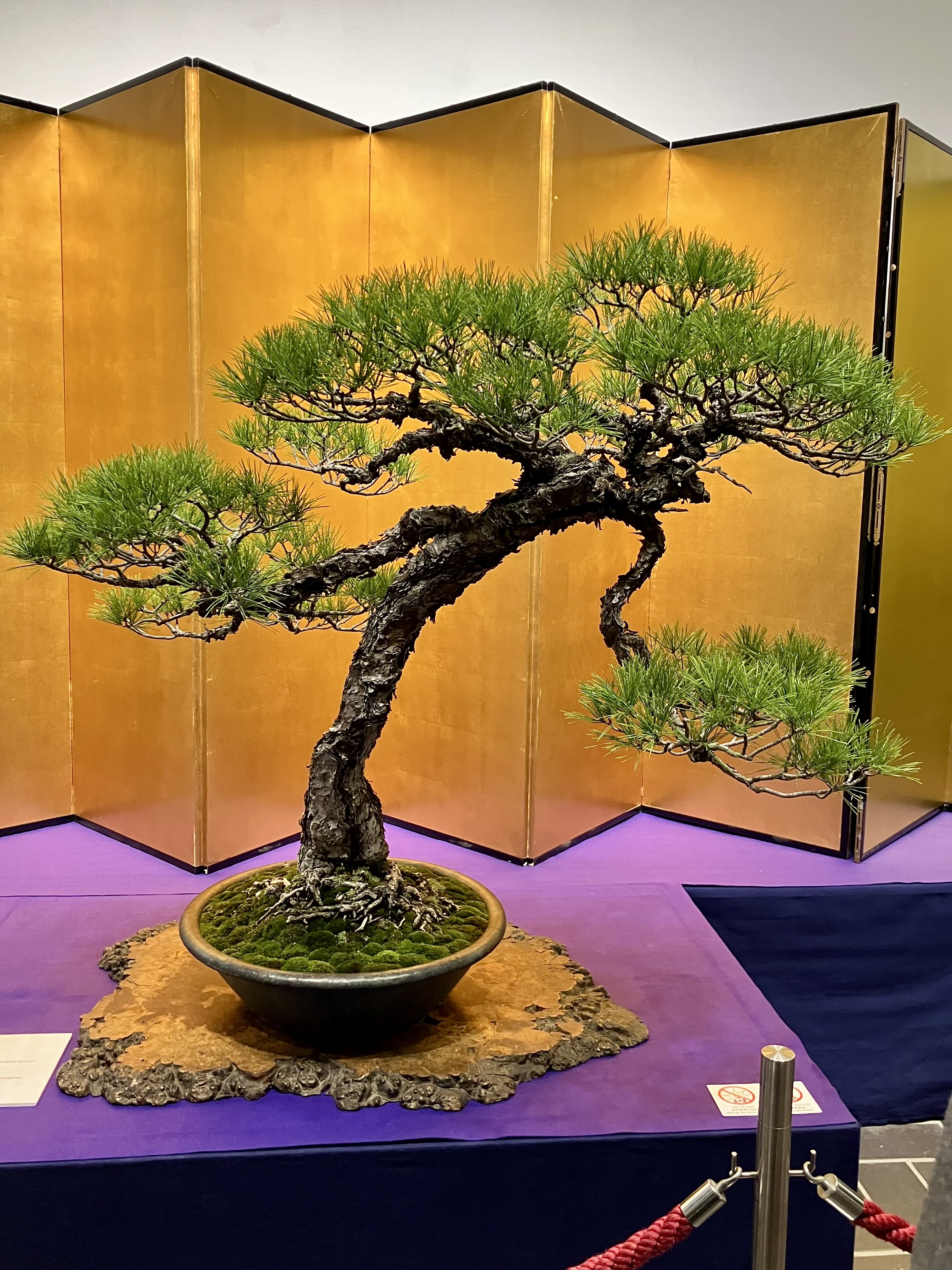
Red Pine from the Imperial Family. Notice the lack of conformity to modern bonsai expectations, particularly the lack of compaction.

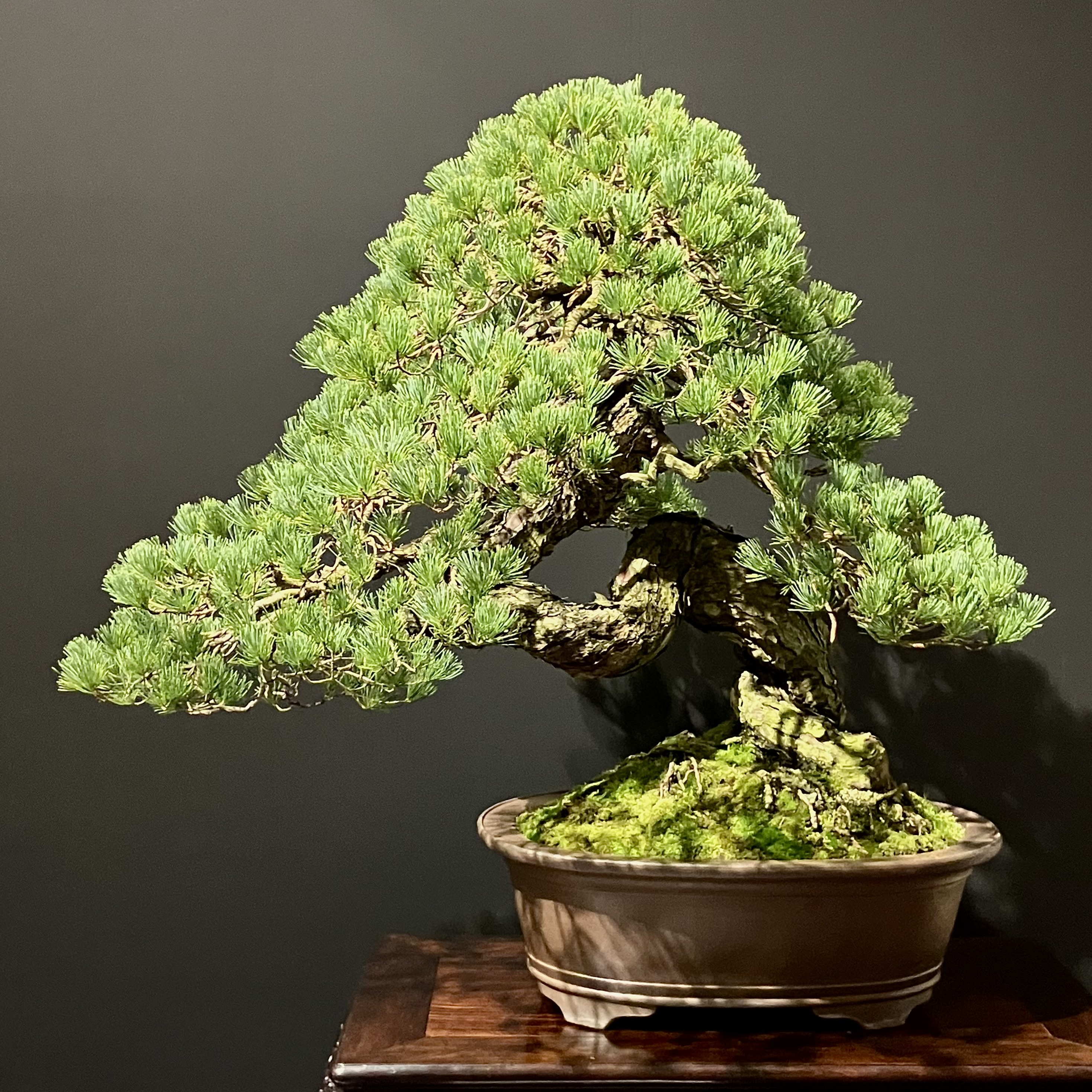
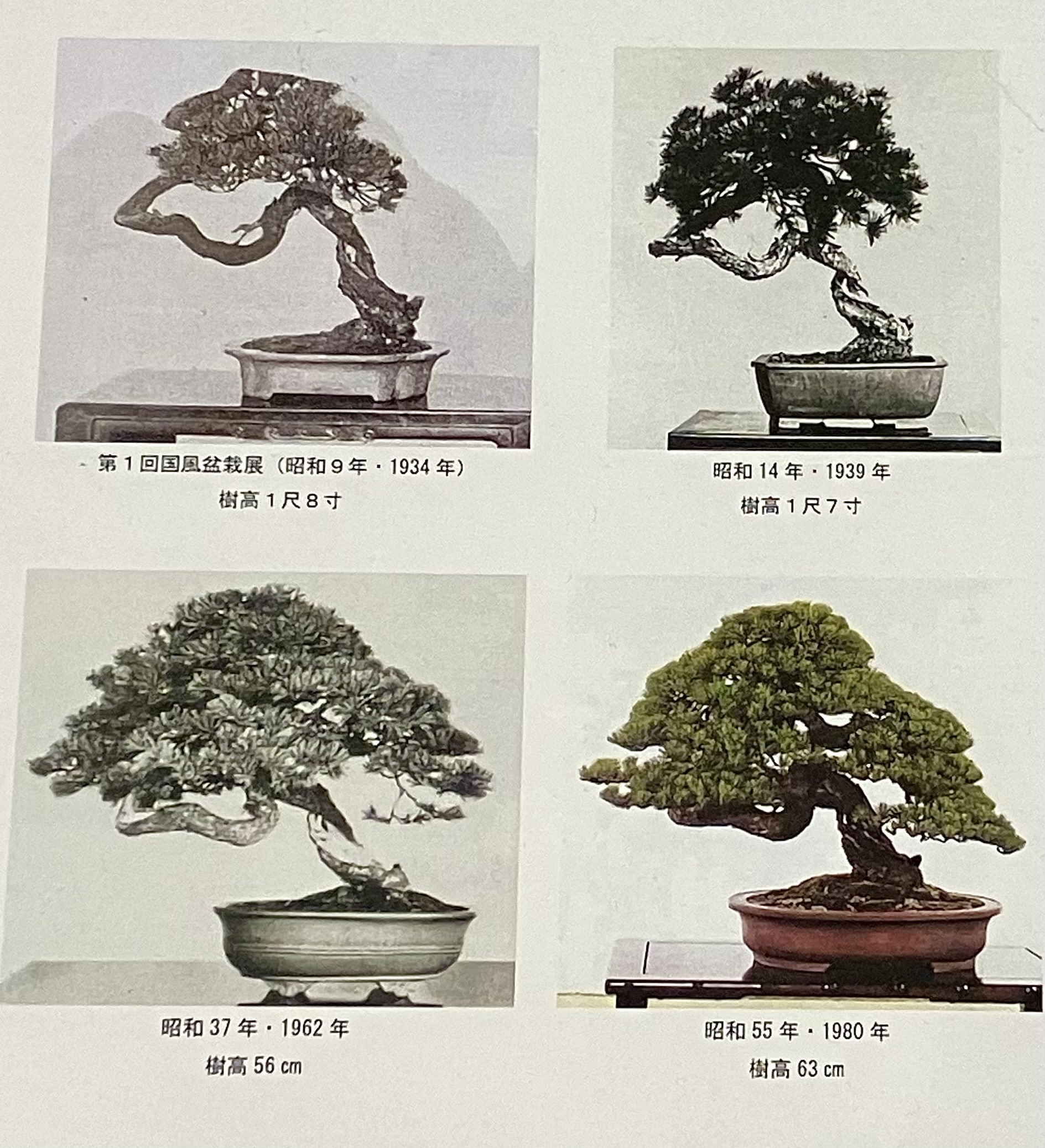
Japanese White Pine worked on by Mr. Shinji Suzuki. He was excited about this entry as it has a grand history…

The White Pine was shown in the first Kokufu-ten in 1934. It’s a great addition to this 100th show (not year, they took two years off and some of the early years had double shows). The entry is a nod to the durability of the show and the trees in it.

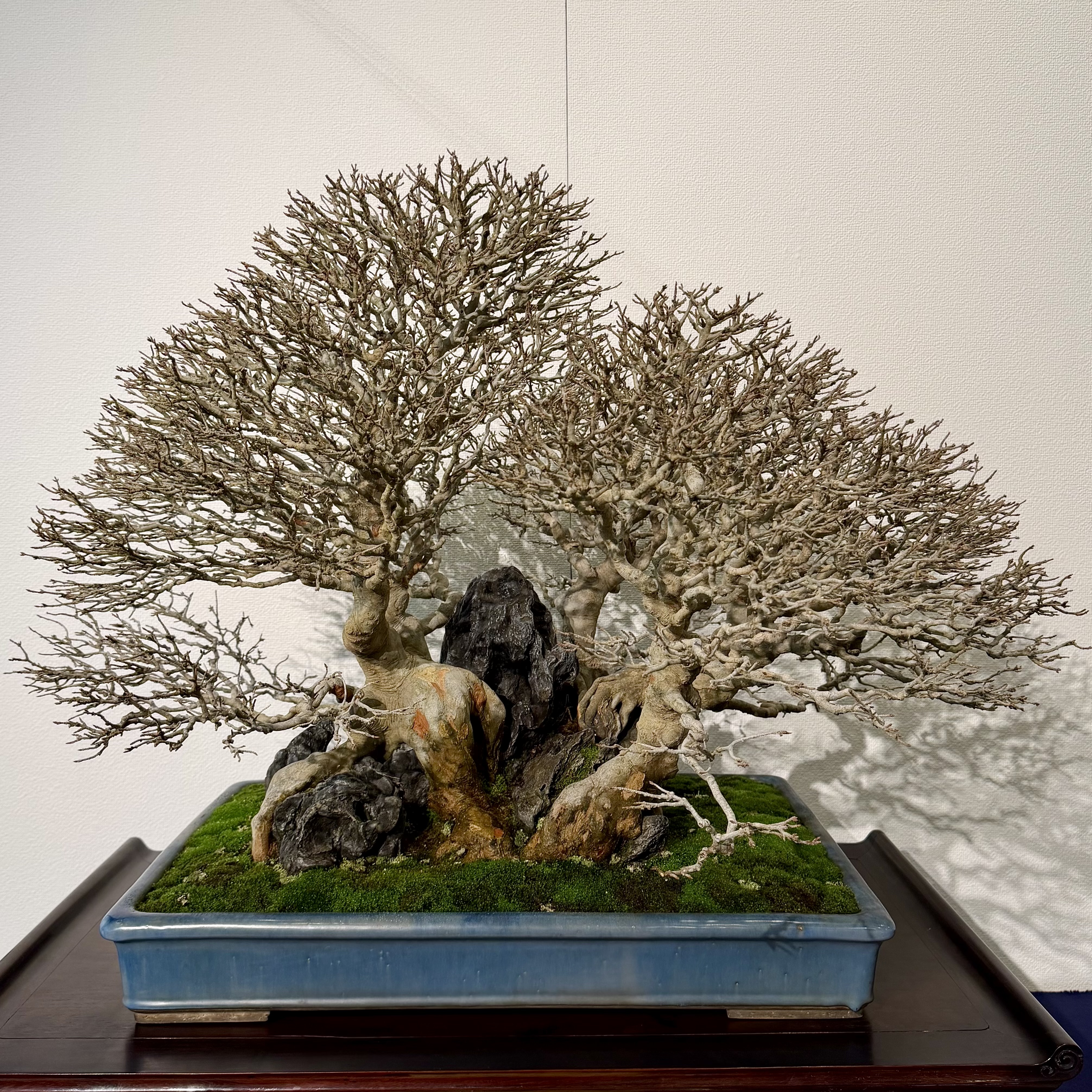
Zelkova.

Dwarf Flowering Quince ‘Chojubai’.

Honeysuckle.

Chinese Quince. The intense ramification at this small scale is not easy.

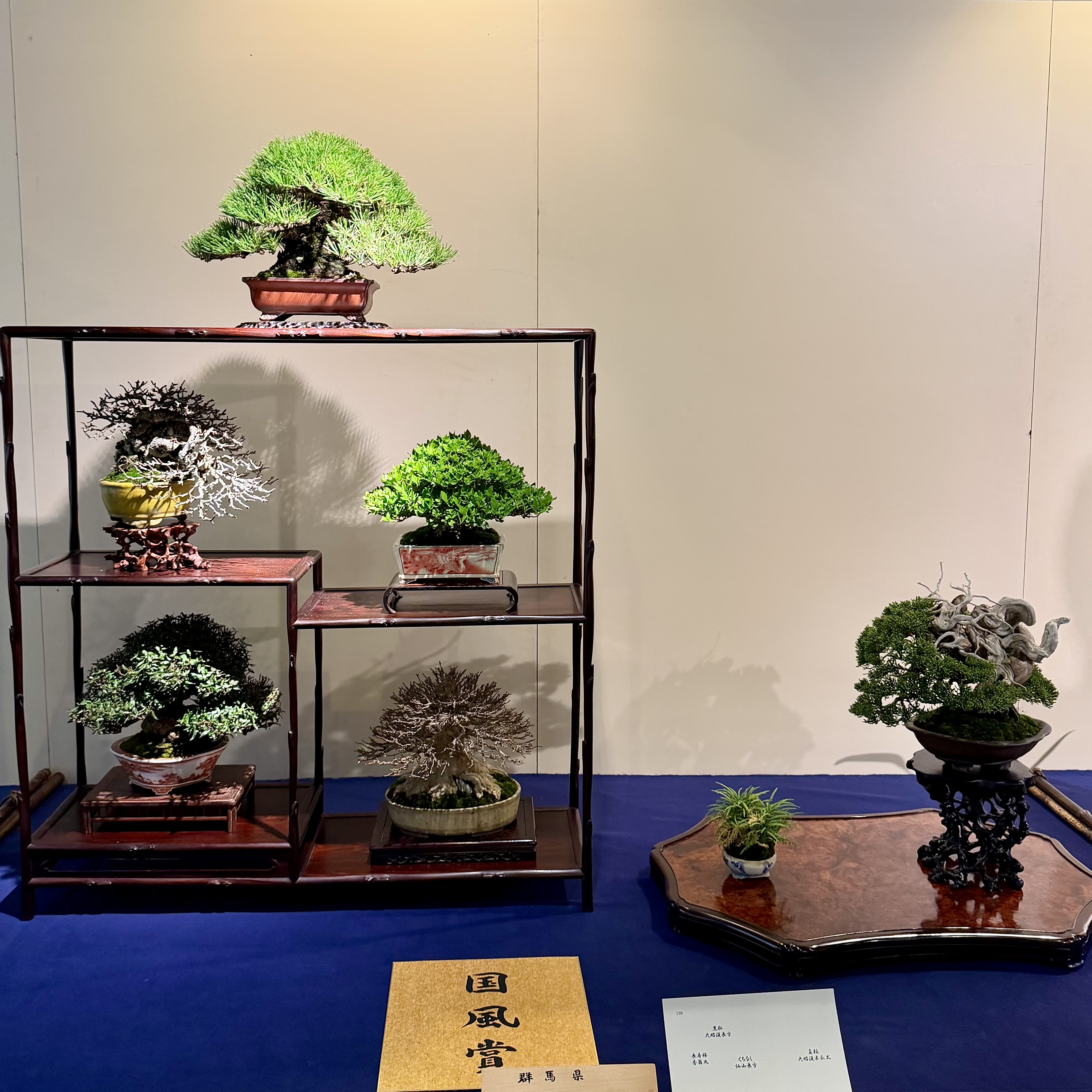
This medium sized display won a Kokufu Prize.

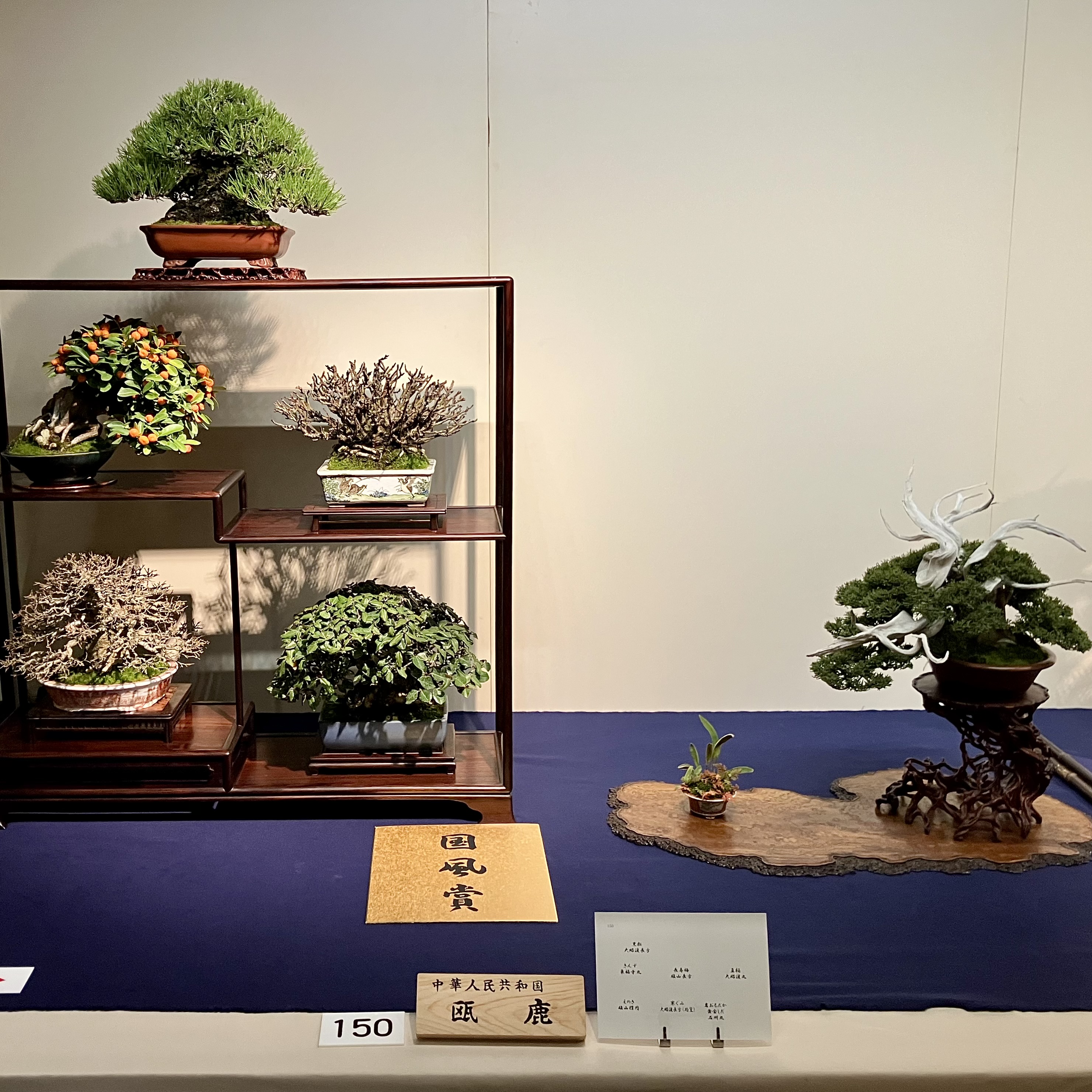
And the shohin displays notched a prize winner.

An unusual raised-root Japanese White Pine—the lowest branch falls away to the back.

Ume.

Ezo Spruce. Only a few spruce in this year’s show.
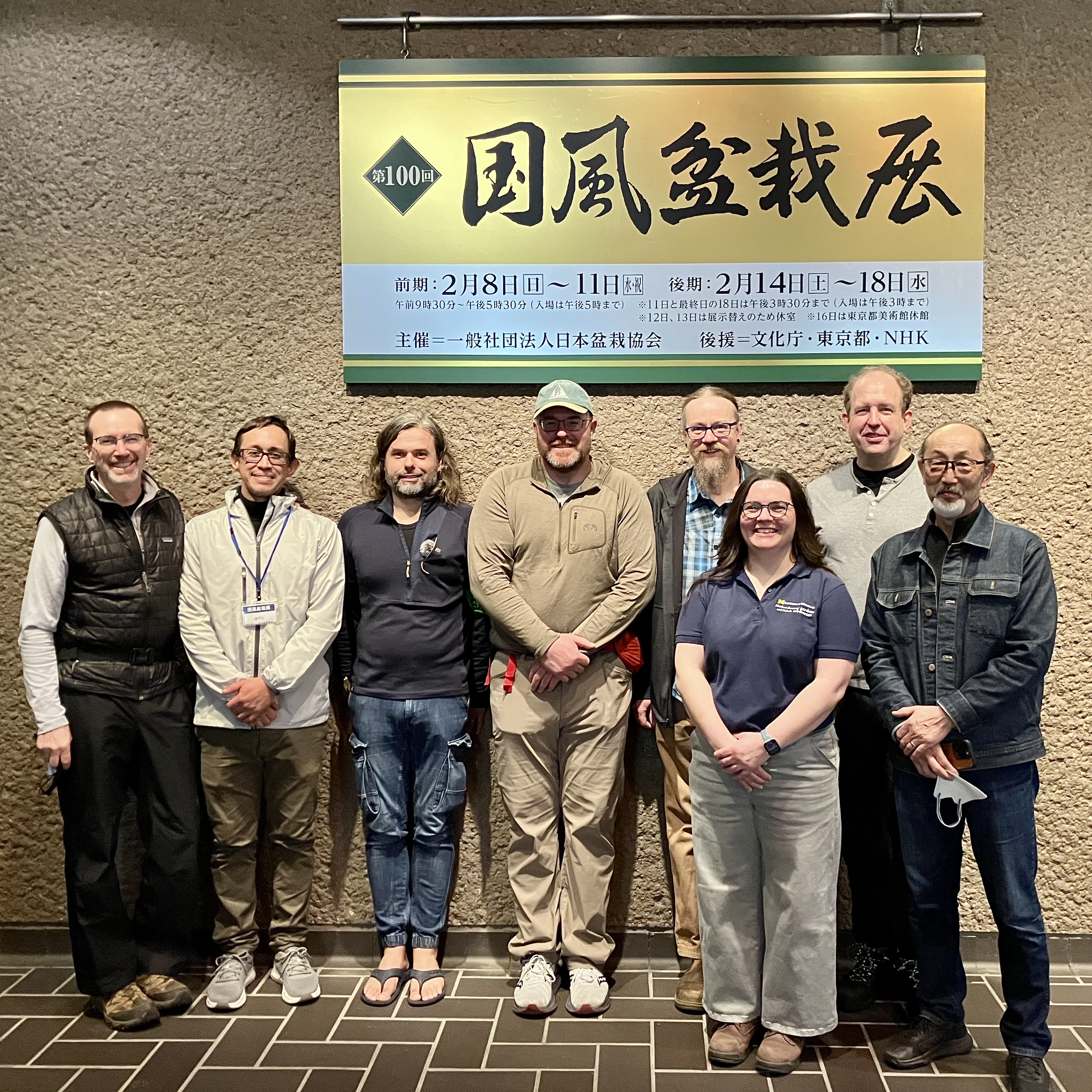
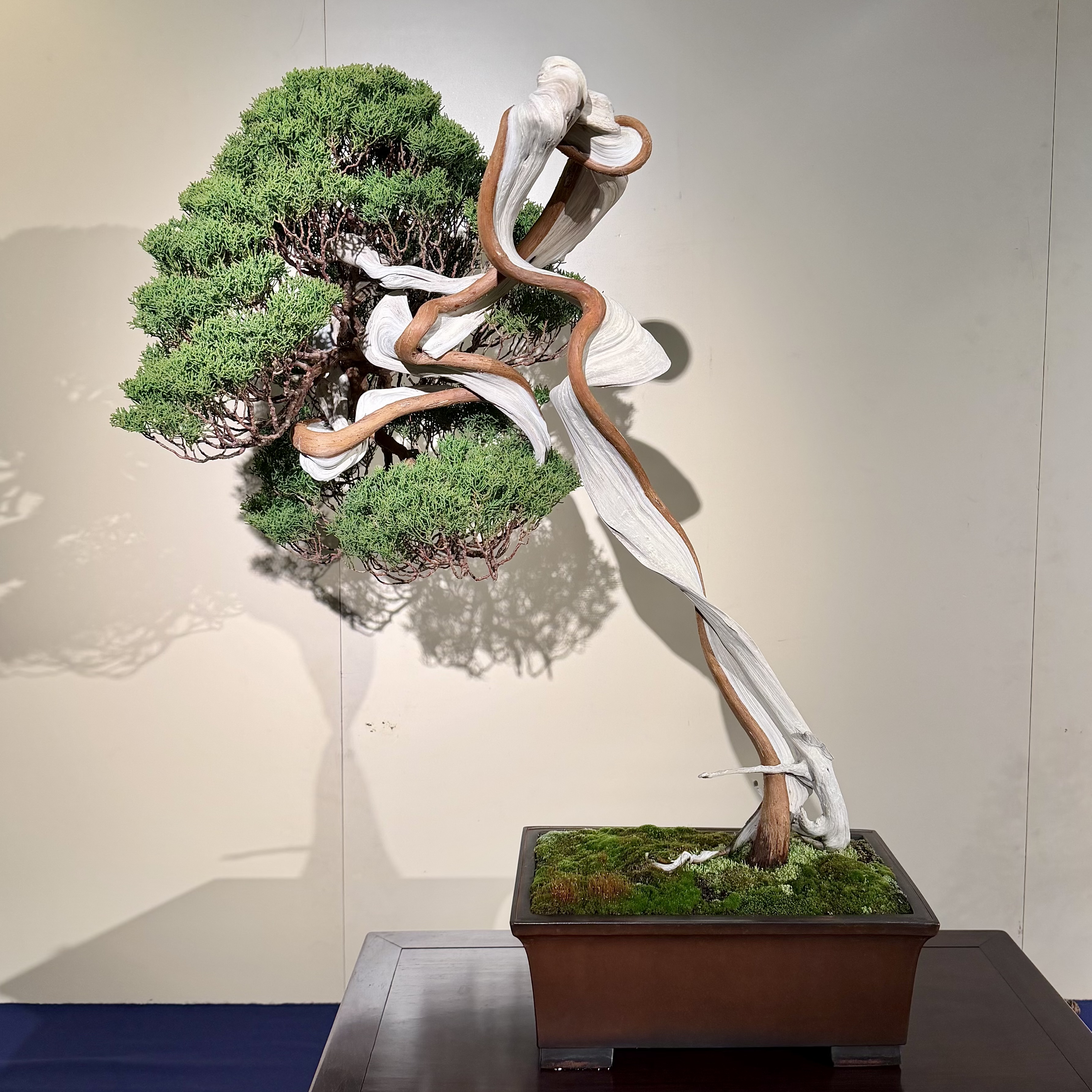
A gathering of global bonsai friends—left to right—myself, Juan Andrade, Mario Komsta, Peter Gregg, John Eads, Carmen Leskoviansky, Evan Cordes, and Masaki Shimada. 

I’m back home already, but with spies abroad I hope to offer a photo reel of Part II—


  •  

2026 Kokufu-ten: Part 2

Many thanks to Evan Cordes, Carmen Leskoviansky, and Masaki Shimada for these photos of Kokufu-ten Part 2.

The Kokufu is well-known to showcase impressive, thick-trunked, dizzyingly developed old bonsai. I’ve included some of those meat and potato trees, but whimsy also shows up here and there. In this Part 2 I’ve included some of that.

Shinpaku. Crazy live vein.

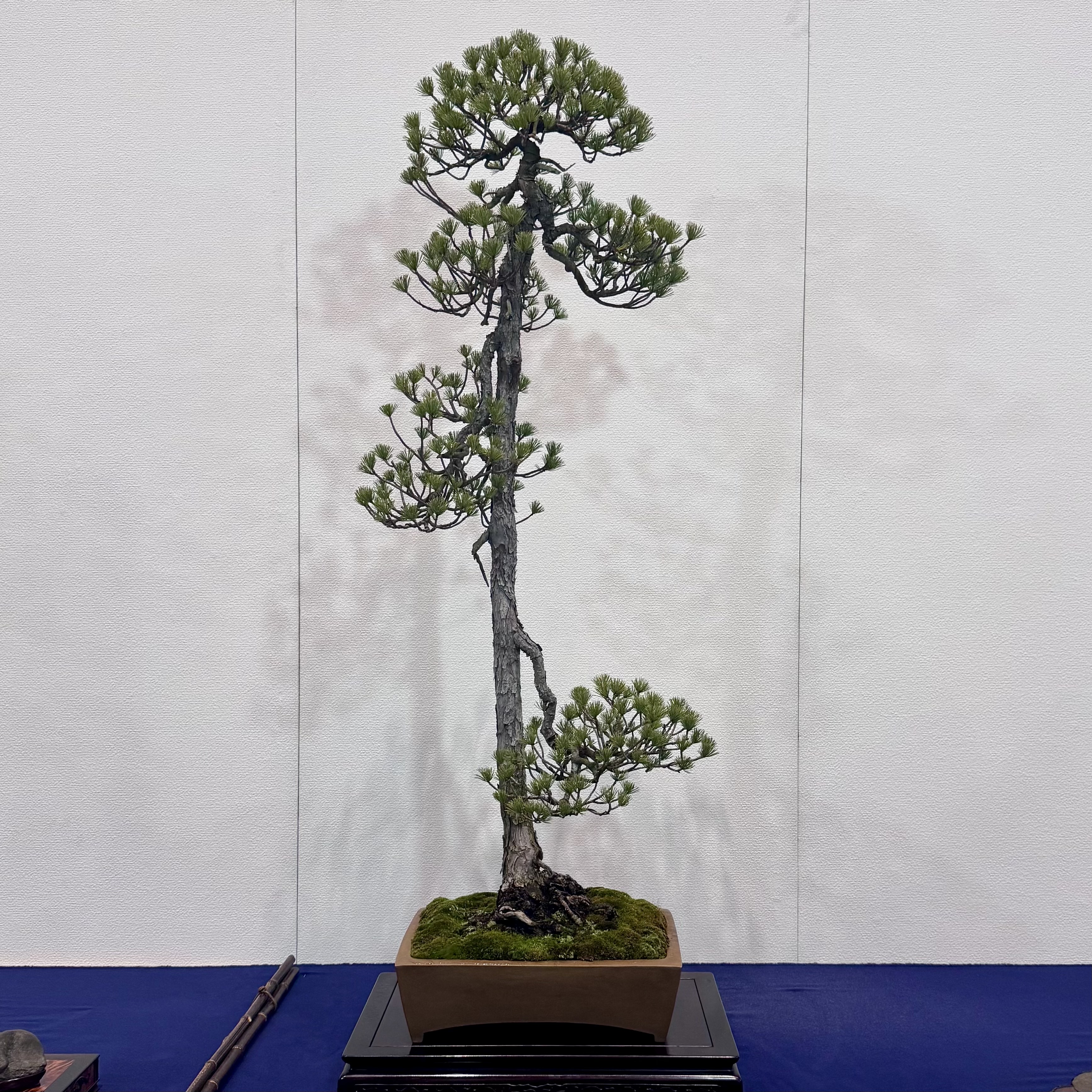
Japanese White Pine. A formal-ish upright bunjin in a simple bridge pot.

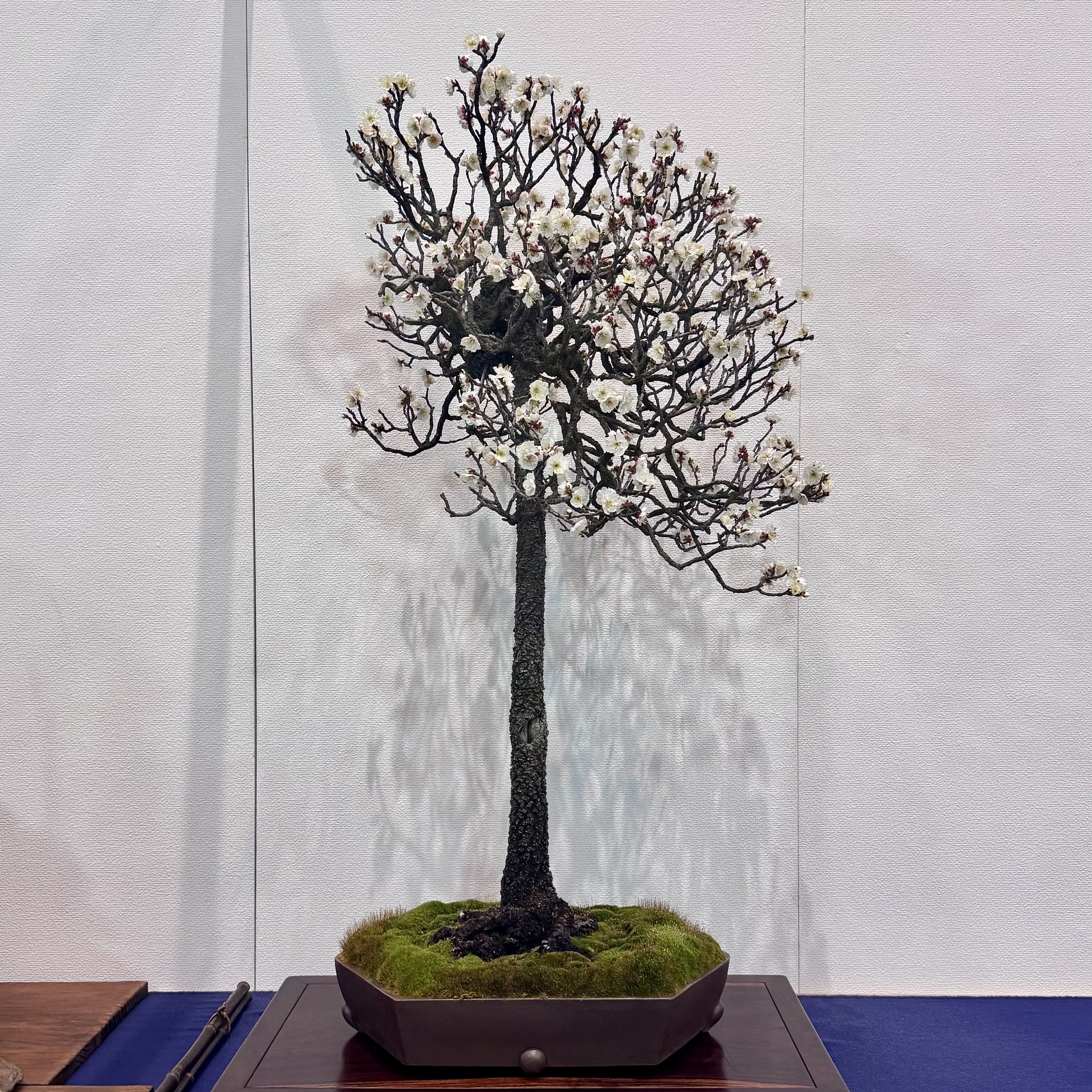
Hitting the same note twice, here’s a formal upright Ume. Never seen that before. Appears to be in a hexagonal rectangle.

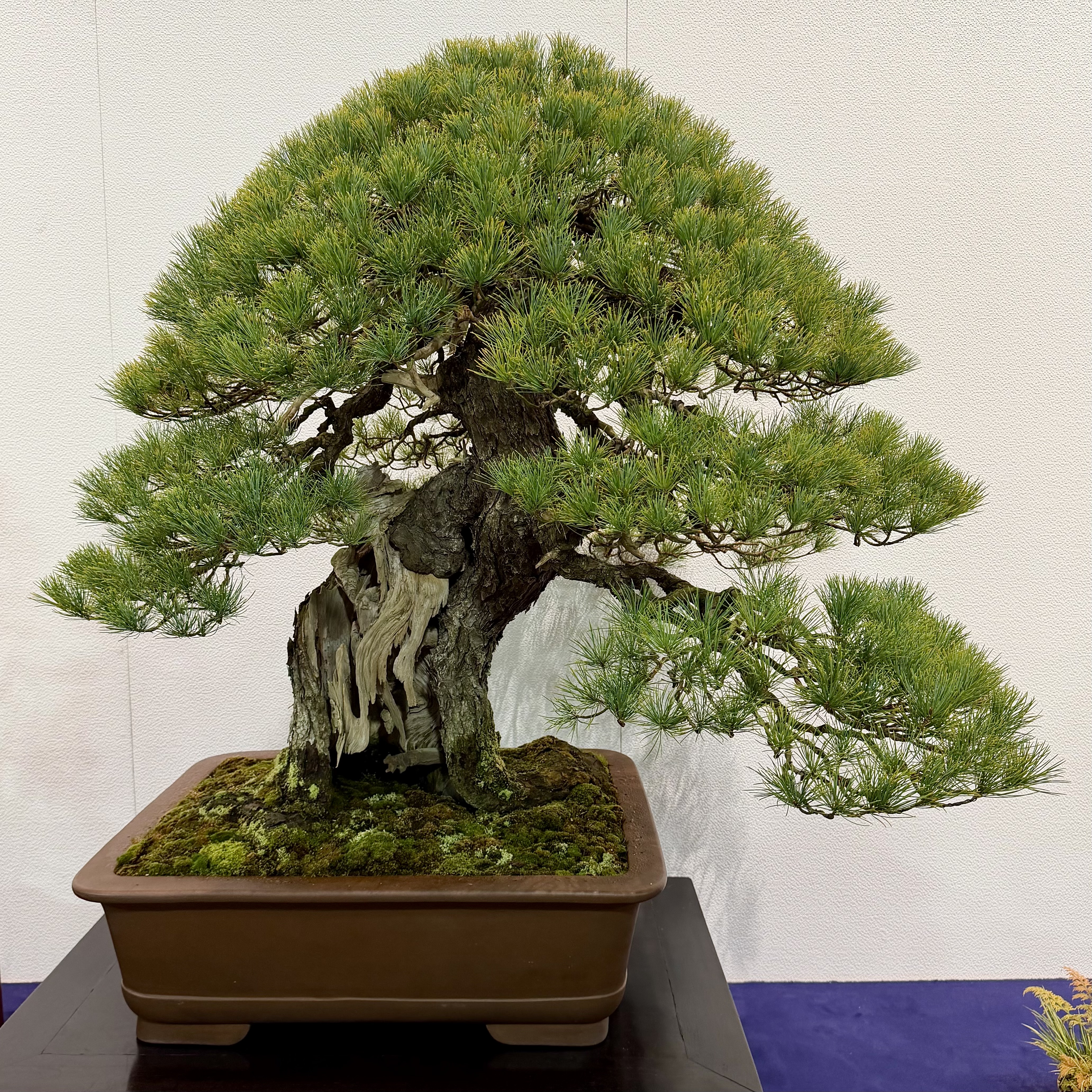
Japanese White Pine. Big famous tree. This was in Mr. Suzuki’s garden when I first arrived in 2003.

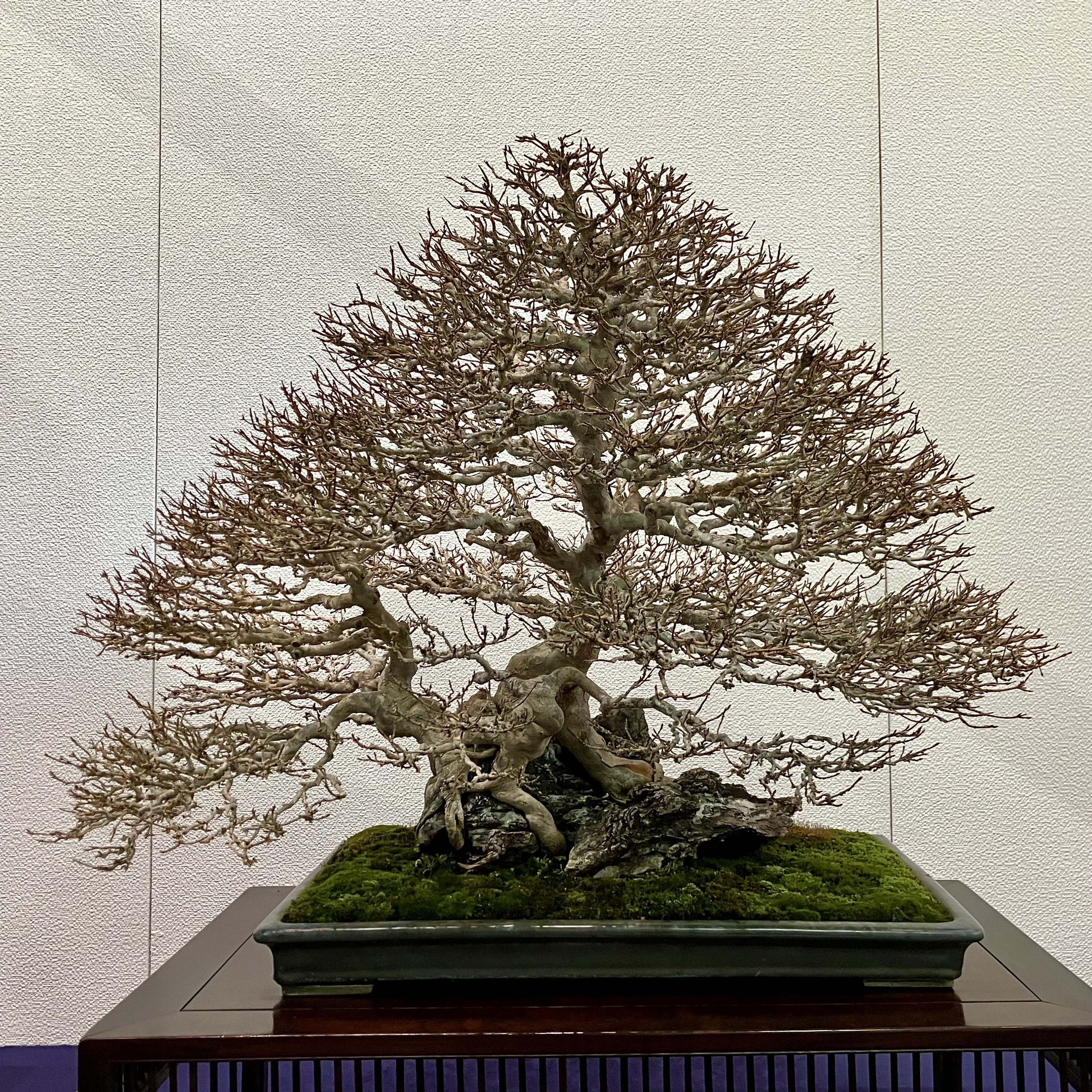
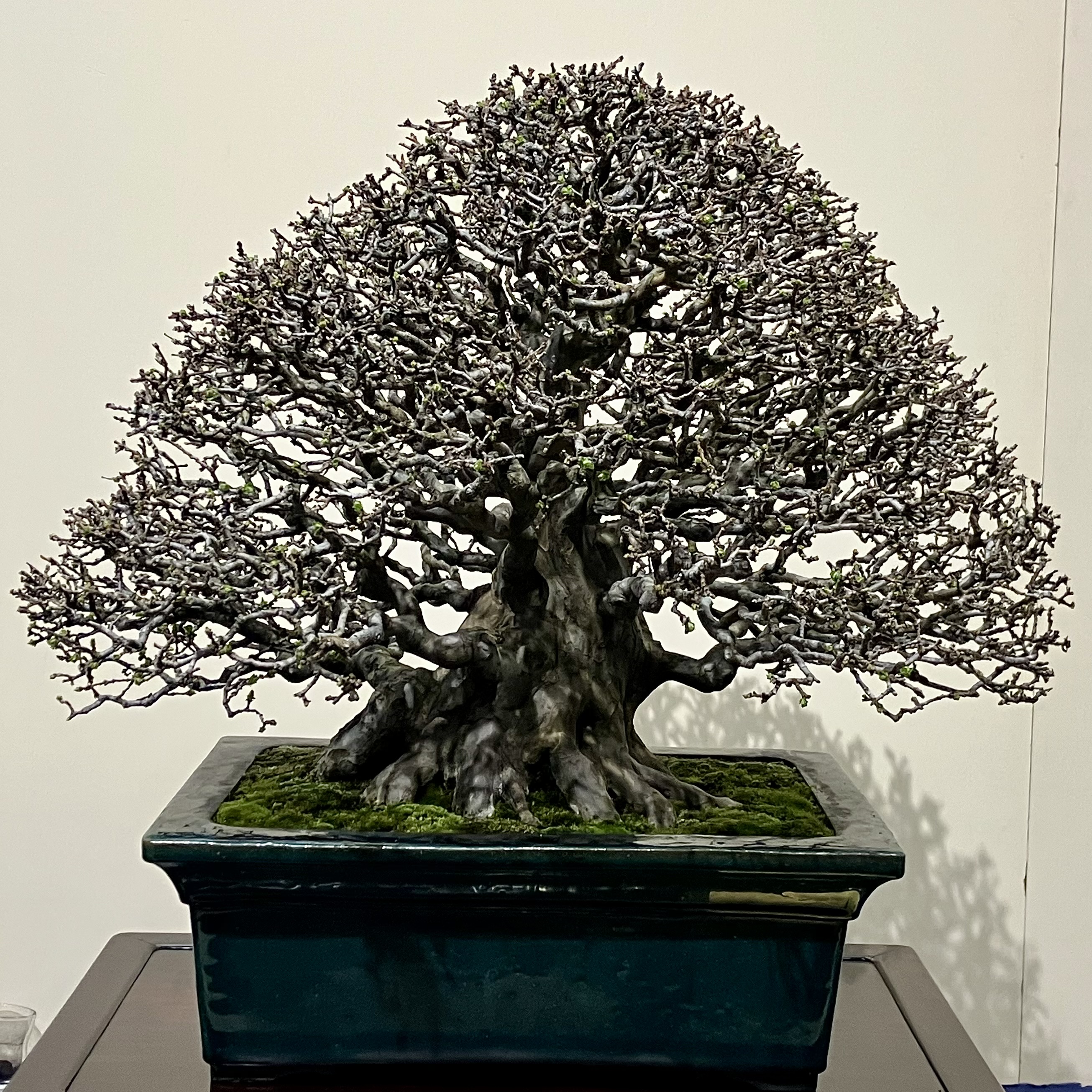
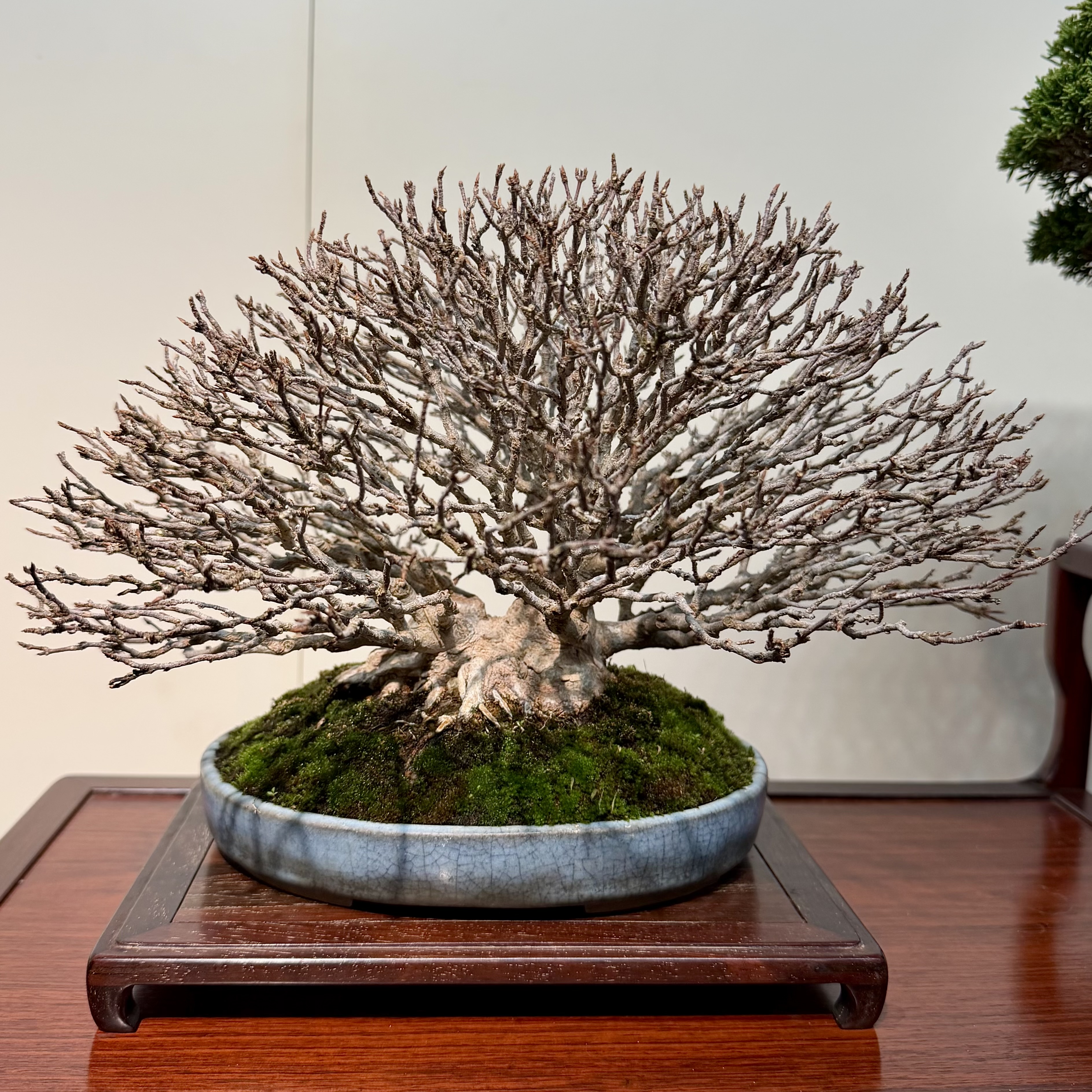
Hornbeam.

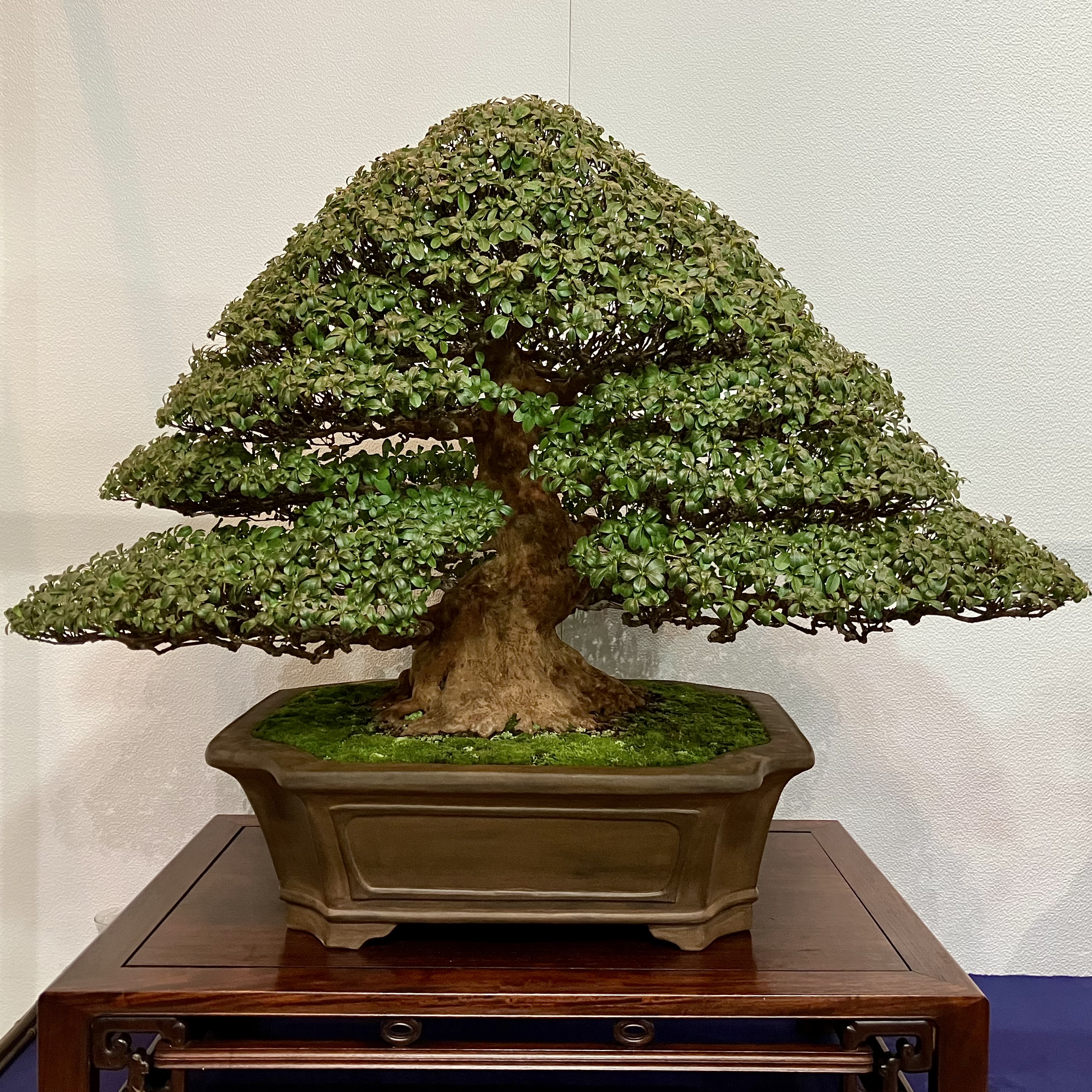
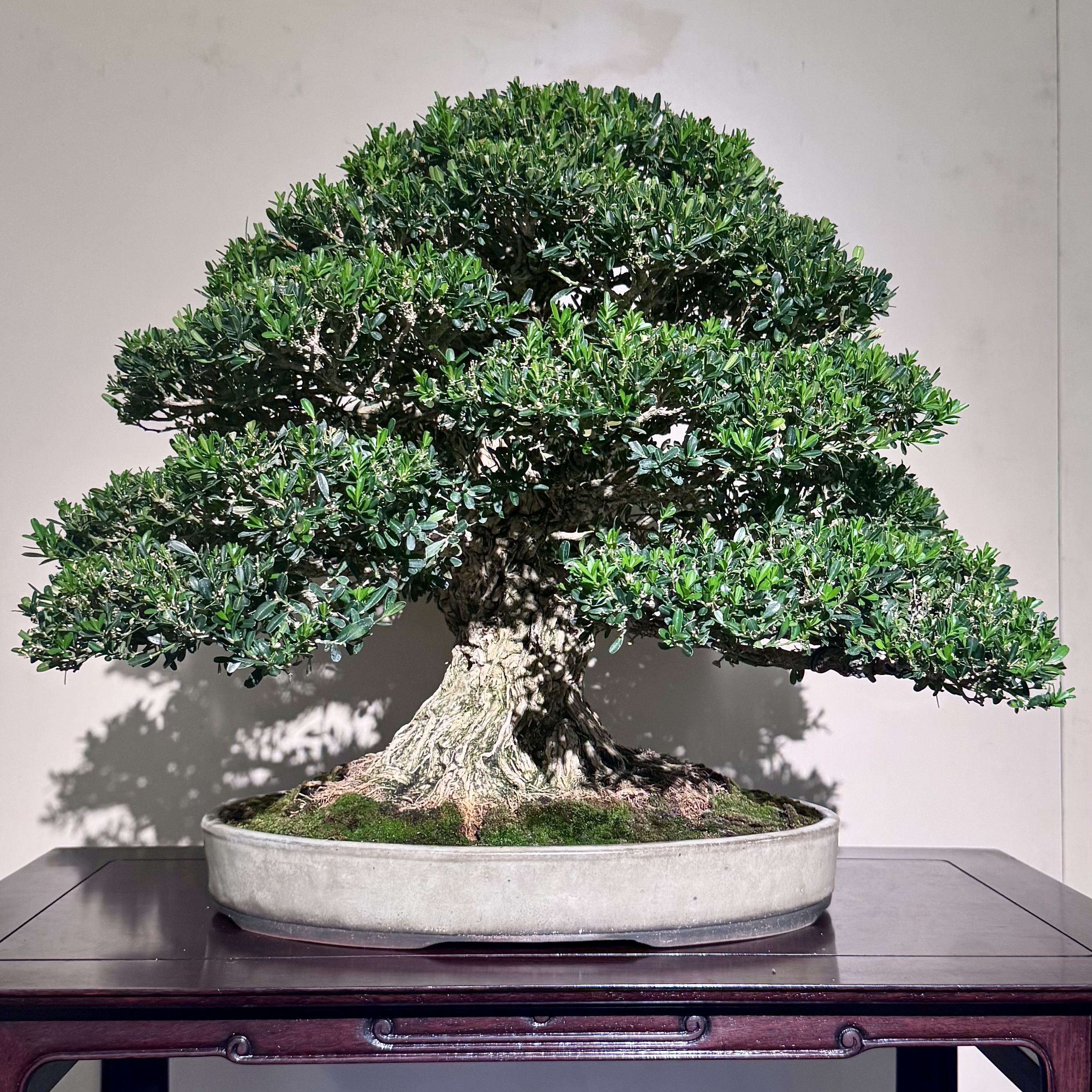
A Harland Boxwood. Unusual in the Kokufu. Excellent nebari. You’d struggle to get a fine and detailed nebari like this in the ground, likely pot-grown from a cutting or air-layer.

Root over rock Trident Maple.

This shohin display got a Kokufu Prize.

A swirling Shinpaku. Likely grafted foliage, it usually is when fine and tight. But not always.

A smaller Trident Maple.

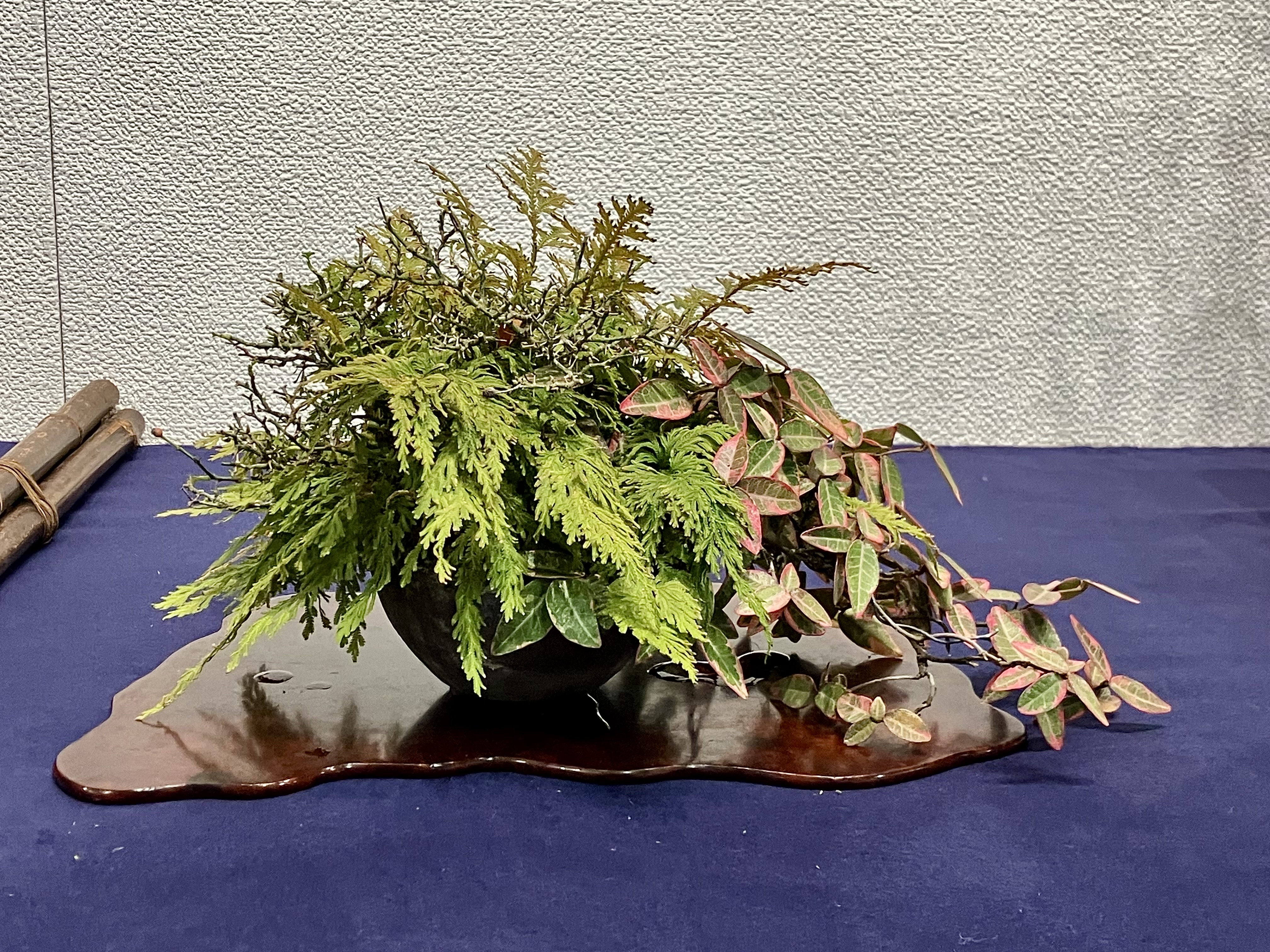
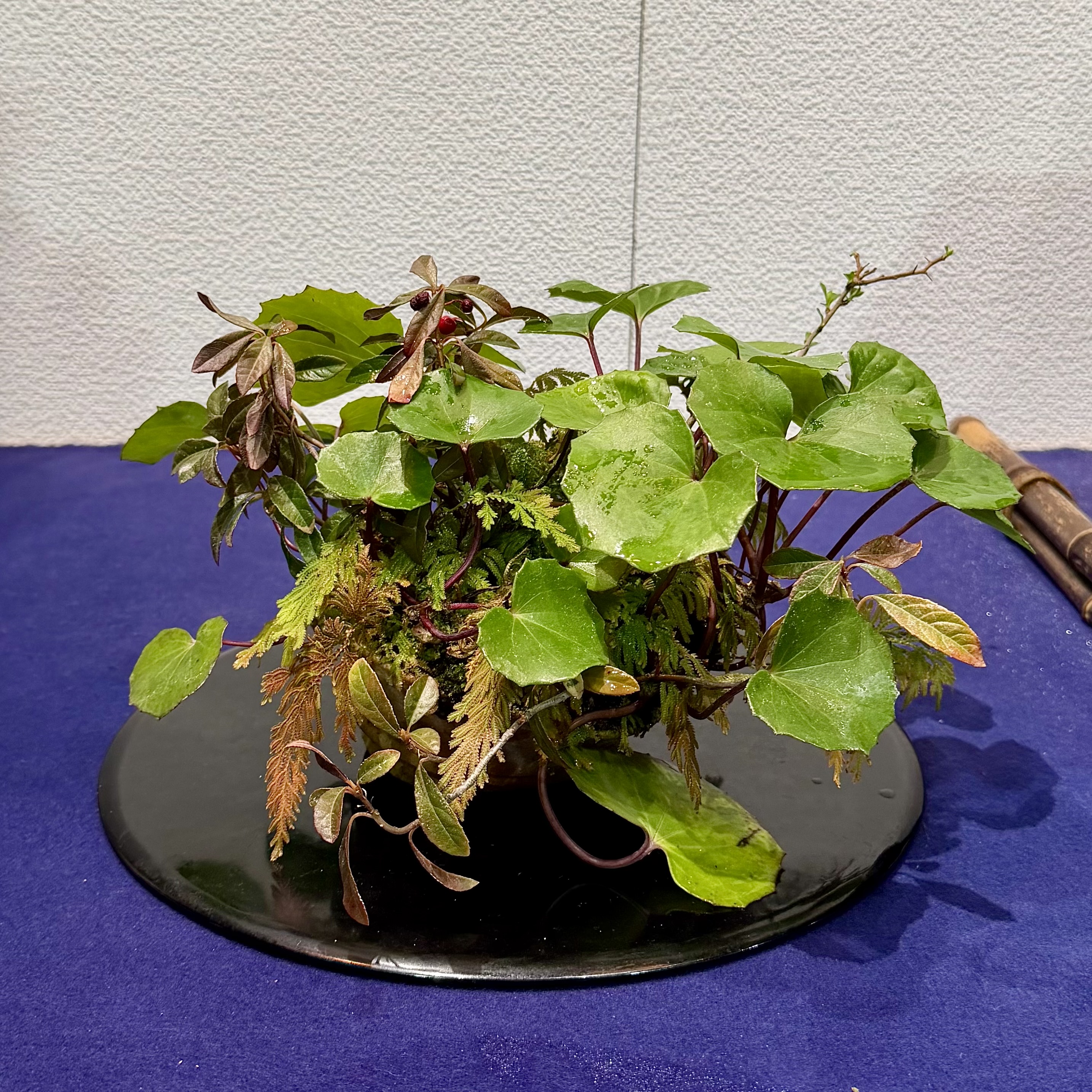
Lovely accent.

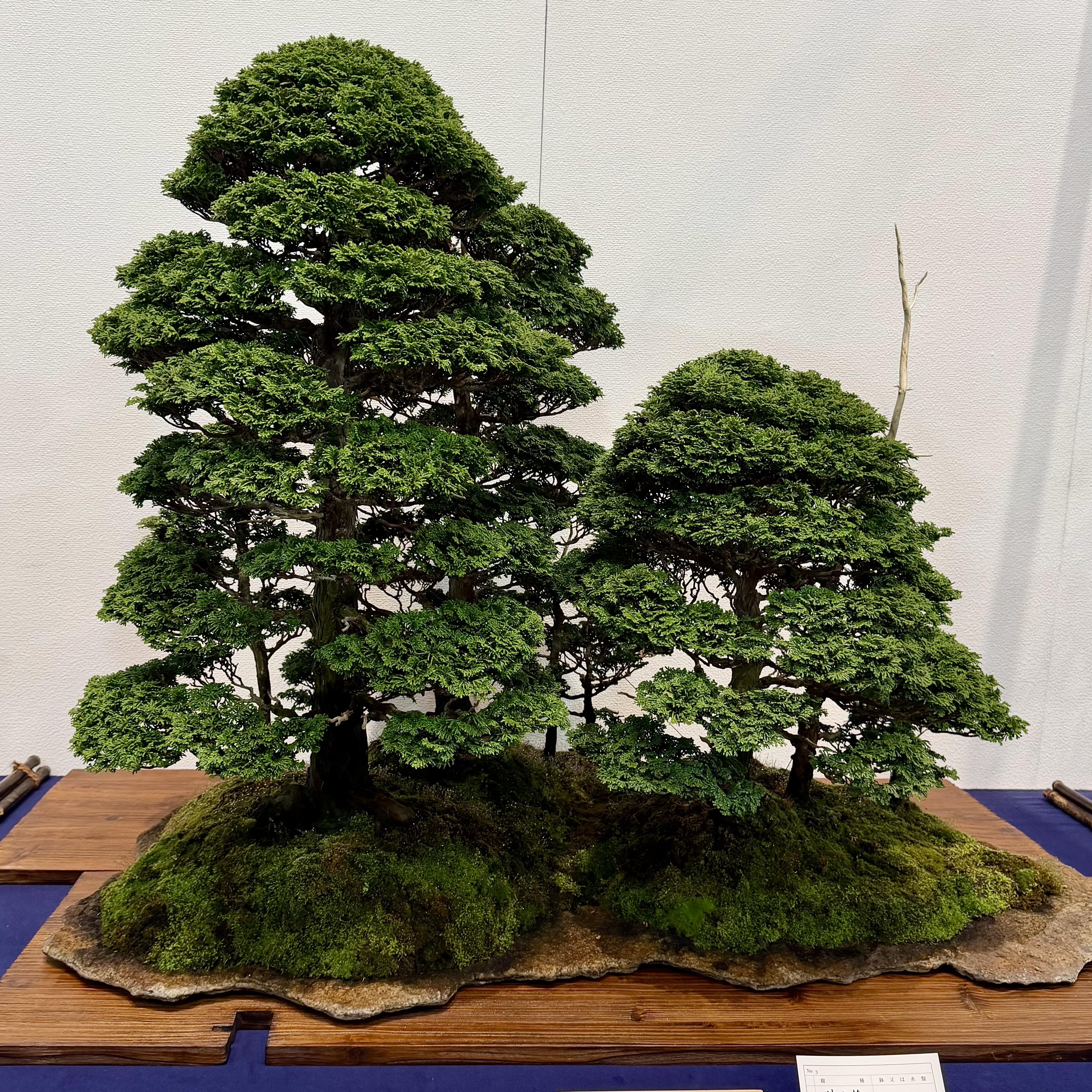
Hinoki forest. That tenjin deadwood rising off the right side strikes me as odd and out of place. Especially coming from one of the younger trees.

Needle Juniper. Kokufu Prize.

Japanese Maple.

A dancing pair of Shinpaku and Chojubai.

Japanese Red Pine.

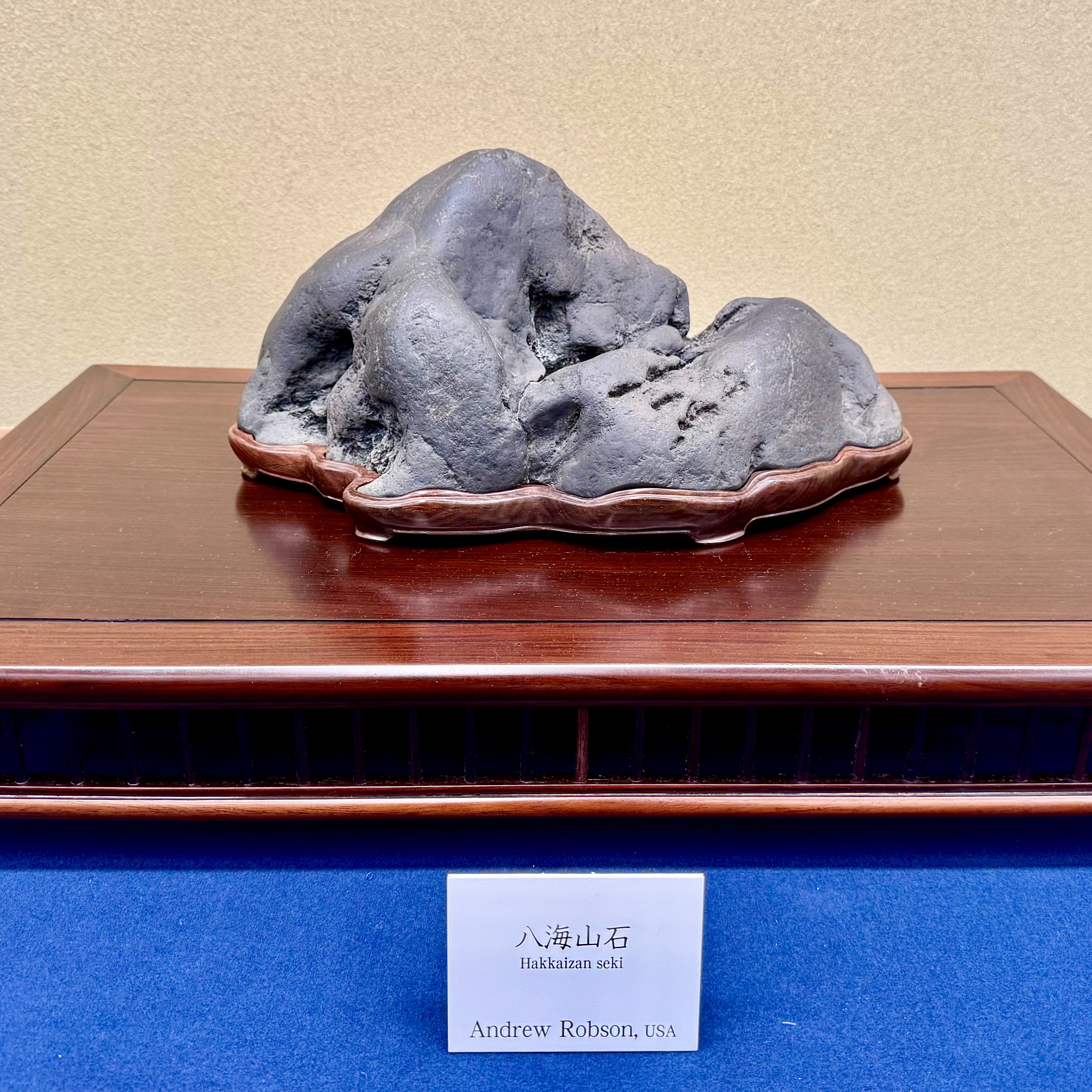
A stone exhibited by former apprentice Andrew Robson.

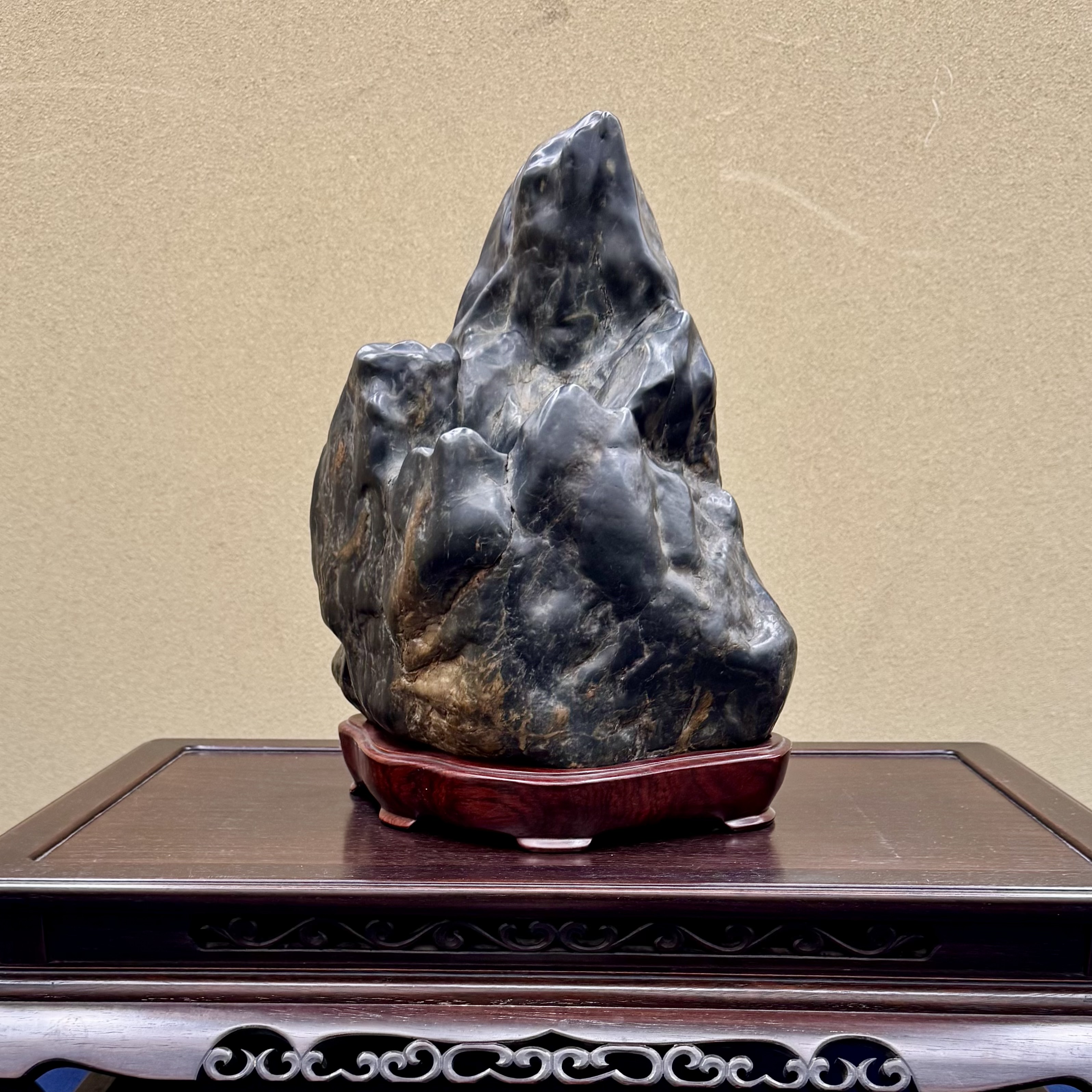
And another stone shown by Andrew’s father, Jeffrey Robson.

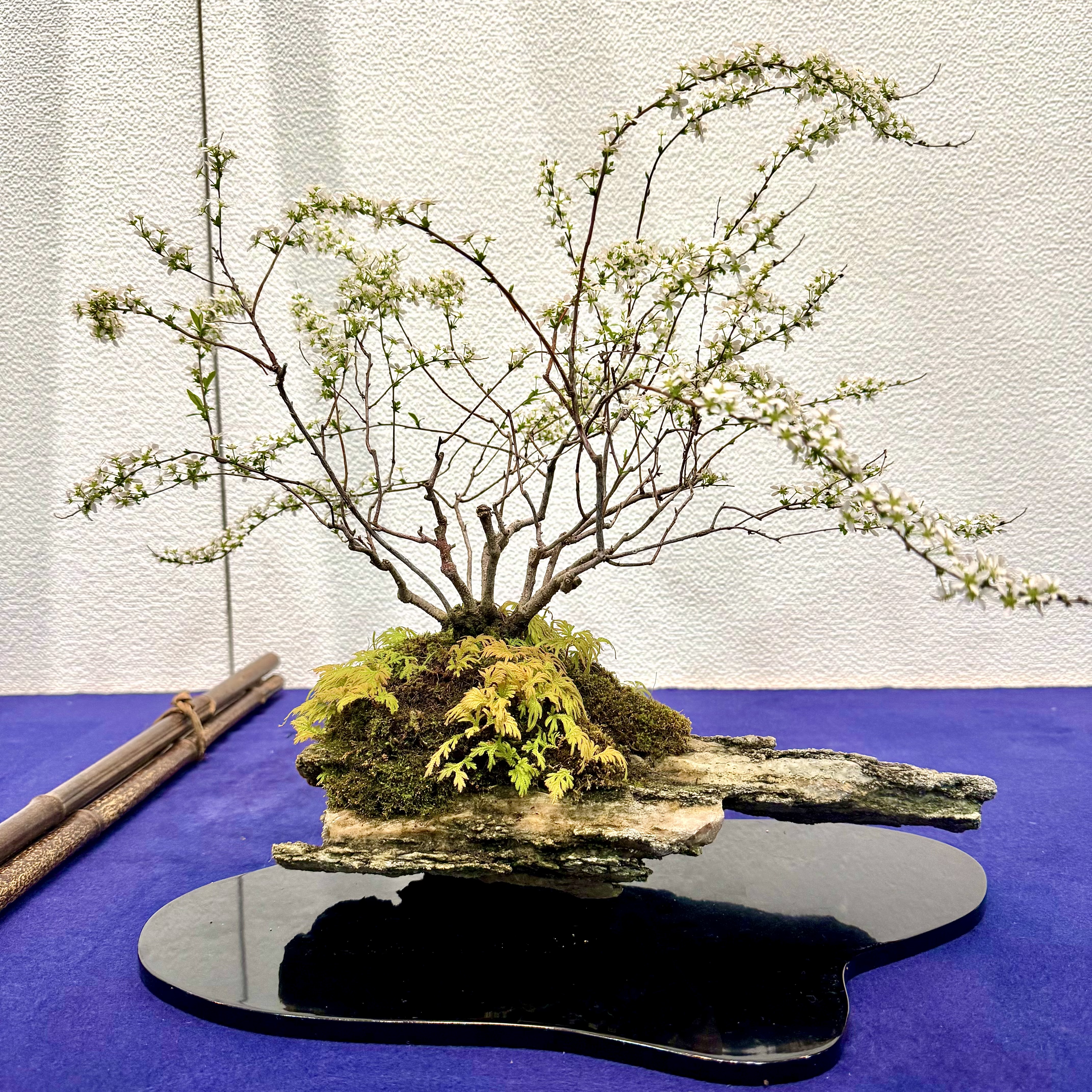
A floating Spirea.

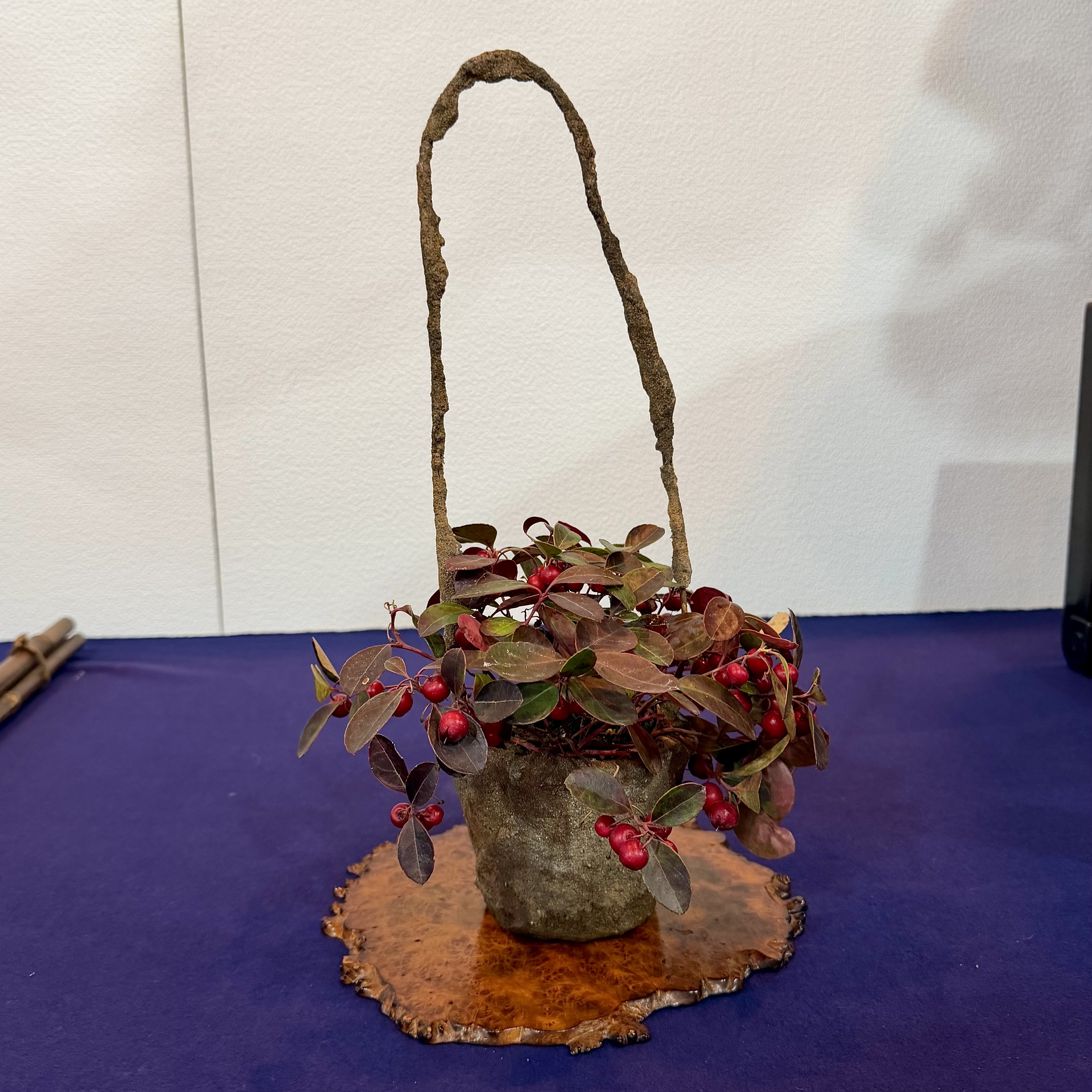
A basket of Winterberry.

Here’s the gallery of the 2026 Kokufu show, Part I.


  •