❌

Reading view

Digging Field grown Trees

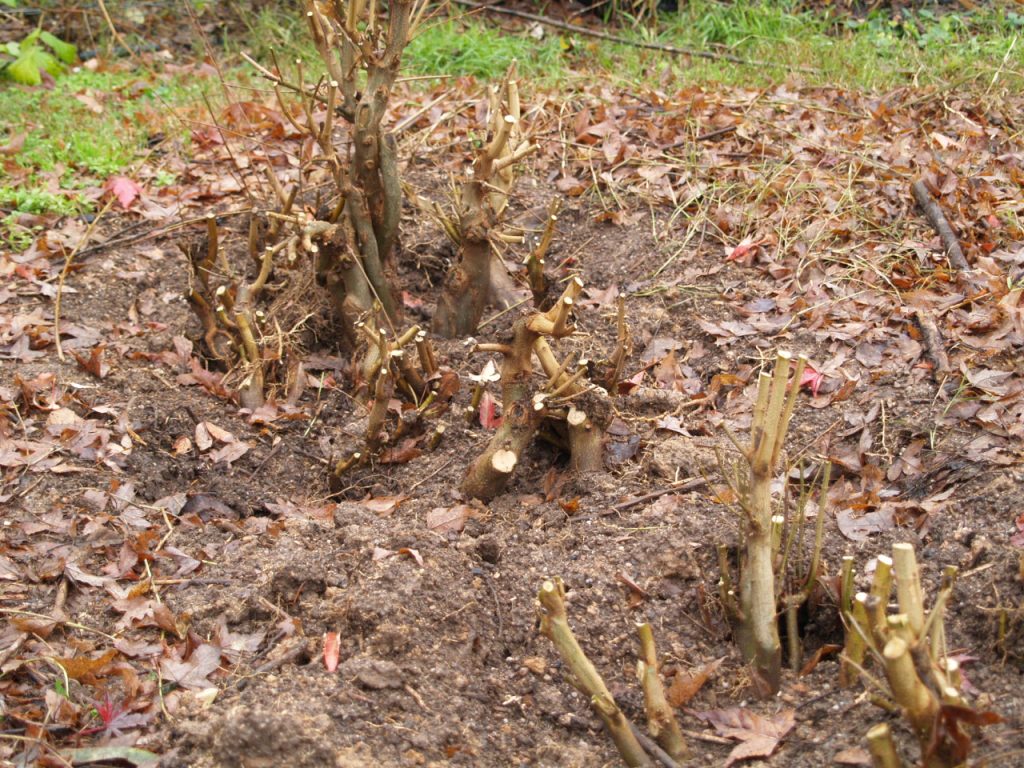
I don’t usually start digging the grow beds until July but a Shibui Bonsai customer has been keen to learn more by volunteering to help. Jim had a couple of days off work due to wet weather so we picked a dry day and got started a week early.

Jim is younger and enthusiastic. He started on the shovel and kept me so busy pruning that I did not get any photos of the actual dig.

In a few hours we managed to dig and do a rough top and root prune on most of the larger trident maples, some Japanese maples, a few crab apples and some of the first year tridents.
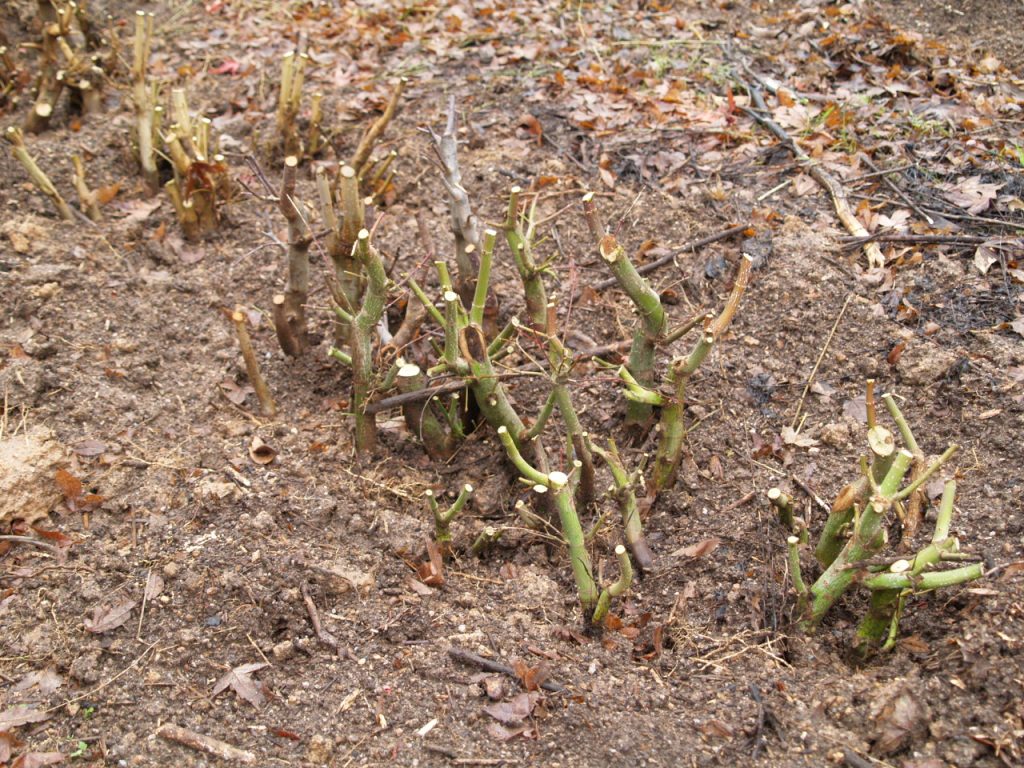
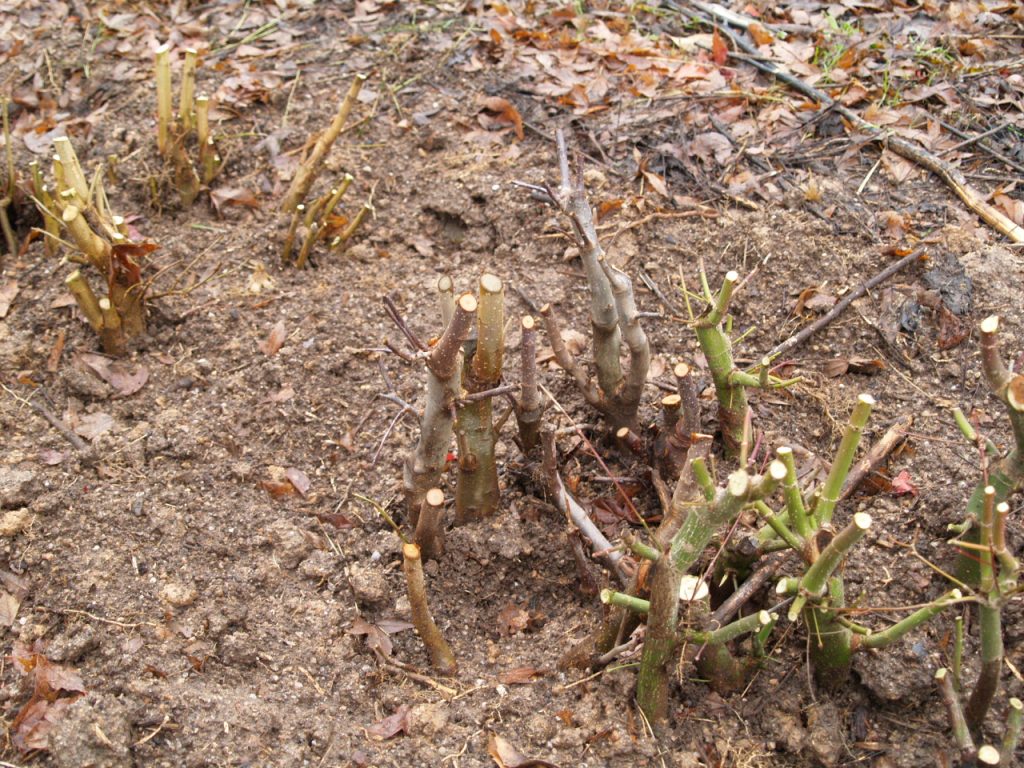
Japanese maples
Crab apples
Tridents

They have all been β€˜heeled in’ to a spare patch where they can wait until I’m ready to do a final inspection to decide if they get potted for sale, put back in the grow beds for more growth or go on the scrap heap.
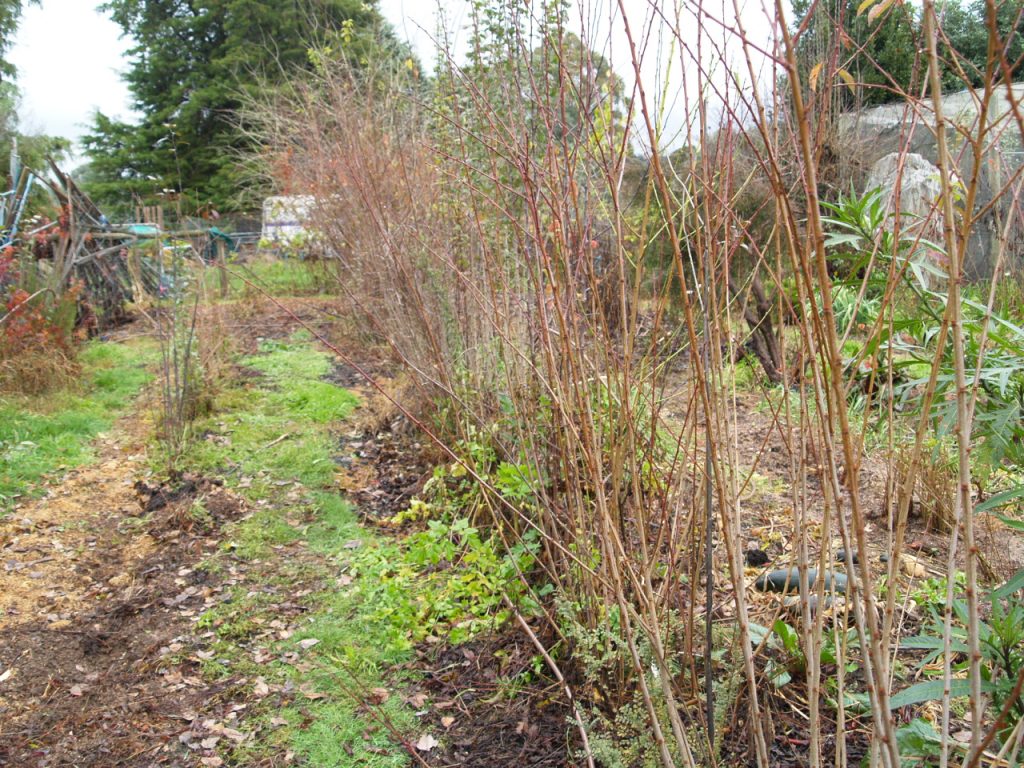
Still plenty of trees to do but I have all winter so I just do a few any time I can. The trees pictured are Prunus β€˜Elvins’, Hawthorn and more crab apples with a couple of Seiju elms for good measure.

The trees in the picture were all chopped and root pruned last winter so nearly all of the 2m of growth shown has emerged through last summer.
  •  

Spring 2024

You may have noticed I have not updated here for some time. I’ve been spending too much time on other projects but have resolved to post here more often. Lets just see how long that resolution lasts.

Spring has definitely sprung earlier than usual here at Shibui Bonsai The trident maples are starting to open buds and my bonsai crab apple has flowers opening. Maybe some pictures of that in a few days at peak flower.

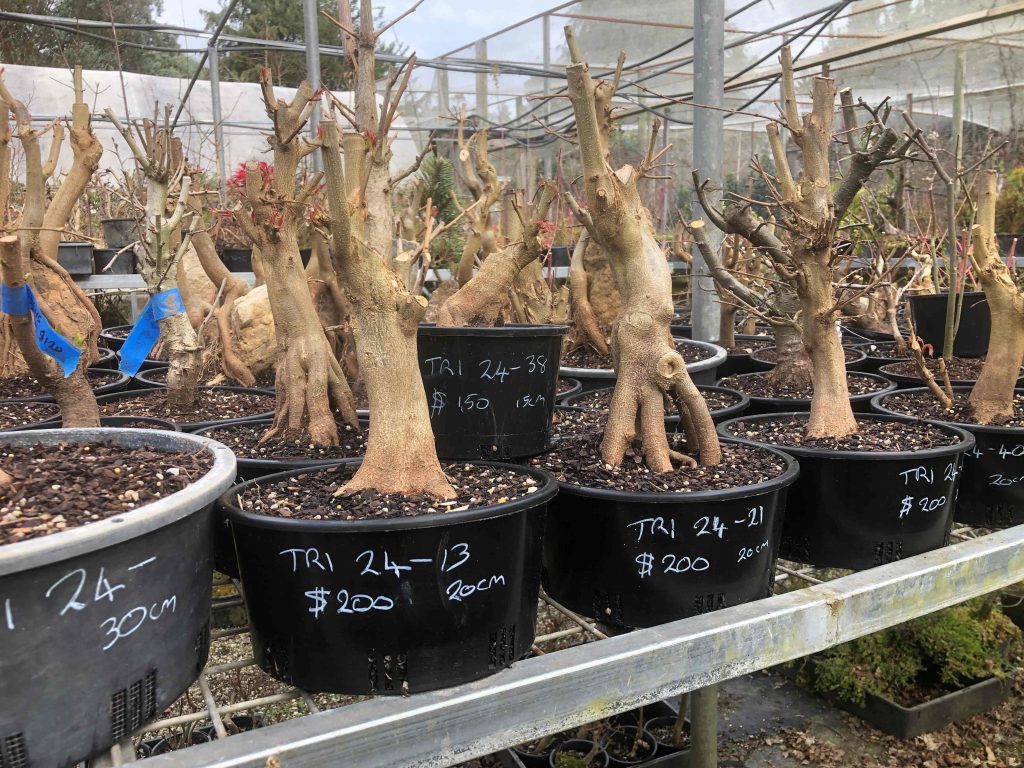
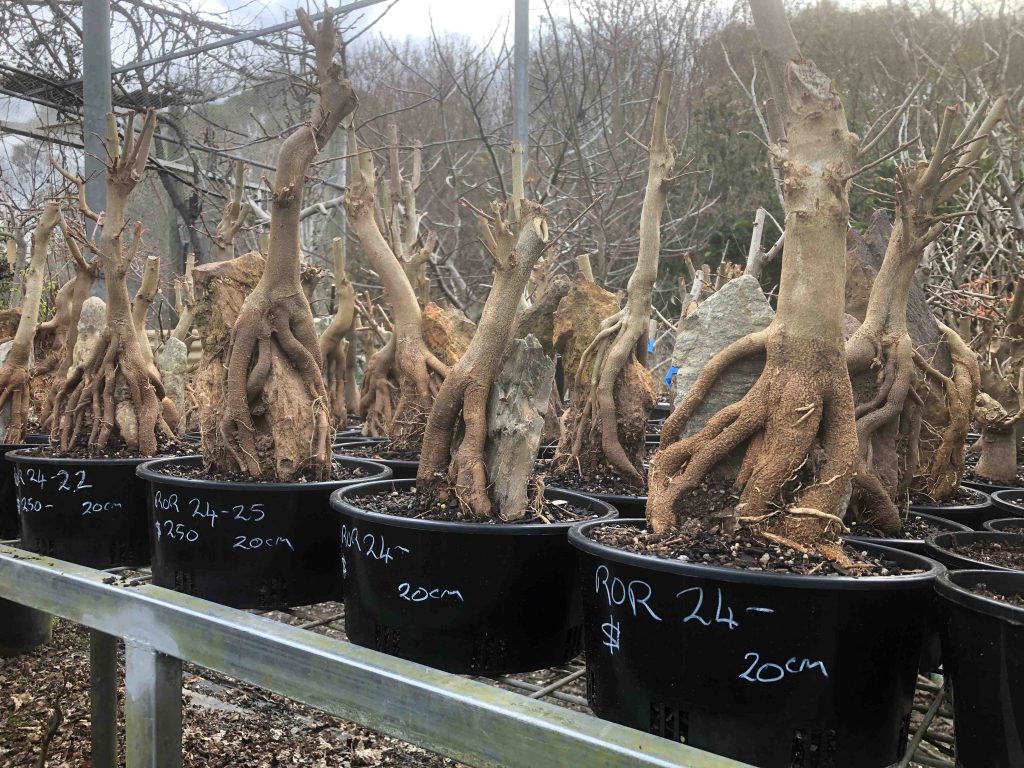
The deciduous trees have been dug from the grow beds, pruned and assessed. trees for sale are now potted and the trunks that were not yet ready to sell have been replanted for another year of growth.

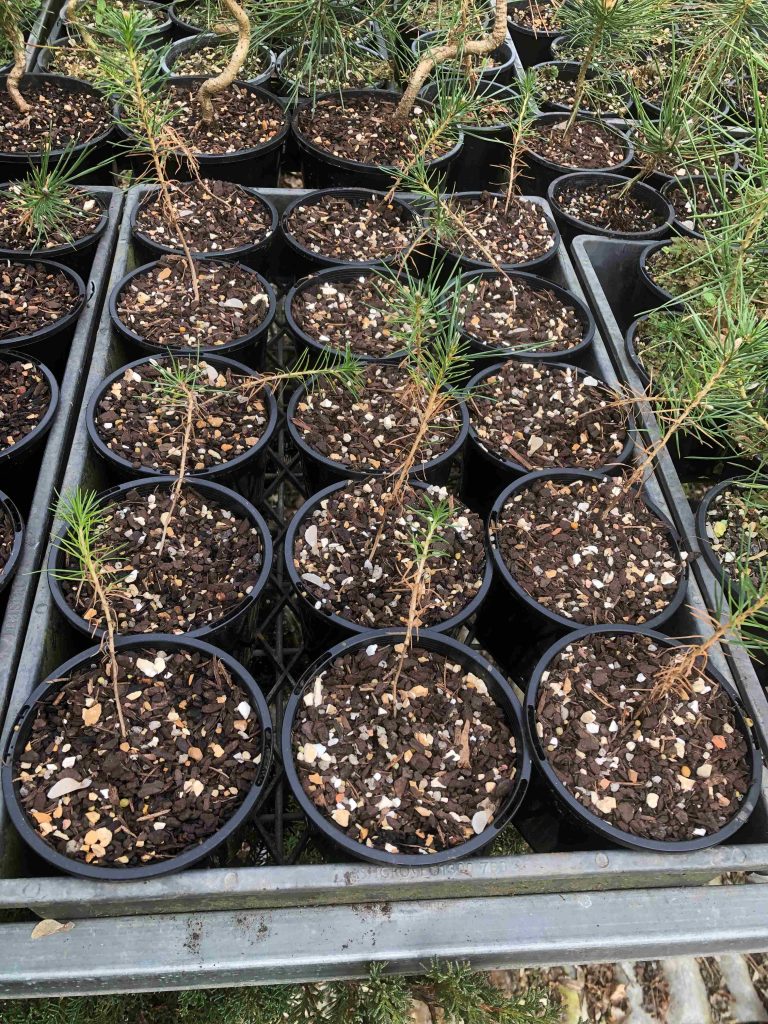
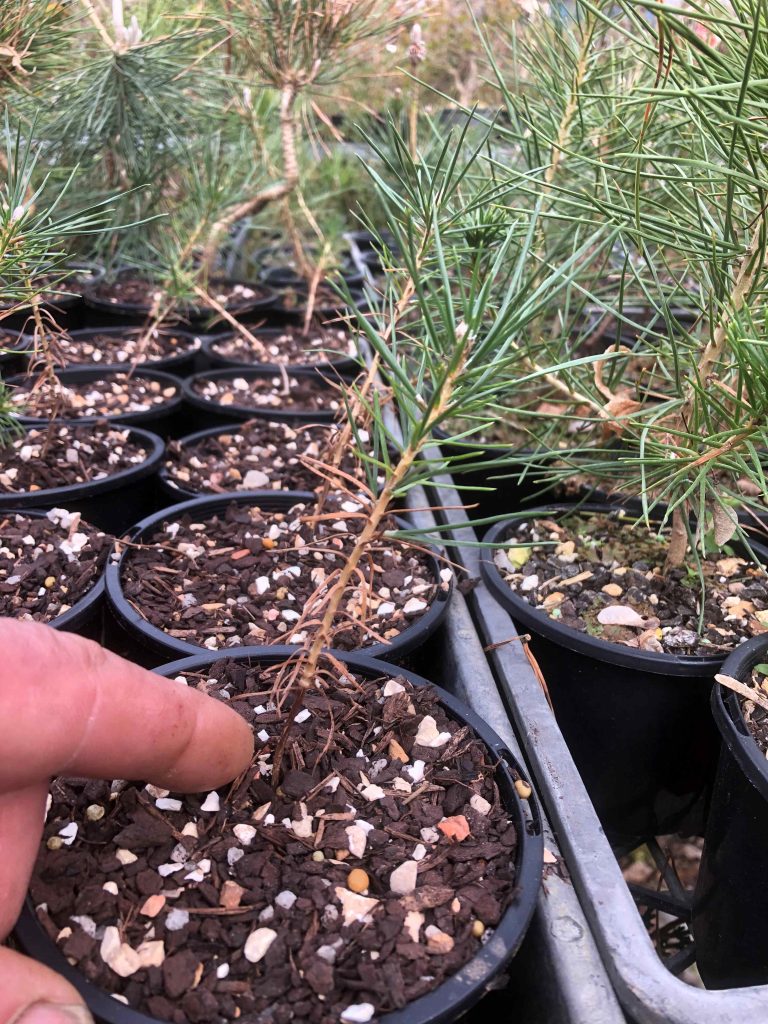
Today I potted up some Japanese black pine seedlings. These are left over from last spring and have been crowded together in a seed tray all last summer. I’m sure they will be much happier with some space to stretch out their roots.

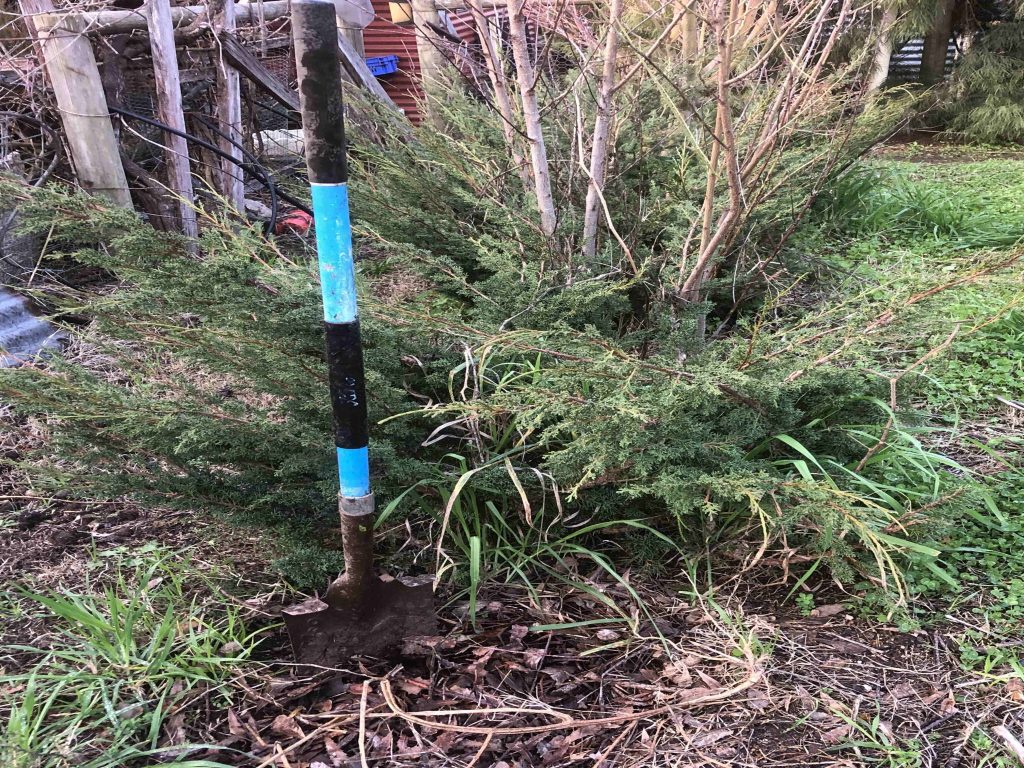
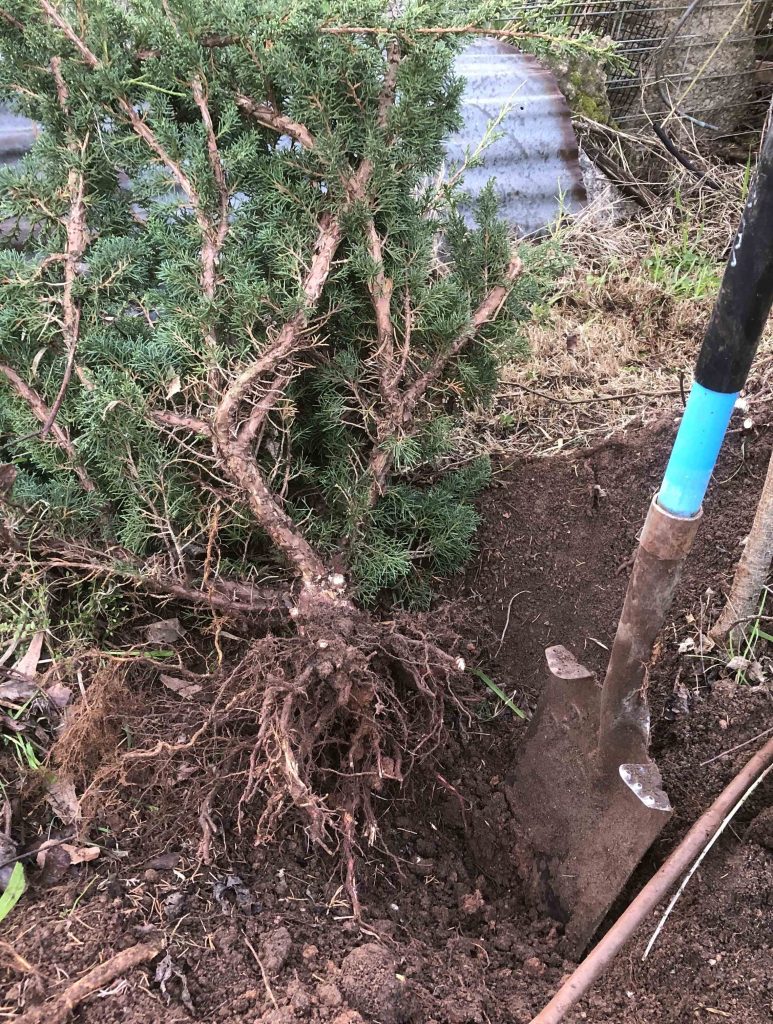
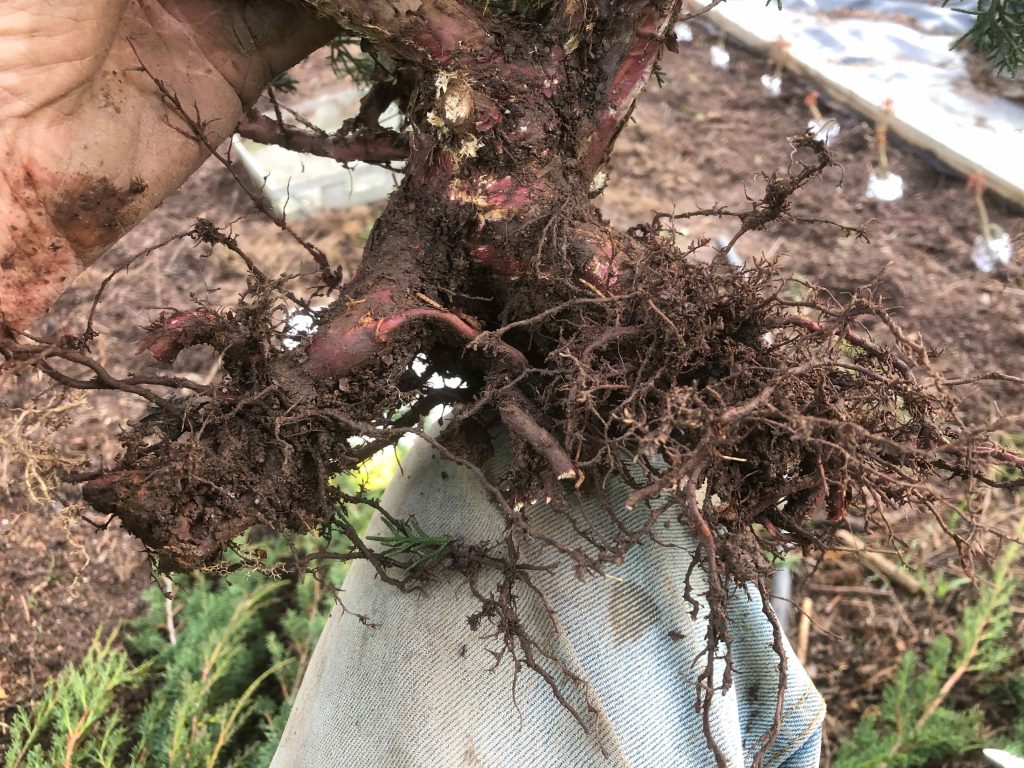
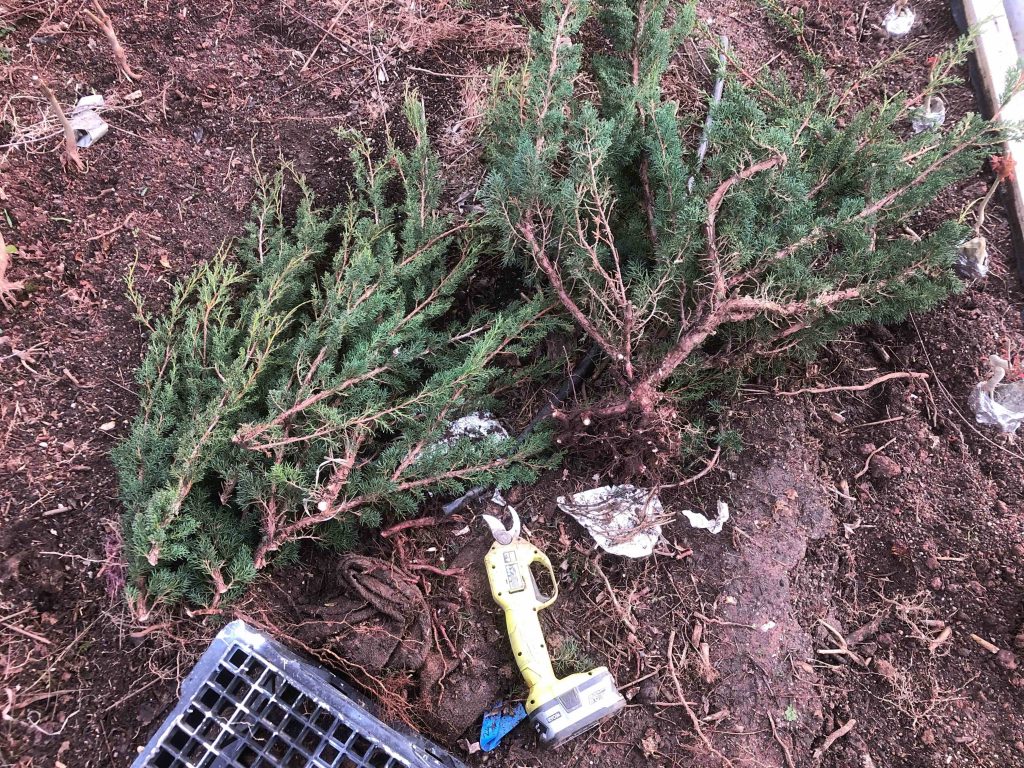
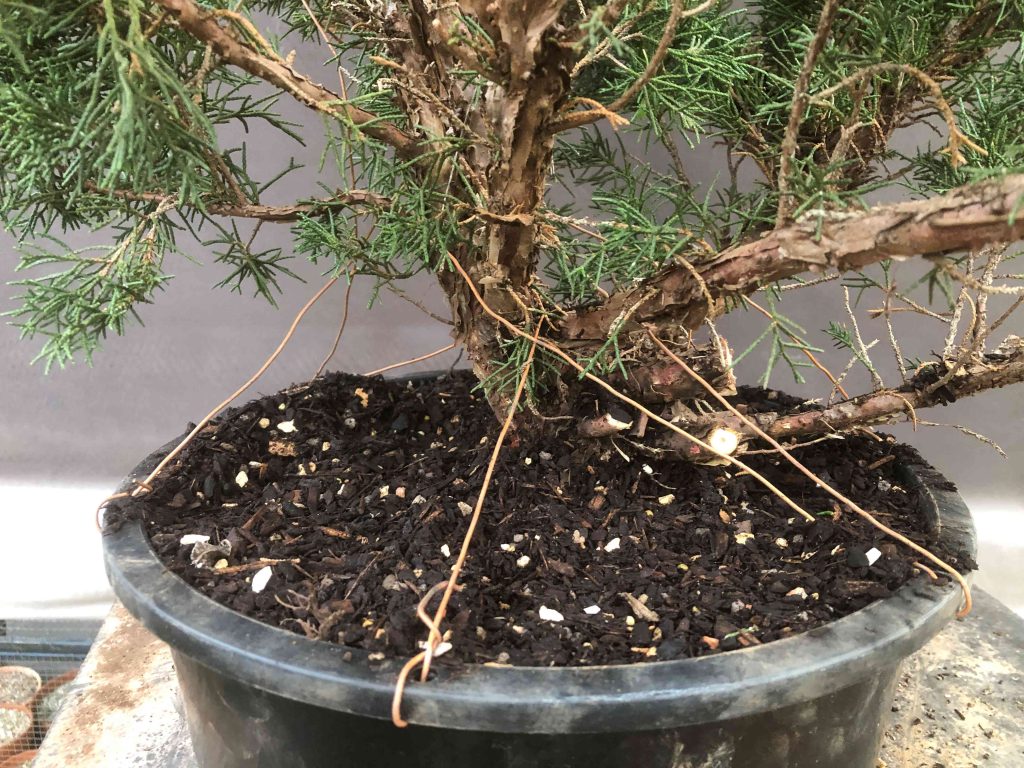
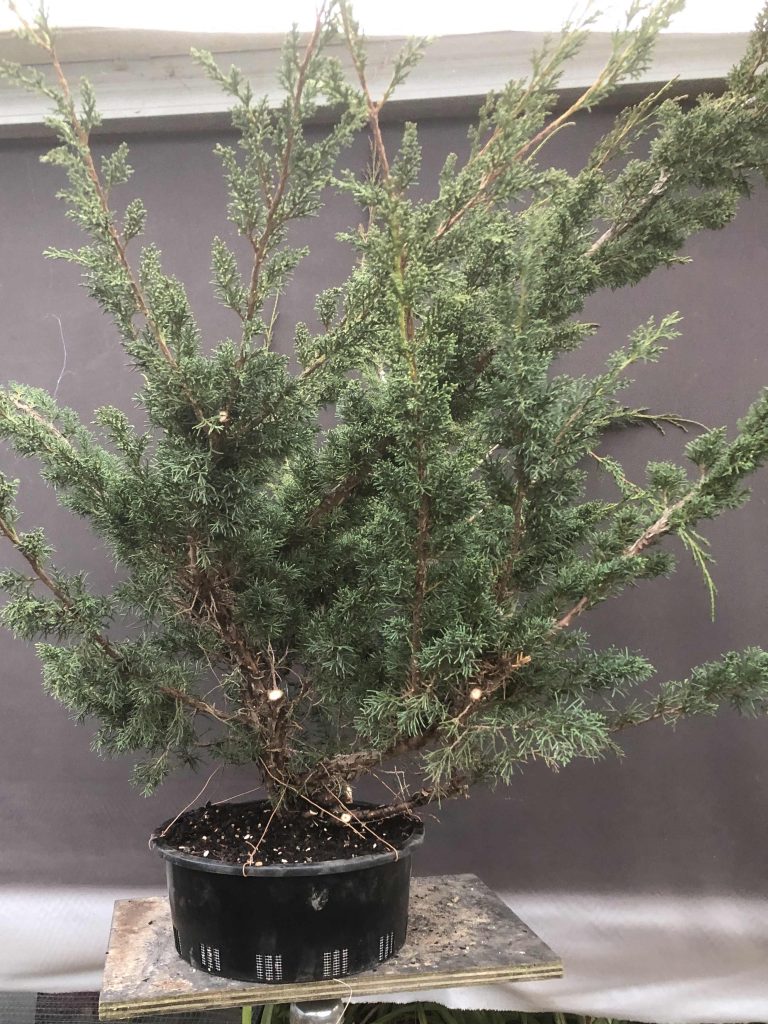
I also dug the first of the Shimpaku junipers and potted it into a 30cm orchid pot.

Shimpaku
After 15 minutes with the shovel.
roots pruned
Top reduced
Tied into the orchid pot to stabilise the tree.
All done.

While some growers transplant with as much soil on the roots as possible, garden soil can cause problems in a pot so I prefer to get rid of field soil right at the start. My transplants still seem to recover well. Junipers seem to recover from root pruning much better when they have active growing tips so it is important to keep some of the branches intact. You can see in the photos that I have reduced the top by removing some redundant branches but still retained plenty to help the tree recover.

Junipers are slower to recover from transplant than the deciduous trees so these junipers won’t be available for sale until February or March. By then it should be clear which are growing well and any that have not coped with the trauma of transplant.

  •