โŒ

Reading view

2026 Kokufu-ten: Part I

A few of the ridiculous trees in Part I of the Kokufu-ten. Wednesday was the take-down and switch-out to new trees. And now itโ€™s open again for Part II.ย 

The entrance to the show looks down on the large displays. This is in the Tokyo Metropolitan Art Museum in Ueno. This view gives a sense of the scale and impact these huge trees might have only a few feet away.

Needle Juniper. A well-known juniper making an appearance in the 100th Kokufu.ย 

Chinese Quince. Every last twig had once been wired on this massive specimen.

Japanese Black Pine; Kokufu Prize. Huge tree.

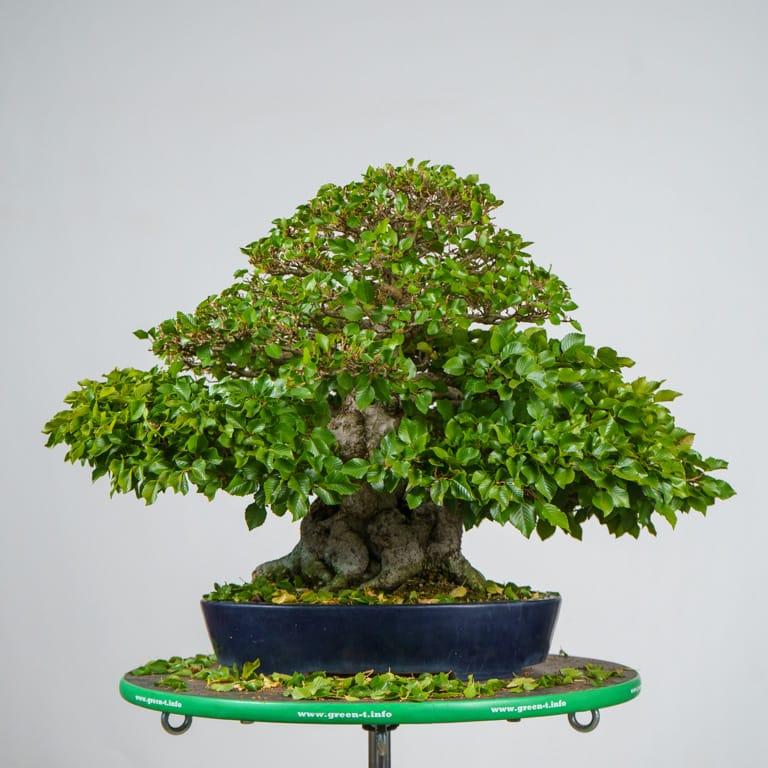
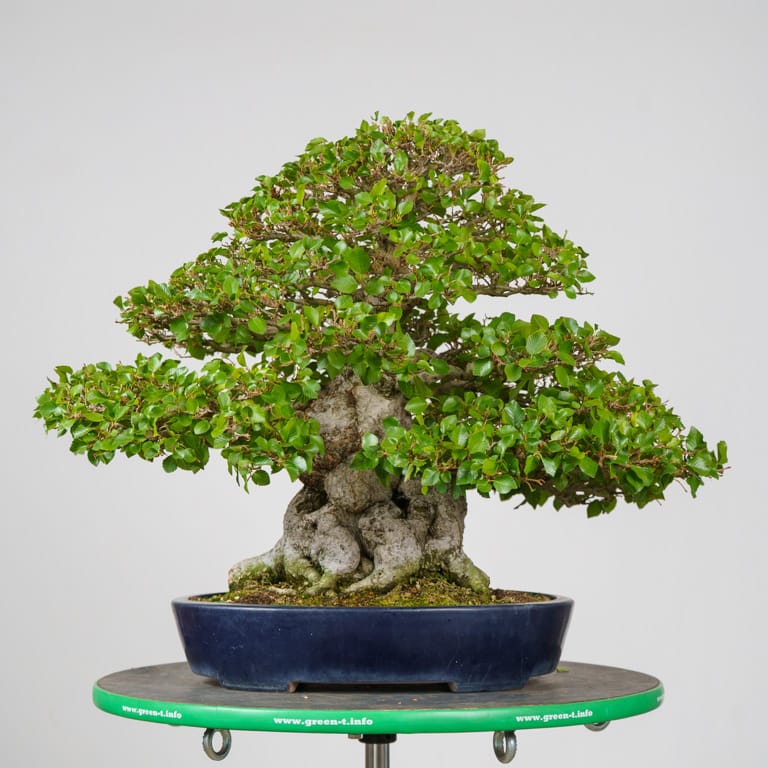
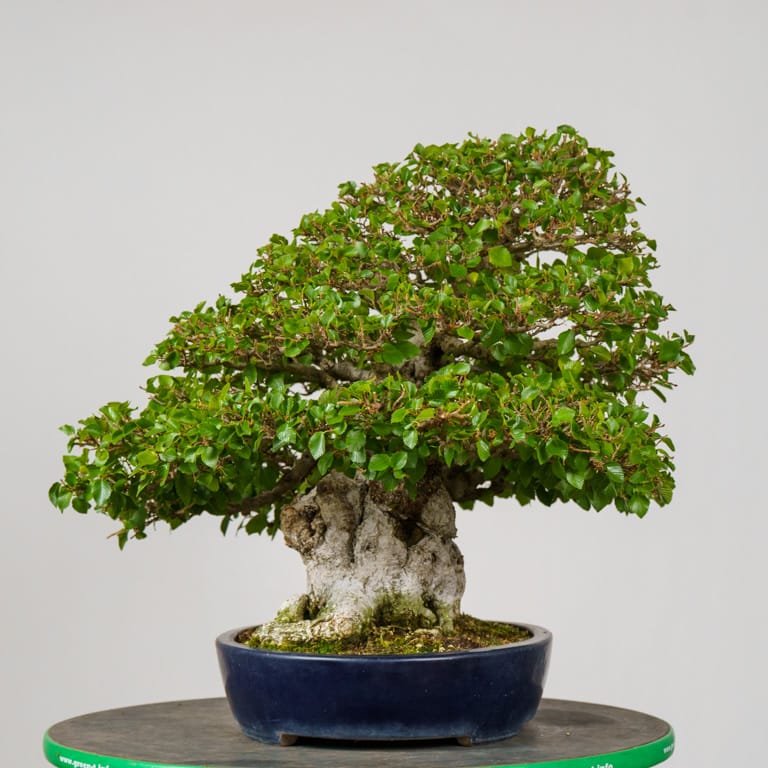
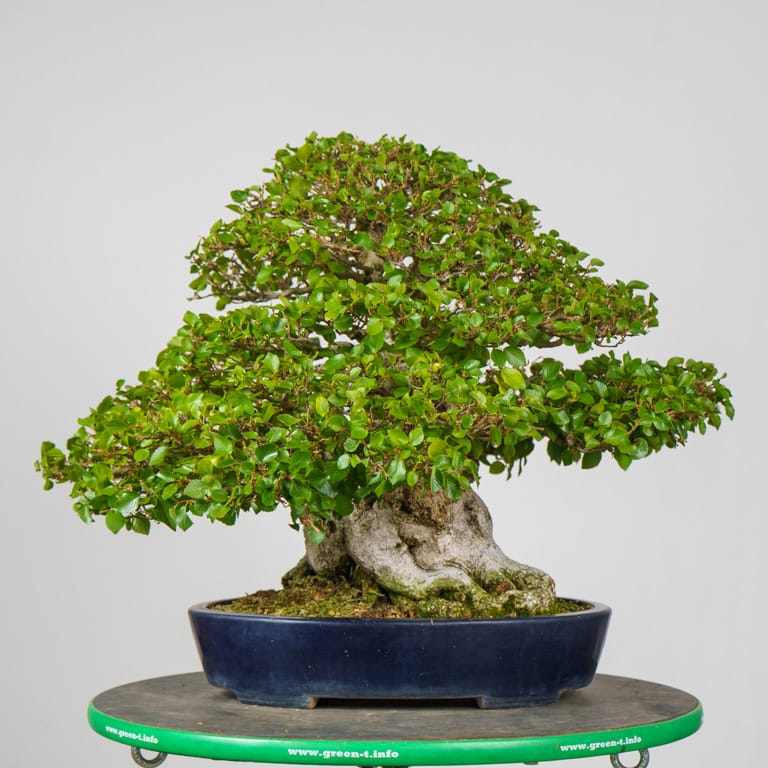
Korean Hornbeam; Kokufu Prize.

Ume. Excellent Ume in this yearโ€™s show.

Satsuki Azalea.

Shinpaku Juniper; Kokufu Prize.

Magnolia. Resets the tone with an airy whimsicality.

Shinpaku Juniper; Kokufu Prize.

Selaginella, or club moss (light green plant).

Japanese White Pine. A quiet multiple-trunk bunjin. The Kokufu highlights thicker-trunked trees.

Trident Maple. Grown in a small pot itโ€™s whole life, maybe 75 years.

Ume.

Red Pine from the Imperial Family. Notice the lack of conformity to modern bonsai expectations, particularly the lack of compaction.

Japanese White Pine worked on by Mr. Shinji Suzuki. He was excited about this entry as it has a grand historyโ€ฆ

The White Pine was shown in the first Kokufu-ten in 1934. Itโ€™s a great addition to this 100th show (not year, they took two years off and some of the early years had double shows). The entry is a nod to the durability of the show and the trees in it.

Zelkova.

Dwarf Flowering Quince โ€˜Chojubaiโ€™.

Honeysuckle.

Chinese Quince. The intense ramification at this small scale is not easy.

This medium sized display won a Kokufu Prize.

And the shohin displays notched a prize winner.

An unusual raised-root Japanese White Pineโ€”the lowest branch falls away to the back.

Ume.

Ezo Spruce. Only a few spruce in this yearโ€™s show.

A gathering of global bonsai friendsโ€”left to rightโ€”myself, Juan Andrade, Mario Komsta, Peter Gregg, John Eads, Carmen Leskoviansky, Evan Cordes, and Masaki Shimada.ย 

Iโ€™m back home already, but with spies abroad I hope to offer a photo reel of Part IIโ€”

ย 

  •  

100thย Kofu-Fu Bonsai Exhibition- Part I, 2026โ€“ Part 2

An artistic bonsai tree with vibrant pink flowers, showcasing intricate branching and a textured trunk, displayed in a modern brown pot on a decorative wooden stand against a light background.
A beautifully gnarled bonsai tree with delicate white flowers, displayed in a brown pot on a wooden stand, against a gray background.

Part I of the exhibition continued for four days, Sunday through Wednesday. On Thursday and Friday all the bonsai on display will be removed and replaced with fresh trees. Thatโ€™s a monumental task, especially since all the bonsai are quite large and heavy, usually requiring two, three or four people to lift the largest bonsai. The flatbed rolling carts are limited in number so that makes the time longer for moving. Fortunately, all the large size bonsai are on the first floor. The smaller trees require using elevators which also takes time.

A well-crafted bonsai tree with lush green needles, showcasing intricate twisted branches and a sturdy trunk, displayed in a simple brown pot atop a polished wooden surface.
A well-maintained bonsai tree with lush green foliage, displayed in a brown ceramic pot, showcasing intricate branches and a textured trunk.
Close-up of a bonsai tree with a textured trunk and branches, showcasing intricate bark details and vibrant green foliage.
A detailed bonsai tree with intricate, bare branches, displayed in a round pot with green moss, set against a dark background.
A bonsai tree with vibrant green foliage, artistically shaped trunk, displayed in a dark pot on a decorative stand against a neutral background.

A detailed bonsai tree arrangement featuring multiple layers of vibrant green foliage in a textured pot, set against a plain background.
A meticulously shaped bonsai tree with lush green foliage, showcasing a twisted trunk and roots, displayed on a dark wooden table against a plain white background.
A detailed bonsai display featuring intricate twisted branches, moss-covered rocks, and small orange flowers, presented on a sandy base within a decorative circular tray.
A bonsai tree with intricate, gnarled branches displayed in a blue ceramic pot.
Artistic display of a twisted, bare tree branch extending from a decorative blue and white pot, resting on a wooden stand.
A decorative bonsai pot with intricate blue and white floral patterns, containing moss at the top.

2026 Part I Exhibition Statics\

181 display areas

287 individual bonsaiโ€“

Counting the individual medium and shohin specimens

159 Large Bonsai

39 Medium Size Bonsai Compositionsโ€“ย 78 Specimens

10 Shohin Bonsai Compositionsยญโ€“50 Specimens

11 Important Bonsai Masterpiecesโ€“

A detailed bonsai arrangement featuring twisted branches, moss, and small orange flowers atop a rocky base, presented on a sandy surface.
A blooming bonsai tree with vibrant pink flowers, showcasing intricate branches and a textured trunk, presented in a round pot with moss.
A beautifully shaped bonsai tree with lush green leaves, displayed in a teal pot, resting on a dark wooden stand against a light background.

Hawthorn displayed in Part I by Frank Jesse from Germany on right

There are a great number of bonsai which have been cultivated and loved for several generations by many people which have been elevated to the level of art, making them valuable cultural assets. The Nippon Bonsai Association examines bonsai which art artistically shaped with the understanding excellence, having horticultural values in terms of their species, shapes and have historical value in terms of Provence and history. With the understanding of their owners every method possible for preservation of future generations. To date there have been approximately 2,000 bonsai registered.

Hawthorn displayed in Part I by Frank Jesse from Germany. Flowering image courtesy of Sara Camacho from Team Suzuki.

A flowering bonsai tree with pink blossoms, displayed in a ceramic pot on a wooden stand.
Bonsai tree with gnarled branches and red berries in a blue pot on a wooden surface.

11 Kokufu Awardsโ€“

The following images are Kokufu Winners

A beautifully sculpted bonsai tree with intricate, twisted branches and a lush green canopy, displayed on an elegant wooden stand.
A detailed view of a bonsai tree with lush green needles, displayed in a dark ceramic pot on a wooden stand.
A beautifully pruned bonsai tree with delicate white flowers, displayed on an ornate wooden table against a plain background.
A large, intricately designed bonsai tree with a twisted trunk and sparse branches, displayed in a blue ceramic pot on a wooden stand, with green moss at the base.
A beautifully shaped bonsai tree with lush green foliage, displayed on a wooden pedestal. A small plaque is visible on the floor beside it.
A beautifully styled bonsai tree with intricate twisting branches and lush green foliage, displayed in a ceramic pot atop a dark wooden stand.
Artistic bonsai tree displayed on a wooden stand, featuring intricately twisted branches and lush green foliage, with moss-covered soil in a ceramic pot.

A beautifully shaped bonsai tree with bare branches, displayed in a ceramic pot on a wooden stand.

The greatest number of awards ever presented. Perhaps because of the exceptional fine-quality bonsai displayed this year commemorating the 100thย exhibition. This coveted award is selected by a committee after a careful and comprehensive examination of all the bonsai are placed. It is presented to bonsai of particularly outstanding beauty, considering the species, container quality and appropriate to the tree, display table, training techniques, accessory and presentation to the viewers.

A display of bonsai trees arranged on a wooden shelf, showcasing various styles and species. Beneath the shelf, a decorative plaque is visible.
A bonsai tree with intricate twisting branches and delicate white flowers, displayed in a decorative pot on an ornate wooden stand, with a gold plaque labeled in Japanese.

25 Foreign Exhibitorsยญโ€“

Representing approximately 20 different countries. These are bonsai which have been trained and refined in Japan and purchased by foreigners waiting to be imported to the ownerโ€™s countries.

Approximately 20%โ€“ย of the displayed bonsai are owned by foreigners.

Masahiko Kimuraโ€™s Artistryโ€“ย was represented by over 40 bonsai owned by clients.

Kunio Kobayashiโ€™s Artistryโ€“ย represented by approximately 24 clients.

Shinji Suzukiโ€™s Artistryโ€“ย represented by approximately 20 clients.

Opening Day Attendanceโ€“ย 2,500 visitors (over 70% foreigners.)

A Few Observationsโ€“ย Most common species were Japanese black and five-needle pines. Closely followed by Sargentโ€™s juniper and Japanese flowering apricot and Japanese maple and Trident maple. Several rock plantings, both clinging-to-a-rock and root-over rock. Only two Ezo spruce. Normally the number of species are split between Part I and Part II.

There were a tremendous number of old famous masterpieces, making Part I the best representation of Japanese bonsai.

I wonder what Part II will bring along with the opening of the 63rdย Masterpiece Suiseki Exhibition held on the 4thย floor of the same building.

100thย Kofu-Fu Bonsai Exhibition- Part I, 2026โ€“ Part 2

Part I of the exhibition continued for four days, Sunday through Wednesday. On Thursday and Friday all the bonsai on display will be removed and replaced with fresh trees. Thatโ€™s a monumental task, especially since all the bonsai are quite large and heavy, usually requiring two, three or four people to lift the largest bonsai. The flatbed rolling carts are limited in number so that makes the time longer for moving. Fortunately, all the large size bonsai are on the first floor. The smaller trees require using elevators which also takes time.

2026 Part I Exhibition Statics

181 display areas

287 individual bonsaiโ€“

Counting the individual medium and shohin specimens

159 Large Bonsai

39 Medium Size Bonsai Compositionsโ€“ย 78 Specimens

10 Shohin Bonsai Compositionsยญโ€“50 Specimens

11 Important Bonsai Masterpiecesโ€“

There are a great number of bonsai which have been cultivated and loved for several generations by many people which have been elevated to the level of art, making them valuable cultural assets. The Nippon Bonsai Association examines bonsai which art artistically shaped with the understanding excellence, having horticultural values in terms of their species, shapes and have historical value in terms of Provence and history. With the understanding of their owners every method possible for preservation of future generations. To date there have been approximately 2,000 bonsai registered.

11 Kokufu Awardsโ€“

The greatest number of awards ever presented. Perhaps because of the exceptional fine-quality bonsai displayed this year commemorating the 100thย exhibition. This coveted award is selected by a committee after a careful and comprehensive examination of all the bonsai are placed. It is presented to bonsai of particularly outstanding beauty, considering the species, container quality and appropriate to the tree, display table, training techniques, accessory and presentation to the viewers.

Frank Jesse from Germany displayed his Hawthorn in Part I. Flowering Image courtesy of Sara Camacho of Team Suzuki.

A beautifully shaped bonsai tree with vibrant pink flowers, displayed in a round pot on a wooden table.
A stylized bonsai tree with bare branches adorned with small red berries, placed in a blue ceramic pot atop a wooden base.

25 Foreign Exhibitorsยญโ€“

Representing approximately 20 different countries. These are bonsai which have been trained and refined in Japan and purchased by foreigners waiting to be imported to the ownerโ€™s countries.

Approximately 20%โ€“ย of the displayed bonsai are owned by foreigners.

Masahiko Kimuraโ€™s Artistryโ€“ย was represented by over 40 bonsai owned by clients.

Kunio Kobayashiโ€™s Artistryโ€“ย represented by approximately 24 clients.

Shinji Suzukiโ€™s Artistryโ€“ย represented by approximately 20 clients.

Opening Day Attendanceโ€“ย 2,500 visitors (over 70% foreigners.)

A Few Observationsโ€“ย Most common species were Japanese black and five-needle pines. Closely followed by Sargentโ€™s juniper and Japanese flowering apricot and Japanese maple and Trident maple. Several rock plantings, both clinging-to-a-rock and root-over rock. Only two Ezo spruce. Normally the number of species are split between Part I and Part II.

There were a tremendous number of old famous masterpieces, making Part I the best representation of Japanese bonsai.

I wonder what Part II will bring along with the opening of the 63rdย Masterpiece Suiseki Exhibition held on the 4thย floor of the same building.

  •  

Award Winners 2026

By:PB

Swindon Presidentโ€™s Award, No 36, White Beech. Andy Beswick

Best Visiting Club Award, Ashfield Bonsai Club

Best Deciduous Tree Award, No 10, Acer palmatum Kiyohime, Alex Rudd

Best Evergreen Tree Award, No 24, Taxus Baccata, Duncan Hield

Best Shohin Display Award. No 27, Rod Mcfarlane

Best Tree/Pot Combination, sponsored by Walsall Studio Ceramics, No 20, Terry Adams

Best Accent Award, sponsored and judged by John Trott [Mendip Bonsai Studio.] No 31, Smithy Smith on Alex Pacheco display.

The post Award Winners 2026 appeared first on Swindon & District Bonsai.

  •  

Swindon โ€˜Winter Imageโ€™ show 2026 โ€“ Merit Awards

By:PB

Merit Award โ€“ Visiting Club Display โ€“ Twickenham Bonsai Club

Merit Award โ€“ Deciduous Tree, No 16, Rod Mcfarlane

Merit Award โ€“ Evergreen Tree, Mark Kerry. on Newbury club display

Merit Award โ€“ Shohin Tree, No 16 Display, Rod Mcfarlane

Merit Award โ€“ Shohin Tree, No 22B, Barry Gatt

Merit Award โ€“ Tree/Pot Combination, No 22A, Barry Gatt

Merit Award โ€“ Accent, No 13 Display, Simon Temblett

The post Swindon โ€˜Winter Imageโ€™ show 2026 โ€“ Merit Awards appeared first on Swindon & District Bonsai.

  •  

Swindon โ€˜Winter Imageโ€™ Show 2026 โ€“ Swindon Club Merit Awards.

By:PB

No 38 Evergreen, Clive Kโ€ฆโ€ฆโ€ฆโ€ฆโ€ฆโ€ฆNo 43A/B Shohin, Amelia Wโ€ฆโ€ฆโ€ฆโ€ฆโ€ฆโ€ฆโ€ฆโ€ฆNo 39 Deciduous, Sally M

Tap image to enlarge

The post Swindon โ€˜Winter Imageโ€™ Show 2026 โ€“ Swindon Club Merit Awards. appeared first on Swindon & District Bonsai.

  •  

Take a Sneaky Peek at This!

Take a Sneaky Peek at This!

So, despite the fact we are absolutely inundated with orders from all you lovely folk I managed to find a few hours to do a slap up job on my field maple. We are currently shifting about 3/4 of a ton of goods every single day and both Richard and myself are suffering under the weight of it all but, the show must go on. I would rather drop dead of exhaustion than boredom.

My oldest and best mate Stuโ€™ was on hand to lend a hand which made for a very pleasant few hours and a nice break. Hereโ€™s a quick video of the work. I know a great many of our customers love deciduous bonsai. Getting a good foundation laid early on is so important, I thought yaโ€™ll might like to Take a Sneaky Peek at This!

Graham Potter

ย 

The post Take a Sneaky Peek at This! appeared first on Graham Potter | Kaizen Bonsai Blog.

  •  

100thย Kofu-Fu Bonsai Exhibition- Part II, 2026โ€“ Part 1

An aerial view of a botanical exhibition featuring various bonsai trees arranged on tables, with visitors exploring the displays in a spacious indoor setting.
A crowded bonsai exhibition showcasing a variety of bonsai trees, with visitors observing the displays in a well-lit indoor setting.

Part II of the exhibition on Saturday. I have never seen such a crowd in the 40 years Iโ€™ve attended. It looked that there were even more foreign visitors than Part I. There were no Stewartia displayed. Lots of cascade styled trees.

A vibrant bonsai tree with lush green leaves and numerous pink camellia flowers, displayed in a decorative pot on a wooden surface.
A bonsai tree with a twisted trunk and lush green foliage, displayed in a brown pot with moss on the soil.
A detailed view of a bonsai tree with lush green needles and a textured bark, displayed in a traditional pot on a wooden surface.
A detailed image of a bonsai pine tree in a decorative pot, showcasing lush green foliage and a textured trunk, placed on a wooden surface with a plain background.

In the past, both parts of this exhibition has had magnificent bonsai, often the bonsai in Part II seemed to be better. NOT this year the NBS went all to get superb trees for both part I and Part II. I asked a skilled professional bonsai dealer and a leader of the Japanese bonsai community and he said both parts were equal AND there were too many visitors. Usually in the morning the crowds are heavy, then lessen. Not this year. Many friends went early to photograph and they did not even try. The room was packed and made it difficult to even move. In the late afternoon the crowds are less.ย 

A beautifully styled bonsai tree with a thick trunk and lush, green foliage, displayed in a rectangular pot.

2026 Part I Exhibition Statistics

181 display areas

253 individual bonsaiโ€“

Counting the individual medium and shohin specimens

131 Large Bonsai

36 Medium Size Bonsai Compositionsโ€“ย 76 Specimens

10 Shohin Bonsai Compositionsยญโ€“50 Specimens

28 Important Bonsai Masterpiecesโ€“

There are a great number of bonsai which have been cultivated and loved for several generations by many people which have been elevated to the level of art, making them valuable cultural assets. The Nippon Bonsai Association examines bonsai which art artistically shaped with the understanding excellence, having horticultural values in terms of their history. The judging is usually done in autumn.

A detailed view of a bonsai tree with intricate, gnarled branches and small buds, displayed on a wooden table with a moss-covered base.
A bonsai tree with vibrant pink flowers and lush green leaves, displayed in a ceramic pot.

10 Kokufu Awardsโ€“

This coveted award is selected by a committee after a careful and comprehensive examination of all the bonsai are placed. It is presented to bonsai of particularly outstanding beauty, considering the species, container quality and appropriate to the tree, display table, training techniques, accessory and presentation to the viewers. This year a small black plaque was displayed for these important bonsai

A black and white image of a bonsai tree with a thick trunk and dense foliage, displayed in a shallow ceramic pot.
A beautifully shaped bonsai tree with lush green foliage, displayed in a round pot atop a wooden stand.
A detailed bonsai tree with intricate, bare branches displayed in a green ceramic pot, resting on a wooden surface against a neutral background.

12 Foreign Exhibitorsยญโ€“

A beautifully shaped bonsai tree with lush green foliage and a textured, twisting trunk, presented in a simple, dark pot.
A detailed bonsai tree with intricate, bare branches, displayed in a ceramic pot with green accents, on a wooden stand.
A bonsai tree with intricate branches is displayed in a simple brown pot on a wooden stand, accompanied by a small patch of grass on a blue tablecloth.
A beautifully shaped bonsai tree with lush green needles, positioned in a brown ceramic pot, showcasing intricate roots and a textured base.

Representing approximately 10 different countries. These are bonsai which have been trained and refined in Japan and purchased by foreigners waiting to be imported to the ownerโ€™s countries.

The 63rdย Japanese Suisekiย 

Heled on the 4thย floor of the museum, but this distinguished will be coveredย ย in a future blog post

A bonsai tree with a slender trunk and green foliage, displayed in a ceramic pot with moss, against a white backdrop.
A decorative bonsai tree with delicate white flowers, set on a moss-covered base and displayed on a wooden stand.

These two bonsai were displayed next to each other.

A person observing two bonsai trees displayed on a table with a dark blue cloth. The left tree features delicate white flowers and intricate branches, while the right tree has a fuller green canopy. Several display items are visible on the table.

I wonder what he is thinking.

  •  

All the trees at the 2026 โ€˜Winter Imageโ€™ showโ€ฆ.

By:PB

Here are all the trees used in the show as well as some photosโ€™ from the British Shohin Bonsai Co-operative and the UK Bonsai Group exhibition, talk and demo held in the fitness room at the centre on Sunday the 15th February 2026. Thanks to Andy and Mandy for the pictures. [click to enlarge the photo]โ€ฆโ€ฆ..

The post All the trees at the 2026 โ€˜Winter Imageโ€™ showโ€ฆ. appeared first on Swindon & District Bonsai.

  •  

2026 Kokufu-ten: Part 2

Many thanks to Evan Cordes, Carmen Leskoviansky, and Masaki Shimada for these photos of Kokufu-ten Part 2.

The Kokufu is well-known to showcase impressive, thick-trunked, dizzyingly developed old bonsai. Iโ€™ve included some of those meat and potato trees, but whimsy also shows up here and there. In this Part 2 Iโ€™ve included some of that.

Shinpaku. Crazy live vein.

Japanese White Pine. A formal-ish upright bunjin in a simple bridge pot.

Hitting the same note twice, hereโ€™s a formal upright Ume. Never seen that before. Appears to be in a hexagonal rectangle.

Japanese White Pine. Big famous tree. This was in Mr. Suzukiโ€™s garden when I first arrived in 2003.

Hornbeam.

A Harland Boxwood. Unusual in the Kokufu. Excellent nebari. Youโ€™d struggle to get a fine and detailed nebari like this in the ground, likely pot-grown from a cutting or air-layer.

Root over rock Trident Maple.

This shohin display got a Kokufu Prize.

A swirling Shinpaku. Likely grafted foliage, it usually is when fine and tight. But not always.

A smaller Trident Maple.

Lovely accent.

Hinoki forest. That tenjin deadwood rising off the right side strikes me as odd and out of place. Especially coming from one of the younger trees.

Needle Juniper. Kokufu Prize.

Japanese Maple.

A dancing pair of Shinpaku and Chojubai.

Japanese Red Pine.

A stone exhibited by former apprentice Andrew Robson.

And another stone shown by Andrewโ€™s father, Jeffrey Robson.

A floating Spirea.

A basket of Winterberry.

Hereโ€™s the gallery of the 2026 Kokufu show, Part I.

ย 

ย 

ย 

ย 

  •  

Japan 2026: Last Notes

A few final stories from my Japan trip.

The first hour in Obuse was bittersweet.

You might recognize this tree from a photo in Post-dated: The Schooling of an Irreverent Bonsai Monk. Walking home after a long day Iโ€™d pat its trunk or raise my fist passing under it, and say some version of, you and me pal, weโ€™ll make it.

When we arrived in Obuse I split off to visit a small temple at the edge of town. I often went there as an apprentice, finding these quiet temples (some were Shinto shrines) restful. They drew me in.

On my way to the temple I didnโ€™t realize Iโ€™d crossed the road Iโ€™d taken daily to and from work. I glanced left and stopped. Here was my tree.

But it was dead.

I stood there breathing. My tree was dead, my brother tree. Weโ€™d kept each other going, or at least, it had kept me going.ย 

My memory of Obuse is no longer true. Not true for today. In my absence the place is changing. And next time I go, my tree may be gone entirely.

The next stop cheered me up.

Reunited with my group, we went to Mr. Suzukiโ€™s garden. He met us in the teahouse, and brought out two pots, setting them on this wooden stand.

I knew these pots!

The blue one is a bonsai pot Iโ€™d given Mr. Suzuki in the states in 2003, a few months before I started my apprenticeship. The bottom one was a gift on a return trip to Japan after my apprenticeship ended. It was from a kiln I fired around 2012, my last kiln. A winter tea bowl.

And he had them there in the teahouse.

On a wall of the teahouse was a Japanese White Pine shown in the first Kokufu show, in 1934. The photo to the left is from that year, and on the right how it looked in this yearโ€™s Kokufu.

The next day our group split up for various adventures. My friend Evan Cordes and I stayed in Nagano to tour around a bit. This temple wasnโ€™t on our itinerary, but it sums up the architectural chiaroscuro you can encounter in any urban Japan setting: an old temple, with a modern high-rise framing it.

Any walk along the cold, snowy city streets of Nagano may pass by yakisukiโ€”charred cryptomeriaโ€”on the older buildings. I fell in love with yakisugi while living in Japan 20 years ago, and had to have it for my tiny house siding. (Making it involved a lot of smoke and flames, loss of eyebrows, and even a run to the ERโ€ฆa story in my forthcoming tiny house memoir.)

A Jizo statue with pine shoots. The red cloth is protective for children and travelers. The pine shoots are for longevity and good fortune.

To the side of a house in Nagano we saw a common sight anywhere in Japan: bonsai. Dangling Disney characters optional.

Metalwork on the Zenkoji temple. This is one of the oldest wooden buildings in Japan. Most of the older ones have burned down and been rebuilt, but this one dates to 1707.

The roof of Zenkoji is itself worth a visit. The layers of wood that hold up that slope and overhang are part of a traditional system of carpentry called kigumi. It uses interlocking joints that shift and absorb stresses, like earthquake. Which can make you think of aikido, the Japanese martial art that redirects an opponents energy.

Evan with a ridiculous Zelkova. A concrete filling or something similar supports the hollowed trunk. The white paper zigzag in front of the trunk is called a shide. These protect from evil and purify a place, and its presence suggests the building beyond is a Shinto shrine.

A few other posts about my 2026 Japan trip:

Okinawa

Kokufu Part 1

Kokufu Part 2

  •  

Chishio Japanese Maple maintenance

This one is pretty well developed, but needs some tidying up every year to keep it in balance. here is a shot from before work started. Branches getting relatively too thick for their position on the tree, congested branches, and raising branches all need to be addressed. Look below and see which ones jump outโ€ฆ Continue reading Chishio Japanese Mapleย maintenance
  •  

Kouka-en in the snow

For much of the northern hemisphere, seeing snow-covered bonsai in winter is nothing out of the ordinary. For Keiichi Fujikawa, proprietor of the Fujikawa Kouka-en bonsai garden in Osaka, the sight is far from normal.

Snow-covered bonsai at Kouka-en

Snow-covered bonsai at Kouka-en

Shimpaku juniper

Shimpaku juniper

When our small tour arrived at Fujikawaโ€™s garden, I asked how many times it snowed like this in a given year. His answer was never!

White pine

White pine

Camellia

Camellia

I wasnโ€™t sure how long weโ€™d want to walk through the snowy garden, but the longer we stayed, the more I appreciated the beauty of snow-covered trees.

Pine

Pine

Trident maple

Trident maple

A few of the temperature sensitive bonsai were moved inside when the snow started, but the rest stayed outside on the benches. The snow wasnโ€™t expected to stick around for more than a day.

Snowy bench

Snowy bench

Shimpaku

Shimpaku juniper

Pine

Pine

Every once in a while an apprentice reluctantly went outside and brushed snow off the branches to prevent them from breaking under the weight of the snow. Within minutes, the trees were covered again.

White pine

White pine

Pine

Pine

Ume flowers

Ume flowers

After a day visiting gardens in the snow, our group headed up to Tokyo for the Kokufu exhibit. More on that next week!

News & Updates

[Southern California Event]

  • Thereโ€™s one day left of the Bonsai-A-Thon, one of Southern Californiaโ€™s biggest events of the year! The Bonsai-A-Thon is an annual fundraiser held at the Huntington in San Marino, California.

    Headliner Sergio Cuan will share a presentation about deciduous bonsai from 11:00 a.m. to 2:00 p.m. on Sunday. Additional demonstrations will be held from 10:00 a.m. to 2:00 p.m. featuring Mel Ikeda, Robert King, Bob Pressler,ย and Al Rivera.

    The weekend will also feature a tour of the bonsai area by Daniel Deephouse at 11:00 a.m.

    A number of vendors will be on hand with an assortment of trees, pots, and supplies, plus live and silent auctions means there are lots of opportunities to shop!

    Learn more at the 2026 Bonsai-A-Thon website.

[Northern California Event]

  • The Mammoth Fundraiser will be held on Saturday, March 7th (auction), and Sunday, March 8th (general sale and vendor area). Learn more at the Bonsai Garden Lake Merritt website. More details coming soon!
  •  

Special trees at the 100th Kokufu exhibit

Last month the Japanese Bonsai Association hosted the 100th national exhibit, the Kokufu, at the Tokyo Metropolitan Art Museum in Ueno Park, Tokyo.

The event was busier than it has been in recent years, and a larger percentage of the visitors were foreign. As for the bonsai, there was a good number of special trees that are always a treat to see.

Rose

Rose

Black pine

Black pine

Some of my favorites won awards, others simply made the room look great. Some, like the Chinese quince below, were so twiggy that I had to reset my thinking about whatโ€™s possible with the species.

Chinese quince

Chinese quince

Chinese quince

Chinese quince

A lot of the trees that stood out to me this year were deciduous.

Japanese maple

Japanese maple

When standing in front of these trees, it was easy to get lost following the branches as they meandered from the trunk out towards the edges of the canopy. Trees like these had been skillfully worked on for decades โ€“ and it showed.

Korean hornbeam

Korean hornbeam

Korean hornbeam

Korean hornbeam

Trident maple

Trident maple

Of course there were spectacular conifers in the exhibit as well. Here are some of the remarkable junipers on display.

Shimpaku juniper

Shimpaku juniper

Shimpaku juniper

Shimpaku juniper

Shimpaku juniper

Shimpaku juniper

Although in recent years itโ€™s become common to see large junipers with massive trunks, itโ€™s the exceptions that stand out the most to me. The juniper below has fantastic character along the trunk. Slender lifelines supported by undulating deadwood feature more delicate movement with give this old tree โ€“ and its viewers โ€“ a very different feeling.

Shimpaku juniper

Shimpaku juniper

Up next, highlights from the second half of this yearโ€™s two-part exhibit.

News & Updates

[Northern California Event]

  • The Bonsai Garden at Lake Merrittโ€™s annual fundraiser, the Mammoth Auction and Sale, will be held this Saturday and Sunday in Oakland, California. On Saturday the main event is the largest auction in Northern California. On Sunday, itโ€™s a plant sale and vendor area. Learn more at the Mammoth Auction & Sale website.

[Auction Tips]

In preparation for this weekendโ€™s auction, here are some tips to help you get the most out of the event.

  • If youโ€™re interested in taking home an item but want to feel good about the purchase, set limits ahead of time for how much youโ€™d like to spend (and how much above this limit youโ€™re willing to actually bid).
  • Check the health of the tree before setting your buy price. For deciduous trees, check the health of the buds and look out for dead branches or dead areas along the trunk. For conifers, check the number and size of visible buds as well as the color and character of the foliage.
  • Donโ€™t let inside information influence your bids. A long time ago, I stopped bidding on a tree because I knew how much the owner had originally paid for it. It didnโ€™t feel right to pay twice as much as my friend had paid for the tree. This was foolish as the second the bidding ended I remembered that the tree was worth almost double the amount it went for.
  • Take note of who youโ€™re bidding against, but stick to your plan. Once I stopped bidding on a tree because I didnโ€™t think I could keep up with the other bidder. When the bidding ended, the other bidder ran over with a big smile to let me know how relieved he was I stopped bidding as heโ€™d reached the limit he was willing to pay for the tree. Another lost opportunity!
  • Above all, remember that the event is a fundraiser. Bonsai auctions are typically organized by volunteers who work hard to provide us with the opportunity to build our collections and have fun while doing it. Keeping the spirits (and the bids) high can make the event a pleasant experience for everyone.
  •  

The Nebari Of The Kokufu

The Kokufu show is a goldmine. You can walk through it or flip through a show book and realize youโ€™re just looking at the stands. Or the branch setting. Or the pots.

In this yearโ€™s Kokufu I took some closeups of the nebari. Hereโ€™s a handful of them.

Japanese Maple with a wide, fused nebari. Hard to create without root grafting. Grafting is usually done by inserting a rooted cutting into a hole in the nebari, which will fuse and grow roots. Do that a LOT of times and you might make something like this. The extent of this root flare is a construct, a stylistic exaggeration that exists in almost any art.

Not to knock root grafting, a useful skill for sure.

Camellia with a solid, broad nebari. Itโ€™s a lot, but not overdone. The tree feels stable.

Another Japanese Maple. To my sensibility, this is near ideal. It has a few holes in it, with minimal or no grafting. It looks natural.

An Azalea with a nice root flare. Like Maples, Azaleas will often create a respectable nebari without much fiddling. Just growing in a pot (rather than the ground) and either trimming the bottom roots hard under the trunk base and / or planting in a shallow pot can make a nebari like this. Although Azaleas prefer deeper pots, so the root trim technique would get the nod here.

You do see non-impressiveโ€”or absentโ€”nebari in the Kokufu. This is a Trident Maple.

Another root-over-rock Trident but with a more mature root structure.

A Pine with a respectable nebari. Also a root over rock. Nebari tends to be minimal on root over rock plantings.

A Hornbeam with an average nebari. Or, rather, a good one for a Hornbeam. Elm is another plant often reluctant to fuse roots into a broader nebari. I think rather than forcing itโ€™s nice to accept this reality. Root grafts would not disappear as well on a Hornbeam as on a Maple, the wound would last a long time. So you donโ€™t see many attempts at it.

Another Japanese Maple with a grafted nebari. It looks like the foot of a snail to me. About ready to slither off to the next stand. Would be wonderful to have in the backyard. But the mollusk vibe might be hard to shake.

Hope the creator isnโ€™t reading this.

A Chinese Quince. Possibly grown in the ground or a growing bed for a time. Root fingers like this are often the result of that sort of strong growth. Chinese Quince, Hornbeam, and Azalea are examples of plants which have much better nebari if grown in a pot. Thereโ€™s more fine definition in the nebari structure, more in scale with the tree. Not unlike fine twigging versus coarse.

ย 

ย 

ย 

  •  

Trident Maple Trunk Fusion Tree #1: 3 Years later

Oh myโ€ฆ I neglected this tree for almost 3 years and just let it do itโ€™s thing in a corner in the garden. But damn, am I glad I did that!

Previous posts about this Acer Buergerianum trunk fusion project can be found here.

I needed a shovel to get the wooden growbox off the ground since the roots grew right through the wood that had slowly decayed over the last 3 years.
The whole thing was about 2,5 metres or 8ft high.

After cutting back the branches I moved the tree to the work table.

The wooden growbox was so rotten that I could literally peel it off (with a little help from some tools since the roots grew in the wood).

A very dense rootball appeared together with some big long roots.

After almost an hour of combing out the roots and cutting back the big roots the result looked like this :

As you might have noticed, only 3 of the 4 trunks that the tree had 3 years ago are left, I cut off the 4th a few months after I made the previous post.

Anyway, time to put the tree back in a pot. No more wooden growbox this time but a regular plastic training pot. After putting some wire on a few branches to point them to the right direction I was done for the time being.

Because I let the tree grow out for 3 years it completely closed all itโ€™s big wounds. Ofcourse I made some new big wounds but they will also heal eventually. Thatโ€™s what trident maple bonsai do.

The photo below shows a big wound that has closed completely with another big wound above where I just cut off a branch.

Now letโ€™s try to get some more branches on this sucker ๐Ÿ™‚

  •  

Part two of the 100th Kokufu exhibit

For the past twelve years, the Kokufu-ten has been divided into two halves. For these double shows, the organizers set up the exhibit and open it to the public for a few days, then close for a day or two to reset the show with all new displays. This year the exhibit featured a whopping 181 displays in each half for a total of 362 displays!

Large displays

Large displays

Shohin displays

Shohin displays

This years exhibit featured some pretty big bonsai โ€“ here are some of the large conifers.

Shimpaku

Shimpaku

White pine

White pine

Needle juniper

Needle juniper

White pine

Semi-cascade white pine

Juniper

Shimpaku

One of my favorite medium-size trees in the exhibit was a black pine shown with a trident maple. I liked that the tree had strong movement to the left and a surprisingly large trunk for a tree under 18โ€ณ tall.

Black pine

Trident maple and black pine

Black pine

Black pine

One of the trees that received the most attention in part two was a juniper with a slender trunk. The movement was fantastic and the ribbon of deadwood that formed the trunk was surprisingly thin.

Shimpaku

Shimpaku

The deciduous bonsai were equally awesome. Here are some of my favorites.

Four trident maples

Four trident maples on a stone

Koran hornbeam

Koran hornbeam

Japanese maple

Japanese maple

Chinese quince

Chinese quince

  •  

A Limber Pine Goes On A Corian Slab

I collected this Limber Pine with Steve Varland and Dan Wiederrecht about a decade ago. It looked younger than the delicious, half-deadwood trees on the slopes nearby. Then a couple years ago bark started to peel in the front andโ€”delight of delightsโ€”the whole front had died, leaving a swath of shari.ย 

Last week we potted this tree for the first time. In the Seasonal class we failed to find a suitable pot, so it went on a slab. ย 

For years Iโ€™ve made slab plantings with juicy, organic root masses. Iโ€™ve wanted to try a root mass that suggested the shape and volume of a typical pot, so hereโ€™s our effort at that. A block of roots and soil that hints at a harder material.

Hereโ€™s the Limber Pine being prepared for its slab adventure.ย 

Our Corian slab ready for the rootball, cut to a soft rectangle. The bottom has grooves cut between the wiring holes so it sits flat. No need for drainage holes as the water will just go sideways.

The root ball prepared with stout bamboo stakes in four corners to be used as tie-downs.

Gelatinous cooked corn starch helps firm up our muck. We use 1/3 corn starch, 1/3 long-fibered (unshredded) orchid moss, and 1/3 akadama dust. Sometimes more corn starch is needed for a sticky mass that doesnโ€™t crack when you squish it.

Mixing the muck.

Ted and Chad work the ball. Chadโ€™s hat is clever: bonsai overwork.ย 

The bottom has a muck wall about 1โ€ thick. Above that is the root mass where we spread on a watered-down muck like a slurry over the cut ends of the fine roots.

The finished slab planting. A few lichens adorn it to jumpstart the colonization of the new surface. Holes were punched in the bottom edge so when itโ€™s watered, we donโ€™t get a blowout of the muck wall from a gallon of water seeking escape. Had that once. Moss and lichen will cover the holes in a year or two, but once roots grow into the muck the protective job of those holes is finished.

The slope to the right has no muck on top, just soil with sphagnum over it for better water penetration.

Hereโ€™s the finished piece. Itโ€™s not like a pot. But it has some clean lines and a pot-like mass. The slopes might suggest movement and direction with a flow to the right.ย 

Inspiration? I didnโ€™t notice the similarity of this DeWalt battery pack until several days later. Hard to claim inspiration if you donโ€™t remember seeing it, though the mind is a funny thing.

For the backstory on this tree, here is the Limber Pineโ€™s First Styling.

Then Maciek Adwent helped rework the design in this video in 2024:ย 

  •  

Continuing spring work on the Japanese Maple

The last post showed some branch work. Now, a few weeks later it is time to continue the work on this Japanese maple, by repotting, evening out the trunk tones with some lime sulfur, and beginning the bud-removal work associated with developing short internodes and controlled growth. Here is a quick rundown on the annualโ€ฆ Continue reading Continuing spring work on the Japaneseย Maple
  •  

Traders @our Winter Show 2026

By:AW

This year was again a fantastic year for our Swindon Winter Image show and we had a great number of visitors who all got to enjoy not only the bonsai displays but also the shopping opportunities from our traders. Traders included Gordon Duffett, Graham of Dragonfly bonsai pots, Tony Remmington, Simon of Suteki, Wallsall Studio Ceramics, John Trott of Mendip Bonsai, Windybank Bonsai, China Mist, Greenwood Bonsai Studios, Chris Thomas, Dan Butler, LV Bonsai, Zacs bonsai, Dan Baron Esoteric pots. A great day was had by all, thank you for your continued support for our show.

The post Traders @our Winter Show 2026 appeared first on Swindon & District Bonsai.

  •  

Mini trees @our show 2026

By:AW

This year we were fortunate enough to have the pleasure of John Armitage on behalf of the British Shohin Cooperative providing a talk and demomstration on Shohin and styling a shohin Juniper. It was a resounding success with standing room only in the room while John talked and worked his magic on styling the juniper. John later donated the tree to our raffle. Everyone enjoyed seeing the mini bonsai displays which looked incredible. Thank you to Mark Moreland of UKBA and Gary Careford from the British Shohin Cooperative for putting on this display at our show.

The post Mini trees @our show 2026 appeared first on Swindon & District Bonsai.

  •  

Visiting clubs @our winter show

By:AW

This year we had nine visiting bonsai clubs and societies including Ashfield, Bristol, Eastleigh, Glynderi, Newbury, Splinter Group, Surrey Heath, Twickenham and Warminster. They each put on fabulous displays of their club members trees for the enjoyment of everyone and thank you for your continued support at our show.

Visiting club displays

General show images

The post Visiting clubs @our winter show appeared first on Swindon & District Bonsai.

  •