
 Login
Login

You live and you learn
You live and you learn.
Apparently September 1st is the first day of autumn in the UK and after a challenging summer, I for one have to say it’s very welcome. It’s not that I mind the warm weather, Lord knows warm days are at a premium in Blighty but this year was a gruelling ordeal in my little kingdom. So, what’s been going on at Kaizen Bonsai these last few months?
First up I have to say a MASSIVE THANK YOU to all our customers old and new. Even after 22 years of full time gainful employment in bonsai at the helm of KB it remains an absolute thrill every time another order arrives in my inbox. As all around me I see small businesses closing their doors I remain eternally grateful to all you wonderful folk who keep supporting our little family enterprise.
When I was a wee lad growing up in the 1970s I dreamed of having my own little family, a modest house, a not so modest motor and a little business that didn’t involve use all going to work somewhere else. In modern parlance I think they call what I have a lifestyle business. I’m sure that’s a condescending term but I like it and now i’m older it sits comfortably with me. I could be a struggling artist instead but, if what I do to trees is indeed art, i would not do very well seeing as I don’t actually sell my ‘pieces’. Ya’ll can have them when I’m gone.
Fast forward fifty years (feels like that’s exactly what i did, where did the time go) and that little lad’s dream came true. I have a quirky little house, a wonderful little family and grand-babies, a scruffy little terror of a dog and some two wheel monsters. And I have all of you to thank for that, God bless every one of you.
Cultivating bonsai trees in the united Kingdom really is all about the weather. Primarily we never really know what’s going to happen next, living on a little island surrounded by turbulent waters means predicting the weather with any degree of certainty is never going to be easy. I live out on the east coast of Norfolk just two and a bit miles from the sea. As a result our weather typically bears NO resemblance to whatever is happening elsewhere. Go five miles inland and the weather will change markedly.
Living alongside the North Atlantic Drift makes winters that little bit milder, spring arrives a bit later than further inland as does autumn. Last winters low was four degrees above freezing with barely even a grass frost. However the summer rather took me by surprise. In summers past I tended to look on with a little smugness when the rest of the country is suffering with hot temp’s as we are typically five or ten degrees below what many places are experiencing but that changed this year and I was NOT ready.
Typically our British growing season is short. For consistent growth of bonsai trees it seems a steady temperature of about 12°C is needed. Below that it all happens in fits and starts. In my part of the world that does not normally happen until May then, as has happened today September brings cool nights and warm days. From here on out growth is slowing, plants are maturing their new growth and preparing for winter. Allowing for a few cool or dark days in summer that gives me four or at best five months growing season plus a couple of weeks if I take advantage of my tunnel. That really is not a lot so mastering the conditions is important if we want to see good progress each year.
This year I COMPLETELY failed at that. In close on forty years of cultivating bonsai trees I have never known a summer like it. Last year was not ideal being hot and dry but this year savaged me and left my carcass in the gutter like road kill. As always some trees have thrived whilst others did not.
Because we enjoy very mild conditions here on the east coast (north easterly winds notwithstanding) I keep all of my trees in full sun and always have done. Typically it makes for tight compact and strong growth and over time develops great bark quality. To cope with that I have a bit of a ritual as to what trees go where in the garden and they all help to support one another by creating little micro climates and shade where I need it. But this year what’s worked in the past has mostly failed me but, I have learned a great deal about keeping bonsai in warmer conditions. I have no idea how folk who live in properly warm places cope. I remember in Sicily one summer seeing olives and bougy’s shoved under benches and hedges in deep shade but when it’s 35° every day with peaks of 40-45° something has to happen I guess.
For the first time in twenty years this year it was impossible to keep any plants in my tunnel. On occasions it’s been in the high fifties and even a tad over 60°C or 140°F in old money. Potted plants generally begin to suffer from heat stress when temperatures consistently rise above 29/32°C. This year my tomatoes were in the compost heap by early July having been scorched like a cheap polyester shirt dried too close to the fire.
Having my trees in full sun and experiencing temperatures into the low 30s (typically we never get above 25 here) I figured extra watering would keep everything happy. Turns out that was not the case. By early July I realised something had changed as growth across the garden largely came to a halt. I began to notice trees were looking very sad, not a technical term I know but after so many years I know my trees and can spot trouble from fifty feet away though most of the time I can’t say exactly how.
Turns out I was overwatering. Even though it was far from what I might call hot it was certainly warm enough to see some trees go into a summer dormancy of sorts and my ham fisted watering just added insult to injury. I have always practiced what I might call deep watering. I use a high volume low pressure lance and flood a pot thoroughly sometimes two or three times to ensure a thorough wetting of the entire rootball. I then don’t water again until the tree is dry. Some trees need watering thrice daily whilst others might need looking at just once or twice a week.
Turns out that even though it was uncomfortably warm with a savagely dry atmosphere many of my bonsai had taken a nap and were not really pulling up much moisture. Bear in mind there are only two ways water gets out of a bonsai pot, either it evaporates into the air or it gets pulled into the tree. As the latter diminished and the soil surface was baked under an unrelenting sun I misread the situation and many of my pots were just too wet. In the end I resorted to using a high pressure misting spray which worked wonders at keeping most pots just right. Like they say “You live and you learn”.
Having never cultivated bonsai in such warm conditions I have learned a great deal and will be better prepared next time but for now both I and the trees are breathing a cool sigh of relief.
Another lesson from the warm conditions has been getting to grips with the proliferation of pests. The warm conditions have been a boon for multi legged creatures as evidenced by the size of house spiders currently making their way inside the house. Yesterday i was greeted with the largest house spider I have ever seen in the bath tub, it was 3 inches across. Just last week I met one coming around the kitchen door frame. I hit it with a slipper but once it recovered it hit me right back with the same slipper. In the end I set Baxter on it, a battle it was never going to win. Things have been much the same outside too. Turns out bugs like warm weather.
I wrote earlier in the year about Yew scale, something I battled with for weeks on end. In all my years cultivating bonsai I have never seen such an invasion of P&D. We almost never get these sort of problems as I like to consider myself vigilant but this season was absolutely savage. Wether it’s simple greenfly, scale insects, flea beetles or fucking blackbirds I have spent every single day of the last four months doing battle out there. Coupled with the heat i’m REALLY glad it’s cooled off a bit now. Those pest problems are largely resolved and both the trees and I are beginning to relax a bit but then who knows what the great British weather will dump upon us next. So, if you were wondering why i’ve been so quiet these last few weeks there you have it.
One thing that has become a very real concern this summer and especially for some hard hit parts of the country is our reliance on water. Which brings me onto the next point that has been occupying my time recently. Back when I bought this house 20 years ago there was much talk of installing water meters. At the time it was optional but NOT something I was going to opt for. I keep fish (big ones) and have also kept up to 3000 trees in pots so we go through a bit of water even though I limit myself to one bath every Sunday night in a tin tub by the fire. So a house with an independent water supply (a well) was a significant clincher and here we are.
Spring time this year bought a letter I had feared for many years, compulsory water meters. Now I don’t know what water costs but i’m confident it’s going to be more than I want to pay. Thankfully they couldn’t install a meter to our property without digging up the road so a stay of execution for a while. Meanwhile I have been working on my own water system which has proven to be way more complicated and expensive than I thought. In the end I will have about 7000L storage supplied by a mix of ground and rain water, pressure sensing pumps and a bunch of underground pipework. There’s also about 30k litres in the pond for emergencies but that won’t last long and the fish will not appreciate me nicking it.
Apparently I live in one of the driest parts of the country, Essex, Suffolk and south Norfolk don’t get much rain. In years gone by most summer rain came in the form of massive tempestuous deluges that lasted twenty minutes. I lost count of how many times I got soaked to the underpants riding a motorcycle on a warm sunny day. Our roof does not have gutters so when it rains it dumps straight onto the ground with the result that most summers we had water coming in the front door. Dad and I spent a lovely Christmas break one year installing a French drain to combat the deluge which, typically has not happened since.
This year it stopped raining in mid-May and my garden did not see a single drop of rain until last weekend. I spent a few fun late evenings sitting out on a plastic chair herfing on a cigar watching spectacular lightning and rain go by to the north and the south of us without a single drop where I needed it most. Richard lives three miles away and they got f’in drowned as I sat there in my vest wondering what I did to deserve this.
On the bright side I saved an age not cutting all that grass but my lawn has sunk 2-3 inches over where it normally resides. By the end of July it was so dry here even the birds appear to have left. The feeders remained untouched, the trees and hedges were quiet and apart from jays digging acorns out of the lawn there was not a bird to be seen and that’s not normal around here.
Thankfully we never got a hosepipe ban. In this part of Norfolk and Suffolk there is a LOT of water. I walk the dog around some local reservoirs and despite all the doom and gloom in the media they were at normal levels and still are pretty much. But, looking at the national news I felt for many of ya’ll who have had issues with our broken down system that appear to have been raped and pillaged into oblivion. It made me think what it would be like if the taps stopped flowing which they did for thousands of people.
For those of us who choose to cultivate bonsai trees, going without water is simply unthinkable but it’s already happening alongside something much darker and more troubling. Most of us are aware of the catastrophic effects of the privatisation of the English water industry (Look up Dirty Business if you haven’t seen it). The main stream media narrative (story) is that water is in short supply in the UK which is bollocks. Like most everything here we suffer with a catastrophic lack of forward planning and investment alongside folk who think it’s okay to take all the money out of our utilities to the point of collapse, at which point they come along pockets turned out and palms turned to the sky for handouts, the cost of which ultimately end up on the bottom line of our bills.
I’m way too tired to go over all this again, it’s easy enough to find out what’s actually happening by looking into the alternative media. Suffice to say once water meters are rolled out to most every home in the land water prices will begin to rise, and rise and rise. Eventually they will have us paying for water in the same way we buy electricity, gas, oil and motor fuels. It’s a great revenue earner and will force a reduction in use due to the cost whilst most of the revenue raised will strangely disappear.
As an unrelated example take the case of insurance premium tax. That started in 1994 at 2.5% on insurance products previously exempt from VAT. By 1997 it was up to 4% and 17.5% on travel insurance. By 2017 it was up to 12% or 20%. The current 12% standard Insurance Premium Tax (IPT) operates as a stealth consumer tax that is automatically added to the final quote of your household policies. While it is legally levied on insurance companies, it is passed directly to consumers, directly inflating the cost of living. What’s that old saying “give them an inch and they’ll take a mile”.
Whatever your view on all of this and looking at what some folk have experienced this year I would highly recommend looking into a backup for when the taps stop flowing like they did for 18-28,000 homes in May or 17,000 around Cranbrook in August or what the hell ever happened in Kent. What are we supposed to do use bottled water? Personally I would also look into adding a water filter system like Garden Grow 480 L/H – 2 Stage Water Filter System. Bearing in mind the increased use of chloramines in our water among with much else I can say that several trees in my garden have recovered from long term malaise once I cleaned up their water.
My old house does not have much in the way of gutters, thatch doesn’t. However there are a couple of small tiled roof extensions that were just dumping rainwater down the drain. A standard 200L water butt won’t last long around here so I needed something a bit larger and I came across this….
1000 Litre EasyConnect Rainwater Harvesting System
This little tank was the first step I took. I have to say it took a long time to set up. Beyond the initial kit I had to add a line filter and a lot of pipe fittings and adaptors along with a pressure regulator because the pump is really a bit too strong for a hosepipe which will not go back onto it’s auto-reel when pressurised. However once installed it’s worked brilliantly…..briefly. Most of the crap from the gutters gets trapped before it goes in the tank and once full, excess water goes down the drain like before. I set this up in June and it only filled up at the weekend just gone. More rain was anticipated the next day so I emptied it out on the lawn beneath the massive larch tree (which needed a drink) rather than see the excess go to waste. Obviously it didn’t rain so it’s practically empty but at least it gives me a little backup for next year.
I’m no eco warrior, I don’t have skin in the game but knowing how Brit’s have been let down on almost every front don’t expect water to be any different. Time to take matters into our own hands and become independent where possible and protect those beautiful valuable bonsai trees. I have seen this sort of thing widely in places like Spain and it’s now looking increasingly like an issue we will all have to deal with.
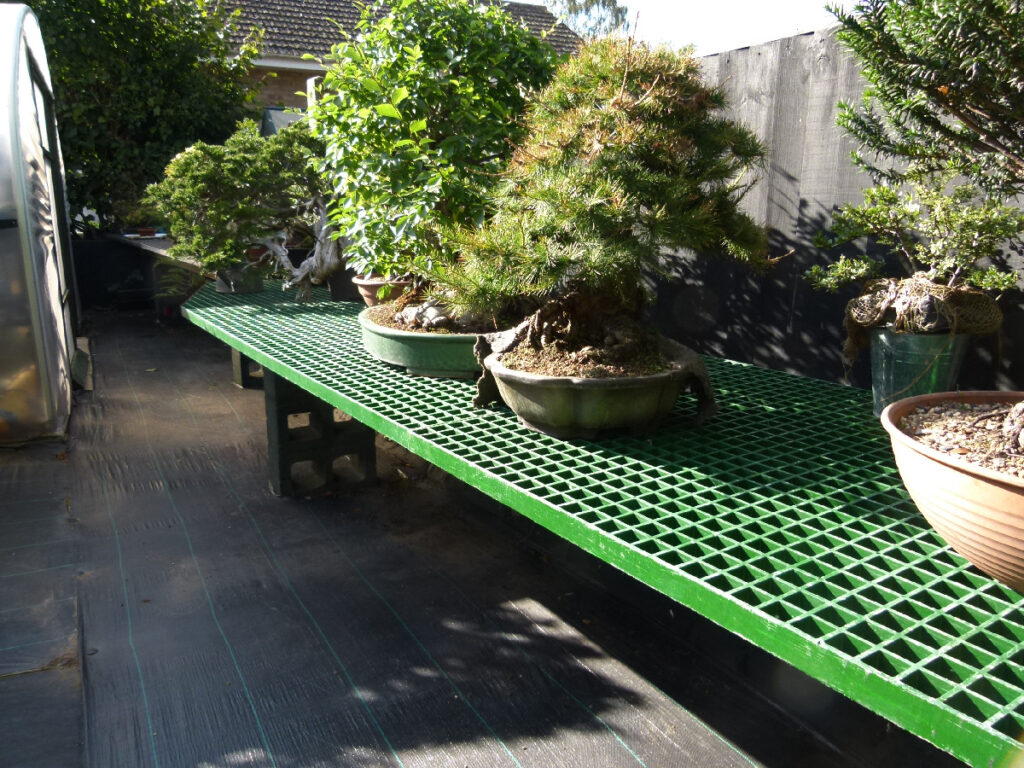
In other news I have been busting my hump all summer with renewing most everything in my bonsai garden following on from the ongoing poly tunnel and workshop revamp. It’s been going on for a year now and the end is in sight. I hope to have it all buttoned up before Christmas. That means hopefully next year I can get back to holding workshops, welcoming visitors and cracking on with a lot of video content i’m sitting on. I have created a lot more bench space which I have managed to fill up along with the back yard that is also filling up with all sorts of random stumps and bushes.
I have also finished ordering new stock for next spring. We have had a couple of shipments in this year already including a massive range of Plastic Bonsai Pots that are very nice. Our latest order is the largest I have placed in our history and it’s on the sea right now. I have a massive and spectacular selection of goods coming including a spectacular selection of pots of every size and colour imaginable including a huge number of masterpieces from Master ShuiMing Zhu. A master potter from Yixing, China, widely celebrated for creating exceptional, handcrafted bonsai pots with unmatched antique finishes and patinas and considered by many to be the best bonsai potter in all of China. However, I doubt many of those will make it onto our website as I seem to keep losing them in the garden.
We already stocked up our warehouse with bonsai soil and aggregates ready for next season as last year some of our suppliers let us down. Being a small business in the UK is no joke these days but i’m doing my absolute best to keep the wheels on. Unlike the water utilities, I believe continuity of supply is important.
Just one more item before I go. This weekend sees The East Anglian Bonsai Show take place on Sunday, September 6, 2026, from 10:00 AM to 3:30 PM at the Kesgrave War Memorial Community Centre in Ipswich (IP5 1JF). I will be there all day doing very little if you fancy a chat. This little show is going great guns and it’s a pleasure to see what a few good hard working folk can do for our amazing bonsai hobby.
So here’s to a nice warm but not too hot autumn. May your bonsai thrive and let’s pray the water keeps flowing.
Graham Potter – September 2026.
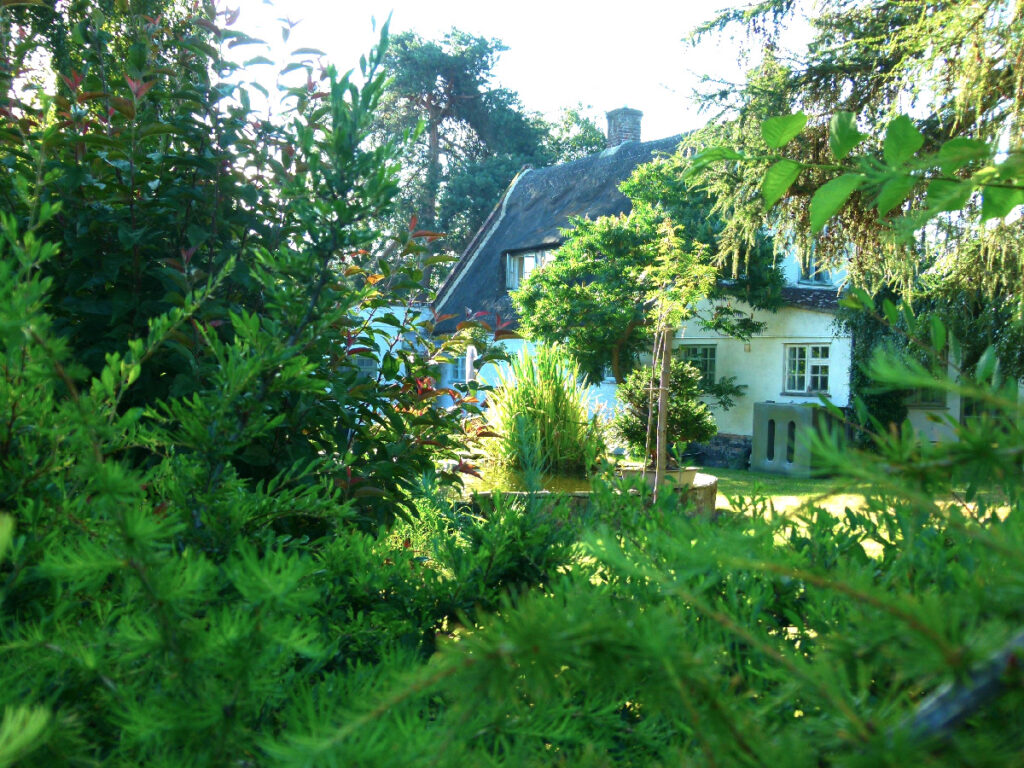
That water tank in situ.
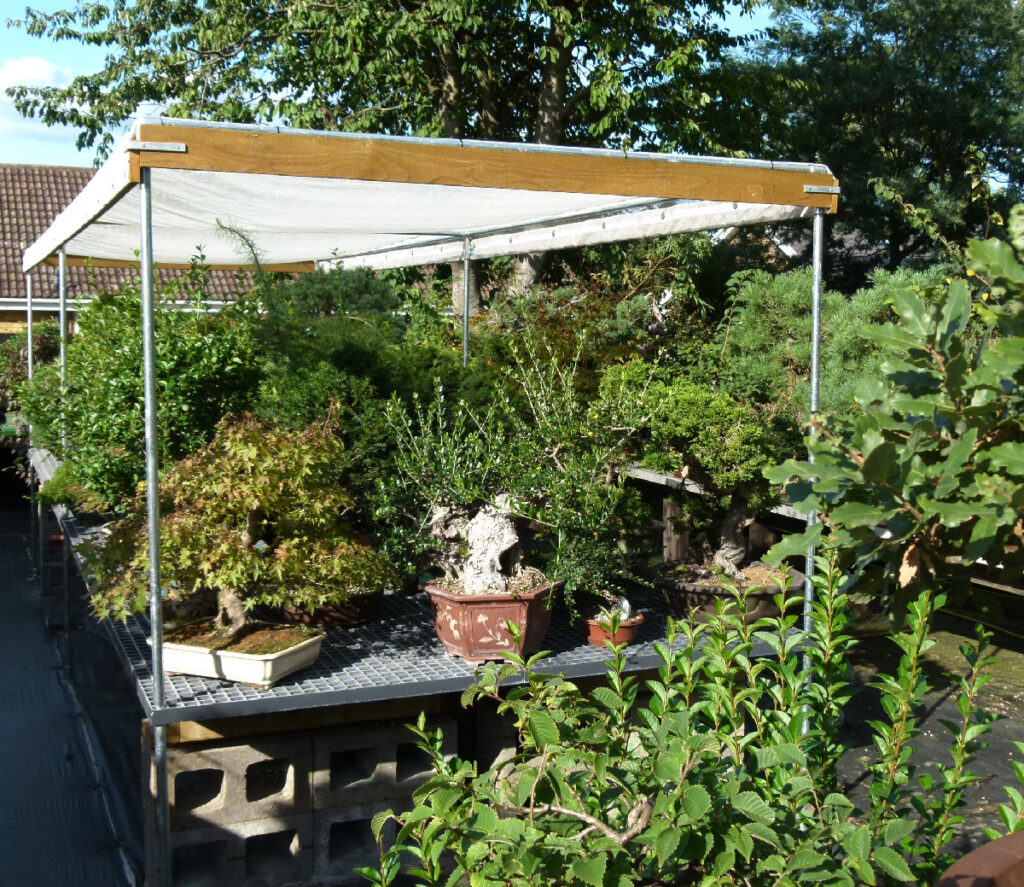
First time I ever had to build a bonsai shade structure.
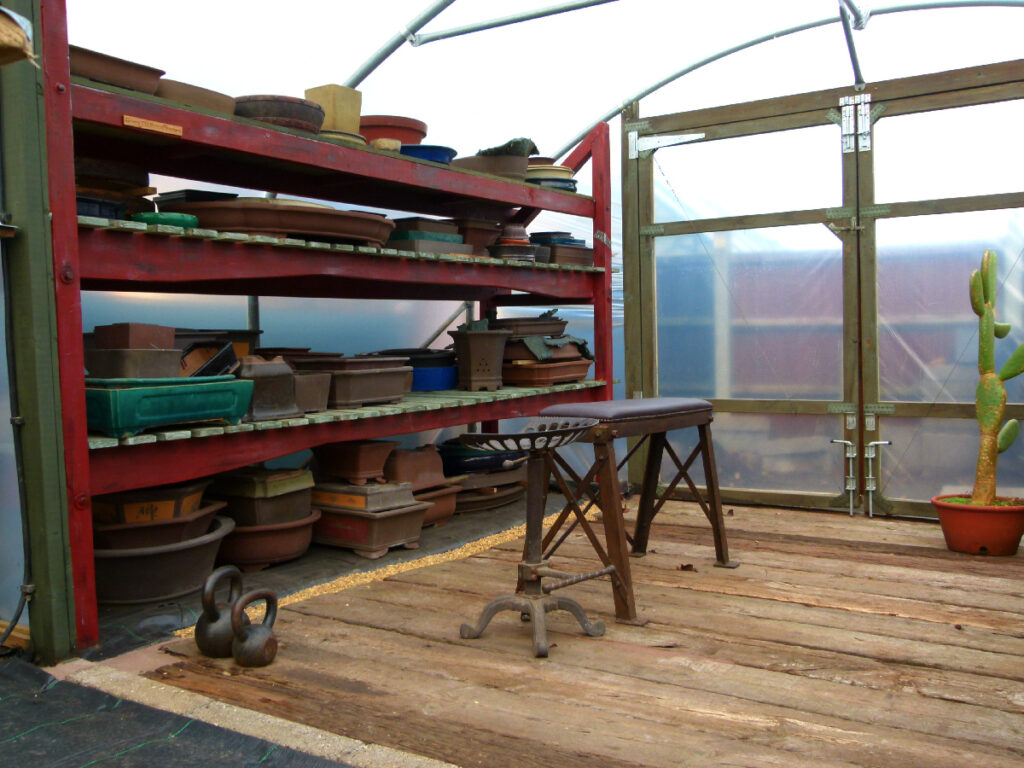
How do you get rid of a pile of old railway sleepers?
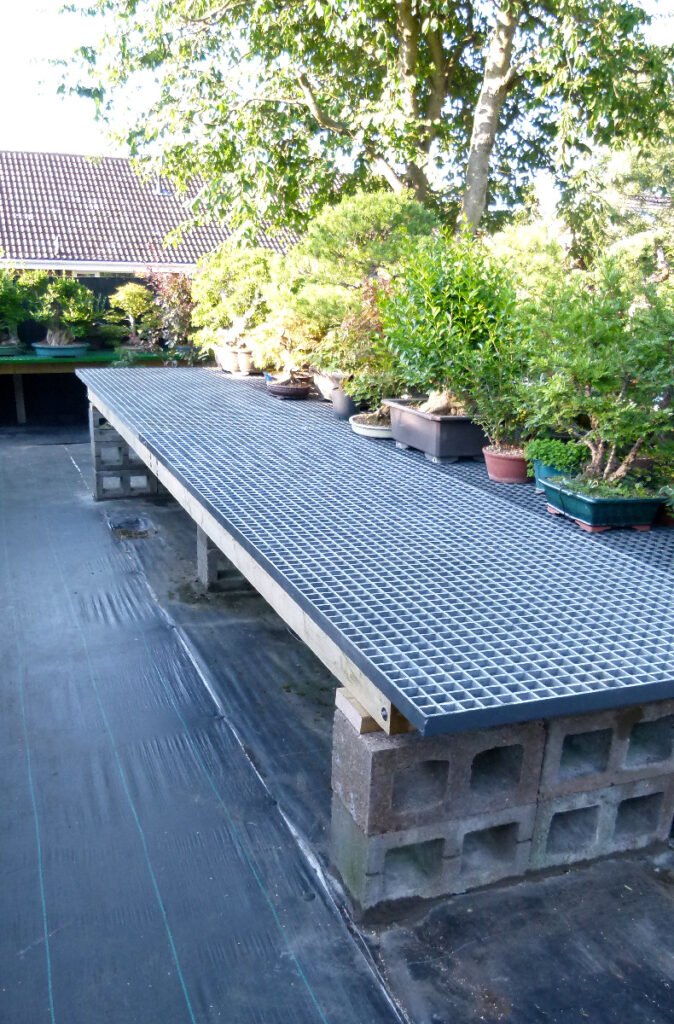
Replacing dilapidated old benches is fun….. No it really is!
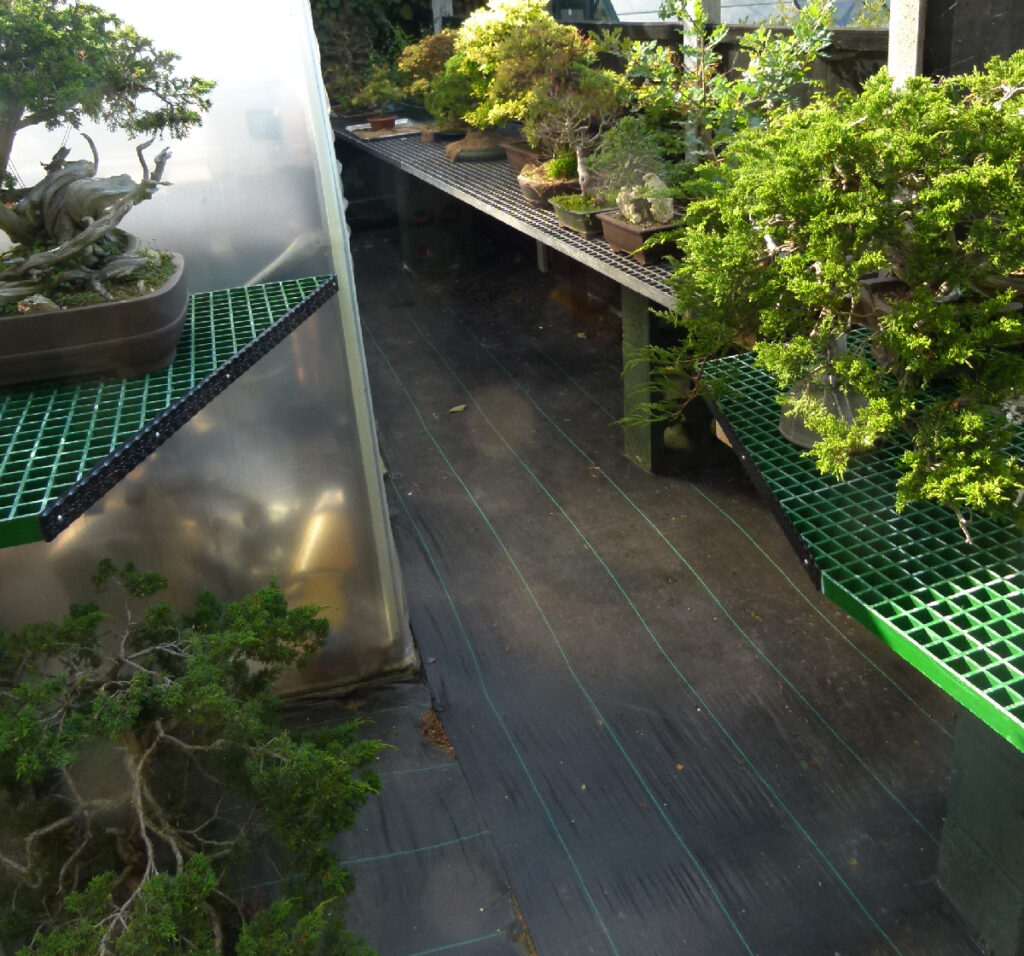
This was my dump site for a mountain of old plastic containers and other crap. I like this better.
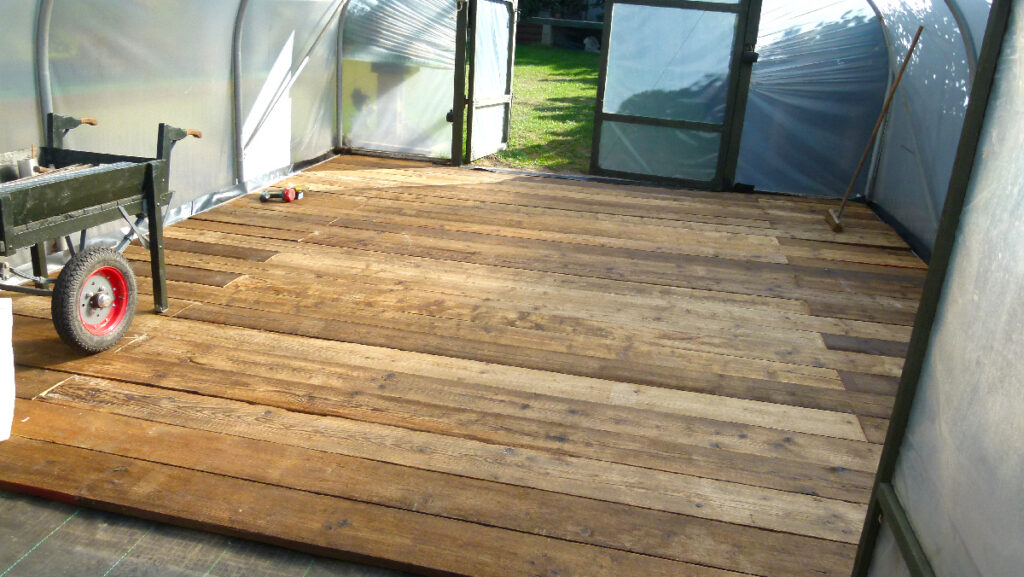
Last weekend & new workshop floor. Work in progress.
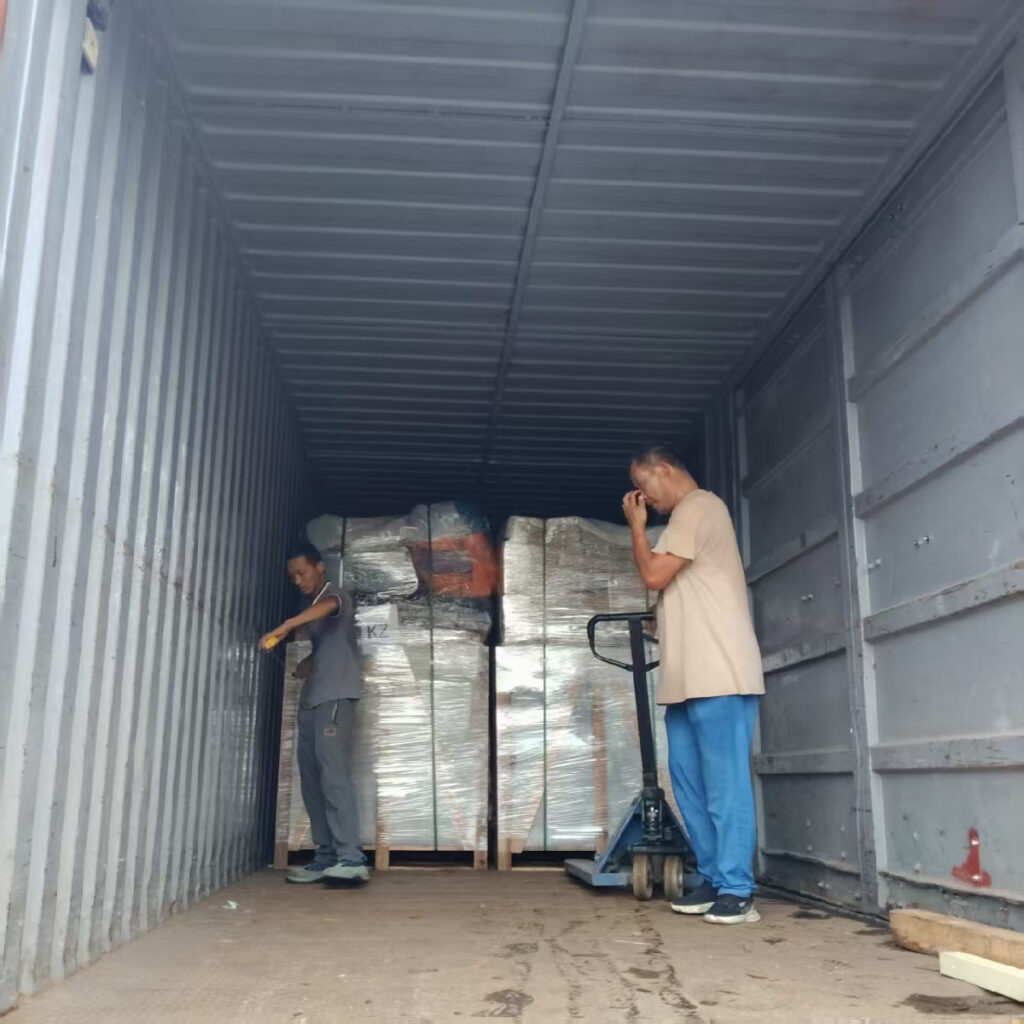
Is this all going to fit?
The post You live and you learn appeared first on Graham Potter | Kaizen Bonsai Blog.
