 Login
Login
Katsura Maple
18 June 2023 at 10:47
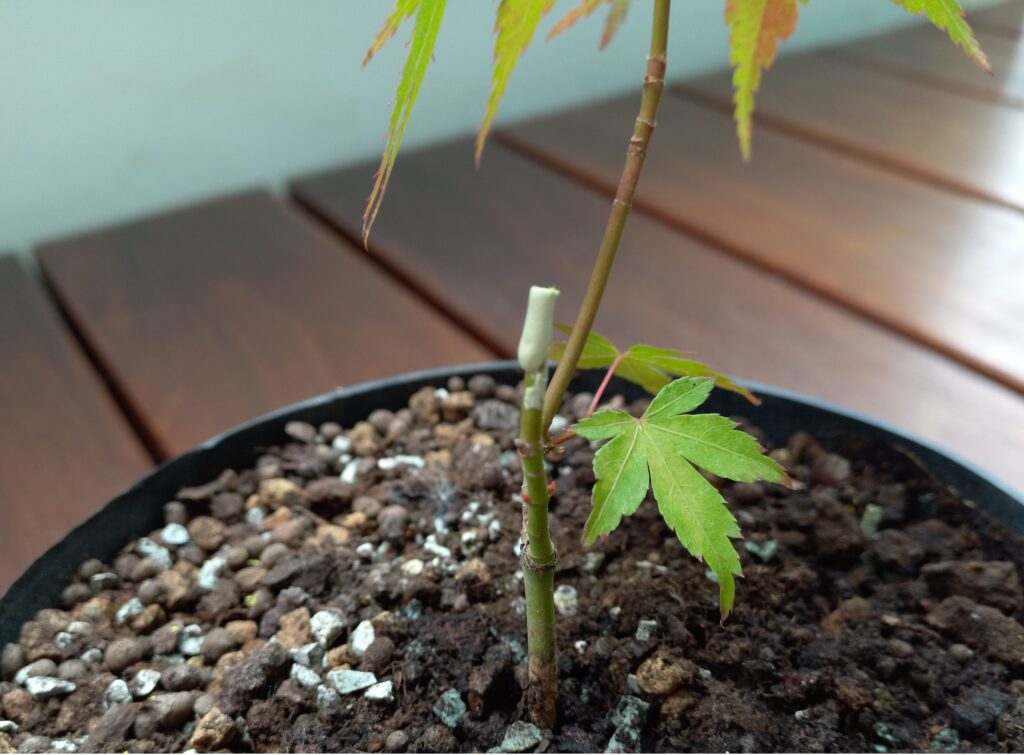
Katsura maple from OBI, just after repotting in June 2023. A young, non-grafted seedling with a green trunk.


Katsura maple from OBI, just after repotting in June 2023. A young, non-grafted seedling with a green trunk.
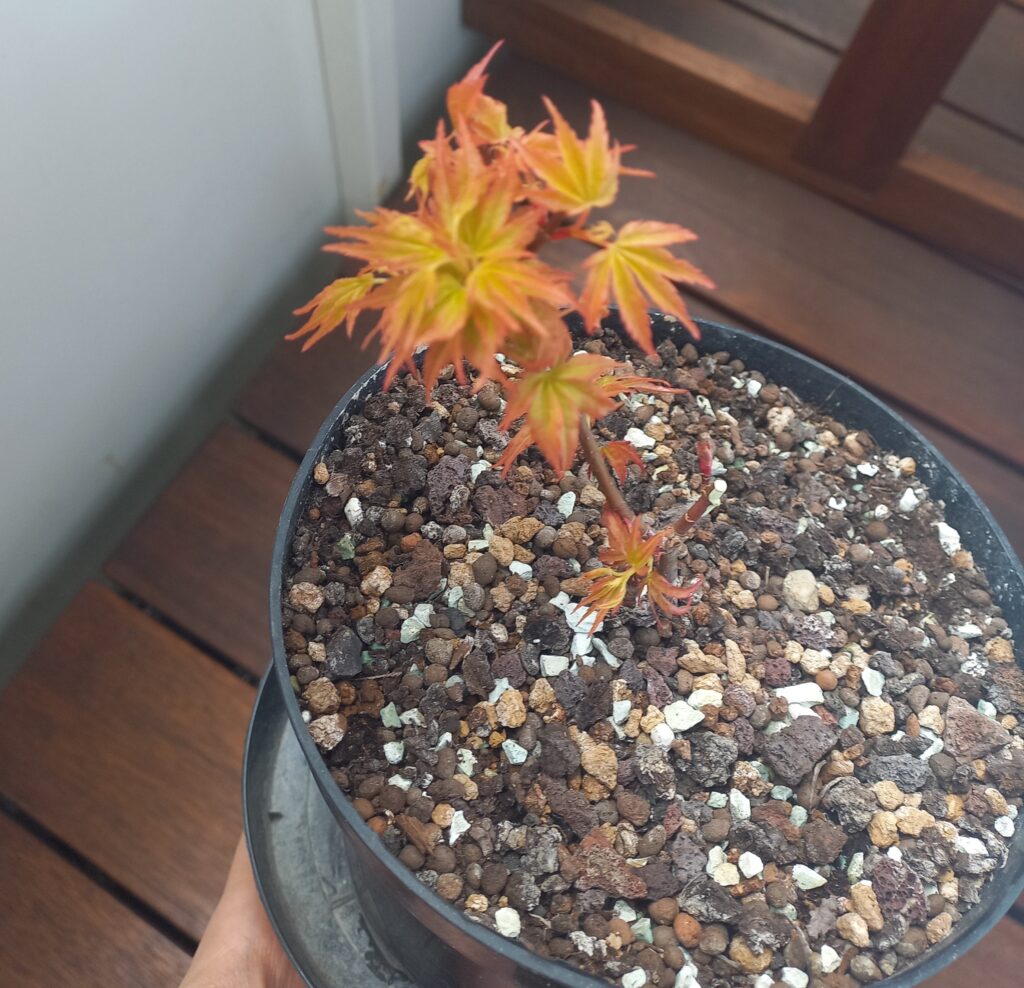
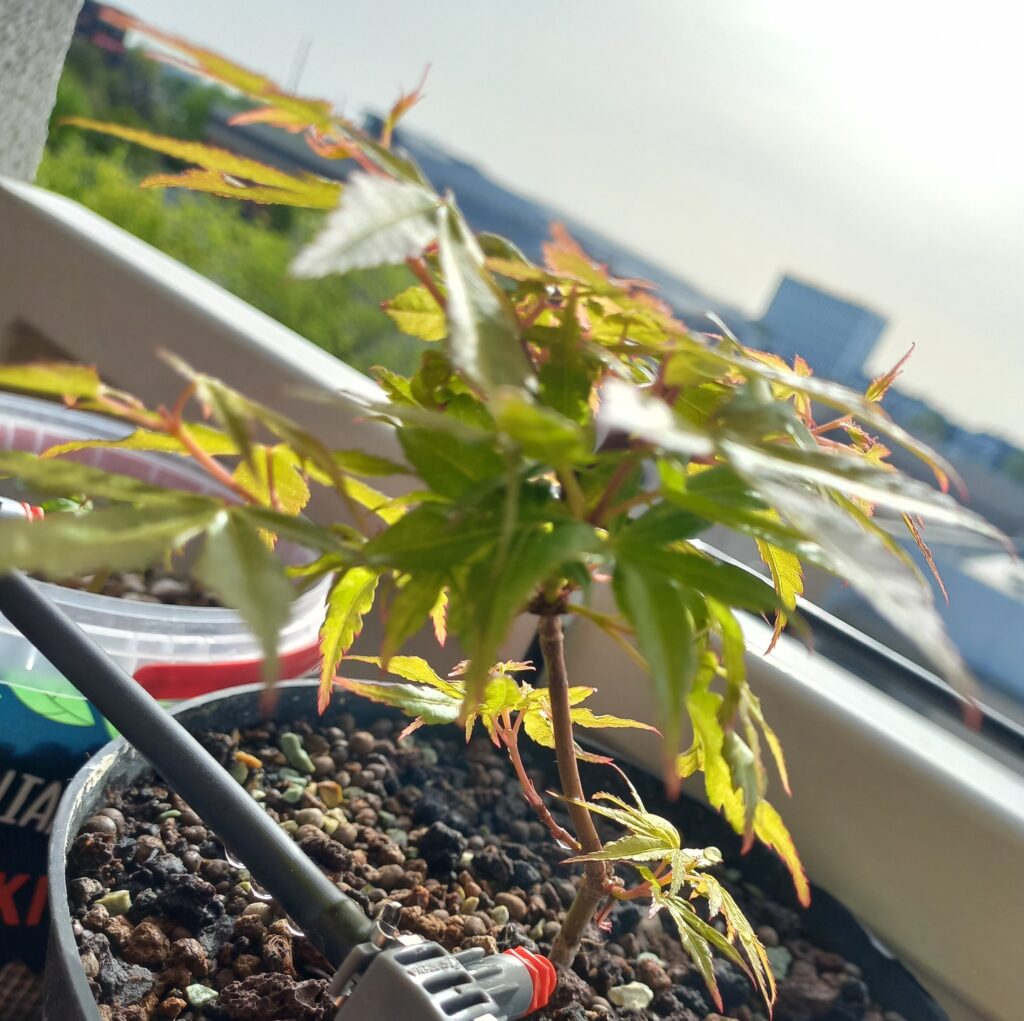
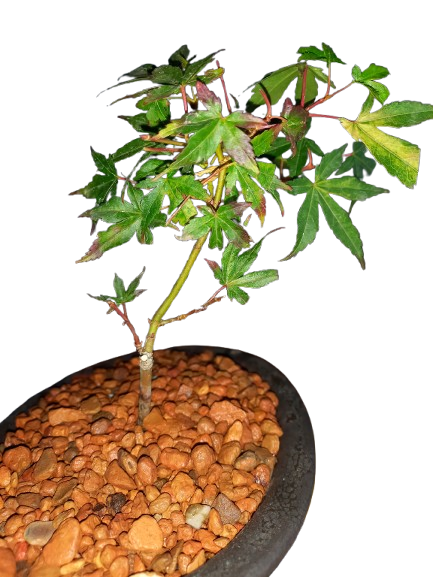
The maple in March, April, and June 2024. In the second half of the season, it was repotted into a bonsai pot with an inorganic mix.
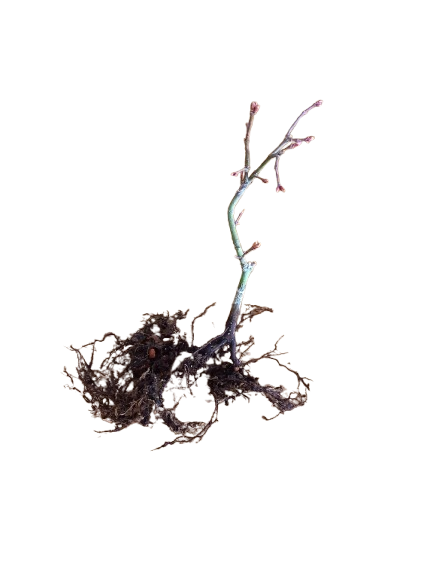
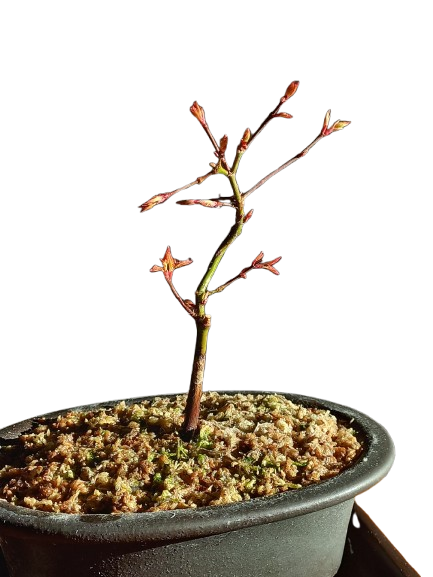
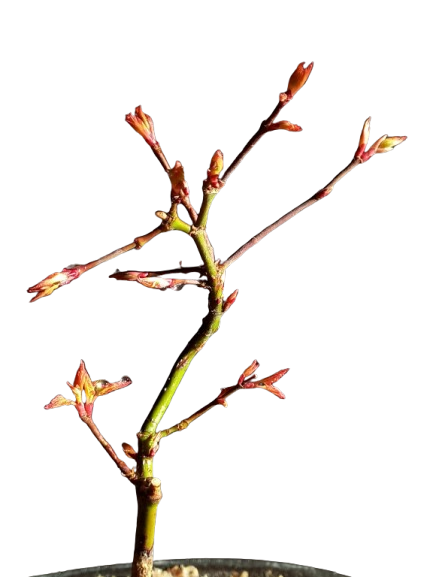
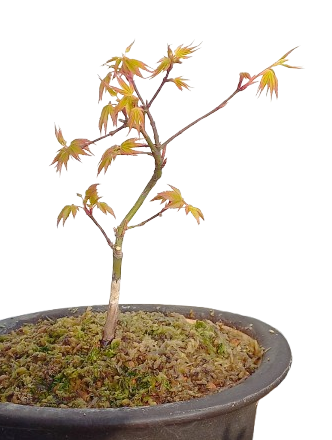
Repotting in spring 2025. The roots are still far from a good arrangement for future nebari.
Swollen buds are slowly starting to open.
Another maple clone purchased in 2024 – a variety I really wanted: Nishiki Gawa. Cork develops faster than in the case of Arakawa. Here, air layering is mandatory because the difference in bark tissue between the rootstock and the cultivar would be very noticeable.
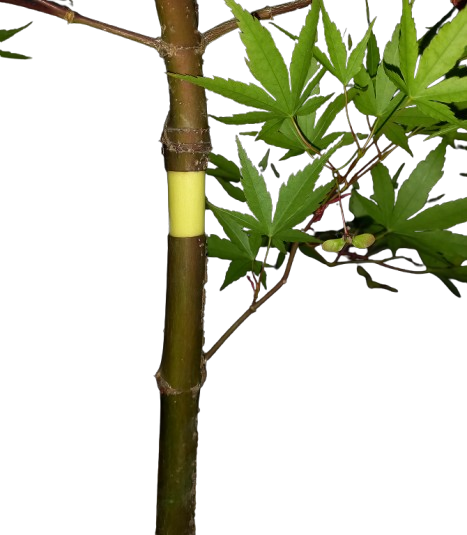
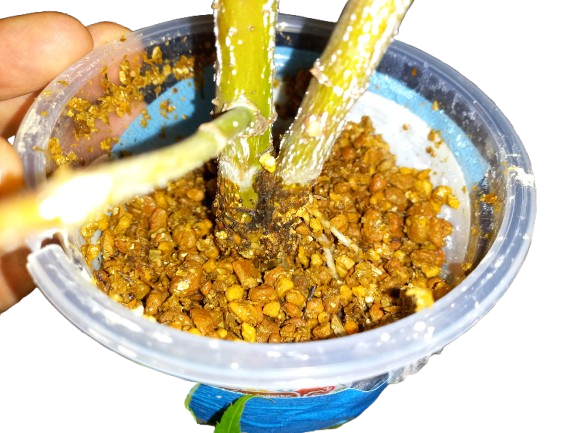
In 2025, the air layer was successfully completed. After transplanting, the plant produced new growth even before winter.
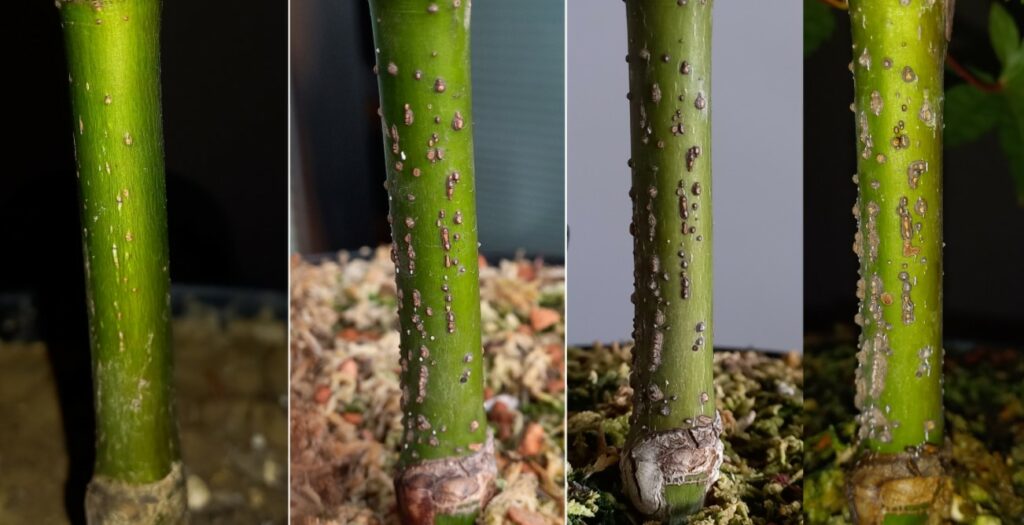
The rate of bark corking in the Nishiki Gawa variety (potted plant, grown without fertilization, showing slow growth). In open ground, cork formation might occur more quickly.
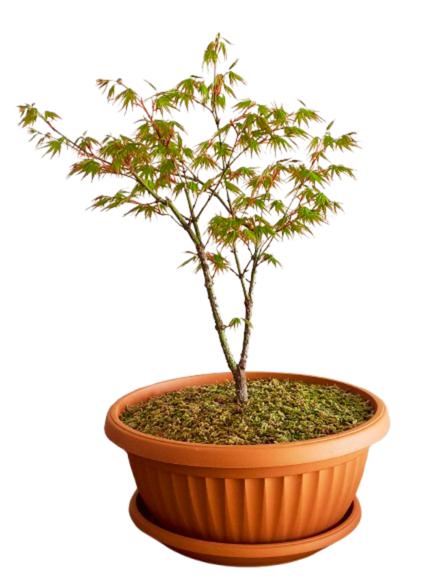
Maple after being transplanted into a slightly wider pot, March 19, 2025. The beautiful green of young leaves.
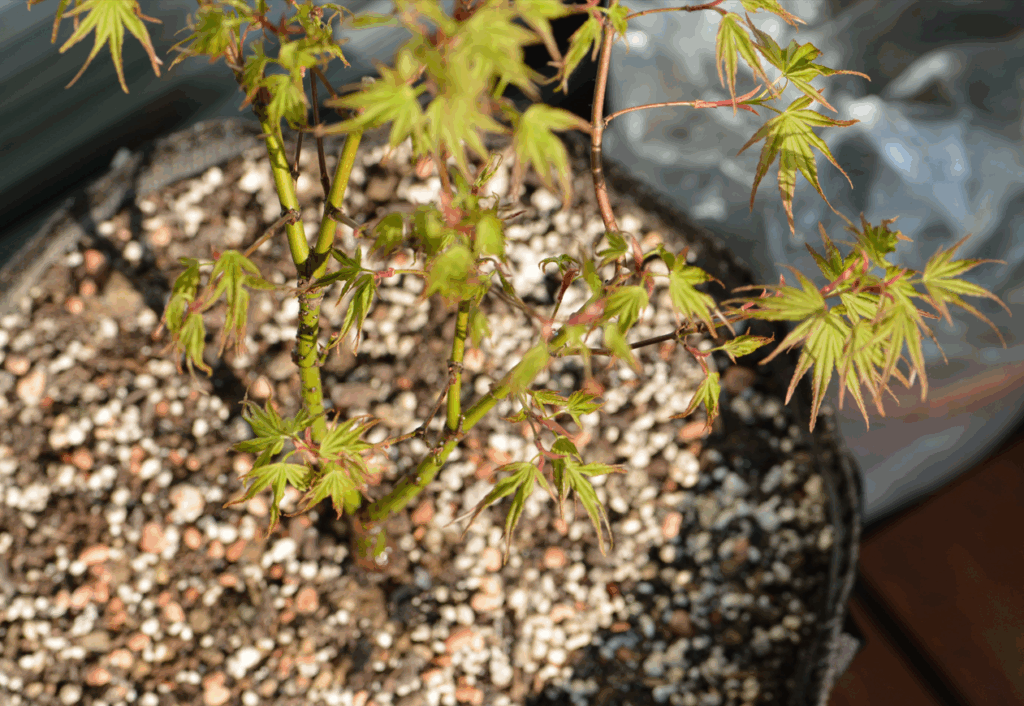
Photo from spring 2024.
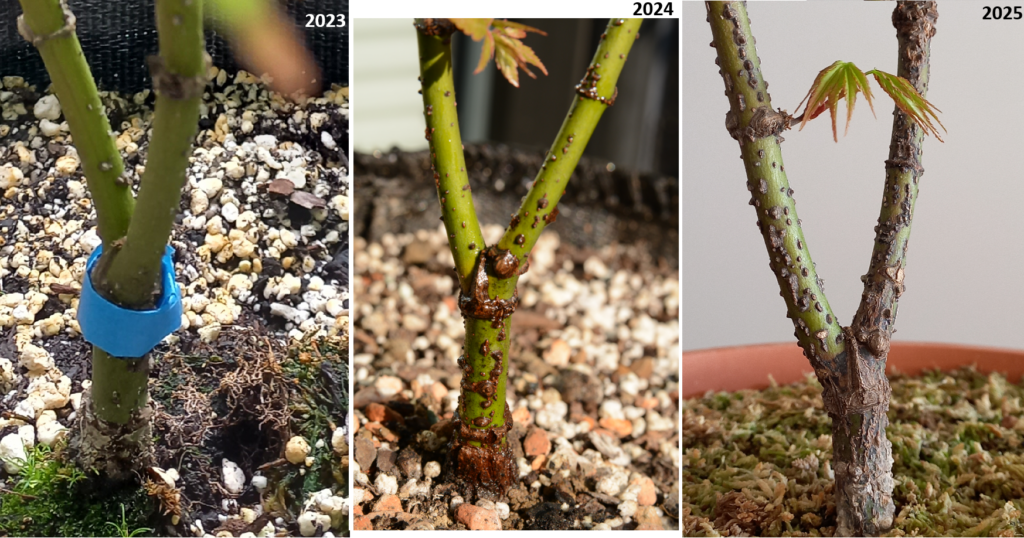
Barking progress from summer 2023 to spring 2025. This process takes a long time—at least several years are needed for the bark of the Arakawa variety to become mature, corky, and rough. This gives the appearance of an old, mature tree, unique and striking look.
Shin Deshojo maple bought in 2024. It is grafted, and I am working on some air layers to propagate new plants without the ugly graft. Picture on the right – rootstock after removing the air layer.
This variety is known for its stunning blood-red leaves in early spring. In summer, they turn green, and in autumn, they change color beautifully.
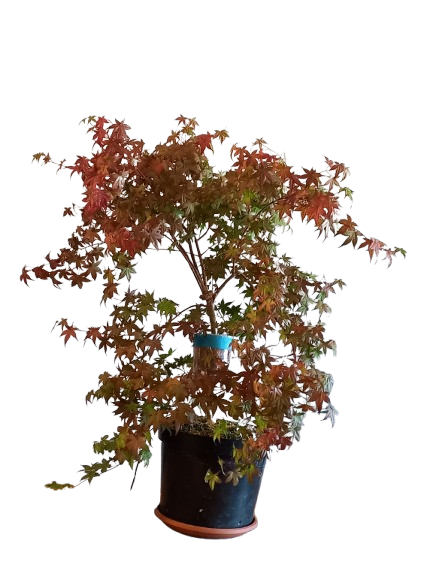
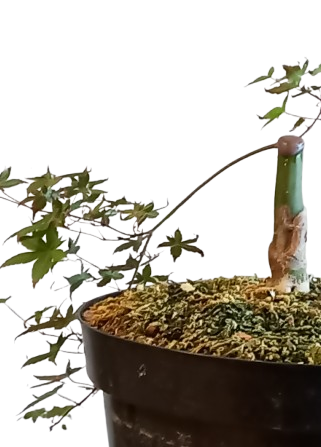
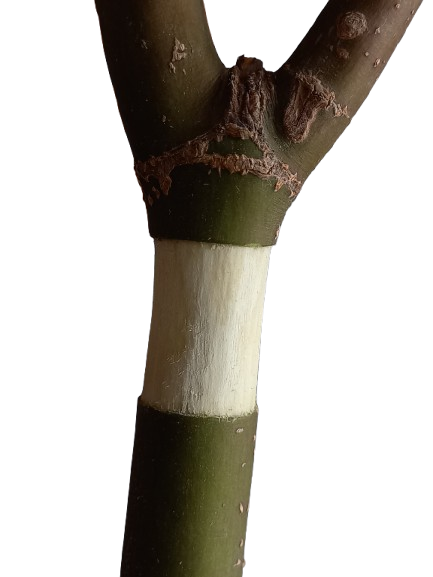
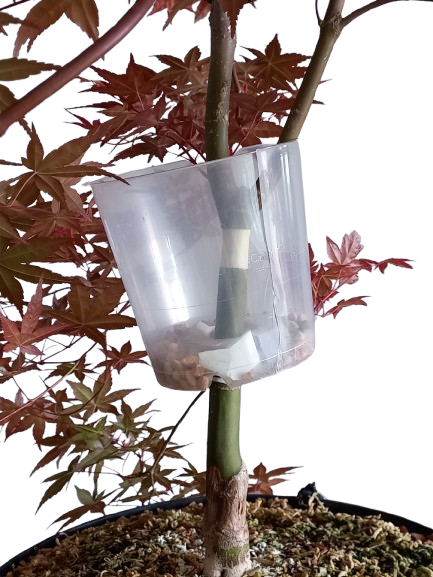
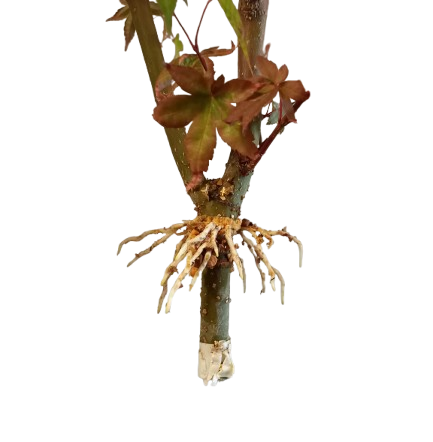
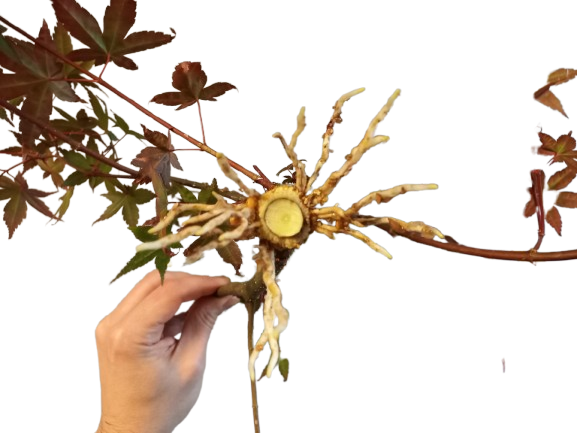
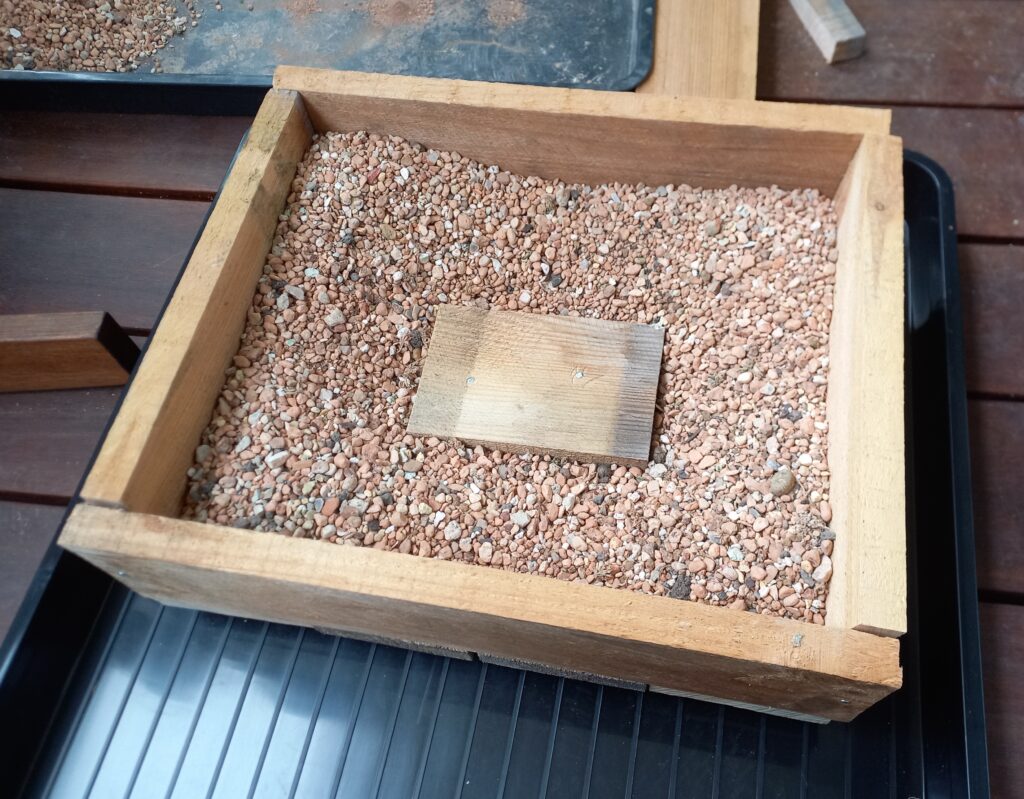
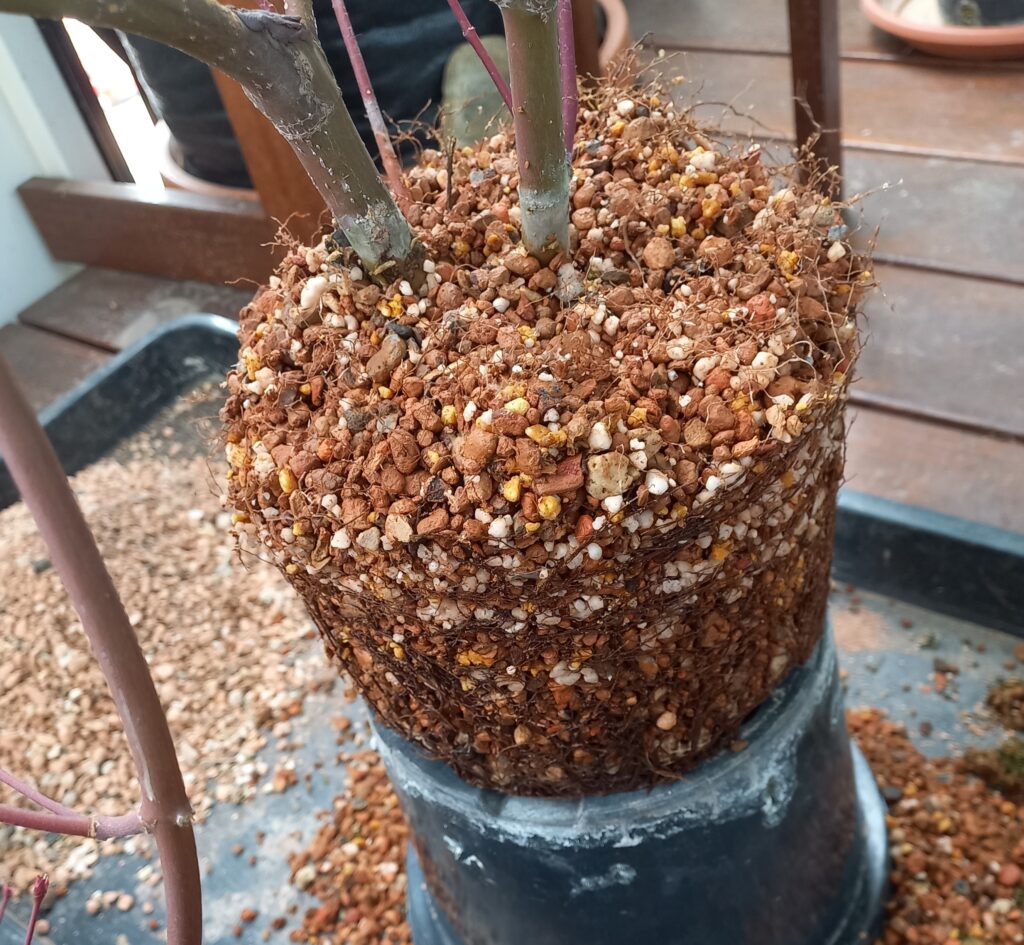
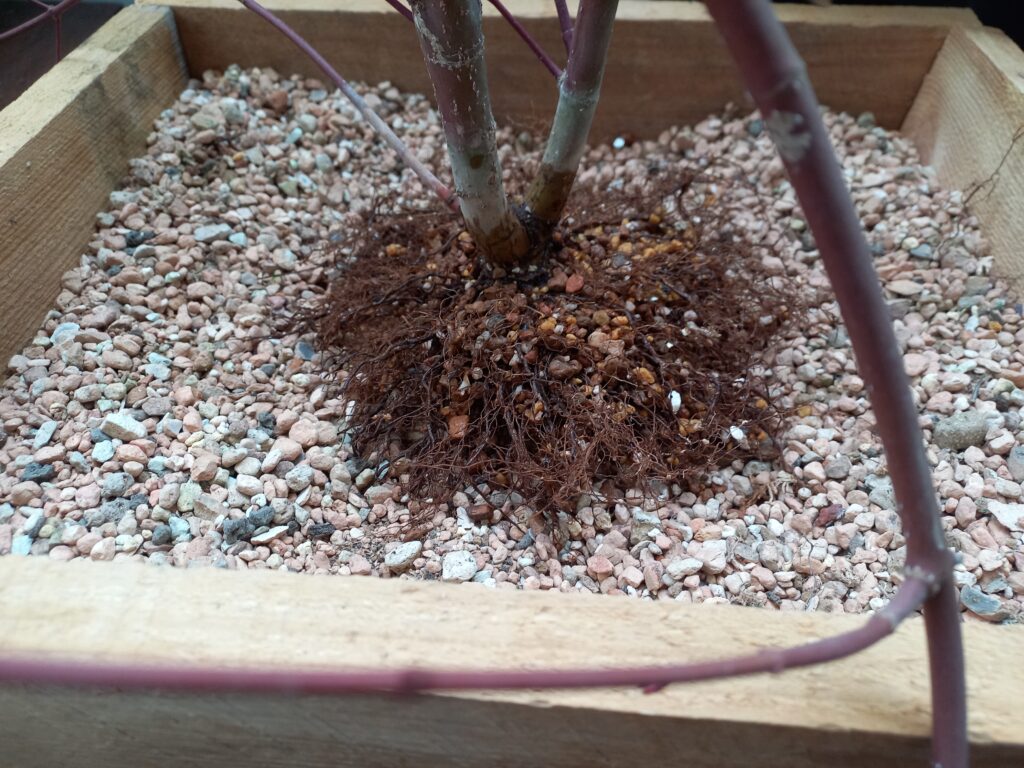
14.03.2026 — Repotting the Shin Deshojo maple (after removing the rootstock, air-layer from last season)
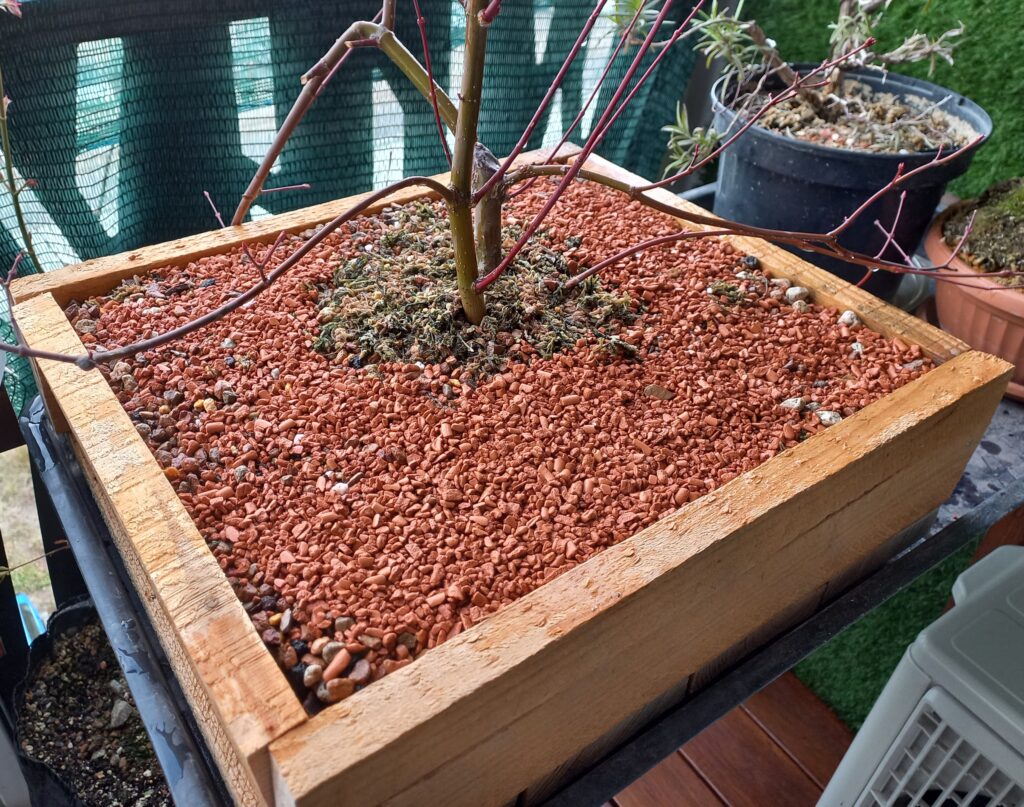
I decided to try the method with a wooden box — boards connected with nails. The flat and fairly wide shape should theoretically speed up the development of a “pancake-style” nebari in the long term.
Now it’s just a matter of watering and fertilizing; the tree will be allowed to grow freely without any pruning so it can build up as much mass as possible.
I may also make an additional (backup) air-layer, since this is the only Shin Deshojo I own.
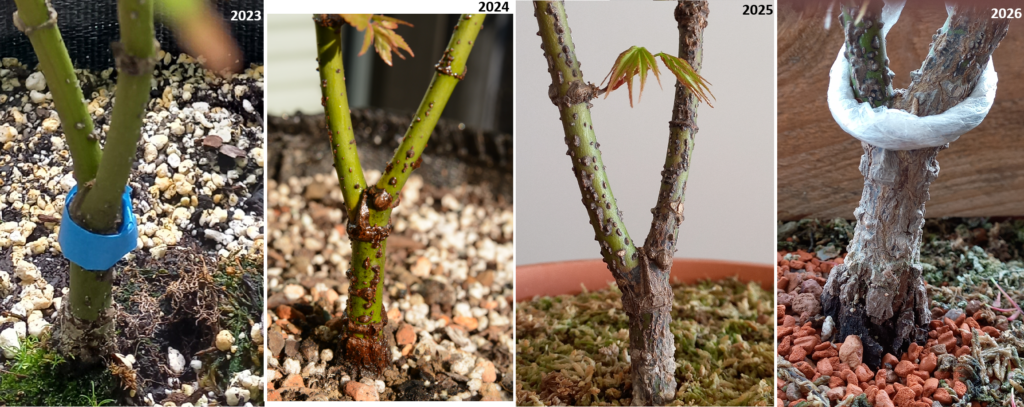
Barking progress from summer 2023 to spring 2026. This process takes a long time—at least several years are needed for the bark of the Arakawa variety to become mature, corky, and rough. This gives the appearance of an old, mature tree, unique and striking look.
