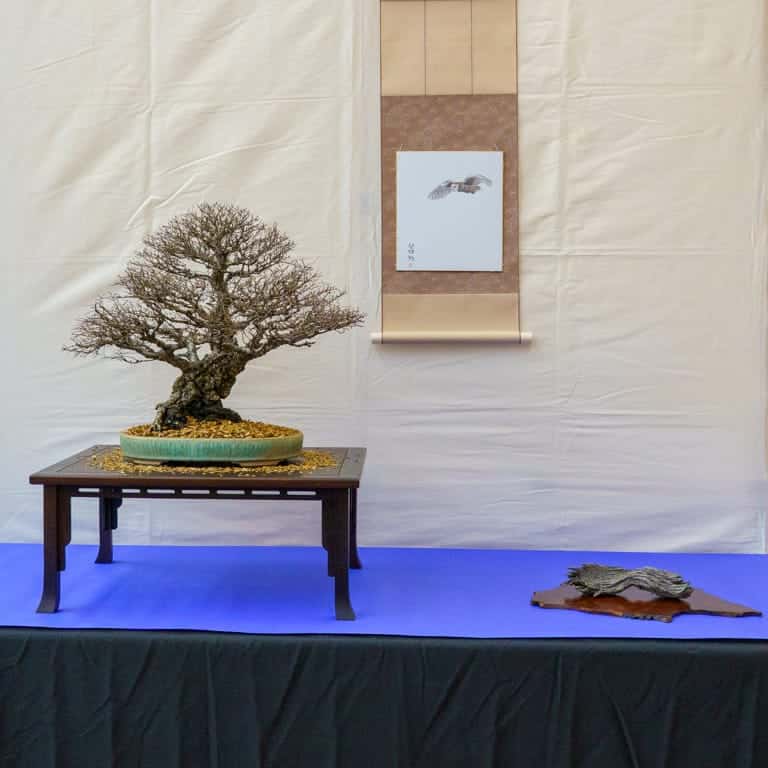
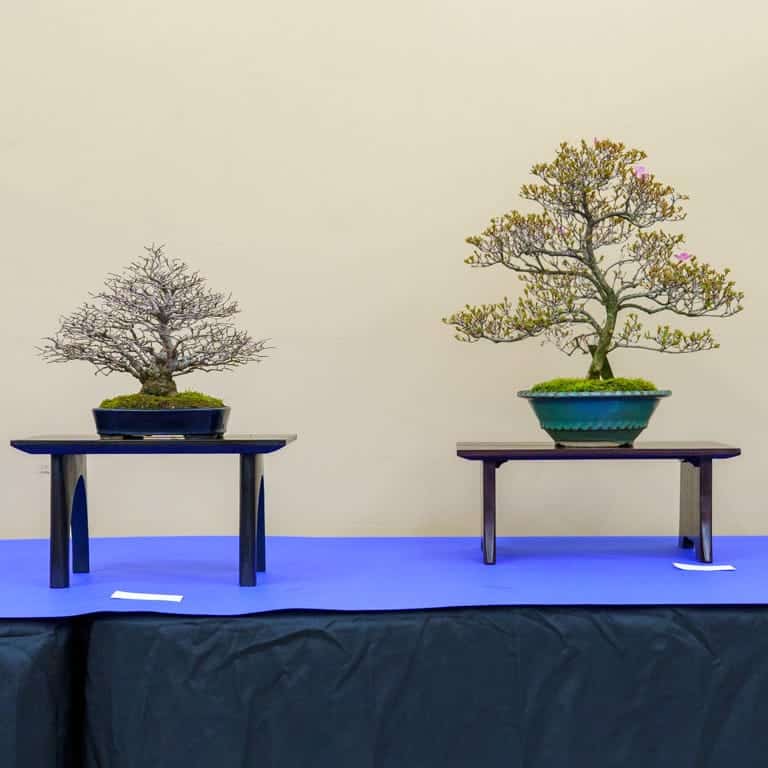
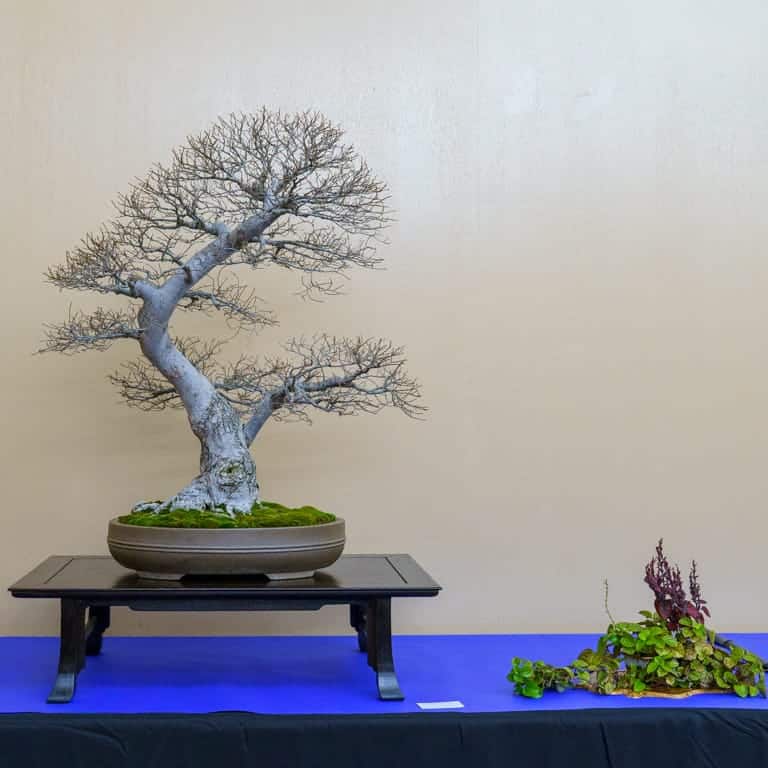
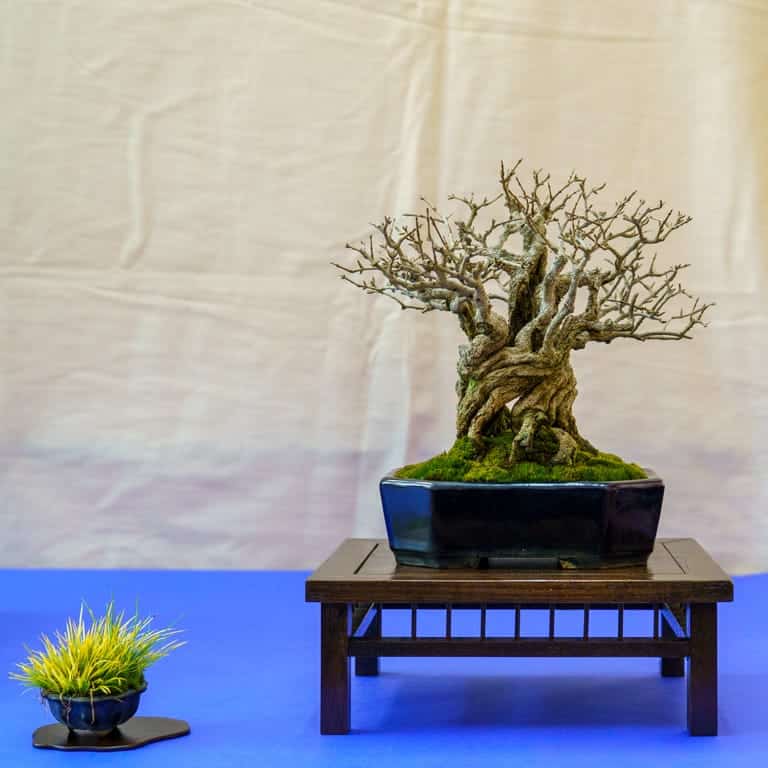
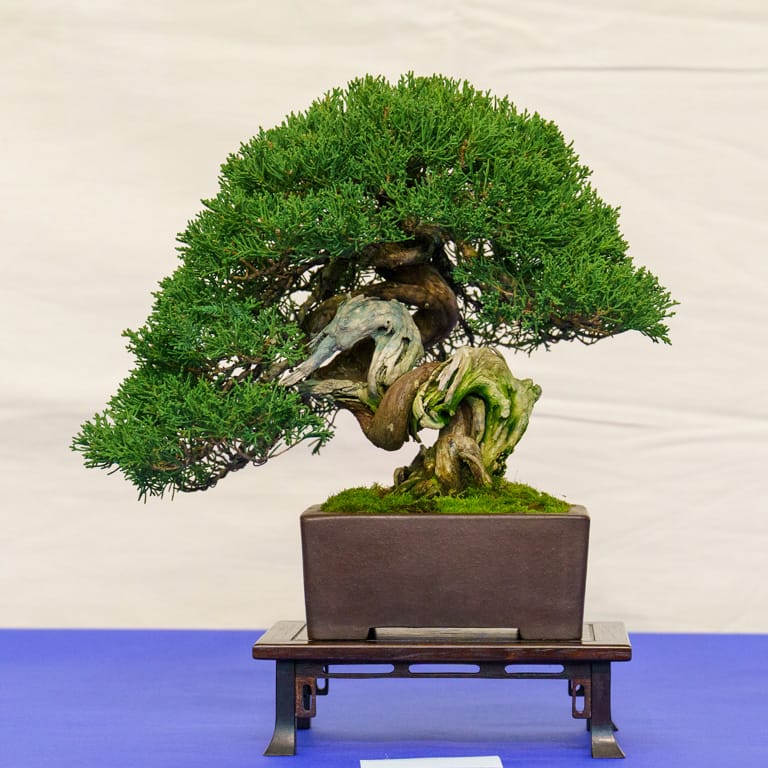
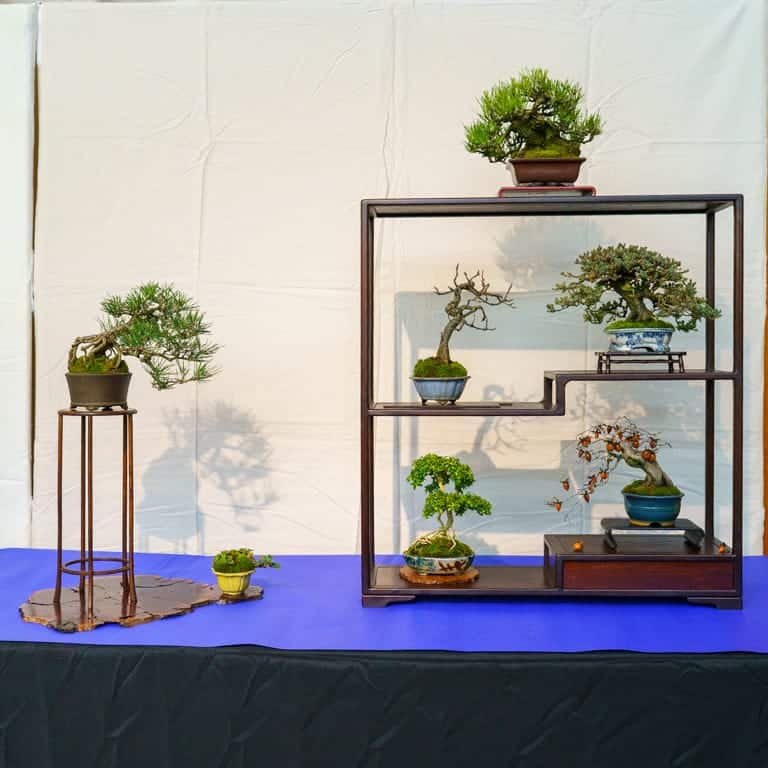
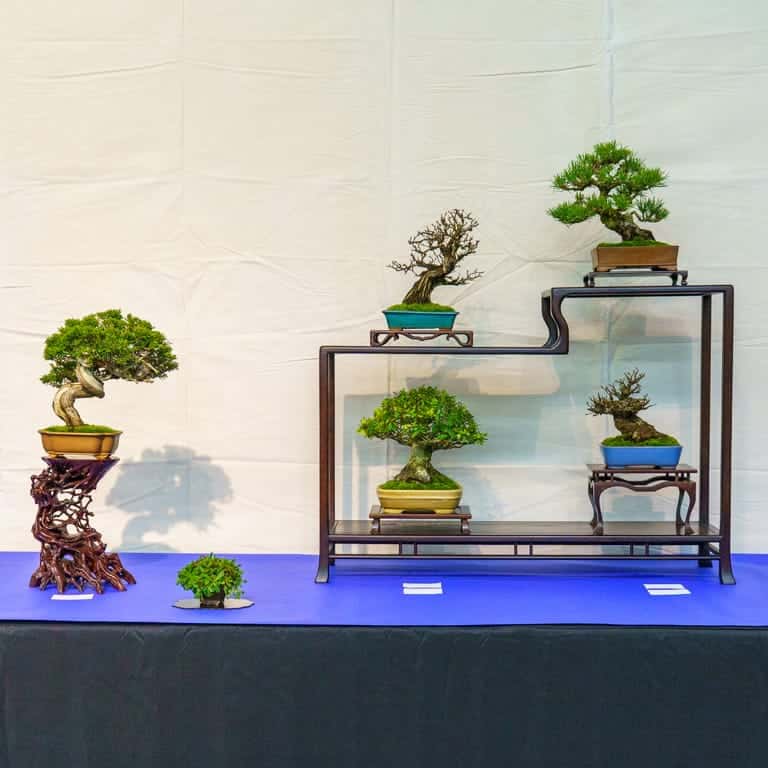
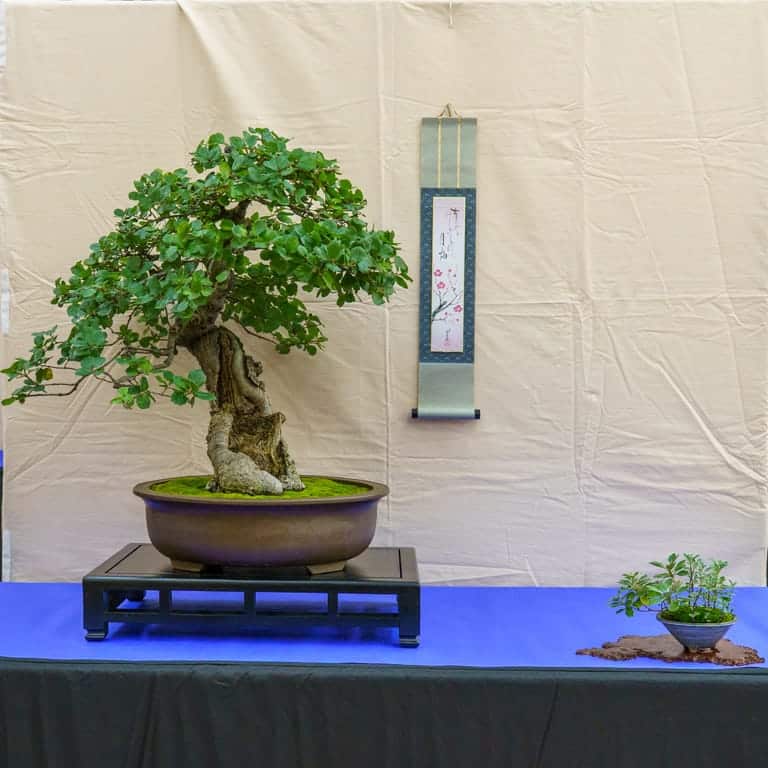
Last month the Bay Area Bonsai Associates held their 42nd annual exhibit at the Lake Merritt Garden Center in Oakland, California. The event featured an exhibit, sales area, and Saturday evening demonstration by Adam Toth.
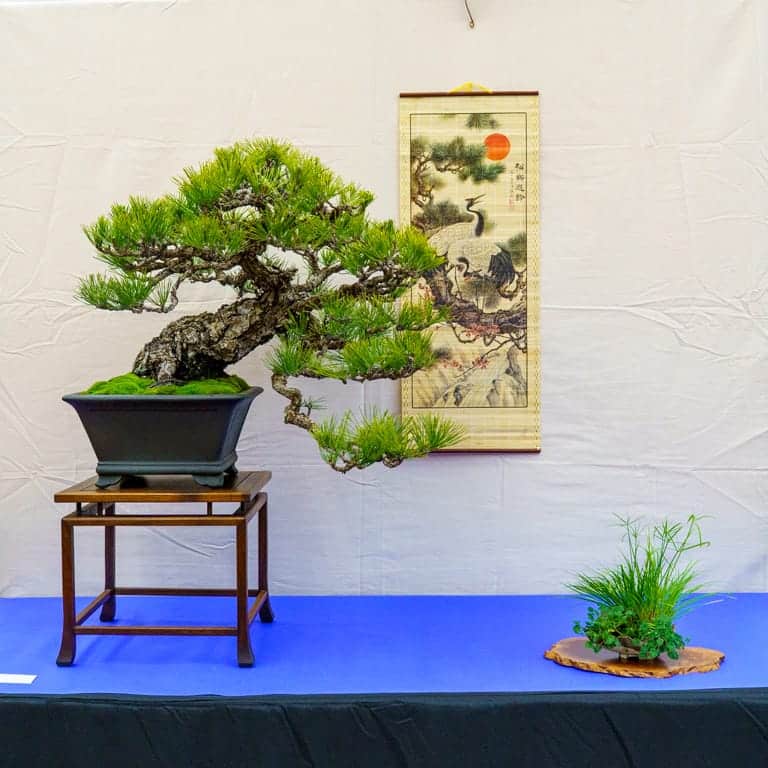
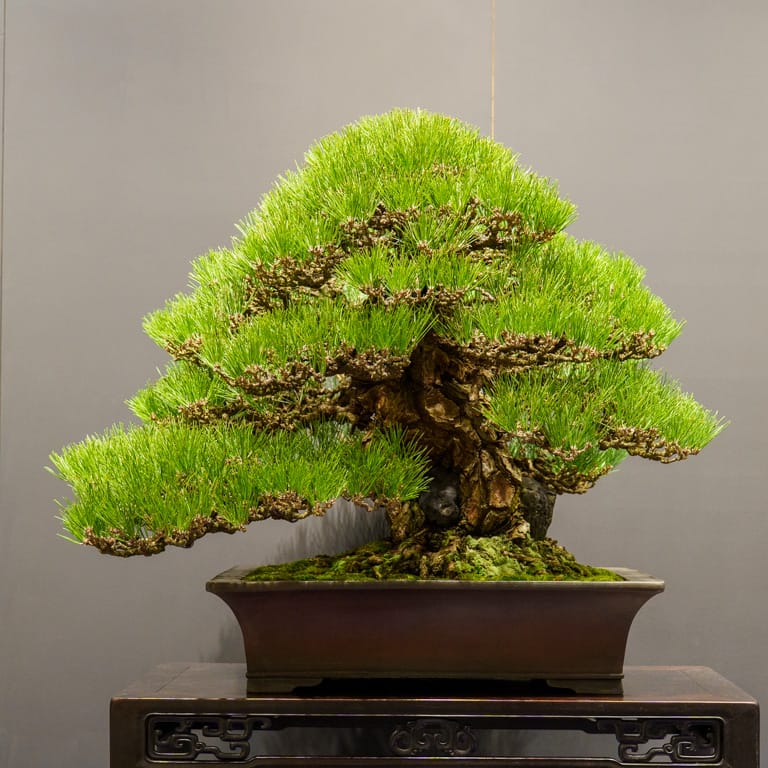
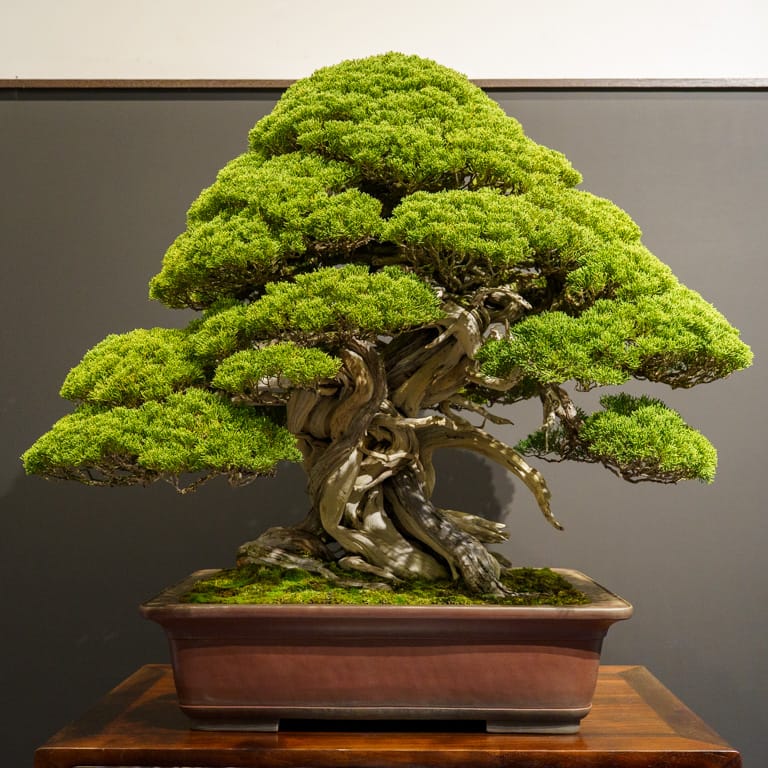
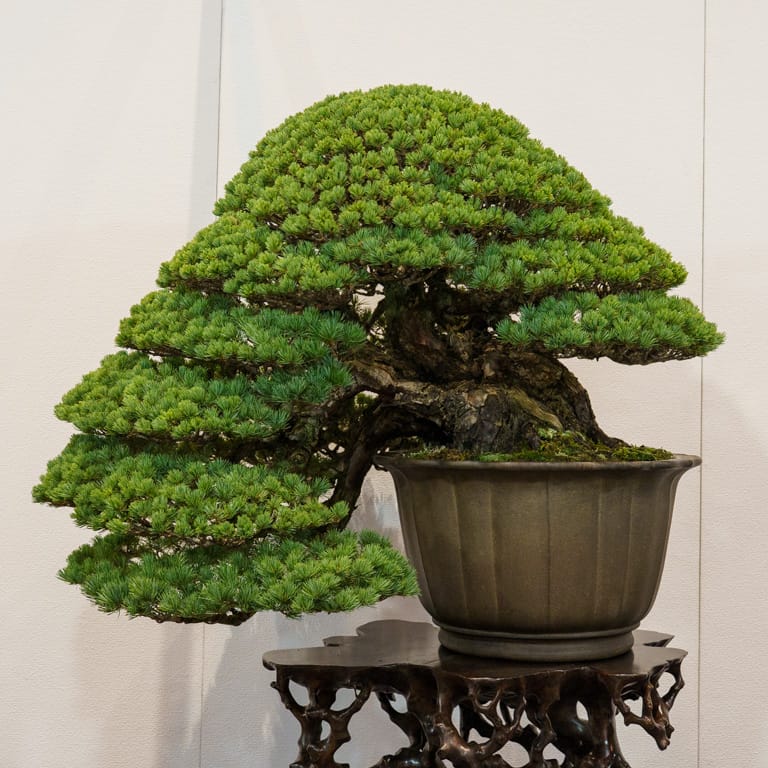
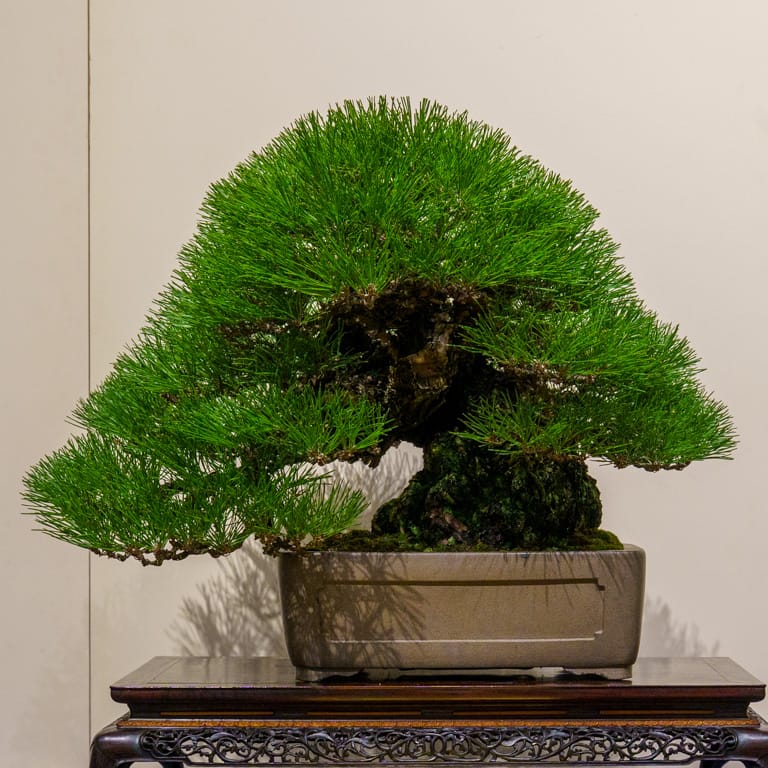
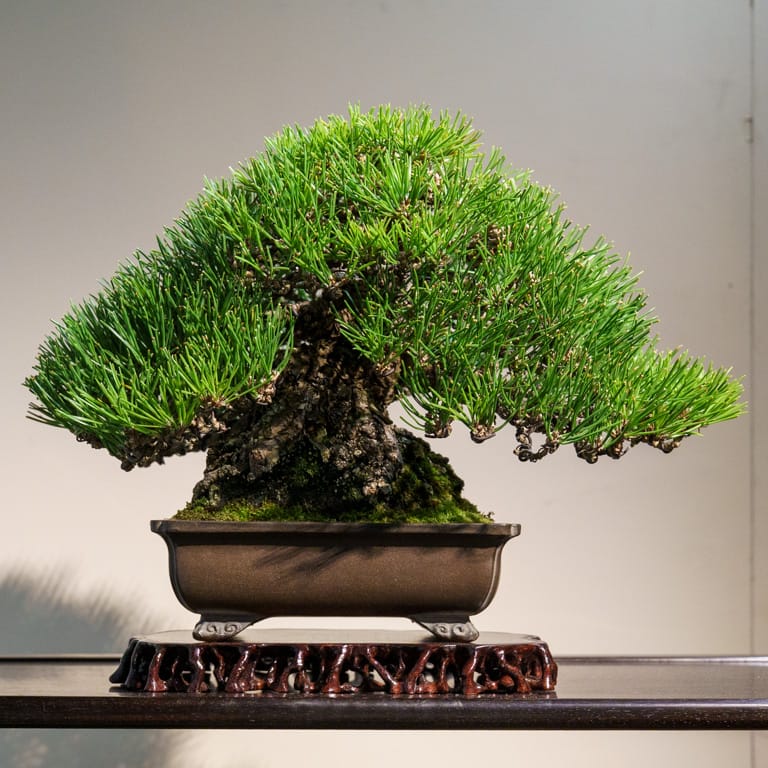
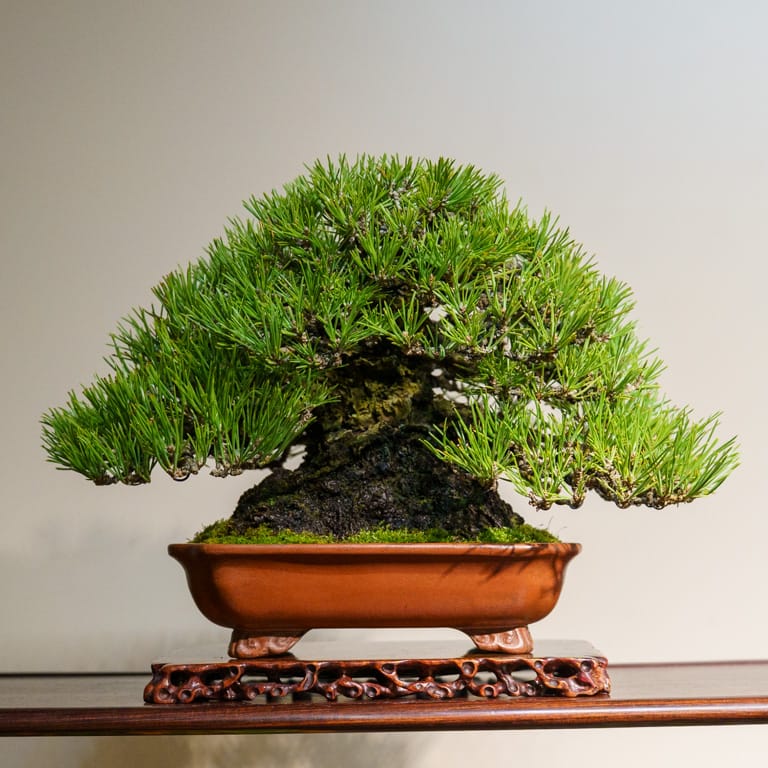
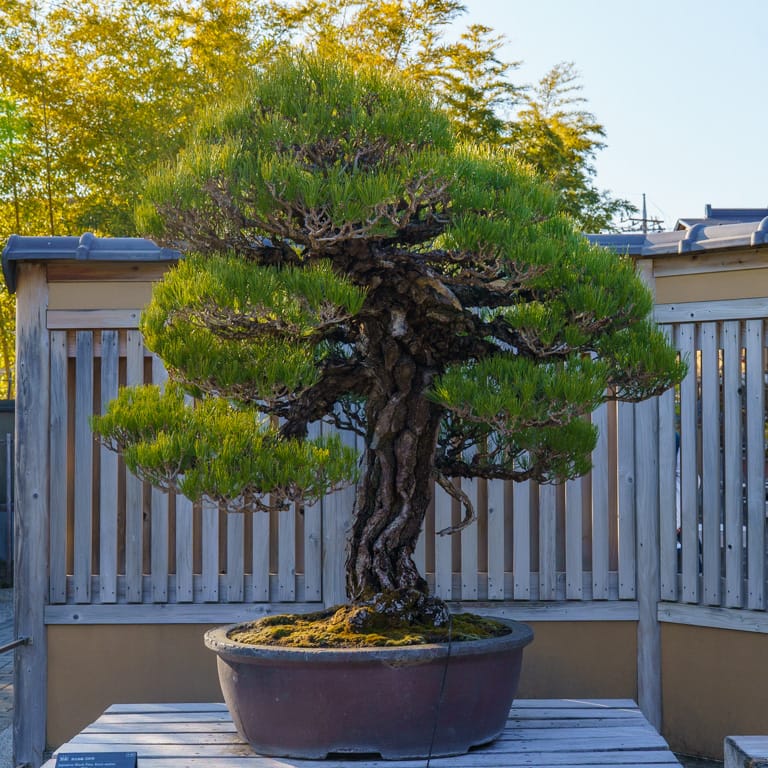
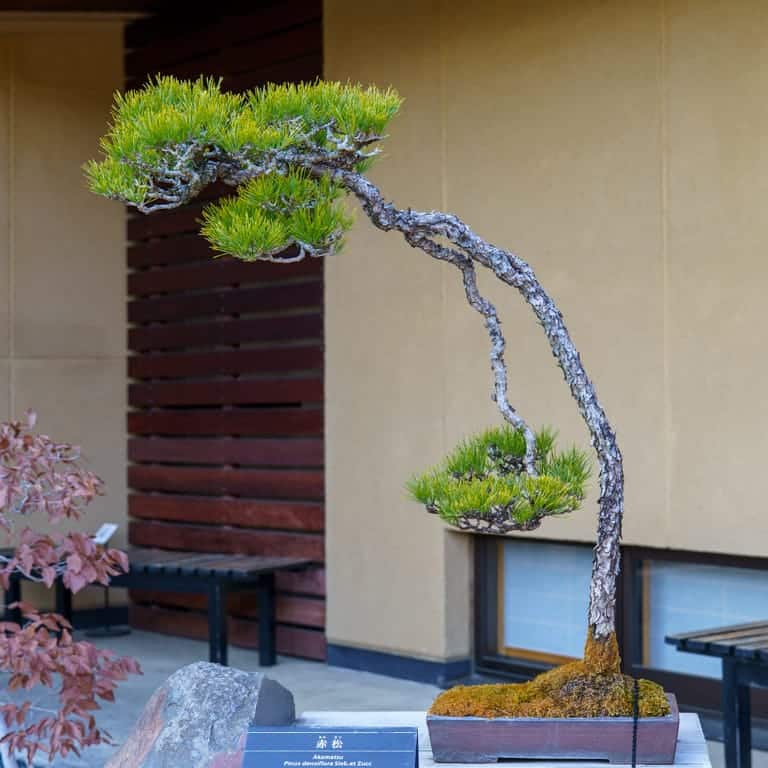
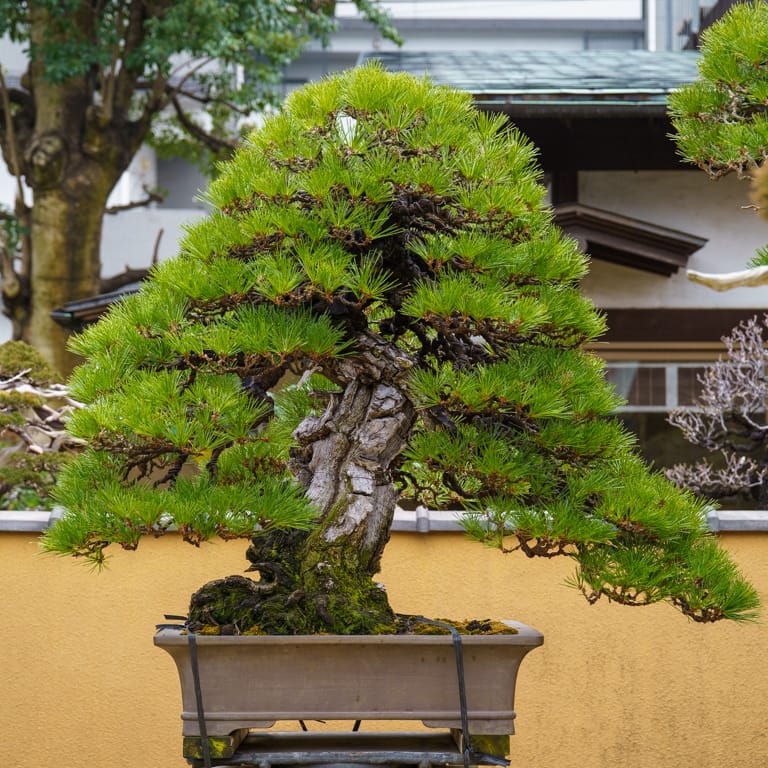
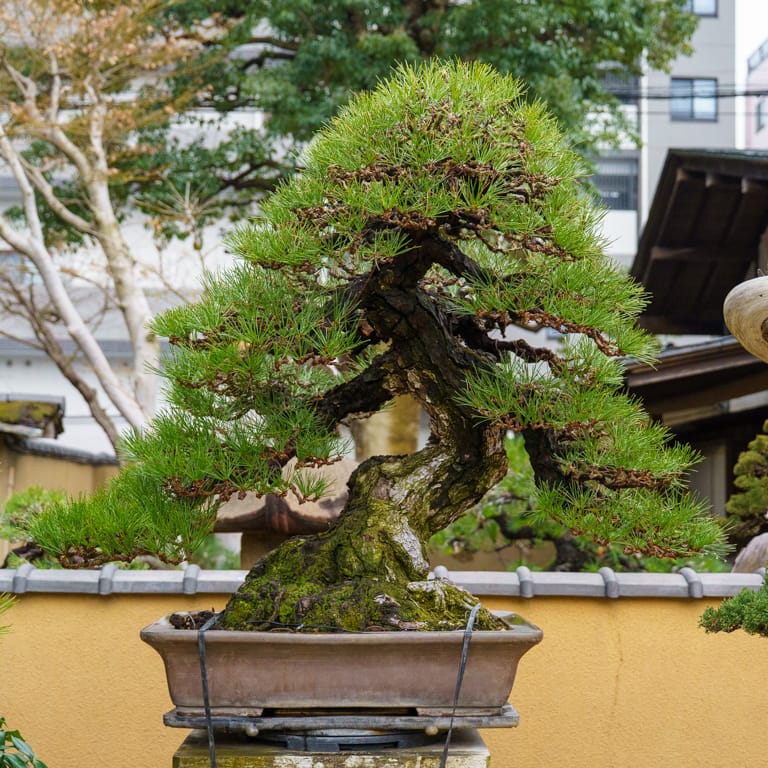
Japanese black pine
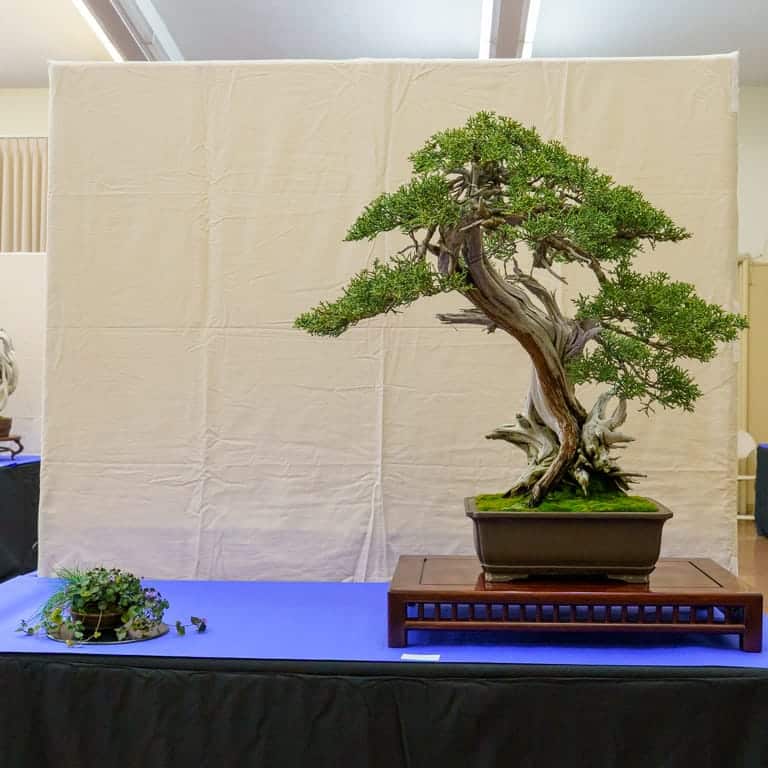
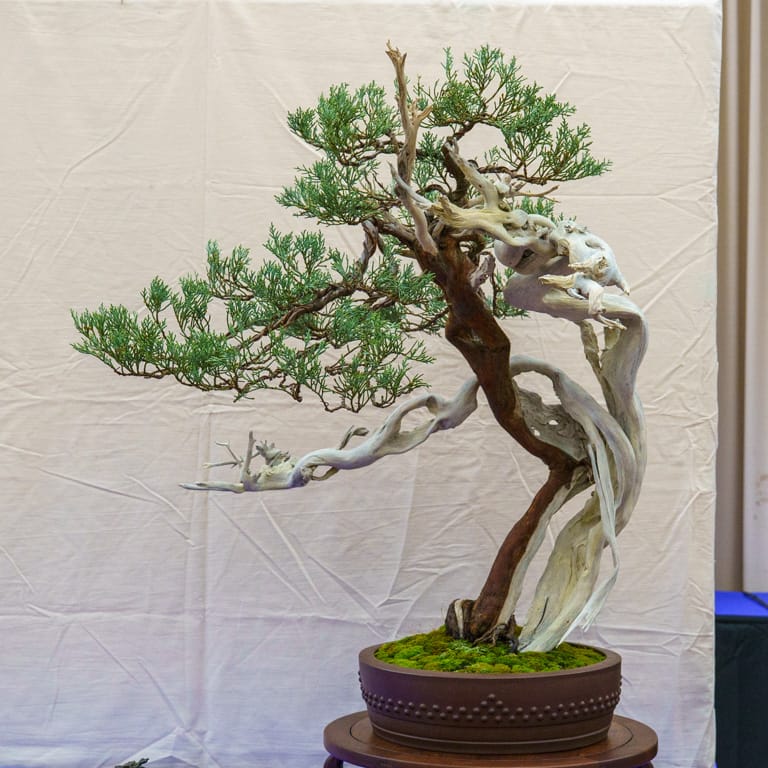
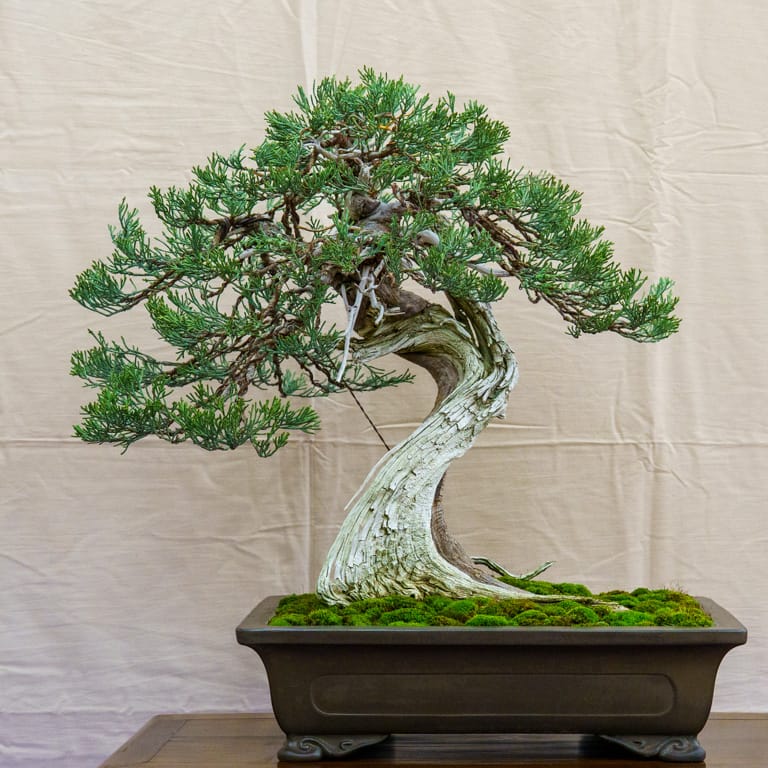
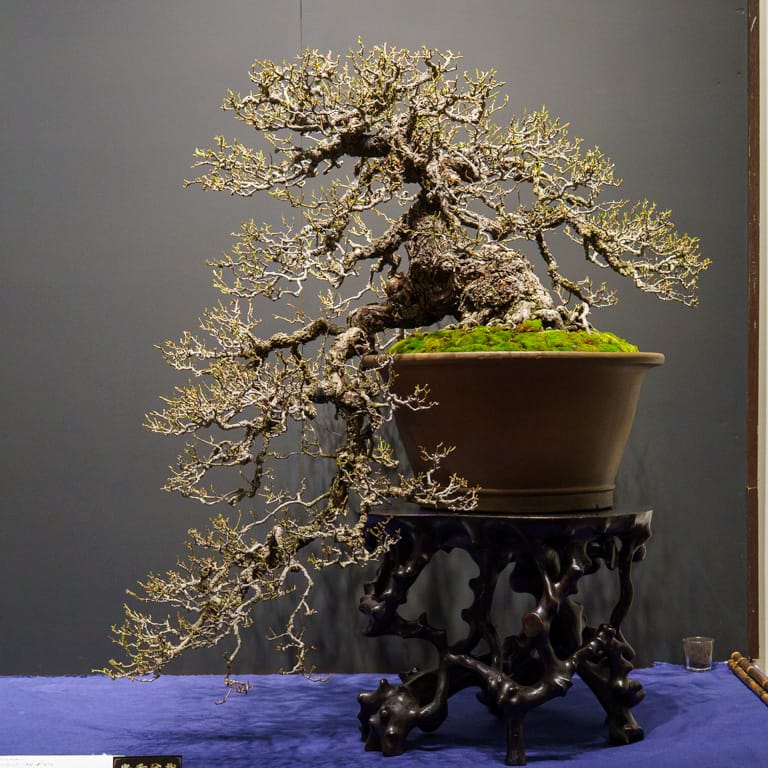
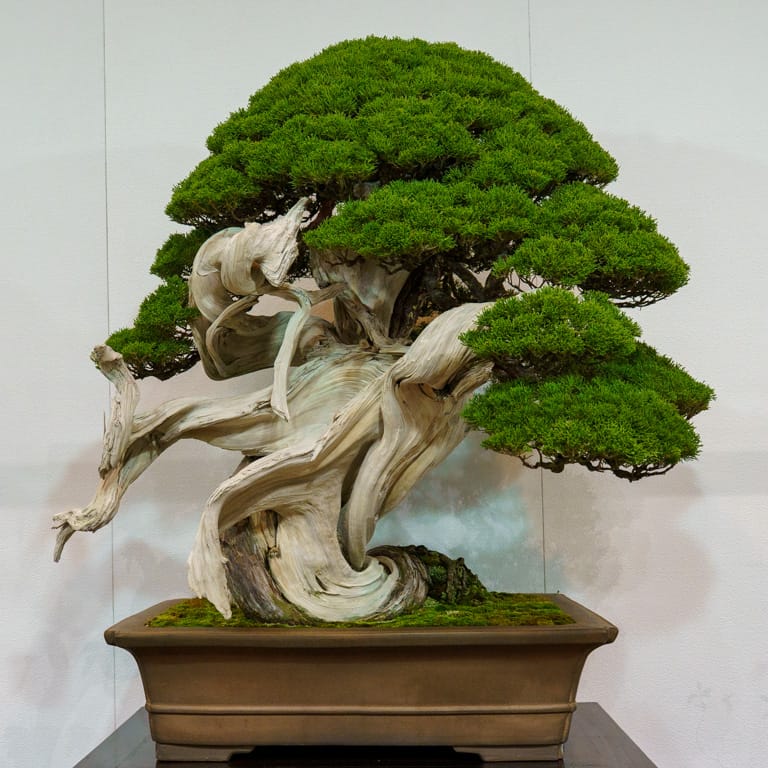
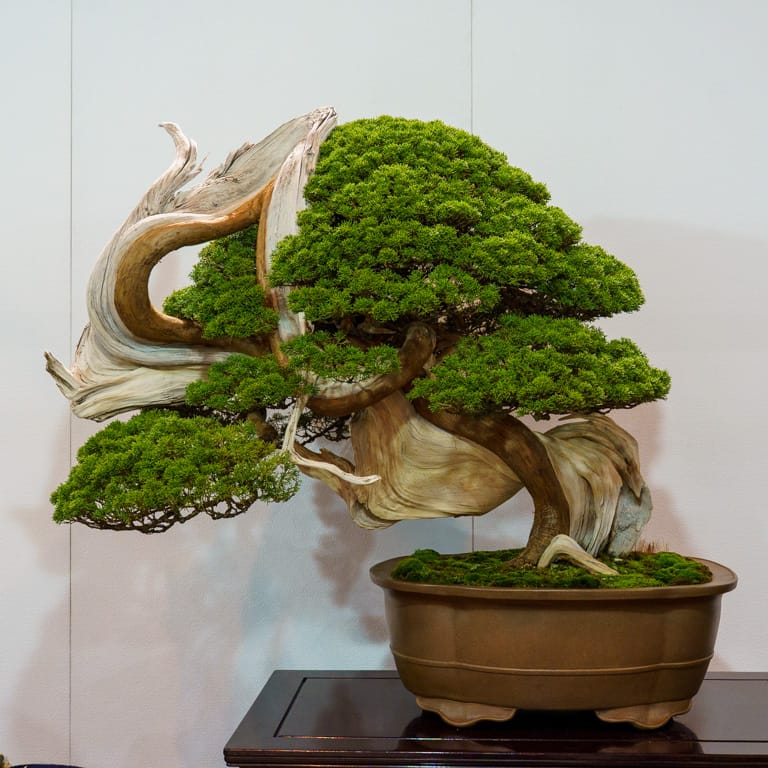
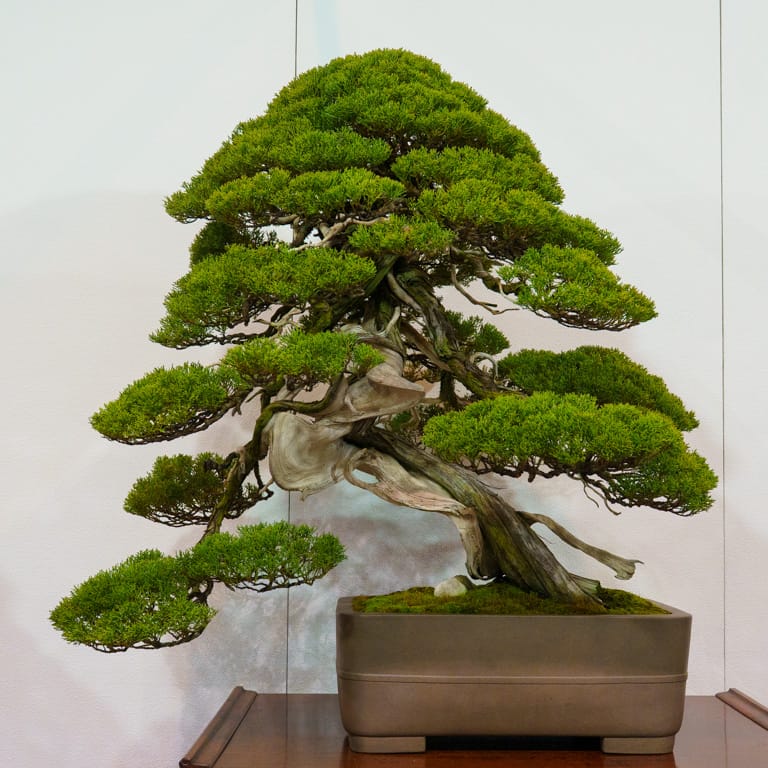
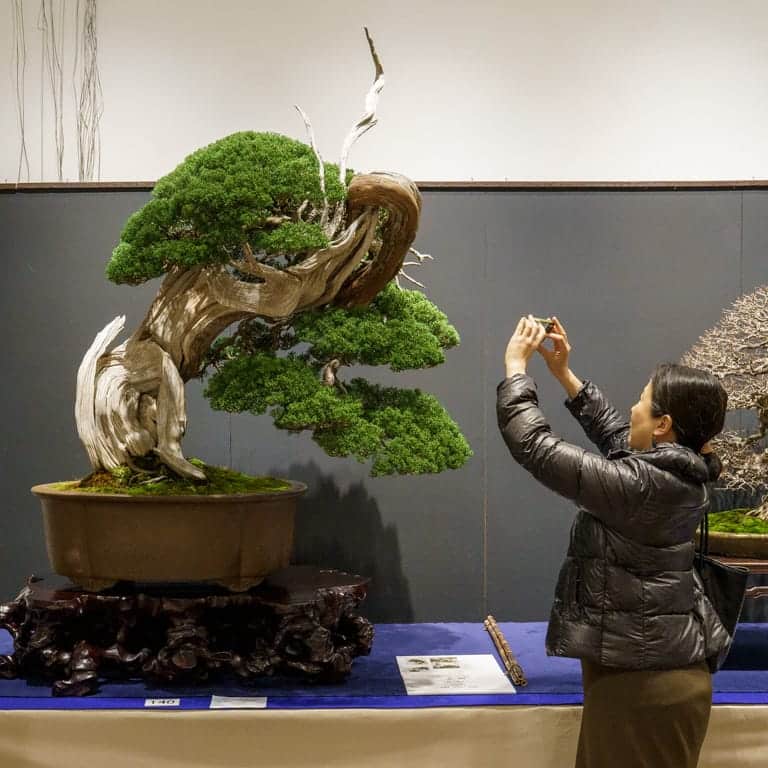
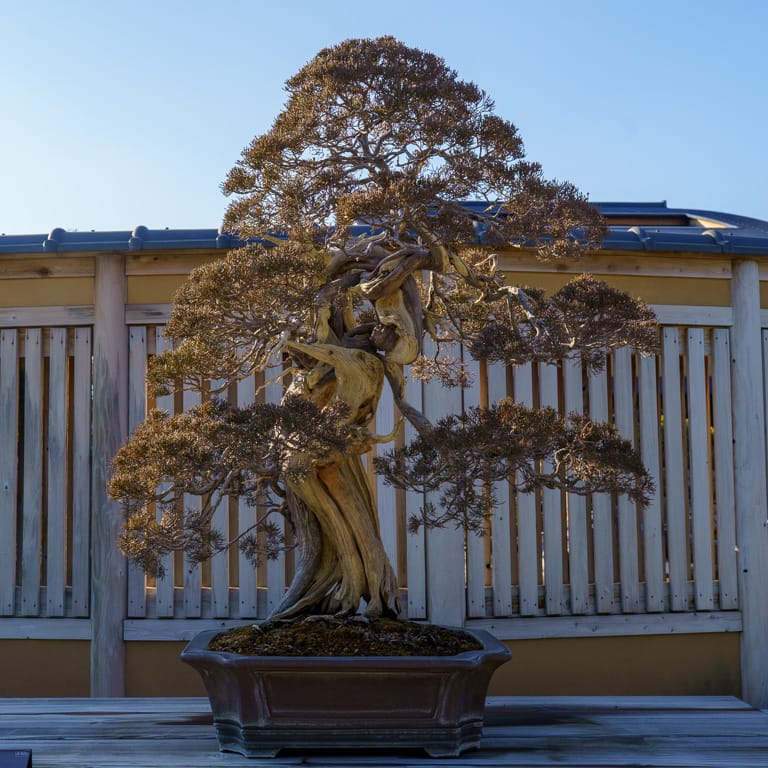
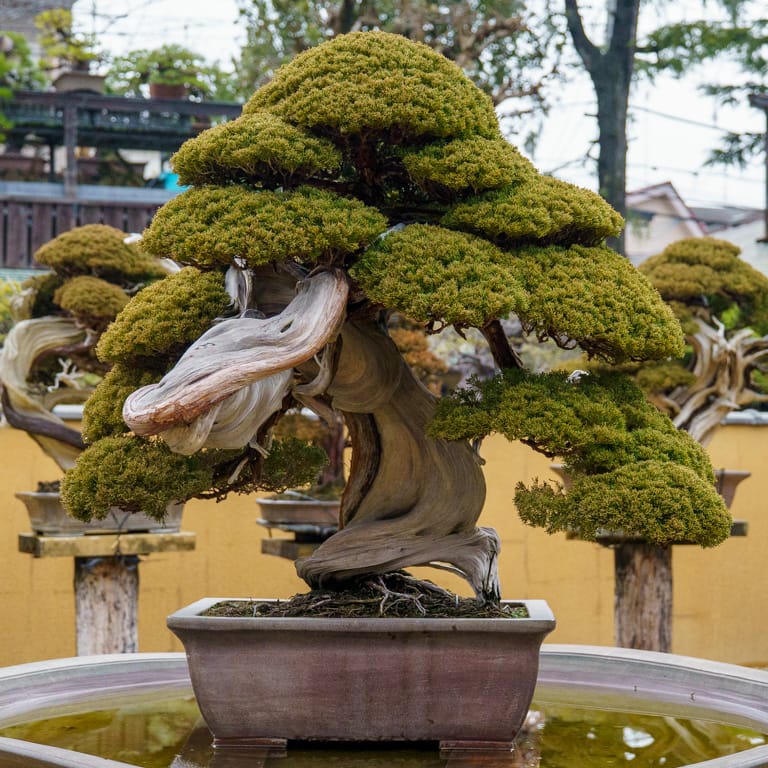
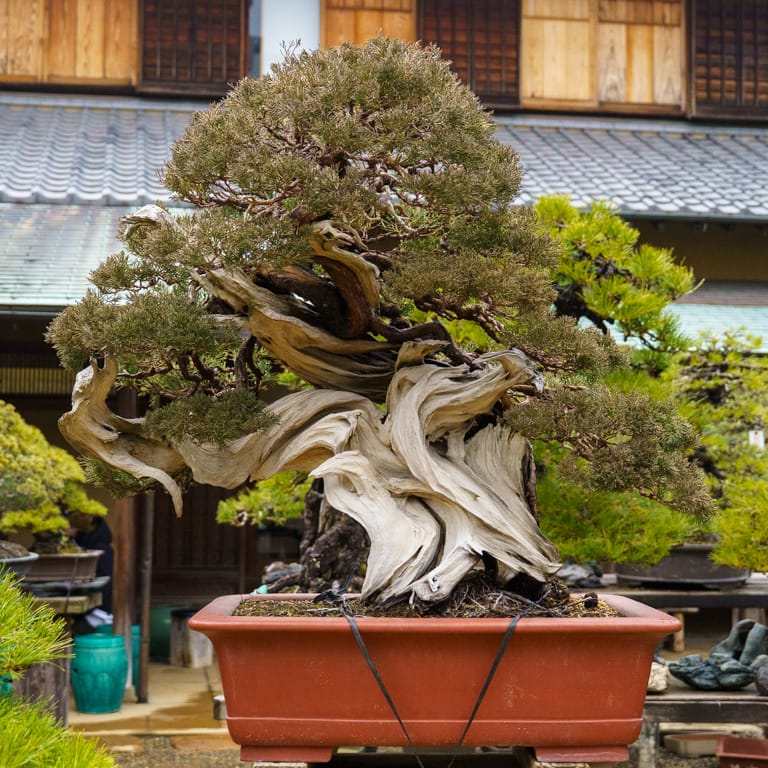
California juniper
I appreciated that the show included a good mix of deciduous, broadleaf evergreen, and coniferous bonsai. Trees ranged in size from large down to shohin with plenty of trees somewhere in the middle.
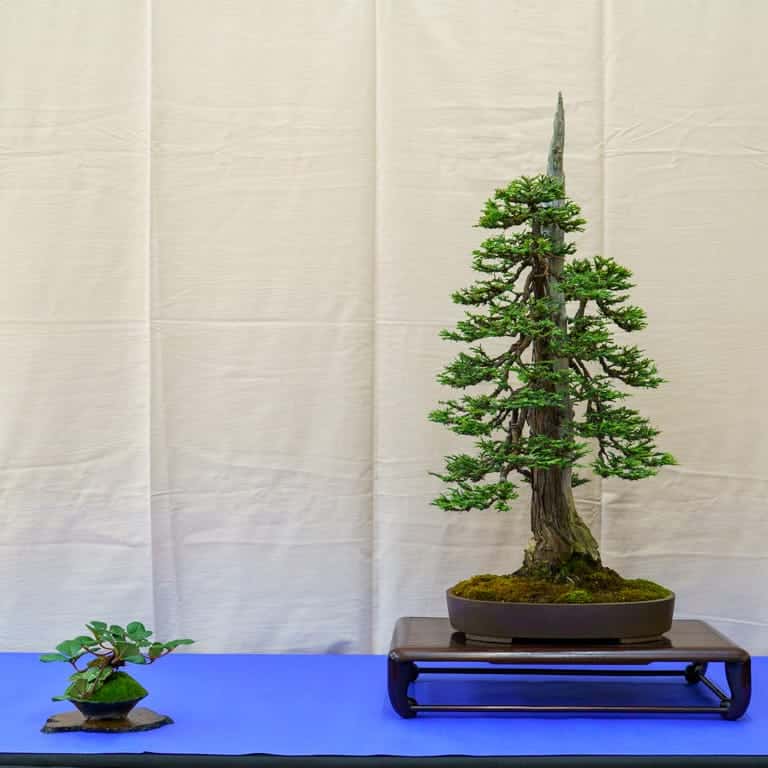
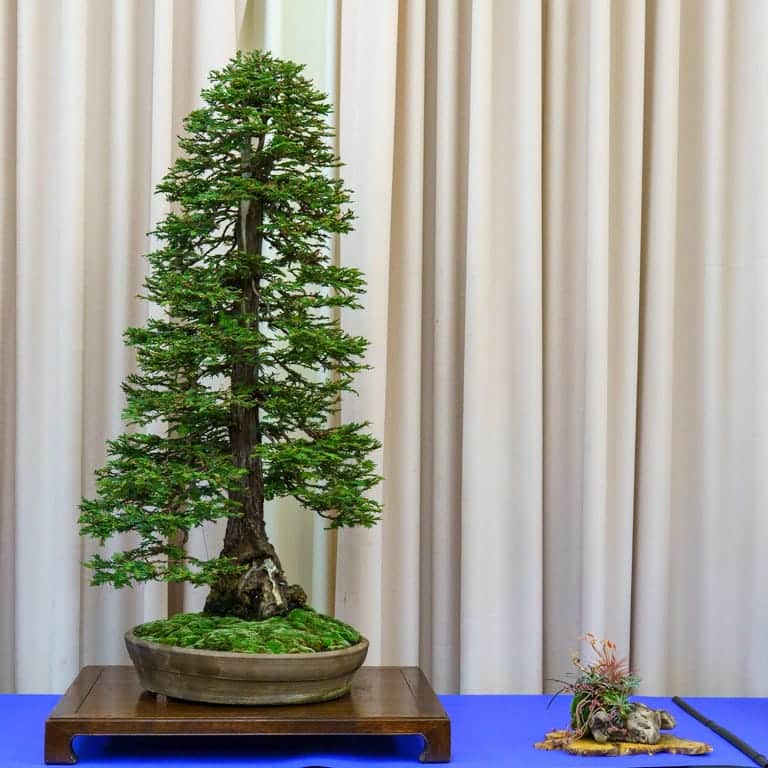
It was also fun to see different approaches to the same species. The two coast redwoods below, for example, feature different branch angles, different branch thickness, and different approaches to foliar development.
Coast redwood
Coast redwood
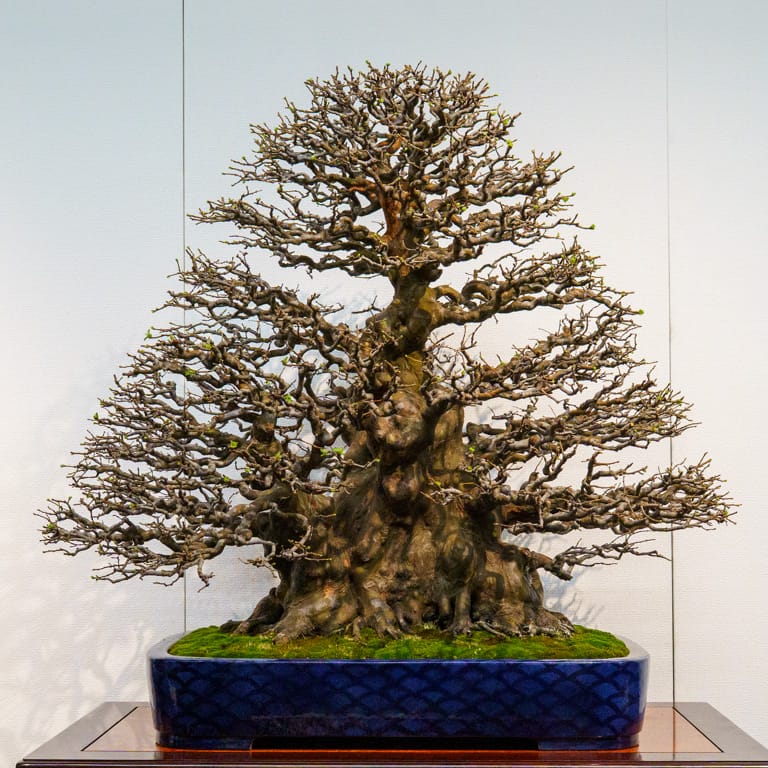
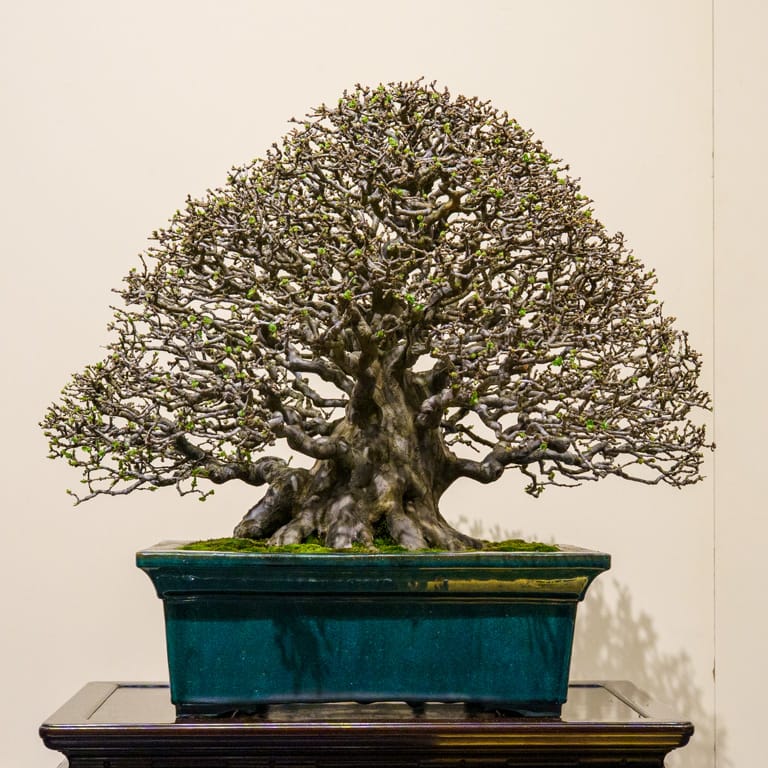
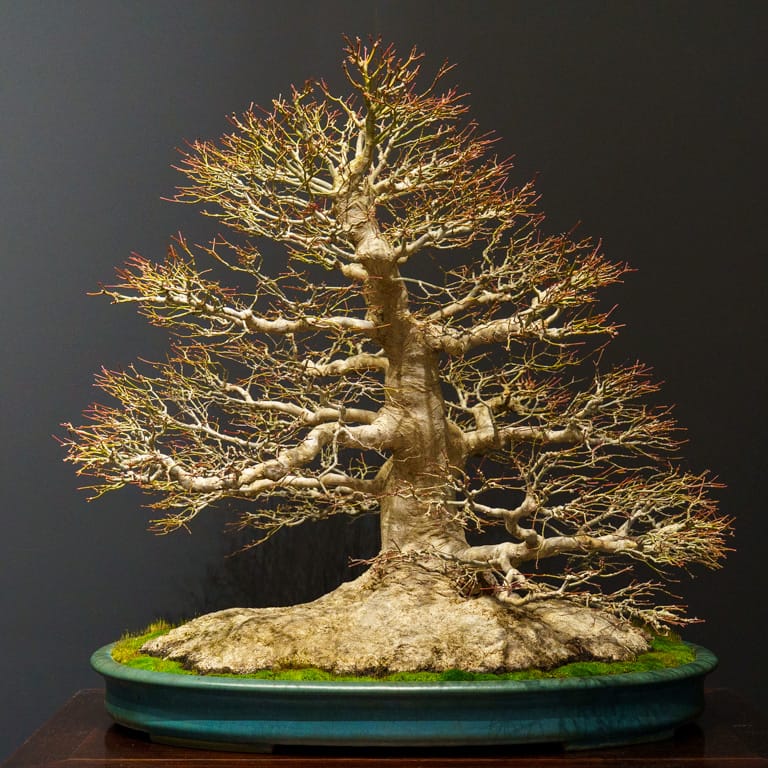
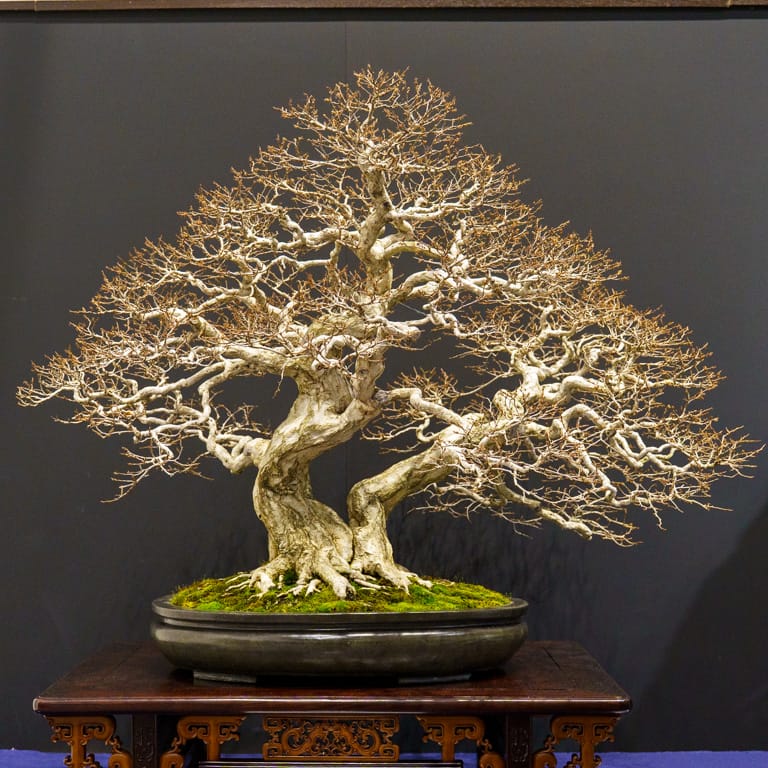
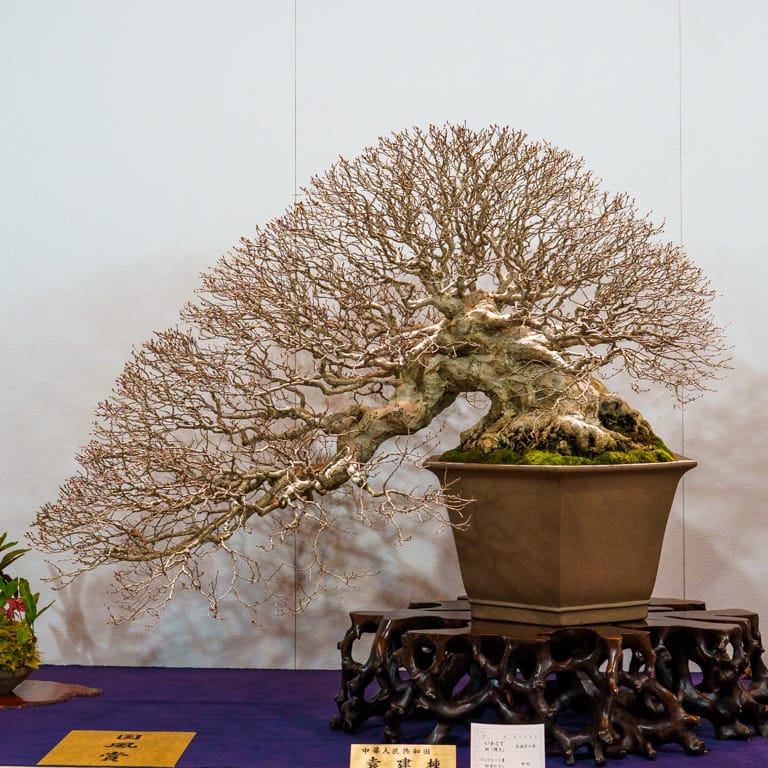
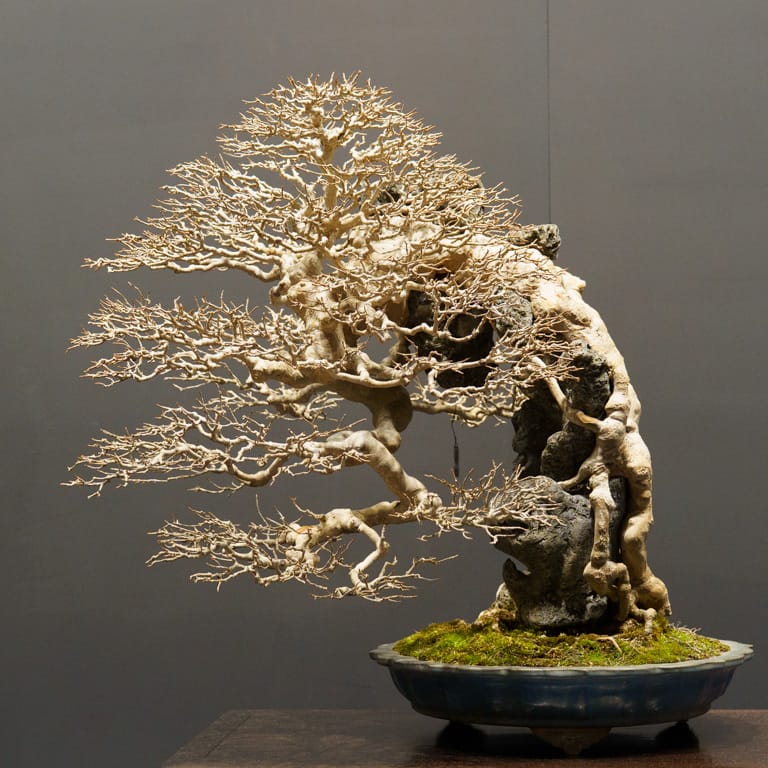
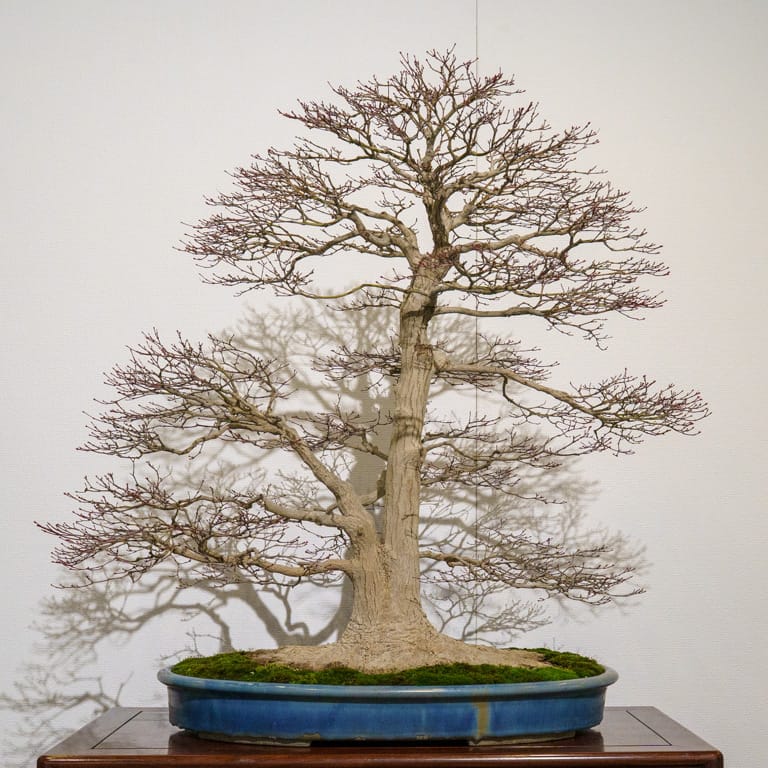
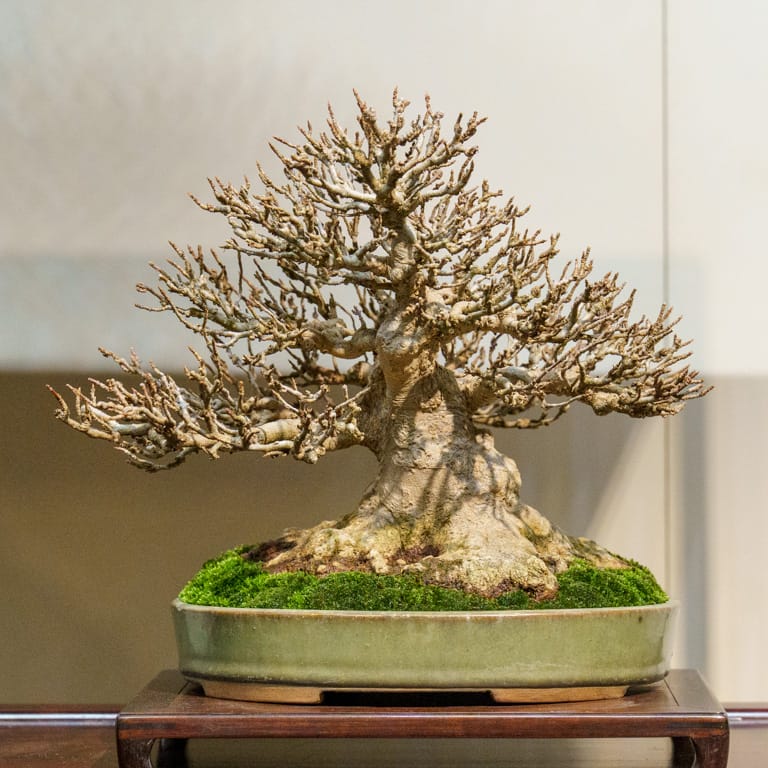
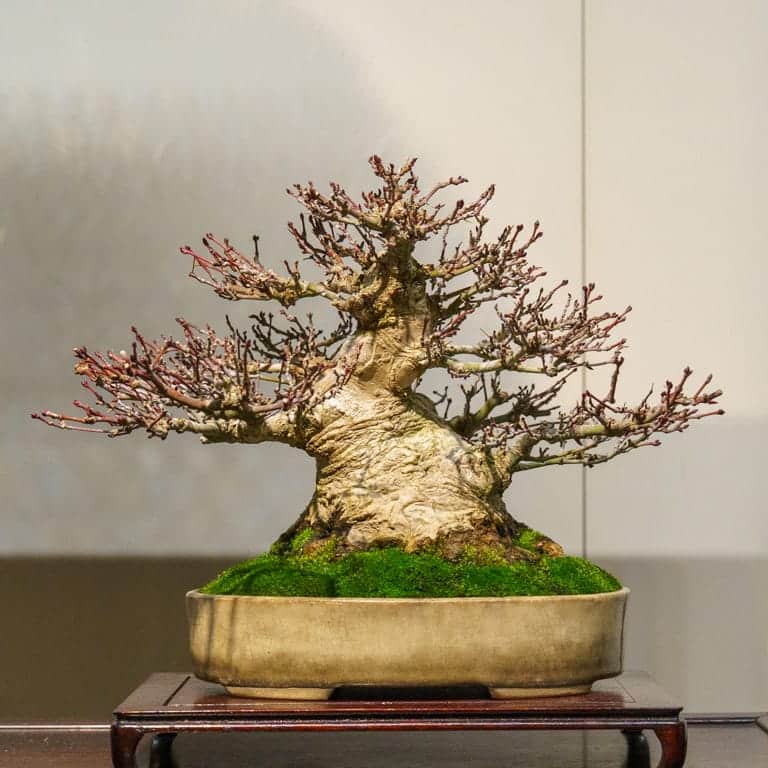
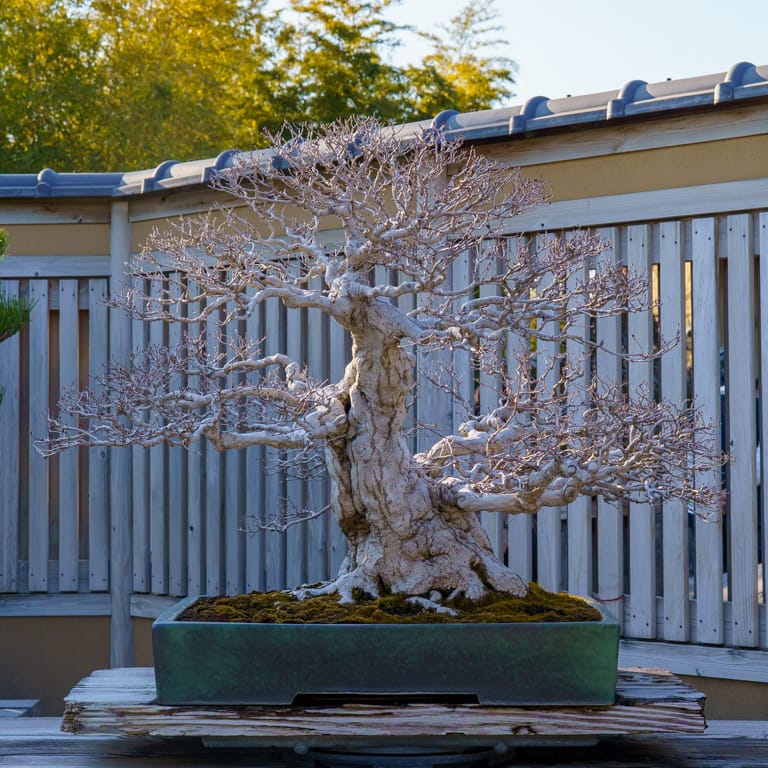
It was also fun to see so many deciduous bonsai in winter silhouette.
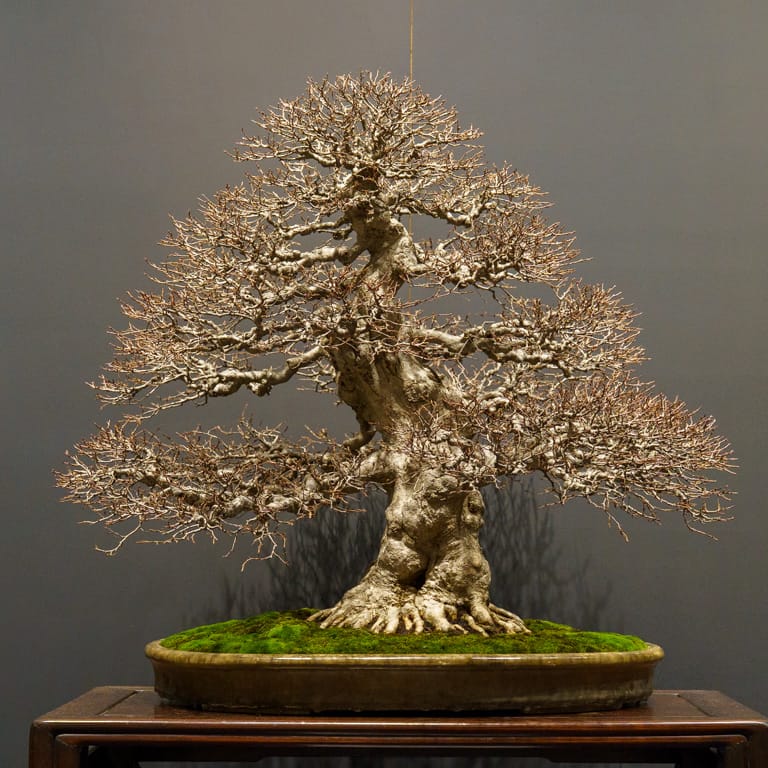
Cork elm
Elm and azalea
Jacqueline Hillier elm
Pomegranate
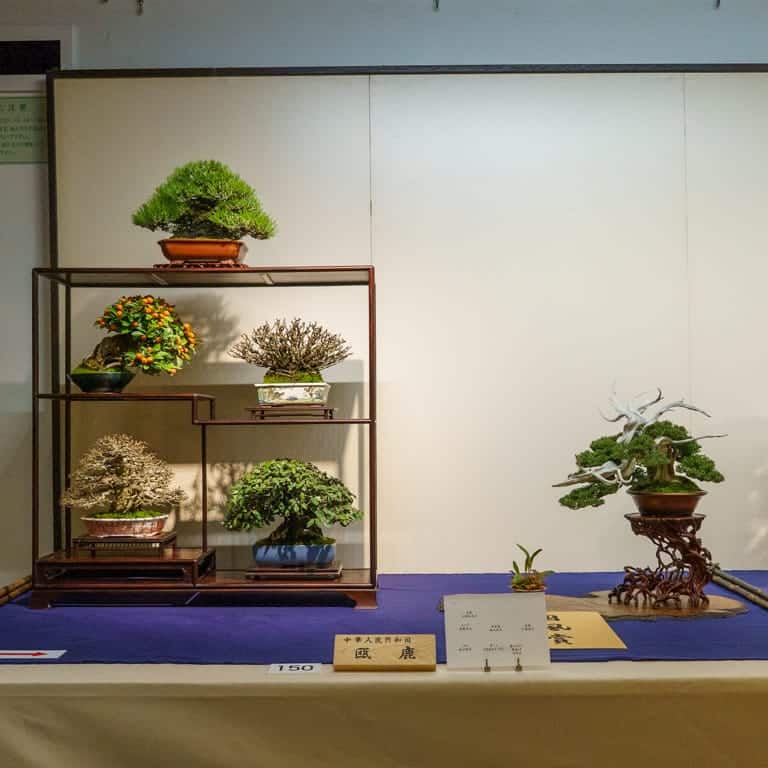
Several small-tree displays provided good contrast to the larger trees in the room.
Shimpaku
Shohin display
Shohin display
The show also featured native material including Sierra juniper and Coast live oak.
Coast live oak
Sierra juniper
Sierra juniper
Walking through a bonsai show has made me excited for the upcoming Kokufu exhibit in Japan. More on that in an upcoming post.
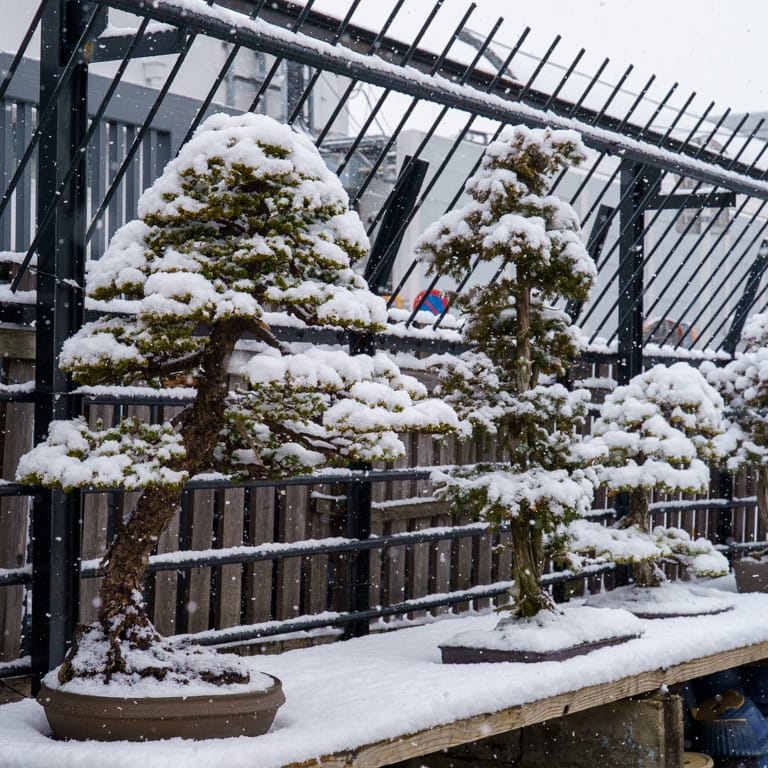
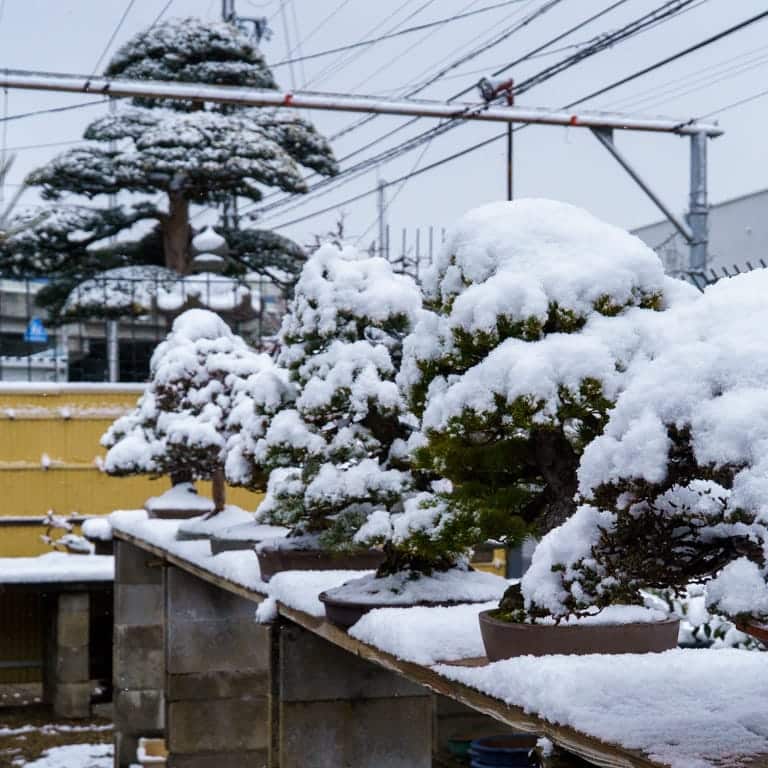
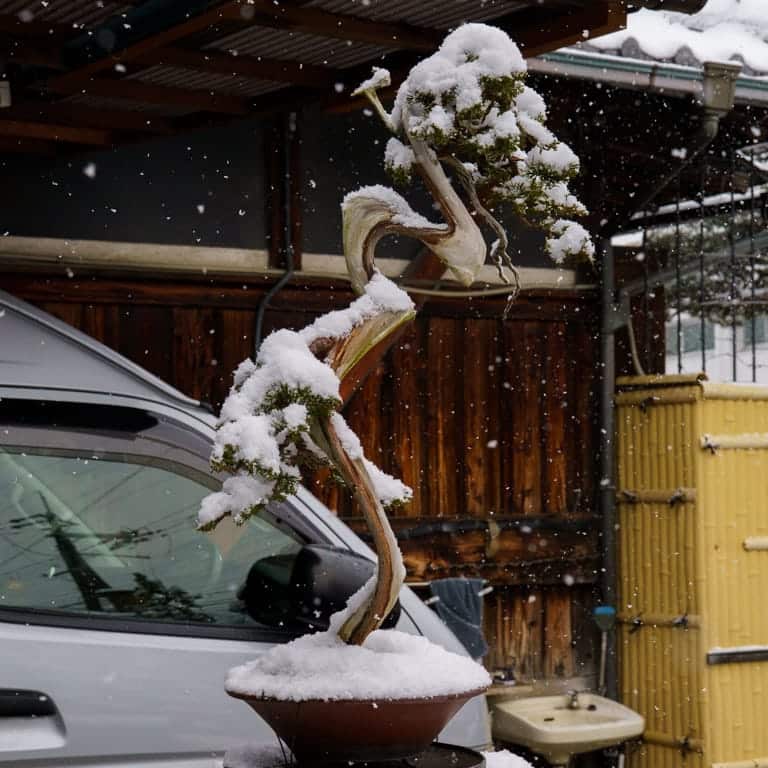
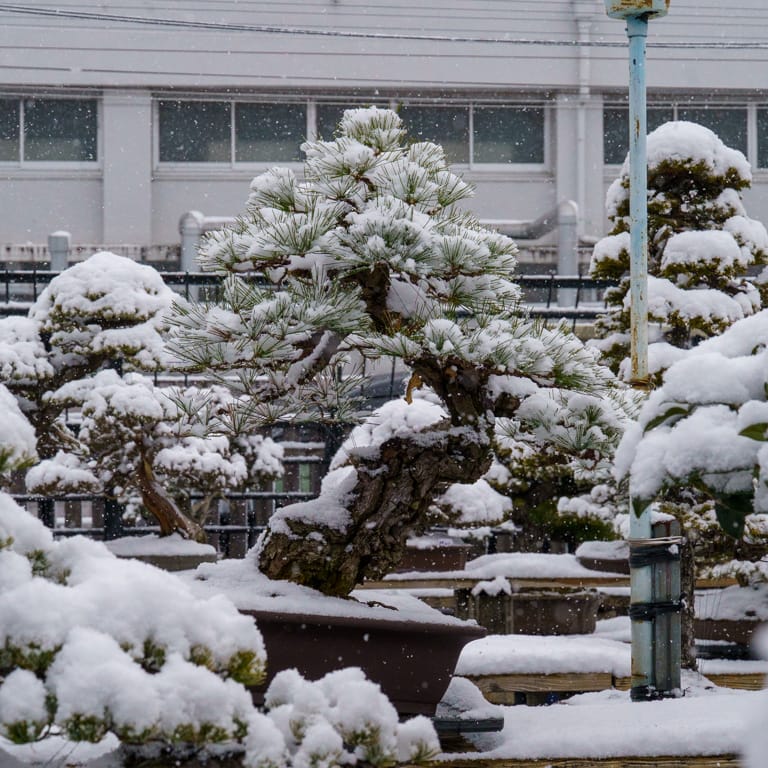
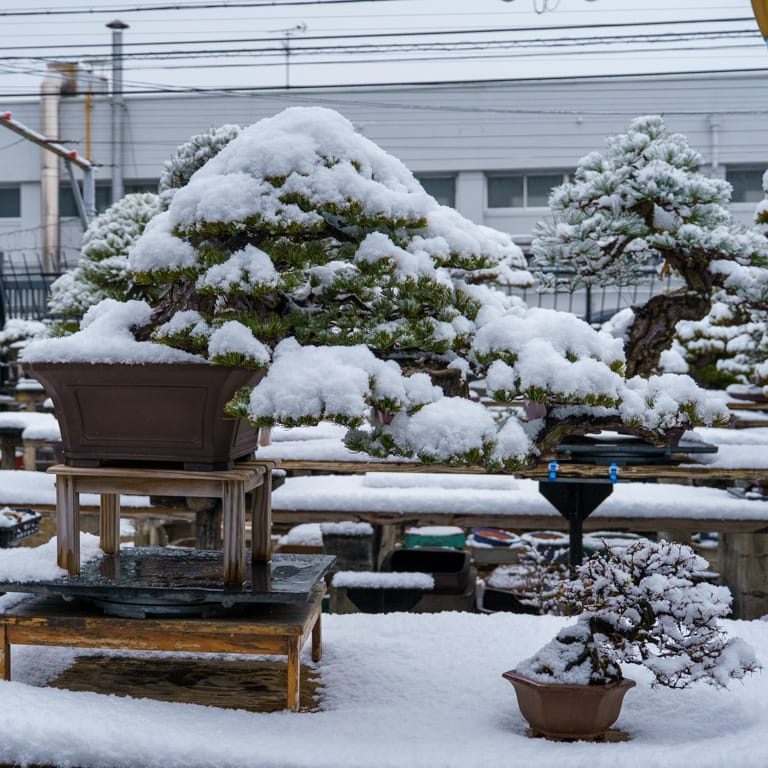
For much of the northern hemisphere, seeing snow-covered bonsai in winter is nothing out of the ordinary. For Keiichi Fujikawa, proprietor of the Fujikawa Kouka-en bonsai garden in Osaka, the sight is far from normal.
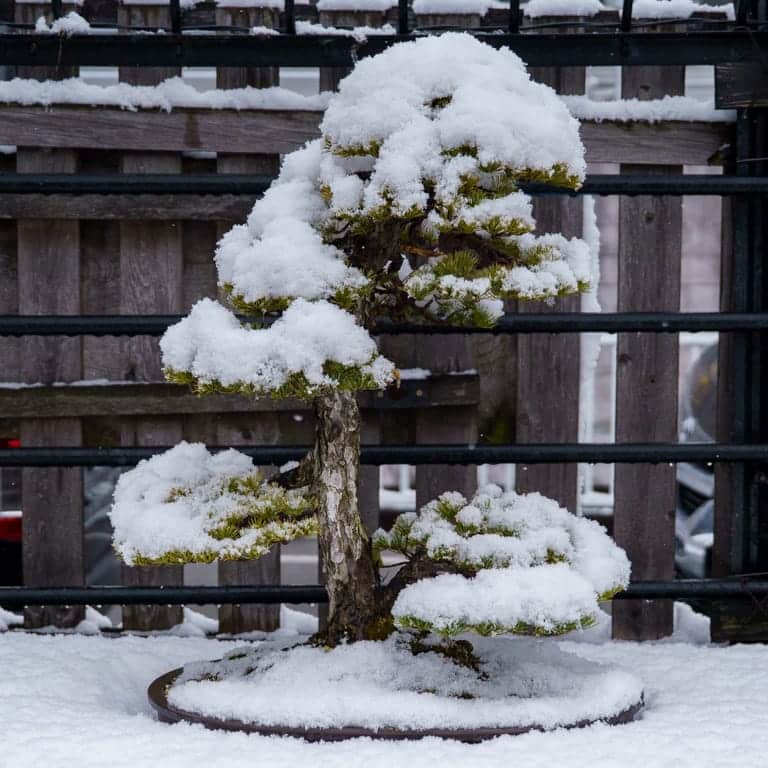
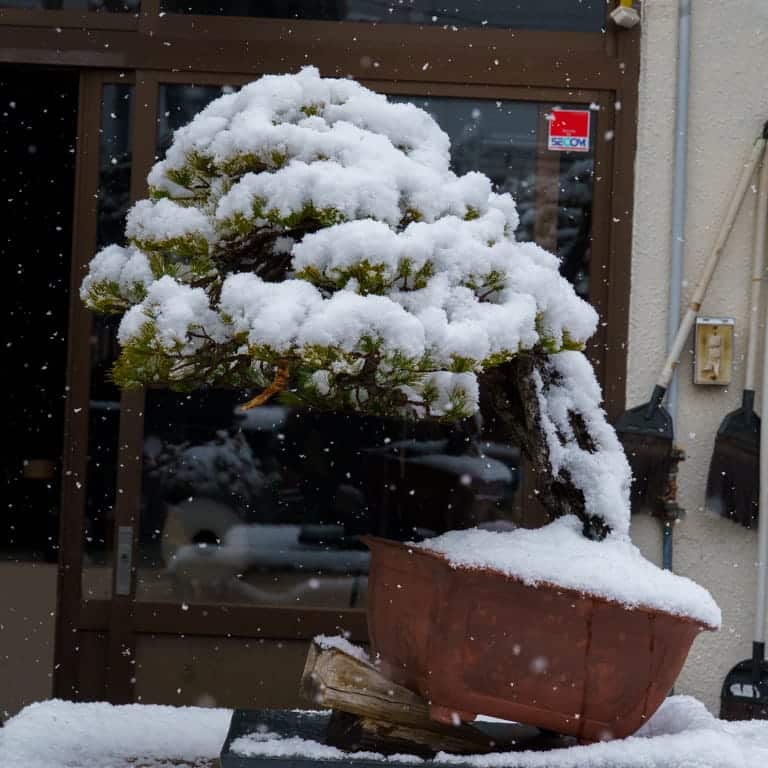
Snow-covered bonsai at Kouka-en
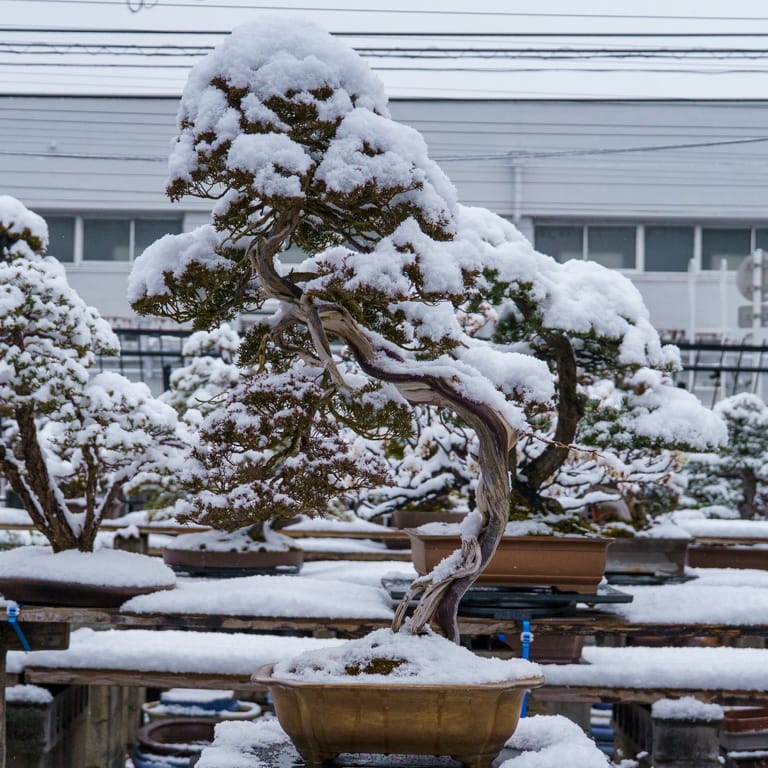
Shimpaku juniper
When our small tour arrived at Fujikawa’s garden, I asked how many times it snowed like this in a given year. His answer was never!
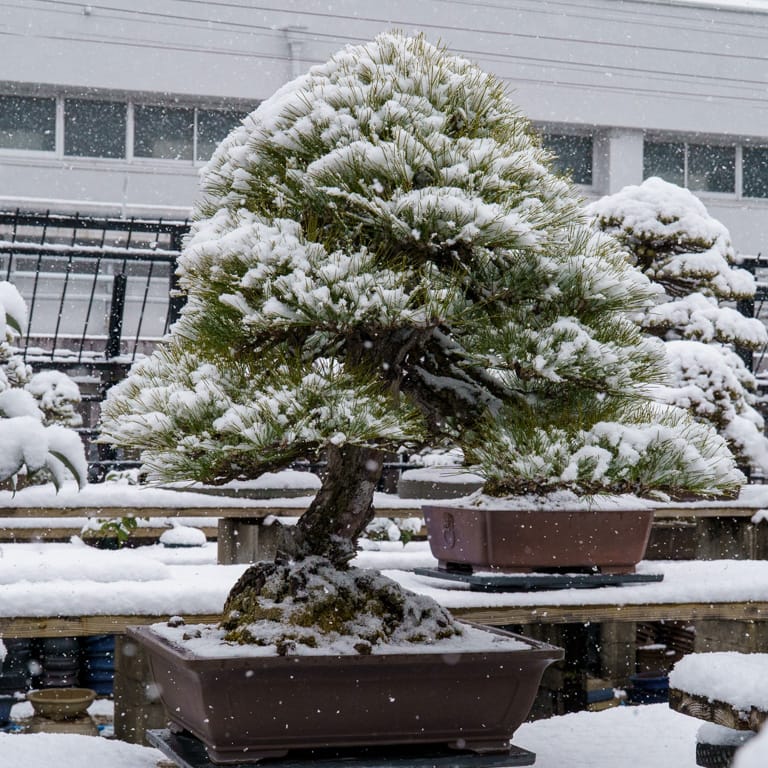
White pine
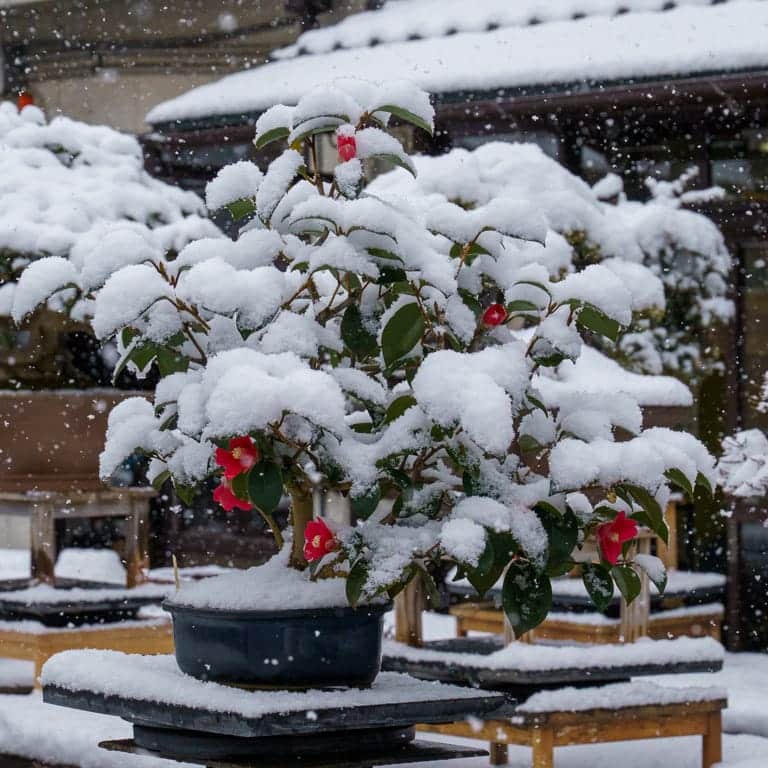
Camellia
I wasn’t sure how long we’d want to walk through the snowy garden, but the longer we stayed, the more I appreciated the beauty of snow-covered trees.
Pine
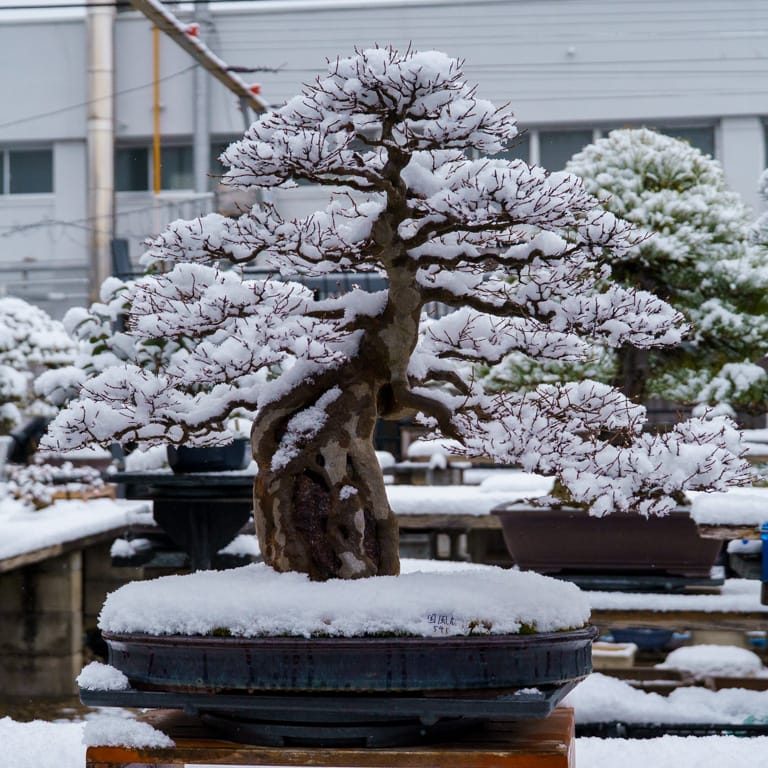
Trident maple
A few of the temperature sensitive bonsai were moved inside when the snow started, but the rest stayed outside on the benches. The snow wasn’t expected to stick around for more than a day.
Snowy bench
Shimpaku juniper
Pine
Every once in a while an apprentice reluctantly went outside and brushed snow off the branches to prevent them from breaking under the weight of the snow. Within minutes, the trees were covered again.
White pine
Pine
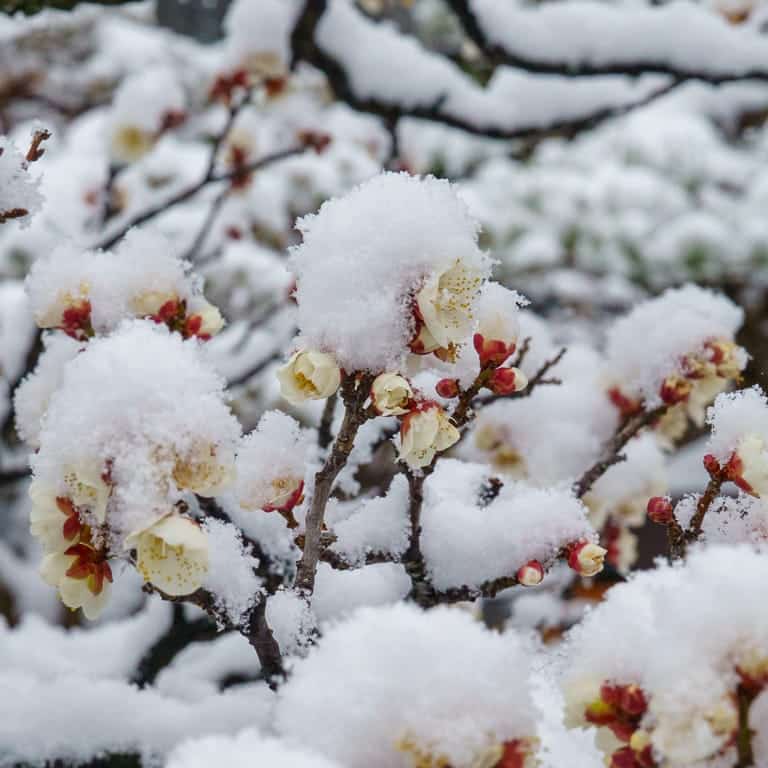
Ume flowers
After a day visiting gardens in the snow, our group headed up to Tokyo for the Kokufu exhibit. More on that next week!
News & Updates
[Southern California Event]
There’s one day left of the Bonsai-A-Thon, one of Southern California’s biggest events of the year! The Bonsai-A-Thon is an annual fundraiser held at the Huntington in San Marino, California.
Headliner Sergio Cuan will share a presentation about deciduous bonsai from 11:00 a.m. to 2:00 p.m. on Sunday. Additional demonstrations will be held from 10:00 a.m. to 2:00 p.m. featuring Mel Ikeda, Robert King, Bob Pressler, and Al Rivera.
The weekend will also feature a tour of the bonsai area by Daniel Deephouse at 11:00 a.m.
A number of vendors will be on hand with an assortment of trees, pots, and supplies, plus live and silent auctions means there are lots of opportunities to shop!
The Mammoth Fundraiser will be held on Saturday, March 7th (auction), and Sunday, March 8th (general sale and vendor area). Learn more at the Bonsai Garden Lake Merritt website. More details coming soon!
Last month the Japanese Bonsai Association hosted the 100th national exhibit, the Kokufu, at the Tokyo Metropolitan Art Museum in Ueno Park, Tokyo.
The event was busier than it has been in recent years, and a larger percentage of the visitors were foreign. As for the bonsai, there was a good number of special trees that are always a treat to see.
Rose
Black pine
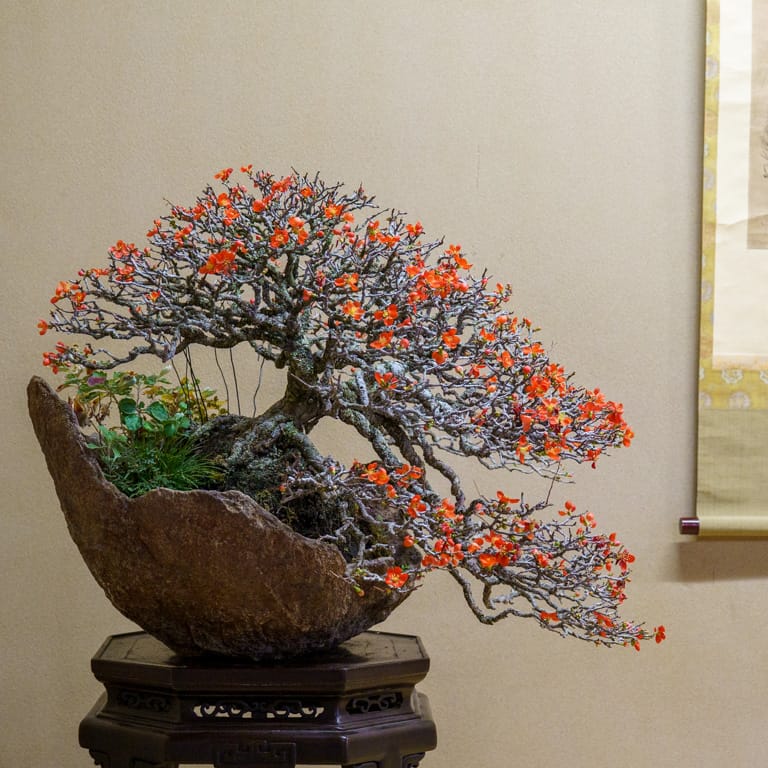
Some of my favorites won awards, others simply made the room look great. Some, like the Chinese quince below, were so twiggy that I had to reset my thinking about what’s possible with the species.
Chinese quince
Chinese quince
A lot of the trees that stood out to me this year were deciduous.
Japanese maple
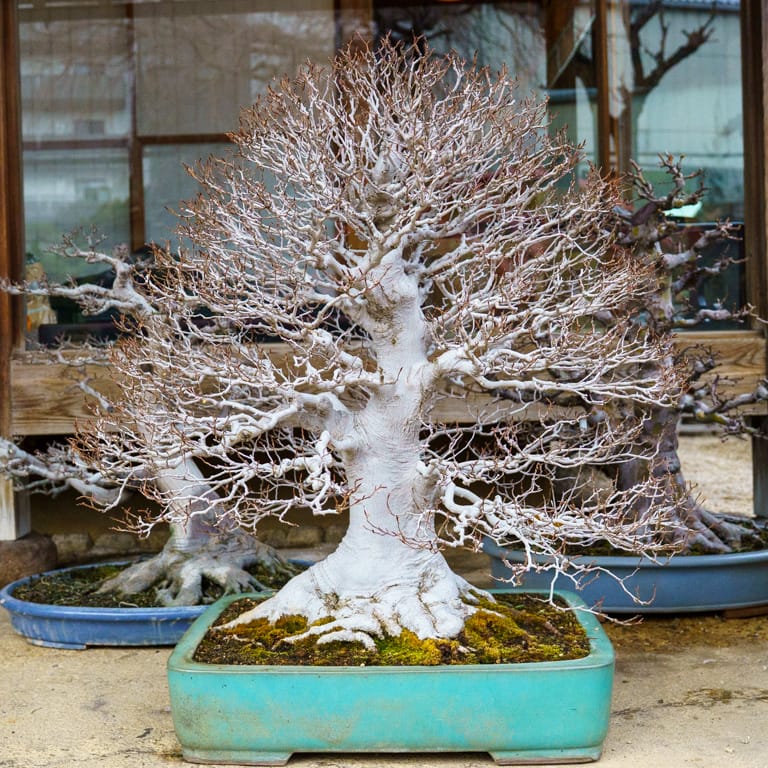
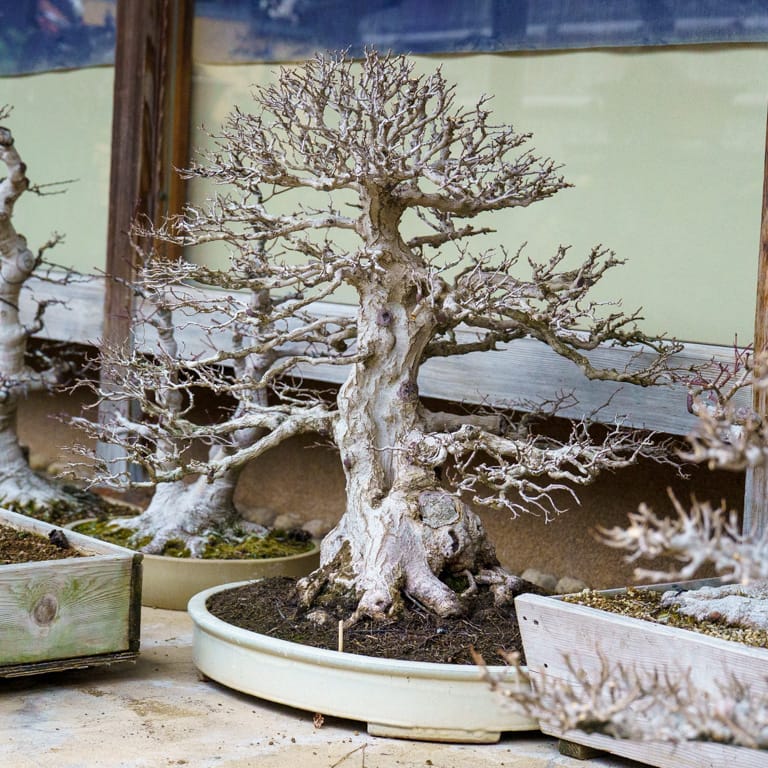
When standing in front of these trees, it was easy to get lost following the branches as they meandered from the trunk out towards the edges of the canopy. Trees like these had been skillfully worked on for decades – and it showed.
Korean hornbeam
Korean hornbeam
Trident maple
Of course there were spectacular conifers in the exhibit as well. Here are some of the remarkable junipers on display.
Shimpaku juniper
Shimpaku juniper
Shimpaku juniper
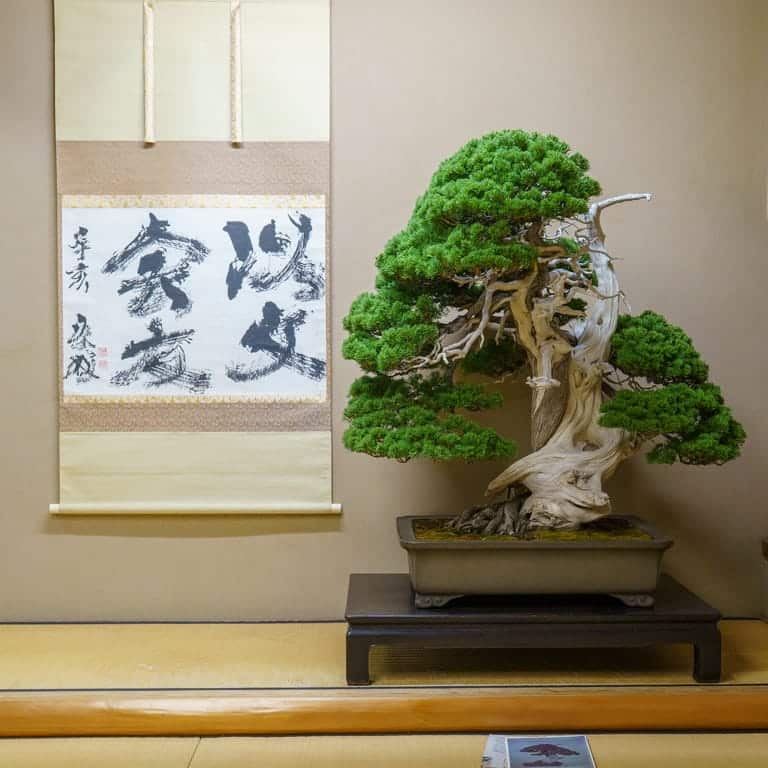
Although in recent years it’s become common to see large junipers with massive trunks, it’s the exceptions that stand out the most to me. The juniper below has fantastic character along the trunk. Slender lifelines supported by undulating deadwood feature more delicate movement with give this old tree – and its viewers – a very different feeling.
Shimpaku juniper
Up next, highlights from the second half of this year’s two-part exhibit.
News & Updates
[Northern California Event]
The Bonsai Garden at Lake Merritt’s annual fundraiser, the Mammoth Auction and Sale, will be held this Saturday and Sunday in Oakland, California. On Saturday the main event is the largest auction in Northern California. On Sunday, it’s a plant sale and vendor area. Learn more at the Mammoth Auction & Sale website.
[Auction Tips]
In preparation for this weekend’s auction, here are some tips to help you get the most out of the event.
If you’re interested in taking home an item but want to feel good about the purchase, set limits ahead of time for how much you’d like to spend (and how much above this limit you’re willing to actually bid).
Check the health of the tree before setting your buy price. For deciduous trees, check the health of the buds and look out for dead branches or dead areas along the trunk. For conifers, check the number and size of visible buds as well as the color and character of the foliage.
Don’t let inside information influence your bids. A long time ago, I stopped bidding on a tree because I knew how much the owner had originally paid for it. It didn’t feel right to pay twice as much as my friend had paid for the tree. This was foolish as the second the bidding ended I remembered that the tree was worth almost double the amount it went for.
Take note of who you’re bidding against, but stick to your plan. Once I stopped bidding on a tree because I didn’t think I could keep up with the other bidder. When the bidding ended, the other bidder ran over with a big smile to let me know how relieved he was I stopped bidding as he’d reached the limit he was willing to pay for the tree. Another lost opportunity!
Above all, remember that the event is a fundraiser. Bonsai auctions are typically organized by volunteers who work hard to provide us with the opportunity to build our collections and have fun while doing it. Keeping the spirits (and the bids) high can make the event a pleasant experience for everyone.
For the past twelve years, the Kokufu-ten has been divided into two halves. For these double shows, the organizers set up the exhibit and open it to the public for a few days, then close for a day or two to reset the show with all new displays. This year the exhibit featured a whopping 181 displays in each half for a total of 362 displays!
Large displays
Shohin displays
This years exhibit featured some pretty big bonsai – here are some of the large conifers.
Shimpaku
White pine
Needle juniper
Semi-cascade white pine
Shimpaku
One of my favorite medium-size trees in the exhibit was a black pine shown with a trident maple. I liked that the tree had strong movement to the left and a surprisingly large trunk for a tree under 18″ tall.
Trident maple and black pine
Black pine
One of the trees that received the most attention in part two was a juniper with a slender trunk. The movement was fantastic and the ribbon of deadwood that formed the trunk was surprisingly thin.
Shimpaku
The deciduous bonsai were equally awesome. Here are some of my favorites.
Each half of the Kokufu exhibit features a small number of shohin displays. The exhibit is set up to present the large trees first, then the medium bonsai, and finally the shohin. They’re the last bonsai you see before leaving the exhibit.
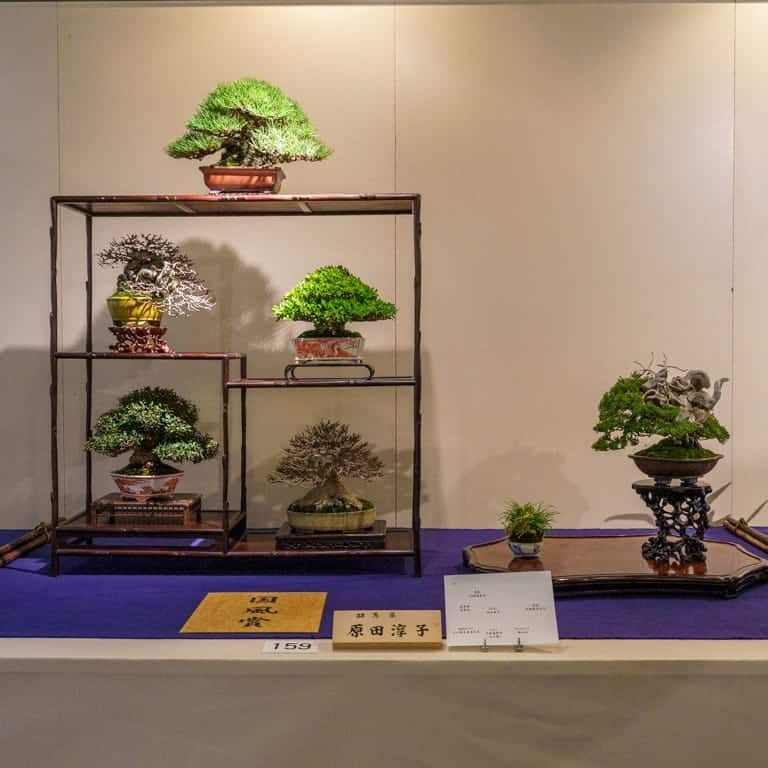
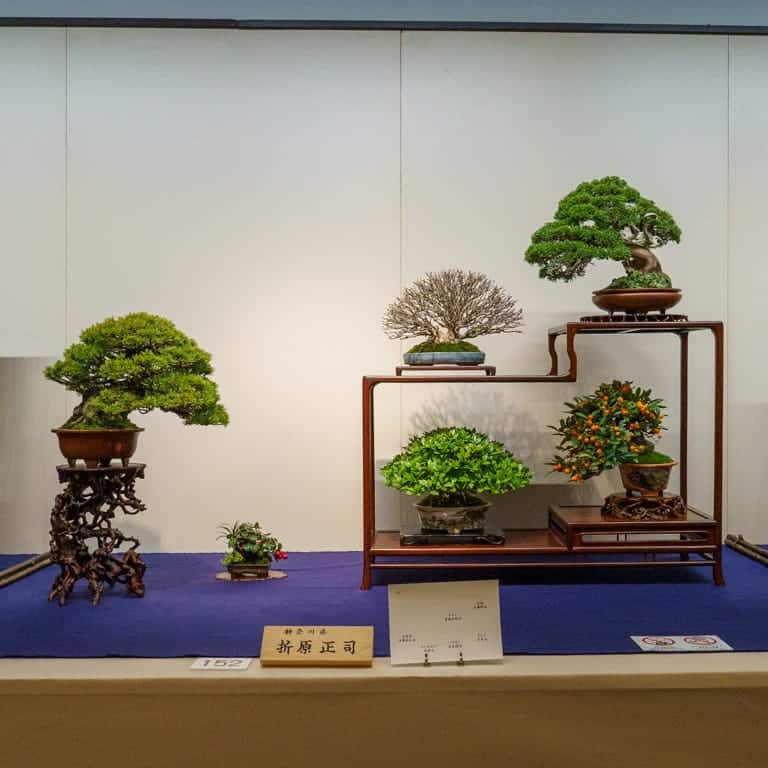
Six-tree shohin display
Like the larger trees in the exhibit, shohin bonsai are eligible to receive the Kokufu prize. However, instead of awarding an individual small tree, the award is presented to the top display.
The display above received the Kokufu prize in the first half of the event. The display below won the award in the second half.
Shohin display
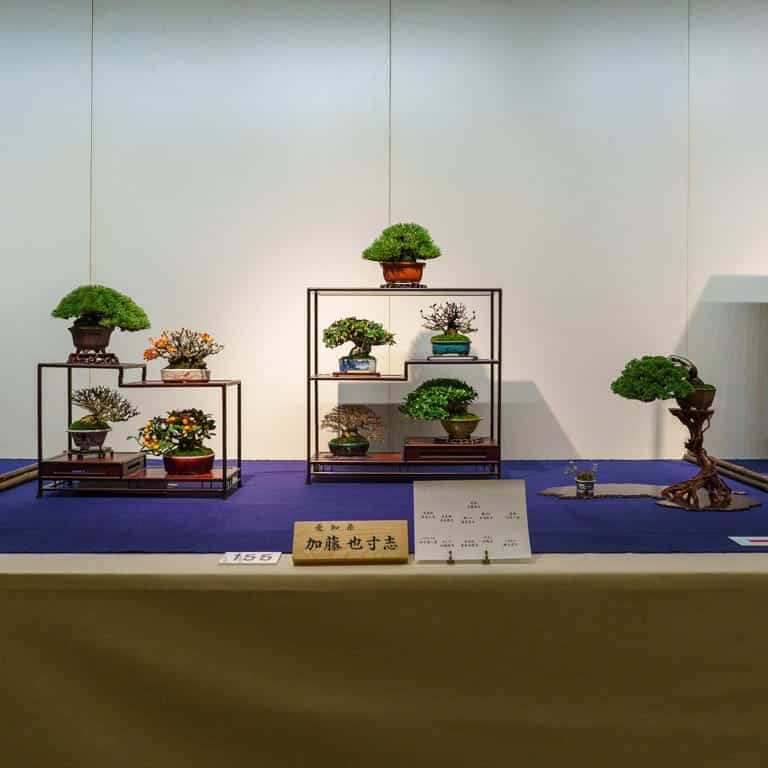
Not all of the displays featured six shohin bonsai. Some displays featured five trees. Displays with mini bonsai featured far more trees.
Shohin display featuring a Rokko-style stand
Mini-bonsai display
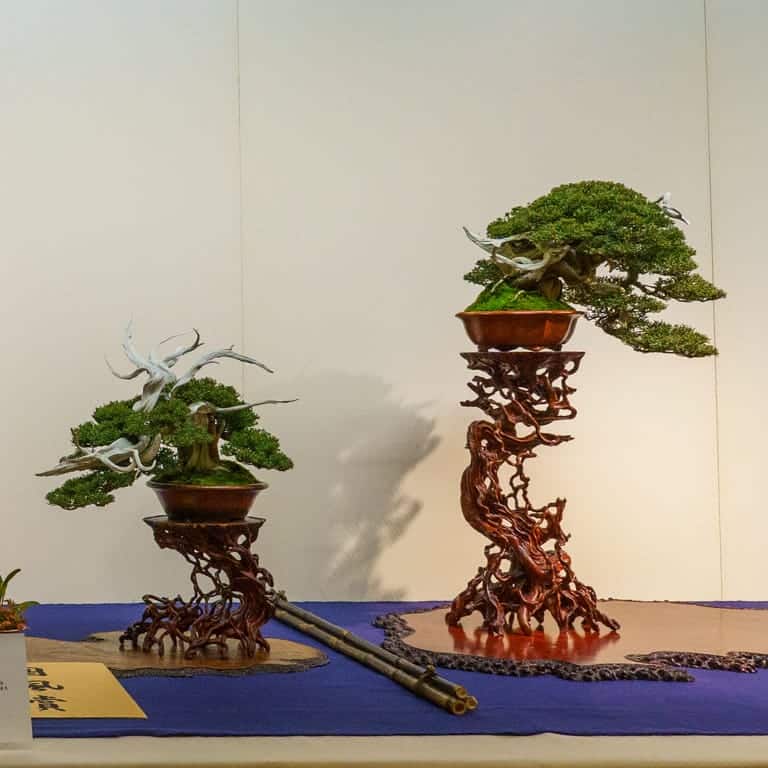
The conventions for displaying shohin bonsai are relatively narrow by US standards. Junipers are the most common species displayed across from the box stand. They are typically shown on root stands, some taller than others.
Junipers on root stands
Some of the individual trees in these displays were fantastic. Here’s a small sample. Note the remarkable branch density for trees that are roughly 8″ tall.
Black pine
Trident maple
Black pine
Japanese maple
Black pine
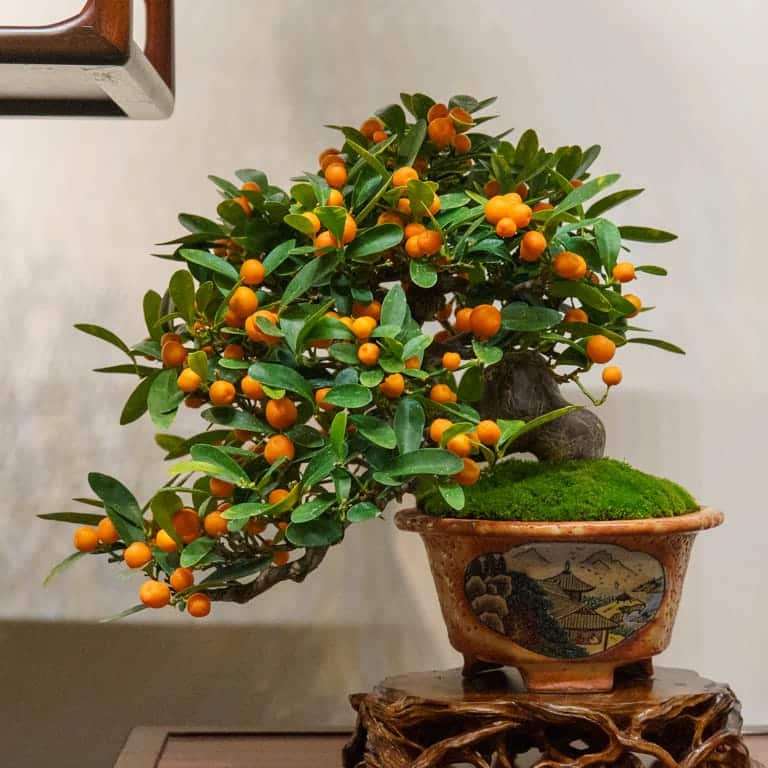
Kinzu (dwarf kumquat)
News & Updates
[Southern California Exhibition]
If you’re thinking about submitting to this year’s Naka Memorial Exhibition, August 22-23 in Los Angeles, the deadline is June 15th. The event website has instructions for How to prepare your submission.
And like so many other bonsai events, the Naka Memorial would not be possible with the generous support of donors and volunteers. Learn how you can help at the John Naka Memorial Exhibition website.
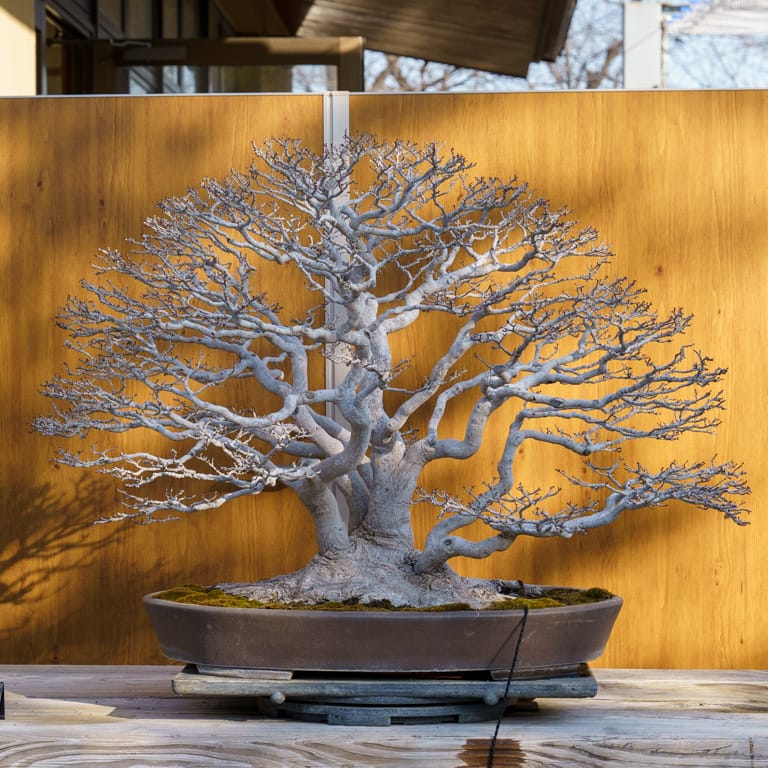
The Omiya Bonsai Art Museum is a favorite stop of mine on bonsai tours. It provides visitors with a little history about the Omiya Bonsai Village – a collection of historic gardens, several of which are still operating today – and features a courtyard garden with a rotating selection of bonsai.
Most of these trees have been in training for a long time and show a maturity that’s harder to find outside of Japan.
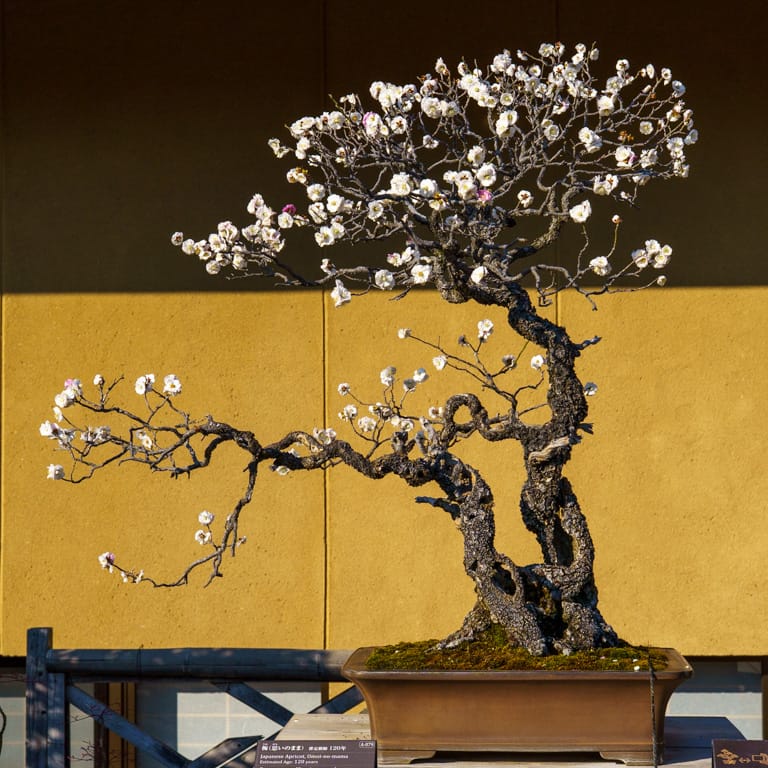
Ume – Omoi-no-mama Estimated age: 120 years
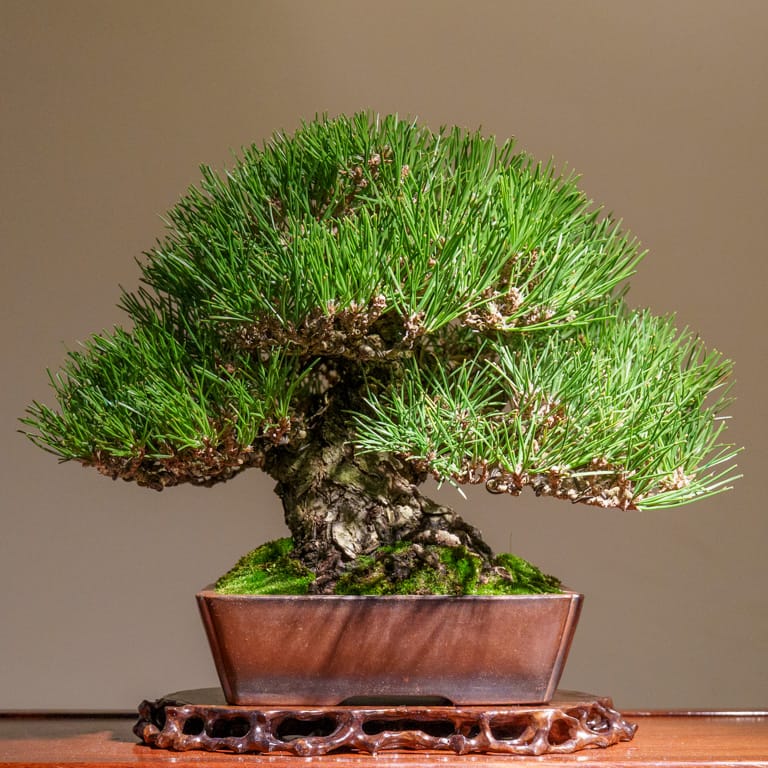
Black pine Estimated age: 100 years
One reason I come back to the museum so frequently is that there is ample space around every tree. Getting to see great bonsai from all angles is great for studying the trees’ shape and structure.
Shishigashira Japanese maple Estimated age: 120 years
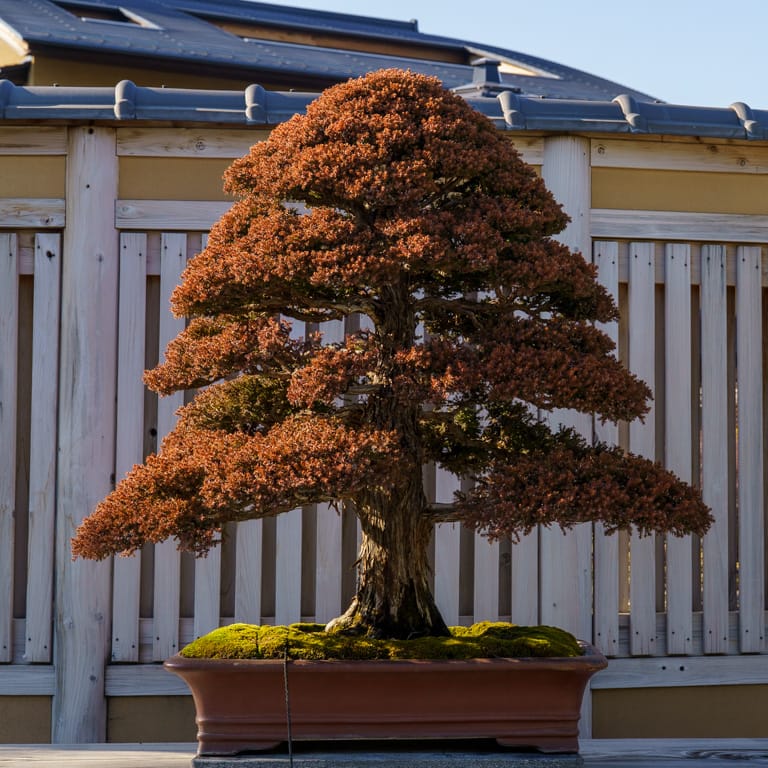
Hinoki Estimated age: 70 years
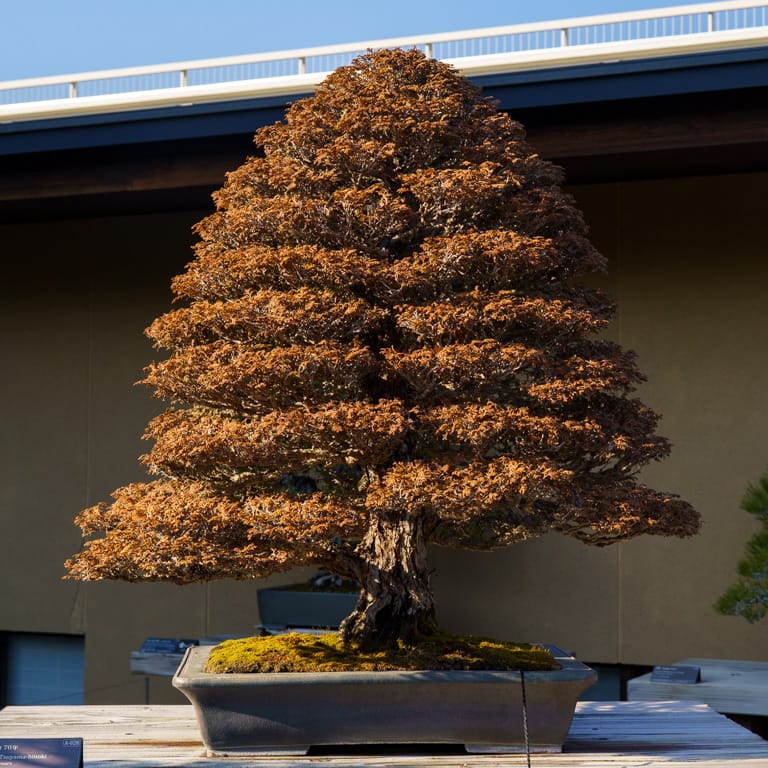
The brown foliage on some of the conifers is a response to cold weather. The trees typically green-up when the weather warms in April.
Cryptomeria Estimated age: 70 years
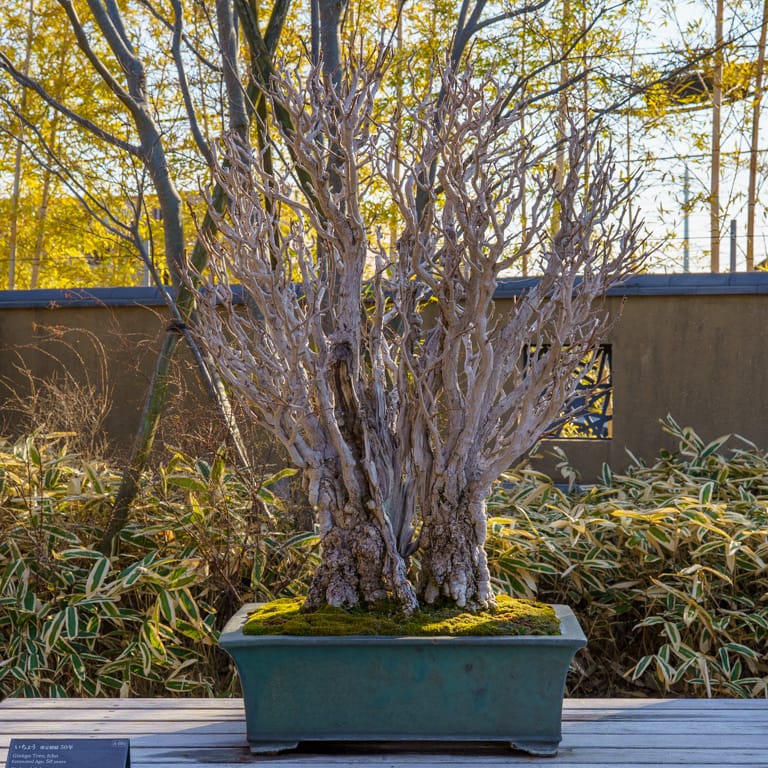
Ginkgo Estimated age: 50 years
Some trees, like the ginkgo above, look much older than their estimated age suggests. Other trees are much older than we might casually guess.
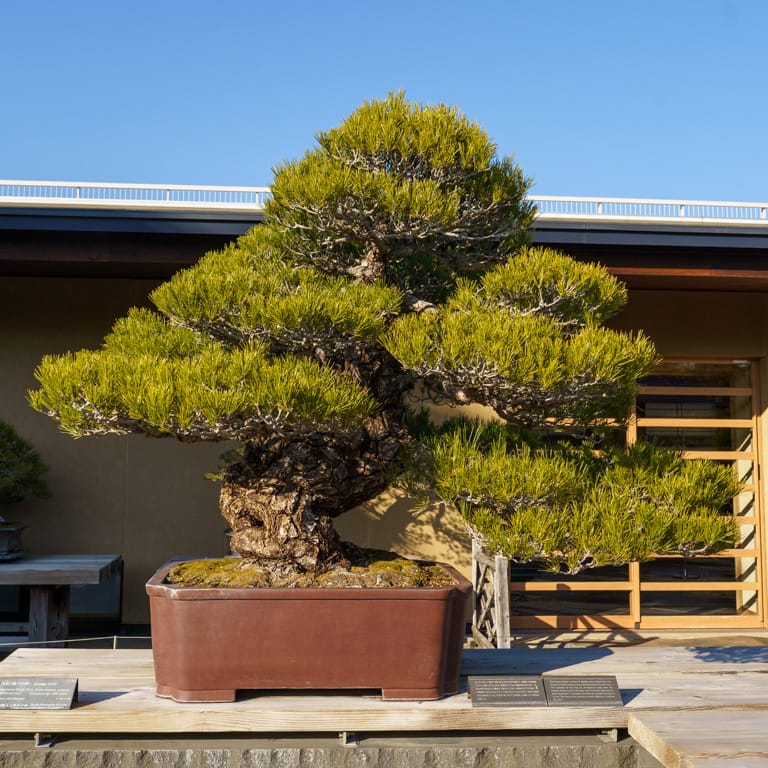
Black pine Estimated age: 250 years
Korean hornbeam Estimated age: 150 years
More important than age in some cases is the time in training. Each of these bonsai look like they’ve been cared for as bonsai for a long time. This gives them a unique character that distinguishes bonsai from trees found in the natural landscape.
The American Bonsai Association, Sacramento, will hold its 66th Annual Exhibit April 11-12 in Sacramento, California. Guest artist Jennifer Price will perform demonstrations at 1:30 p.m. Saturday and Sunday. Club sales and vendor area open both days. Hours 10:00 a.m. – 4:00 p.m. Saturday and Sunday. Learn more at the ABAS website.
The Kusamura Bonsai Club will hold its 66th Annual Exhibit April 18-19 in Palo Alto, California. Headliner Jennifer Price will perform a demonstration (1:00 p.m. – 3:00 p.m.) Saturday and will lead a critique (at 10:30 a.m.) and workshop (1:00 p.m. – 3:00 p.m., open to public viewing) on Sunday. Tours, benefit drawings, and club sales open both days. Hours 12:00 p.m. – 4:00 p.m. Saturday and 10:00 a.m. – 4:00 p.m. Sunday. Learn more at the Kusamura Bonsai Club website.
The Bonsai Society of San Francisco will hold their annual bonsai exhibit at the 2026 Northern California Cherry Blossom Festival. The exhibit will be held in the Issei Memorial Hall on Saturday, April 18, from 11:00 a.m. – 4:00 p.m. Learn more at the Cherry Blossom Festival website.
[Regional Events]
The MidAtlantic Bonsai Societies are hosting their Spring Festival on April 17-19 in Harrisburg, Pennsylvania. I’ll be presenting and leading workshops together with special guests Kaya Mooney and Peter Warren throughout the weekend. Learn more at MidAtlanticbonsai.org.
One of the most common stops on bonsai tours in Japan is Shunka-en, the garden of Kunio Kobayashi. By car or train it’s about 20 minutes east of Ueno Park, home to the Kokufu exhibit, in Edogawa.
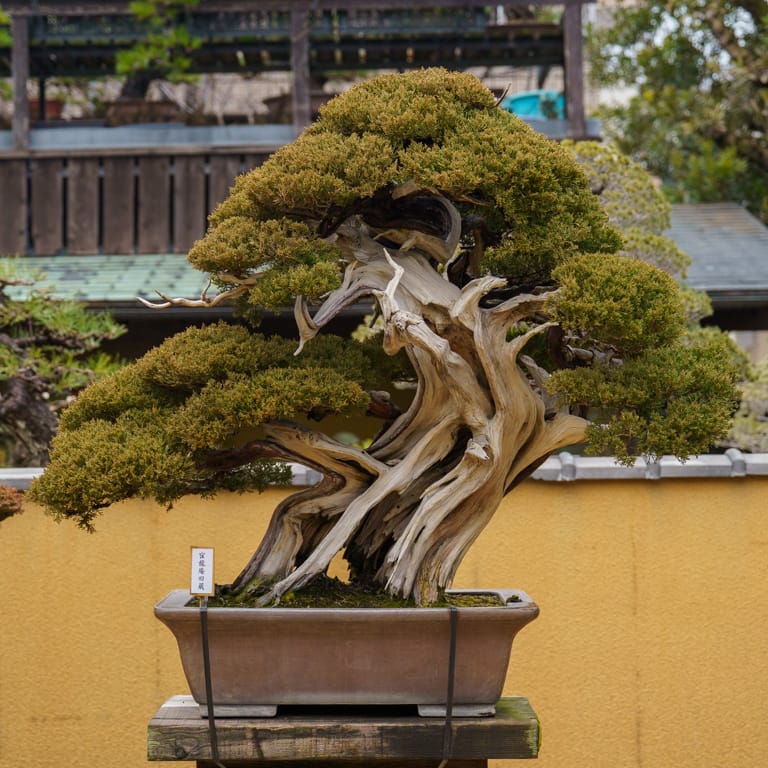
I first visited Shunka-en, or “spring flower garden,” twenty-seven years ago. Since that trip, the garden has changed a lot. There are several new growing areas and more than double the number of trees, including these junipers and pines in the main courtyard.
Shimpaku juniper
Black pine
Shimpaku juniper
Black pine
Shimpaku juniper
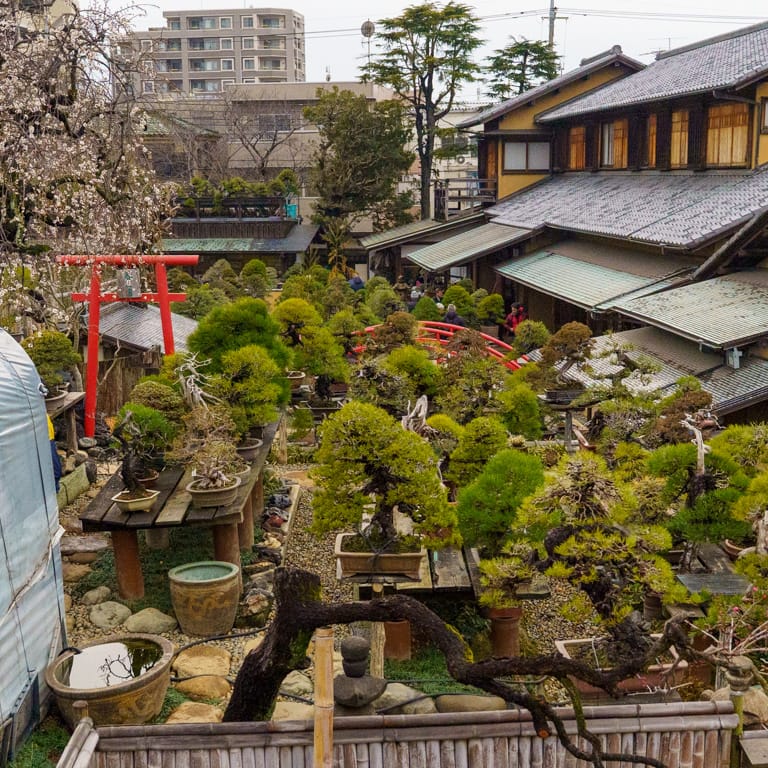
The garden is jam-packed with trees, mostly conifers, in every direction you look.
A section of Shunka-en
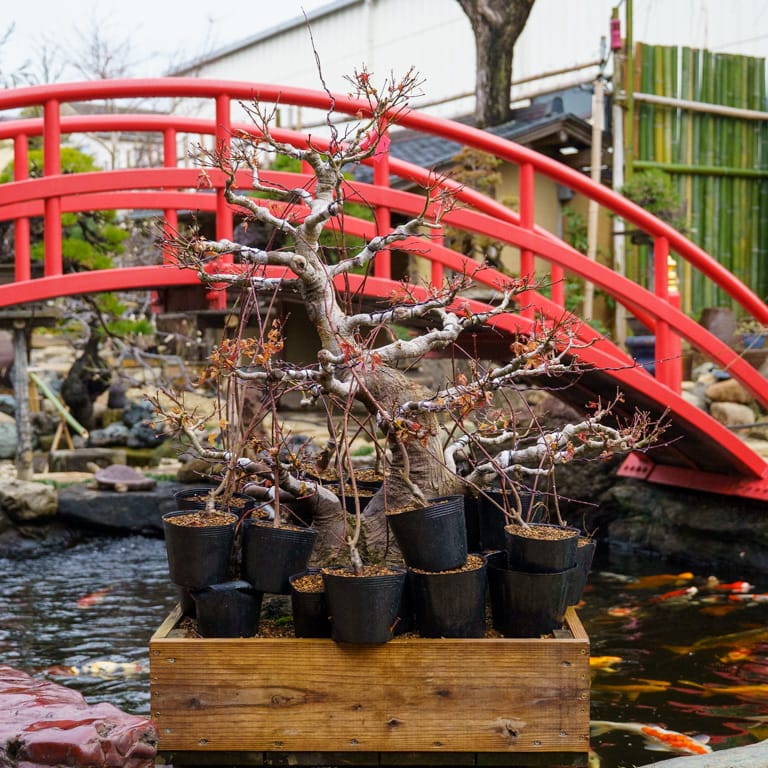
Although most of the trees are presented for garden display (the facility is billed as a museum) there are a few prominent trees in development, including the maple grafting project below.
Thread grafts on a Japanese maple
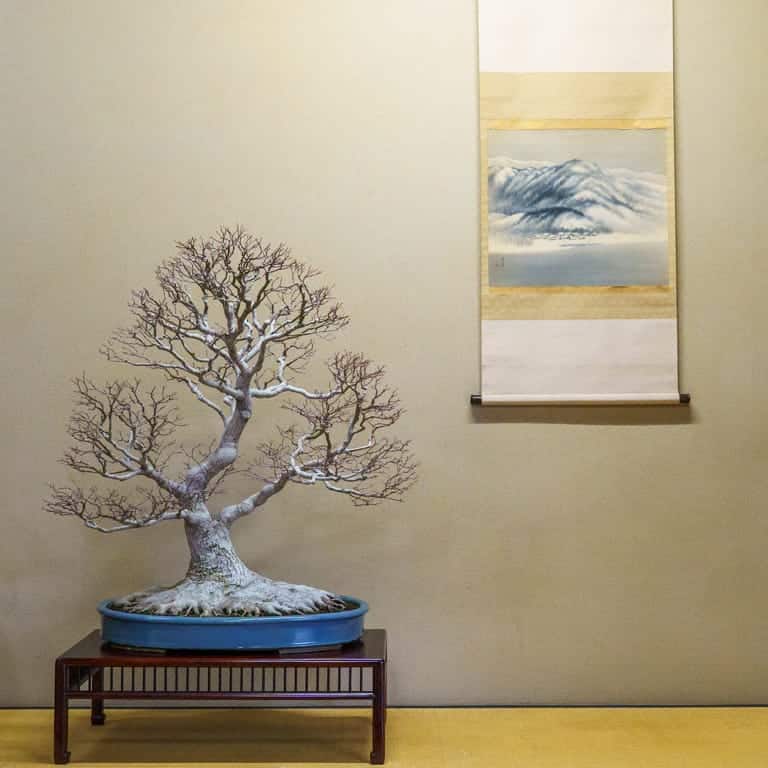
Inside, visitors can enjoy several tokonoma set up with seasonal displays. On the day we visited, the display rooms featured a juniper, a chojubai, and a maple, among other species.
Japanese maple with crazy surface roots
Chojubai
Shimpaku juniper
Just outside the display rooms, a large collection of deciduous bonsai sat on the ground under the protection of the main building’s eves.

 Login
Login