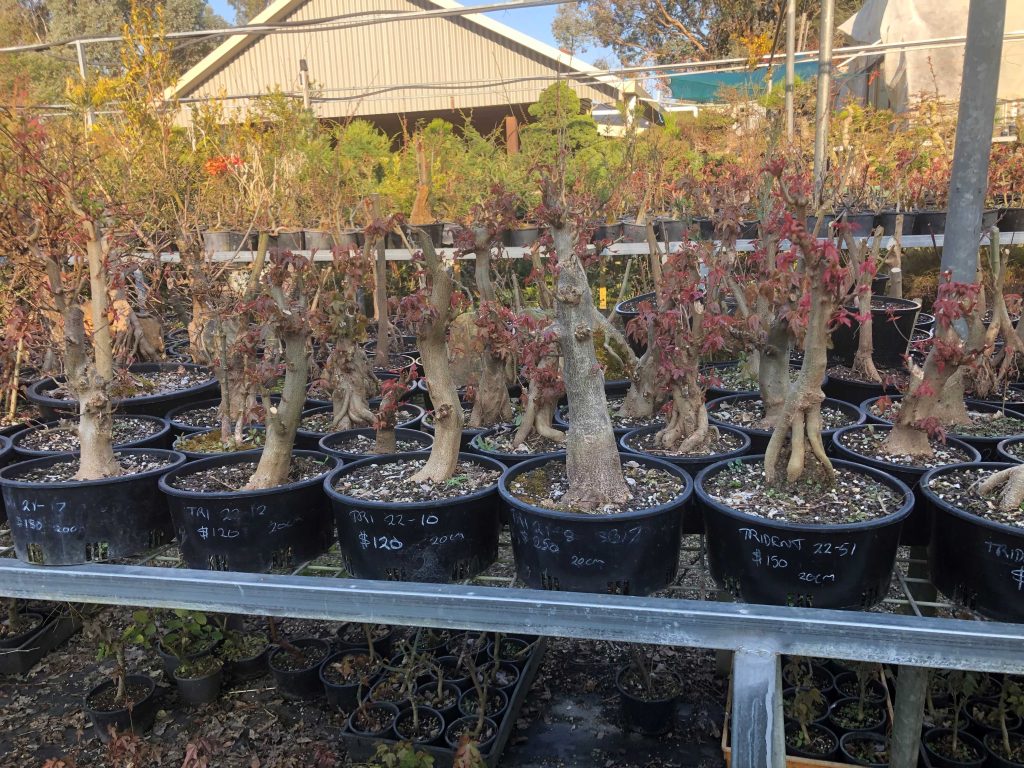
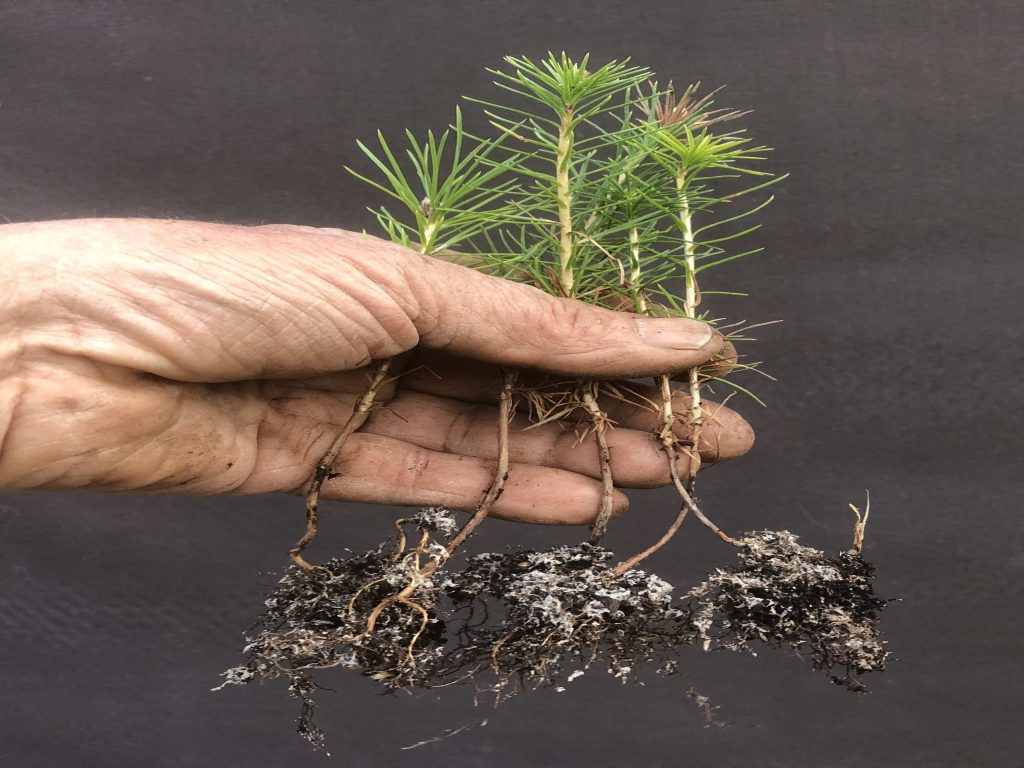
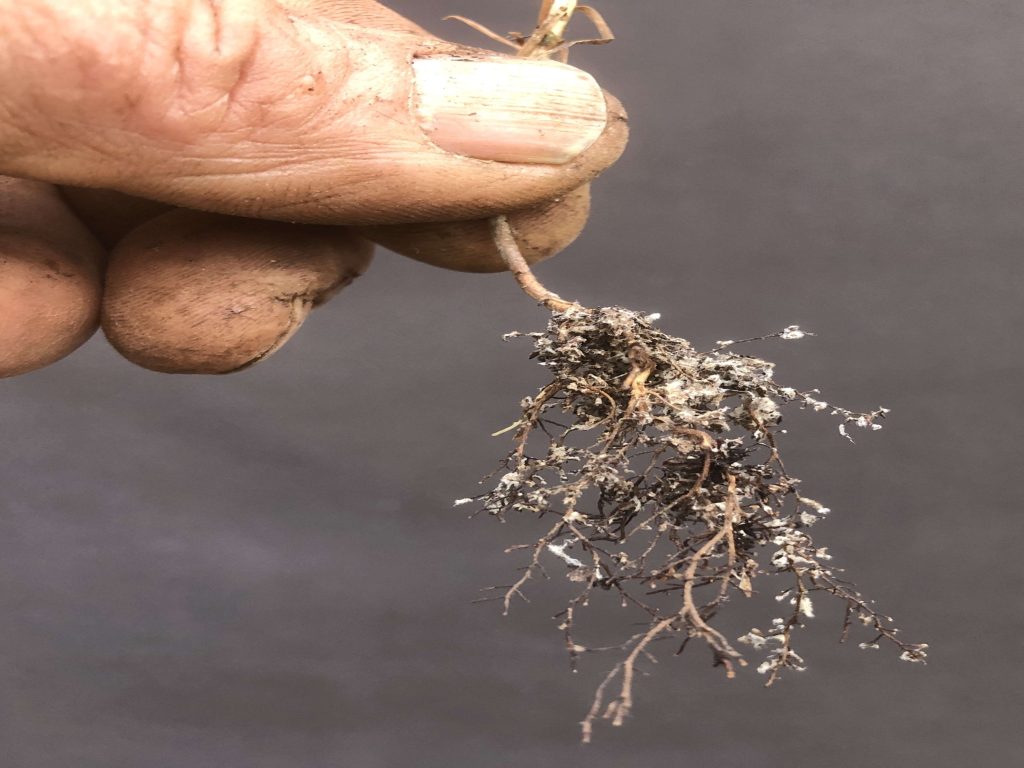
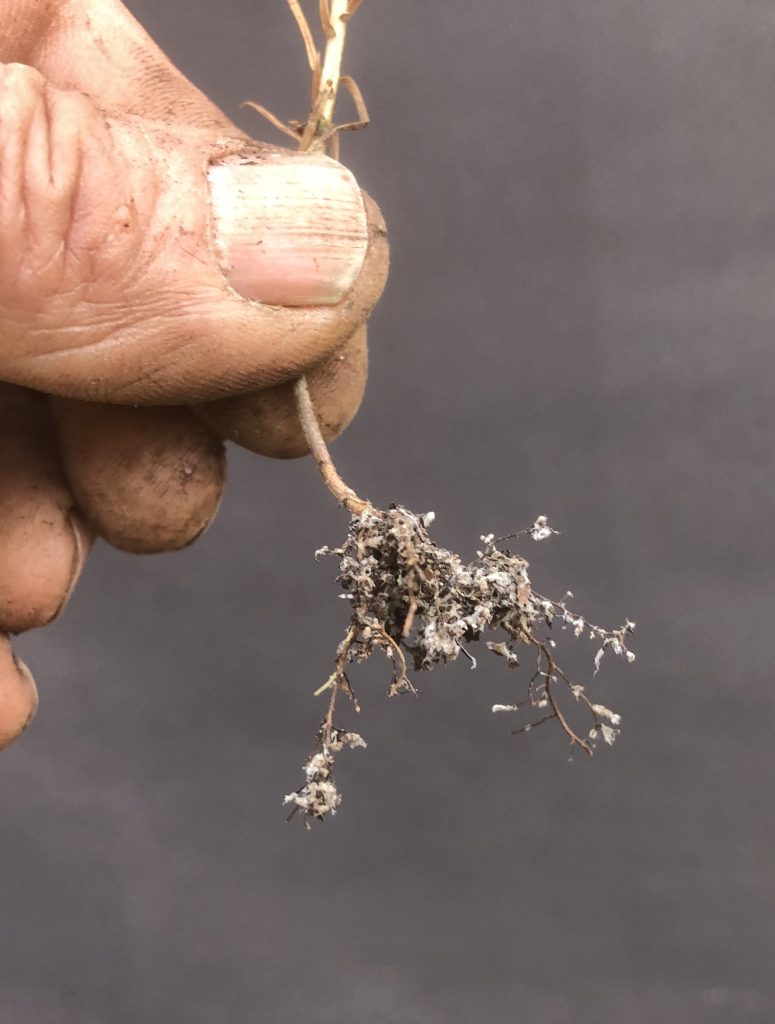
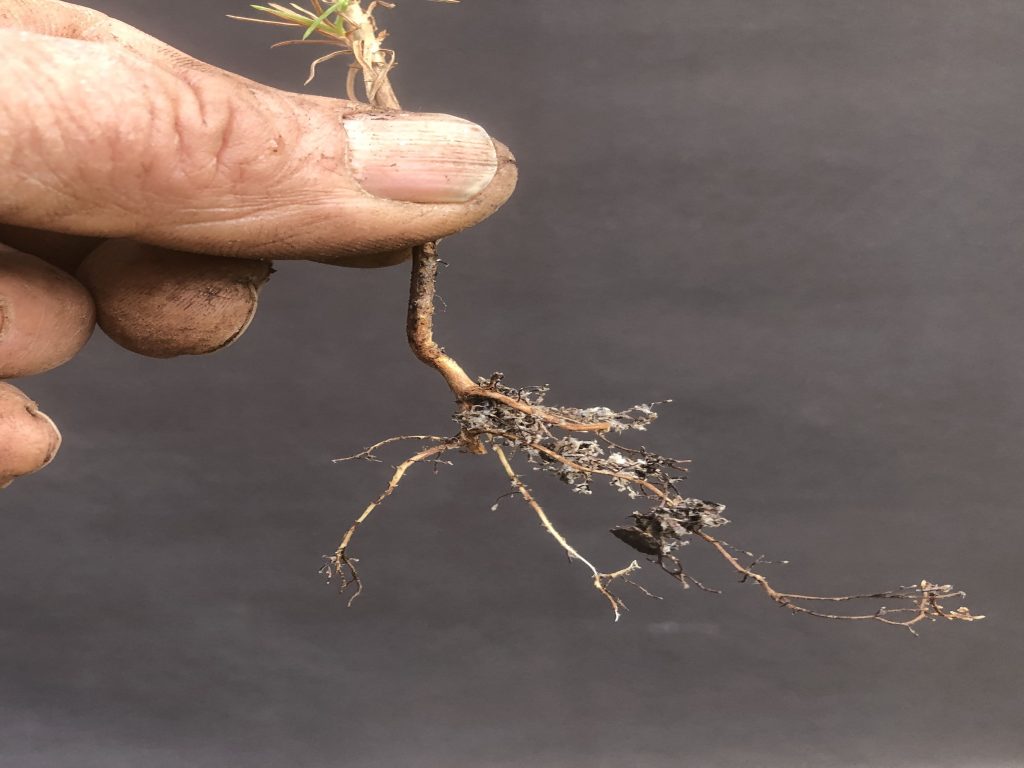
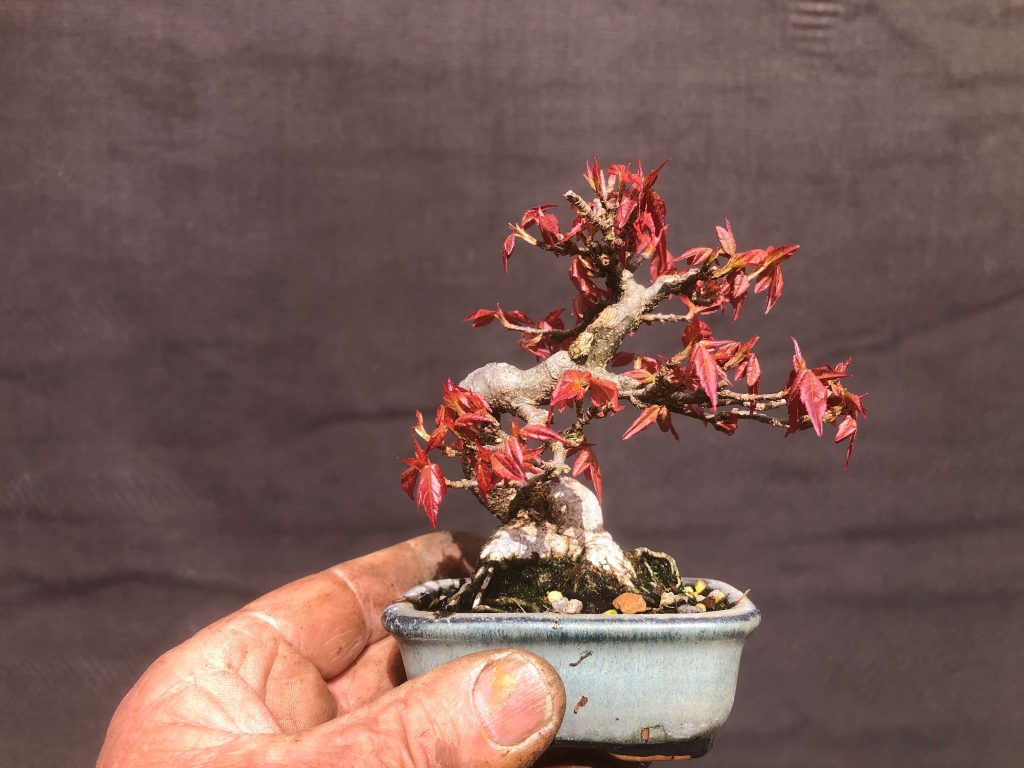
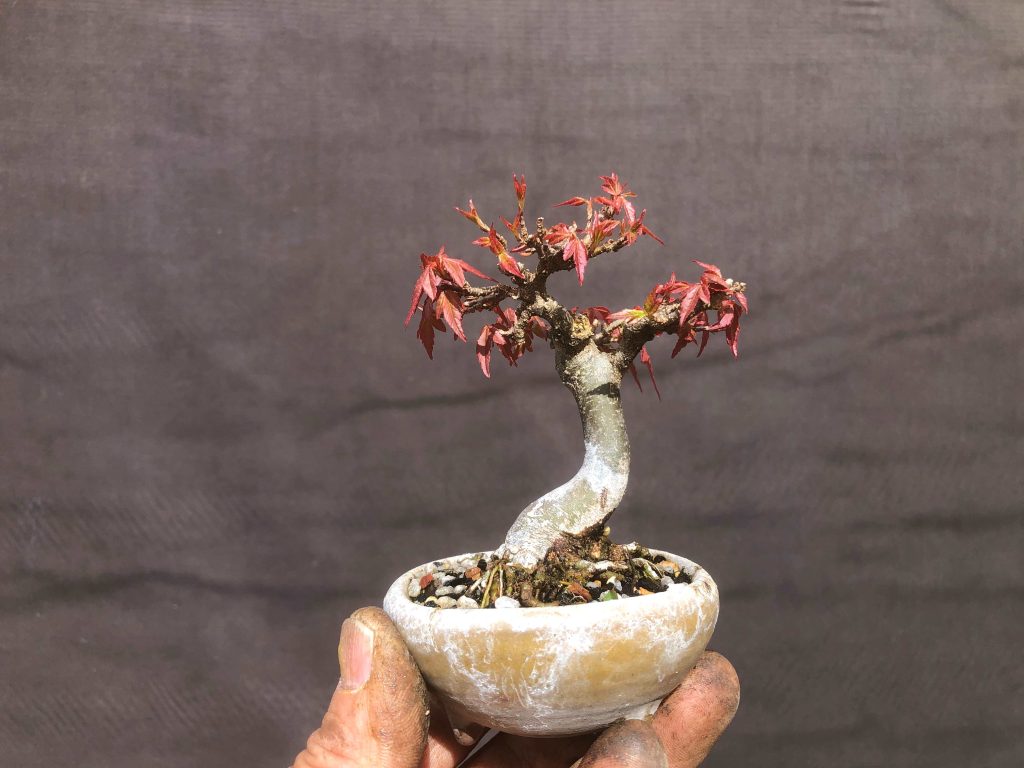
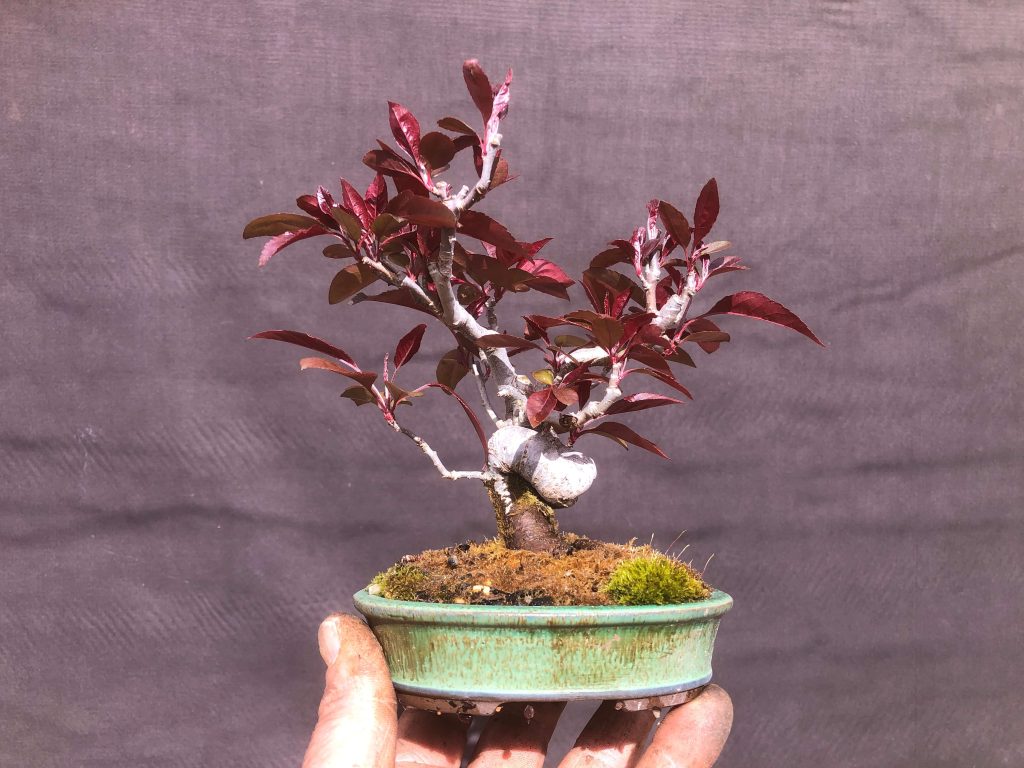
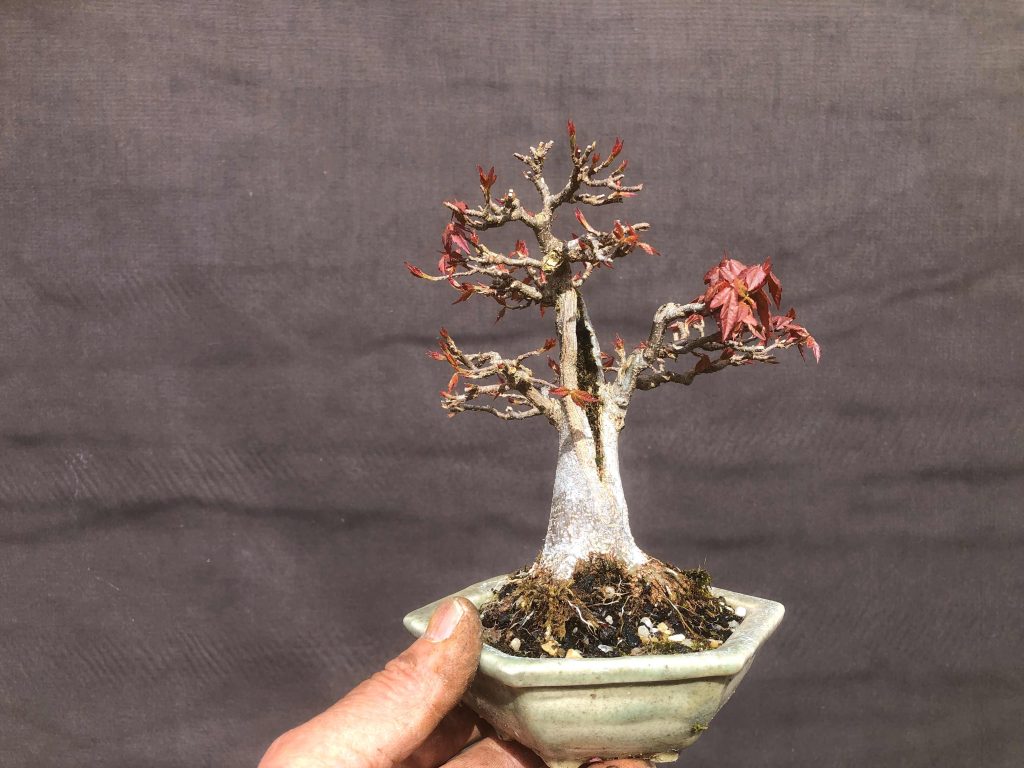
Winter is here and so is the annual seedling sale. Thousands of trident maples seedlings direct from the garden beds to you from just $1 each plus post costs.
Also a limited number of Japanese maple seedlings but due to limited numbers, slower growth rates and higher demand small JM are $2 and the few slightly thicker trunks $5 each.
Also this year a few more XL and XXL tridents. These grew fast in an area with plenty of water and now have trunks up to 5cm thick at ground level. Remember, very little taper, large cuts and roots have had no work so as they come. Happy to send photos of these as individuals. $10 – $20 depending on size and roots. Be prepared for slightly higher post cost when buying these larger trees as they do take up more space.
Note that I usually sort the seedlings according to trunk shape as different shapes and sizes are better for some projects. I can often supply selected packs that will suit your projects better if you tell me what you want to do.
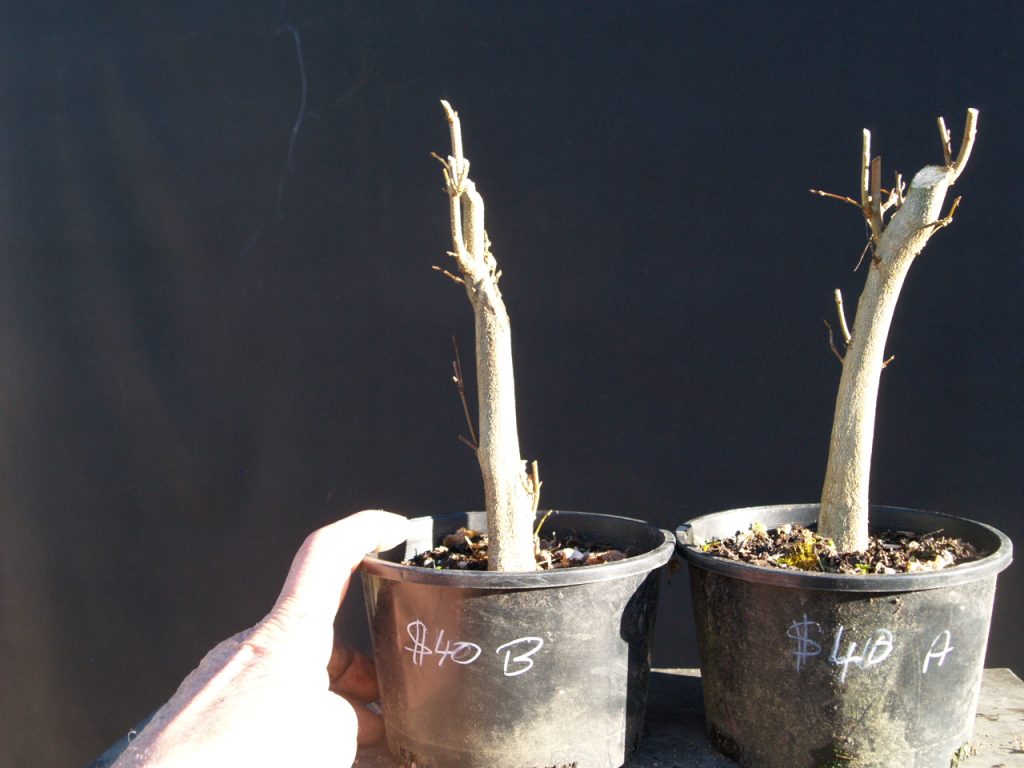
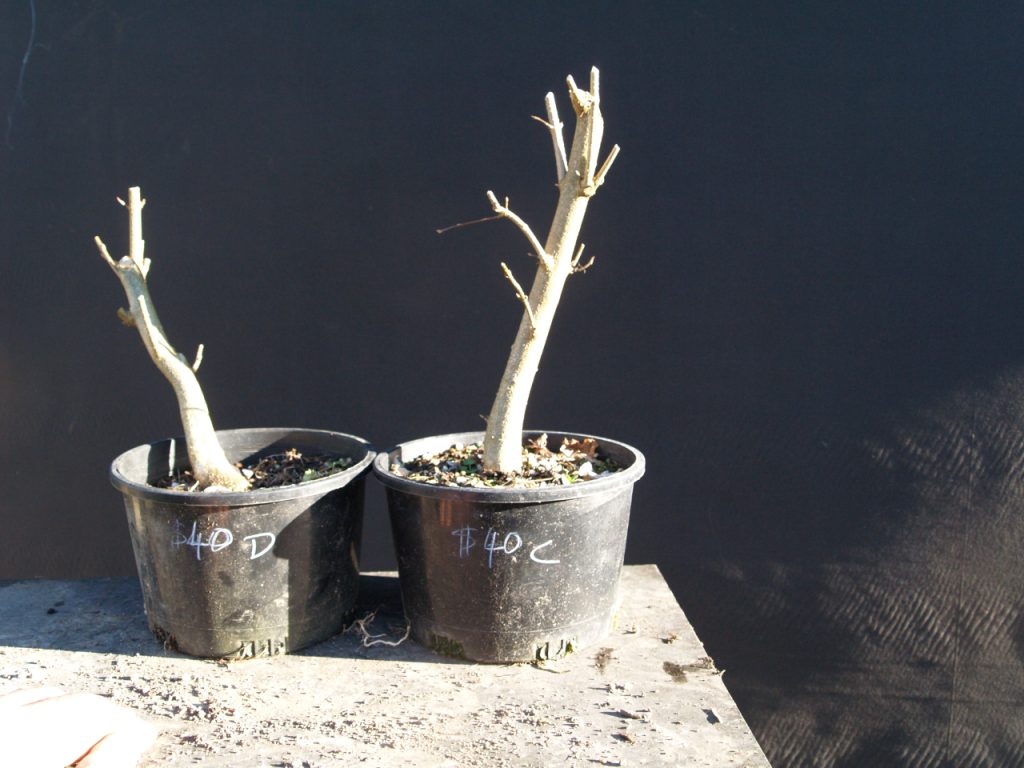
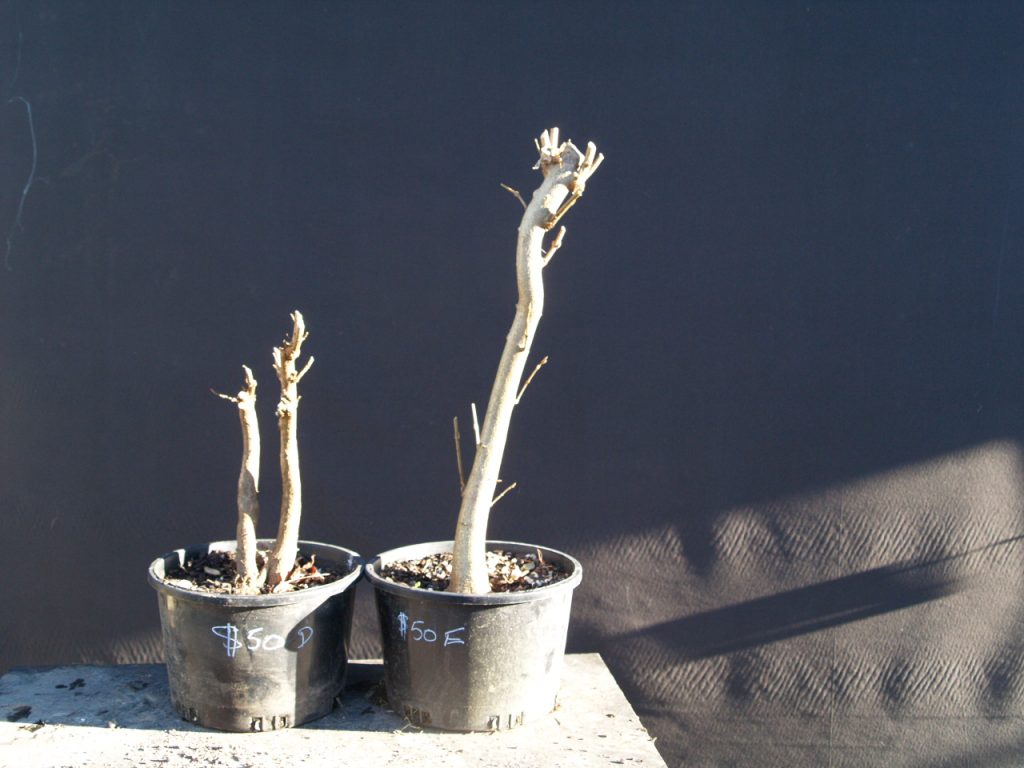
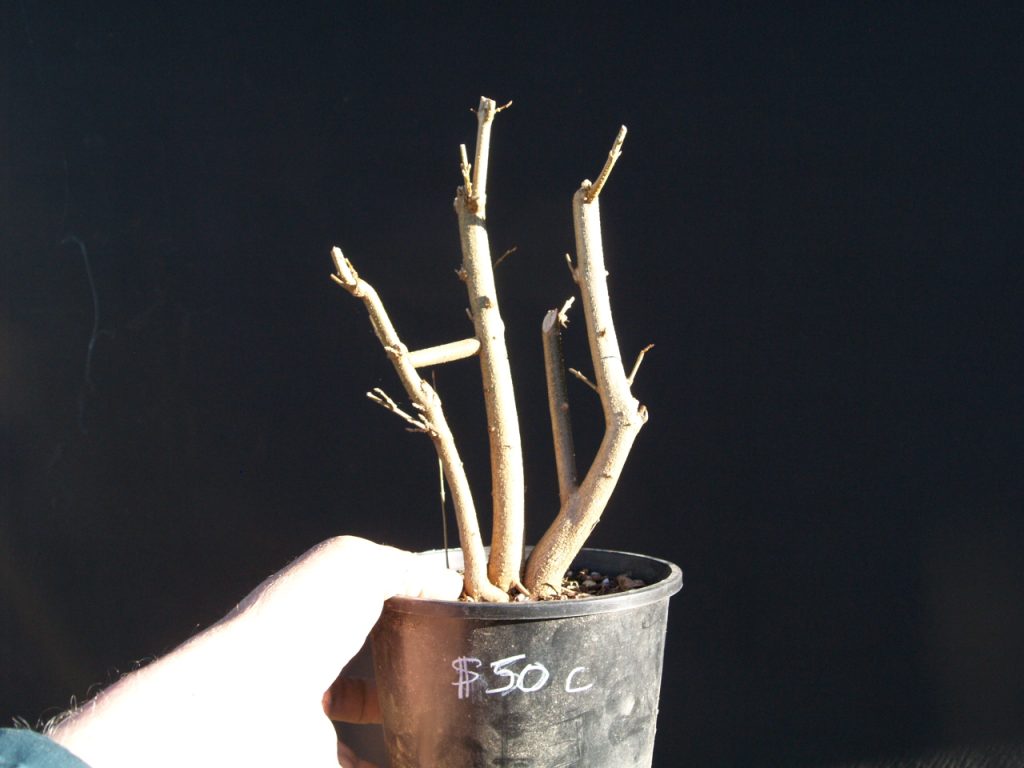
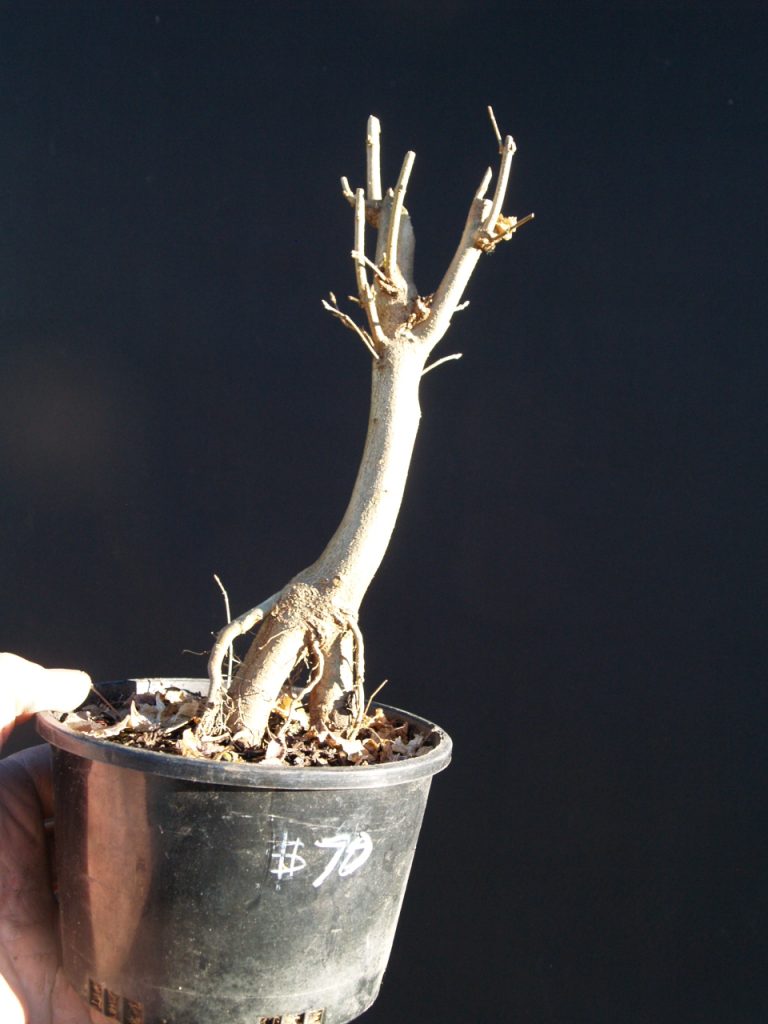
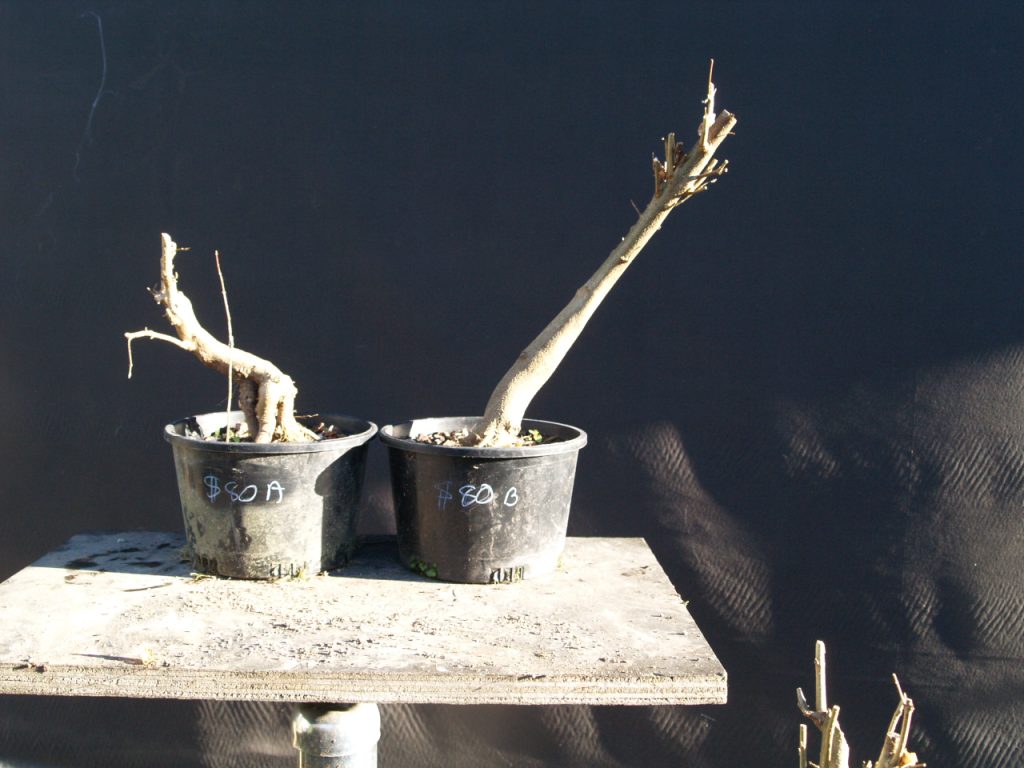
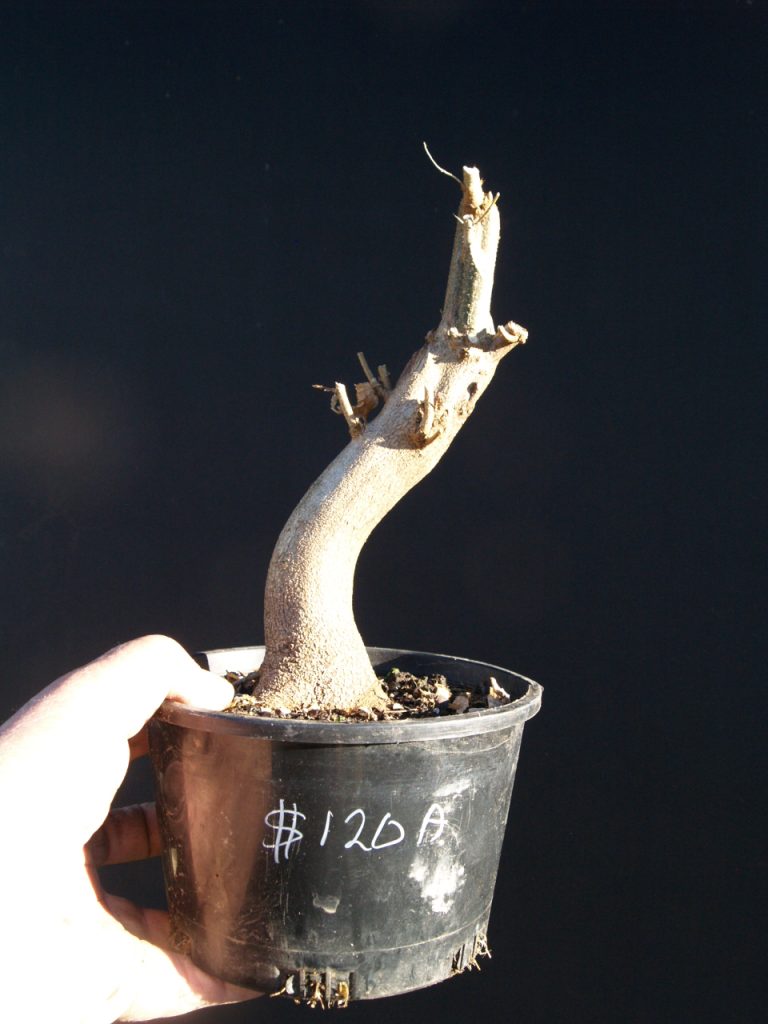
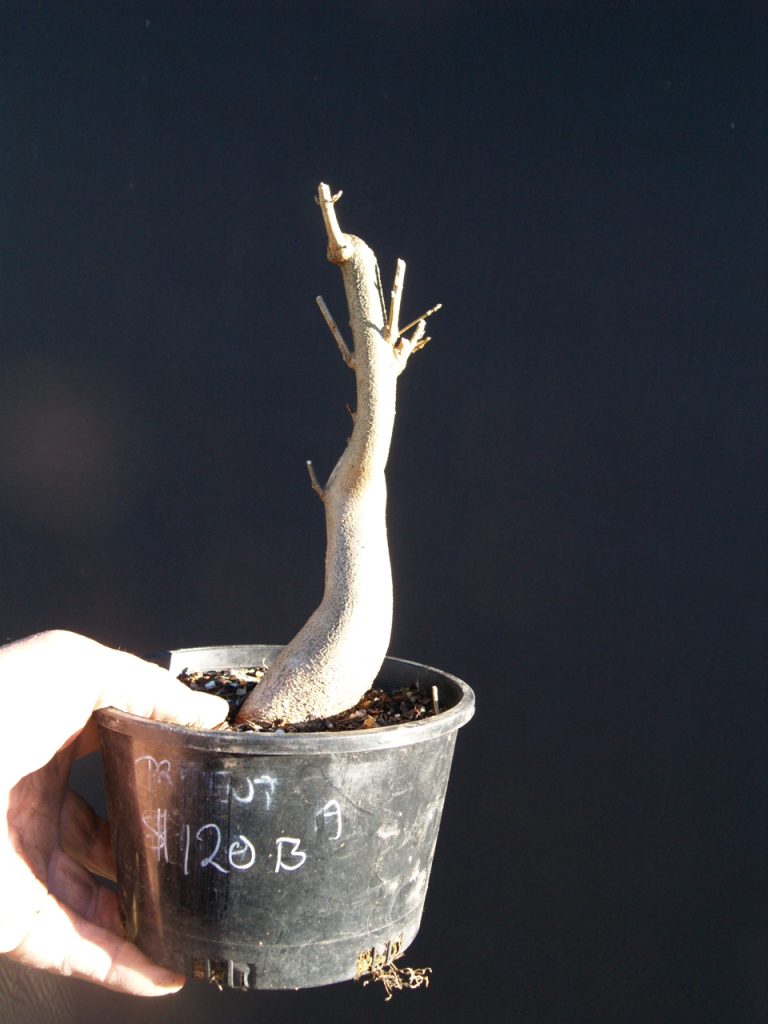
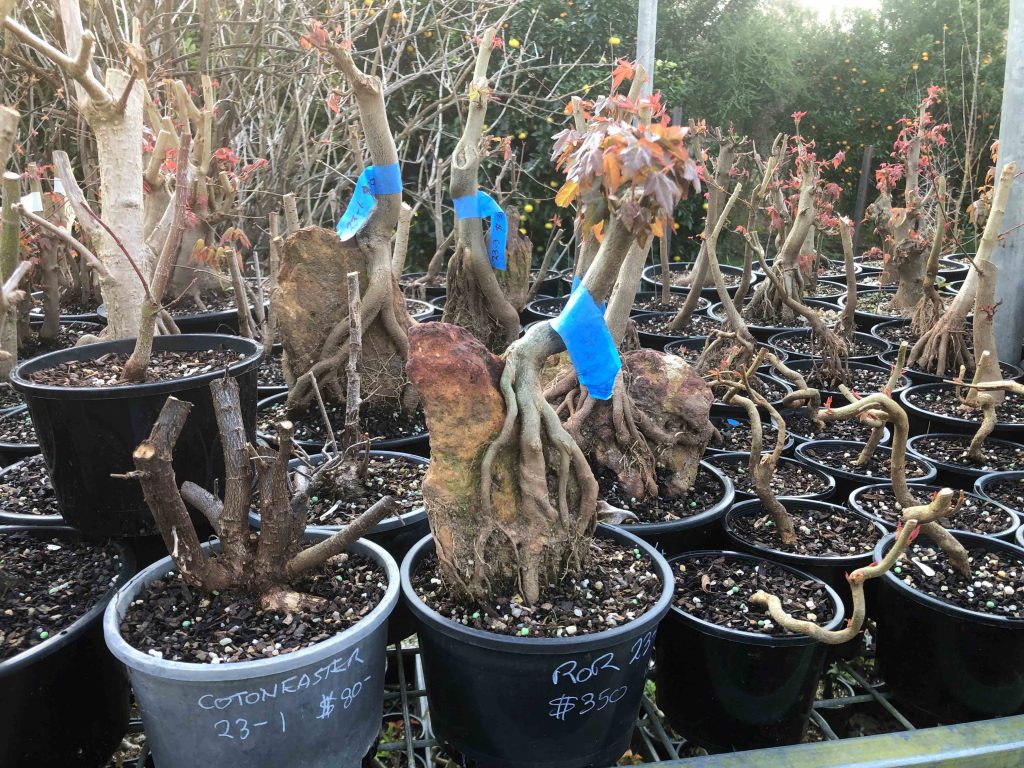
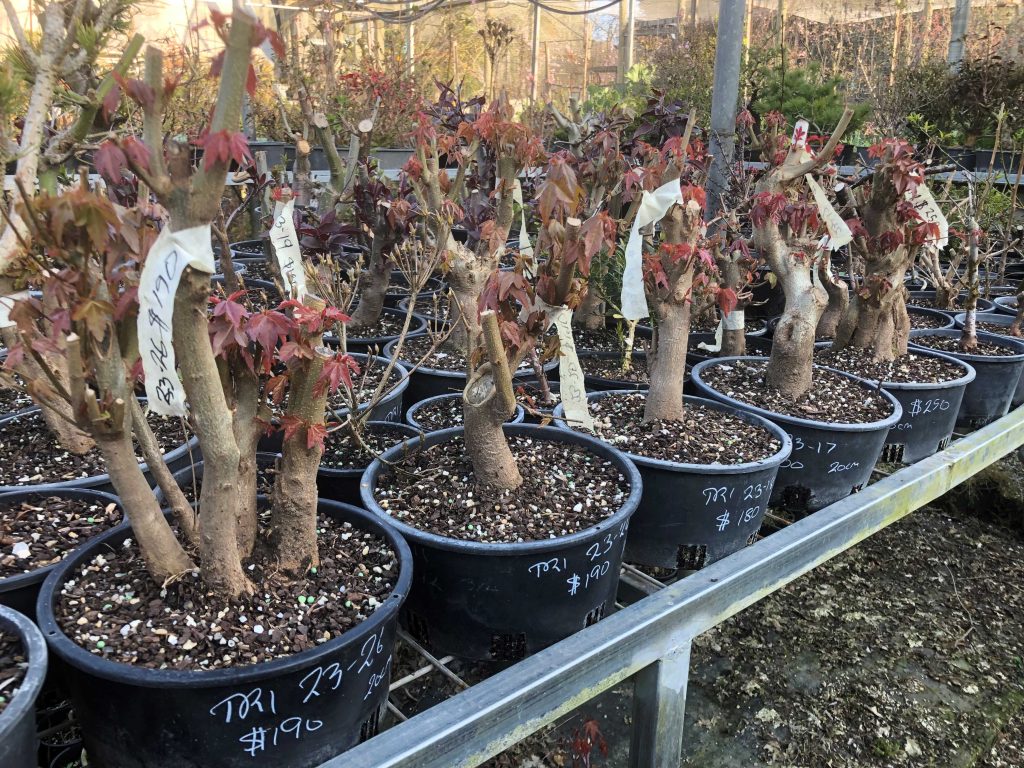
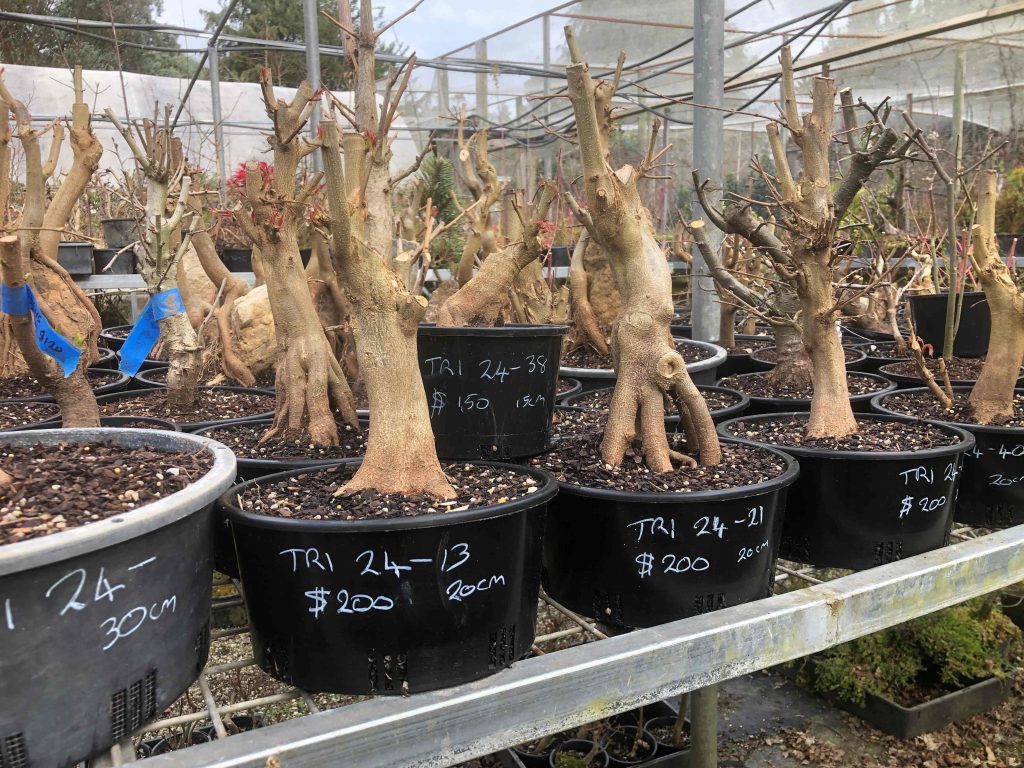
I’m sure many beginners are concerned about purchasing bare root trees and having them delivered through the mail so some of you may be more interested in some trident maple trunks that are already established in pots.
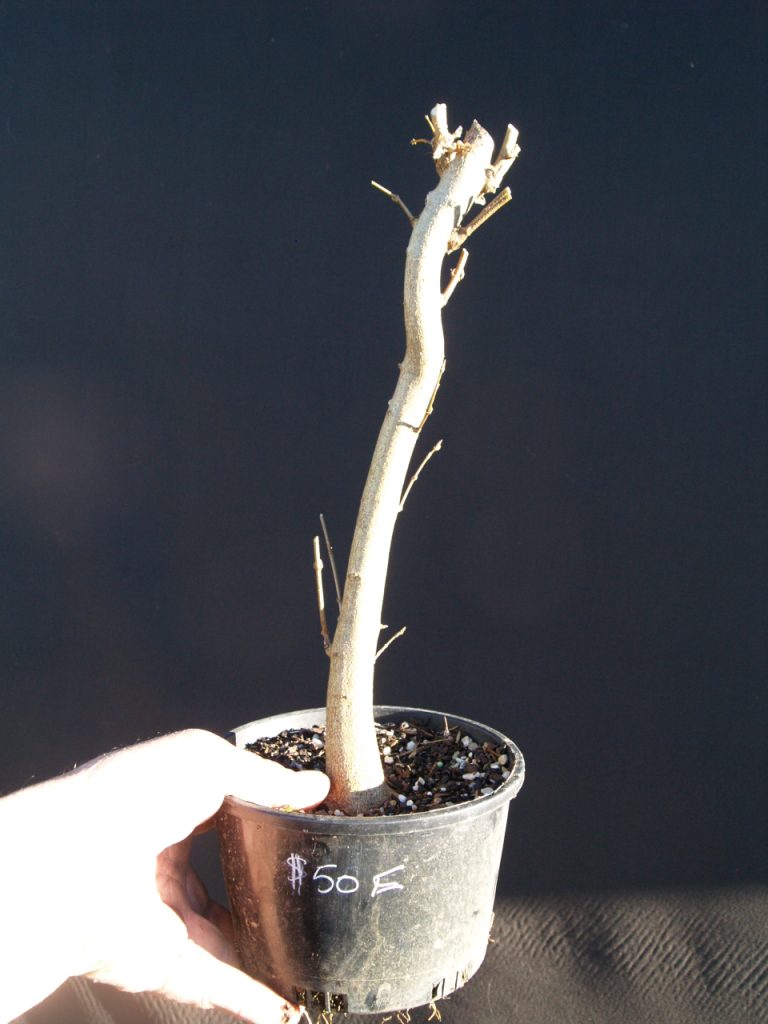
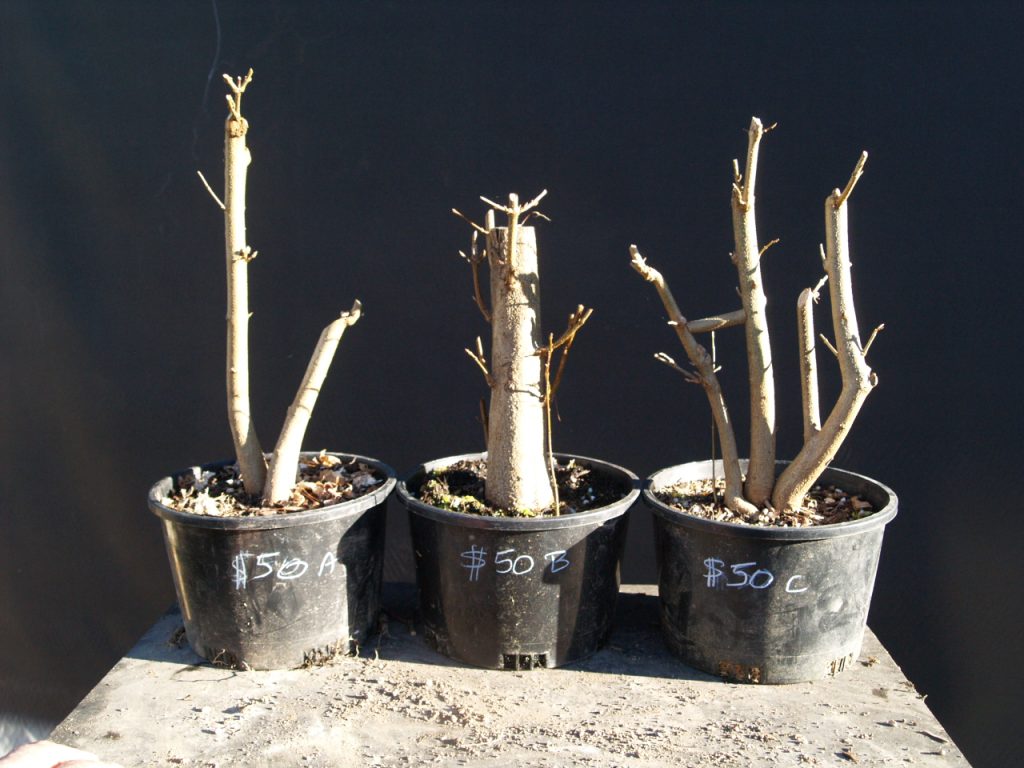
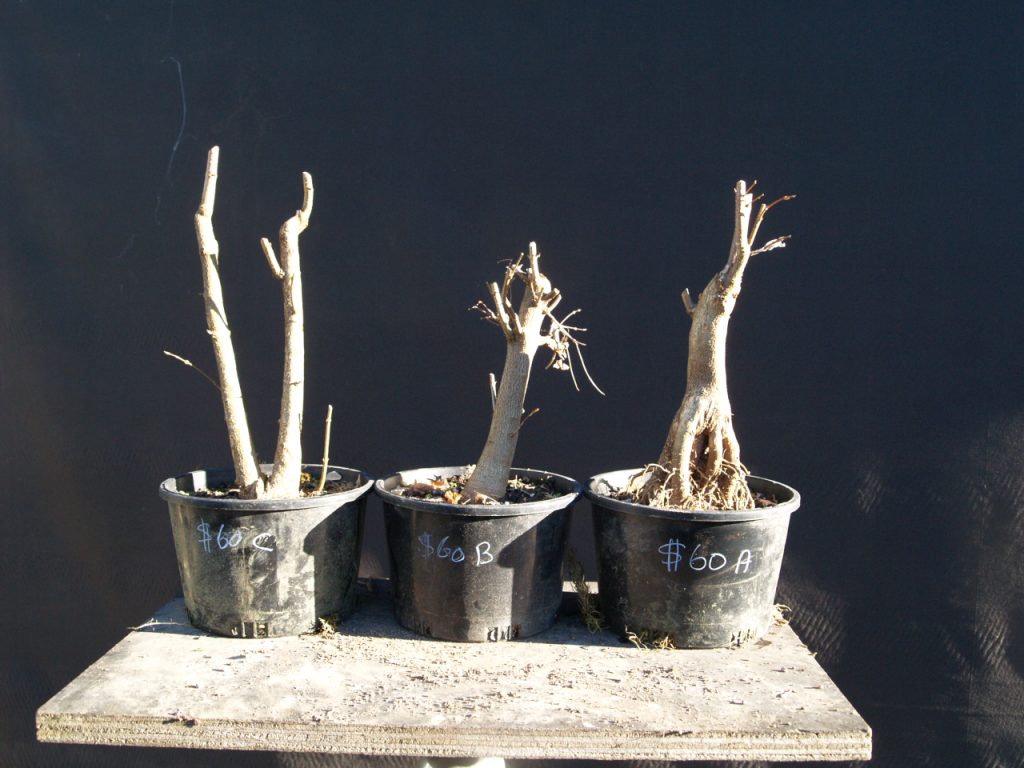
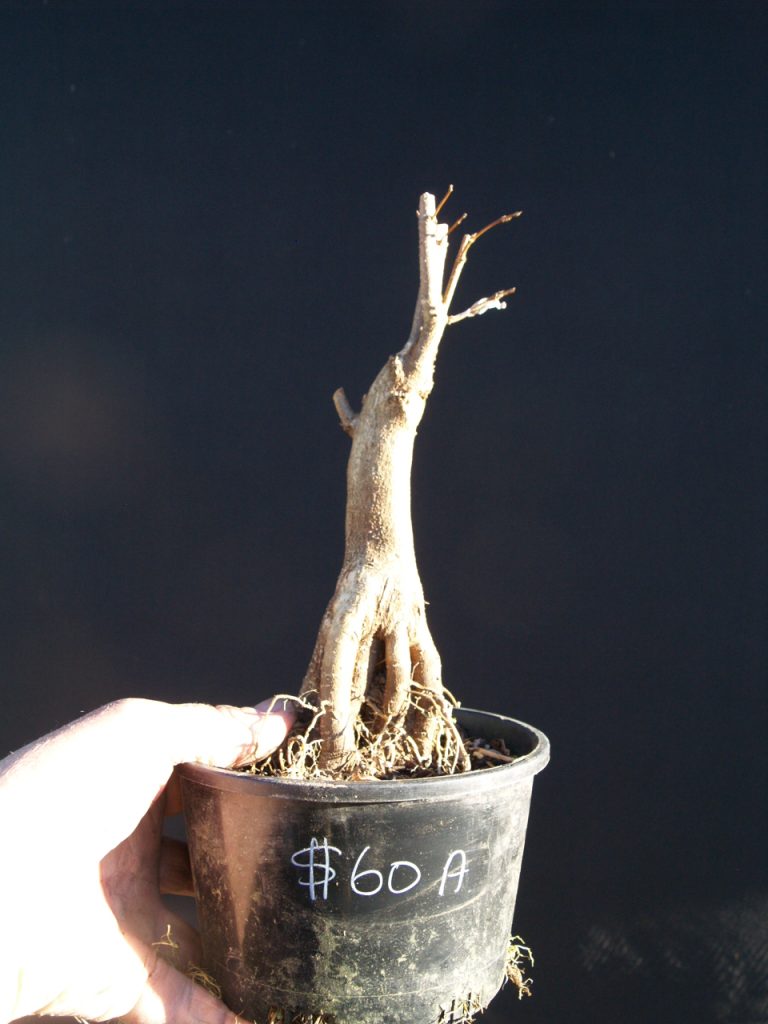
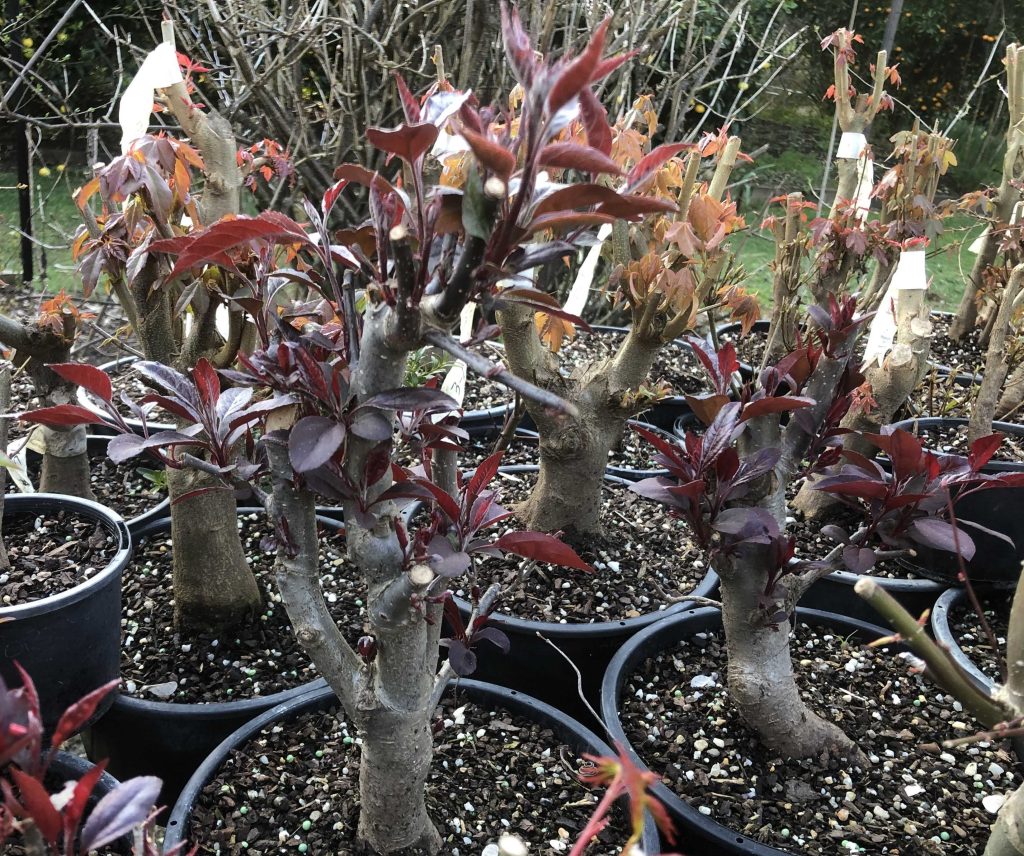
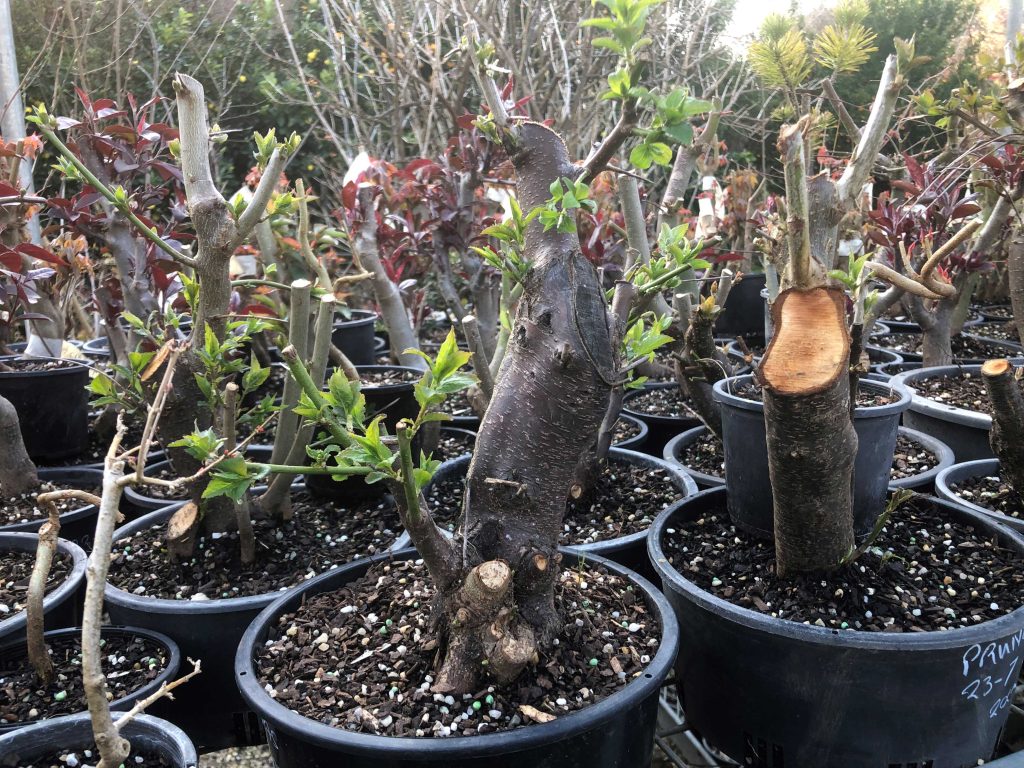
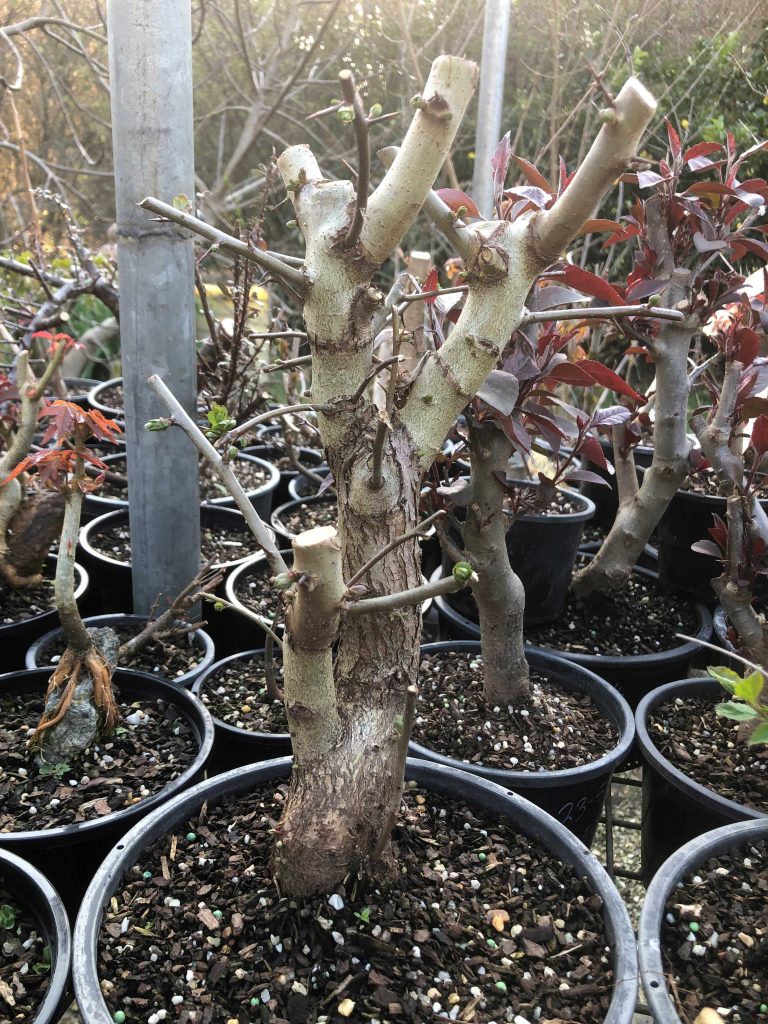
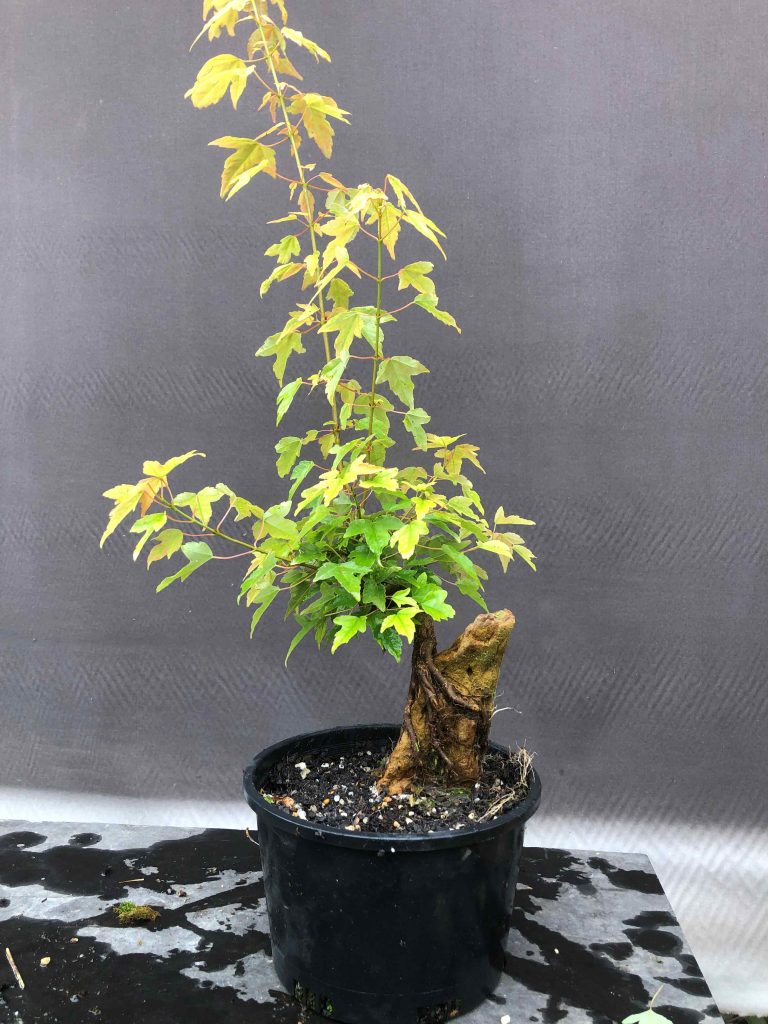
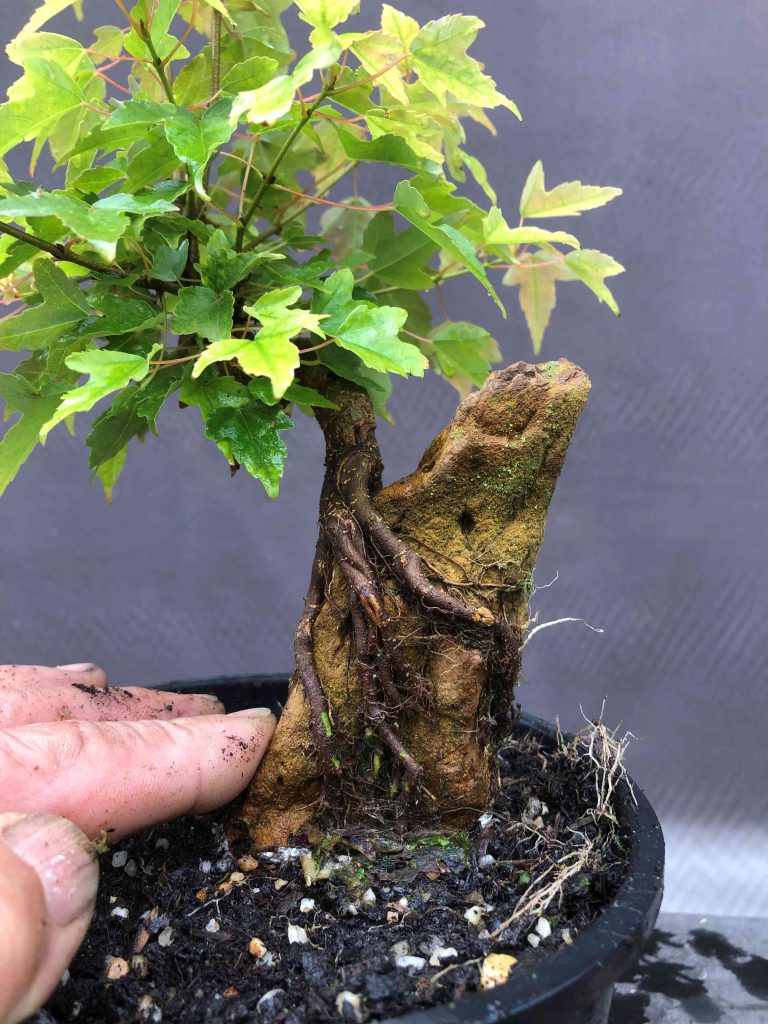
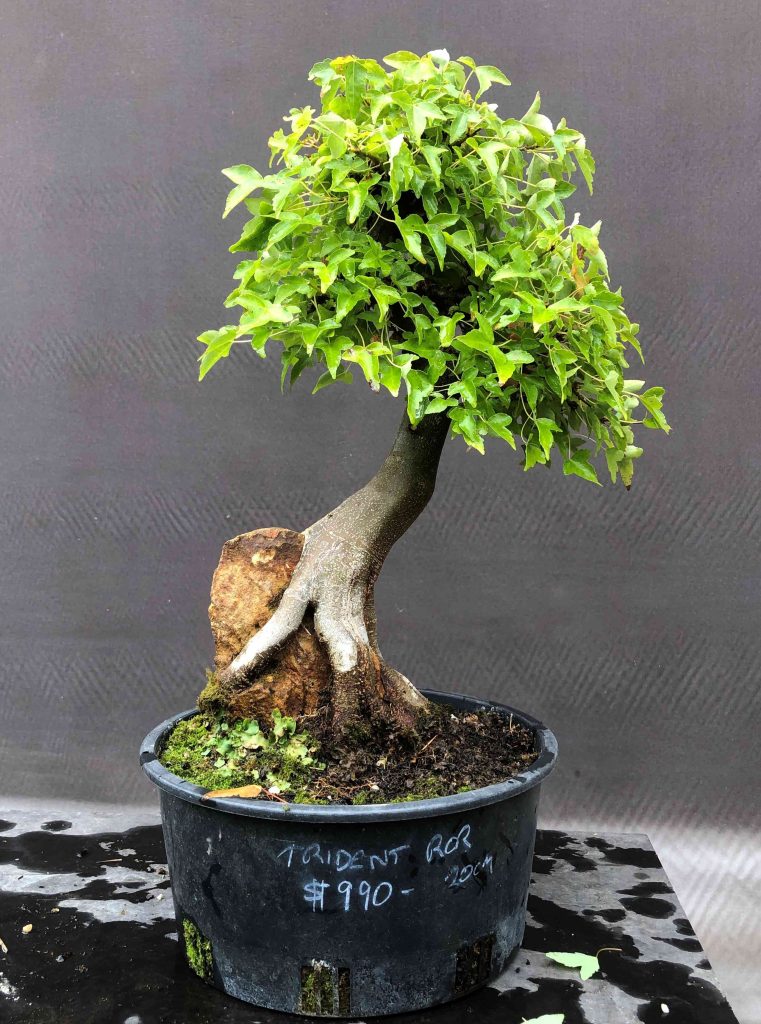
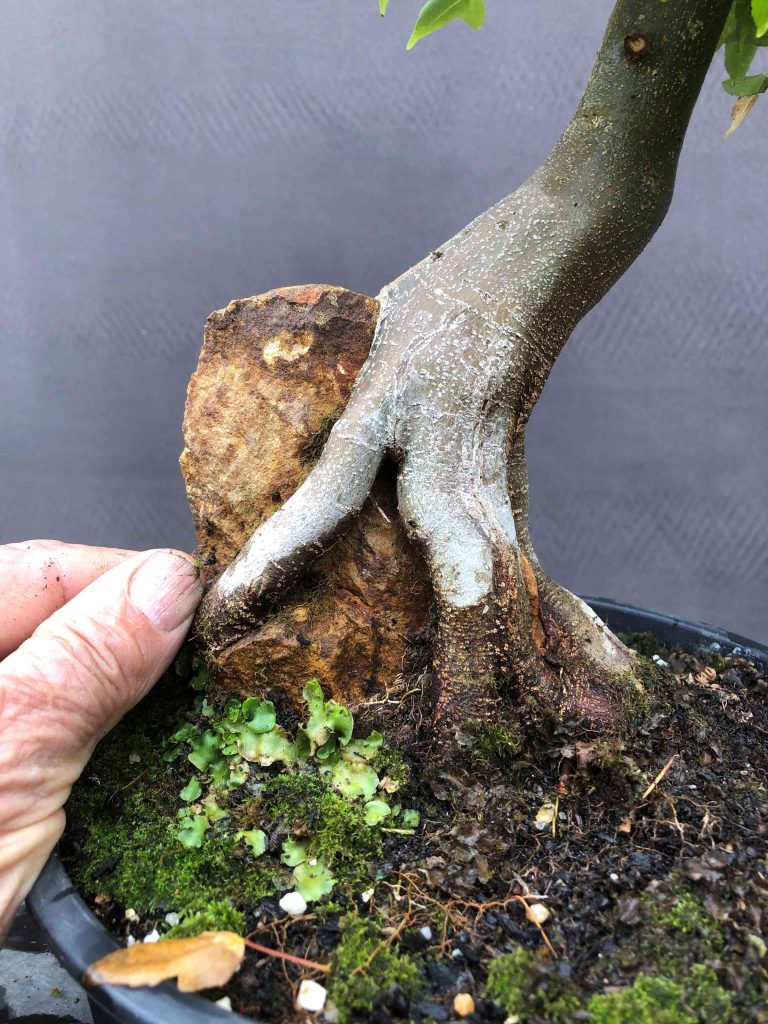
These are some of the XL and XXL bare root tridents that were left after last year’s winter bare root sale so I potted up some of the nicer trunks. That means these have had a full year to grow new roots and re-establish in the pots ready for whatever projects you’d like to try with them. Some might need another trunk chop to establish a better trunk line, others are ready to start growing branching this summer.
Delivery for some of these will be a little more than the bare root equivalent but generally a single pot doesn’t change the post price much. As usual, I’m happy to provide a delivery price quote before you commit to purchase. Please supply a mailing address or at least a postcode because post rates depend on what Auspost zone you are in.
Shibui Bonsai also has plenty of smaller trident and Japanese maples in smaller 11 cm pots as well as a good range of other bonsai species. email [email protected] to order or enquire about your next bonsai starters.
Spring has arrived earlier than usual at Shibui Bonsai. Tridents are growing leaves and flowering species that are usually in full flower for shows in October are already opening. As a result I’ve had to get potting up and repotting deciduous species done quicker than usual. I’m still repotting any pines and junipers that need doing this spring as they don’t seem to mind root pruning a bit later than the deciduous species.
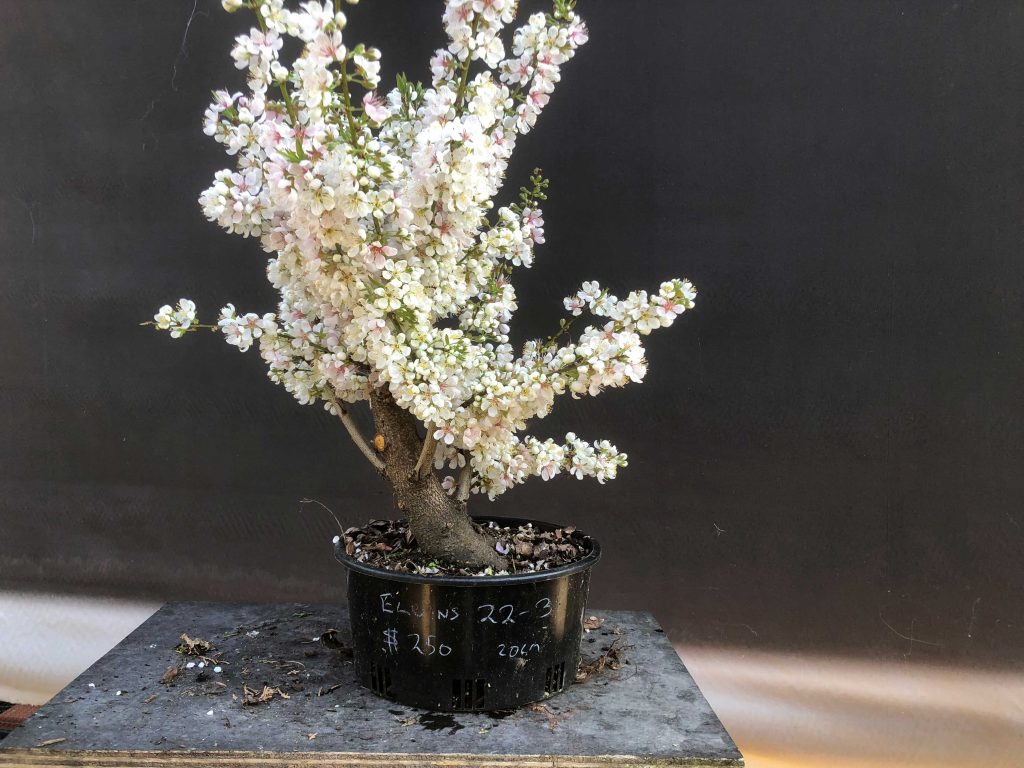
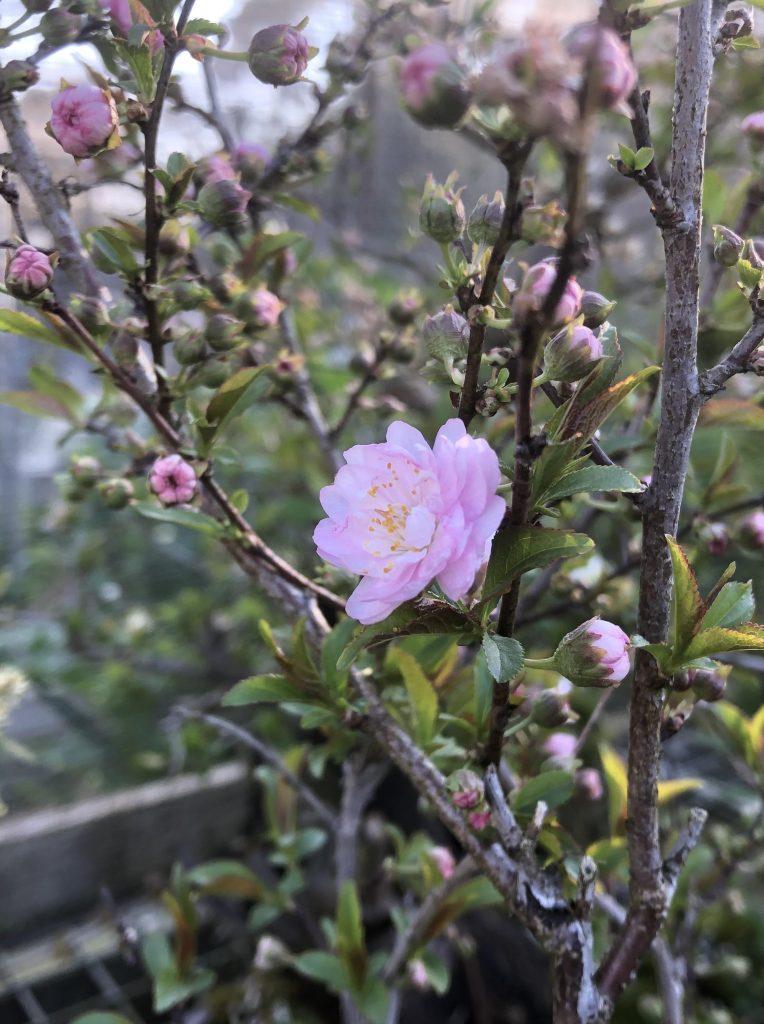
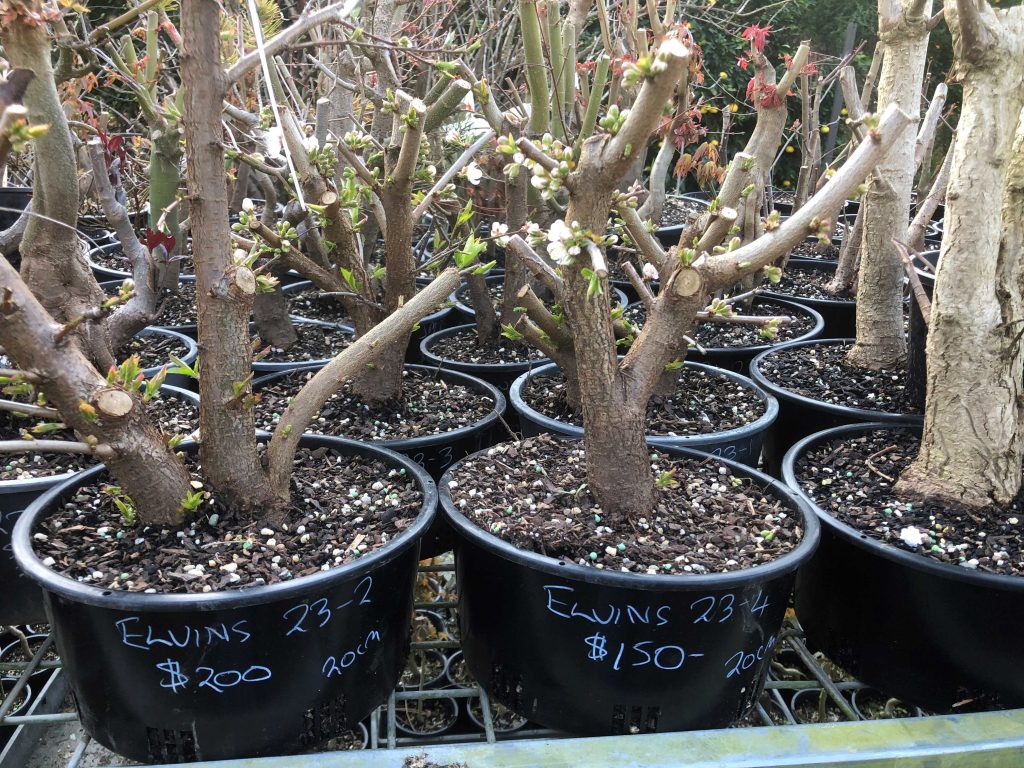
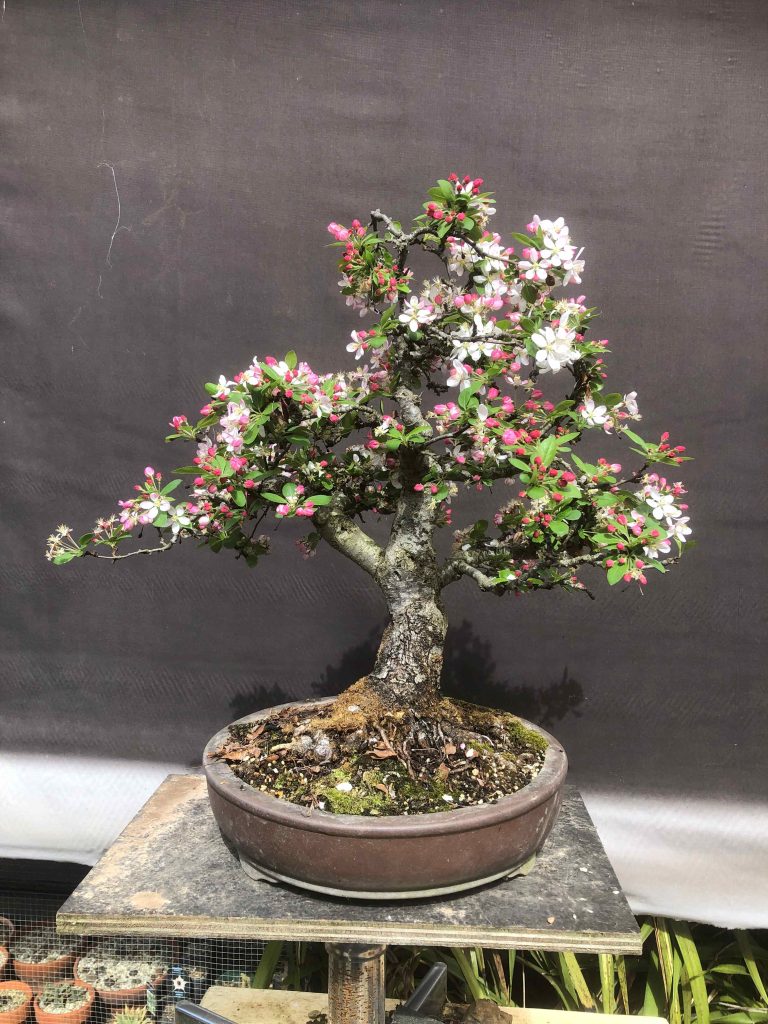
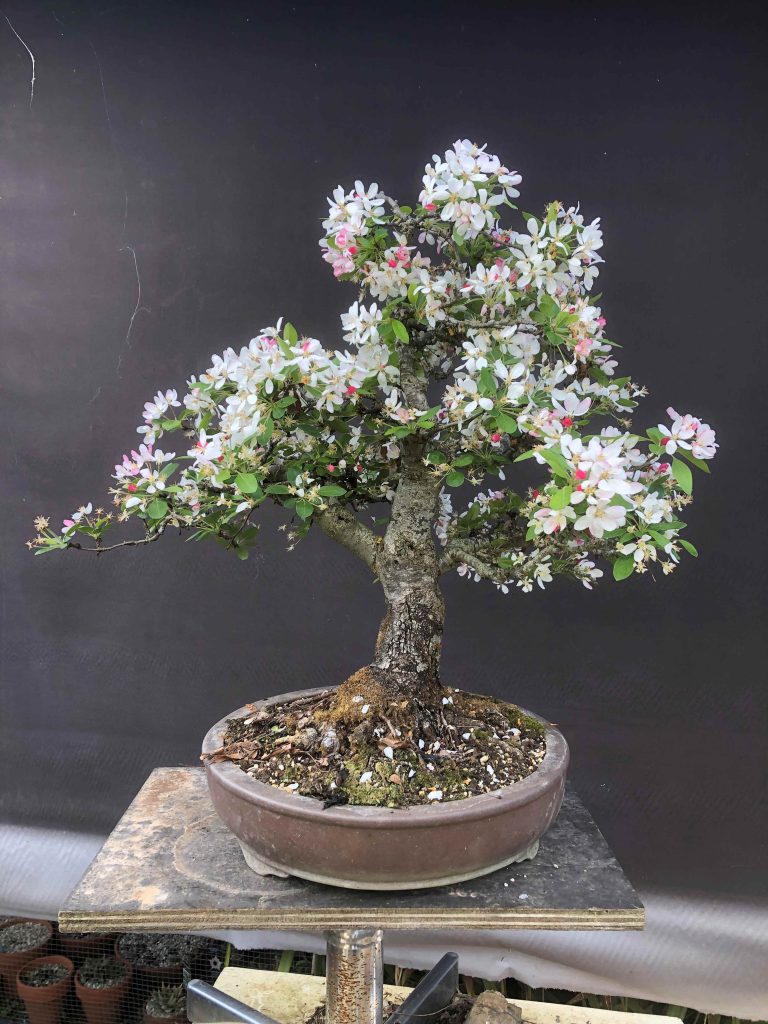
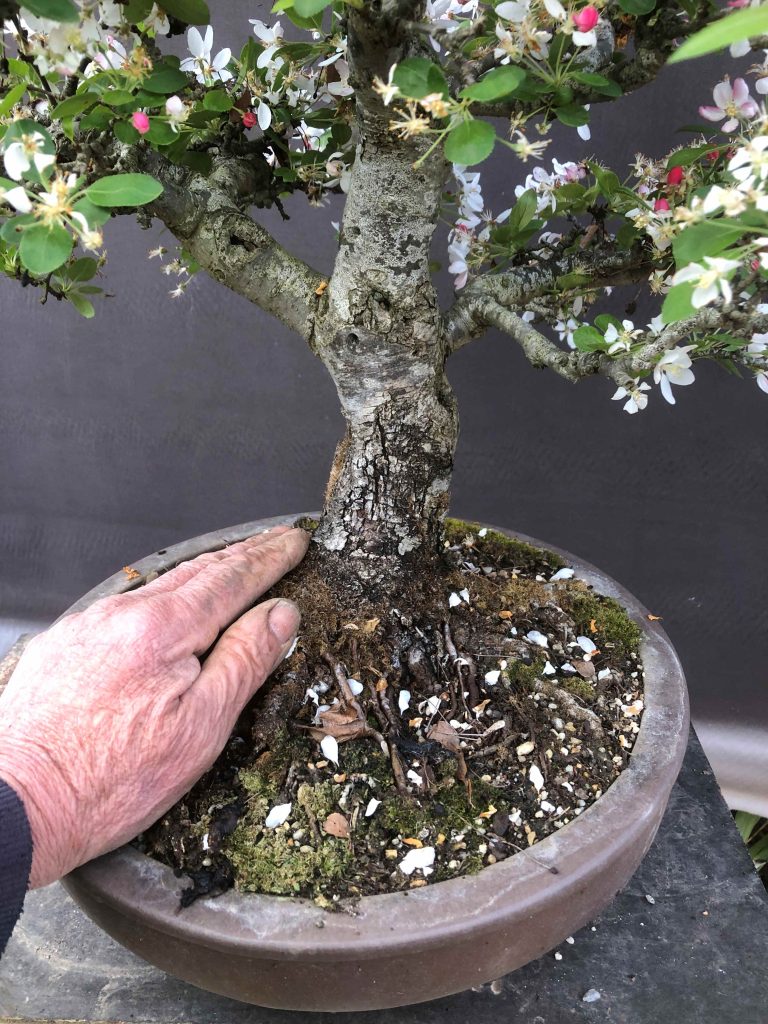
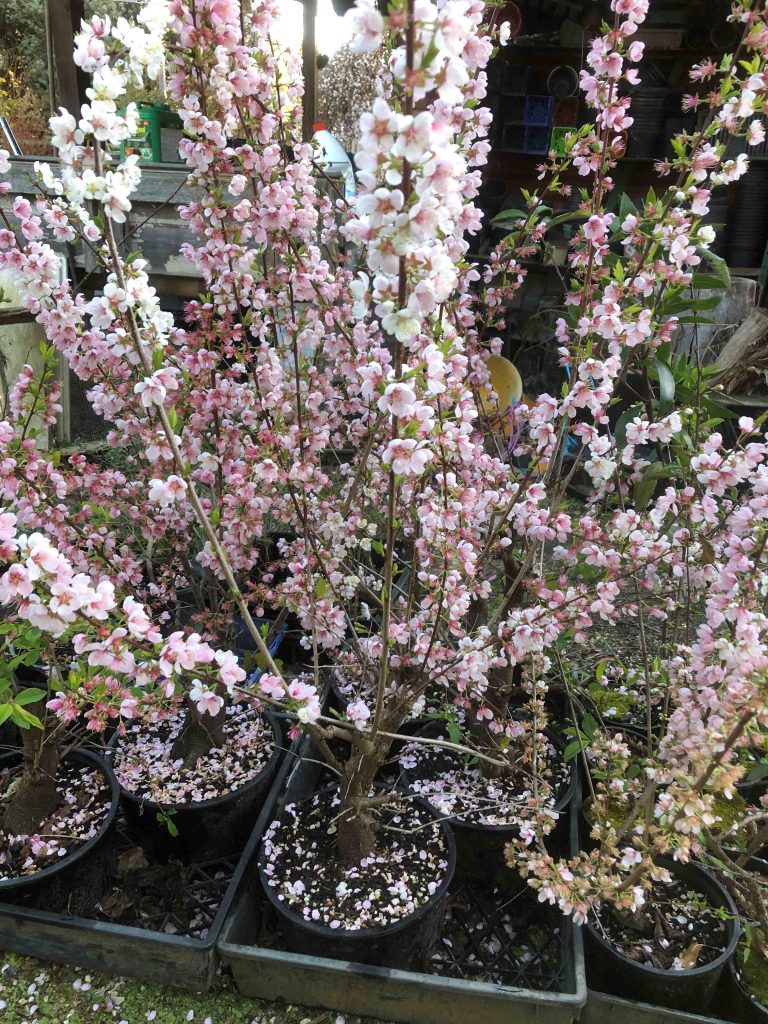
Prunus ‘Elvins’ puts on a massed display of blossom which makes it a favourite of gardeners and bonsai growers. This is one that came out of the grow beds 12 months ago so now well established in the pot.
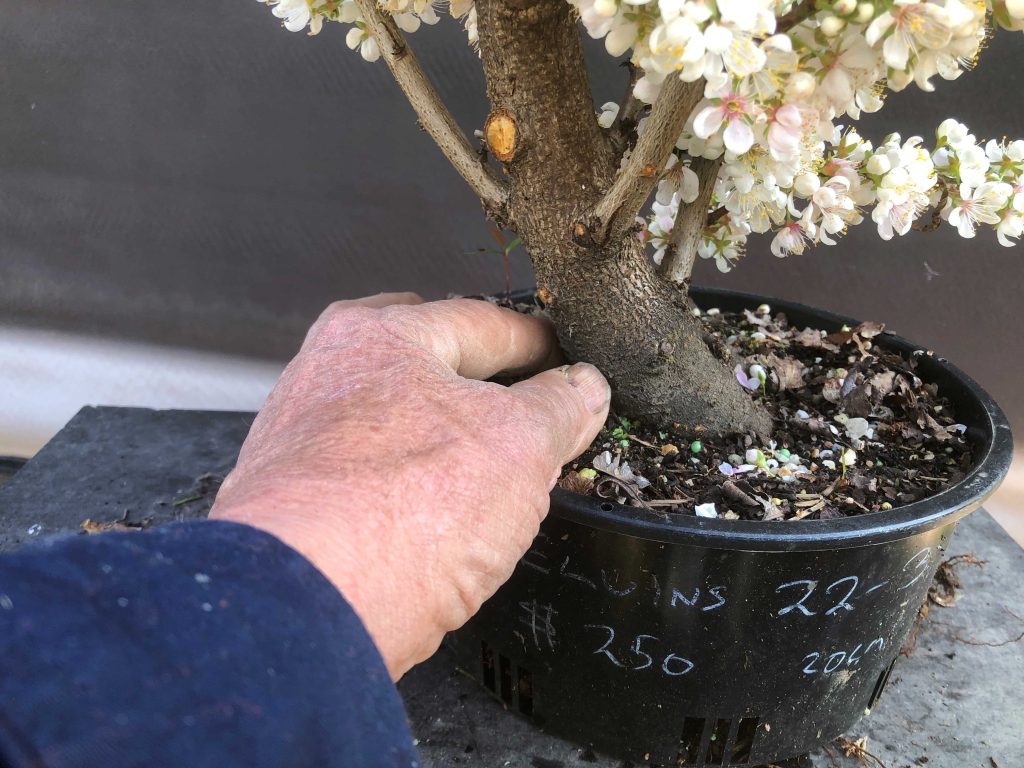
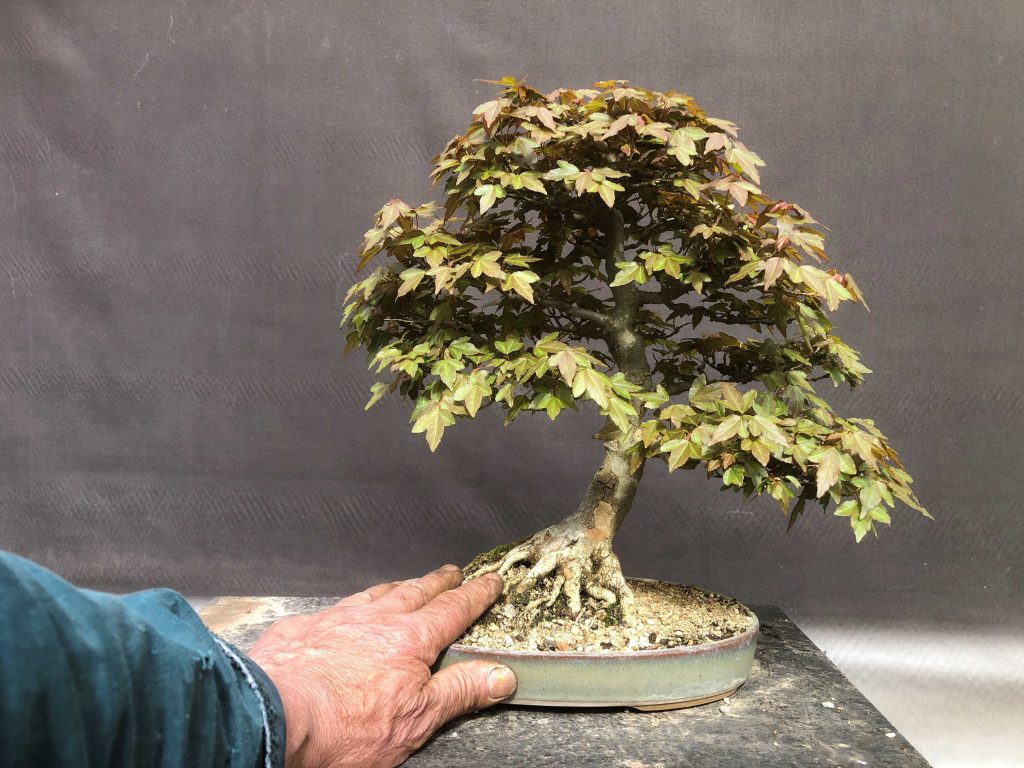
The pot is 20 cm diameter. For scale I’ve put my hand in the pic.
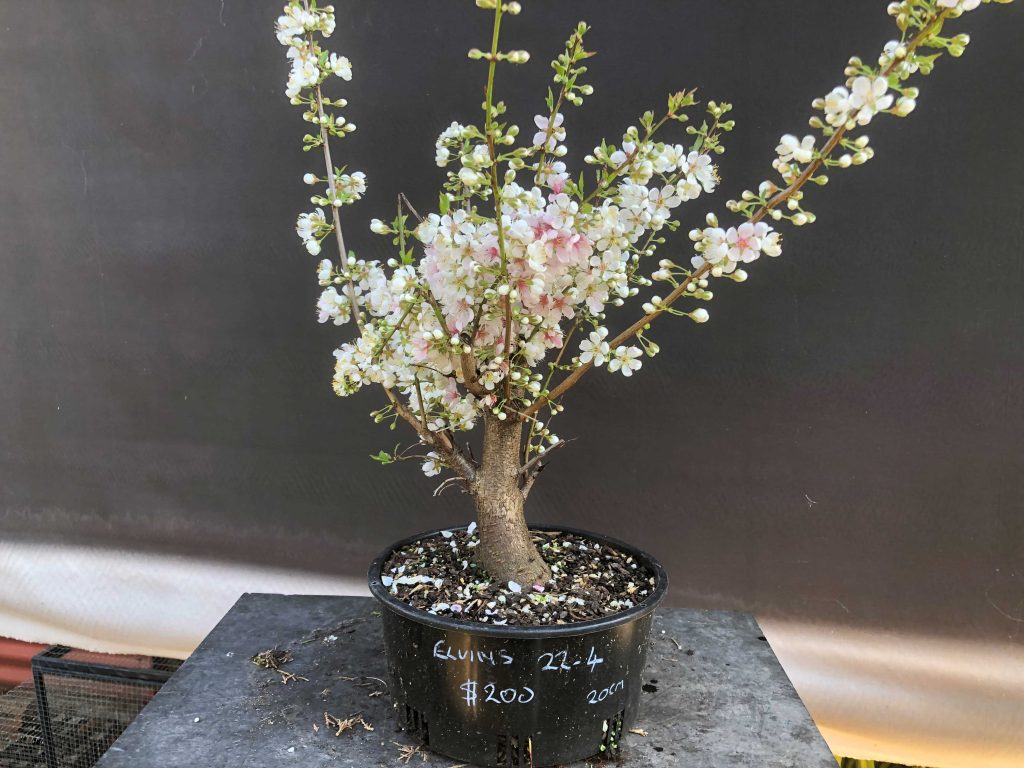
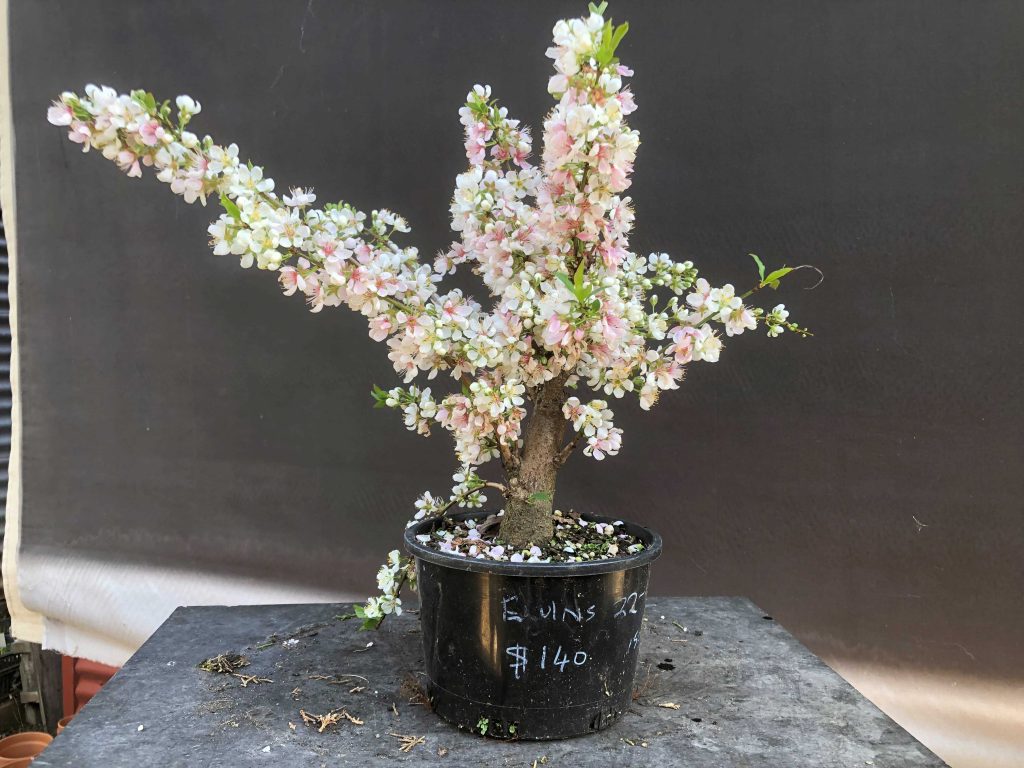
There’s also a couple of other Prunus ‘Elvins’ still available for sale.
Like many species, Prunus glandulosa has a range of common names – Dwarf almond, Chinese Bush Cherry, Chinese plum. It comes in pink and white forms but both have lovely double flowers. Unfortunately this species doesn’t grow a thick trunk but can be used for shohin sized bonsai.
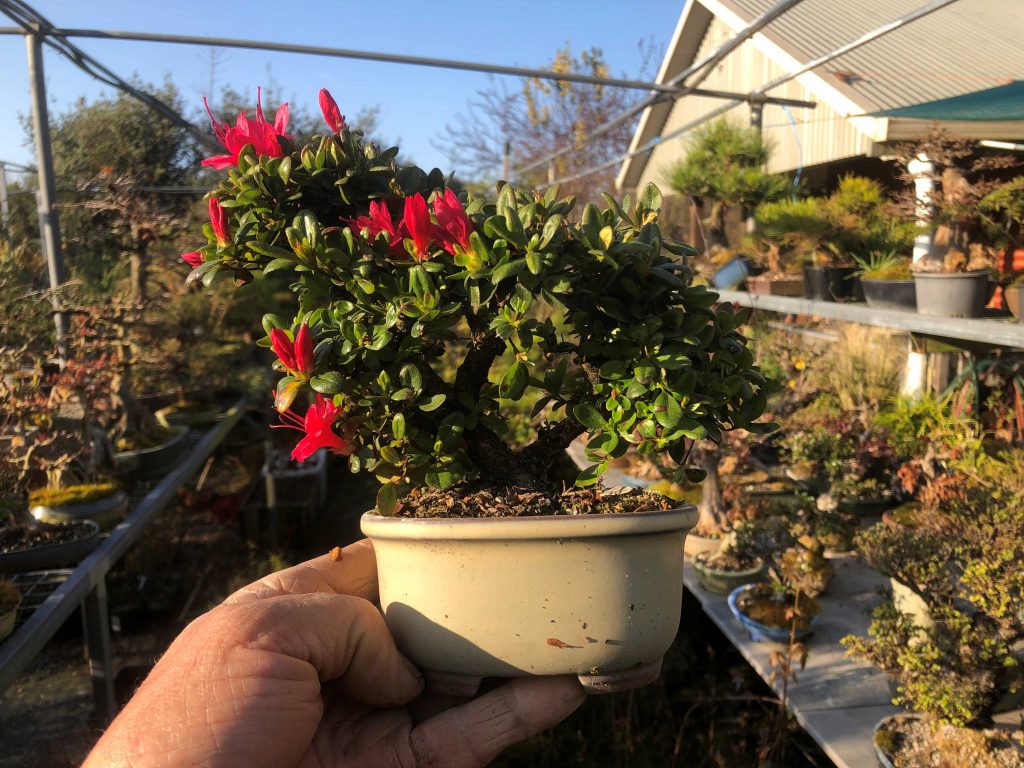
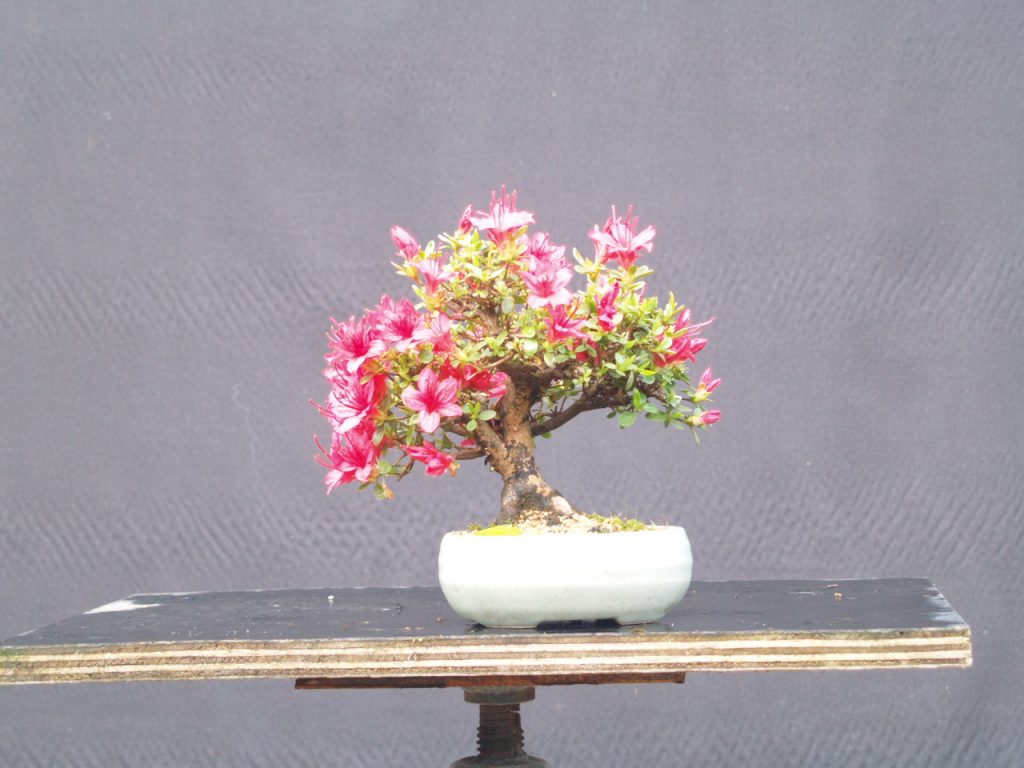
Not sure what variety this azalea is but it has quite small flowers and smaller leaves which makes it great for smaller bonsai. This one is NOT FOR SALE but I do have some younger plants of the same variety if you would like to grow something similar.
On the sales tables, deciduous trees are opening new leaves for the coming growing season. New Spring growth is always something to look forward to as we come out of the grey days of winter.
Even the newly potted transplants are fast putting on leaves. These won’t be ready to travel for a few months but look out for new catalogues in November or December as usual.
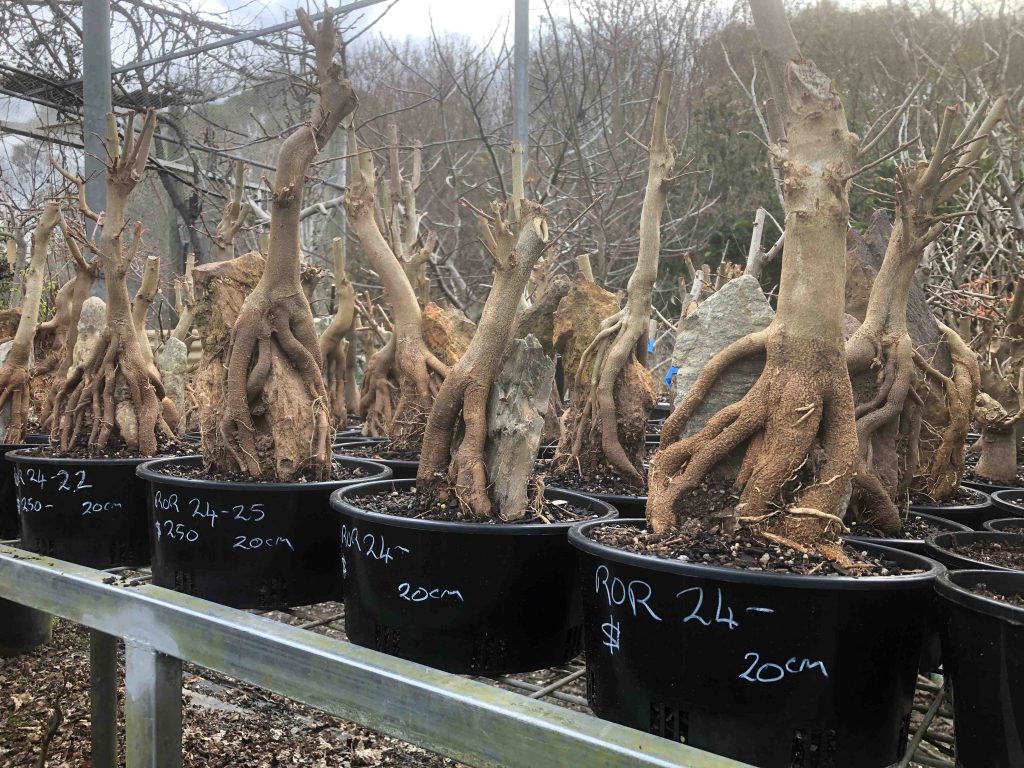
Pictured below: New Root over Rock trident maples; Prunus ‘Elvins’; Crab apple ‘Profusion’; collected cherry plum and collected hawthorn and a few of the newly transplanted trident maples.
There are still some good trees from last season’s offering for those who don’t want to wait. I recently updated most to the catalogues to show what’s still here. click HERE for the Shibui Bonsai catalogue page We can post trees to Vic, SA, NSW and Qld customers. Post prices vary according to destination, size and weight so let me know your postcode when asking about a tree so I can calculate delivery cost for you.
As most of will now be aware, Spring has come a bit earlier this year. The trident maples hear at Shibui Bonsai have already begun to leaf out. We know that it is safe to dig, root prune and ship bare root tridents while they are dormant but having leaves puts a lot more stress on these trees. Spring budding means an end to the Shibui Bonsai bare root winter sales.
Trees in pots are a much safer bet for beginners and experienced growers alike as the roots are already well established in the pots. Shibui Bonsai has an extensive selection of trident maples and other bonsai species in pots. Select from a range of sizes, shapes and prices from $10 through to around $300. Email [email protected] and let me know what species, sizes and shapes you want to consider. I’m happy to take some photos of trees that may match your needs so you can select the right tree(s) for your project.
The trees that were transplanted from the grow beds last winter have grown well and the new roots should be strong enough for them to cope with the posties now. Most have already had one haircut.
I spent last week dodging storms and rain to get photos and the new catalogues are now uploaded to the catalogue page. Feel free to browse and see if anything takes your fancy this year.
You may have noticed I have not updated here for some time. I’ve been spending too much time on other projects but have resolved to post here more often. Lets just see how long that resolution lasts.
Spring has definitely sprung earlier than usual here at Shibui Bonsai The trident maples are starting to open buds and my bonsai crab apple has flowers opening. Maybe some pictures of that in a few days at peak flower.
The deciduous trees have been dug from the grow beds, pruned and assessed. trees for sale are now potted and the trunks that were not yet ready to sell have been replanted for another year of growth.
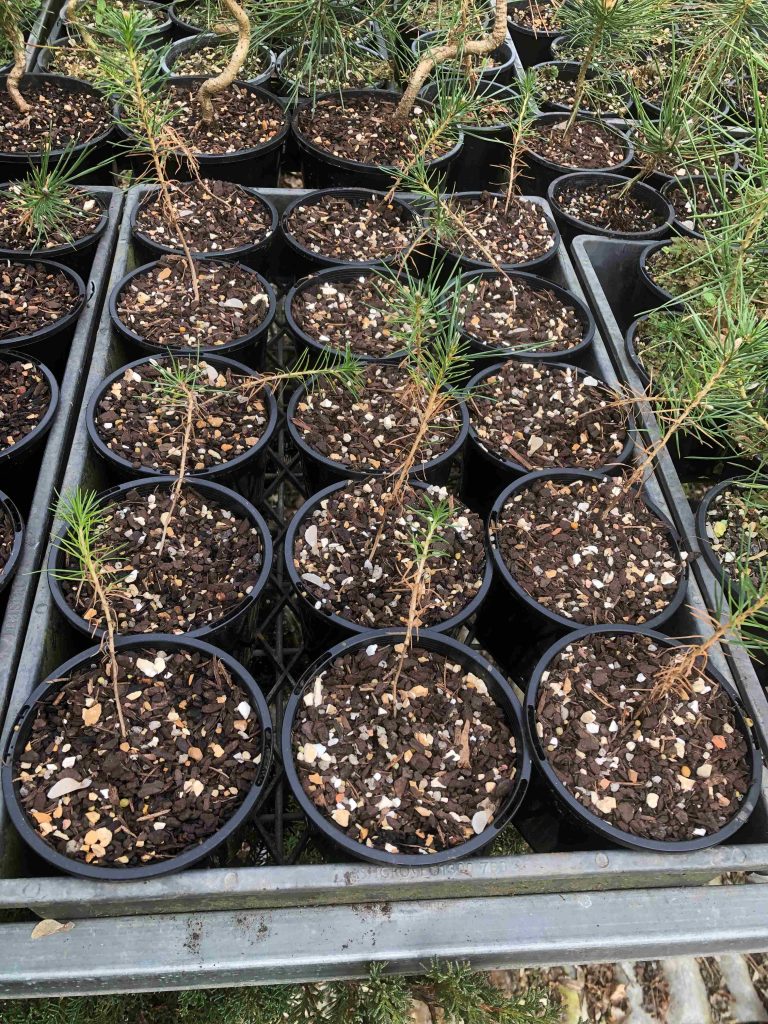
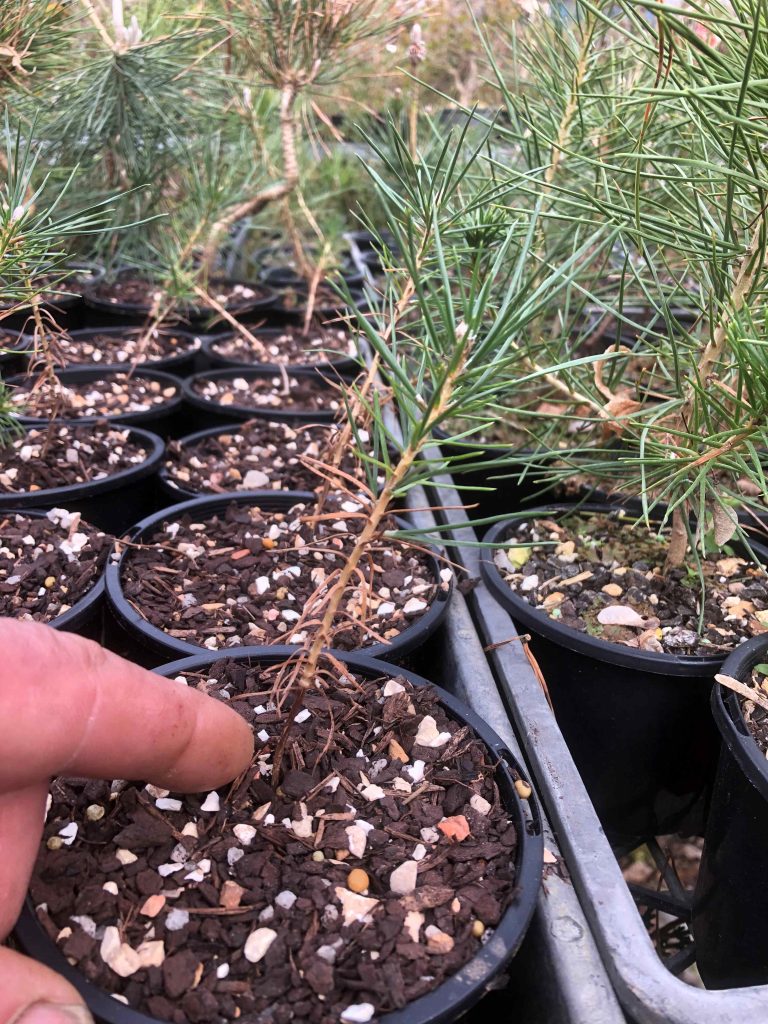
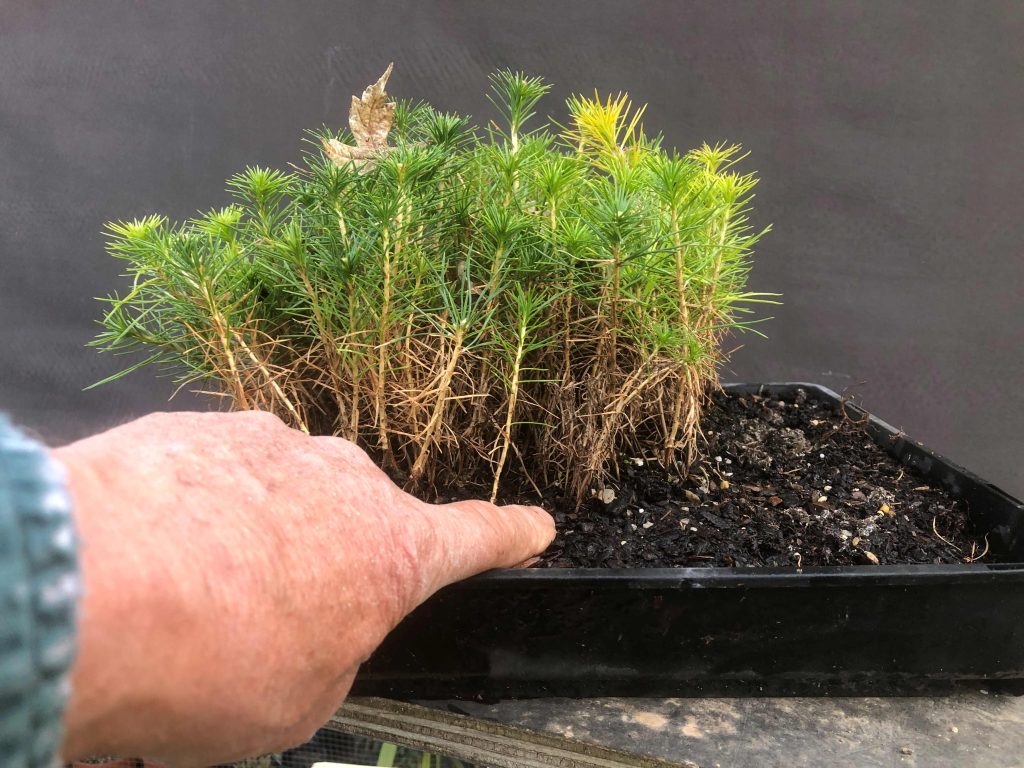
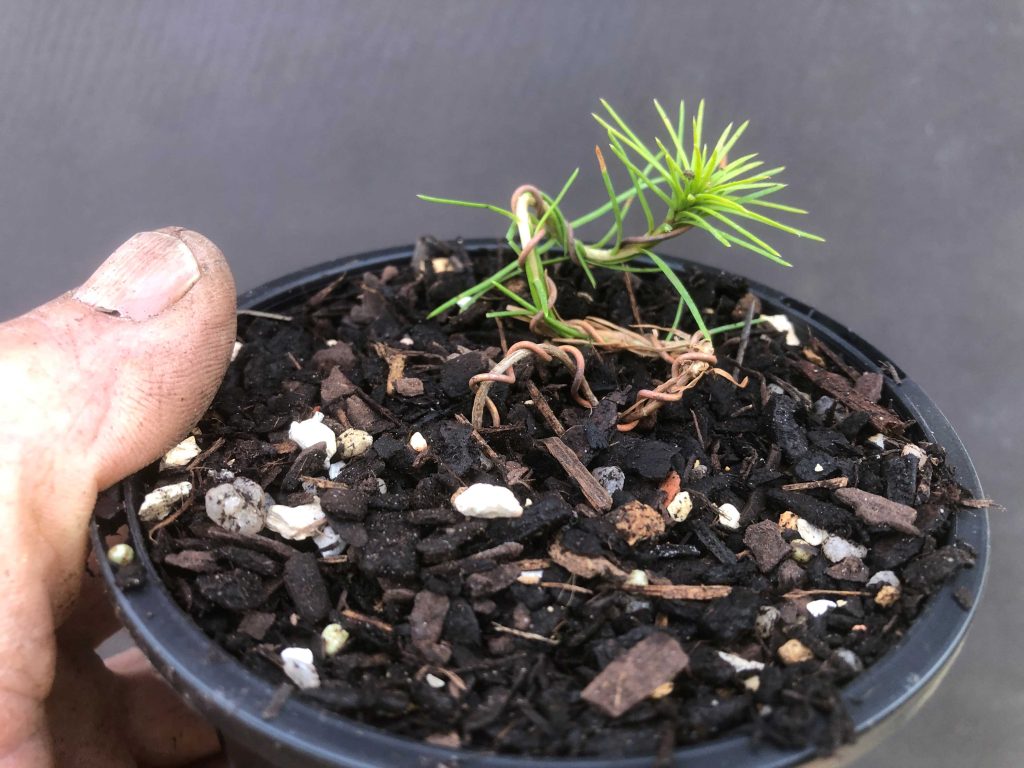
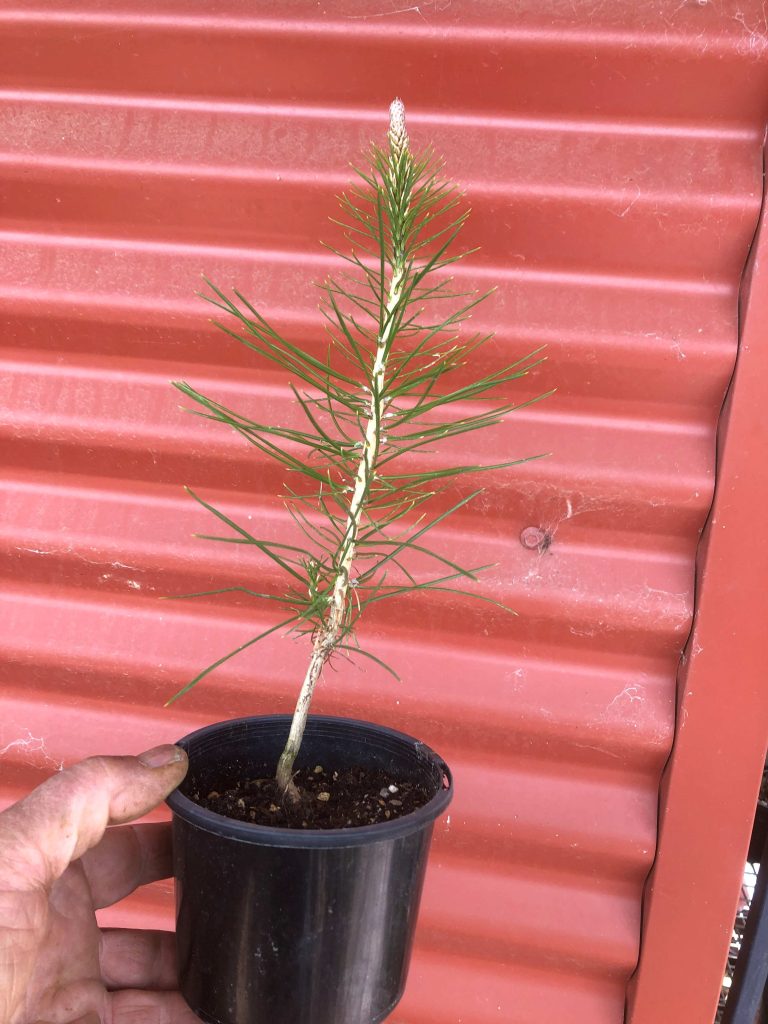
Today I potted up some Japanese black pine seedlings. These are left over from last spring and have been crowded together in a seed tray all last summer. I’m sure they will be much happier with some space to stretch out their roots.
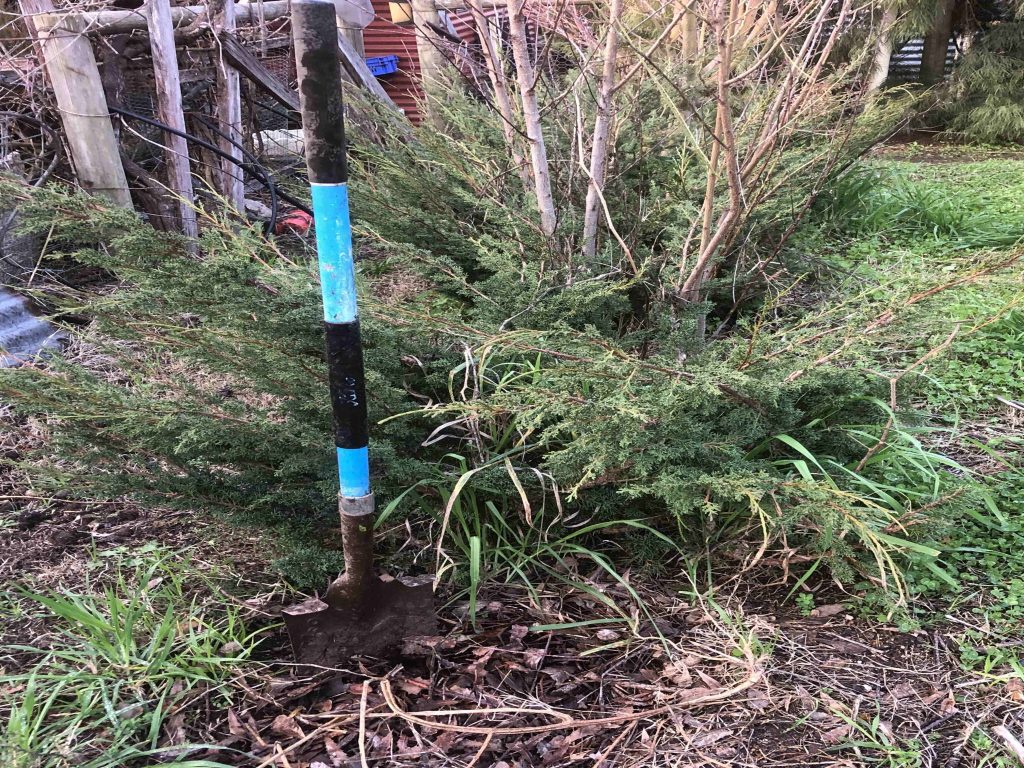
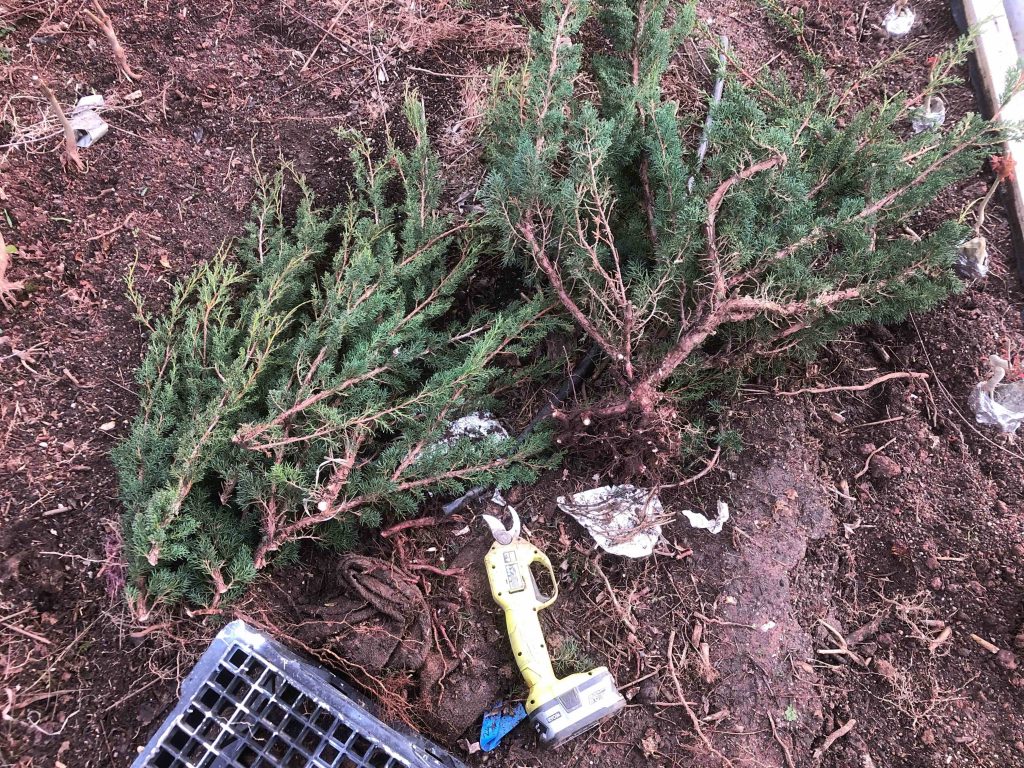
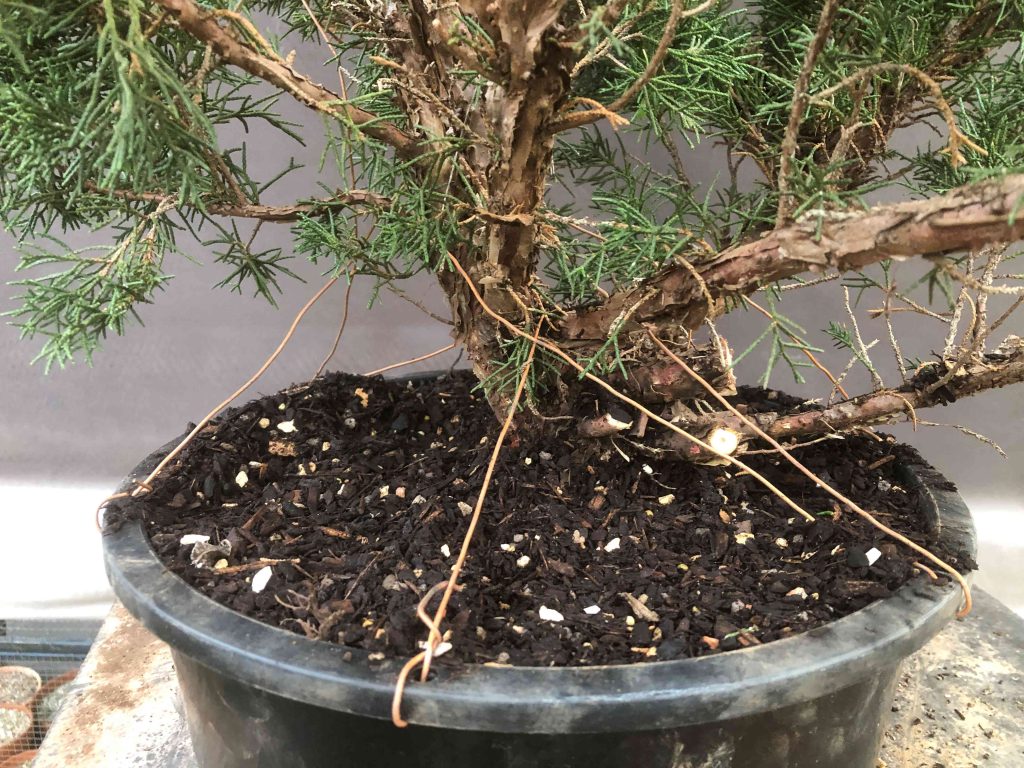
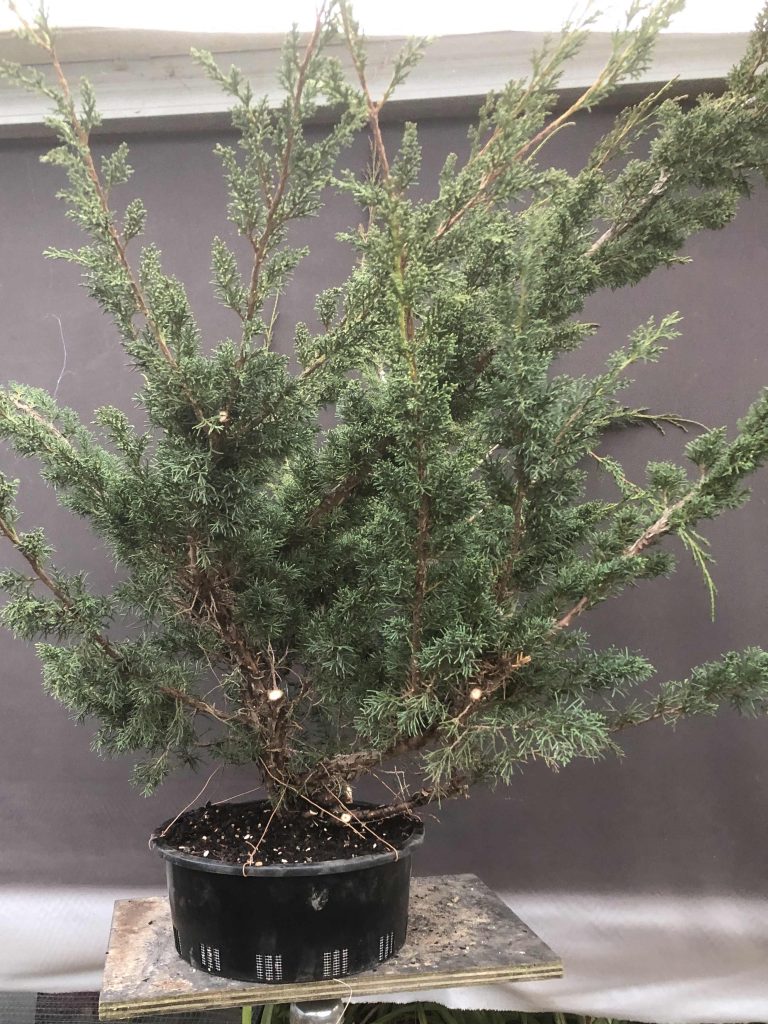
I also dug the first of the Shimpaku junipers and potted it into a 30cm orchid pot.
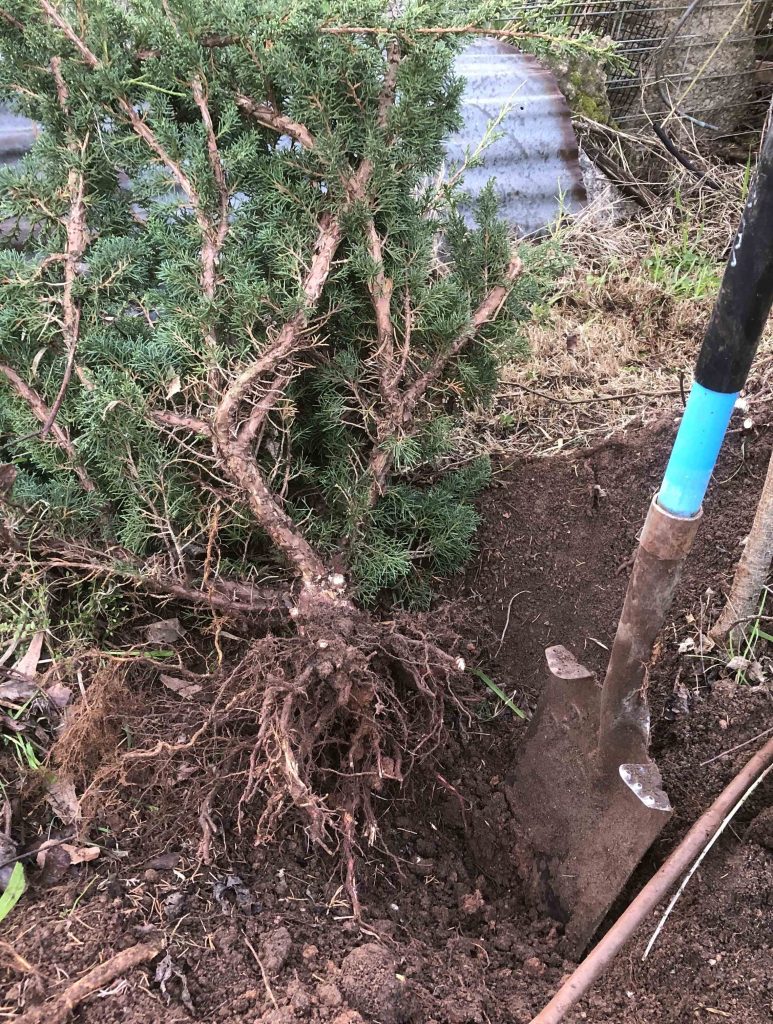
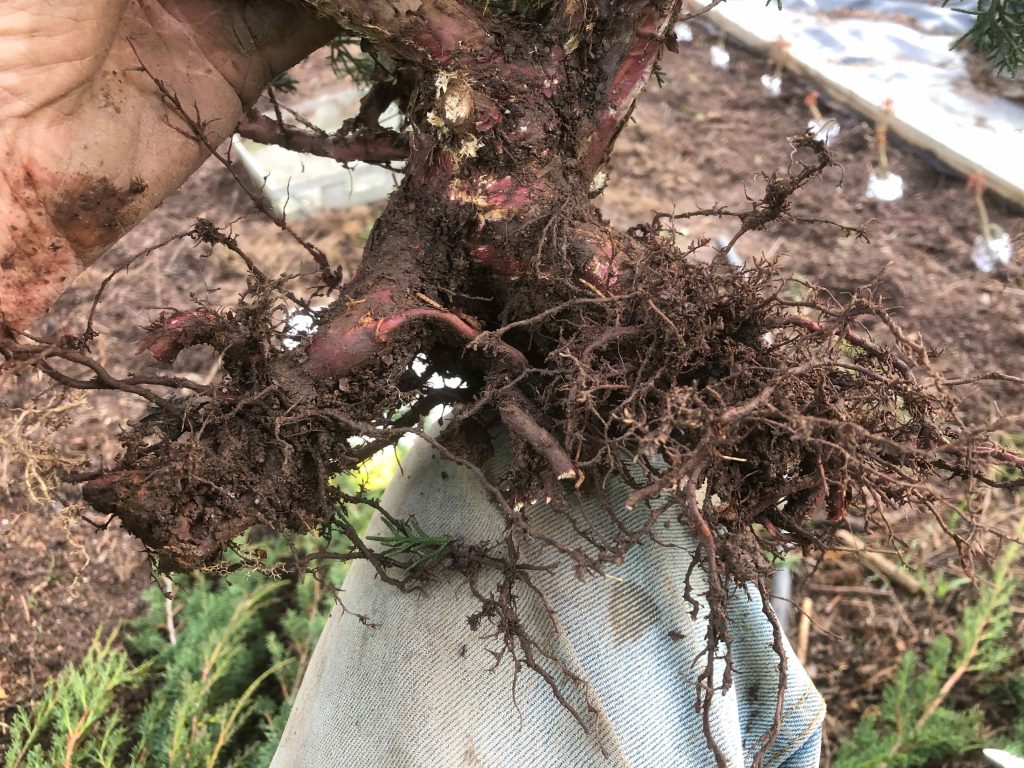
ShimpakuAfter 15 minutes with the shovel.roots prunedTop reducedTied into the orchid pot to stabilise the tree.All done.
While some growers transplant with as much soil on the roots as possible, garden soil can cause problems in a pot so I prefer to get rid of field soil right at the start. My transplants still seem to recover well. Junipers seem to recover from root pruning much better when they have active growing tips so it is important to keep some of the branches intact. You can see in the photos that I have reduced the top by removing some redundant branches but still retained plenty to help the tree recover.
Junipers are slower to recover from transplant than the deciduous trees so these junipers won’t be available for sale until February or March. By then it should be clear which are growing well and any that have not coped with the trauma of transplant.
Managed to get another 30 JBP seedlings potted up today.
These seedlings were left over from last Spring. They’ve been siting in the seed tray all last summer and through the winter. Very crowded so they have not grown much but will still be OK to pot up.
After separating the seedlings we end up with something like this.
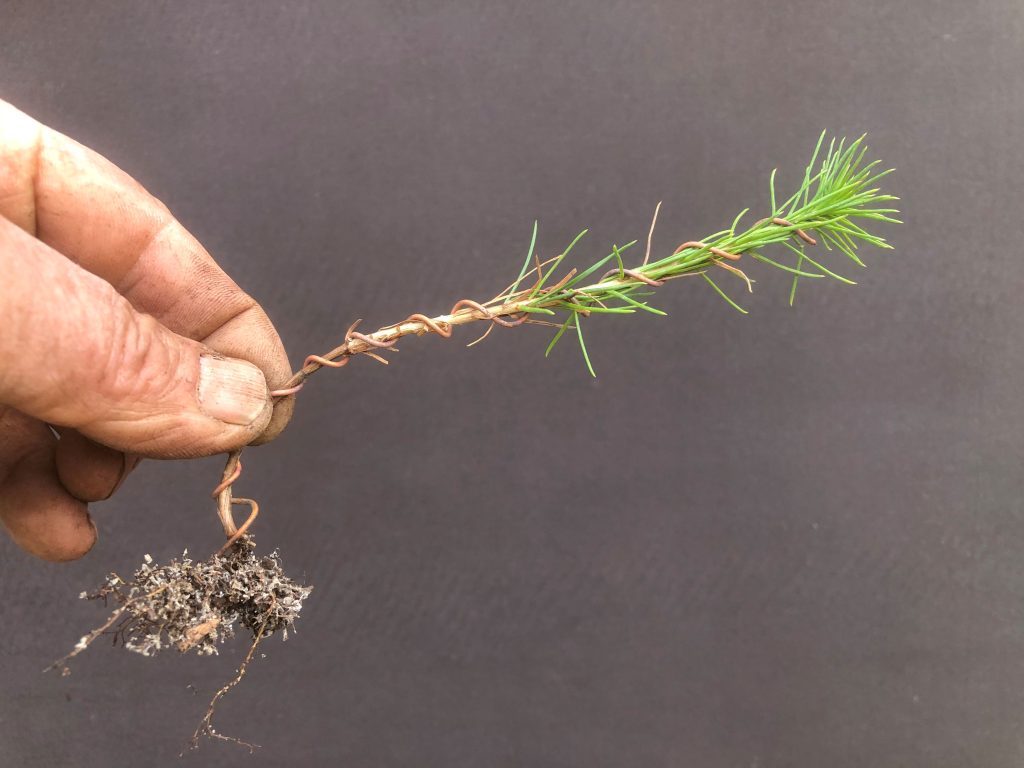
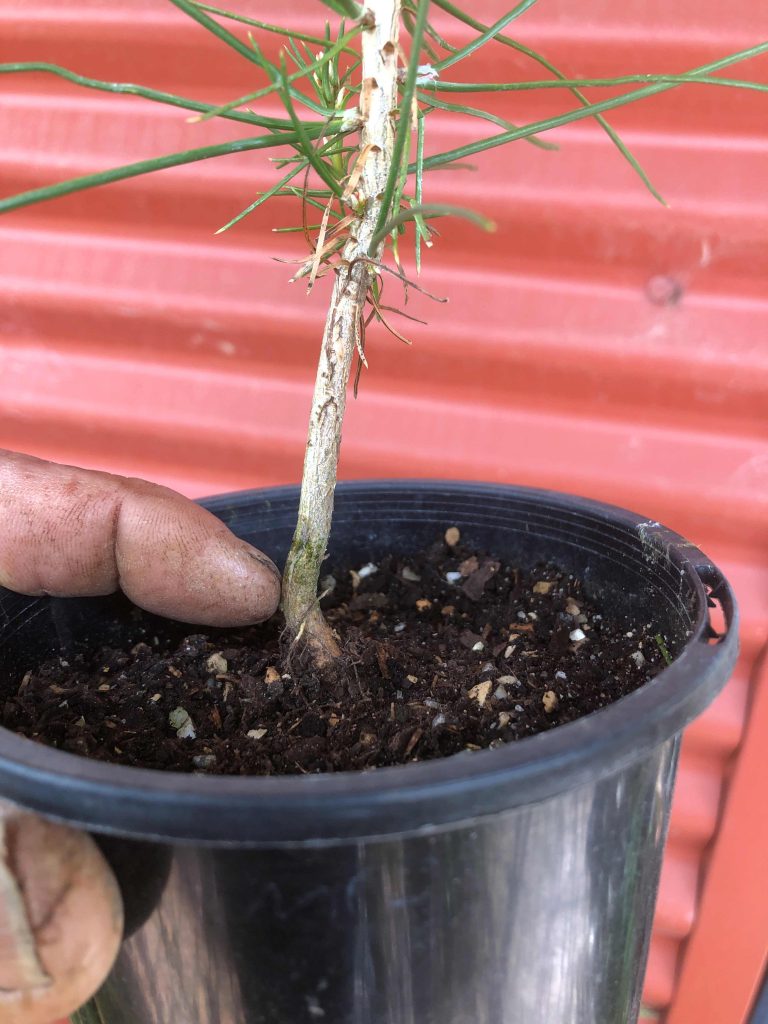
Because we are growing bonsai we want good nebari. That means removing any deeper roots so these trees will concentrate root growth on lateral roots. No need to be scared, seedlings are programmed to grow roots so we can cut seedling roots fearlessly. Often i cut roots much harder than shown here.
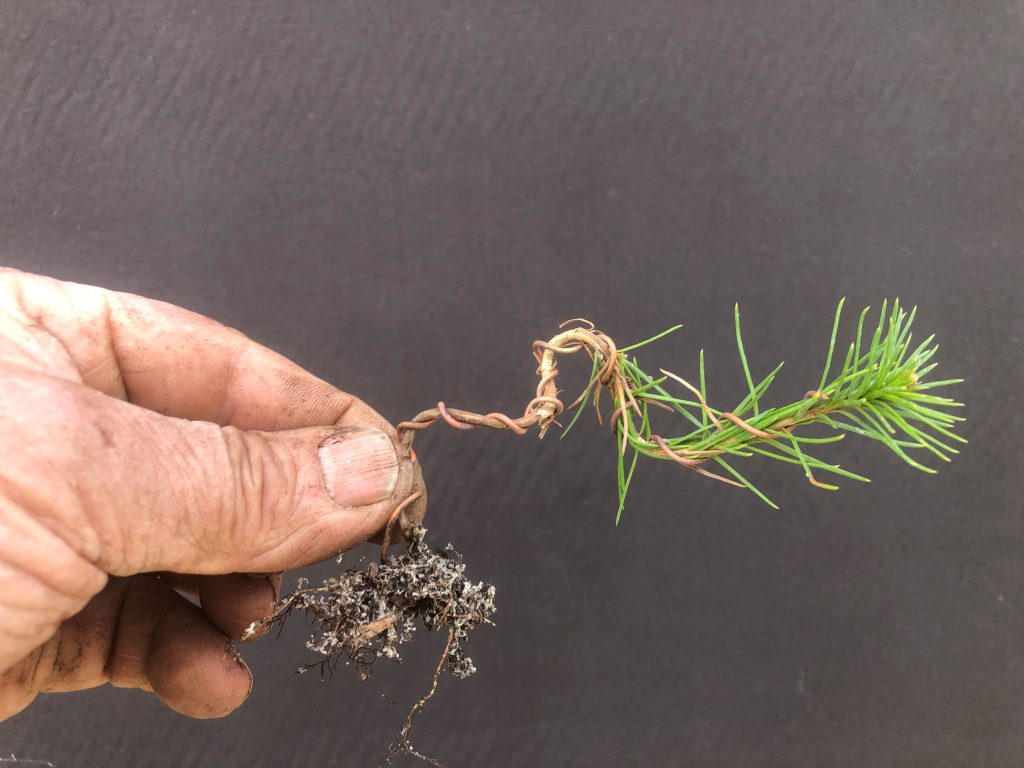
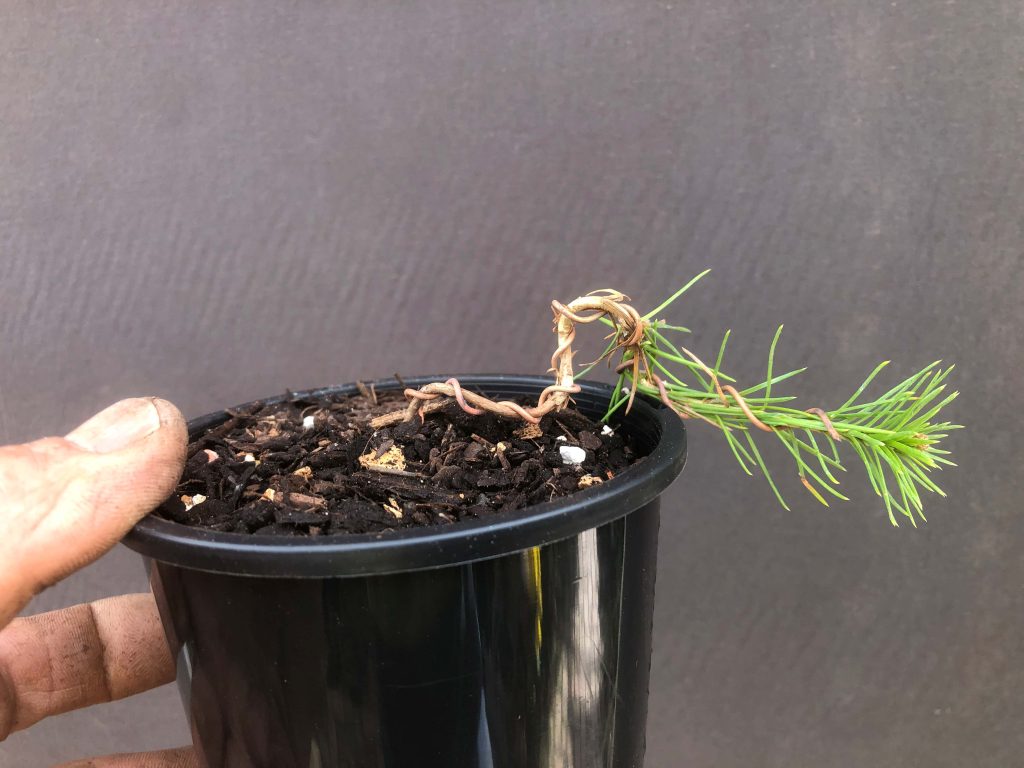
Pine seedlings generally have few side shoots as they prefer to grow tall and straight. If left as they are that will produce a long, bare trunk. There’s a few techniques to overcome that natural tendency. Today I’ve decided to wire and bend some of the seedlings which will reduce the effective length of that lower trunk as well as giving the future trunk some bends.
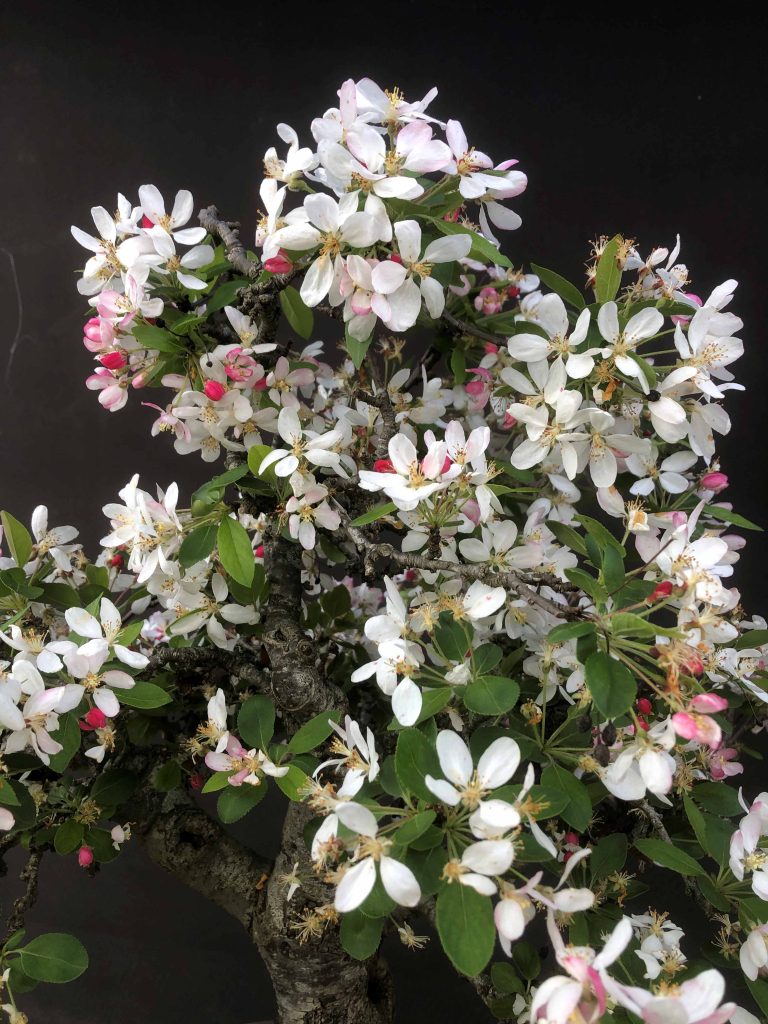
Spring seems to have come to Shibui Bonsai a bit earlier this year. This crab apple took centre stage at a BSV bonsai show in October about 25 or 30 years ago. Now it’s flowering in early September a full month earlier.
Spring provides those of us in cooler Australian climates with a reward after months of cold and bare trees as the deciduous species begin to waken and push new leaves. i find it interesting that the trees don’t all grow at the same time. These trident maples are all growing within a few metres of each other and receive almost identical care but are progressing at quite different rates.
The shohin sized bonsai are also waking. 3 trident maples and a crab apple.
Please note that none of the trees shown here are for sale. Many of them have taken me 30 years or more to develop. I’m happy to sell pre bonsai and starters but I don’t want to spend another 30 years replacing these ones.
For those who do want an advanced bonsai I have a few older trees that I no longer have space or time for. If you want a special tree contact [email protected]
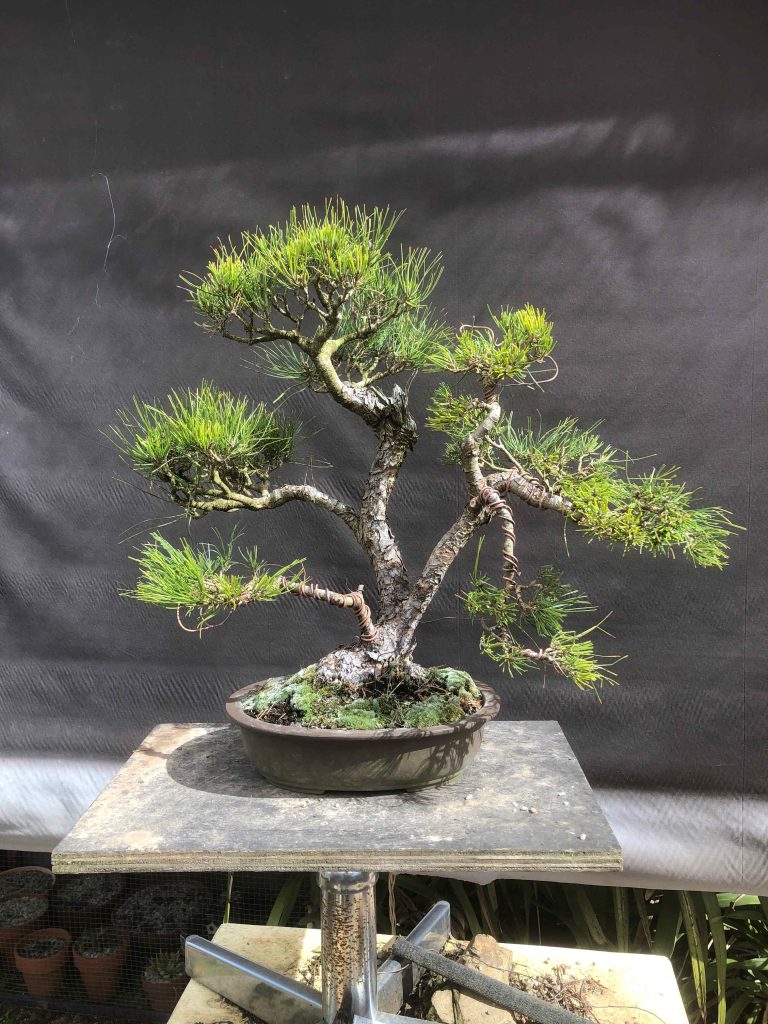
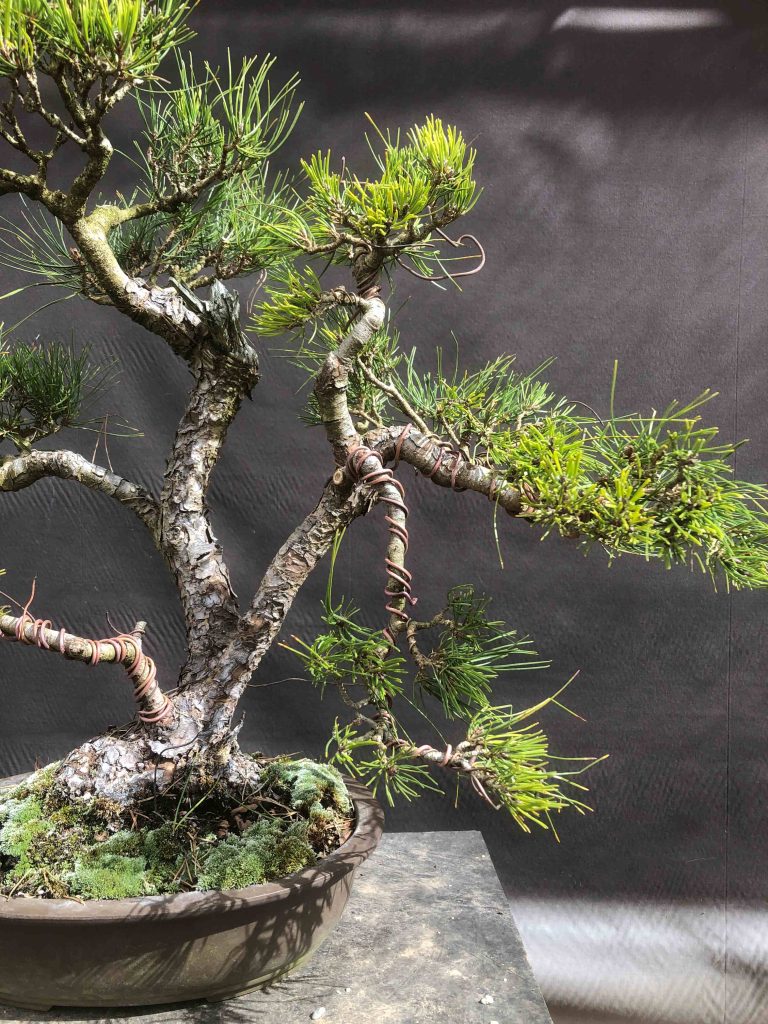
Repotting is almost finished for this spring. Today I looked at a Japanese Red Pine. It didn’t need repotting this year but really needed some shaping so I allocated some time to pruning and shaping. It’s still definitely a work in progress despite being quite old. I’m still not convinced that the smallest trunk is good design but it’s harder to put back than to cut off so it stays until I’ve come to a firm conclusion.
The hour or so I put in only got as far as removing some surplus branches and wiring the right trunk branches. There’s still plenty to do on this one – when I get some more spare time.
Unfortunately I don’t have any JRP for sale at this stage. Seed is extremely hard to get here in Australia. I have managed to strike a few cuttings but they get snapped up as soon as someone finds out I have them. I planted some trees in our paddock with the view to harvesting seed as they mature. They’ve both produced cones for the last 2 years but the few seeds in those cones have all been empty. Frustrating, but that’s sometimes what working with plants can do.
I do have plenty of Japanese Black Pines but only small seedlings and a couple of larger, field grown trees. That’s another hard to get species now, so they tend to sell quicker than I can grow them.
We can use quite a few flowering species to brighten the spring bonsai benches.
Crab apples are a traditional favourite bonsai as they are hardy and easy to keep as bonsai. It is also relatively easy to get them to flower. I’ve had this ‘floribunda’ cultivar for close on 40 years since one of my early mentors showed me how she grafted flowering shoots onto seedling root stocks to get an almost instant flowering bonsai.
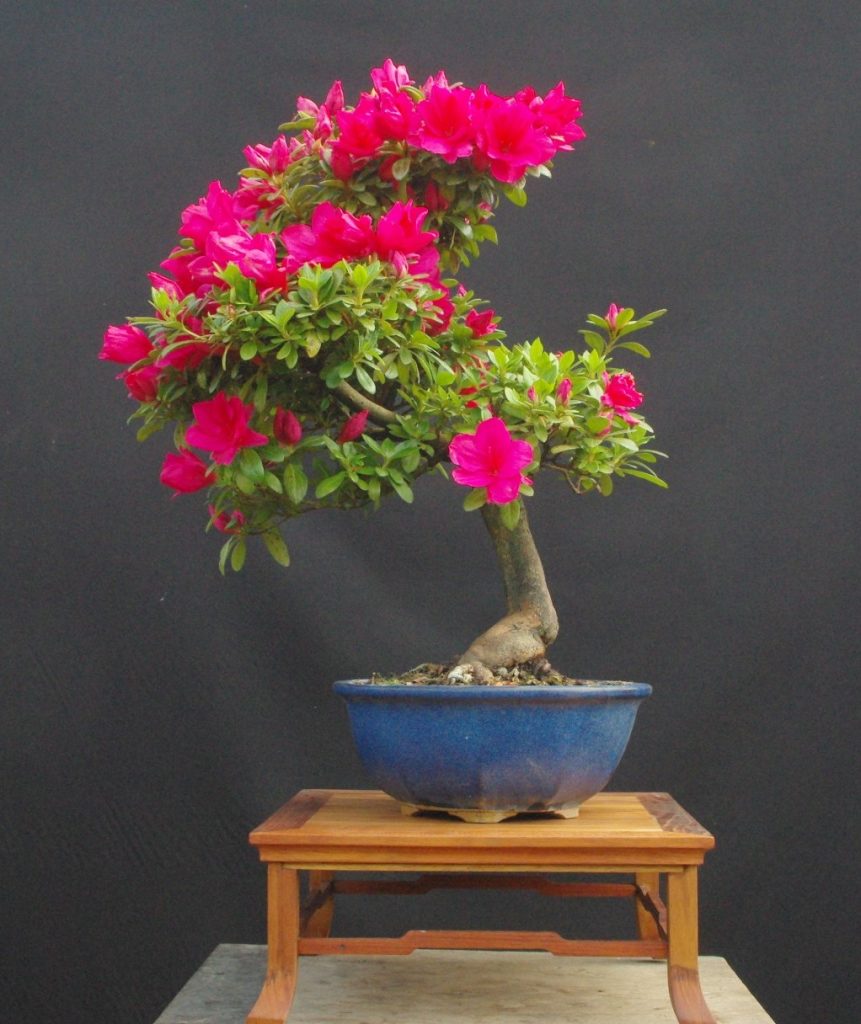
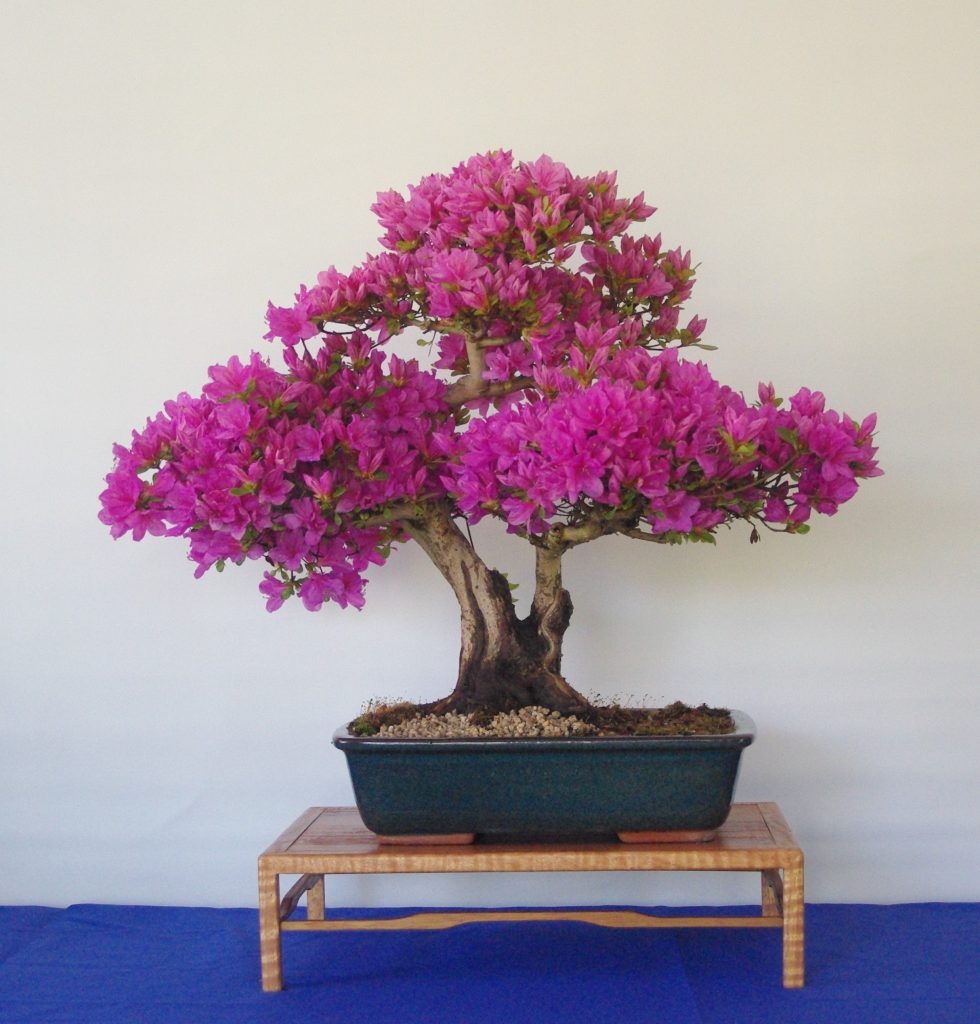
Azaleas are another traditional bonsai species though I read recently that azaleas were only recognised as bonsai in Japan relatively recently. Before that they were regarded as just flowering pot plants. The majority of azaleas in Australia are from the ‘Indica’ hybrids. These flower relatively early in spring. Mine have started opening flowers in mid September. In Japan, ‘Satsuki’ azaleas are more popular. Satsukis flower later in spring and have some spectacularly coloured flowers. Check out Bonsai Art for the best range of Satsuki azalea varieties in Australia – https://bonsaiart.com.au/satsuki-azalea-stock-list/
Azaleas are relatively slow growing so it takes years for an azalea bonsai to develop a thick, impressive trunk. Most of my azalea bonsai have been dug from older gardens when the owners were renovating the garden bends or extending the house. Fortunately azaleas transplant very easily at any time of the year. here are a couple of my azalea bonsai.
The Prunus family is another large group of species which flower in spring and many adapt easily to bonsai.
Plums are hardy and easily sourced from many nurseries. Some plums have become environmental weeds and can be found growing on roadsides and farmland. Most feral plums have straight, vertical trunks but occasionally you can find a really good trunk to collect and convert to bonsai.
Flowering cherries are a traditional favourite too but not quite as easy to maintain – or to keep them flowering well as cherries suffer from a range of pests and diseases. I’ve been transplanting seedling cherries from our garden bends into pots for those who would like to tackle flowering cherry as bonsai.
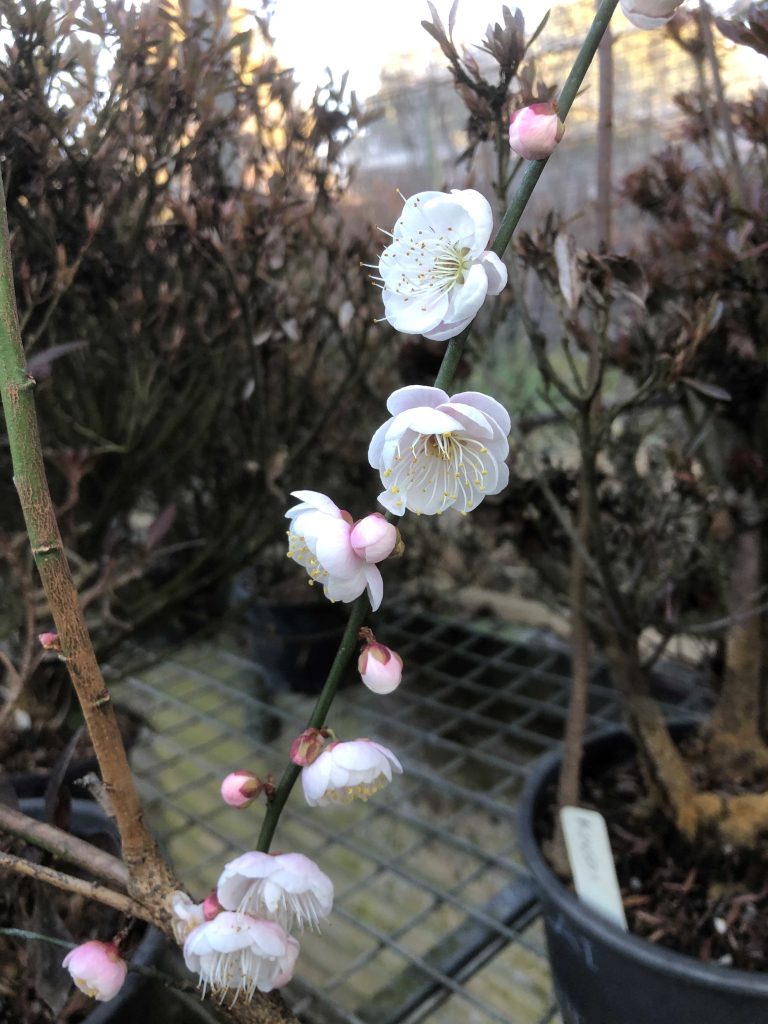
Prunus mume is much less well known here in Australia. It is sometimes known as flowering Japanese apricot. Flowers open from mid winter and are very fragrant. Generally hard to find but Shibui Bonsai has smaller cutting grown Prunus mume in 11 cm pots from $20
Japanese flowering Quince – AKA Chaenomeles were once popular as hardy garden shrubs that flower in late winter before the leaves emerge. Look for them in older gardens. Flowers in white, red and pinks. Flowering quince are used as bonsai but rarely develop thick tree like trunks but they can put on an impressive flower show in that dreary late winter period. Shibui Bonsai has limited numbers of several different coloured flowering quince as well as the much rarer ‘Chojubai’ dwarf flowering quince with orange flowers.
This year I have a few extra JBP seedlings so I have the opportunity to graft some Japanese white pine.
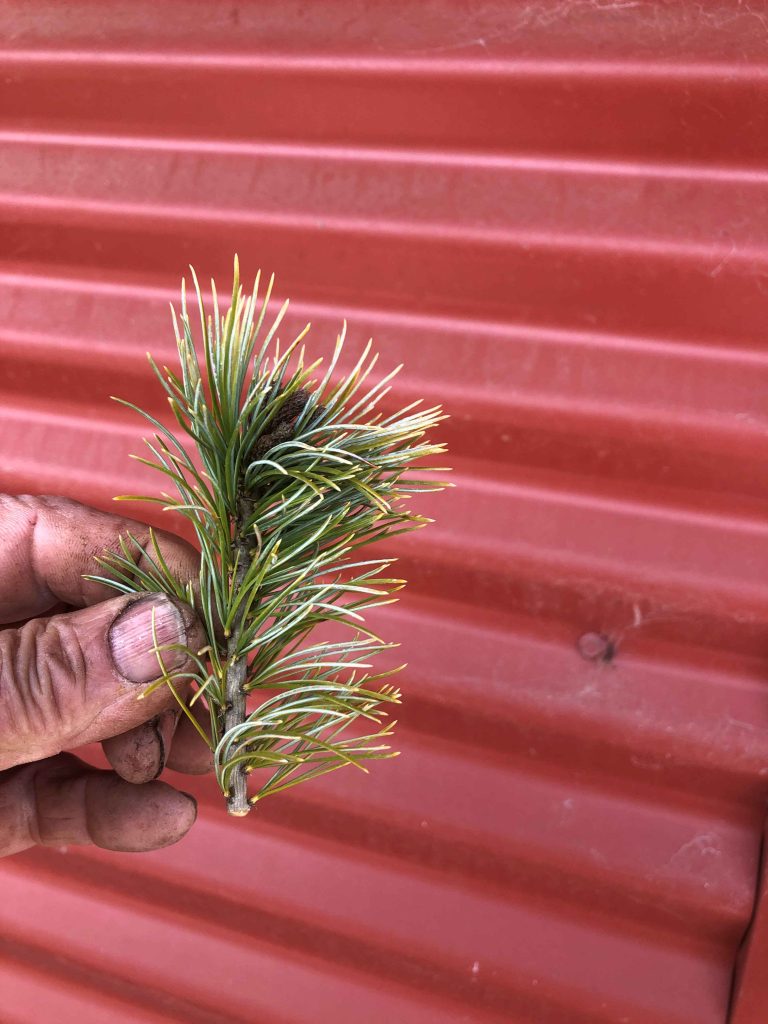
White pine seems to be really difficult to source here in Australia as we can’t import seed any more due to strict quarantine, local seed is rare and hard to find and pines are generally difficult to strike as cuttings. That leaves grafting as one of the few methods to propagate Japanese white pine, provided you have a white pine as a source of scions to graft with.
Fortunately I do have a couple of JWP grown from seed I obtained at the Hobart Botanic gardens some years ago.
Some readers may be aware that the bark of white pine is quite different from black pine bark. This means that grafted white pines often stand out with the smoother white pine bark on the trunk and branches but the thick, furrowed, dark bark of JBP on the lower trunk. The only way I know to reduce the visual impact of the different bark is to graft as low as possible so the darker JBP bark is hidden in the roots and nebari.
Here’s my guide to grafting pines
Select a suitable JBP seedling as the root stock. seedlings from around 5-10 mm thick are suitable.
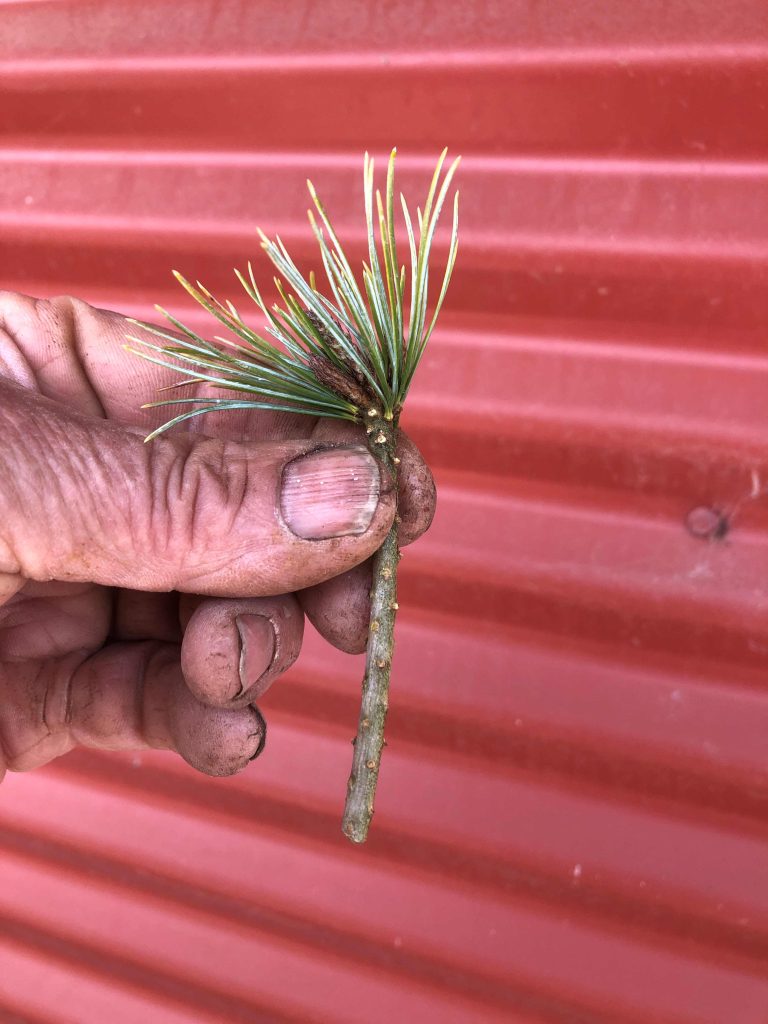
Select a suitable white pine shoot as the scion and remove most of the needles, just leaving a few close to the terminal buds.
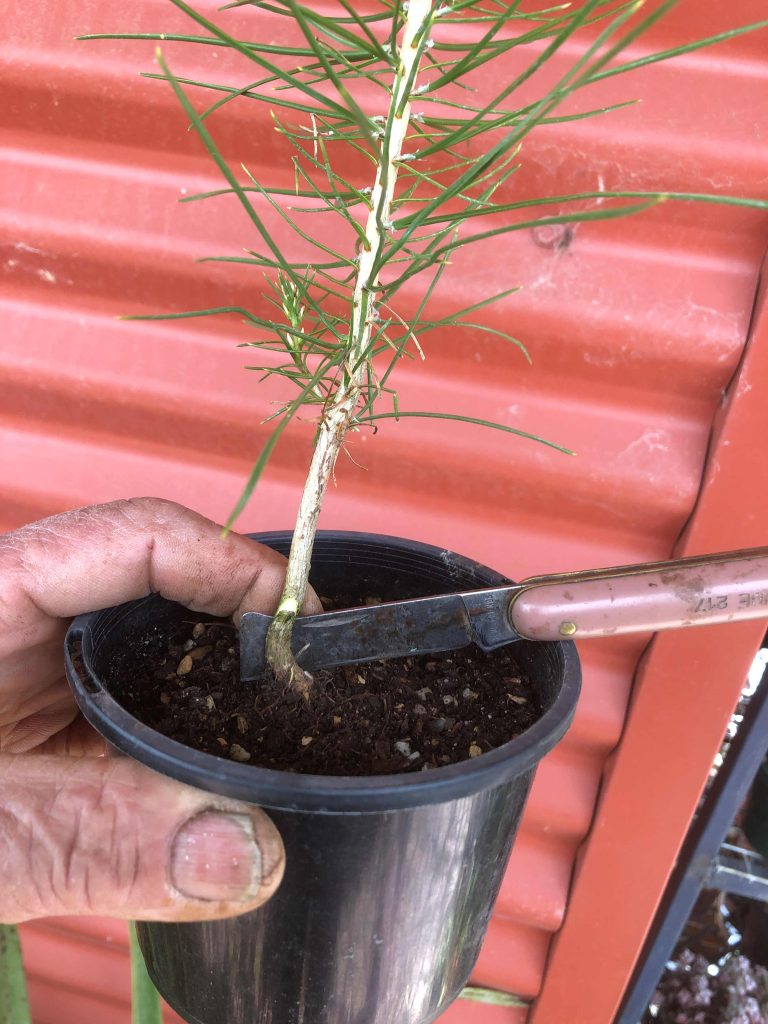
Use a very sharp, clean blade to cut a vertical incision into the stock. Note that I’m cutting as low as I can to ensure there will be minimal black pine bark as the tree matures.
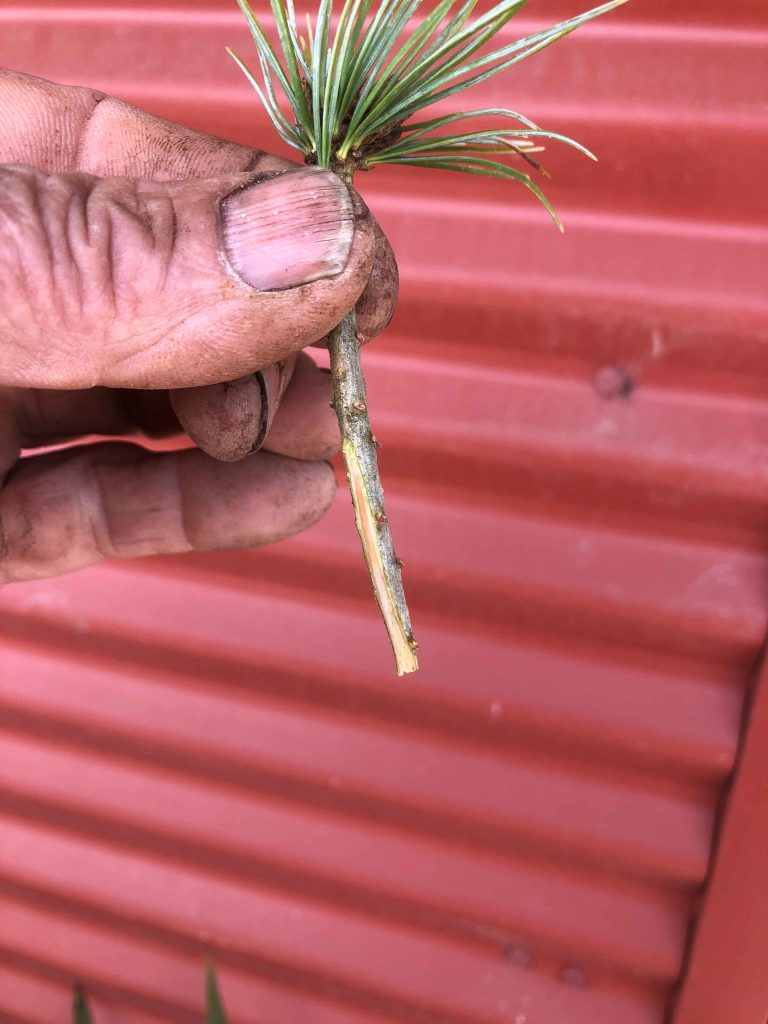
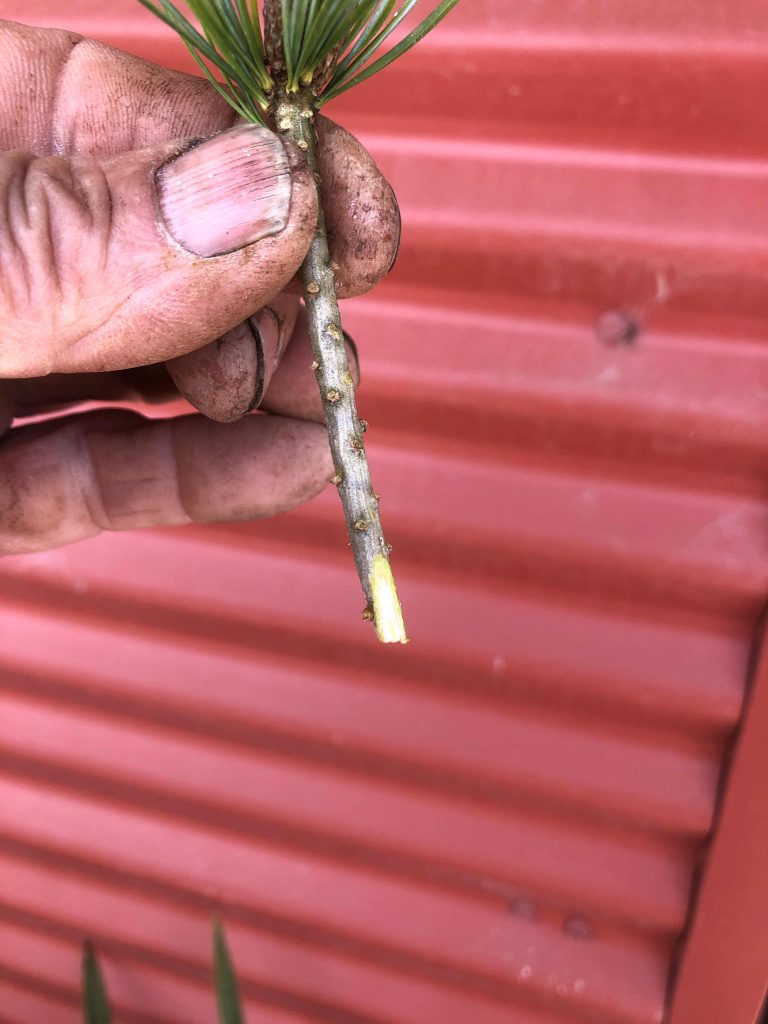
Make 2 cuts at the base of the scion to form a wedge. The cut on one side is longer than the other.
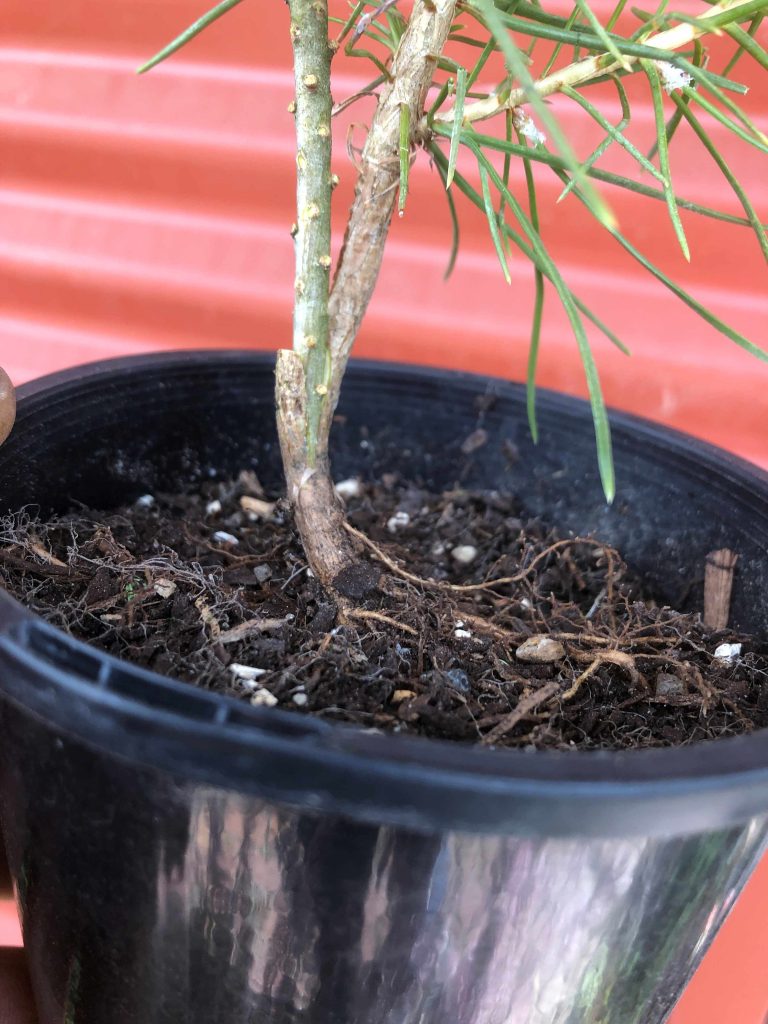
Slide the base of the white pine scion into the cut in the stock. The longer cut is against the trunk of the stock. Successful grafts rely on close contact between cambium layers of stock and scion. Cambium is a very thin, actively growing layer between bark and wood. As the size of stock and scion is rarely equal the scion is placed to one side of the cut in the root stock so that bark of both stock and scion are level ON ONE SIDE. This placement should ensure that the cambium layers on that side are close enough to join as they heal.
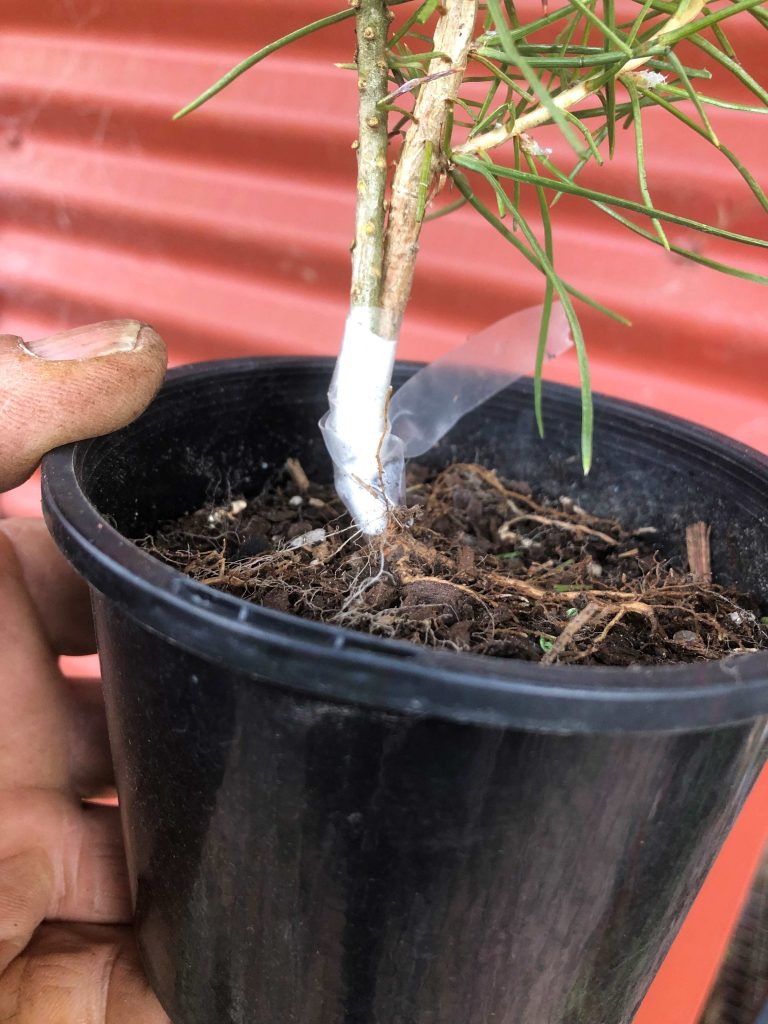
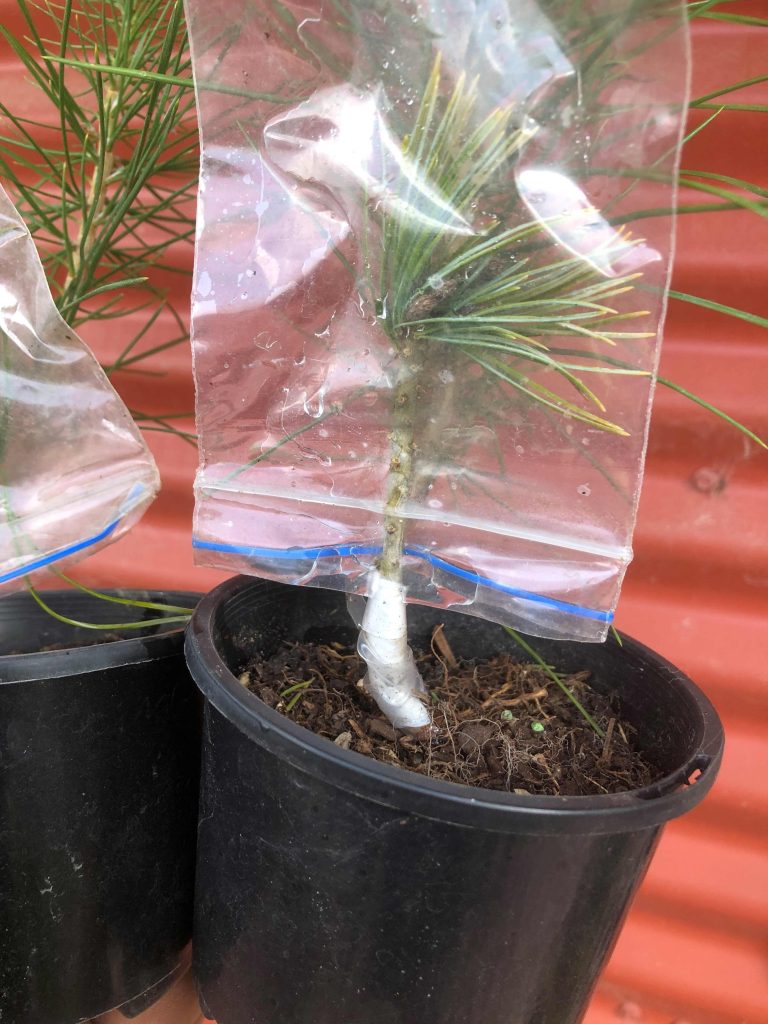
Wrap the graft union with grafting tape to hold the scion in place, put some pressure on the cuts to keep them in close contact to aid healing. Tape also stop the graft from drying out.
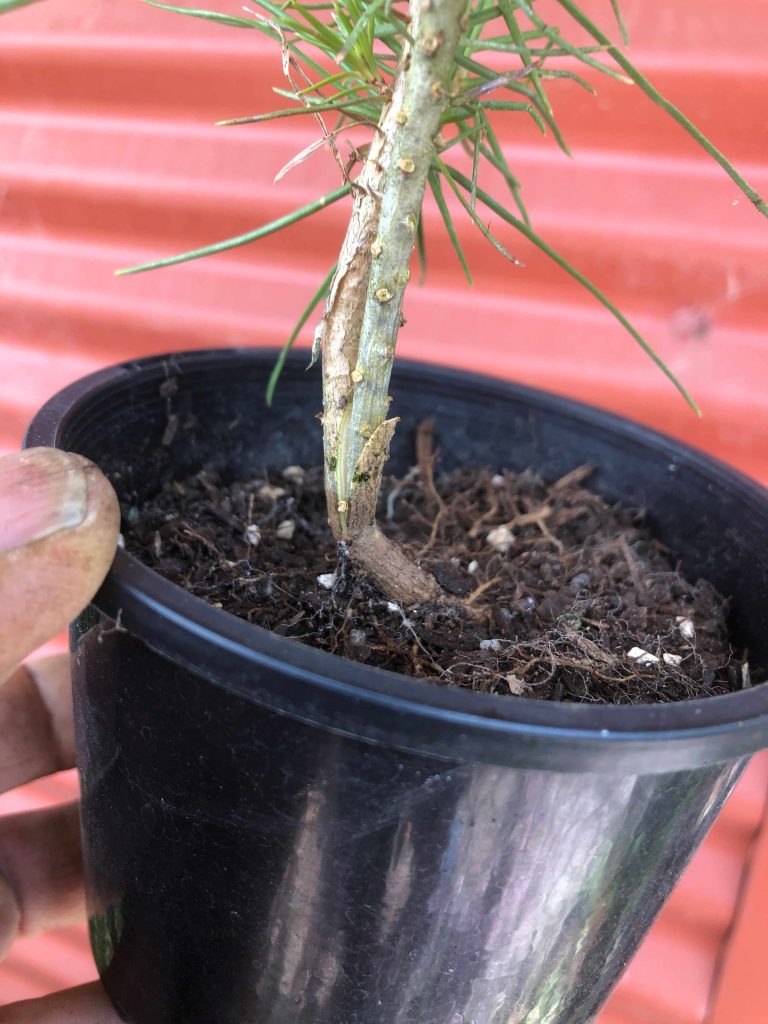
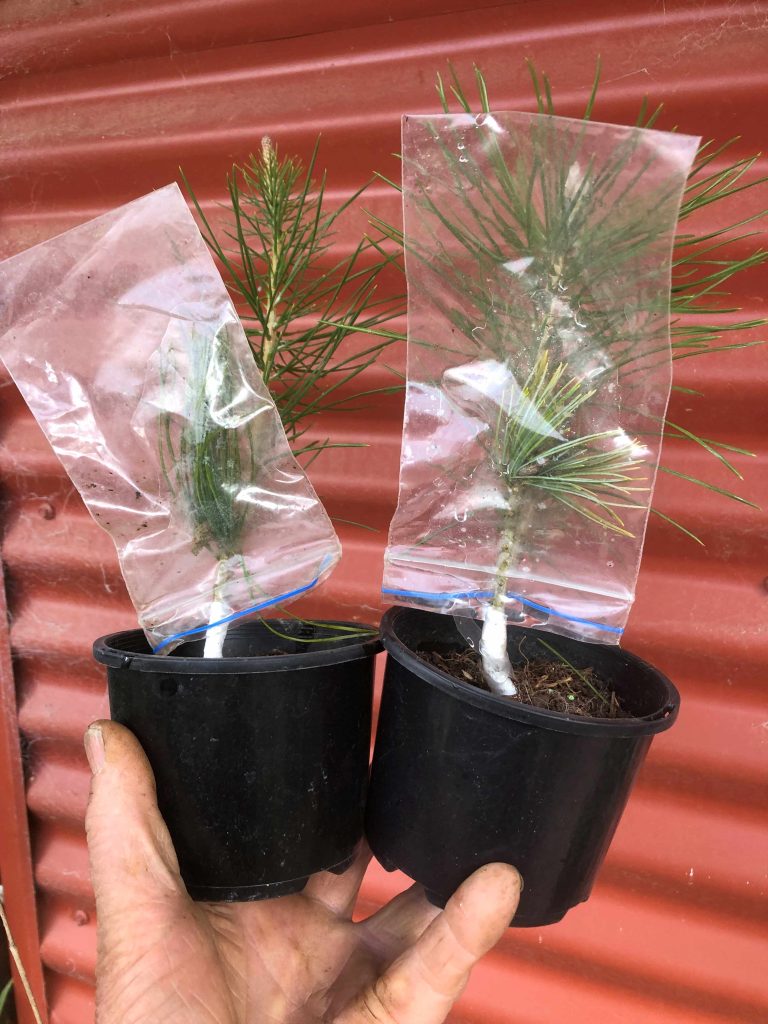
Finally, because pines are evergreen I need to protect the scion from dehydration. There are a number of ways to achieve this but I find ziplock bags really effective and easy to apply. A few drops of water in the bag, slip it over the scion and zip up the seal to make a mini greenhouse over your grafted scion.
The new grafts then go back outside but sheltered from direct sun so as not to cook the scions in their little greenhouses.
I’ll try to remember to update as these grafts progress.
Flowering bonsai can look spectacular. Species that produce a massed flower display can be even more spectacular.
Prunus ‘Elvins’ originated in Victoria in the 1950s. It is believed to be a hybrid with Prunus cerasifera (cherry plum) as one of the parents which means it is quite hardy. Prunus ‘Elvins’ flowers in early Spring and produces spectacular masses of white flowers that turn pink as they age. Flowers are on the previous year’s growth so they stand out well.
I’ve been so impressed with the flowering display from Prunus ‘Elvins’ that I’ve been propagating it as cuttings so Shibui Bonsai has good stocks of both small starters and a few larger field grown trunks as shown in the photo above.
If you fancy having a bonsai with the capability to produce flowers like that you can email [email protected] to discuss price and availability.
My back is not getting any younger or stronger so it is becoming increasingly difficult to manage larger bonsai so I am reluctantly offering several older bonsai for sale.
This is an opportunity to obtain well developed, 30-40 year old bonsai.
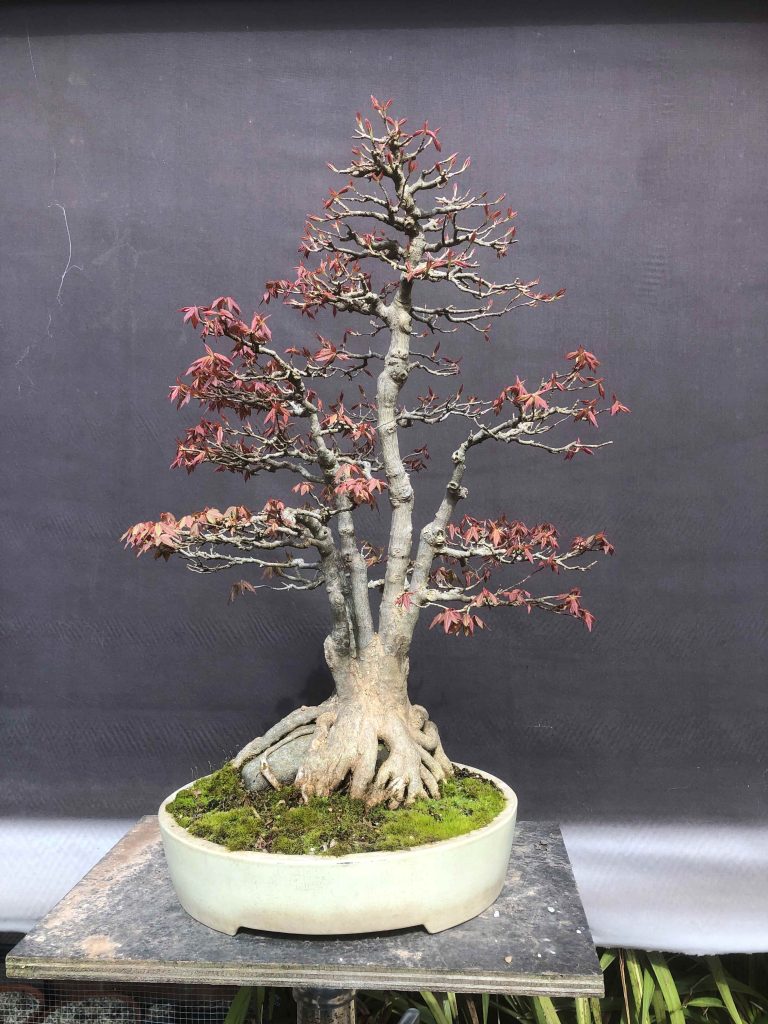
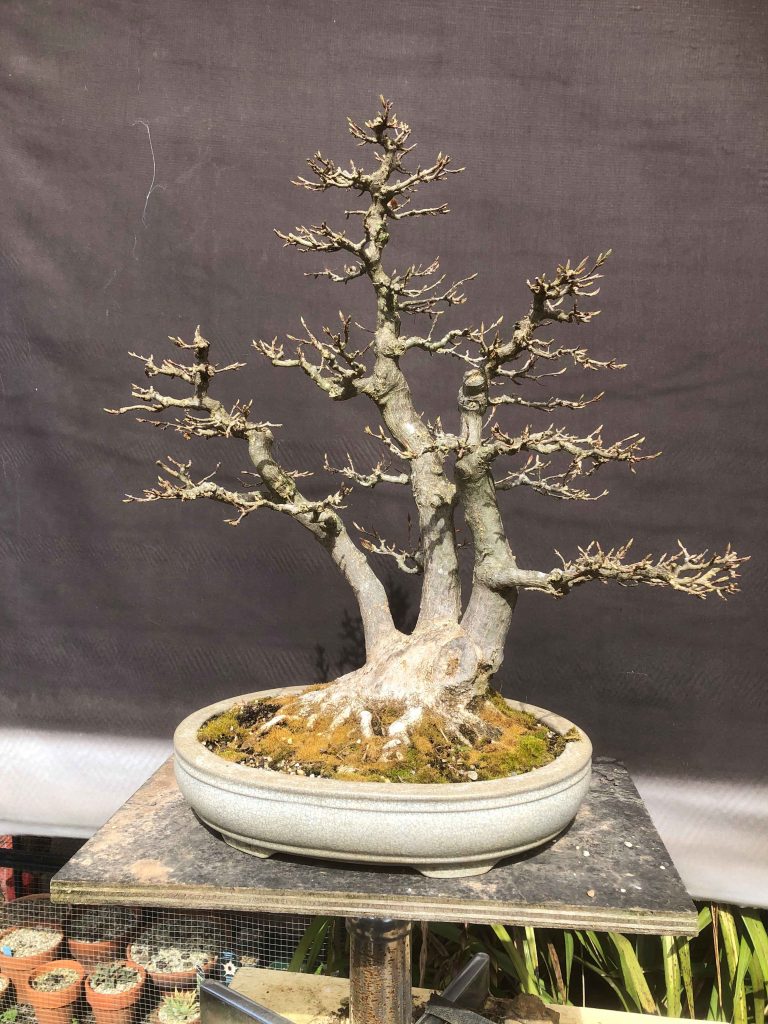
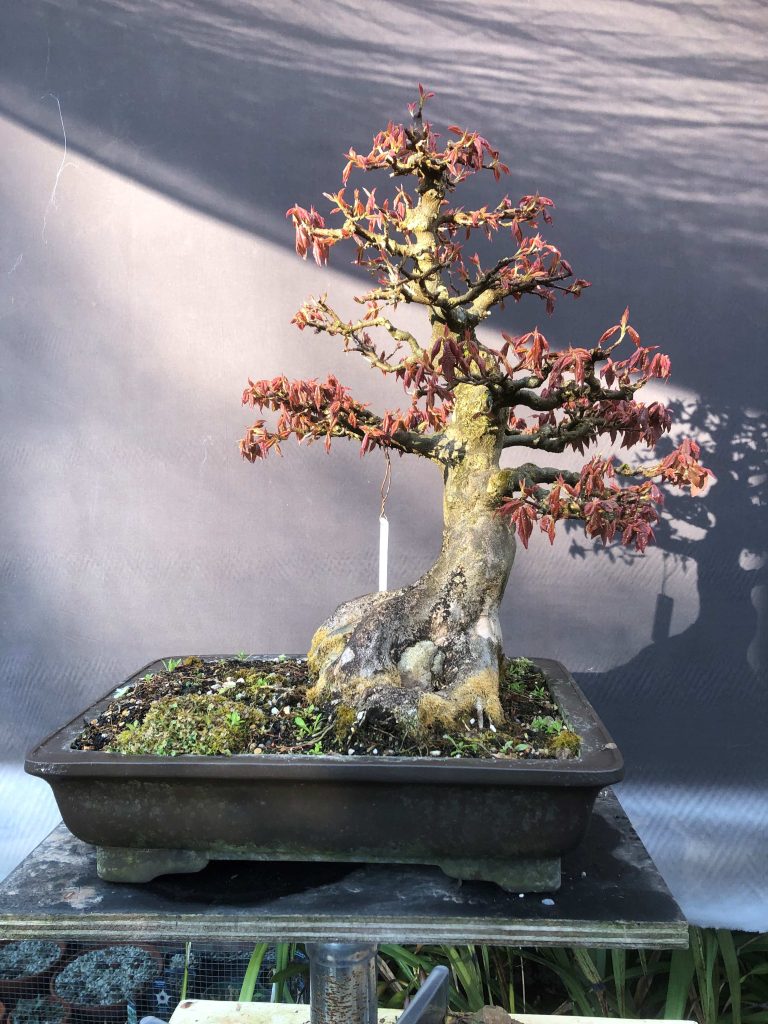
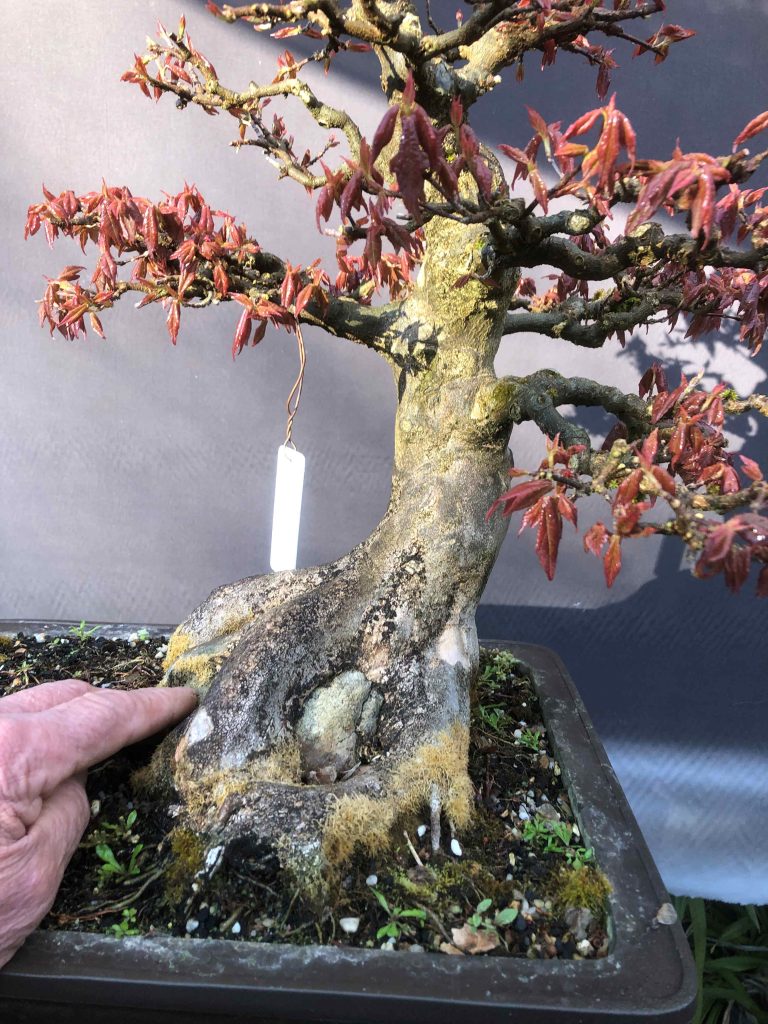
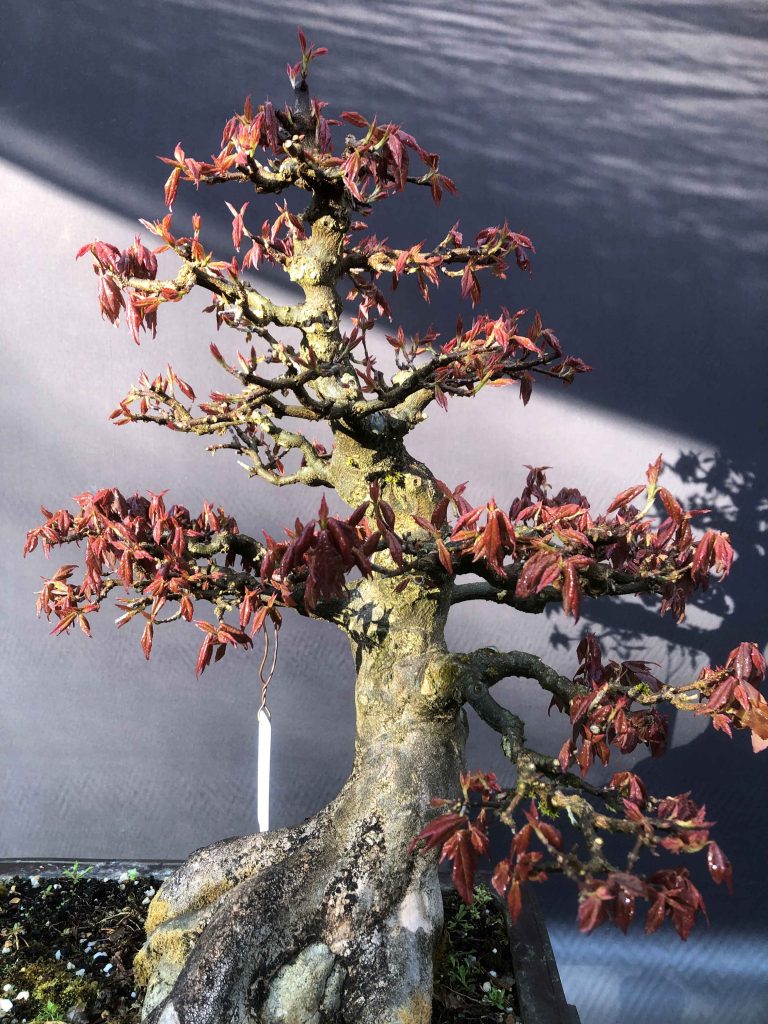
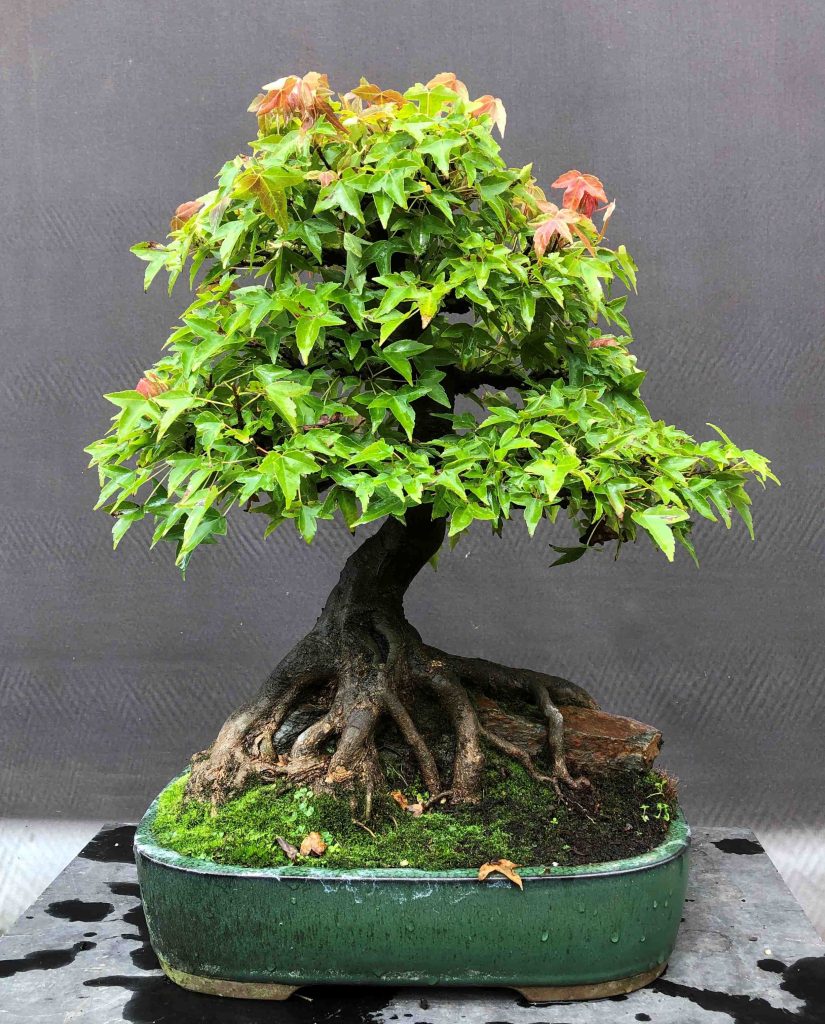
Trident maple – informal upright, root over rock.
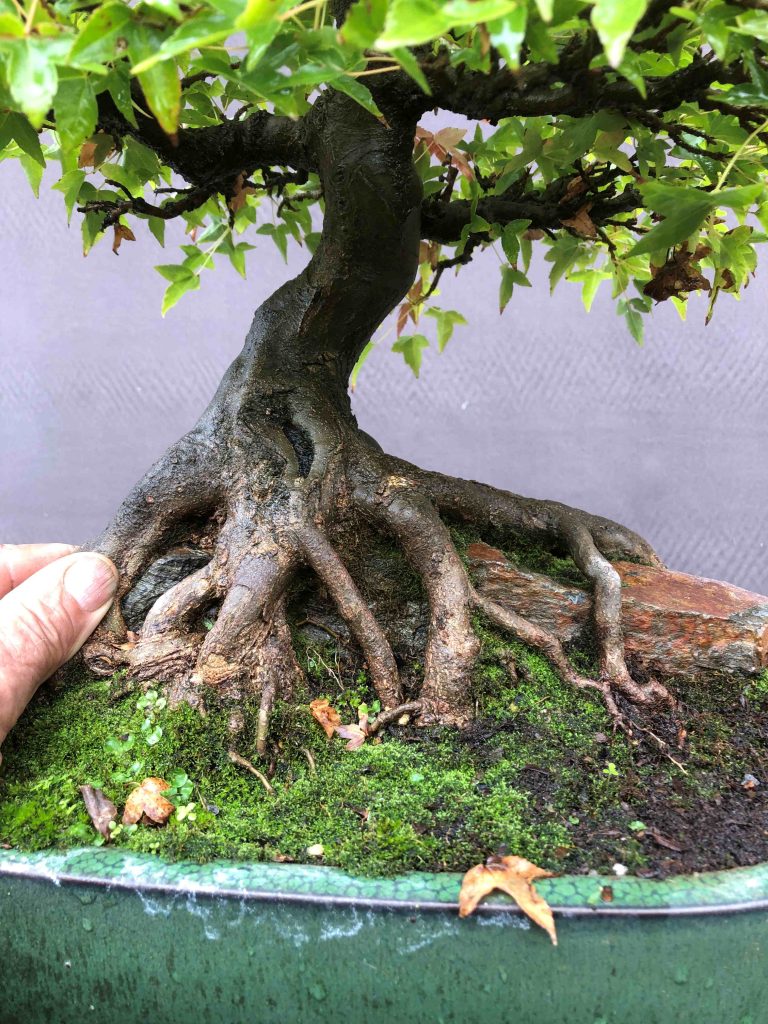
Grown from seed in the late 1980s. This trident maple is one of my early trials with root over rock. You can see that the rock is on the small side and the tree has grown so the roots have almost swallowed the rock. Branches are well ramified and few scars on the trunk. Priced at $2,500.
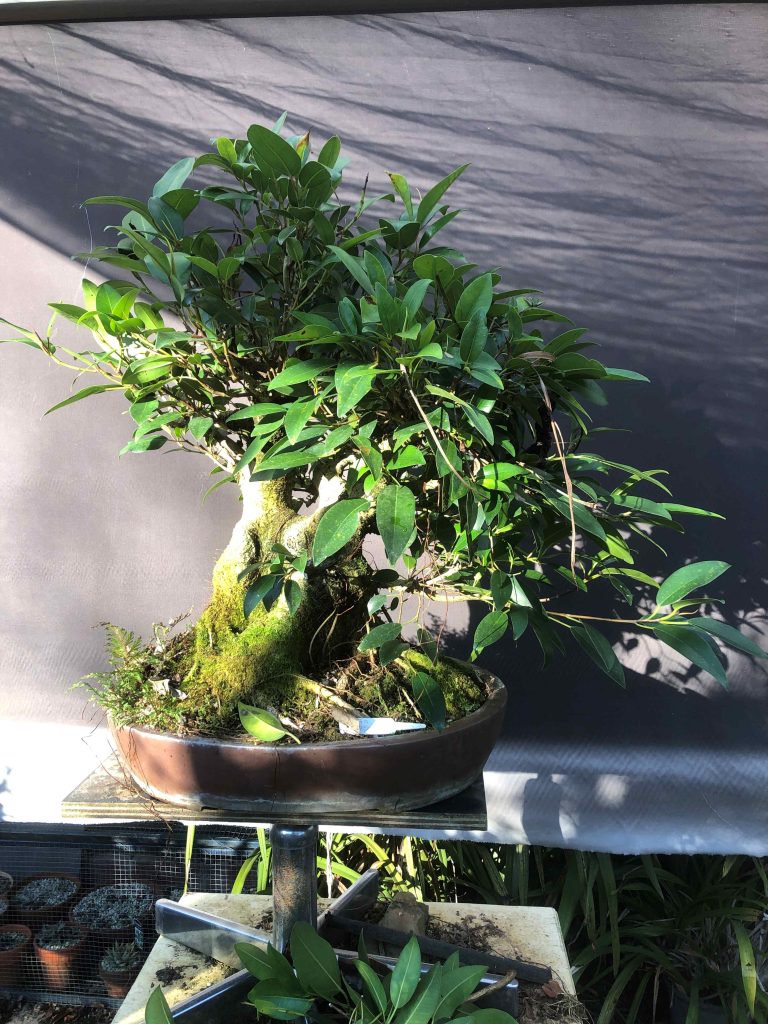
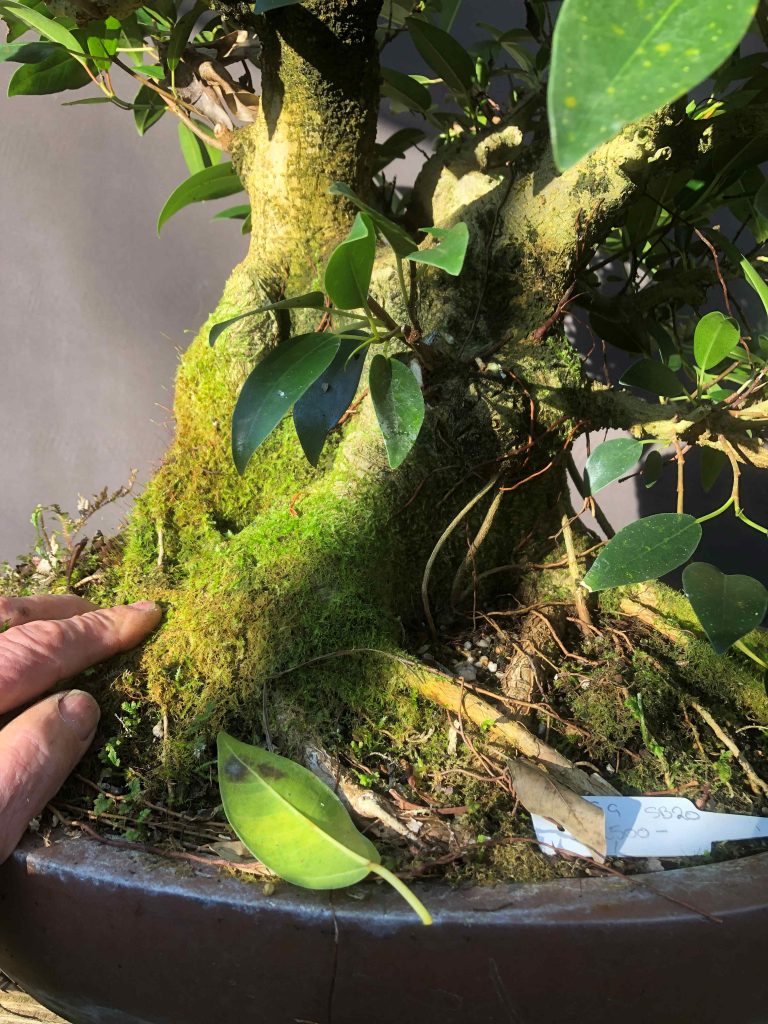
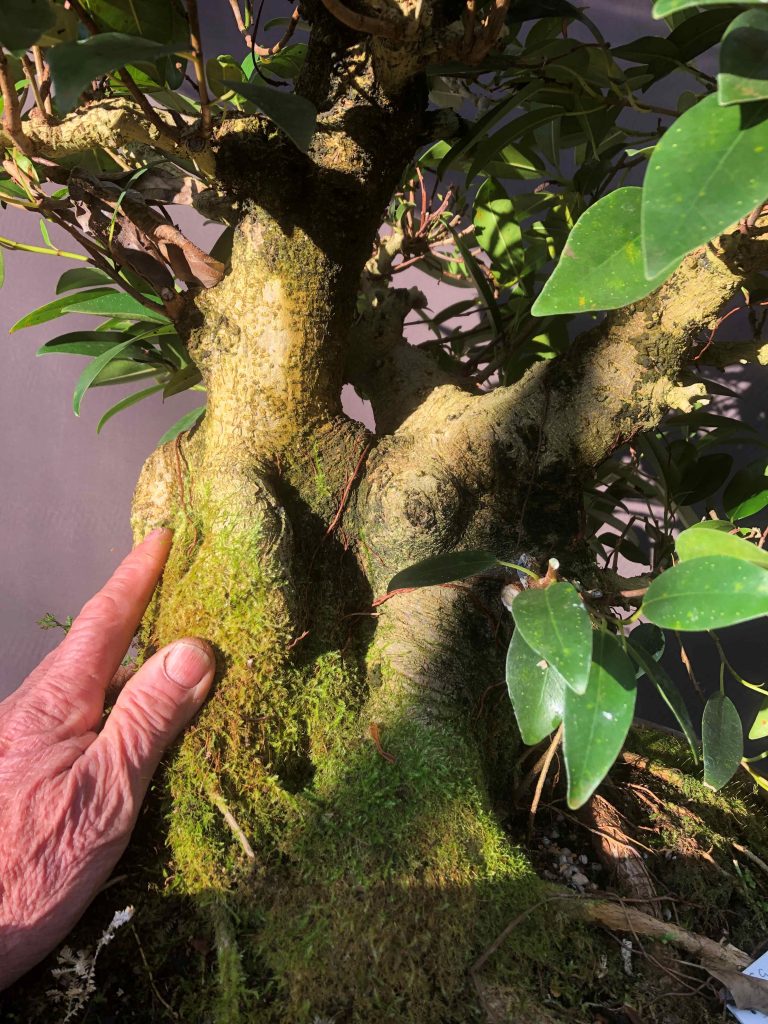
Ficus rubiginosa – informal upright.
Grown from seed in the early 1990s. This tree started out as 2 seedlings fused together to form a twin trunk bonsai. The trunks fused very well but, as the individual trunks continued to thicken, the fork between them moved higher and higher so it is now an informal upright bonsai with a very thick lower trunk and a large first branch. The cold climate here is not the best for ficus so ramification is not as extensive as the trident above but plenty of primary branches to continue building on. $2,500
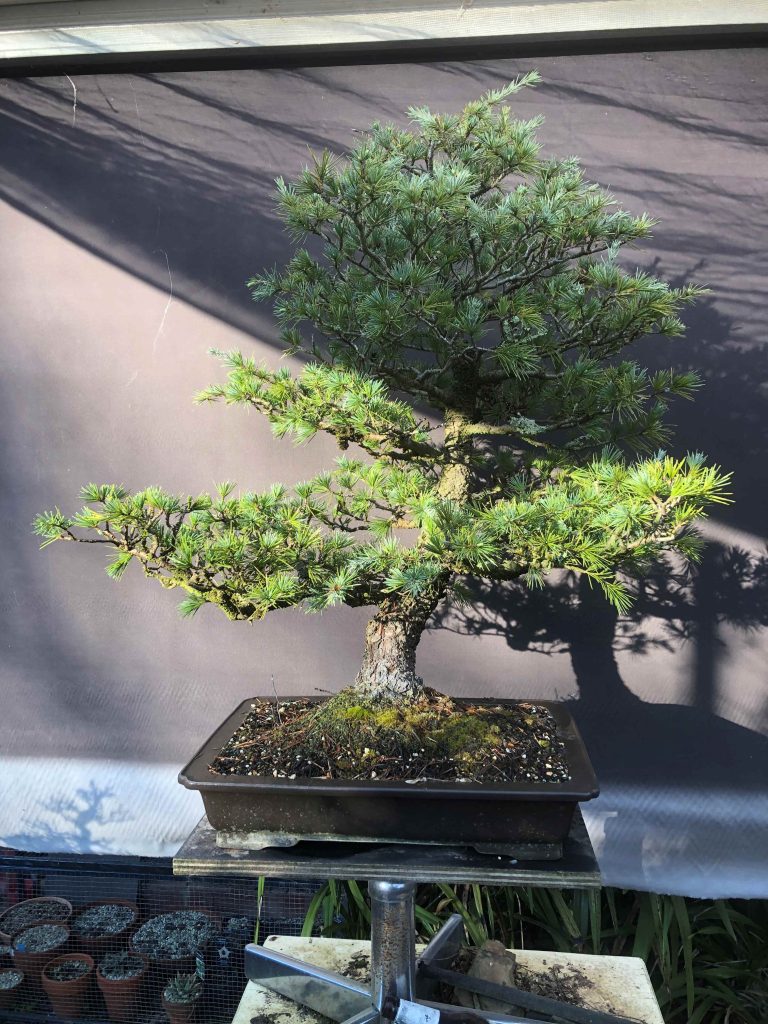
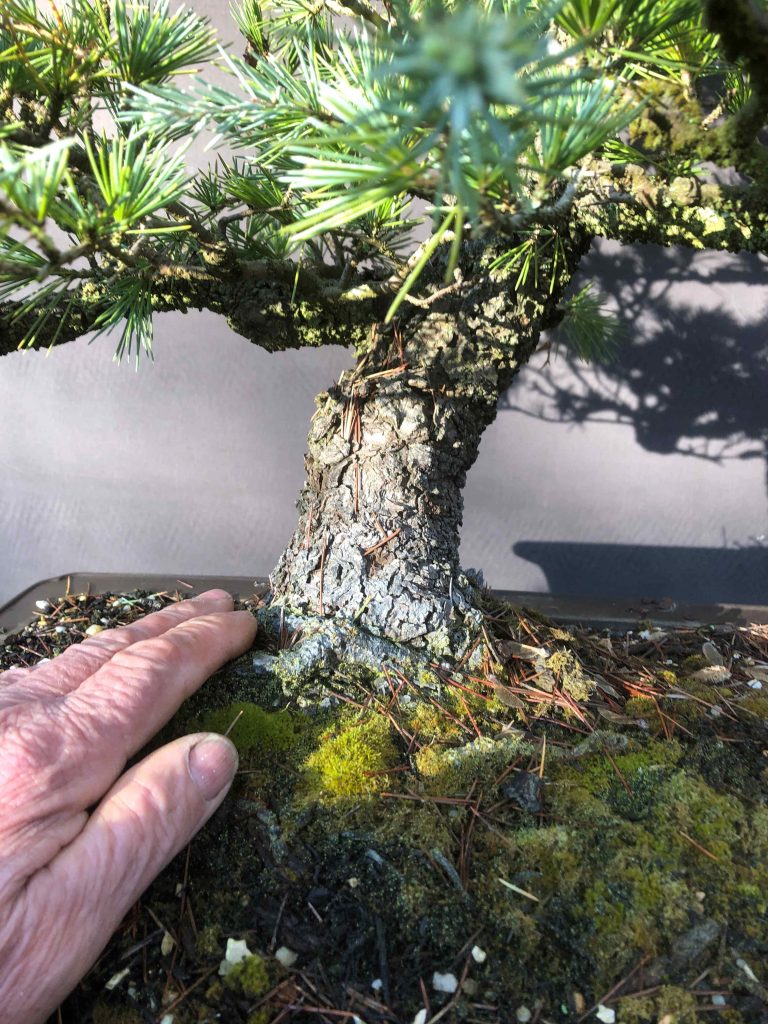
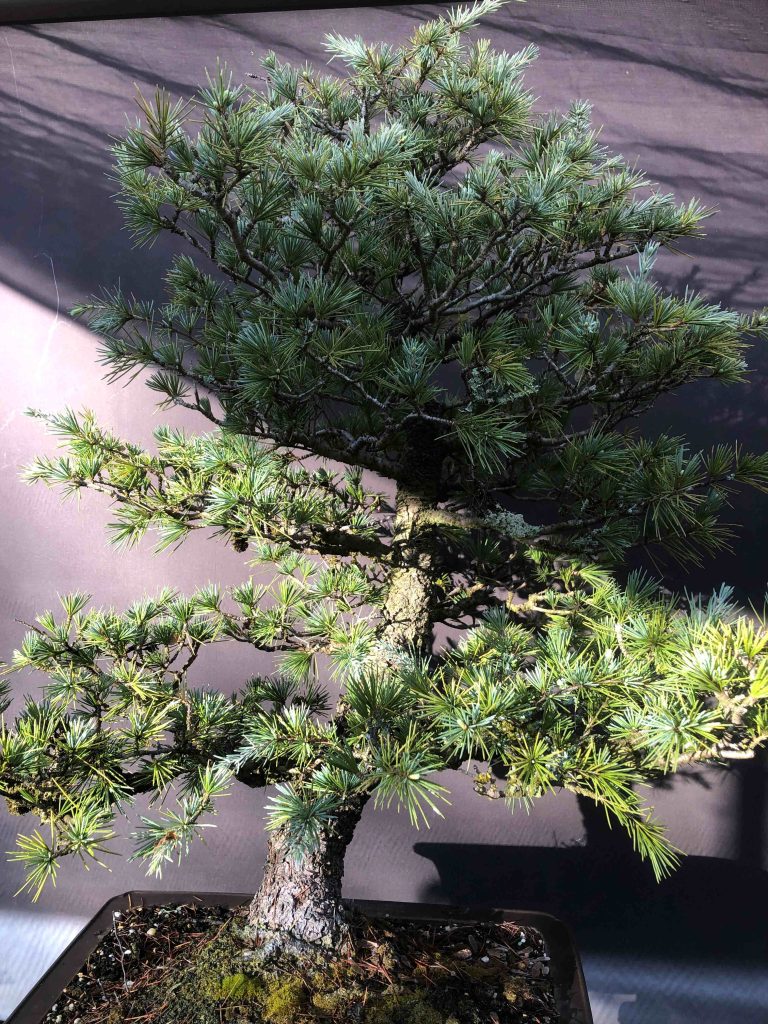
Cedrus deodar – informal upright
Cedars grow slowly so it’s not surprising that this is one of my oldest bonsai. Obtained as a pencil thick seedling from Nell Saffin in the early 1980s and developed slowly in pots, this tree is a beautiful example of deodar bonsai. Cedars of this age and quality do not come up often. Priced at $3,500.
If you’d like to see more photos of any of these trees, please ask. I’m happy to take shots of different sides or any particular aspects of the trees that you’d like to see.
I don’t really want to consign trees of this size and quality to the tender care of the postal service so alternative arrangements will need to be made for delivery. Pick up by the buyer is preferred but other options may be available so, if you don’t think personal pick up is possible, please talk to me about other delivery options.
My apologies for the late listing of new trees. There always seems to be something more pressing than formatting the new catalogues or loading them to the site.
I haven’t fully proof read the new catalogues but, if I keep procrastinating you’ll never see the new stock so I’m crossing fingers that most of the trees are included and that I’ve matched the correct descriptions to the right photos.
Already the prunus catalogue is out of date as someone purchased a large cherry and a Prunus ‘Elvins’ after I’d finished that list. Make sure you ask whether any tree is still available to avoid disappointment.
Please note that the catalogues only list larger and field grown stock. We also have a wide range of smaller starters – way too many to list individually. If smaller, less expensive trees is what you want you can email [email protected] and let me know what species, what size or shape and your price range and I’ll try to find some options that might match your needs.
Shibui Bonsai will be out and about a bit more than usual this year.
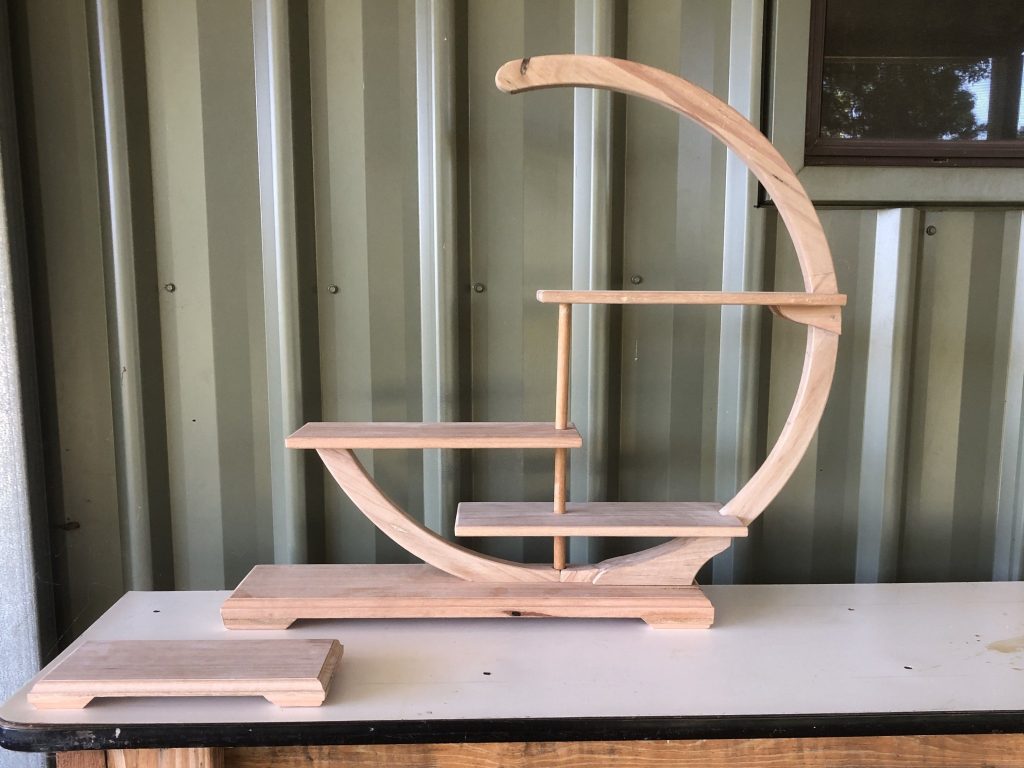
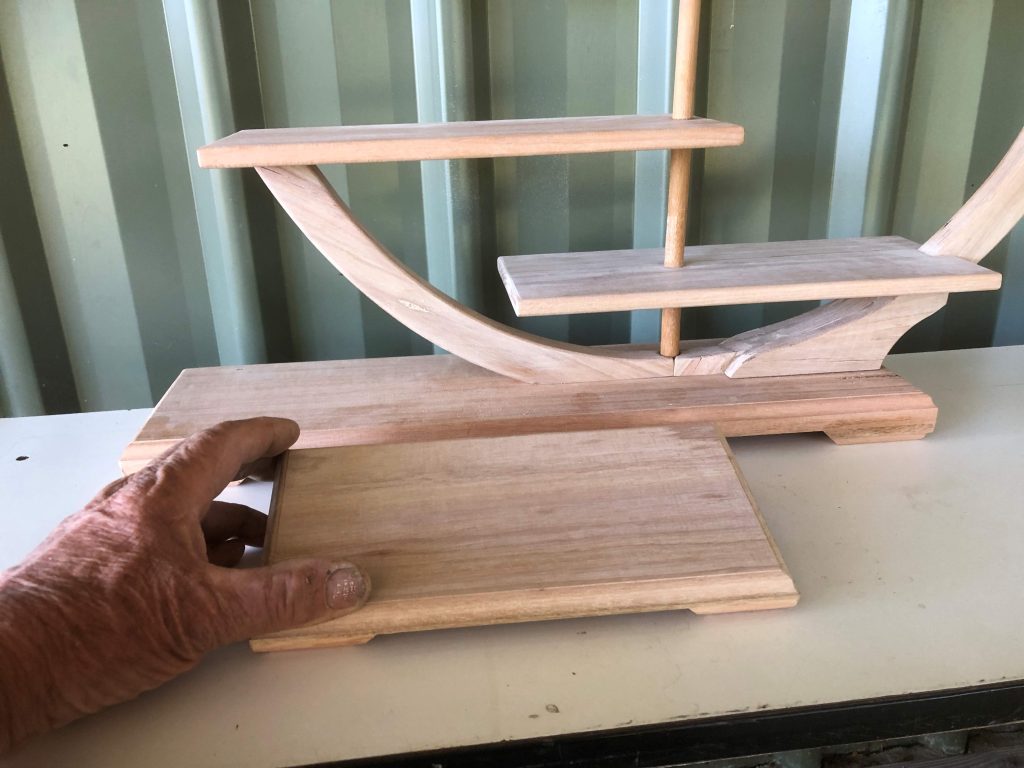
We have secured a trade space at the AABC National Convention in Canberra in May. Space for transporting stock is limited and this year we’ll have a new range of display stands on board. We’ll still try to include a good range of trees but convention delegates are welcome to check out the catalogues and ask to have specific trees included in the stock we bring. Also feel free to talk to Neil if there’s any special species you would like to get hold of.
We have also been invited to present a couple of demonstrations at Bonsai by the Harbour in Sydney in June. This will be our first trip up to the Harbour city so looking forward to meeting local bonsai fanatics there. I’ll be demonstrating Shibui Bonsai techniques to create and develop Root over Rock bonsai in one of the sessions. The other session will focus on techniques for accelerated trunk development: field growing, sacrifice branches and more.
We also have the opportunity to bring Shibui Bonsai stock for sale while we are at Bonsai by the Harbour. We’ll try to take a varied selection of sizes, shapes and species but you are welcome to check out the Shibui Bonsai catalogues and ask us to include specific trees that you’d like to get a closer look at. This is a once only chance to secure quality Shibui Bonsai trees without the delivery costs! Catalogue
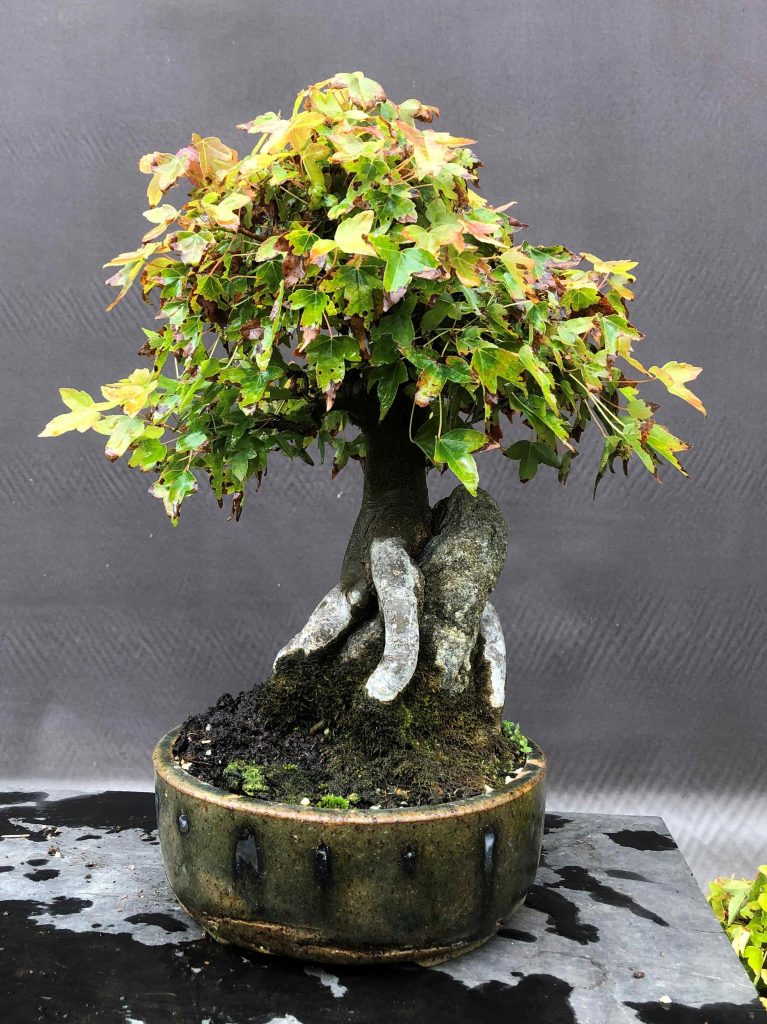
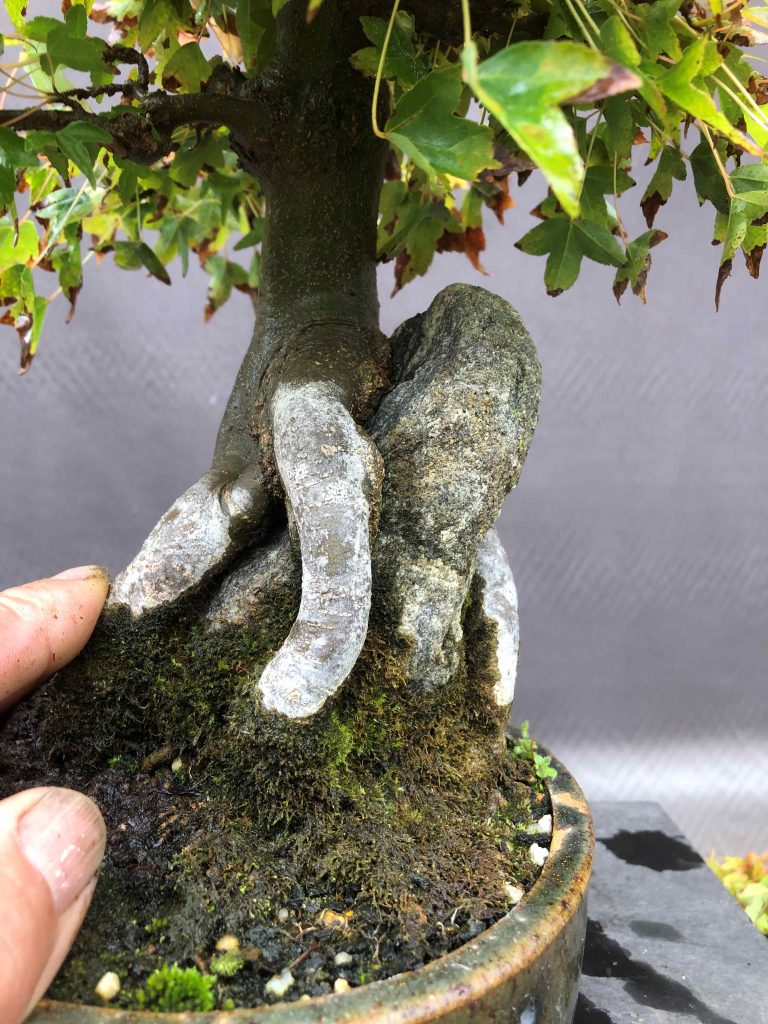
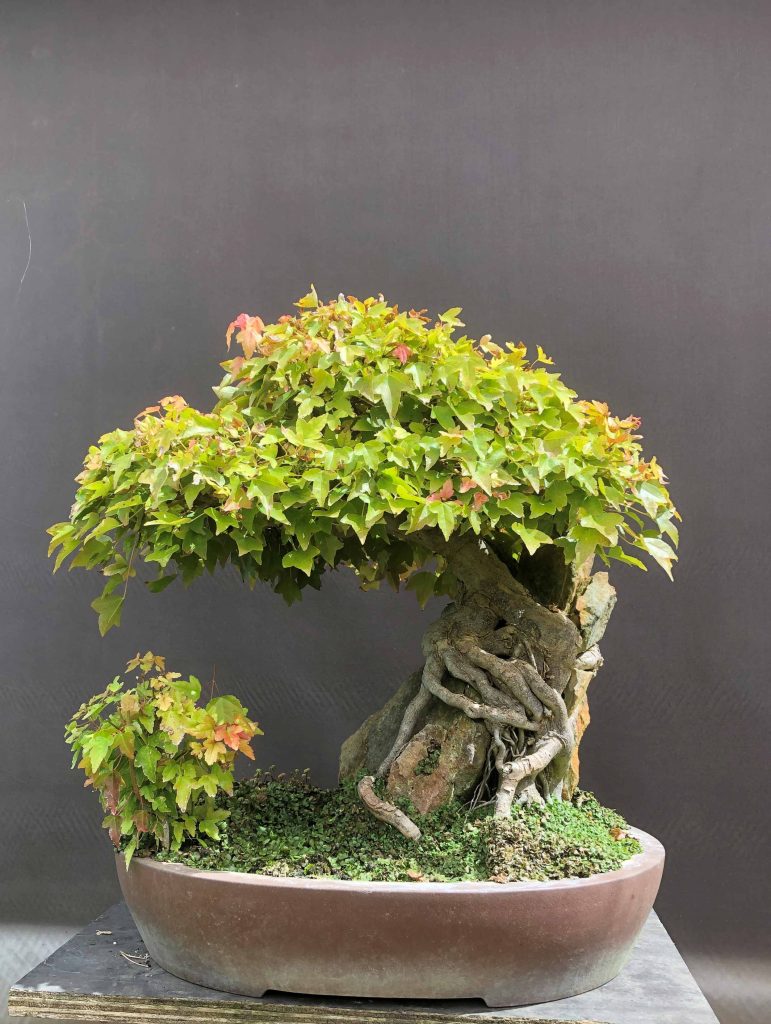
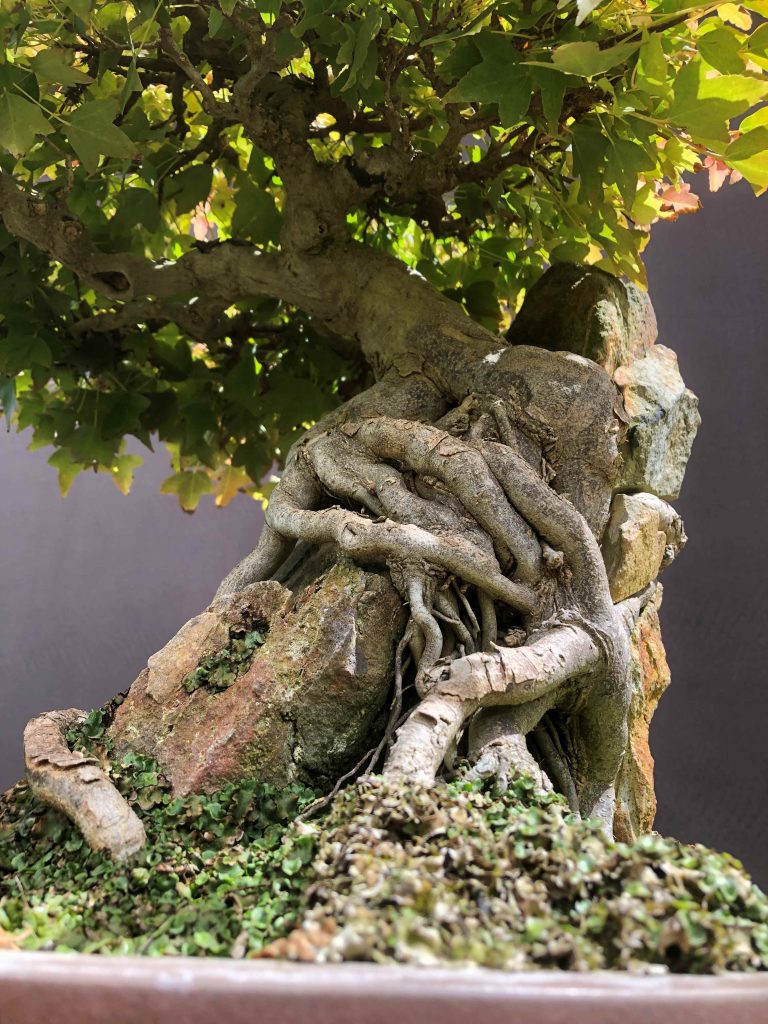
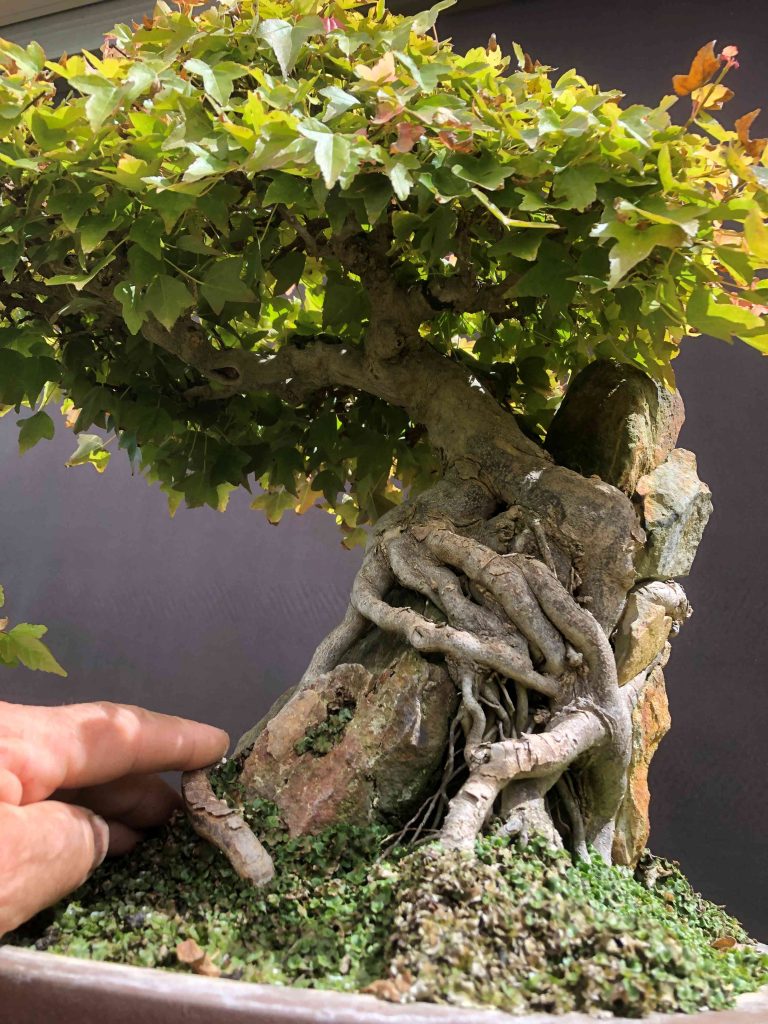
I’ve been growing and developing root over rock bonsai for many years and gradually developed some techniques that help me produce reliable results. Check out some of the Shibui Bonsai root over rock trees.
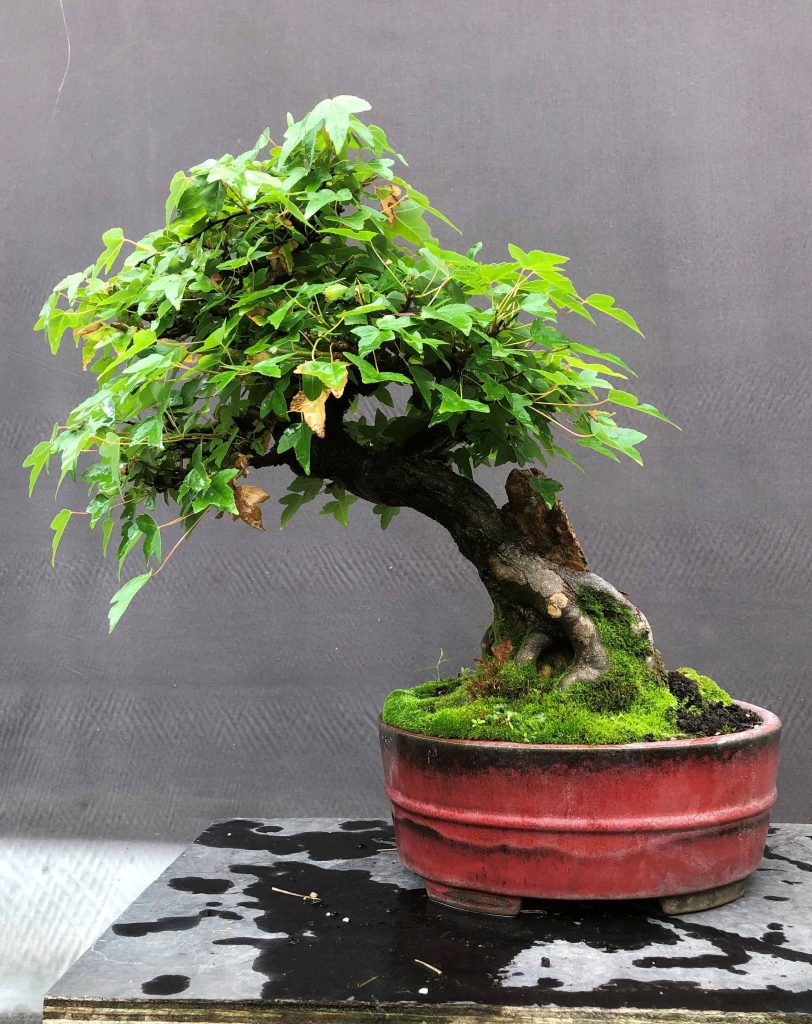
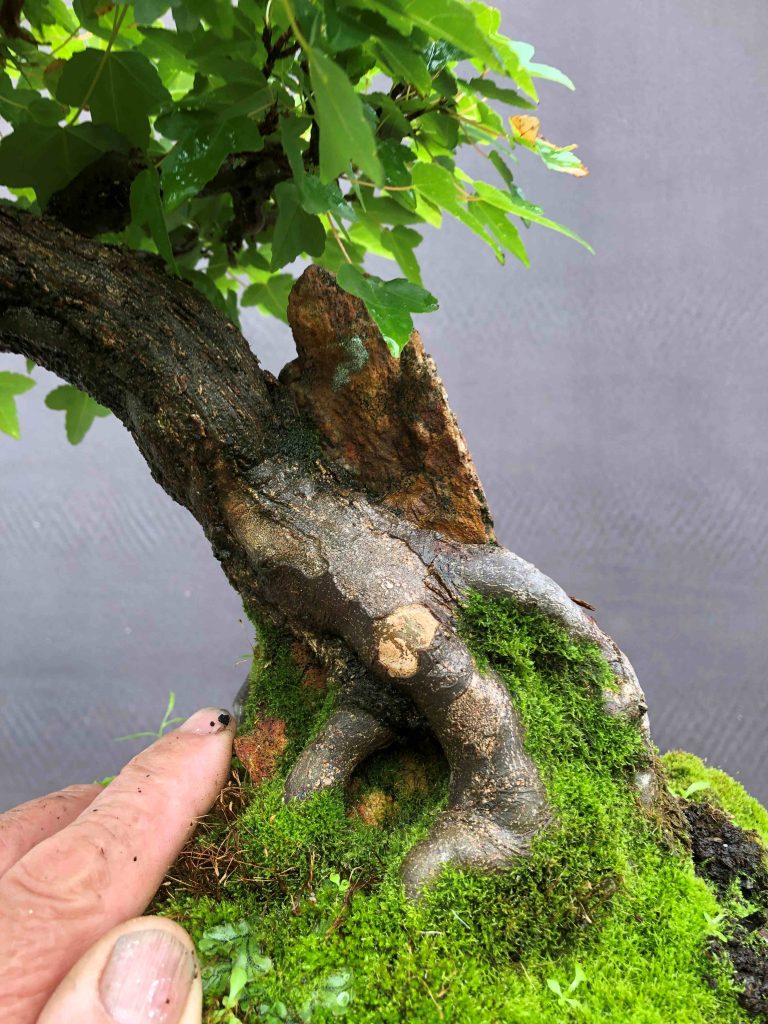
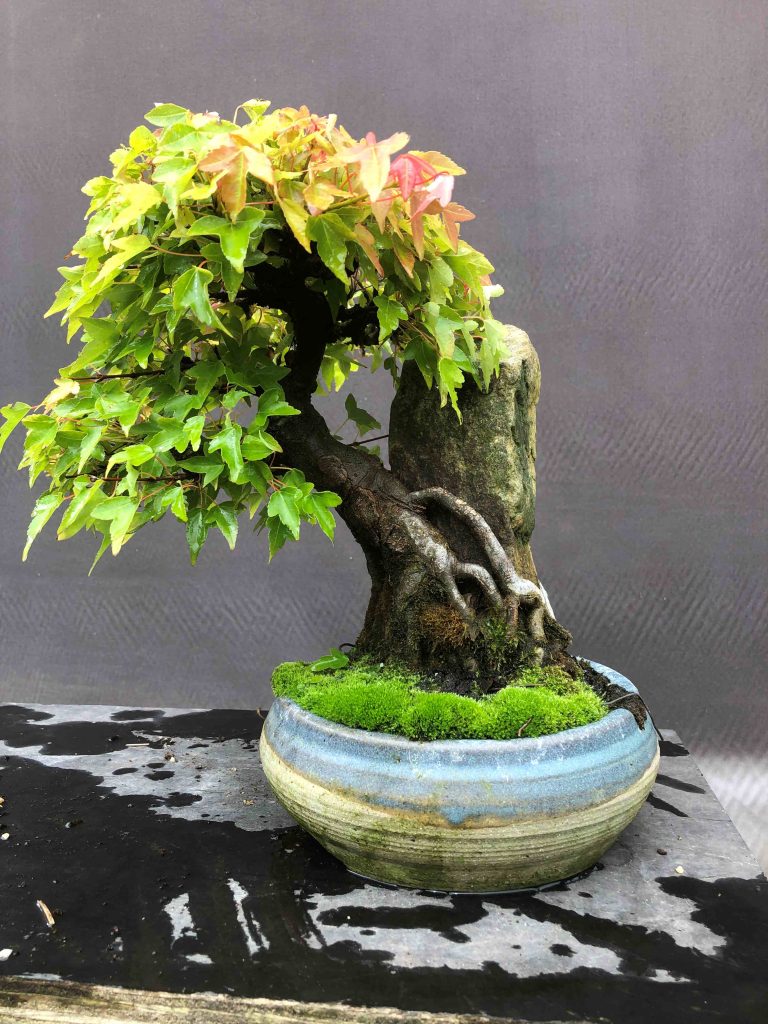
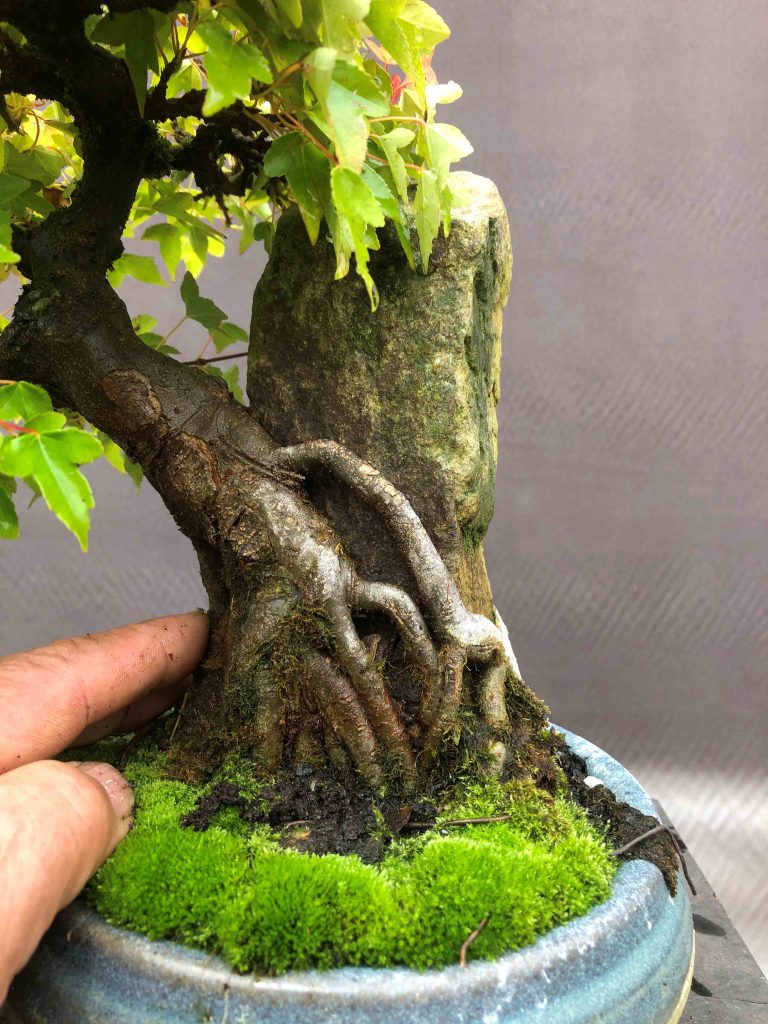
Trident root over a low rockCloser look at the rock and rootsClose up of the rock and roots
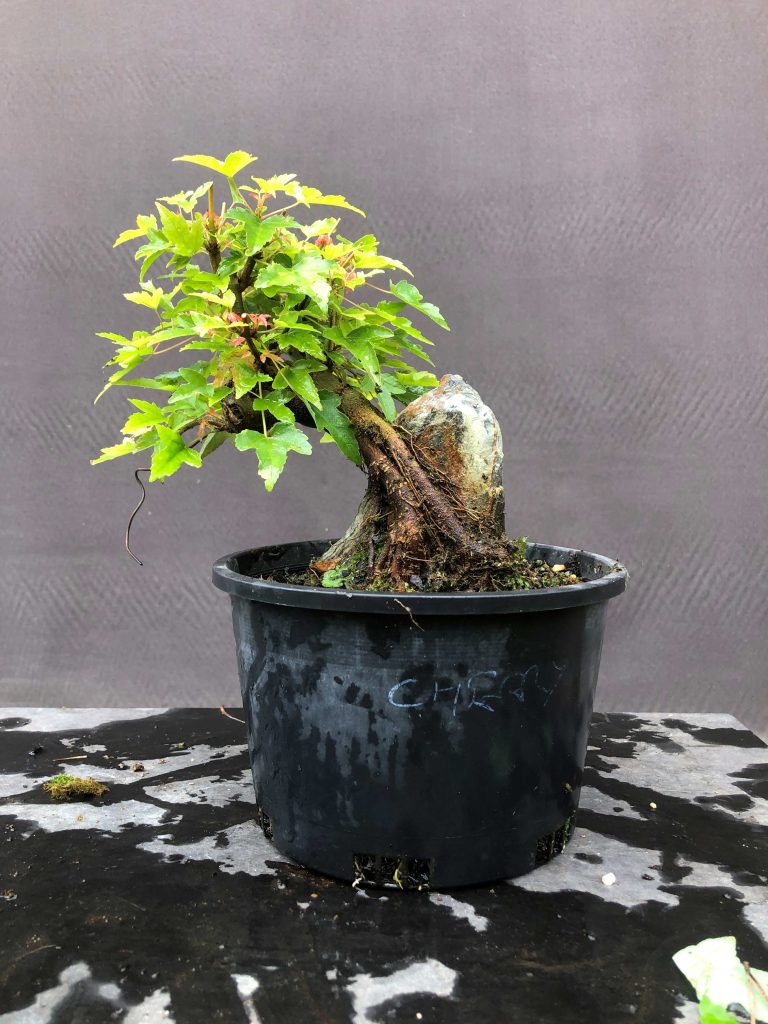
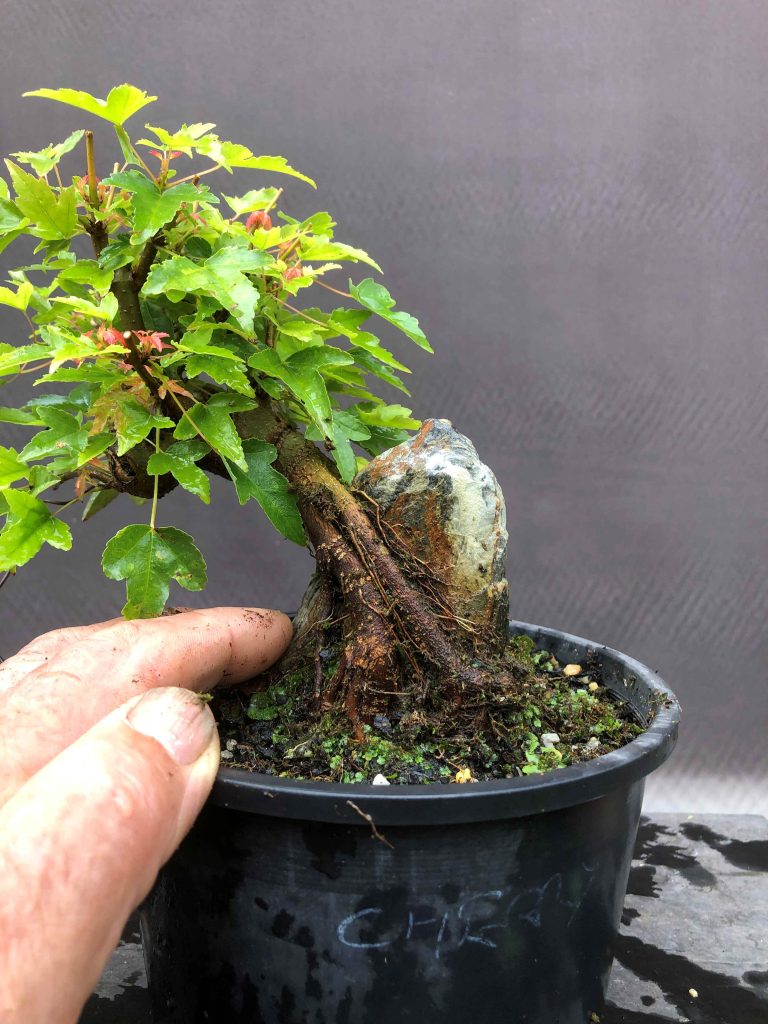
More recently I’ve been working to develop some really good smaller Root over Rock bonsai. Like other styles, shohin ROR are much more difficult to get right. Getting good trunk taper, good bends and branching in a smaller tree is challenging. Adding extra height with the rock makes shohin ROR even more difficult.
Smaller trident ROR – about 30 cm tall.Rock and roots.Another smaller ROR trident.Shohin sized trident ROR. The pot is 15cm diameterAnother shohin sized ROR under development.Trident ROR in development.Roots clasping the rock.
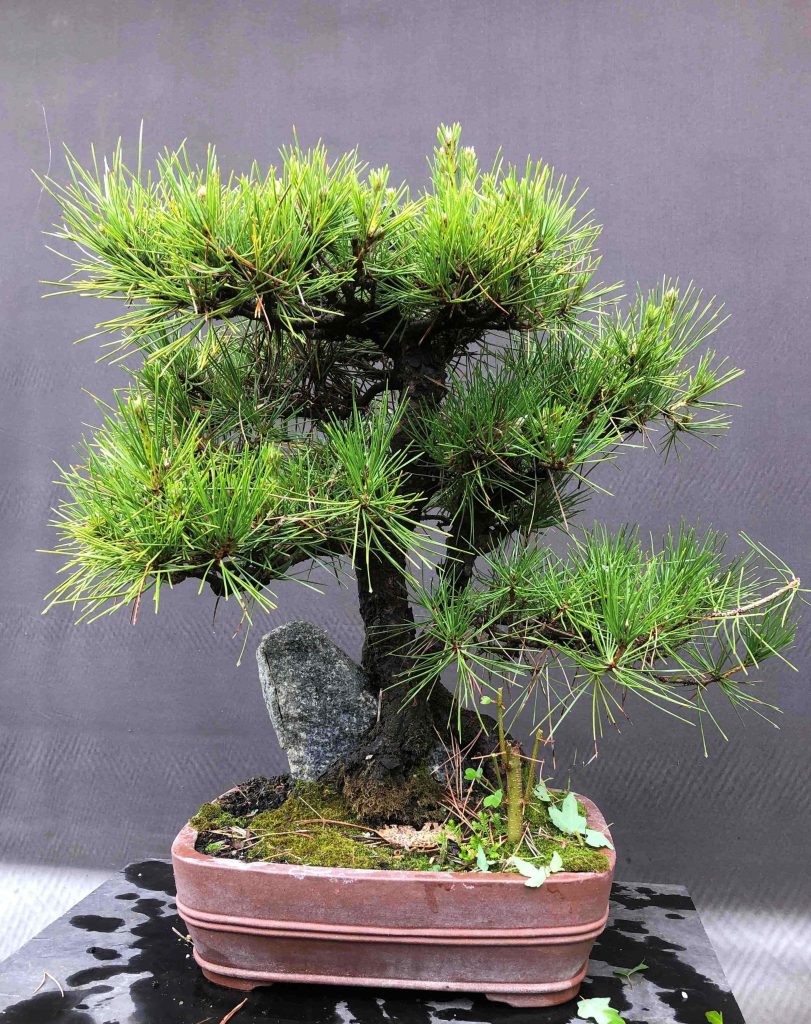
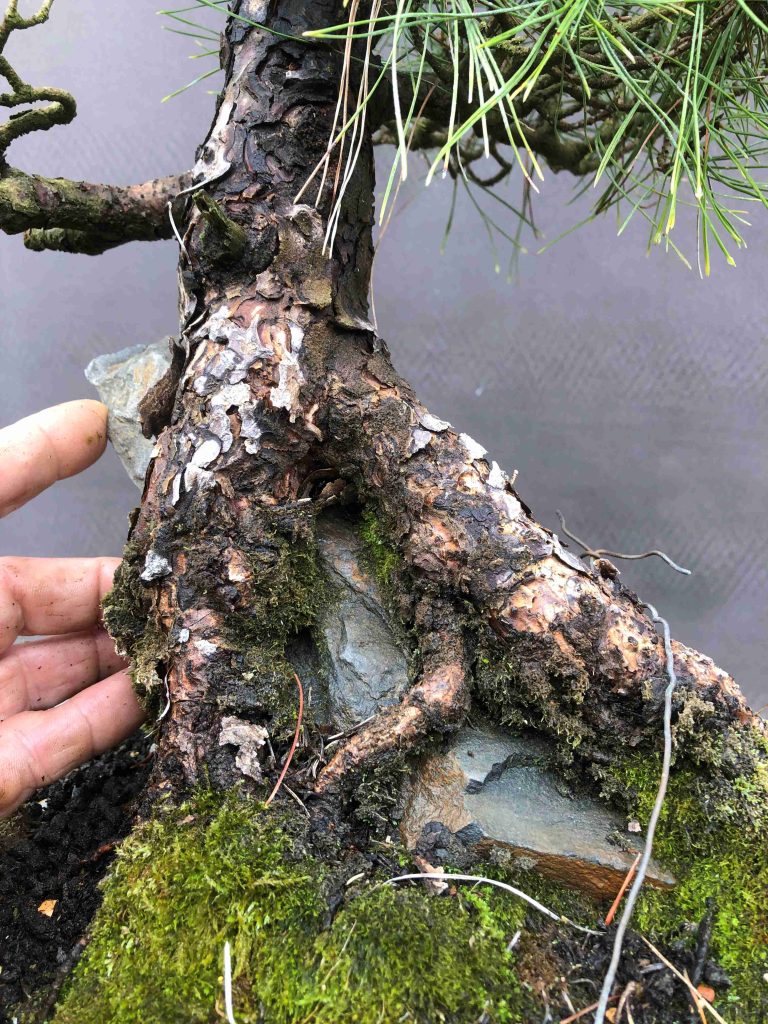
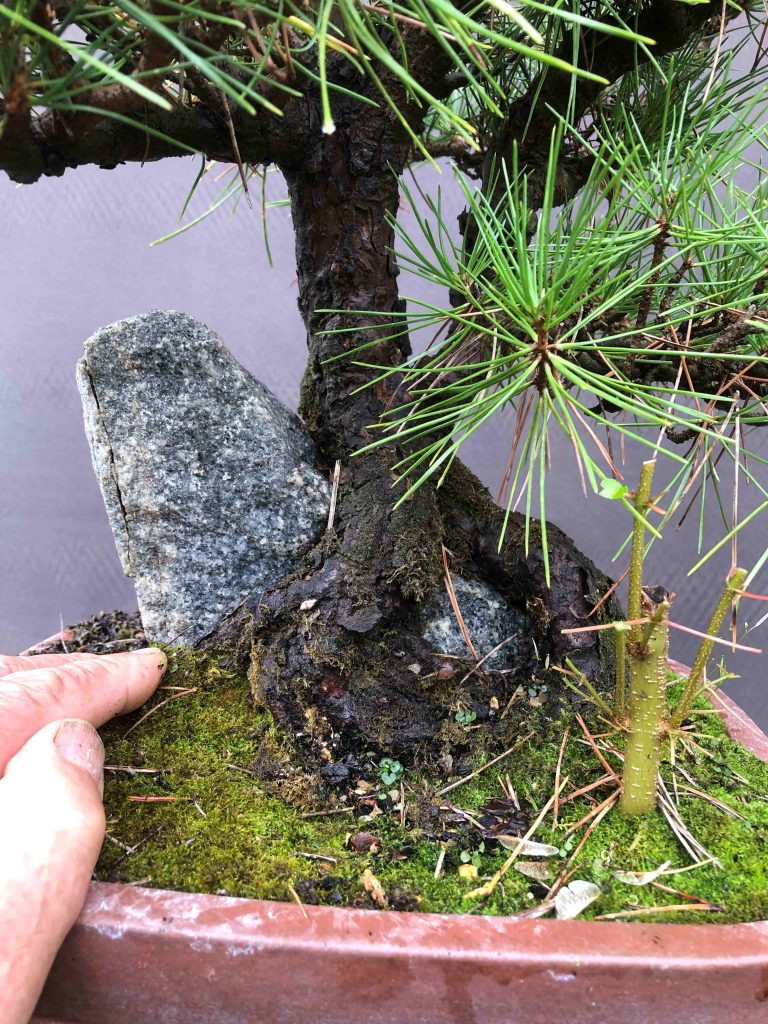
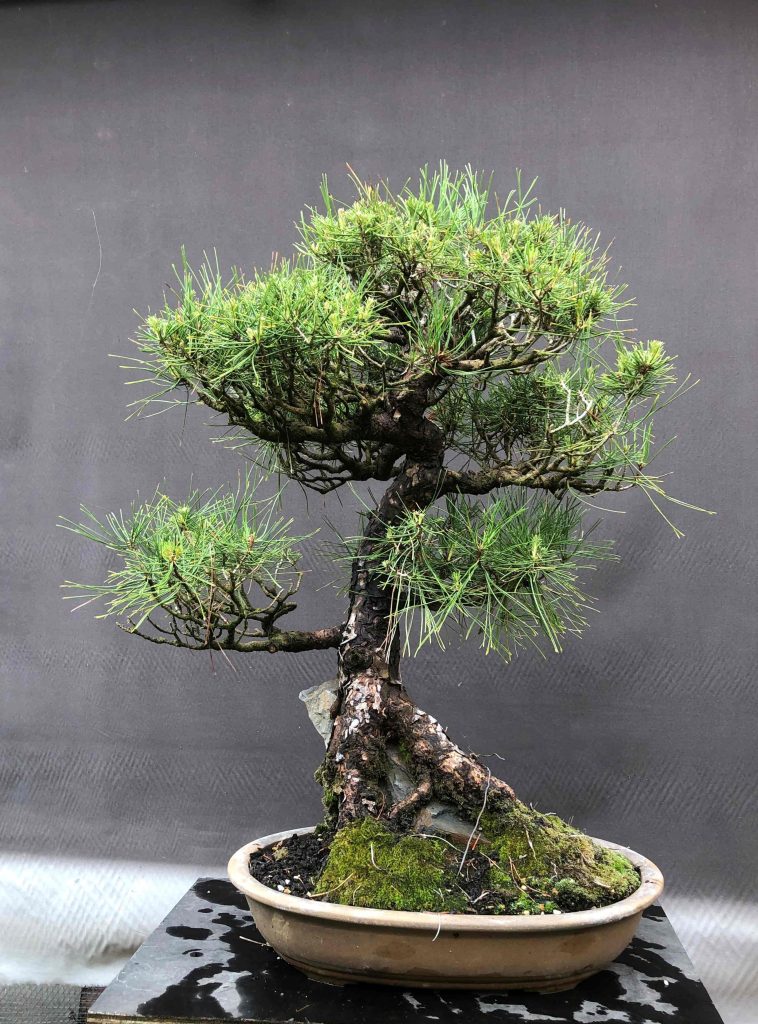
Most of the Root over Rock trees I grow are trident maples. That’s because they grow fast and the roots develop quickly so we end up with roots flowing over the rock much quicker than with other species. The same techniques can be used to develop ROR plantings with other species. Here are a couple of Shibui Bonsai pine ROR but I’ve also developed ficus and Chinese elm as root over rock bonsai. I’m still working on developing branch ramification on these pines so the branch pads still look distinctly hairy and unkempt.
Japanese Black pine RORRed pine rootsBlack pine Root over RockJapanese red pine ROR.
I’ve already shown some of the smaller ROR I’m attempting to grow but bigger ROR is also possible. Just allow for the weight of the rock. The following tree does not look very big but weighs around 20 kg so is more difficult to move for pruning, repotting and other maintenance tasks. The assistants who were helping dig trees from the grow beds that year christened this one Root over Boulder as they struggled to lift the tree and rock out of the ground.
You can find this year’s Shibui Bonsai ROR trees available for sale on the ROR catalogue – Root over Rock
Root over Rock pre-bonsai can be costly to ship due to the weight. For those attending the AABC National Bonsai convention in Canberra in May we can bring selected root over rock trees with no delivery cost. Make sure you get your orders in well ahead to avoid disappointment.
I’ve been asked to present a demonstration of Shibui Bonsai methods for developing Root Over Rock bonsai at this year’s Bonsai By the Harbour in Sydney in June. That’s your chance to get all the tips and proven Shibui techniques. We’ll try to bring examples of ROR at all different stages of development to make that session a really practical how to session.
For any NSW growers who fancy skipping the 3-5 years of growing, Shibui Bonsai will have a sales table at Bonsai By the Harbour so you too can order ROR trees from the Root over Rock catalogue and cut out the delivery fees. Don’t let the Convention attendees get the best trees. Make sure you order well in advance. I’m happy to put a reserve on trees and hold them until delivery at BBTH in June.
Apologies to all those of you who have been waiting to see what Shibui Bonsai has to offer this year. I could blame all sorts of circumstances but truth is I’ve been procrastinating. So many other things that seem way more important than taking the photos, compiling the documents and then uploading here. There was the bushfire nearby but our commitment helping out there was only the last couple of weeks so I can’t really lay all the blame there either.
Anyway, better late than never (and any other platitudes you’d like to add). This year’s catalogues should be live on the catalogue page now. Shibui Bonsai catalogue page
It’s worth noting that, due to the abovementioned slackness, there are a few of trees that are not included in the current catalogues. Pines and junipers not re-established well enough to ship yet. Some pots missed out on cat numbers (one of my excuses for not posting) but I’ve decided to publish without those few trees. Maybe I’ll get enthused and add them at some stage during the year. If you’ve read this far and want to see any trees that missed the catalogues, just email and tell me which category you would like to see.
There are always more trees that either don’t fit in the catalogue categories or I’ve missed them during stocktake or photo sessions so it may be worth asking if you want something special and can’t see it in the catalogues.

 Login
Login